
Forget The Grand Canyon, Visit One Of The American Southwest's 10 Less-Visited Natural Wonders Instead
The Grand Canyon is an undisputed crown jewel of the American Southwest, drawing over 4 million visitors each year according to the National Park Service. But that overwhelming popularity comes at a cost. Idling tour buses drown out the solemnity of every sunrise, and long shuttle queues devour even the most carefully scheduled itineraries, leaving some disappointed tourists wondering if a few minutes spent enjoying the epic scenery was really worth braving the shoulder-to-shoulder crowds.
Fortunately, those who are willing to explore some of the region's other natural wonders will find an endless array of sites from the serene to the surreal. The American Southwest is nothing short of a geological spectacle shaped by tectonic shifts and relentless erosion. By leaving the Grand Canyon's epic rims in the rearview mirror, travelers can find sapphire sinkholes, striped slickrock formations, and bentonite clay beds that beg to be photographed. The further you get from the Grand Canyon, the more you'll be rewarded by these lesser-known marvels, which include an enormous clonal forest, dramatic underground grotto, and secluded swimming spot, that deliver all of the wow factor with none of the crowds.
To earn a spot on this list, each destination had to draw a fraction of the Grand Canyon's annual crowds, with yearly totals ranging from roughly 10,000 visitors to around 1.2 million at the busiest site. These numbers reflect either site-specific tour and trail counts or broader park-wide totals reported by the National Park Service, Bureau of Land Management, U.S. Forest Service, state and tribal park authorities, local legislatures, and land stewards.
Bisti Badlands
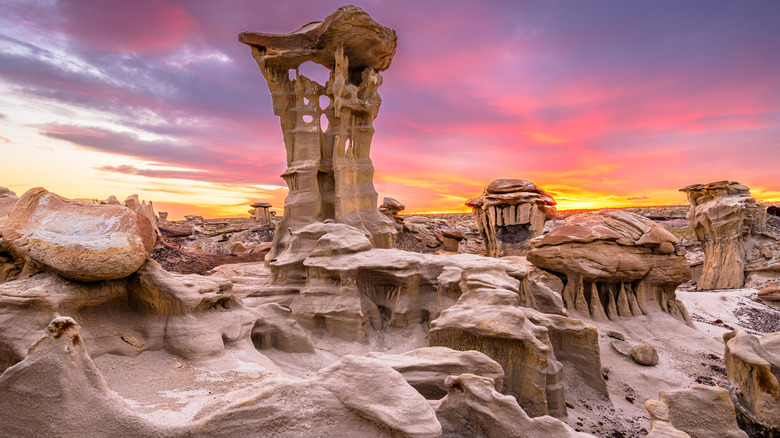
The Bisti Badlands are an otherworldly spot just a 40-minute drive south of Farmington, New Mexico. BLM estimates barely 10,000 souls wander its pathless 45,000 acres annually. Navigating the surreal and desolate landscape can be a challenge due to the lack of facilities, trails, and potable water, but the payoff includes sandstone hoodoos, petrified wood logs, fossilized beds, and the famous "Alien Egg Hatchery," a collection of large spherical stones rising above the eroded ground. Although the wilderness area is open year-round, the arid desert climate makes late spring or early fall the ideal times to visit.
Lehman Caves
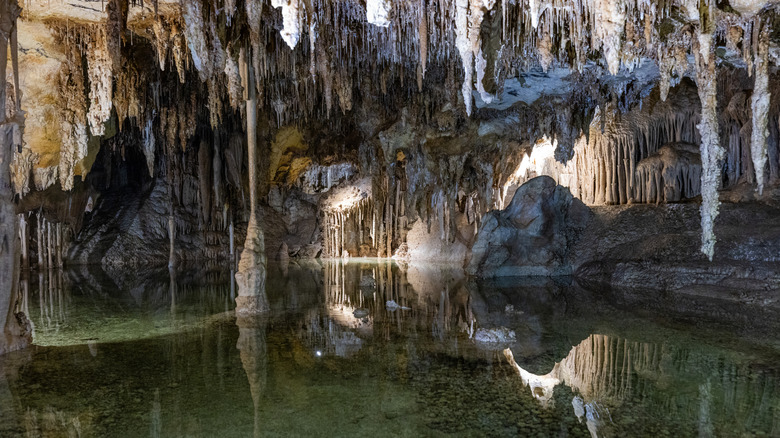
Lehman Caves is one of the country's best-kept subterranean secrets. Hidden 300 miles north of the Las Vegas Strip in Great Basin National Park, the labyrinthian caverns are made of marble filled with delicate stalactites and other calcite formations. The National Park Service caps ranger-led tours, which are the only way to view the crystalline chambers. Although you may be able to score a walk-up tour ticket, if you absolutely want to join the 30,000 people allowed inside this dark and humid natural wonder each year, NPS recommends reserving your spot online well in advance at Recreation.gov.
White Pocket
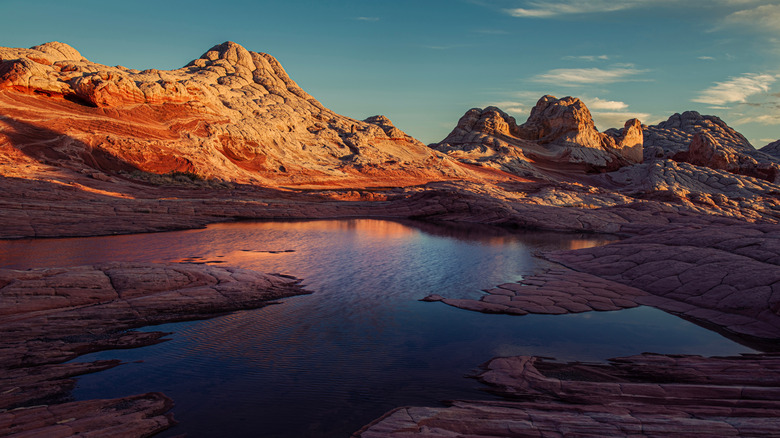
White Pocket is one of Arizona's technicolor wonderlands. A two-hour drive from Page, its remote location in Vermilion Cliffs National Monument means you won't need to deal with the strict lottery permit hassle that gates popular sites nearby. Delightfully under the radar, many of the estimated 228,665 annual visitors reach the twisted Navajo sandstone formation each year. While there's plenty to deter the masses, particularly the deep sand access roads that require four-wheel-drive vehicles manned by experienced drivers, explorers who make the journey are greeted by cauliflower-white and burnt-orange slickrock formations that practically glow when mirrored in natural rain pools.
Pando
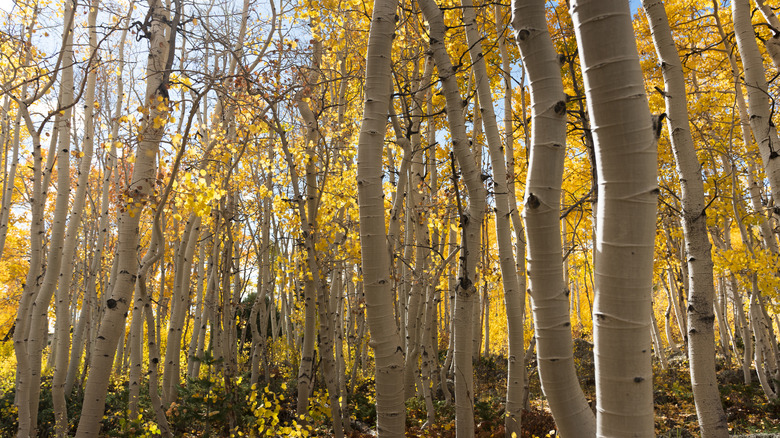
Pando is a breathtaking 106-acre forest of quaking aspens that's actually a single living organism. Located in the peaceful Fishlake National Forest, around 150 miles south of Provo, Utah, the "Trembling Giant" is believed to be one of the oldest beings on Earth. Thanks to a prehistoric mother root system weighing 13 million pounds, wandering through the majestic natural marvel is especially spectacular during autumn, when its leaves turn the sky into a rustling gold expanse. According to data from the Utah State Legislature, the botanical wonder draws only 11,000 visitors each year.
Cathedral Rock
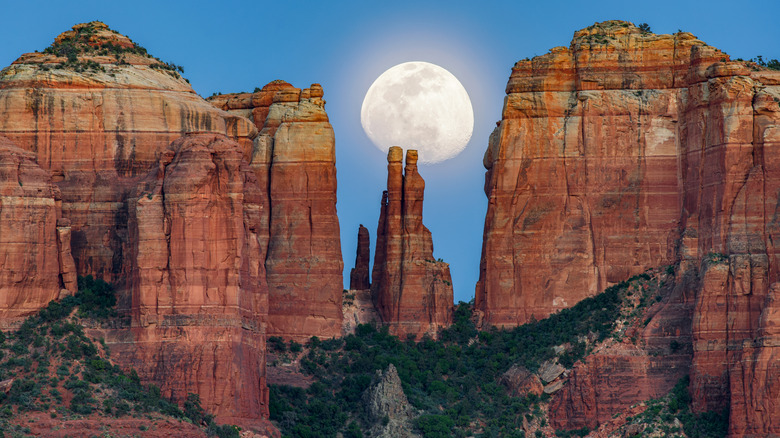
Famous for its potent vortex, Cathedral Rock is a majestic sandstone butte that towers over Sedona, a breathtaking American Southwest destination that has earned the title of the world's most mindful escape. While the most recent U.S. Forest Service data indicates roughly 80,000 hikers make the strenuous climb annually, Red Rock Trail Fund says that number has grown closer to 360,000. Still, even when visitors hit the trail to watch the sun rise and set over sacred ground during Sedona's crowded tourist seasons, they encounter only a fraction of the millions who visit the Grand Canyon each year.
Fossil Creek Wild and Scenic River
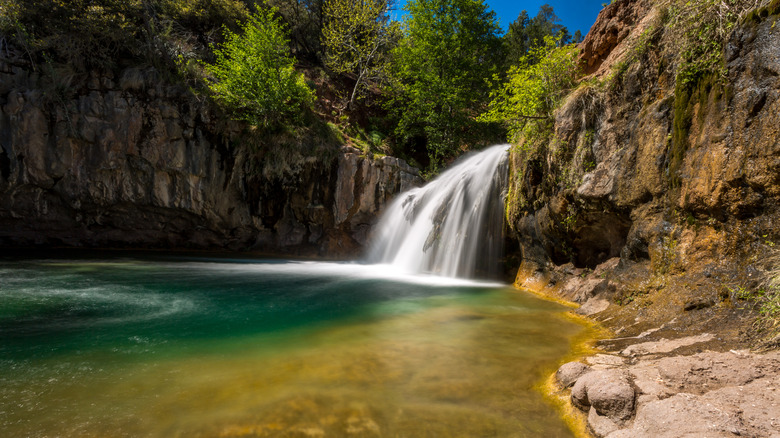
Fossil Creek Wild and Scenic River is a tropical paradise hidden in Arizona's arid desert. The ancestral home of the Apache and Yavapai people, it remains an uncrowded natural wonder due to a permitted lottery for day-use parking between April 1 and October 1, which has limited annual visitors to under 50,000 in recent years. Located between Strawberry and Camp Verde, the warm, mineral-rich water tumbles over waterfalls into calm cerulean pools shaded by sycamore trees. While flooding does cause occasional closures, it's hard to beat a swim when the weather cooperates.
Upper Antelope Canyon
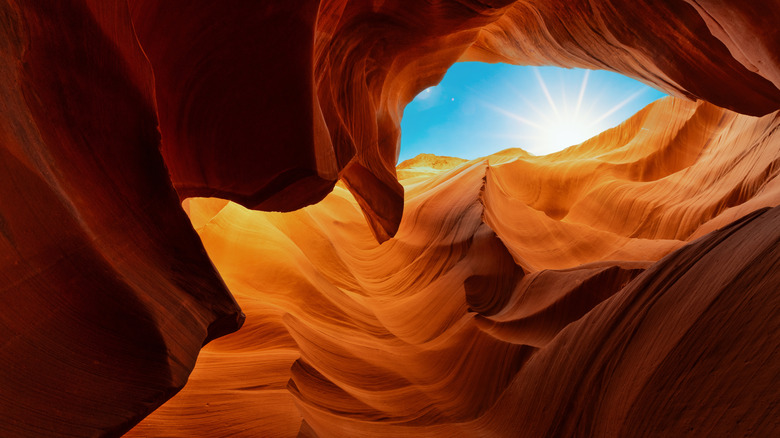
The Navajo call Upper Antelope Canyon Tsé bighánílíní, which translates to "the place where water runs through the rocks." Located within Lake Powell Navajo Tribal Park near Page, Arizona, it's easy to understand how the slot canyon earned this moniker. Walking through narrow sandstone crevices, visitors are stunned by sunbeams flooding the swirling curves of amber rock. Although the windingly eroded site is among the most beautiful canyons in the American West, visits to this photogenic wonder are strictly managed through mandatory guided tours, capping crowds at around 1.2 million annual visitors.
Blue Mesa
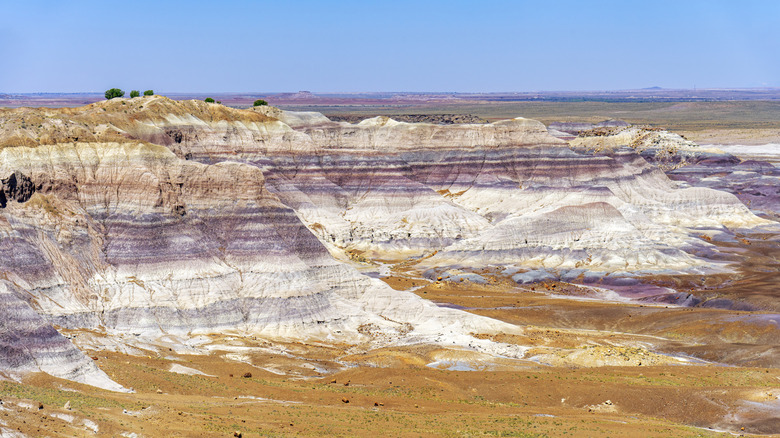
Located 70 miles east of Winslow, Arizona, Blue Mesa is a geological pocket inside Petrified Forest National Park. The park covers a small corner of the Painted Desert, a vast expanse of prismatic badlands, mesas, and buttes stretching nearly 150 miles. A paved and gravel trail makes it relatively easy to enjoy the banded mounds of slate blue, steel gray, and radiant violet mudstone, but hikers should be prepared for a few switchbacks along the 1-mile spur. With recent National Park Service annual visitor counts hovering around 500,000 for the entire park, tourist bottlenecks are the last thing you'll find in this brilliantly scenic spot.
Montezuma Well
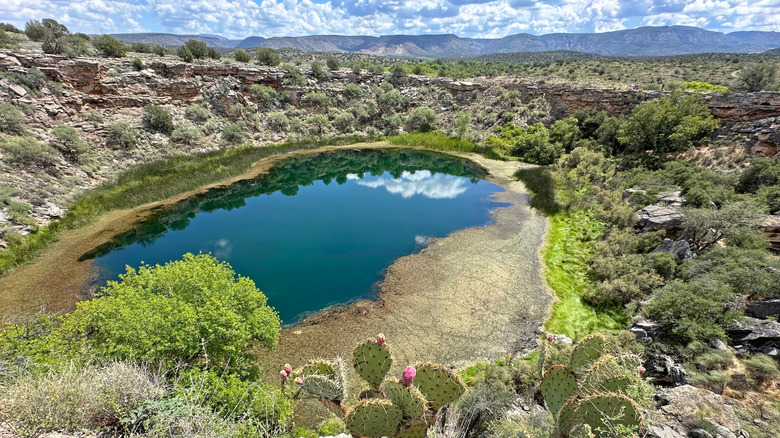
Montezuma Well is an evolutionary marvel found an hour south of Flagstaff and 20 minutes east of Montezuma Castle National Monument, one of Arizona's best stops sandwiched between Sedona and Phoenix. Isolated for millennia, the enormous limestone sinkhole has been constantly filled with geothermal water from a prehistoric spring, creating a unique biosphere inhospitable to fish but instead home to leeches, water scorpions, and sunbathing turtles. National Park Service data show that only 350,000 curious travelers visit the monument each year, making a free trip to the edge of this ancient oasis a quiet outing.
Elephant Rock
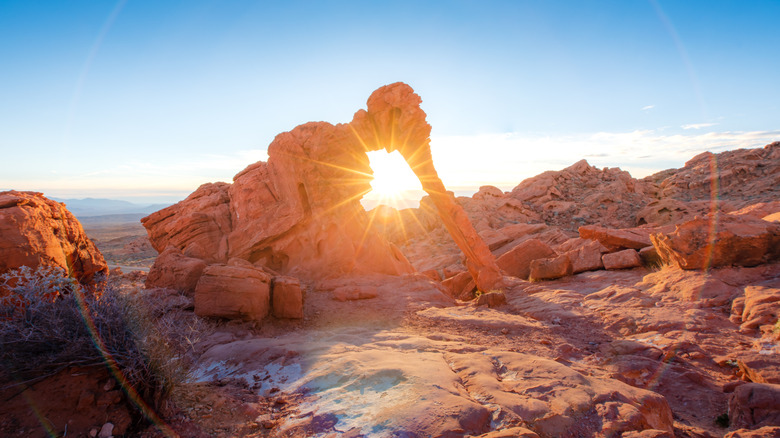
Guarding the east entrance to Nevada's Valley of Fire State Park, Elephant Rock is a pachyderm-shaped arch carved by Mother Nature over millions of years. An easy .3 mile hike from the eastern parking lot will bring visitors face-to-face with the sandstone beast. Located 45 miles northeast of Las Vegas, the park encompasses 40,000 acres of Mojave Desert to explore, which includes the equally accessible Fire Wave Trail. Drawing under 1 million visitors a year, a trip to this low-key natural wonder makes it easy to admire the magical red rocks, ancient petrified wood, and deeply etched petroglyphs without fighting the crowds.