
The Midwest's Most Affordable Retirement Destinations For Comfortable Living, According To Research

When it comes to retirement in the U.S., the southern or coastal states tend to steal the spotlight for those golden years. With all that sun and sea, it isn't difficult to understand why. However, when retirement approaches, don't overlook the Midwest. The region is packed with small-town charm and world-class activities, almost always at a cheaper price than your Floridas and New Hampshires, meaning more bang for your buck in your retirement. It makes all the sense in the world.
The Midwest's vast geography, with its Great Lakes, National Parks, and all four seasons on display throughout the year, offers retirees so many experiences that other parts of the country can't match. The only problem is choosing where in the Midwest you want to retire, but we're here to save the day. Focusing on towns away from the bright lights of the bigger cities, we've put together a collection of destinations scattered throughout the eight states of the Midwest that offer a unique experience while allowing you to appreciate the daily joy of your retirement. From the Great Lakes States to western South Dakota and down to southern Missouri, these are some of the underrated towns that are good for you and your budget.
Bay City, Michigan

Located right on the shores of Lake Huron's Saginaw Bay is Bay City, Michigan, a quiet town of a little over 30,000 people. The state of Michigan has several underrated locations ideal for retirement, and one of the biggest benefits is the more affordable price point that the Wolverine State offers during these delightful years. For example, Bay City's average home value is only around $118,000, while the average home value in Michigan is about $250,000, meaning Bay City offers well below half the price compared to the rest of the state.
While a cheaper housing market is great, retirement isn't just about saving dollars. What about activities? If antiques are your thing, stop over to Bay City Antiques Center, the largest antique mall in the state, with over 400 booths to shop. During the warmer months, you can still enjoy your traditional beach retirement by strolling through Bay City State Park, with almost a mile of sandy beach on Saginaw Bay. You'll also be close to naval history, and the curious can learn about the past at the Saginaw Valley Naval Ship Museum aboard the USS Edison, a destroyer ship designated as a National Historic Landmark.
Farmington, Missouri
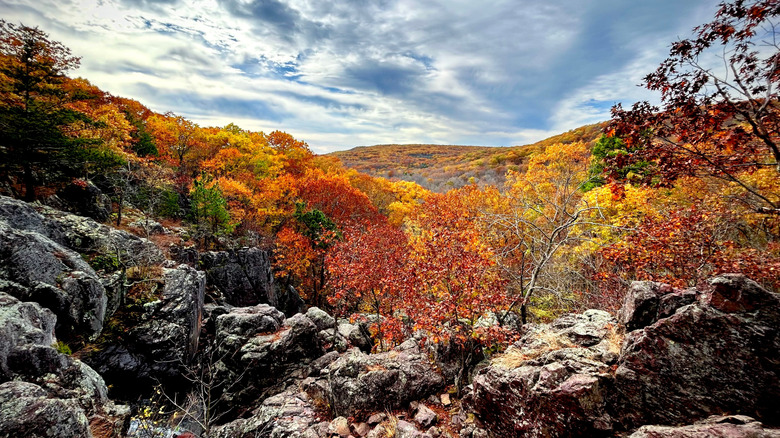
Farmington is a town in southeast Missouri, just outside Mark Twain National Forest and the Ozark Mountains, and there are plenty of reasons why this Midwest town is a dream option for retirees. One benefit of retiring in southern Missouri is that, while it does get cold and snowy in the winter, its temperatures are usually more manageable than those of its Midwest neighbors. In terms of the housing market, Farmington has a median home value of about $248,000, just below the Missouri average of about $254,000.
Farmington's proximity to national and state parks means there is no shortage of outdoor activities to keep you healthy and entertained, even on a budget. Walkers can enjoy a peaceful stroll through the woods at St. Francois State Park or Pickle Creek Trail at Hawn State Park, and you're also close to a premier golf course in Crown Point Golf Club, allowing you to improve your game through the beautiful rolling hills of southeast Missouri. If you want fresh produce (but don't want to grow your own garden), you can stop at Blueberry Farm, where you can pick and choose from blueberries and blackberries grown locally. While blueberries are great, the magic of grapes (and more specifically, wine) might be more your flavor. Twin Oaks Vineyard in Farmington is home to great local wine, craft beer, and live music, providing plenty of entertainment throughout.
Stillwater, Minnesota
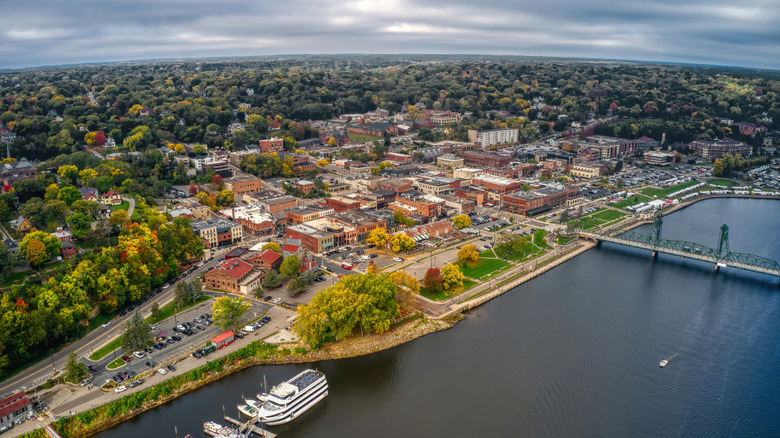
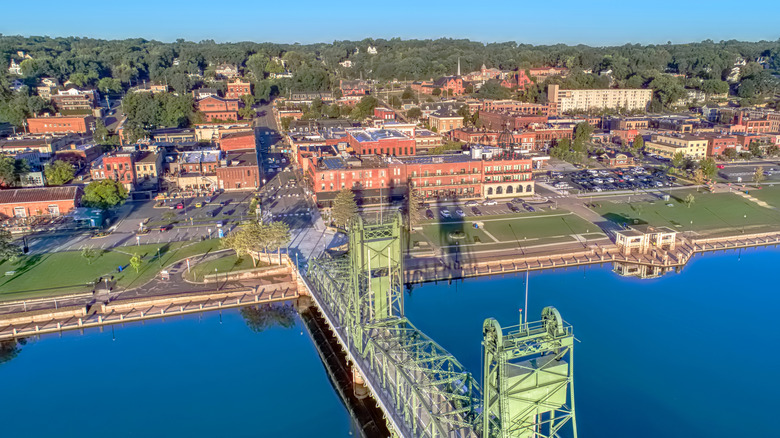
While Minnesota is known for its harsh winters, that doesn't mean it should be out of the question, and there are heaps of underrated locales for retirement. Stillwater is a scenic river town on the edge of the Mississippi River and the Wisconsin border, and is considered the Birthplace of Minnesota. In fact, Stillwater can lay claim to being one of America's most picturesque towns. When it comes to the cost of living to go along with that beauty, Stillwater is actually 4% more affordable than the national average, taking into account housing, utilities, groceries, and transportation.
Stillwater's beauty offers plenty of activities throughout the year that won't do any damage to the budget. Try biking the Gateway State Trail, which runs 18 miles from St. Paul to Stillwater and offers flat, scenic bike riding. The most scenic trail is arguably the St. Croix River Crossing Loop Trail, which connects Stillwater and Wisconsin while crossing over two memorable bridges, the beautiful new St. Croix Crossing Bridge and a historic lift bridge. Take advantage of the St. Croix River and enjoy Paddle Wheel Cruises for a unique view of town, or explore the memorable downtown/main street area with historic mansions and stylish architecture.
Mason City, Iowa
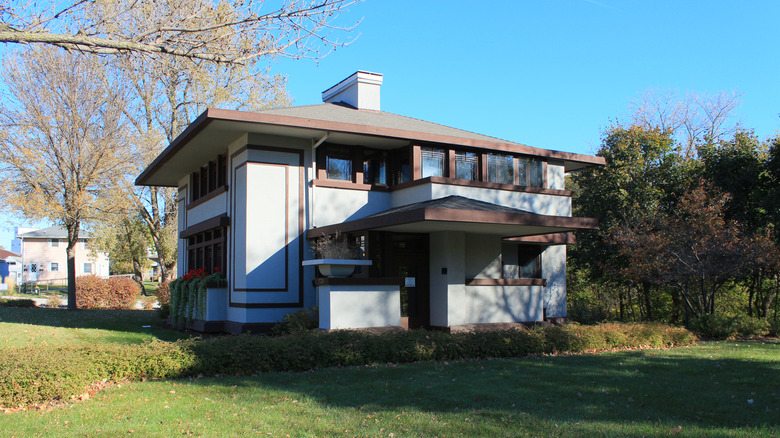
When you think of small towns in northeast Iowa, world-class architecture and tremendous shopping may not be what first comes to mind, but Mason City has all that and more for your retirement. Located halfway between Des Moines and Minnesota's Twin Cities, Mason City offers a host of amenities without the exorbitant price tag. When compared to the national average in terms of cost of living, Mason City is 7% cheaper, allowing your nest egg to get you further.
An architectural passion during your retirement will definitely be fulfilled in Mason City. You can view the town through the eyes of Frank Lloyd Wright, the icon who designed buildings in town like the Historic Park Inn Hotel, the City National Bank, and the Stockman House. You can also visit the Robert E. McCoy Architectural Interpretive Center, which was constructed in 1908 as the first prairie-school style house in Iowa. Your creativity and budget won't suffer as you wander through downtown's shopping options, with plenty of charming boutiques, department stores, discount shops, and more. One of the more popular pastimes for retirement is fishing, and Clear Lake State Park offers some of the Midwest's best fishing, with bluegills, muskies, walleyes, and more all waiting in the waters.
Rapid City, South Dakota
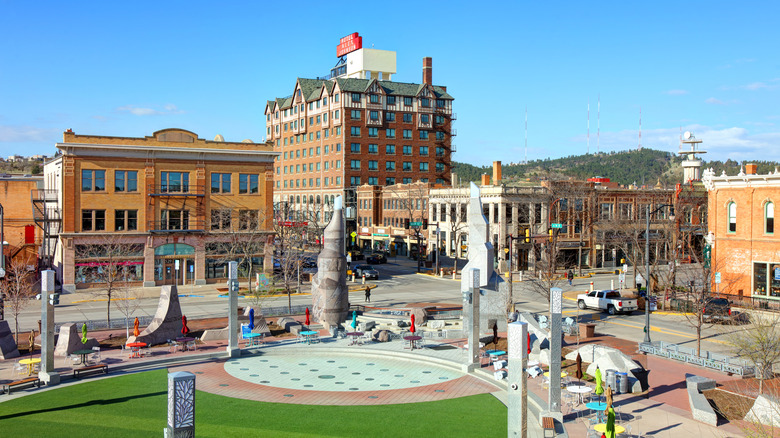
Known as the "Gateway to Mount Rushmore", this beautiful, artsy South Dakota city has countless activities and sites for you to see while enjoying retirement. If you're looking for a scenic Midwest town, Rapid City will be tough to beat. With unforgettable locales like the aforementioned Mount Rushmore and the Badlands so close, you'll always be entertained, and there's no need to break the bank in the process. Rapid City's cost of living is 2% less than the national average, with utilities 13% below the national average.
While adventure is the priority for many who come to the area, the town still offers affordable options and activities fit for all retirees. Get to know your new town with a tour on the 1880 Train, which was a central railroad through the Black Hills. Back in town, Rapid City is a dream for those passionate about art. Check out shows at the Black Hills Community Theatre, the Performing Arts Center of Rapid City, or the newest exhibit at the Dahl Arts Center on 7th Street. During the winter, enjoy time with the family around the holidays at the Main Street Square and its festive ice rink. Best of all, retiring to Rapid City affords you the time to visit world-class sites like Custer State Park, Devils Tower National Monument, and the Black Hills National Forest, at your own pace and on your own budget.
Mankato, Minnesota
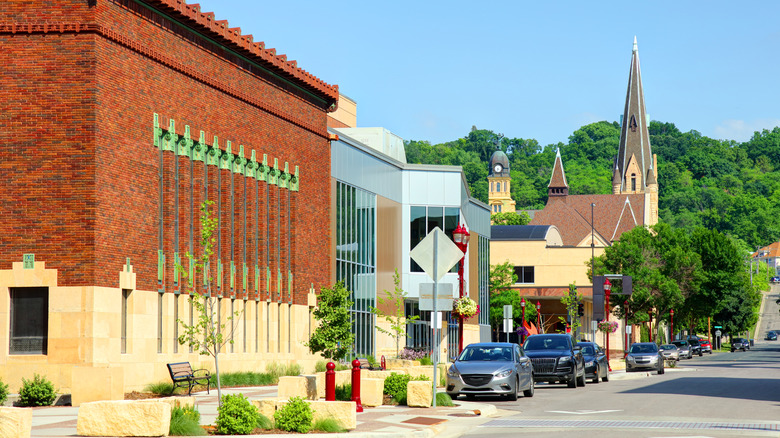
The second city on our list from the "Land of 10,000 Lakes" is Mankato, Minnesota. With a population of just under 45,000 people, Mankato is a growing community with outdoor attractions, unique shops, and Minneapolis is a short drive away. This expanding, small Midwestern town has a median home price of around $294,000, which is cheaper than the almost $336,000 median home price for the Gopher State.
One of Mankato's most unique features is the numerous sculptures located throughout the town. You can tour the sculptures in Mankato's city center and the North Mankato area, admiring the unique art completely free of charge. The town's location next to the Minnesota River provides endless walking trails, ski hills, and the gorgeous Minneopa State Park, where you'll see waterfalls and even herds of bison roaming the hills. The town is also home to countless restaurants, from fine dining establishments like Number 4 to family-friendly spots like Zanz Mexican Restaurant, where you'll enjoy tacos, burritos, and other classics.
Manhattan, Kansas
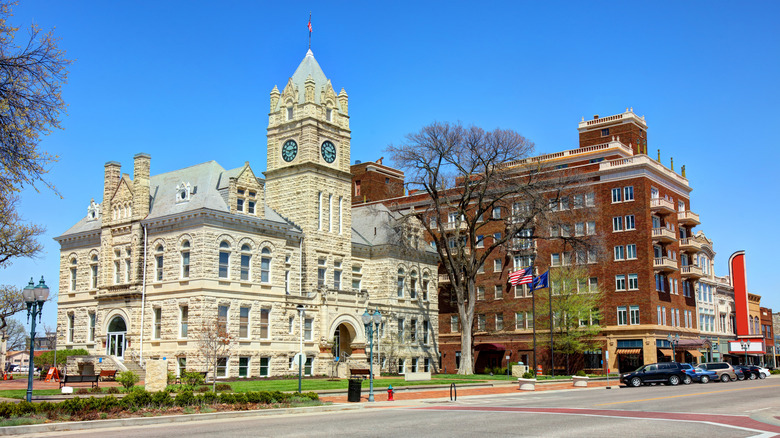
If retirement in "the Big Apple" is too spendy for your taste, why not take a bite out of "the Little Apple," in a charming Kansas college town also called Manhattan? While college towns and retirement don't always go together, an atmosphere of youthful exuberance can make retirement all the more meaningful, and Manhattan is a fabulous example. Don't believe us? Livability has ranked Manhattan among the top places to live in America three times in the past decade. While Manhattan may be one of the more expensive towns in Kansas, its cost of living is still 9% below the national average, allowing you to stretch your retirement funds further.
The presence of Kansas State University in Manhattan provides you with budget-friendly entertainment all season long. Take a trip to K-State Gardens (free to enter) and venture through outdoor flower and plant collections. Stay on campus to immerse yourself in the arts by visiting the Marianna Kisler Beach Museum of Art or the McCain Performance Series to experience fine arts or even experimental work. If you're looking for a great place to shop, Poyntz Avenue offers diverse shopping and dining in the downtown area.
La Crosse, Wisconsin
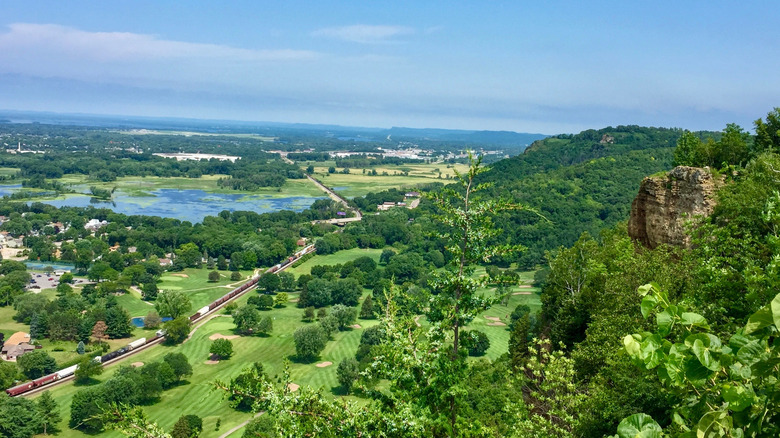
Tucked in the southwest corner of Wisconsin near the Minnesota border, where the famed Mississippi River intertwines with two lakes, this bluff town offers no shortage of unforgettable views and outdoor activities for your retirement. La Crosse is a charming riverside city with lush parks that might surprise anyone considering retiring in the Midwest, and for such a geographically beautiful town, the cost has stayed relatively affordable over the decades. La Crosse's median home price is around $266,000, over $50,000 cheaper than the state average of around $317,000.
Take in one of the most spiritual and memorable locales in the area by walking around the Shrine of Our Lady of Guadalupe, surrounded by almost 100 acres of the Mississippi River Valley. If you want to see amazing views without the hiking, take a short drive up to Grandad Bluff, a 600-foot-high bluff that overlooks La Crosse and offers views into Iowa and Minnesota. A unique feature of La Crosse is the sheer number of festivals throughout the year. From a St. Patrick's Day Party in March to Lobsterfest in June or Oktoberfest in September, there are plenty of unique and creative festivals to celebrate.
Canfield, Ohio
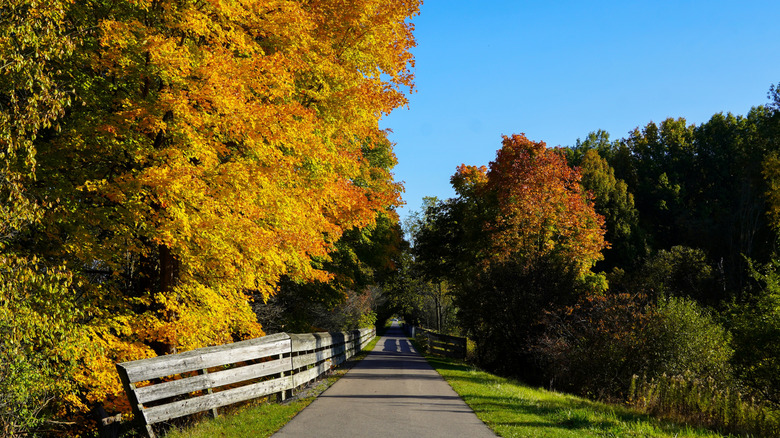
Just southwest of Youngstown, Canfield is a town with around 7,000 people that epitomizes small-town Midwest living. And compared to its much larger neighbor just 10 miles up the road, Canfield has still retained its slow pace of life and low cost of living. The average cost of living in Canfield is 15% lower than the national average, and retirees will save on everything from housing to groceries to transportation.
When you do need to go grocery shopping, head to Angiuli's Farm Market for fresh produce and plants picked by local producers. You can also take your chance at finding local treasure by stopping over at Karey's Vintage Store and exploring two floors of antiques. One significant benefit of being only 10 miles from Youngstown is the multitude of options when you want to expand your entertainment. You can visit the Covelli Centre and take in concerts or other unique experiences (like Disney on Ice) in this 7,000-person capacity arena, or take in a show under the stars at the Youngstown Foundation Amphitheater.
Frankenmuth, Michigan
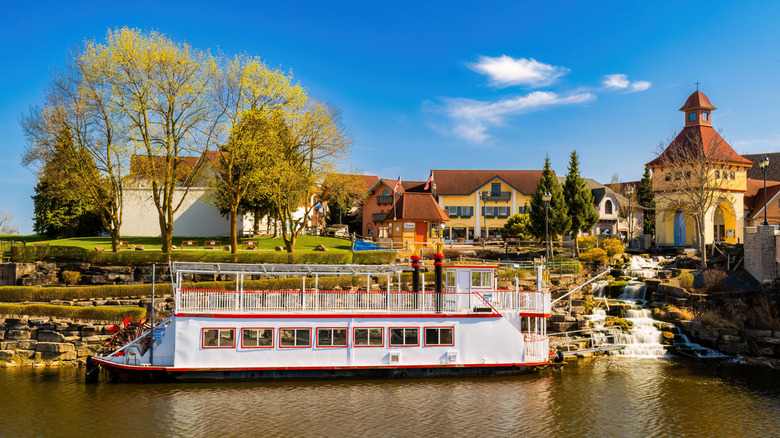
For those in search of a small midwestern town that feels like a European village, Frankenmuth may be just the place to put down those retirement roots. Well-known as "Michigan's Little Bavaria," this quaint town is packed with Bavarian charm (and beer) and located a few miles southeast of Saginaw. If you've always thought about living in a European city when you retire but aren't sure if you can afford it, Frankenmuth is a tremendous alternative. Here, the cost of living is about 21% lower than the U.S. national average.
Frankenmuth is a particularly perfect spot if you enjoy the festive season. The entire town turns into a Christmas wonderland in late November, and you'll be able to skate with your neighbors at the Frankenmuth Ice Rink, take a Christmas light tour by trolley, carriage, or car, and browse the world's largest Christmas store. Don't forget the Frankenmuth's Spectacular Musical Tree Show, and prepare to watch the 40-foot tree light up.
There's more to this place than just Christmas, and Frankenmuth entertains all year long. Don't be afraid to shop at Bavarian Clothing and Imports of Frankenmuth to find authentic German clothing. When the weather warms up, take a river cruise on the Bavarian Belle Riverboat for a dreamy tour with wine and chocolate.
Princeton, Illinois
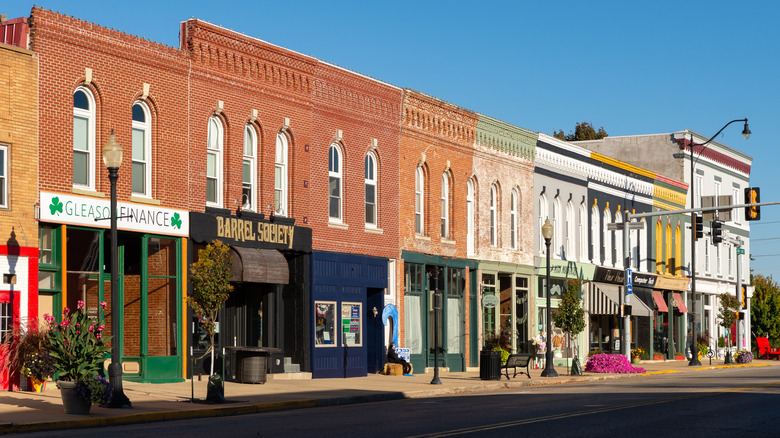
Central Illinois is home to a small town of around 7,700 named Princeton. Here, you can explore the charm of covered bridges and museums that make this small town a great place for retirement. Located two hours outside of Chicago, Princeton will allow you to retire while maintaining your budget. Princeton's median home value is around $162,000, well below the Prairie State's median home value of about $277,000.
Princeton is also a fabulously connected spot. The restored Amtrak Station receives several stops from Chicago throughout the day and extends across the western part of the country. Away from the rails, you can visit the Lovejoy Homestead, built in 1838, and the former home of abolitionist and congressman Owen Lovejoy. Some of Princeton's most popular features are its historic covered bridges — the Red Covered Bridge and Captain Swift Bridge — at Big Bureau Creek. The area also has a popular farmers' market from May through October, where you can buy fresh produce from local growers. If you want to view a wider selection of plants, just a few miles outside of Princeton is Hornbaker Gardens, a popular destination garden center open April through May.
Glendale, Wisconsin
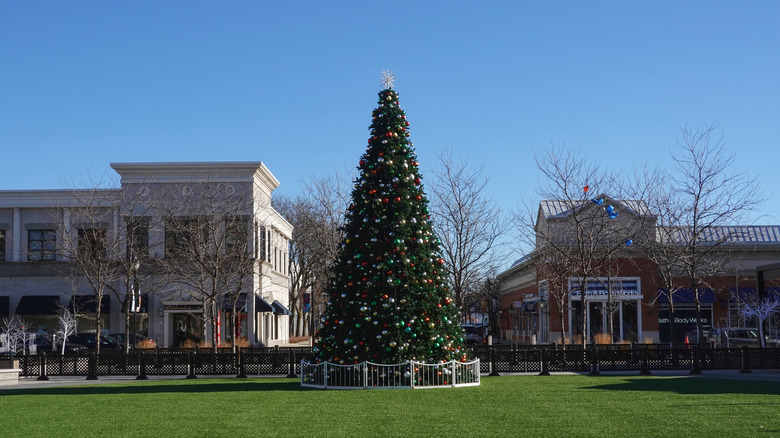
Sitting on the shores of Lake Michigan, Glendale is a northern suburb of Milwaukee with a population of around 13,000 residents and plenty of activities to keep you active through retirement. Retiring in Glendale also means you'll get the most for your dollar. Not many lakeshore towns on one of the biggest lakes in the world offer a lower cost of living, but Glendale bucks the trend, with a cost of living 12% lower than the national average.
One activity around Glendale that doesn't break the bank is visiting Havenwoods State Park, with its acres of fields, woods, and hiking trails. If you do fancy spending some dollars on a spot of retail therapy, you can head to Bayshore, a premier destination with plenty of shopping and dining options. Do you enjoy your fairways, bunkers, and greens? Tee it up at Lincoln Park, a short nine-hole golf course where you'll test your drive through 300 acres of woods and views of the Milwaukee River. After your round, be sure to stop by Sprecher Brewing Company for a local ale, or head over to Bavarian Bierhaus for traditional German beer and cuisine.
Methodology
It might not get as much retirement love as the Gulf and East Coasts, but the Midwest takes full advantage of its outdoor splendor and flies under the radar. We compiled this list by focusing on smaller towns throughout the region that offer a broad range of positives for retirement. One of the main factors was selecting towns with lower costs of living or median home prices than the state or national level. The secondary factors primarily targeted sites and activities that retirees (and almost anyone on a budget) could enjoy. We used price comparison websites, social media, travel forums, and respected national rankings as the base of our research.