
The Top 5 Trending Destinations In The World For Digital Nomads In 2026, Per Google

These days, working remotely is more common than ever before. For one, the COVID-19 pandemic forced many employees to work from home, while the rise in improved internet connectivity, mobile devices, and a strong desire from workers to do their jobs remotely has resulted in a surge of digital jobs, which has also boosted the number of digital nomads. According to data published by Nomad Stays, the number of nomads has increased to 50 million worldwide, and the trend doesn't seem to be slowing down. Of course, that begs the question: Where are the best destinations for these nomads to live and work?
In many cases, digital nomads are flocking to affordable cities as popular remote work hubs become too expensive, and in 2025, the most affordable destination is India, with its bustling cities and beautiful beach escapes. However, choosing a spot for the nomadic life involves more than just saving money on rent, food, and utilities. Also, popular hotspots like Bali or Portugal are becoming saturated, according to nomads on Reddit.
For 2026, Google has released the top trending destinations for digital nomads (as published by Fodor's), and they might surprise you. Whether you're thinking of becoming a nomad yourself or just want to discover new places that can accommodate extended stays, here are the top five options.
Colombia
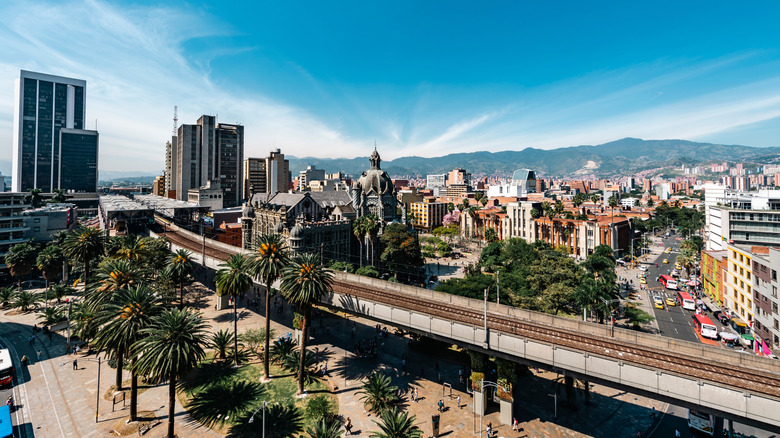
If you're only familiar with Colombia from pop culture, you may worry that it's an unsafe place for travelers and nomads alike. However, the country has come a long way from its complicated past, and now it's one of South America's most affordable countries for tourists, which is why it's risen to the top spot for the digital nomad life.
A big reason for Colombia's popularity is that it has started offering a two-year digital nomad visa. To qualify, you must have a passport from a country that is exempt from short-stay visas, such as the U.S., the U.K., and many European Union countries. Additionally, you must verify employment with a foreign company (either as a freelancer or employee) or prove that you are a digital entrepreneur. You will need to prove that your income is at least three times the average monthly wage, which is around $900 USD at the time of this writing, but that can change.
But what is it like in Colombia for nomads and travelers? While the country has improved significantly from the 80s and 90s, there can still be issues with crime, such as robberies. According to this Reddit thread, experiences can range from pleasant to dangerous, but there are too many variables to say definitively what it's like. Overall, the cost of living is excellent compared to the United States (according to Numbeo), the weather is warm and tropical year-round, and big cities like Bogota and Medellin are becoming hotspots for remote work, offering stability and community.
New Zealand

Most people are familiar with New Zealand from the "The Lord of the Rings" trilogy, but the island nation is also ranked the best in the world for work-life balance, so it's not surprising that it's attractive to digital nomads. However, the likely reason it's trending at the number two spot is that the country started relaxing its policies on extended stays, specifically to attract more digital nomads. Before the change, visitors could apply for a Visitor Visa, which allowed them to be in the country for up to nine months, provided they didn't perform any work during that time. Now, visitors are allowed to work for a foreign-based company for up to 90 days without paying a residency tax.
As far as what to expect, living in New Zealand is likely much more accommodating and seamless for digital nomads, especially those from the U.S. or U.K. English is the official language, and big cities like Auckland and Wellington offer excellent infrastructure and stability for remote work. Also, unlike countries like Colombia, safety is not really an issue, so visitors can explore the region and its cities freely.
Additionally, New Zealand has incredible scenery, particularly on the South Island and in Fiordland. While these areas are remote and not Wi-Fi friendly, they allow nomads to escape into the wild as a fun break between online meetings and Slack chats.
Costa Rica
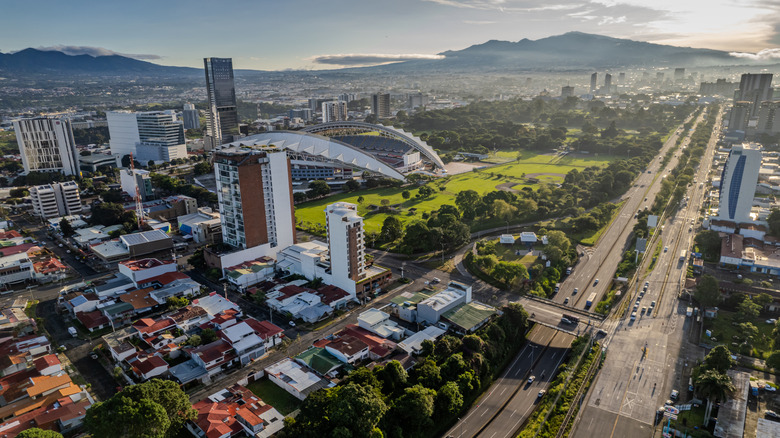
With two distinct coastlines and one of the most biodiverse regions on the planet, Costa Rica is a gorgeous country that is a perennial favorite among travelers. It has also poured a lot of money into infrastructure development to cater to tourists and keep foreign money flowing. So, it makes sense that all of the positive elements that attract visitors will do the same for digital nomads. Like Colombia, Costa Rica offers a robust digital nomad visa with some pretty sweet perks.
First, the visa is valid for one year, with an option to renew for one year. Applicants must prove they are working for a foreign-based company and earning at least $3,000 USD for an individual and $4,000 USD for someone with dependents. The visa offers tax exemption status and allows users to open a local bank account. The last part can really make a difference when managing day-to-day expenses like rent and utilities, and it can also give you access to SINPE, a mobile payment system widely used throughout the country.
Costa Rica remains one of the top Latin American countries for digital nomads, thanks to several key components, such as internet connectivity, universal healthcare, and a relatively low cost of living. While the cost of living isn't as low as in Colombia, it's still very attractive for nomads coming from the United States. On top of all of that, nomads have plenty of stunning beaches and nature preserves to explore, making an extended day even more desirable.
Latvia
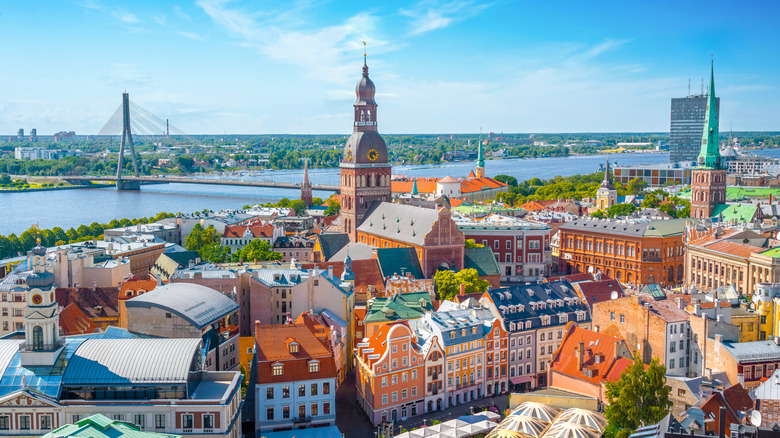
Latvia is not quite as well-known as others like Ukraine or Romania, but it's filled with the same charm and history. In fact, Latvia is called "Europe's hidden culinary gem," and it has unspoiled natural parks and beaches. It's tucked between Estonia and Lithuania, and it borders the Baltic Sea. So, why is Latvia such a top-trending destination for digital nomads?
First, while Latvia is part of the European Union, its cost of living is well below that of Western European countries like Spain and France, and far below that of most American cities. And because Latvia borders the Baltic Sea, it offers a mix of beachside escapes, mountainous regions, and historic towns, such as the capital, Riga. Finally, the application process for obtaining a digital nomad visa is relatively easy, and you can stay in the country for up to two years. Also, Latvia offers a streamlined path for foreigners to obtain citizenship, which unlocks the rest of the European Union.
To get a digital nomad visa, you must have a passport from an OECD country, such as the U.S., U.K., Canada, Japan, and others. You must also have health insurance that covers Latvia, and proof of income from a foreign-based company (also within the OECD network) for the last six months. Latvia also imposes an income requirement of 2.5 times the average local salary, which is 4,213 Euros at the time of this writing (around $4,900 USD). This visa also means you only have to pay a flat 15% tax on earnings while staying in the country.
Bulgaria
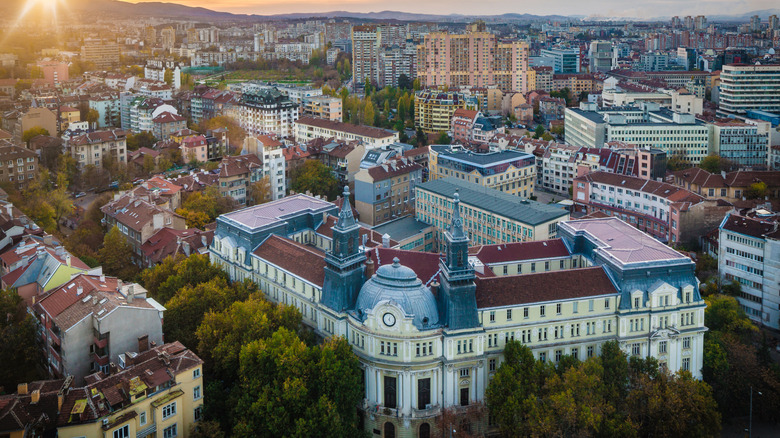
As with Latvia, Bulgaria may not immediately come to mind when choosing a remote working destination, but it's on the rise for many similar reasons. As of 2025, Bulgaria has new rules and regulations for digital nomads, making it easier for workers to come into the country. As with other countries that have adopted an official digital nomad visa, the idea is to attract top talent and boost local economies.
One of the current standout cities in Bulgaria is Bansko, a budget ski destination with wine, trails, and a walkable downtown. Although the city is relatively remote, situated next to the Pirin Mountains, it has become something of a remote working hub. Part of the reason for Bansko's prominence is that it's already a tourist attraction, so it has the infrastructure and welcoming atmosphere nomads are looking for. Other popular cities in Bulgaria for the nomad life include Sofia and Plovdiv, which are larger urban centers but still full of stunning architecture and scenery. For those who want more of a coastal landscape, Varna is a popular destination along the Black Sea.
So what benefits can digital nomads expect if they choose Bulgaria as their next home base? First, the cost of living is around 70% lower than in the United States, with everything from rent to groceries being far more affordable. Next, Bulgaria only charges a flat 10% tax rate on nomads, the lowest in the EU. Speaking of the EU, the new visa rules can make it easier for nomads to apply for citizenship and travel across Europe. Finally, Bulgaria's tech infrastructure is well-built and maintained, so even mountain towns like Bansko have excellent Wi-Fi signals and co-working spaces, making it easier for nomads to stay connected as they travel throughout the country.