
5 Florida Locations Where You Can See Wild Alligators
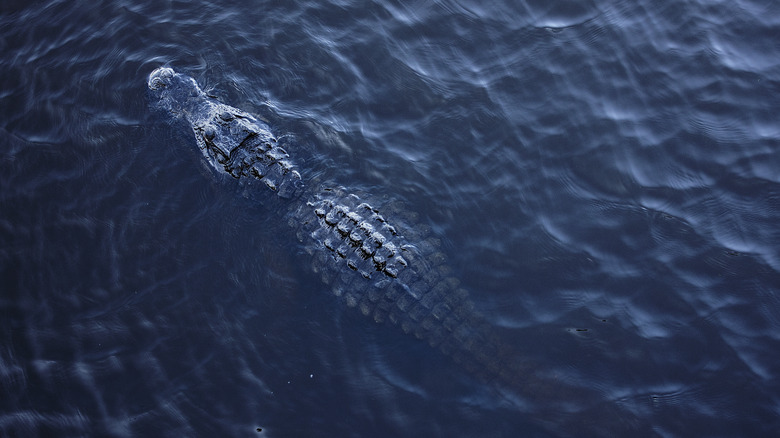
You're hiking along a lush green Florida trail, hearing the chirps of marsh wrens and the whine of a mosquito, when you spot something. It's not the glinting water or the shorebirds catching your eye. It's a few dark shapes by the water's edge. They're long, shiny, and dark, with bumpy textured backs. They're perfectly still, soaking up the morning sunshine. They are alligators. These incredible reptiles are deeply associated with Florida, and for many visitors, a trip to the Sunshine State is not complete without spotting its state reptile. Often more than 10 feet long and potentially up to 1,000 pounds, alligators deserve a healthy respect, but if you proceed with caution, seeing them in the wild can be the highlight of your trip.
Some visitors end up at theme parks, gator farms, or even alligator wrestling shows, but disappointing tourist traps like Gatorland will charge you a lot of money to see something that is just about everywhere in the state. There's no reason to pay to see an alligator when you can see one thriving in its natural environment for free. You have a decent shot of seeing alligators in many natural bodies of water across Florida, but there are a few spots where it's practically a guarantee. Keep your eyes on the water, and you just might spot their eyes and nose poking out above the waterline. Luckily, a lot of the time you can spot them lounging in the sun along the shore. If seeing alligators in the wild is on your Florida bucket list, these five spots are a great place to start.
Lake Apopka Wildlife Drive
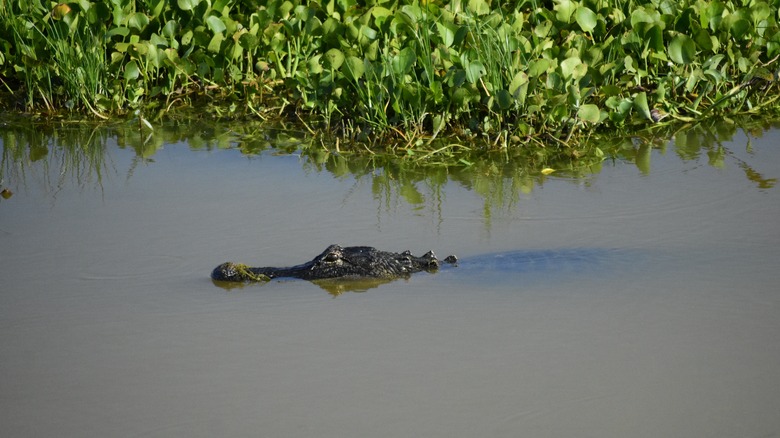
About half an hour from the resorts and theme parks of Orlando, you can visit one of the best places to spot wild alligators in the state of Florida without ever having to leave your car. Lake Apopka Wildlife Drive, a route through an environmental sanctuary made up of the wetlands by one of the largest lakes in Florida, is renowned for bird watchers, with an incredibly diverse range of species to spot, from great blue herons to bald eagles. There are plenty of other types of wildlife in the marsh, too, including everything from bobcats to otters, and, of course, alligators. It's not uncommon to see multiple massive gators right on the road.
If you prefer to cycle, you are also free to leave your car behind and explore Lake Apopka's wetlands without it. On AllTrails, numerous visitors reported seeing alligators all year long at all times of day. One reviewer enthused that they saw more than 40 alligators on a single trip along Lake Apopka Wildlife Drive, while another complained that they weren't able to bike there easily because there was a big alligator blocking the road. Lake Apopka Wildlife Drive is generally only open on Fridays, Saturdays, and Sundays. You can enter any time between 7 a.m. and 3 p.m., and you have to make sure to leave before 5 p.m. It's completely free to visit, though the St. Johns River Water Management District does accept donations through its website to help maintain the drive.
Circle B Bar Reserve
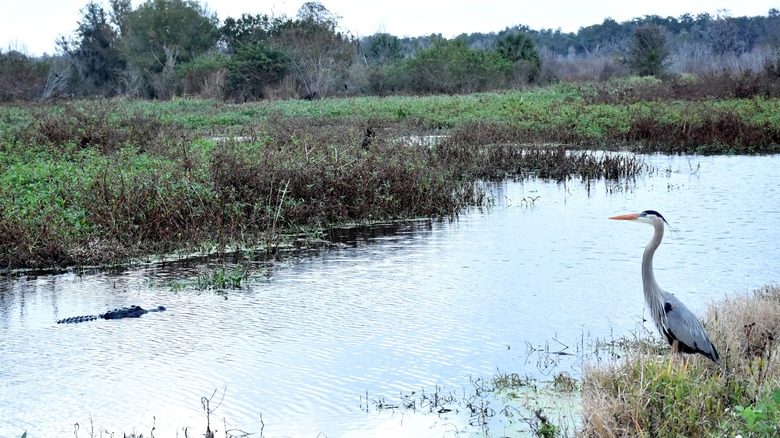
It's no secret to the people of Florida: alligators can get pretty big. However, in 2017, someone captured footage of an alligator so outrageously large that it made the news. This alligator lived in a place called Circle B Bar Reserve. While it might be the biggest gator in the reserve, it's far from the only one. As one reviewer on AllTrails stated: "You wanna see gators. This is your spot."
You've probably heard of plenty of natural habitats being torn down to make way for agriculture, but the story of this unique place, located between Tampa and Orlando, is the exact opposite. Circle B Bar Reserve is a cattle ranch turned nature reserve with lush, wild landscapes and free-roaming wildlife, including alligators. It has wide, flat paths that take you by shallow, marshy green water with towering trees growing up out of it and wooden boardwalks that take you out over the rippling surface of Lake Hancock.
There are many alligators in this reserve, and it's not uncommon to accidentally walk quite close to them when you hike the trails close to the water's edge. It's vital that you keep your eyes open and watch your step, keep your distance when you do see them, and turn back and go another way if you have to. This little-known reserve is completely free to visit and open every single day, all year long, from dawn to dusk.
Myakka River State Park
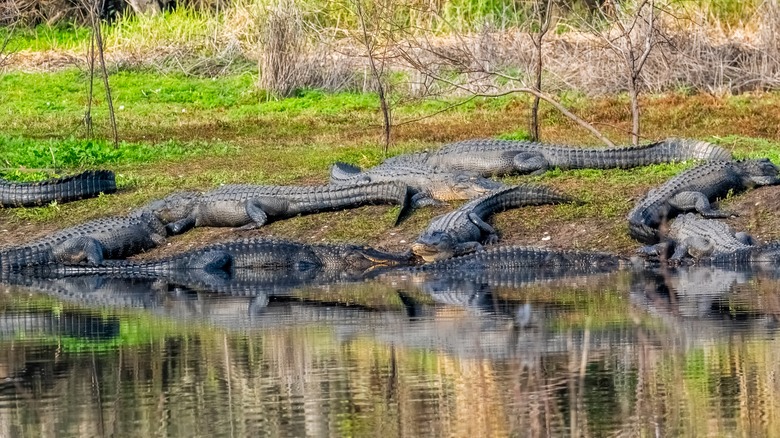
Myakka River State Park is one of Florida's oldest state parks, and it's an oasis of untouched wilderness, wildlife, and wetlands with alligator sightings. Less than 40 minutes from the white sands of the Gulf Coast seaside city of Sarasota, it is the perfect place to see diverse Florida landscapes and the animals that make them their home.
"Amazing," one reviewer on AllTrails said. "$4.00 to see plenty of alligators." At the time of writing, it costs $4 to drive in (add an extra $2 to bring in up to seven other people) or $2 to walk inside. The park is open all year long from 8 a.m. to sundown, and if you want to spend longer in the park, you can even spend the night and get out on the trails early to see the alligators before anyone else arrives.
You can hit the waterways and rent a kayak ($20 per hour) or climb the stairs to the Myakka Canopy Walkway, suspended over the trees to see the entire park spread out below you. The best way to see the alligators might be to hike the trails. There is plenty to see, from pine forest to prairie, but the alligators live in the wetlands around the Myakka River. If it isn't flooded, hike the three-and-a-half-hour Upper Myakka Lake Loop via Ranch House Road and look for alligators in the streams. If you don't have that long to explore, try Myakka River from Park Drive, which takes most hikers half an hour or less but takes you along the river. One reviewer on AllTrails even reported seeing alligators in the parking lot.
Orlando Wetlands
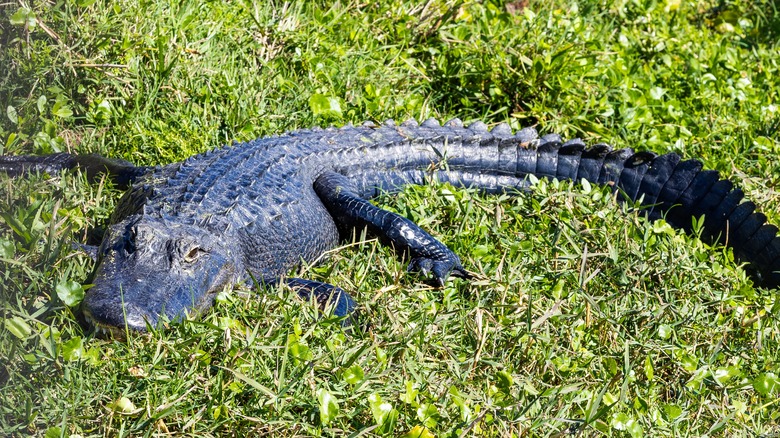
"Wow! If you want to see alligators, this is The Place! Park was full of gators," one local guide on Google wrote in 2025. Less than an hour east of Orlando, you'll find 1,650 acres of wild wetlands known as Orlando Wetlands, home to around 1,700 alligators. Walking its wooden boardwalk over the verdant marsh and open water, you would think this was a secluded slice of nature that had never been developed, but since the mid-1800s, this place has been a military fort, used for logging, grazing pasture for cattle, and a dairy farm. Then, in the late 1980s, this place was revitalized by humans and given to the wild. Today, it is a diverse marsh, swampland, and lake ecosystem, utilized by hundreds of wild species, including alligators.
Orlando Wetlands is open from sunrise to sunset, and you won't have to pay anything to park or head inside to explore. You can walk the boardwalk, hike the trails, or even book a free tram tour led by knowledgeable volunteers (though donating if you can helps keep the tours free for everyone). The best route to spot alligators is probably the two-hour Orlando Wetlands Park Loop. Typically, mornings are a good time to see the alligators calmly sunning themselves on land. While it's not a guarantee that you will be able to see any wild animals, one reviewer on AllTrails stated that they saw more than 25 alligators along the trail on a January afternoon.
Shark Valley in Everglades National Park
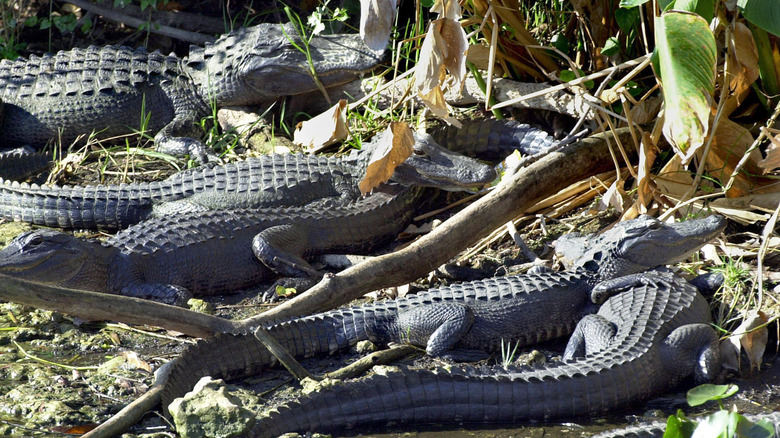
Florida's wildly underrated Everglades National Park is full of unique experiences for wildlife-loving travelers, but one of the most interesting is Shark Valley. This gorgeous region of the Florida Everglades is connected to Shark River and Little Shark River, both of which are home to a few types of sharks, but you won't actually find any in Shark Valley. You will find plenty of toothy gators, though.
"Love this trail for the alligators that come right up to the trail...we saw about twenty gators and even a baby," one reviewer on AllTrails stated of The Shark Valley Tram Trail. In addition to having lots of great wildlife watching opportunities, it is easy to explore. While the loop takes up to five hours to walk on foot, it's even and paved, so it's one of the best hiking trails for wheelchair users, those with mobility issues, or anyone who wants to focus on the wildlife, not navigating around rocks on the trail.
It's called the Tram Trail because there are guided tours that you can sign up for that take you along this route, too. At the time of writing, it costs $34 per adult to take a tram, on top of the $35 per car entrance fee or $20 per walk-in fee for the national park. If you prefer, you can also rent a bicycle at the park. Shark Valley is open all year, but you probably want to avoid coming on summer days, when even the alligators are sick of the heat. You're better off planning a trip between November and May when the dry season reduces the amount of water in the park, and animals flock to the remaining wet areas, making them easy to find.