
24-Hour Itineraries For Italy's Top 10 Most Popular Cities
When you're zipping through it on the high-speed Frecciarossa, it's easy to be fooled into thinking that Italy is a small country. The peninsular core of ancient European history, Renaissance art, and the sunny aperol-fueled evenings Euro Summer dreams are made of may seem small, but Italy is brimming with fascinating destinations that each have a story to tell about this country that was a congregation of city-states only two centuries ago.
Alas, limited vacation days and the time that gets sucked up by international travel very rarely give travelers enough time to soak up every last drop of Italy, and sometimes we have to make do with the tight schedules we're given. Although I'm a frequent visitor to il Bel Paese and an advocate for slow travel, I've also had to squeeze in the best sights on short visits to major destinations. These 24-hour itineraries for Italy's most popular cities — ranked by annual visitor numbers aggregated by Hotelagio — are designed to help those on tight schedules to prioritize the most essential and worth-it sights in each Italian city, with tips for spending less time waiting in line and more time living la dolce vita, plus hotel and restaurant recommendations to keep you fueled and recharged.
Rome — 10 million visitors
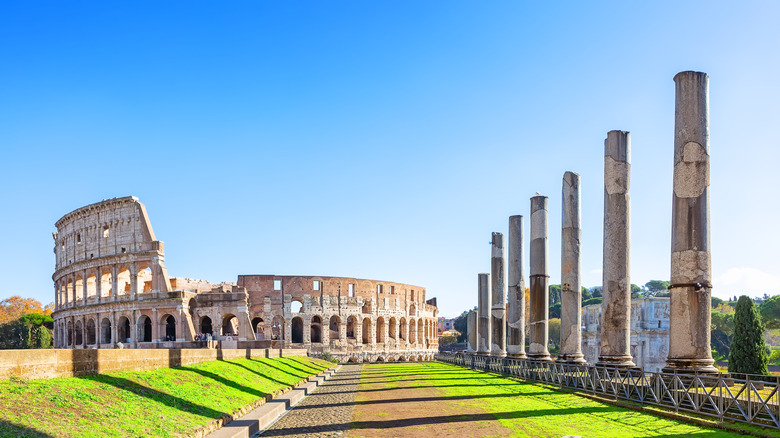
With one day in Rome, you should prioritize the two central pillars of the history at the core of the city's identity: the Ancient Empire and the Catholic Church. Book the earliest time slot for an underground tour of the iconic Colosseum and explore the subterranean halls where gladiators once prepared for battle. Most tours also include a visit to Palatine Hill and the Roman Forum right next door, so you can complete a full ancient crash course in about three hours. Walk 15 minutes to the Trevi Fountain if you want to toss your coin (but do check out our guidelines before visiting) and another 10 minutes to Luna by Faro for a quick lunch and specialty coffee.
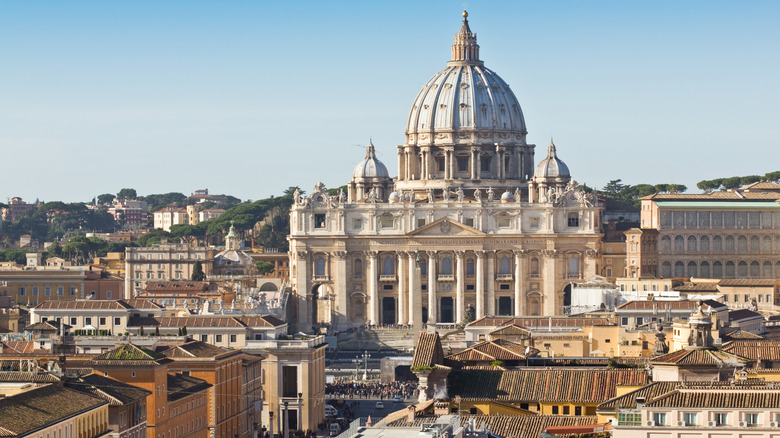
From here, a cab to the Vatican will take about 30 minutes (give or take the city's infamous traffic), and pay 5 euros to skip the line to enter the museum by buying your ticket in advance. The experience finishes in St. Peter's Square, where you can join the fast-moving line to enter the Basilica for free. Luckily for budget-conscious travelers, most churches in Rome are free! When you're ready for bed, The Liberty Boutique Hotel is an excellent choice near the train station, so you can get a jumpstart on your next day of adventure.
Venice — 7.6 million visitors
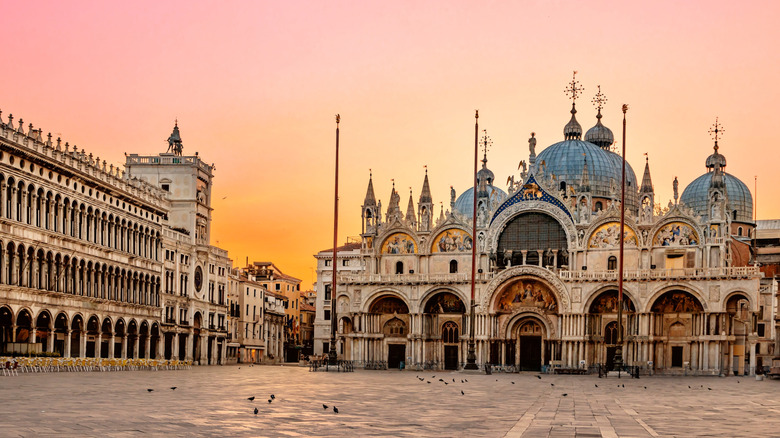
Rome is much larger than Venice, but La Serenissima doesn't fall far behind it in visitor numbers. The best way to get ahead of the crowds and make the most of a short time in Venice is to stay in the city overnight. Steps from St. Mark's Square, Violino d'Oro is an impeccably designed hotel with a water entrance for seamless water taxi transfers, and it's perfectly positioned so you can wake up early and wander the near-empty streets. Book the six-hour Venice in a Day tour by Walks Italy, which includes a gondola ride with a tour in St Mark's Basilica and the Doge's Palace, to get all the historical context you need to learn how Venice came to be.
In the evening, make time to experience the city on foot, but break away from the crowds by exploring Cannareggio, one of the more local-feeling neighborhoods of Venice, and the best place for a cicchetti pub crawl. These small bar bites are a regional tradition and a very tasty way to drink your way along Fondamenta della Misericordia, a canal-facing street with lively bars like Paradiso Perduto and Birreria Zanon. Don't miss Campo Santi Giovanni e Paolo, where you can find one of the world's most beautiful hospitals, adorned with a Renaissance facade. You can also try chichetti (and order more substantial dishes) at Osteria al Cicheto, which is conveniently located near the train station if you have to get going after dinner.
Milan — 6.5 million visitors
Milan may seem like all business if you're on your way to the gorgeous Italian Lakes District, but for a day, you can soak up the incredible high-fashion vibes of Italy's busy financial capital while enjoying architecture and dining out at fabulous restaurants helmed by fantastic chefs from all over Italy. Before you set foot in Milan, you will need to book weeks (or months) in advance if you want to be one of the few people allowed per day to visit Da Vinci's famous Last Supper fresco. Stay at the adorable Lafavia Bed & Breakfast, and you can take a stroll through the urban park surrounding Castello Sforzesco, where a small museum displays Michelangelo's last unfinished sculpture, La Pietà.
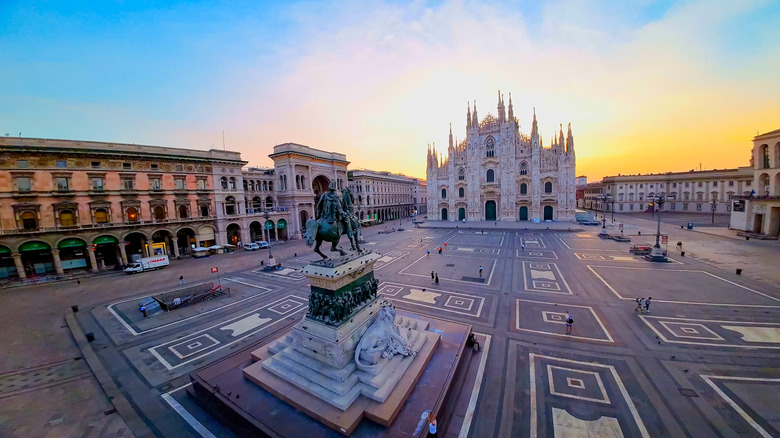
You'll also need to book advance tickets to visit the central Duomo di Milano, so consider how much time you'll need before booking your timeslots. The terraces at the top have sweeping views of the city and are a must-do for seeing the cathedral's unique sculpture-topped pinnacles up close. After the Duomo, you can meander for a bit of window-shopping at the Vittorio Emanuele Galleria — home to the famous lucky bull that tourists spin their heels on for good luck. There's no shortage of good food in Milan, but it's worth venturing outside the center for dinner at Ricci Osteria, a longstanding home for regional food that will transport you to the sunny south over the courses of orrecchiete pasta and slow-cooked beef.
Florence — 5.3 million visitors
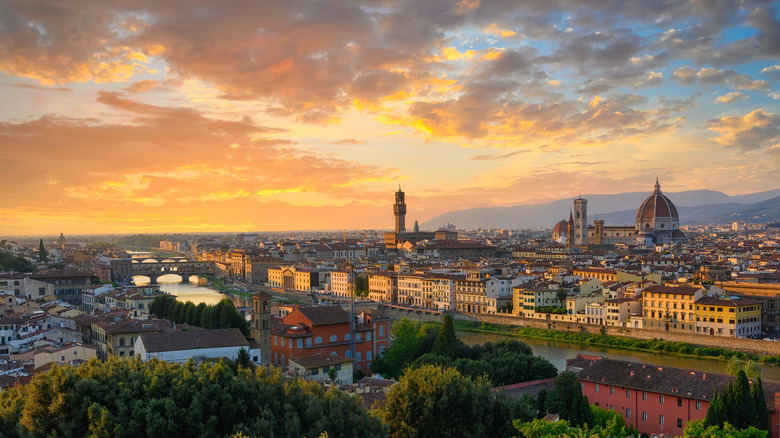
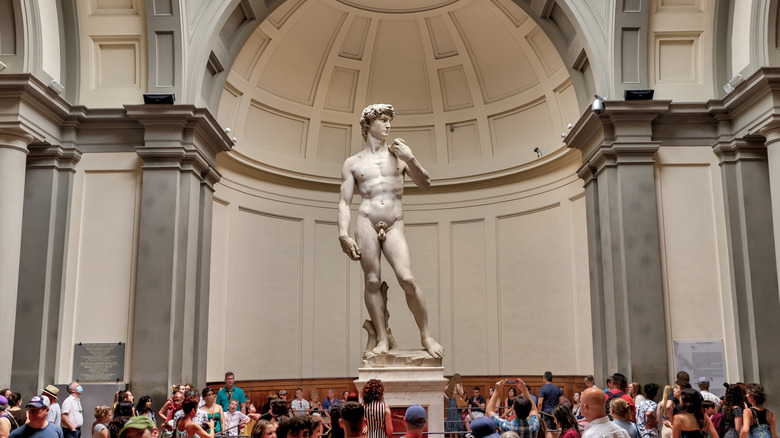
As the birthplace of the Italian Renaissance, Florence is an idyllic cultural capital where art history lovers will be most in awe. A walking tour with skip-the-line access, like Walk Italy's David & The Duomo experience, is a good way to beat out the lines while getting the valuable historical context that will leave you feeling inspired. The tour ends at the building-covered Ponte Vecchio Bridge, which is worth crossing for lunch at Trattoria 4 Leoni for typically delicious Tuscan cuisine. After you eat, you can cross back over and head to the Uffizi Galleries (book ahead) to see some of the most famous artworks like Botticelli's Birth of Venus and Caravaggio's Medusa, all in one place — trust me, that's just the tip of the iceberg, and you'll find all the greats represented here.
Take your time, but make sure you don't miss the iconic sunset at Piazzale Michelangelo on the hill on the opposite side of Florence. It's crowded, and there is tourist kitsch everywhere, but the view of the sun shining on the marble-covered cathedral's massive dome is worth doing at least once. You may be tired from crossing the Arno back and forth all day, so consider aperitivo back at the W Hotel, which has a creative cocktail bar and a new Korean-Japanese fusion restaurant from Akira Back, which may be your only chance to try sashimi pizza.
Naples — 3.2 million
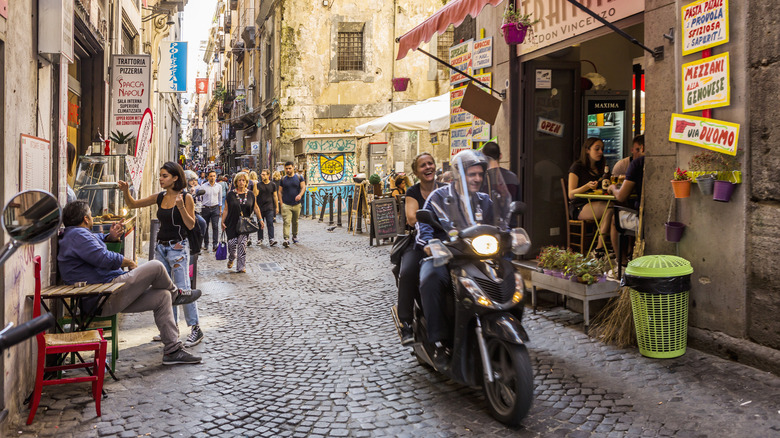
Naples is a gateway city to many of Italy's most fabulous destinations, like the island of Capri or the Amalfi Coast, and the must-see ruins of Pompeii. It's worth sticking around for a full day, and you can start by booking a hotel in one of the city's many converted palazzos, like The Duomo House, which is still owned by a local order of nuns and sits right across from the cathedral, which is one of the main landmarks you can visit in Naples. But your time is also well spent wandering iconic roads like the Spaccanapoli to soak up the city's character and work up your appetite for the number one reason to visit Naples: the pizza.
Naples is famous for its pizza, and if you only have one day in the city, who can judge you for eating pizza for lunch and dinner? For lunch, go classic at Da Michele (featured in "Eat, Pray, Love"). For dinner, opt for the more creative interpretations at Pizzeria Concettina ai Tre Santi, where every table has its own basil plant. The most iconic pastry in Naples is sfogliatelle, or lobster-tails as Italian-Americans sometimes call them, and if you don't get a chance to try one at breakfast, you can pick up a hot one on the way to the train station at Sfogliatelle Attanasio.
Turin — 2.5 million
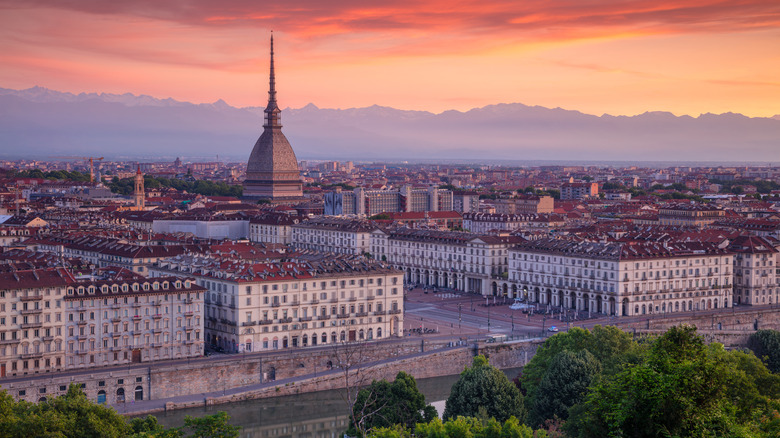
Tucked beneath the Alps in the northern Piedmont region of Italy, Turin is full of history and has more museums than might be possible to explore in a single day. Shaped by the medieval House of Savoy into a cultural and political center, you can tour the royal palaces and residences that frame Piazza Castello, experience the impressive artefact collection at the Egyptian Museum, or visit the beloved National Cinema Museum housed inside the Mole Antonelliana, a unique building with an imposing dome, which you may have a great view if you stay at the NH Collection Torino Piazza Carlina.
You'll want to be selective of museums for one day, because there is so much more of Turin to experience, especially for lovers of chocolate and coffee. Not only is Turin home to the original Lavazza shop, as well as Stratta, the official candy maker of the royal family, but it is also the birthplace of the espresso machine. Stopping for a coffee and a sweet is a must before strolling along the riverside and taking on a short five-minute climb up the hill of Monte dei Cappuccini for the most remarkable view of the city, with the Alps on the horizon. For a restaurant with the bragging rights of serving everybody from Mozart and Nietzsche to Audrey Hepburn, Del Cambio is a bucket-list restaurant that invokes the unavoidable eleganza essential to any trip to Turin.
Bologna — 2.2 million

At the heart of Emilia-Romagna, a region known for producing some of Italy's most famous exports — like balsamic vinegar from Modena and Parmiggiano from Parma, two of Italy's most underrated food cities — Bologna is a city that should be at the top of your list if you like to eat. Home of the world's oldest university and lovely canals, there is plenty to keep you busy between lunch and dinner. After a self-guided walk around Piazza Maggiore, join the queue at Sfoglia Rina for a selection of fresh pasta that demonstrates the variety of the region's specialties. After that, you can take a stroll through the thousand-year-old campus of the University of Bologna and pop in for a visit to the Archiginnasio Palace, which offers a truly unique chance to visit an anatomical theatre used by Renaissance scholars to observe live dissections.
You can build your appetite back up again with a meander through the Quadrilatero, Bologna's oldest outdoor market, before heading to dinner at Trattoria Bertozzi. The city is full of restaurants, but this trattoria is a top spot for authentic Bolognese cuisine like tortellini in meat broth and veal cutlets. To continue with the food theme, check in at Casa Conoscenti, a three-room boutique hotel well-known for its cocktail and restaurant concept, presenting the cutting edge of Bolgona's evolving food scene.
Verona — 2 million
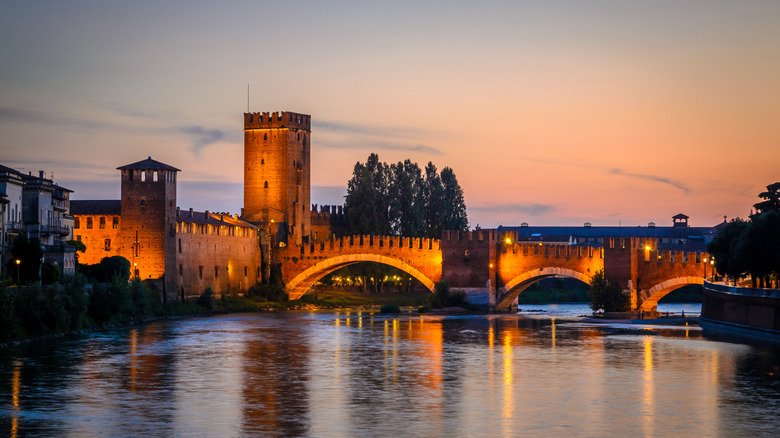
Everyone knows this fair city as the backdrop to Shakespeare's "Romeo and Juliet," and most tourists are drawn into a crowded courtyard to gaze up at "Juliet's balcony," an experience that barely scratches the surface of Verona's appeal. However, don't expect an authentic experience at this popular spot. After all, Juliet was a fictional character, and the balcony was added to the building in the 20th century, 400 years after the Bard wrote his play. There is plenty of authenticity to be found elsewhere, particularly in the Roman amphitheatre, medieval castle, and Renaissance palazzos, which each show a slice of history in this 2,000-year-old city. Verona is a UNESCO city, and that honor is well-deserved.
Verona's small size lends itself to a breezy 24-hour itinerary, starting at a centrally located hotel like the Hotel Due Torri, which has stunning rooftop views. Begin with a wander through the city center's many baroque squares, such as Piazza dei Signori, before making your way to the Arena di Verona, an ancient amphitheater that hosts opera performances in the summer. Head to the Museo di Castelvecchio if you have time, or cross the 14th-century bridge and enjoy a lovely walk along the Adige River to appreciate the cityscape.
For food, don't let the small-town vibe fool you: Verona is home to Michelin-starred restaurants like Iris Ristorante, which serves a dessert styled after the Roman Arena. If you're looking for something more intimate and casual, stop by Archivio for cocktails crafted with care.
Palermo — 1.8 million
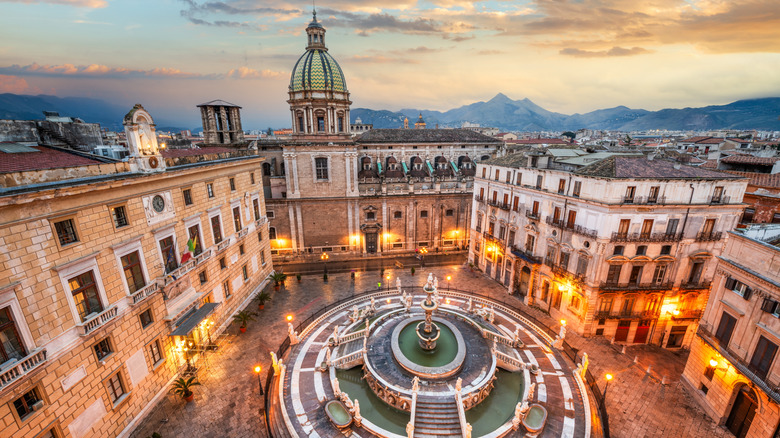
The Sicilian capital is the perfect representation of the island's mosaic of cultural influences, shaped by centuries of rule from various empires around the Mediterranean. To explore it all in one day, you will want to stay close to the center at a palazzo-turned-boutique-hotel like Casa Nostra. From here, you can set out for a morning cannoli at the nun-run pastry shop inside the Santa Caterina Monastery. On the way, you will pass by the Quattro Canti, a crossroads with beautiful sculptures, and the 16th-century Fontana Pretoria. Afterwards, you can also visit the free No Mafia Memorial, which has an enlightening exhibit on the tumultuous story of the mafia in Sicily.
From here, head to the Ballarò Market to peruse the food stands and graze on arancini, the scrumptious fried rice ball that Sicilians are known for, but save room for a peaceful lunch in a quiet plaza at Scolapasta. In the afternoon, visit the Palermo Cathedral and take an evening tour (until 6 p.m.) of the beautiful Teatro Massimo. For an evening treat, skip the gelato and do things the Sicilian way, with naturally-flavored shaved ice (known as granita) at Q-Tuppo, best enjoyed with a dollop of fresh cream.
Pisa — 1.5 million
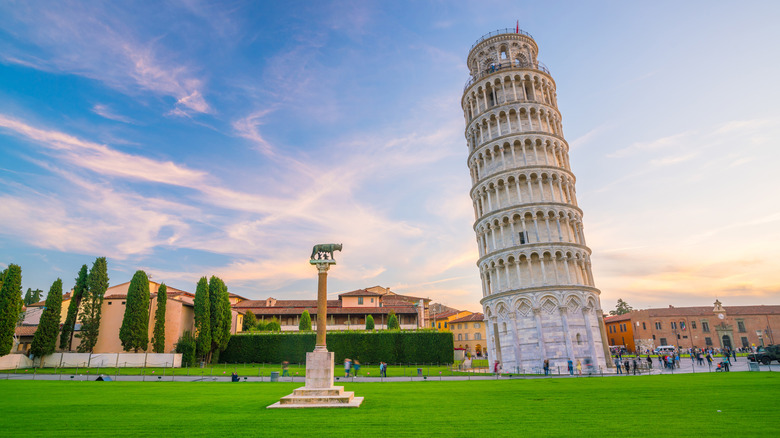
The smallest city on this list is home to the Leaning Tower of Pisa, one of the most iconic buildings in the whole world. Most people visit Pisa as a day trip, but if you're staying overnight, you can book an affordable and comfortable room at NH Pisa Hotel. This gives you a chance to beat the crowds for your photo-op, but make sure to book your tickets in advance if you want to climb the landmark and tour the cathedral. After that, Pisa is yours to explore.
Take a long lunch at the romantic La Pergoletta, but order your afternoon coffee on the Borgo Stretto, a promenade with views of the Arno River. After that, take the time to learn about Pisa's heyday as a maritime republic that rivaled Venice and Genoa at the Naval Museum of Pisa. There's more to this place than its famous leaning tower, and none other than Rick Steves agrees; check out his recommendations for the best things to do in Pisa.
Methodology
The cities are ranked by visitor numbers according to tourism data aggregated by Hotelagio, a hotel booking platform that cites official Italian and U.N. tourism data. Each itinerary is designed with flexibility in mind, offering a number of activities that would be reasonable to complete in a single day, factoring in time for restaurants and an overnight stay. Landmarks and activities were prioritized for their experiential value and relative fame within each city, but do not reflect the full breadth of neighborhoods, museums, experiences, and landmarks travelers may find.
Hotels and restaurants were selected based on the author's personal travel experiences in Italy, as well as through a research process that considered top travel publications and recently published reviews. Readers should consider this list a starting point for planning their own activities in Italy, especially when working within a tight timeframe. If you'd prefer a quieter adventure, check out our list of under-the-radar towns in Italy for a crowd-free vacation.