
The Best Places In America To Find Geodes For Beautiful Decorations And Fun Memories
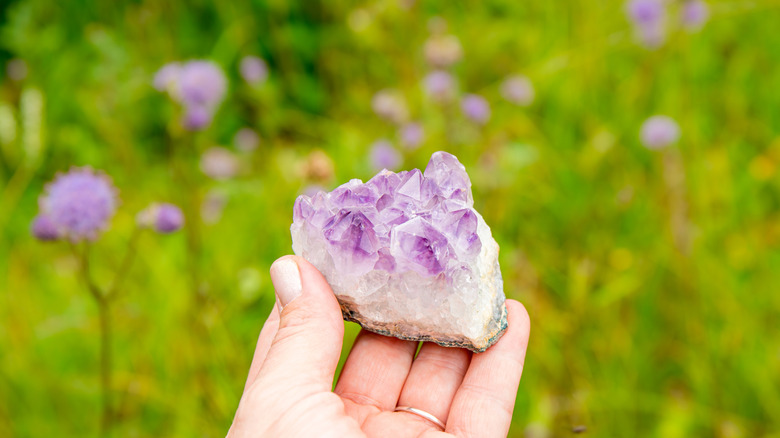
Crack open an unassuming stone, and you might just uncover a little conclave of crystals within. Their walls are glittering with quartz, amethyst, or calcite, protected by a hard shell that was shaped by water and pressure over millions of years. Geodes are essentially hollow, and their crystalline core is determined by the type of minerals present in the water that got trapped inside volcanic or sedimentary rock cavities and solidified over time. They can range from just a few inches and centimeters to massive specimens stretching up to several feet in diameter.
Across the United States, geodes surface in strikingly different settings. In the deserts of the Western United States — such as Utah, Nevada, California, and Arizona — geodes frequently form within ancient volcanic ash beds. They also erode out of limestone creek beds in the Midwest, where geodes are abundant along streams and scattered on the ground for several miles on either side of their outcrop zones. In the Green River area in Kentucky, they weather out of karst landscapes. In some places, they must be carefully coaxed out of hard rock. In others, erosion does most of the work, scattering them across gravel bars and stream banks.
This guide highlights accessible, legal locations where enthusiasts can safely hunt for geodes and geode-like formations and take home their finds as keepsakes. Whether you're a first timer riding on curiosity or a seasoned rockhound, these destinations offer the rare thrill of uncovering a unique fragment of the earth's past, one crack at a time.
What every geode hunter should know
Before heading out, it helps to understand that geodes are visual tricksters. From the outside, they look almost indistinguishable from regular rocks — rough, lumpy, and often unremarkable. Their real value is hidden inside a tough outer shell, and there's no guaranteed way to tell whether one will reveal glittering crystals or solid stone until it's cracked open. However, there will be signs.
Shape and texture offer the first clues. Geodes tend to be more rounded than the rocks surrounding them. They are also harder, because the minerals within make geodes harder than the rock they are encased in. Geodes are usually spheroidal, egg-shaped, or oblong, so pointy or narrow rocks are unlikely candidates because there needs to be enough room inside for crystals to form. Also, the texture is almost always uneven, and therefore smooth rocks can be ruled out. After sight comes the next indicator — sound. Gently shake the rock near your ear. A faint rattle often signals a hollow interior where crystals have formed. However, some geodes are tightly packed and silent. If shaking fails, tap the rock against a hard surface: A hollow, resonant ring can hint at a cavity, while a dull thud usually means it's solid rock.
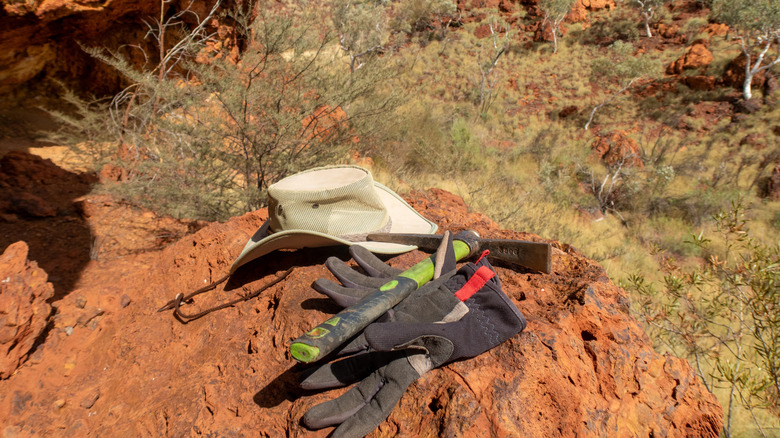
Basic tools go a long way on your search. A pair of gloves, a rock hammer, a chisel, a brush, a sturdy bag, and safety goggles are usually sufficient. However, when opening geodes, eye protection is essential. Chips can fly unpredictably, and it's best to use tools designed specifically for rock work. The real thrill comes when you break one open and become the first to glimpse the crystals inside, unlocking nature's very own treasure chest. Above all, dig smart, stay safe, and savor every sparkling discovery.
Dugway Geode Beds, Utah
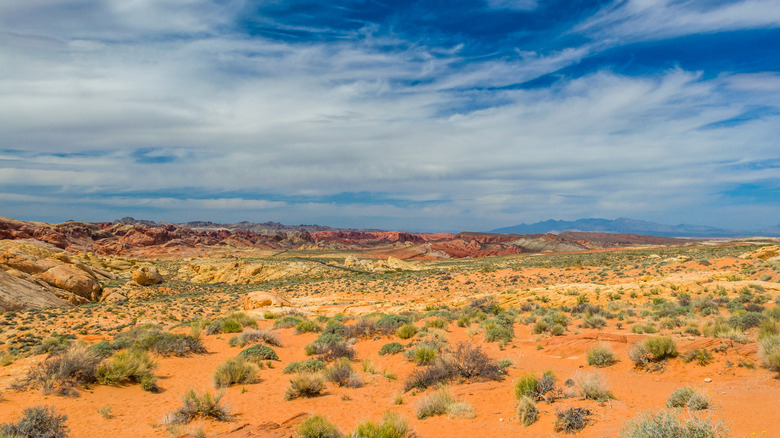
One of the most popular geode sites in the United States, the Dugway Geode Beds are known for their exceptional specimen quality as well as their abundance. Located in Utah's West Desert, in Juab County, the nearest town is Tooele, about a 40-minute drive southwest of Salt Lake City. These geodes are characterized by igneous rhyolite that are filled with quartz in a variety of colors like purple, pink, and clear tones, which have formed over extensive geological periods. Located on public land, the site is managed by the Bureau of Land Management (BLM), which calls it a "rockhounding hotspot." Permits are not required here, and the geodes are free to collect. While the area is accessible, a sturdy vehicle is recommended to tear through the terrain.
To make things a little easier, some rockhounds suggest digging in areas where there are already holes made, but be aware that you may find a lot of broken geodes along the way. To find the intact geodes, one must dig deeper. Although smaller specimens are more common, past geode hunters have found treasures nearly 10 inches in diameter.
According to Elley Ringo, an economic geologist and geologic consultant, 6 to 8 million years ago, volcanic eruptions in Western Utah deposited massive amounts of rhyolite, an extrusive igneous rock, which, through multiple geological cycles, molded into the geodes found here today (per YouTube). Ringo notes that every two years, the BLM disturbs the ground here to expose new geodes. Beyond the thrill of unearthing these luminous marvels, Dugway's fairly remote desert setting offers clear skies at night, making it great for stargazing. Although Dugway itself does not have DarkSky certification, Utah is home to the most DarkSky-certified stargazing spots in the United States.
Hauser Geode Beds, California
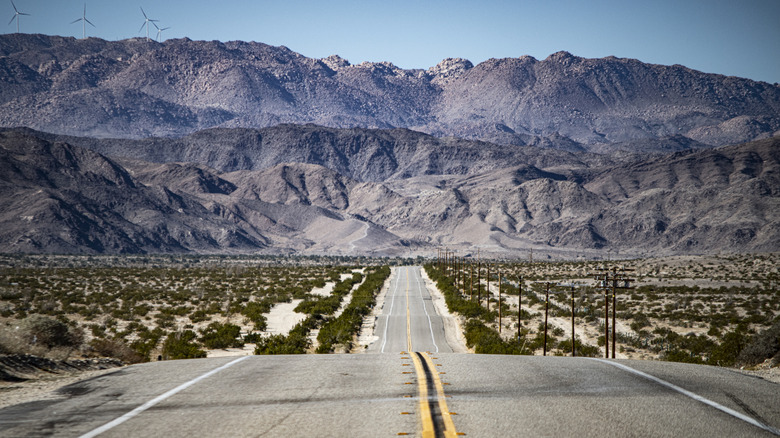
Located about 50 miles southeast of Blythe, California, the Hauser Geode Beds have drawn rockhounds since their discovery in the 1930s by resident Joel F. Hauser. His father, who operated a freight business there in the early 1900s, had long noticed unusual rocks scattered along the hillsides. Years later, father and son made their way back to the area only to uncover what's widely deemed as one of California's richest geode regions today. After getting lucky with his very first specimen, an exquisite agate geode, Joel kept going back to this largely unexplored terrain. As Joel brought more people to the area, pointing them towards the geode beds, the name "Hauser" gradually became attached to the landscape.
The beds are in the Wiley's Well area, which is technically in California but it's also frequented by rockhounding enthusiasts in Arizona since it's not too far from the state line. Recreational collecting at the Hauser Geode Beds is permitted under BLM regulations, with the California Federation of Mineralogical Societies (CFMS) organizing supervised field trips and managing access for registered, paid members. Sites at the nearby Coon Hollow Campgrounds (often recommended) charge a fee of $40 USD per night.
A repository of crystal-filled geodes, ranging from clear quartz and banded agates to flashy amethysts, this area continues to draw collectors from around the world. The geodes here reveal striking color variations, from blue, purple, and green agates. For the best chance of finding them, it's recommended to look in spots where there are traces of volcanic ash and the soil has a lighter color, signaling apt geological conditions. Collectors note that the geodes at the Hauser Geode Beds occur within volcanic ash beds, reflecting their volcanic origin.
Keokuk Geode Region, Iowa
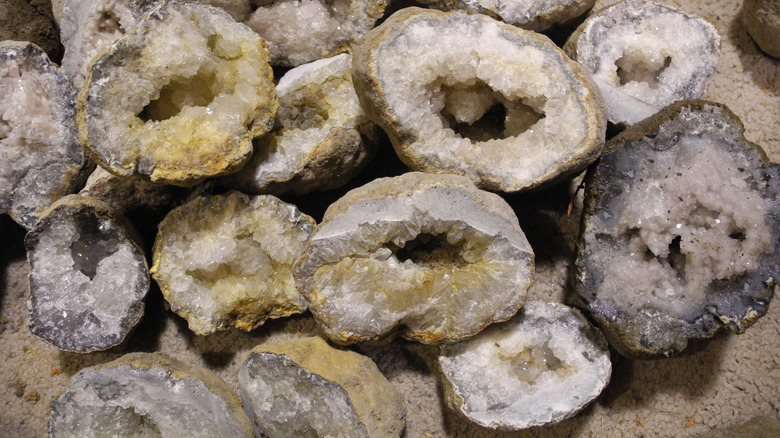
Keokuk is sometimes considered the "Geode Capital of the World," and for good reason. Unlike in Dugway and Hauser, geodes here don't have a volcanic origin. Found within the dolomitic layers of the Warsaw and Keokuk Rock Formations across the Midwest, within a roughly 60-mile radius of Keokuk, Iowa, these marine sedimentary deposits were laid down when a vast tropical sea retreated around 340 million years ago. This created ideal conditions for mineral-rich waters to circulate and slowly, over millennia, crystallize into the Keokuk geodes found today. Considering the geological settings unique to this region, geodes found here are highly prized among collectors.
Keokuk geodes host an impressive mix of minerals, with quartz being the most dominant. Calcite is another frequent component, appearing in multiple crystal shapes and hues. The region also carries a legacy of 150 years of collecting history, featured in major museum collections worldwide, forging a deep cultural connection to American mineralogy. Several pay-to-dig sites in Lee County, Iowa, provide legal access to fresh geode beds, equipment rental, and expert guidance, making them ideal for beginners and seasoned collectors alike.
Adding to the community appeal is the annual Keokuk Geode Festival, where enthusiasts gather to share knowledge, swap specimens, and celebrate the local geologic heritage. The Keokuk Area Convention & Tourism Bureau highlights sites and landowners where collectors can legally dig. Beyond geodes, Iowa holds more remnants of its millions of years of geological history, including a unique gorge revealing an ancient ocean floor teeming with fossils.
Southern Indiana Creek Beds
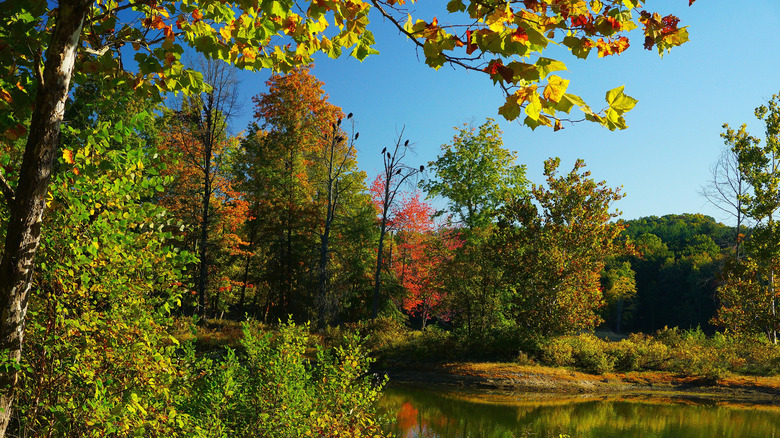
Rockhounds can find geodes strewn throughout creek beds in Monroe, Lawrence, Jackson, and Brown counties (all south of Indianapolis, but distances may vary). Here, some geodes have broken free from limestone rocks and are scattered along streams. The region's forests offer a gentler, more relaxed geode-hunting experience than the harsh deserts out West, making it popular with seasoned hunters, families, and newbies alike. Indiana is also known for the best quality roads in the entire country, making it smoother to reach these geode-hunting grounds.
While you can hunt for geodes year-round, the best time is after heavy rains when shifting waters reveal fresh specimens. Prime spots include Beanblossom Creek and Salt Creek for geodes with beautiful quartz crystals inside. Hoosier National Forest is another favorite, particularly in the northern areas, rich in quartz, barite, dolomite, and white calcite geodes. Depending on where you go and what type of rockhounding you're doing, you may need a permit if you are on lands managed by the Indiana Department of Natural Resources (DNR).
At Hoosier National Forest, visitors may gather small quantities for personal use as long as you keep the earth unscathed — so, basically, you can only collect what you find laying around.
Rockhound State Park, New Mexico
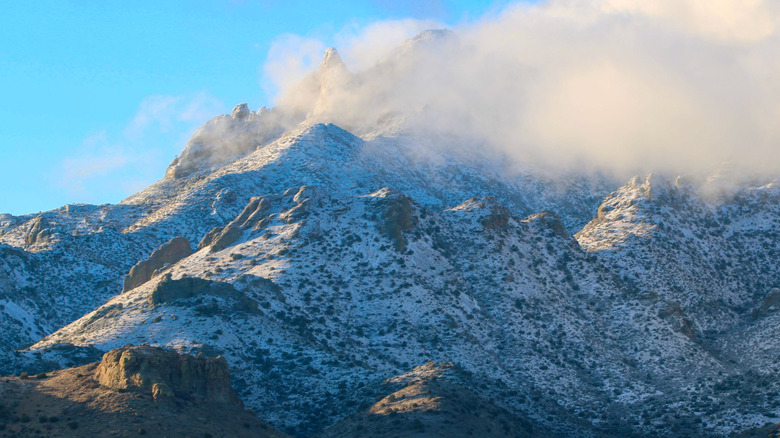
Rockhound State Park in Southwestern New Mexico — America's "Most Cultural State" — stands out as one of the few places in the United States where recreational rock and mineral collecting is not just allowed but actively encouraged. When the park opened in 1966, it became the first park in the country to officially allow visitors to take home specimens. The rules are clear — each visitor may collect up to 15 pounds of rocks or minerals per visit, strictly for souvenir purposes only, using hand tools under 12 inches.
The park is divided into two areas — the main park and the Spring Canyon Recreation Area, south of the main park in the Florida Mountains. While Spring Canyon is open for day use only, from Easter through November, both areas are known to contain a variety of geodes, like quartz, agate, jasper, thundereggs, and other crystallized minerals, making the park suitable for various levels of rockhounding expertise. Located in the Little Florida Mountains, about a 10-minute drive from Deming — a city widely regarded as a gateway to desert mountain hikes, rock-climbing, and camping adventures in Southwestern New Mexico — the park's geology is predominantly volcanic in origin.
The Jasper and Thunder Egg Trails are key attractions, where hunters often chance upon all sorts of treasures along hillsides, washes, and ravines off the trails — especially after a good rain. With its desert scenery, wildlife sightings, and a peaceful campground, Rockhound State Park remains a fine blend of active geological pursuits and classic Southwestern outdoor adventure. The best way to get to Deming and Rockhound State Park is actually through El Paso International Airport (ELP) in Texas, about two hours away from the park.
Warsaw-Salem Formation and Green River Belt, Kentucky
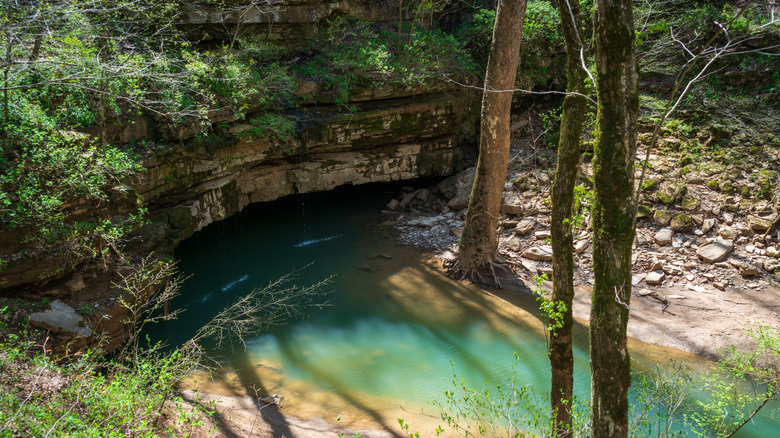
Kentucky showcases a distinctive geological tapestry, especially around the state's Warsaw‑Salem and Fort Payne Formations in South-central and Western Kentucky, which are rich sources of geodes. These geodes are typically embedded within limestone layers, their interiors lined with quartz or calcite crystals, prized for their clarity, color, and size. Collectors typically find them in creek beds, gravel bars, and terraces exposed by erosion. The Green River area offers another renowned geode-hunting destination, though it's best to steer clear of areas inside Mammoth Cave National Park — home to the Frozen Niagara, a spectacular underground wonder — because rockhounding and collecting is prohibited there by the National Park System (NPS).
Some rockhounds suggest hunting around the Lexington area in Kentucky, though it's important to always make sure you're not trespassing on private land and allowed to search for geodes (with or without a permit). These restrictions can vary depending on where you go. The Green River region's karst topography and historic limestone terraces have produced some of Kentucky's largest and best-formed geodes — some measuring two feet in diameter — often filled with striking quartz crystals.
There are several parts of Kentucky beyond these areas that are also rich in geodes, so you can choose your own rockhounding adventure, whether it's exploring the creek beds of the Green River, where rockhounds claim to fill buckets within minutes, or attempting to dig through historic limestone outcrops. These regions offer plenty for curious rockhounds to work with, including families and amateurs, in their quest to unearth quartz, calcite, and other mineral-rich geodes.
Sheffler Rock Shop and Geode Mine, Missouri
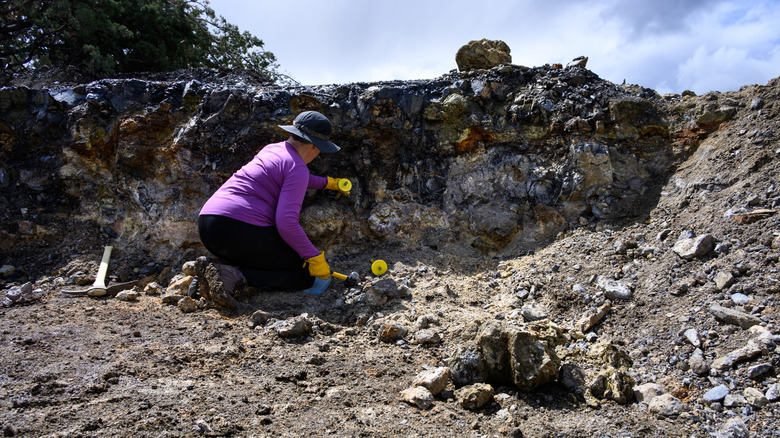
For collectors seeking a rugged yet rewarding geode adventure in the heart of the Midwest, Sheffler Rock Shop and Geode Mine in northeast Missouri holds the answers. Located near Alexandria, this family‑run rock shop operates an on‑site geode mine where visitors can dig for their own specimens by appointment, a setting that brings geode hunting out of the wild and into a friendly, established setting.
At this mine, geodes are found in the local shale and limestone soils, and many are lined with quartz crystals, with occasional calcite, dolomite, or pyrite visible once opened. Collectors should bring buckets, a rock hammer, a pry bar, gloves, and sturdy shoes. According to a reviewer on Tripadvisor, geodes are usually found within the flaky shale layers beneath the topsoil. So, dig through the clay or soil layers to reach the shale, where geodes can be scattered on and inside the rock. The mine offers little shade, so plan your visit on a cooler day. Tim Sheffler, the owner, is commended by visitors on Tripadvisor as "very knowledgeable," providing expert guidance to families and first-timers.
Geodes are abundant in this area, so there's a limit on how much each visitor can take home. A $25 USD fee per person, for ages 12 and above, covers 50 pounds of geodes; anything above that is $0.75 USD per pound. No group rates are available, and pets aren't allowed at the mine. Set amid rolling farmland with easy highway access, the mine is a worthwhile stop for rockhounds looking for hands-on discovery with expert guidance.
Methodology
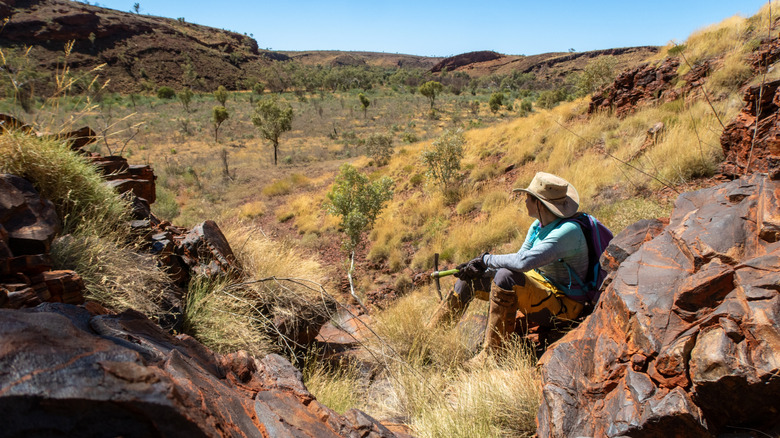
This article was compiled to give readers a reliable and engaging overview of geode hunting across the United States. Research drew from academic papers, geological surveys, and state park publications to verify formation histories, mineral composition, and geologic context. Expert rockhounding blogs, geologist guides, YouTube videos, and firsthand vlogs offered practical insights into site conditions, common finds, and local tips, while community forums provided real-world perspectives on accessibility and difficulty. Each section highlights geological context, notable locations, and practical advice on what to expect, along with tools, safety, and legal considerations. The major takeaway is two-fold: An appreciation of the geological diversity and the scientific intrigue of geodes in this country, and practical guidance for safe, ethical, and enjoyable geode hunting for hobbyists, families, and serious collectors.