
The 10 Hands-Down Best Ski Resorts In Utah, According To Reviews
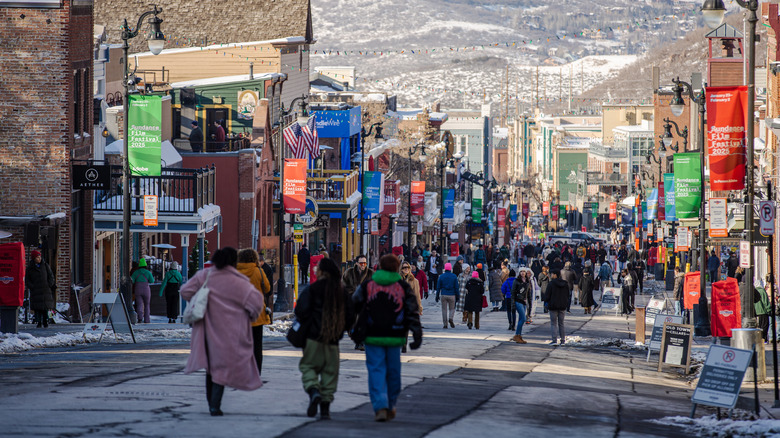
Thanks to the state's high altitude and low humidity, Utah proudly proclaims its consistently light, dry powder as the "Greatest Snow on Earth." There's an average of 500 inches of the white stuff dumped on its ski resorts every year, most of which you'll find in the Wasatch Range of the south-central Rocky Mountains. Some peaks tower higher than 11,000 feet, and the steep terrain and long vertical drops are ideal for carving through that fluffy powder. The terrain does cater heavily toward intermediates and experts, but some mountains offer solid beginner options for families and novices.
10 resorts sit within an hour's drive of Salt Lake City International Airport, which makes Utah a top choice for destination skiers. The state capital is where you'll find the liveliest après-ski, with everything from craft breweries to cocktail bars. Park City is a buzzing alternative, with Main Street a hub of live music, distilleries, and upscale dining. We've looked at several top review sites, including Google and Tripadvisor, to find the top-rated ski resorts in Utah, and here they are in descending order.
Deer Valley Resort
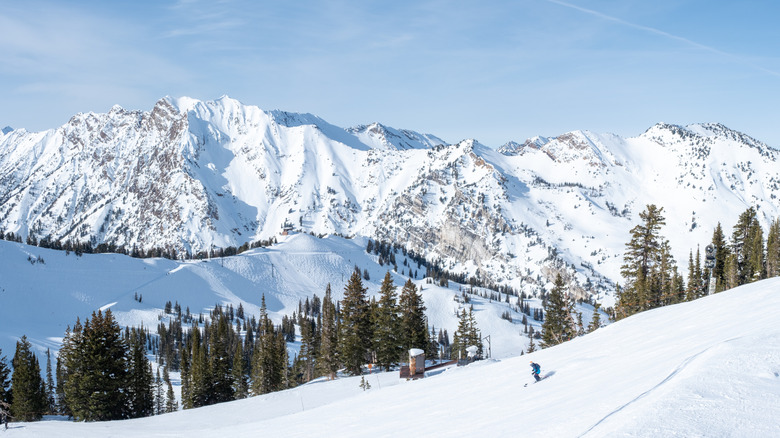
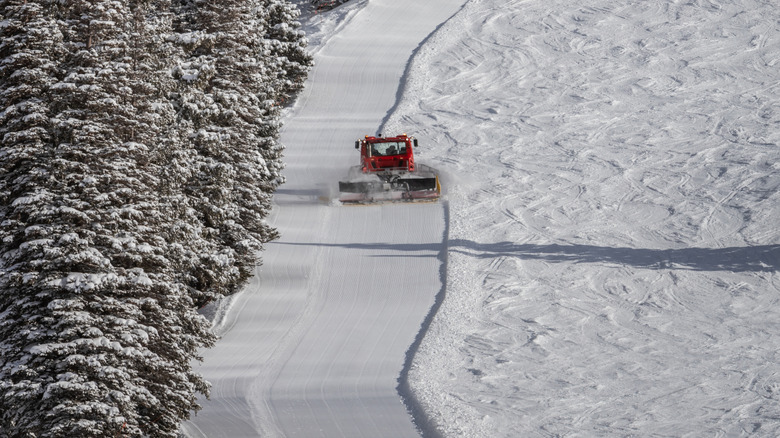
Deer Valley defines luxury skiing in Utah. This is where you go to be pampered. Ski valets take care of your equipment, warming cabins await on the peaks, and the runs are impeccably groomed. You'll find it just outside Park City, about a 45-minute drive from Salt Lake City, and the resort has a ski-only policy, along with daily ticket caps, to maintain an exclusive, uncrowded atmosphere that may well justify the premium prices. Lodging matches the upscale vibe. You've got ski-in/ski-out condos at Snow Park, probably the world's best ski hotel at Stein Eriksen Lodge, and a private funicular at St. Regis. However, après-ski is fairly limited and expensive. Hotel lounges provide the main scene, but for nightlife, head into Park City.
The mountain itself is spread across 4,300 acres. There are a total of 202 runs and a 3,040-foot vertical drop. Intermediates are well catered for, with 45% of the runs ideal for progressing skiers, including long, perfectly groomed cruisers at the Flagstaff and Bald Mountain runs. Bald Eagle is where you'll find some gentle beginner terrain, and advanced skiers will enjoy the steep chutes at Empire Canyon. Expert terrain is limited; however, you can expect light, dry powder backed by 886 acres of snowmaking.
Google and Tripadvisor have the most reviews, and it scores highly on both, with ratings of 4.6 and 4.7, respectively. However, Deer Valley Resort is also one of the highest scoring on the usually fickle OnTheSnow (3.8) and Yelp (4.1), with one reviewer on the former stating, "There is great food, the staff is outstanding, there is so much terrain to explore, and the snow is soft, making the resort friendly to all different ages and ski levels."
Alta Ski Area
It's said that Alta is the birthplace of powder skiing in America — and the legendary mountain still averages an astonishing 548 inches of snowfall every year. Tucked up Little Cottonwood Canyon, about 45 minutes from Salt Lake City, the mountain's north-facing slopes are the secret to that preserved powder. That, and the fact that there is a snowboard ban and the six lifts are strategically placed, help preserve the powder over maximizing convenience.
It's a 2,614-acre mountain spread across 118 runs with a 2,538-foot vertical, and it's one of America's resorts where 80-year-old retirees can ski for free. Beginners can learn the ropes on the protected terrain at Albion base, while intermediates can carve the spacious Ballroom powder bowl off Collins. But the mountain belongs to the experts, with 55% reserved for seasoned skiers. You can tackle steep runs off Wildcat, Sugarloaf, or take on the legendary Baldy Chutes, while the iconic Alf's High Rustler is 1,000 feet of relentless 35-40 degree pitch.
Thousands of reviewers have taken to Google to show their appreciation for the famous powder at Alta. It scores a 4.6, with one satisfied visitor mentioning, "What sets Alta apart is how long the powder lasts. It's truly in a class of its own." It also scores well on Tripadvisor (4.7) and OnTheSnow (3.8), while Yelp reviewers offered up that particular platform's highest score for a ski resort in Utah (4.2). Just don't expect much après-ski; most people go to bed early rather than chasing nightlife. Ski-in/ski-out lodges like Goldminer's Daughter and Alta Peruvian include gourmet multicourse dinners with your room and house the main après spots.
Sundance Mountain Resort
Sitting at the base of the 12,000-foot Mount Timpanogos in Wasatch Mountains, about one hour from Salt Lake City, is the Sundance Mountain Resort. It was founded in 1969 by the late Robert Redford, who wanted to preserve the area's stunning alpine landscape. And he wasn't wrong; it may be a small resort at just 540 acres with 72 runs and a 2,150-foot vertical, but the views you'll take in more than make up for it. Due to the lower elevation, it averages less snowfall than other Utah resorts, with around 200 inches annually — but its north-facing slopes ensure what does fall is well preserved.
About half the terrain is reserved for advanced to expert skiers, who can take on the steep mogul chutes at Freddie's and Homan's Hollow, while double-black runs such as Wonderboy and Vertigo provide expert challenges. Bishop's Bowl is suitable for intermediate skiers, where the right side is groomed for speed. Alternatively, developing skiers can take the mellower Bear Claw run. There are just six lifts, but crowds are generally light, although Saturdays and holidays might mean waits of up to five minutes.
Lodging consists of mountainside suites and luxury homes with up to seven bedrooms. The Tree Room is the place for fine dining, while the Foundry Grill is an excellent choice for casual American fare. The restored 1890s Owl Bar is the place for weekend live music, but in general, the après scene stays mellow compared with Park City resorts. Google is the biggest points earner for Sundance; it scores an excellent 4.6 there, while Tripadvisor (4.4) and Yelp (3.8) also contribute.
Brian Head Resort
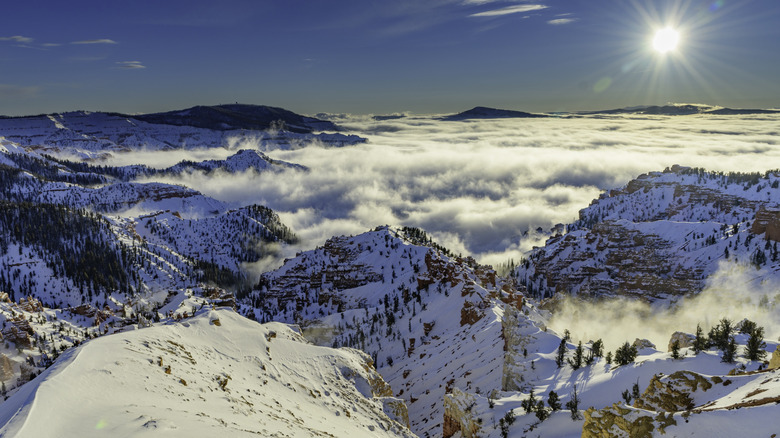
At 9,600 feet, Brian Head claims the highest base elevation in Utah. Surrounded by the red rocks of Cedar Breaks and delivering stunning views down toward Bryce Canyon, it's a beautiful, uncrowded ski resort that also happens to be one of Utah's cheapest. Throw in the excellent learning areas, and it's one of the best for families, too. One Tripadvisor reviewer backed this up when they said, "Our family had an amazing time at Brian Head Resort. It was our first time skiing, so we took lessons. All of the instructors were great!" But Google is the place where most have left reviews, and it scores a highly respectable 4.6 there, with Tripadvisor and Yelp also contributing decent results.
The terrain is split between two connected mountains, with most runs either for beginners or intermediates. Navajo Peak is the mountain for learners, while Giant Steps offers longer intermediate cruisers. Advanced skiers can find steeper runs like Dunes and Wild Ride, though expert terrain is minimal. There are also three terrain parks catering to freestylers and 12 tubing lanes offering an excellent family-friendly alternative. Snow is good, with around 360 inches falling across the 650 acres and 71 runs annually. But, due to the windy nature of the elevation and the flat terrain, conditions can be inconsistent. There's also not much in the way of après-ski. Last Chair Saloon at Giant Steps Lodge offers the main scene, which is where you'll also find affordable lodging.
Brighton Resort
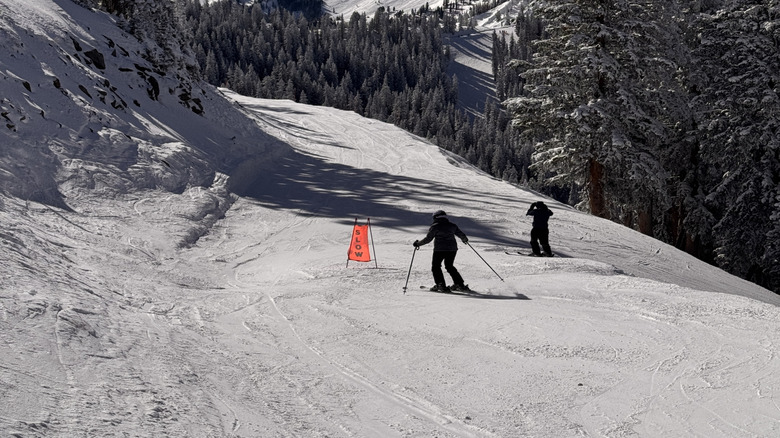
Just 30 miles from Salt Lake City, Brighton was the first resort in Utah to welcome snowboarders — and this has helped shape its terrain park culture and laid-back vibe. The resort sits in Big Cottonwood Canyon, home to one of America's snowiest microclimates. Around 500 inches are dumped here every year across its 1,050 acres. It is one of the smaller resorts in Utah, but it's still home to 66 runs and a 1,875-foot vertical. But the highlight is the exceptional tree skiing it delivers for all skill levels — a rarity in the Cottonwoods.
The mountain is split into four distinct zones served by high-speed lifts. Beginners can experience top-to-bottom trails and mellow glades, while intermediates have tree runs to enjoy from every lift. If you're at an advanced level, you'll love the Aspen glades off Great Western and the cliffs off Milly, while there's also easy access to unpatrolled sidecountry terrain if you have the experience. Five terrain parks and 200 acres of night skiing round off the resort's variety.
There's also a lift connector linking Brighton with the neighboring Solitude Resort, for which a combined SolBright pass or the multi-resort Ikon Pass will let you experience both. However, on-mountain lodging is sparse, with Brighton Lodge the only option. Most visitors stay in either Utah's 'City Between the Canyons,' Cottonwood Heights, or Salt Lake City, which, if you're looking for nightlife, is the best option. Seven thousand reviewers have taken to Google to express their delight with the resort. One satisfied customer who made a five-star contribution succinctly said, "If you're a snowboarder, you're in heaven. If you like terrain parks, you're in heaven. If you like powder, you're in heaven."
Snowbird Ski Resort
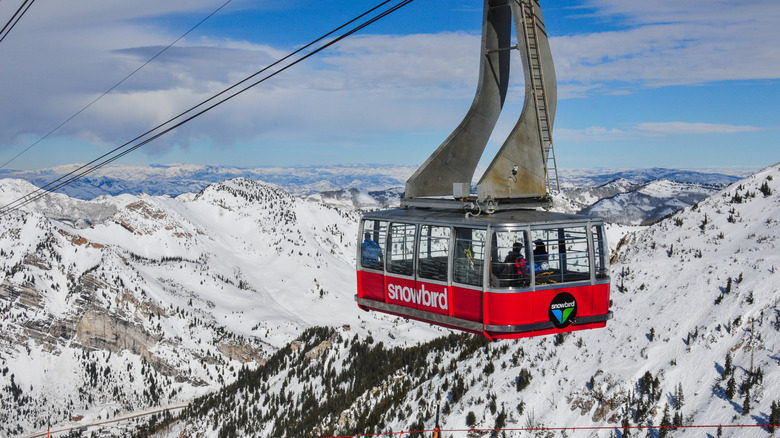
Snowbird sits in Little Cottonwood Canyon, nestled in Utah's Wasatch Mountains, around 25 miles from Salt Lake City. Like the Brighton resort over in Big Cottonwood Canyon, it receives about 500 inches of annual snowfall across its 2,500 acres. With a 3,240-foot vertical and 70% of its terrain rated for advanced or expert levels, this is where serious skiers chase steep chutes, powder bowls, and bragging rights. The iconic Aerial tram rockets riders from the base to the 11,000-foot summit in just 10 minutes, giving access to that legendary expert terrain like Cirque Traverse, Silver Fox, and Gad Chutes.
Mineral Basin offers sun-soaked bowl skiing for intermediates and advanced skiers, while Gad Valley challenges experts with narrow, technical descents. Beginners will find the terrain limited, so if you're learning the ropes, it's better to find a mountain more suitable to your needs. With a Sugarloaf Pass, skiers also get access to the neighboring Alta Ski Area, although snowboarders miss out on the combined 5,100-acre area, as Alta is ski-only.
Google bags the big points for Snowbird (4.6), while Tripadvisor (4.4), Yelp (4.0), and OnTheSnow (3.7) reviews also offer up predominantly positive opinions. However, it's not après-ski that contributes to that high rating. The Tram Club offers some fun, but the village is low-key with limited nightlife. On-mountain lodging centers on the ski-in/ski-out access at Cliff Lodge with its rooftop hot tubs and upscale dining at The Aerie; otherwise, expect aggressive powder culture from die-hard locals who treat this steep playground as hallowed ground.
Snowbasin Resort
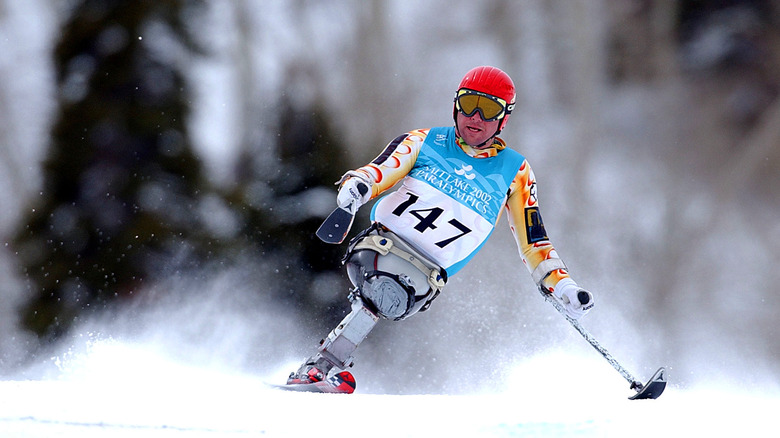
Snowbasin acted as the host for the downhill, combined, and super-G events at the 2002 Salt Lake City Winter Olympics. Impressively, the downhill course is still open for public skiing and will be maintained through 2034. The resort is located in the Ogden Valley, just 43 miles north of SLC, and spans 3,000 acres of 115 trails and a 3,015-foot vertical drop — Utah's second highest. This resort is another to serve seasoned skiers and boarders, with 57% of the terrain reserved for advanced and expert levels, who can chase wide, fast groomers across Snowbasin's three main peaks. With 325 inches of annual snow supported by one of the country's most extensive snowmaking infrastructures, you know conditions will be good, too. The resort scores most impressively on Google with a 4.7, while Tripadvisor gives a 4.6 from far fewer reviewers.
One of Snowbasin's standout features is its opulent day lodges. They have things like extravagant Venetian chandeliers, Carrara marble, and grand fireplaces, even though there is no on-mountain lodging or resort village to speak of. Mid-mountain, you'll find sweeping views at the Needles Lodge, while the Cinnabar Lounge offers an elevated gastropub menu with signature cocktails and weekend music. However, the lack of lodging and resort villages means crowds are lighter than in more corporate venues. Weekends can still get busy, but most visitors stay in Huntsville, just 10 miles away, where you'll find affordable lodging and plentiful Airbnbs. It's also the place to find low-key après options like the local favorite, the Shooting Star Saloon.
Solitude Mountain Resort
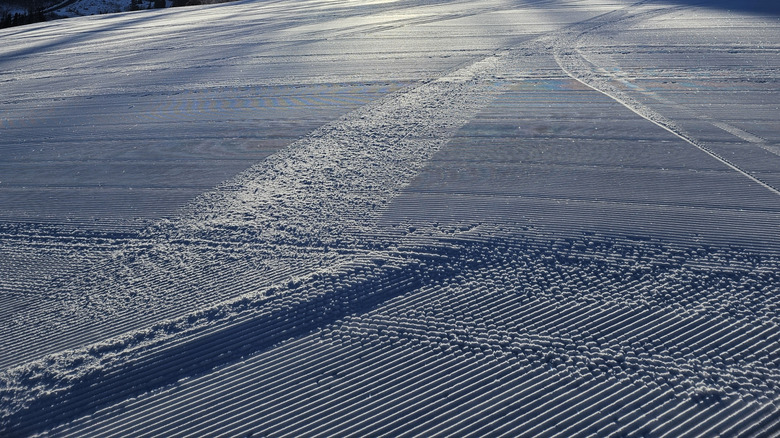
Locals call Solitude Utah's best-kept secret, and it's easy to see why. Nearby Snowbird might draw in the aggressive powder hounds and crowds, but Solitude lives up to its name with its uncrowded runs and an unpretentious vibe where families, easygoing intermediates, and experts can ski without stress. Despite signing up for the Ikon Pass, it's still one of the quietest resorts near Salt Lake City. It is only 30 minutes away in Big Cottonwood Canyon, where 500 inches of snow fall every year.
It's a 1,200-acre resort of 82 runs and a 2,494-foot vertical, with terrain generously divided among skill levels. Advanced and expert skiers get around half, but beginners have gentle, judgment-free slopes with clearly marked routes and learning zones throughout the mountain. It's also a paradise for intermediates, with 40% of the mountain offering perfectly groomed cruisers and tree-skiing opportunities. Experts tend to head straight to Honeycomb Canyon, a 300-acre powder stash with open bowls and gladed runs, but you can also connect to the neighboring Brighton resort with a SolBright joint ticket or an Ikon Pass for 1,050 more acres.
The pretty European-style village offers ski-in/ski-out lodging at the Inn at Solitude hotel and Eagle Springs condos. They offer the chance to unwind in heated pools and steaming hot tubs, or you can relax in a full-service spa. You get spectacular mountain views and delicious wood-fired meals at the Honeycomb Grill, while The Thirsty Squirrel is the place for some laid-back après. One Google reviewer, where the resort scores 4.5, summed up the village by saying it's "cozy, with all the amenities you need: places to eat, shop, and relax after a long day on the slopes."
Powder Mountain
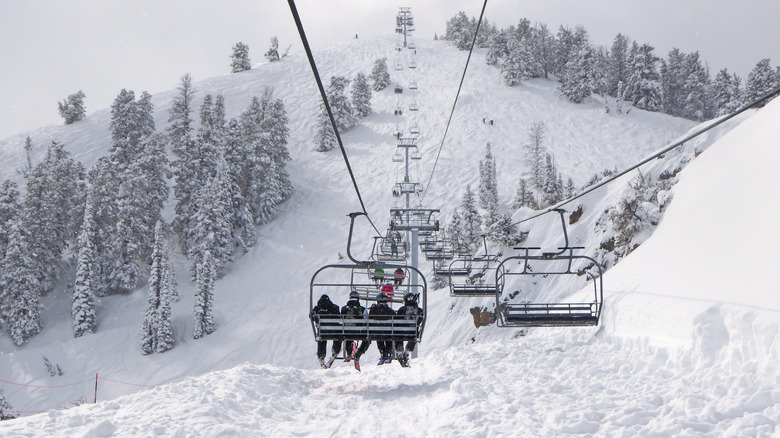
Powder Mountain claims the title of America's largest ski resort with around 5,000 public skiable acres. It boasts a massive 3,380-foot vertical and 163 predominantly advanced runs with vast off-piste areas to access via buses, snowcat shuttles, and guided tours. However, intermediates have plenty to choose from, too, while beginner runs make up 15% of the terrain. The resort is just over an hour north of Salt Lake City, and it gets an annual dump of 360 inches, with no snowmaking required. What's more, new ownership under Netflix co-founder Reed Hastings has seen heavy investment in infrastructure, with three new public lifts opening in 2024, including a high-speed quad that cuts ride times in half.
However, this ownership change has sparked controversy among mountain regulars. Some previous public terrain is now restricted to homeowners, while lift-ticket costs have risen sharply, and there's a 1,500 daily cap. The resort has also dropped its budget-friendly Indy Pass partnership and abandoned its exclusive 3,000-person cap for season passes, which are now selling unlimited at $1,700. Free entry for seniors over 75 was also scrapped, and even weekend parking now costs $12 — even for passholders, although they do get exclusive rights to February weekends.
Despite these changes — or perhaps because of them — Powder Mountain is refreshingly uncrowded. Scores on both Google and Tripadvisor remain high, proving it's still a fun place to visit, even if the sleepy village offers no nightlife or restaurants. On-mountain lodging includes the family-owned Columbine Inn, with its ski-in/ski-out access and live music at the adjacent Powder Keg bar.
Park City Mountain Resort
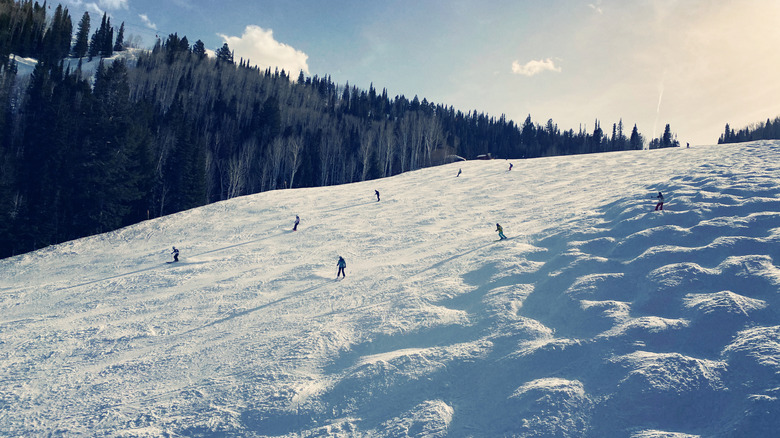
Park City has mining town roots that stretch back to the 1800s, and today the weathered storefronts lining Main Street house high-end restaurants, craft breweries, and dive bars alongside luxury boutiques. The town's evolution accelerated when the Sundance Film Festival arrived in the 1980s, followed by the Winter Olympics in 2002. But what does everyone love most about Park City? The Town Lift that takes you straight from downtown to the slopes in minutes — or straight from the slopes to a bar stool — whichever pleases you most.
In 2015, Park City and Canyons merged into a combined resort of over 7,300 acres, making it one of America's biggest. With around 330 trails and a 3,226-foot vertical, there's plenty of variety — although there is limited green terrain for beginners, and the main run is often crowded. However, intermediates have endless blue groomers, while experts chase powder in the legendary Powder Bowl, which consistently serves up the deepest snow on the mountain.
It's a great resort for après options, too, including the High West Saloon — the world's first ski-in/ski-out distillery. They serve up their own spirits alongside a full menu, while you'll also find spicy food to warm you up at Baan Thai Cuisine & Bar and Mumbai House. The catch? As an Epic Pass flagship resort and a location just 35 minutes from Salt Lake City International Airport, Park City draws relentless crowds, with weekend lift lines stretching between 10 and 20 minutes. However, one Google reviewer, where the resort scores a 4.5 overall, pointed out, "The slopes on the east side are much more difficult and less crowded, so if you are a good skier, I'd take the gondola over there."
Methodology
We gathered ratings from Google, Tripadvisor, and Yelp, as well as OnTheSnow for more specialist-leaning perspectives, to find the best user-rated Utah ski resorts. We only used overall scores from sites with more than 100 reviews, and this had to be the case on at least three of the four chosen platforms for inclusion. We then averaged the qualifying scores to rank this top 10 list of the best ski resorts in Utah.