
The Most Inclusive North Carolina Cities Where LGBTQ+ People Can Find Welcoming Communities And Comfortable Living
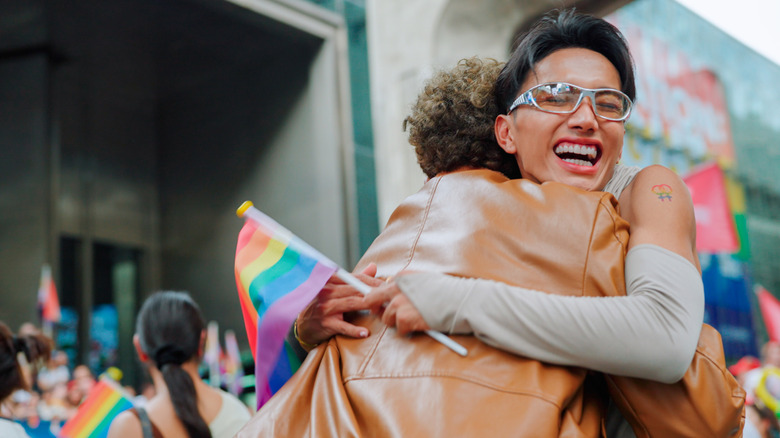
From its sweeping mountain ranges to long stretches of coastline, North Carolina is a state of many contrasts. It could easily be called one of the most scenic states in the South, and yet it's also a place where LGBTQ+ residents have faced a fraught political climate. Since 2023, the ACLU has tracked 26 bills in North Carolina that pose threats to LGBTQ+ rights, a majority of which have either advanced through the state legislature or been passed into law. Despite this, queer communities have only continued to flourish across the Tar Heel State, a testament to LGBTQ+ resilience.
While you'll find queer people living across all corners of North Carolina, some cities have proven to be more welcoming and inclusive than others, where rainbow flags proudly fly. From vibrant urban enclaves to progressive mountain towns, some stand out for their local governments' active steps taken to protect diversity. In contrast, others boast Pride events that are a year-round affair. Whether you're seeking a laid-back coastal community, fast-paced city life, or small-town charm, here are the most inclusive cities in North Carolina where LGBTQ+ people can find community and belonging.
Chapel Hill
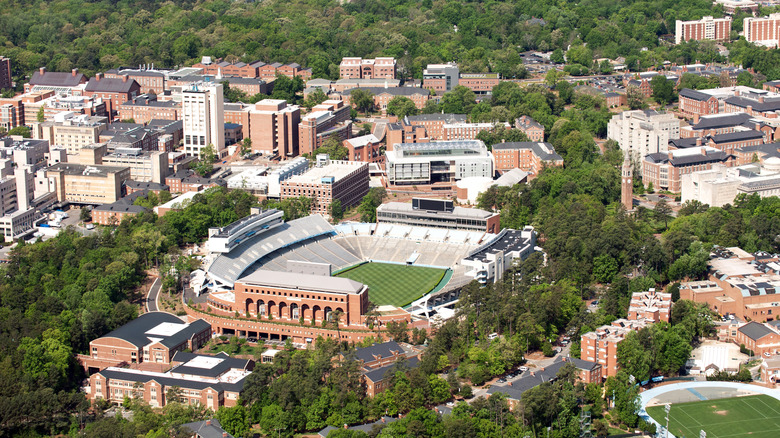
One of three central pillars supporting North Carolina's Research Triangle region, Chapel Hill has long been a beacon of progressive ideals. Anchored by the University of North Carolina at Chapel Hill, the city benefits from a steady influx of students and educators who have helped foster a culture where diversity is celebrated. Inclusive policies, affirming health care access, and a deeply engaged civic population have made Chapel Hill a place where LGBTQ+ residents can live openly and proudly.
The town's queer-friendly reputation isn't just anecdotal; it's reflected in Chapel Hill's municipal infrastructure. The official town website chronicles the local government's history of supporting the LGBTQ+ community, beginning with the election of Joe Herzenberg in 1987, making him the first openly gay town councilman elected in the South. More recently, the town passed a resolution in solidarity with its queer residents in response to statewide attacks on LGBTQ+ rights. Likewise, the town's annual Pride Promenade is organized by the Community Arts & Culture, a division of the Town Hall, in collaboration with various community organizations.
But even long after the parade wraps up, visitors and residents alike will find rainbow flags throughout downtown Franklin Street, displayed in the windows of small businesses, cafes, and nightlife spots. UNC Health also provides access to gender-affirming care that can be harder to find in rural parts of the state, although as of January 2026, only adults ages 19 or older can receive treatment. For LGBTQ+ people, Chapel Hill represents a livable haven where community thrives, local government backs protections for queer and trans residents, and specialized health care is within reach.
Greensboro
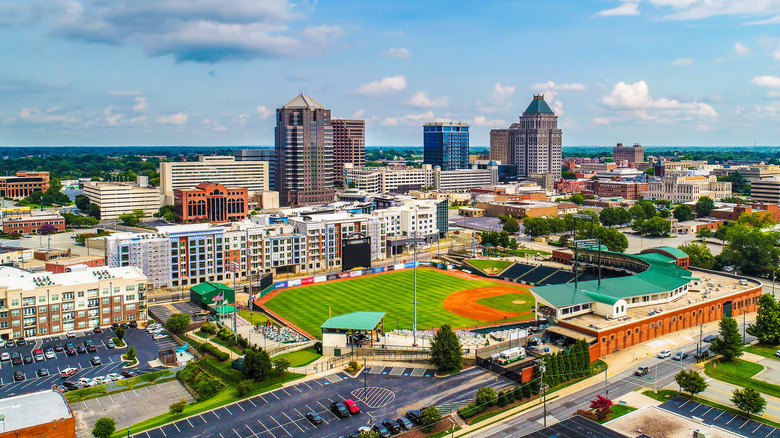
The third-most populous city in the state, Greensboro consistently ranks as one of the most LGBTQ-friendly cities in North Carolina. In 2025, Greensboro got a perfect score on the Human Rights Campaign's Municipal Equality Index — a higher score than any other city in North Carolina, including major metropolitan areas such as Charlotte and Raleigh. But what is it that makes Greensboro so welcoming and inclusive? The answer is a mix of supportive infrastructure and a wealth of community gathering spaces.
The cornerstone of Greensboro's local queer life is the Guilford Green Foundation & LGBTQ Center, located squarely in the heart of downtown. The LGBTQ Center provides resources to residents in the form of support groups, social gatherings, and trained staff who provide information on legal rights, health care, and even financial planning. Perhaps most importantly, the center functions as a no-cost gathering space where LGBTQ+ residents can build community, a core tenet of the Guilford Green Foundation's mission and vision.
Outside the LGBTQ Center, the city has a long history of queer nightlife with numerous popular LGBTQ-affiliated bars and clubs popping up throughout the 1970s and '80s. Today, residents continue to find community at establishments with a queer focus, such as Twist Lounge and Chemistry, along with various other businesses that host LGBTQ+ events. These venues, which extend to coffee shops and art spaces, make Greensboro feel less like a city with safe spaces and more like a city where queerness is woven into everyday life.
Carrboro
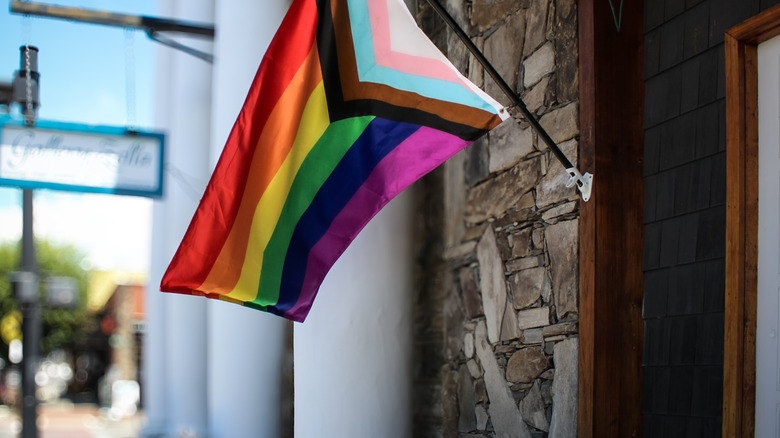
For a town with a population of roughly 21,000 people, Carrboro certainly has an outsized reputation for LGBTQ+ inclusion, if its reputation as the artsy, progressive 'Paris of the Piedmont' is saying anything. Situated directly next to Chapel Hill, Carrboro shares much of its larger neighbor's progressive policies, and then some. A 2025 proclamation by Mayor Barbara Foushee cemented the local government's support of the LGBTQ+ community by declaring June Pride Month in Carrboro, pointing to the town's history of advancing LGBTQ+ rights and electing openly queer officials. In fact, in 1995, Carrboro elected North Carolina's first openly gay mayor, Mike Nelson, kicking off a 28-year consecutive streak of openly LGBTQ+ mayors in the town.
Pride in Carrboro extends far beyond the political arena as well. The town sponsors the Small Town Pride event series in partnership with Chapel Hill and local organization El Centro Hispano, culminating in a Pride walk where a rainbow sculpture of UNC's Tar Heel mascot, dubbed Rainbow Ram, is paraded through town. Queer community-building takes place year-round as well, in the forms of trans meetups at local cafes, drag brunches, and LGBTQ+ artisan markets. Carrboro also benefits from its proximity to the greater Research Triangle area, sharing many of its resources with Chapel Hill, Durham, and Raleigh. However, it's quieter, with a more residential feel compared to the nearby cities, which is also exactly what makes it stand out as a place where LGBTQ+ people can live comfortably.
Charlotte
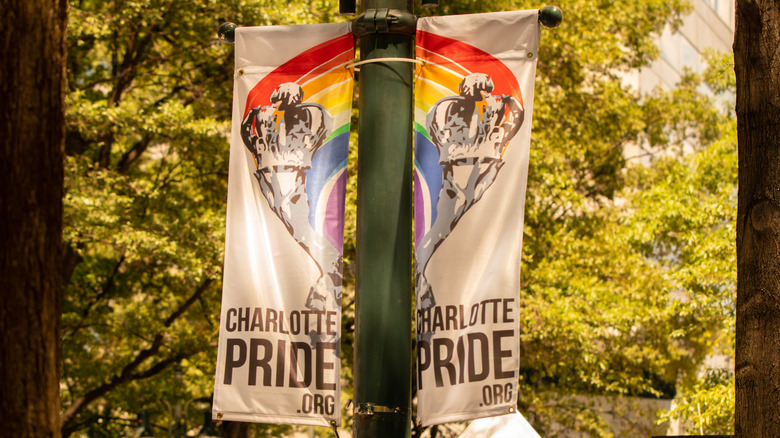
While Charlotte's nickname "the Queen City" doesn't refer to the city's drag culture, that's not to say there isn't a thriving LGBTQ+ community that calls Charlotte home. As the largest city in North Carolina, Charlotte offers the scale and diversity one would expect of a major metropolitan area, and that includes a welcoming queer scene. Neighborhoods such as NoDa, Plaza Midwood, South End, and Uptown have all been described by locals as especially welcoming, largely due to their inclusive bars and arts-forward culture. More than 200,000 people annually attend Charlotte Pride over the course of the festival weekend, and the organization itself hosts events and programming throughout the calendar year, ranging from an LGBTQ+ film festival to uplifting queer youth through its scholarship and internship programs.
Pride is also deeply rooted in Charlotte's past, with a history of gay bars downtown that can be traced back as far as the 1950s. The city also prides itself on being the birthplace of the nation's longest-running lesbian journal, "Sinister Wisdom," in 1976, just a few years before the queer community of Charlotte would see major gains in visibility in the 1980s. Today, Charlotte continues to make strides institutionally, implementing nondiscrimination ordinances and rallying to repeal North Carolina's House Bill 2, widely known as the "bathroom bill." Although LGBTQ+ rights remain contested in many parts of North Carolina, Charlotte's established queer scene and big-city energy have made it a hub of inclusivity in the South.
Durham
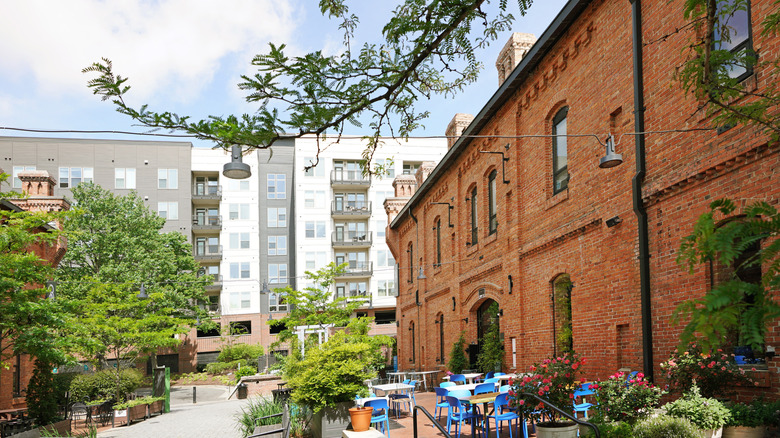
It's no secret that Durham is one of North Carolina's quirkiest and most queer-friendly cities, not to mention a true cultural melting pot. Discover Durham, the region's official tourism guide, describes the city as "the most diverse, proud, and vibrant destination in North Carolina," where Pride isn't relegated to just one month out of the year. The city's history with LGBTQ+ rights is a fraught one, first born out of underground bars like the Ponderosa, which served as inclusive havens as far back as the 1960s. A major turning point for queer visibility in the Bull City came in 1981 when a man was killed in a homophobic attack along Durham's Little River. In response to the horrifying murder, protestors held the first-ever demonstration for LGBTQ+ rights in North Carolina on the steps of the Durham Courthouse — an event that would eventually evolve into the NC Pride March, which made its home in Durham.
Although the NC Pride March was disbanded in favor of locally organized marches, it lives on today in the LGBTQ Center of Durham, which hosts Pride: Durham, NC, alongside year-round programming. Pride: Durham is also just one of many LGBTQ+ organizations in Durham, alongside welcoming bars like the Pinhook, which describes itself as a "safe space for queer and other marginalized folks," run by and for LGBTQ+ people. Likewise, Arcana is one of the few lesbian bars in the South, but it also prides itself on being more than just drinks. From queer craft nights to LGBTQ+ trivia and even tarot readings, pride in Durham might look like drag shows and parades, but it also lives in intimate, community-focused settings where people can gather and experience belonging.
Winston-Salem
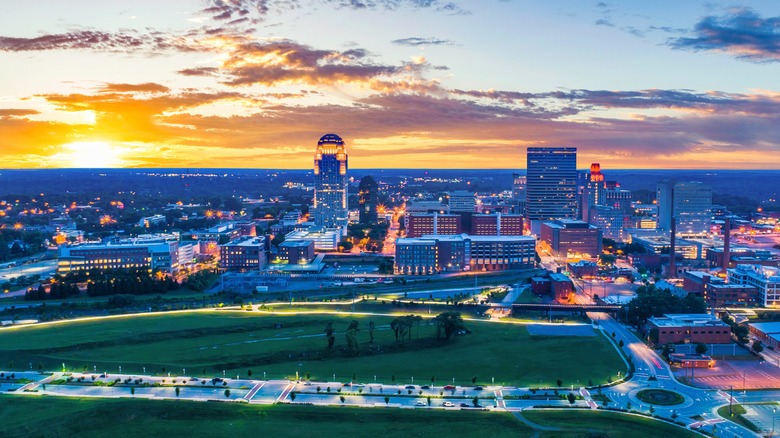
About 30 miles west of Greensboro, Winston-Salem shares many things with its slightly larger neighbor to the east, particularly its inclusive attitude. The city has a strong connection to the arts, in part due to the presence of the University of North Carolina School of the Arts and the Winston-Salem branch of the North Carolina Museum of Art, resulting in a vibrant, diverse arts scene that celebrates different perspectives and identities. Many of the bars and nightclubs that cater to queer folks in Winston-Salem are similarly artsy and quirky, from the neon lights of Euphoria nightclub to the colorful tiki bars and cocktail lounges in the Arts District on Trade Street.
While there are a handful of LGBTQ+ organizations in Winston-Salem, perhaps the most visible is the North Star LGBTQ+ Community Center, located downtown. The community center aims to cater to people of all ages and backgrounds, from youth support groups to socials for queer elders. Meanwhile, more and more protections for LGBTQ+ residents have passed through City Hall as recently as 2025, and the city's dedicated LGBTQ+ liaison ensures that the queer community is heard by the local government. Whether you're just visiting for Pride Winston-Salem or looking to retire in an inclusive, slow-paced gem of a city, rest assured that Winston-Salem is as welcoming as they come.
Raleigh
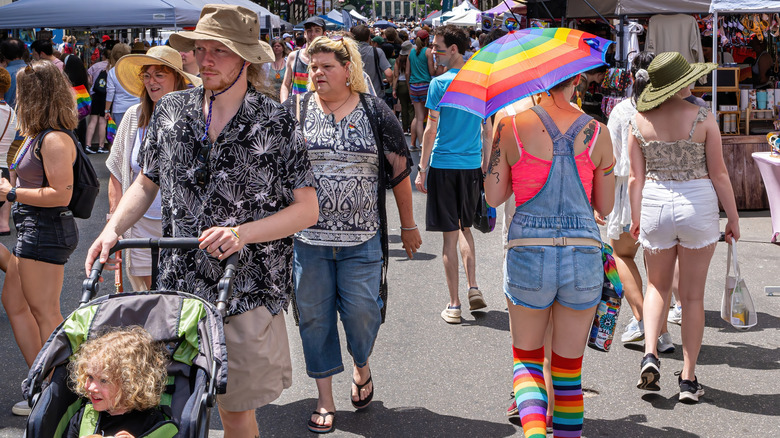
As the capital city of North Carolina, Raleigh occupies a unique space in the state's LGBTQ+ landscape — at the very heart of its legislature. Even as bills targeting gay and transgender youth have moved through North Carolina's General Assembly, protesters have gathered in droves to make one thing clear: that Raleigh is rife with queer community, and they aren't going anywhere. Tens of thousands of people have taken to Raleigh's streets during the annual Out! Raleigh Pride festival, with some estimates ranging from 90,000 to 100,000 attendees. If there's one thing that can be safely said about Raleigh's LGBTQ+ community, it's that it is many thousands strong and won't go unseen.
Support for queer people in Raleigh comes in many forms. In 2025, Raleigh's City Council unanimously passed a nondiscrimination ordinance to protect LGBTQ+ residents. The LGBT Center of Raleigh provides resources and programming, spanning from inclusive yoga sessions to care coordination and even drag story times. Downtown, bars and nightclubs catering to the queer population abound, and even those without an explicit LGBTQ+ lean tend to be gay-friendly. While the city's history with queer culture and LGBTQ+ residents has been contested, much like the larger state of North Carolina, its once-thriving gayborhood in the Warehouse District remains a hotbed for queer-owned businesses, including local favorite Legends Nightclub. The surrounding art galleries, shops, and restaurants have also earned the Warehouse District a spot on the list of the best things to do in Raleigh for an affordable weekend trip.
Wilmington
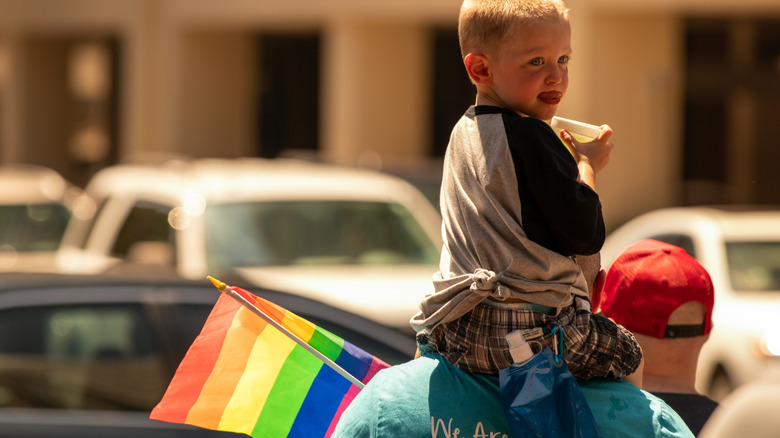
Wilmington, North Carolina, sits surrounded by largely rural and Republican-voting counties, but the city itself is a bastion of progressive ideals on the Cape Fear Coast. Wilmington is home to the LGBTQ Center of the Cape Fear Coast, formerly known as the Frank Harr Foundation, in honor of a local activist, which provides resources and hosts events for LGBTQ+ people across the surrounding region. During June, there's a Pride event for every age and interest, whether that looks like a Pride service at a Unitarian church, an adult silent disco, or play dates for queer families. The Wilmington Transgender Community is another local organization that helps transgender residents connect and share resources, such as a list of doctors and lawyers who will provide gender-affirming care and fight for LGBTQ+ rights.
It's worth noting that Wilmington has limited protections for LGBTQ+ residents, according to the Human Rights Campaign. However, progress has been made, with a nondiscrimination ordinance passed in 2021 and residents urging additional protections to be considered. As New Hanover County has grown increasingly progressive, despite the long-standing conservative dominance in the region, so has the LGBTQ+ community grown. With its laid-back coastal charms, Southern hospitality, and increasingly visible queer community, Wilmington is growing to become yet another North Carolina city where LGBTQ+ residents are welcomed with open arms.
Asheville
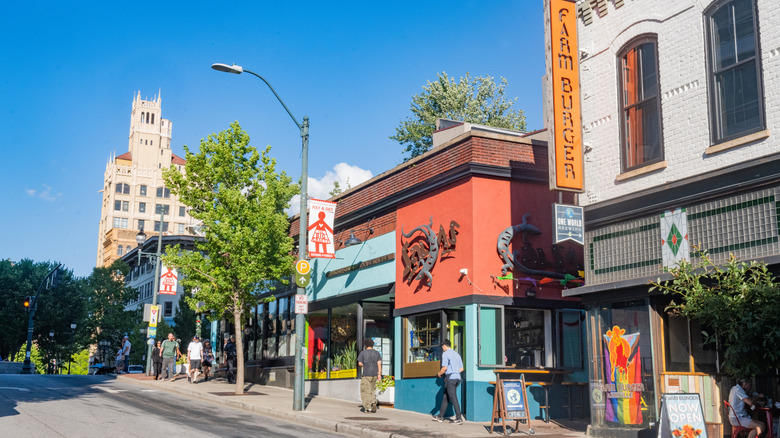
Wondering just how queer Asheville is? One Reddit user summed it up perfectly: Asking where all the gays are in Asheville is "like asking where all the French are in France." Nestled between the Blue Ridge Mountains and the Smoky Mountains, Asheville is an artsy city full of eclectic fun. But to observe its attitude toward LGBTQ+ residents and visitors, just take a walk through downtown and observe all the shops and restaurants with rainbow flags proudly flying or welcoming stickers displayed in the windows. Explore Asheville, the city's official tourism guide, says it best: "Y'all means all in Asheville."
The mountain city boasts a full events calendar for Pride each year, but the party doesn't stop at the end of June. Whether your vibe is drag shows at cocktail bars, Pride parties at breweries, or shopping for art and fashion made and curated by queer people, you can find it in Asheville. Did you know that Asheville is home to North Carolina's oldest gay bar? That's right — O'Henry's opened its doors 40 years ago in 1976 and has been a hub for entertainment, activism, and community ever since. It's that deep-rooted sense of queer community, public acceptance, and resources like the Blue Ridge Pride Center that make Asheville an attractive destination for LGBTQ+ travelers and families. The city has also been named one of the best places for LGBTQ+ seniors to retire, according to U.S. News & World Report, due in part to its inclusive attitude and a relatively affordable cost of living.
Cary
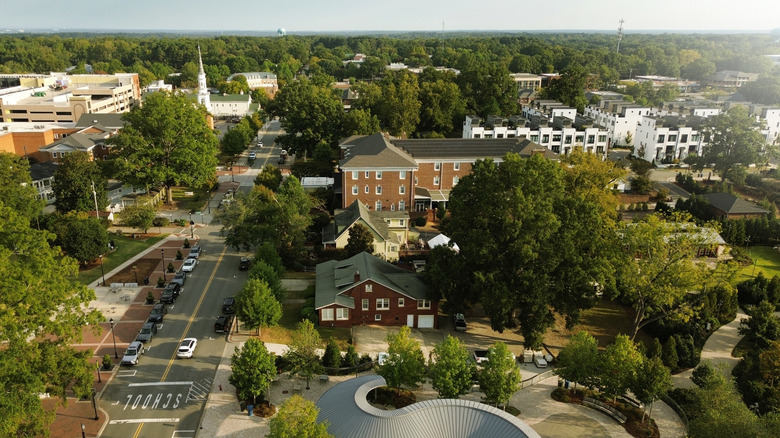
Often overshadowed by its larger neighbors in the Research Triangle region, Cary has quietly built a reputation for its walkable urban spaces, trendy eateries, and progressive attitude. While Cary itself may not have many dedicated gay bars or queer community centers, its location, nestled 10 miles west of Raleigh and 20 miles west of Durham, affords it proximity to two other major LGBTQ+-friendly hubs while maintaining its own unique identity as one of the South's fastest-growing towns and an affordable, family-friendly place to live. That welcoming spirit extends to queer residents, too, with the town formally recognizing Pride Month and partnering with local organizations to uplift diverse queer voices.
Cary also scores above average on LGBTQ+ rights, according to the Human Rights Campaign's Municipal Equality Index (MEI). While the town didn't receive a perfect score, it's worth noting the countywide protections in place regarding employment and public accommodations for queer people, as well as the town-level services provided to LGBTQ+ youth, elders, and people experiencing homelessness. Although Cary had significantly underperformed on the MEI as recently as 2022, since passing nondiscrimination ordinances and instituting a Human Relations, Inclusivity, and Diversity Board, the town has made strides in supporting its queer residents and appears to be becoming more and more welcoming.
Outer Banks
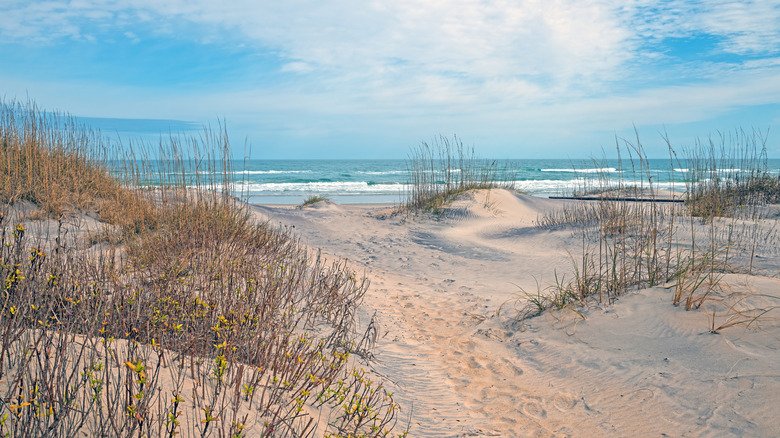
Perhaps the best thing about the Outer Banks — a chain of coastal towns with stunning sunset views and breezy beachside bars — is its laid-back vibe. Unlike the other places on this list, you won't necessarily find any gay bars or clubs here, but it's more so because the OBX tends to take things slower. This is the sort of place that invites people to leave behind city life and kick their feet up on the front porch or enjoy some live music with a view of the Atlantic in the background. And, thanks to the dominant tourism industry and some good old Southern hospitality, that "whatever floats your boat" philosophy extends to folks from all walks of life.
According to locals, the Outer Banks has grown increasingly progressive over the years, and it's not at all uncommon to see Pride flags flying and same-sex couples holding hands while walking down the beach. OBX Pridefest is 15 years strong and only getting bigger, while new events like Dare Arts Pride Month and organizations such as OBX Gay Daze continue to pop up across the islands. And, when the "bathroom bill" first passed in 2016, two Outer Banks towns called for its repeal. Despite historically leaning conservative, the Outer Banks is proving itself to be a Southern coastal queer haven.
Methodology
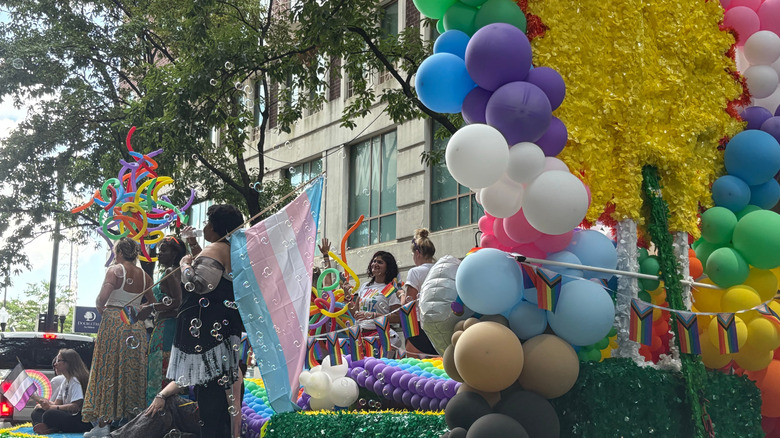
North Carolina is an incredibly large and diverse state, and there's no single, reliable way to measure the LGBTQ-friendliness of its cities. In an effort to provide a somewhat objective overview, this list was compiled using data from the Human Rights Campaign's Municipal Equality Index alongside local reporting, tourism resources, and firsthand accounts from residents. Community centers, Pride events, local government initiatives, and LGBTQ-owned businesses were considered alongside anecdotal evidence from forums and local reviews. The goal was to highlight places where LGBTQ+ people consistently report feeling welcomed and supported, while still acknowledging the challenges that queer people face across North Carolina due to legislative restrictions.