
The World's Best 'Second Cities' For An Unforgettable, Less Crowded Travel Experience
Sometimes, as travelers, we can be a little unoriginal. Not that there's anything wrong with that, of course — the world's most popular destinations top bucket lists for a reason. But sometimes, it can be hard to break out of the tried and true spots. If London, Paris, or Tokyo calls, we answer unashamedly.
While these cities are more than worth experiencing, their popularity can be accompanied by a slew of negatives, be it crowds, eye-watering prices, or even a feeling of unfulfilled expectations. Paris Syndrome isn't a myth, after all. Thankfully, there's more than one city in a country you can visit (in case you weren't aware).
Many of these "Second Cities" aren't hidden gems or particularly far off the beaten path. Most of them are major cities in their own right (some even bigger) and known worldwide. But whether they live in the shadow of a true tourism behemoth or are just underappreciated comparatively, they're often passed over. If you're itching to get away, but are looking for an alternative to the A-Listers, try one of these brilliant "Second Cities."
Glasgow, Scotland
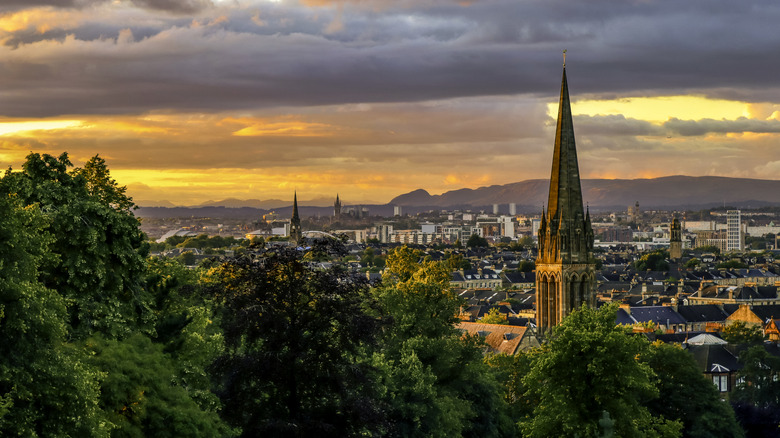
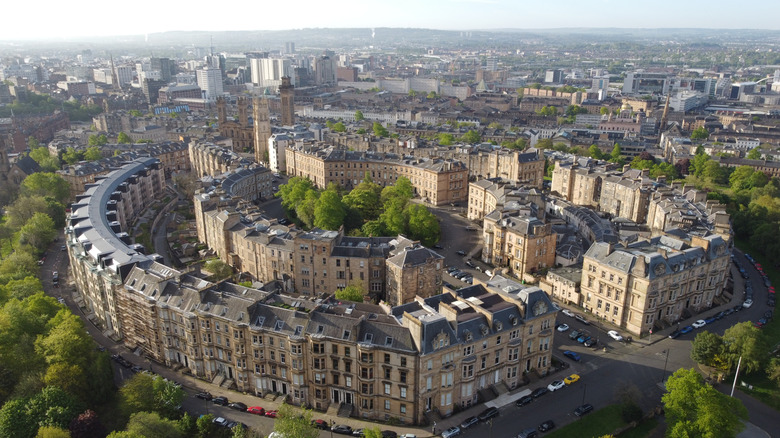
Edinburgh has always been the jewel in Scotland's tourism crown. Impossibly beautiful and dripping in colorful history, the capital is one of the U.K.'s finest cities. However, just a 45-minute train ride away is Glasgow, Scotland's largest and (arguably) most underappreciated city. Rick Steves even goes so far as to say it is the most underrated destination in the country.
At the height of the British Empire, Glasgow was one of the most powerful cities on the planet, supplying as many as 20% of the world's ships and dominating industrial manufacturing sectors like textiles and locomotives. The collapse of those industries forced Glasgow to endure decades of steady decline, at one point even being dubbed "the Murder Capital of Europe", but things are looking up. The modern city is a vibrant place, where the grand Victorian architecture hides a stunning food scene, outstanding museums, and one of the best arts and music scenes in the country.
The core of Glasgow's pitch for your visit centers around authenticity. It's a grittier, truer feeling of life in Scotland, where the pubs are less manicured but far more atmospheric, and the people harder to understand but all the more welcoming. Its history is on show in places like the almost 600-year-old University of Glasgow, while its modern edge is best experienced in its brilliant social scene and music venues, plus the rejuvenation of its docklands is giving the skyline a new lease of life. Switch the capital out for Glasgow, and get under Scotland's skin.
Busan, South Korea
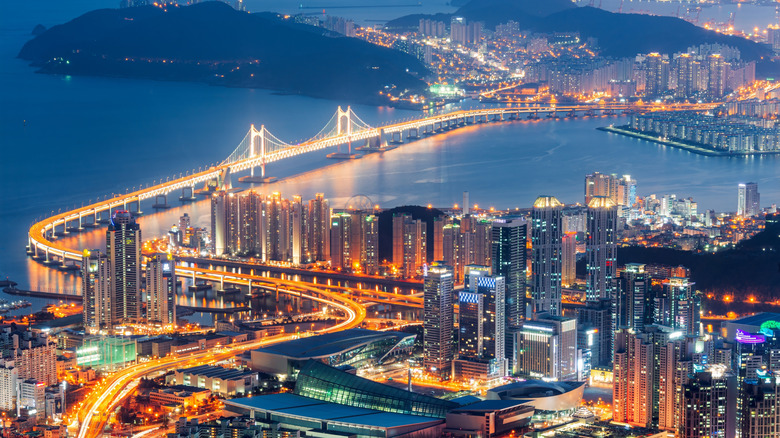
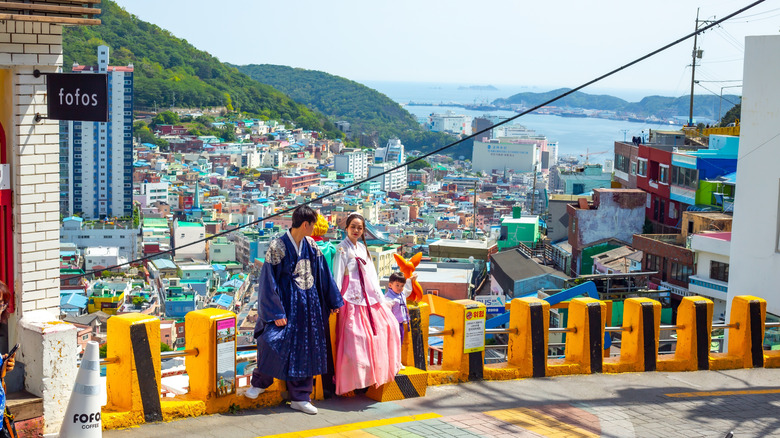
Seoul dominates South Korea's tourism scene. It's fast and futuristic, endlessly stimulating, and undeniably impressive at any time of the year. Plus, with K-Pop's triumphant rise to the top of the world's global music interest, it's never been more popular. But for many travelers, all that can be overwhelming. Busan, a breathtaking beach paradise and South Korea's second-largest city, offers a compelling alternative. It's just as modern and culturally rich, but with a calmer, more livable rhythm.
Set along the southeastern coast, Busan benefits enormously from its geography. Beaches like Haeundae and Gwangalli give the city an openness that Seoul's urban density simply can't match, while the surrounding hills and coastal walks add a sense of space that's often missing in the capital. The city's seafood markets are among the best in the country, and Busan's food culture leans more traditional, more regional, and less trend-chasing than Seoul's forward-facing culinary scene.
Travel experts often point out that Busan feels more approachable, too. It's easier to navigate, less intense, and offers a more balanced look at Korean life, one where temples, markets, beaches, and neighborhoods coexist without competing for attention. You still get world-class infrastructure, excellent nightlife, and cultural immersion, but with fewer crowds and a more relaxed pace. For a first-time visit or a deeper return trip, Busan delivers South Korea without the sensory overload.
Lyon, France
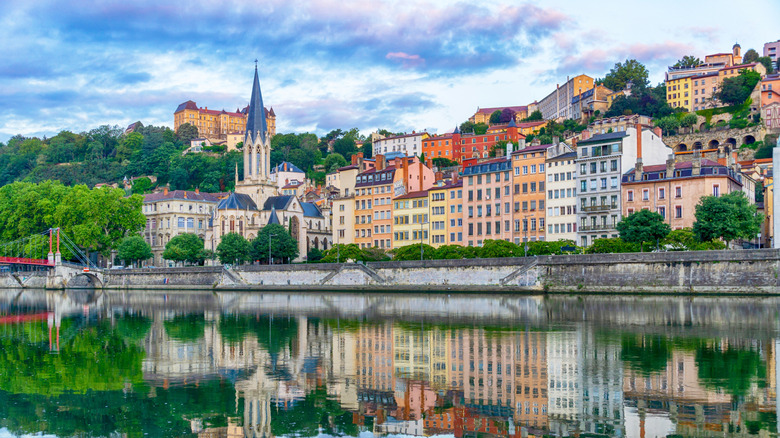
Paris may be the most famous city in France (maybe even the world), but Lyon may very well be its culinary soul. Sitting at the confluence of the Rhône and Saône rivers, the city has long been a crossroads for trade, culture, and gastronomy, and today, it offers an excellent alternative to the capital's intensity, especially where food is involved.
Lyon's old town is just as atmospheric as Paris's historic districts, but far less congested. Renaissance buildings, hidden passageways known as traboules, and riverside promenades create a cityscape that feels intimate rather than monumental, and its stunning parks, street murals, and cathedrals leave plenty of items to check off the bucket list. But food is where Lyon truly shines. Bouchons, the name for traditional Lyonnaise restaurants, serve hearty regional dishes, while modern kitchens push French cuisine forward without the pretension that can accompany Parisian dining —that feeling is never better experienced than at Lyon's vibrant street food festival each summer. And yes, it's cheaper, too. Not cheap, but reasonable.
Lyon is often recommended for travelers who want the depth of French culture without the chaos and tourist-driven atmosphere of Paris. It's easier to navigate, more affordable, and comparatively grounded. It feels lived-in rather than staged, offering a sincere sense of French life and an experience many argue is closer to the country's true character than anything found along the Seine.
Osaka, Japan
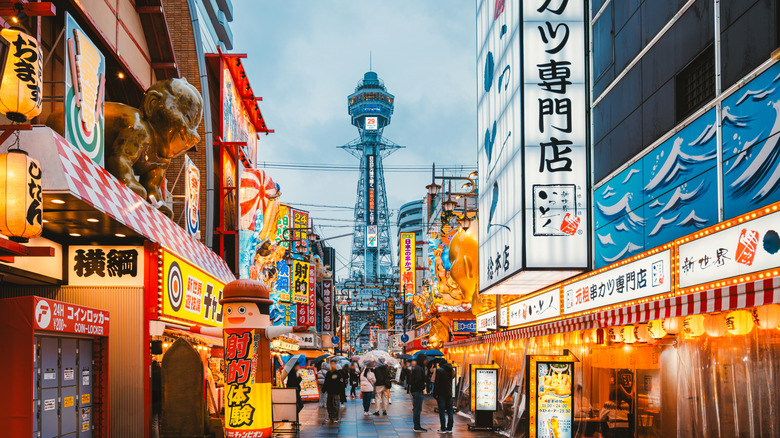
Tokyo is unmatched in scale and spectacle, only losing its crown as the world's most populous city last year, but, as you'll find with many of the entries on this list, it doesn't offer the full gamut of Japanese experience. Osaka, long considered the country's kitchen, is more informal, more laid-back, and more food-obsessed than the capital. Which is saying something considering the caliber of restaurants you'll find in Tokyo.
Instead of high-end eateries (although they are definitely still there), it's street food culture that thrives in Osaka, from takoyaki stalls to late-night noodle counters, and locals take genuine pride in feeding visitors well. Its izakaya spots are legendary, the okinamayaki is to die for, and it's even home to some of the best pizza on the planet (yes, you read that right). Osaka's neighborhoods all feel distinct — none more so than its eccentric slice of Americana literally named "America Town" — and its nightlife is lively without being overwhelming. Of course, a night out in Japan can still be unhinged, so don't anticipate it being a slow one. If there's any criticism of Tokyo, it's that it feels like a city you observe to an extent. Osaka is a place you instantly feel a part of.
Osaka is often described as Japan's most approachable major city. Its residents are famously friendly, its pace more forgiving, and its attitude refreshingly unpolished. There's a little grit here that's unexpected for Japan newcomers. You still get neon lights, cutting-edge shopping, and historic landmarks, but with a warmth and humor that imparts something special on a visit here.
Naples, Italy
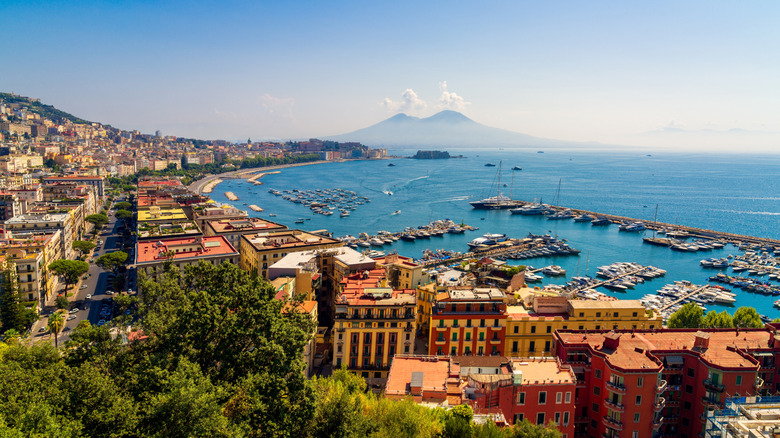
Rome is extraordinary, but the Eternal City can also be exhausting. Fighting for space at the Trevi Fountain, sifting through restaurants to avoid tourist traps, and other gripes are common experiences in a tourist giant like the Italian capital. By contrast, Naples, a few hours away on the coast, is unapologetically chaotic, deeply local, and utterly captivating. Sitting in the shadow of Mount Vesuvius, the city offers history, food, and culture that feel immediate rather than preserved behind velvet ropes. It's Italy without the shine added, and that makes it all the better. Even if Rick Steves says the city isn't for everyone.
It's a well-known fact that Naples is the birthplace of pizza. In fact, there's some speculation that early pizzas (or their predecessors) were being served in the ruins of nearby Pompei over 2,000 years ago. Food remains central to daily life here, and its street eats should be a focal point of any visit. A slice on the street is world-beating, and the added street snacks you'll stumble upon are just as mouthwatering. Beyond the plate, the city's labyrinthical streets tell stories layered across millennia, from ancient Greek foundations to Bourbon palaces and crumbling churches that feel alive rather than restored. It's sometimes hard to believe people live in the center of Rome, because it's so perfect. In Naples, there's no doubt you're on someone's street, and it's all the better for it.
It's loud and passionate, never more evident than in its religious fanaticism surrounding its football team, Napoli. Its streets are adorned with player murals, including the famous Diego Armando Maradona, who even has one depicting him as Jesus. But even with the chaos, it delivers an emotional intensity that Rome's museum-like grandeur can't always match. For travelers willing to embrace imperfection, Naples offers one of the most authentic urban experiences in Europe.
Porto, Portugal
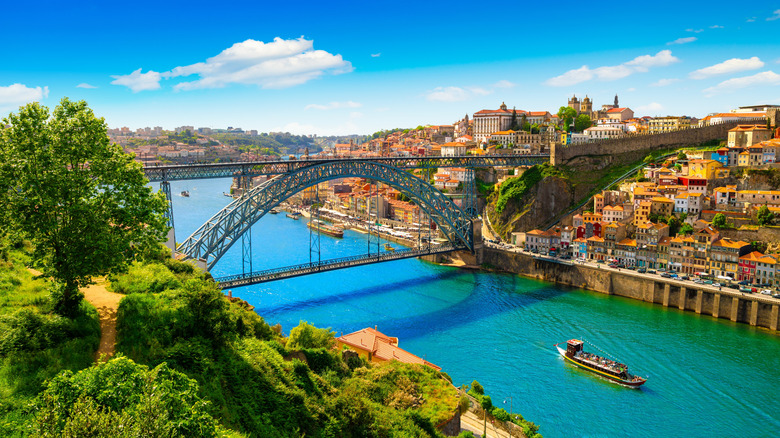
Lisbon has become one of Europe's most popular city breaks, as well as a hub for digital nomads. Porto, while quickly becoming a major destination in its own right, offers a more intimate Portuguese experience and a little less crowds. Draped along the banks of the Douro River, its unique cityscape is a delight on the eyes, but it's far more than just a pretty face.
The compact city is steeped in tradition, boasting its own culinary specialities, a world-renowned wine culture, and so much more. The historic Ribeira district is undeniably picturesque, but the city's charm lies in its everyday rhythms, fueled by café culture, riverside walks, and long lunches where wine from the surrounding valleys flows. While Lisbon often feels like an outward-looking, modern metropolis, Porto feels like it looks inward, embracing a slower pace and a deeper sense of place.
The architecture is stunning, boasting dozens of churches, historic bookstores, and other delights to explore, and the port wine experience is something else altogether. The far bank is dominated by port lodges, most of which run in-depth tours and tastings, and are a must for any visit. While it technically counts as leaving Porto, heading upriver is an extension of the experience, and one of the most breathtaking valleys in Europe. Yet again, the vineyards make for a phenomenal day out. Porto's a special town, and it's more than worth a proper trip as opposed to a simple day excursion from Lisbon or beyond.
Melbourne, Australia
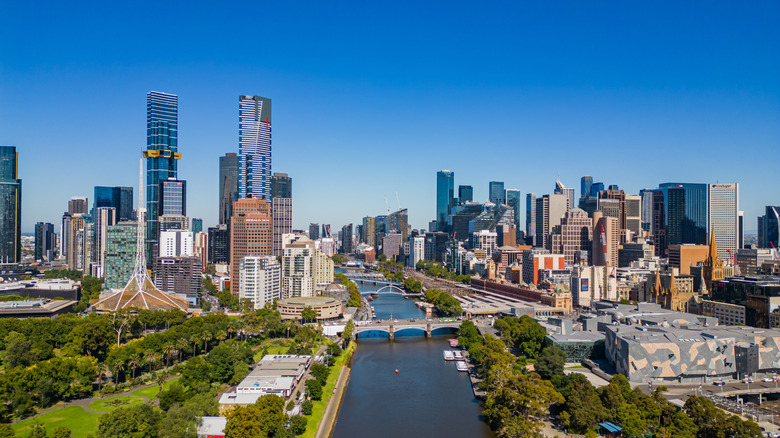
Sydney, as one of the most recognisable cities in the world, may have the harbor, the beaches, and the postcard landmarks, but Melbourne has the soul. An ever-present name among the world's most livable cities, it excels in culture, food, and everyday quality of life, and that's something that resonates strongly with travelers looking beyond surface-level attractions.
The city's lanes are packed with independent cafés, bars, and galleries, while its neighborhoods each carry a distinct identity. Melbourne's food scene is globally respected, shaped by immigration and experimentation rather than tradition alone. Sports, arts, and live music are part of daily life, creating an atmosphere that feels energetic but grounded. Instead of a week spent ticking off boxes, your time in Melbourne will feel more like visiting an old friend. Coffee chats in the morning, an Aussie Rules football game or a perusal of a new exhibit in the afternoon, and an excellent meal at a local eatery in the evening. It's Australian city life as it's meant to be.
It might lack the big landmarks of Sydney, but it more than makes up for that with character and cultural immersion. Plus, its milder climate means summers aren't quite as stiflingly hot. Of course, that does mean it can get a fair bit colder in the chillier seasons, but that's a positive for some and helps keep the crowds away.
Chicago, United States
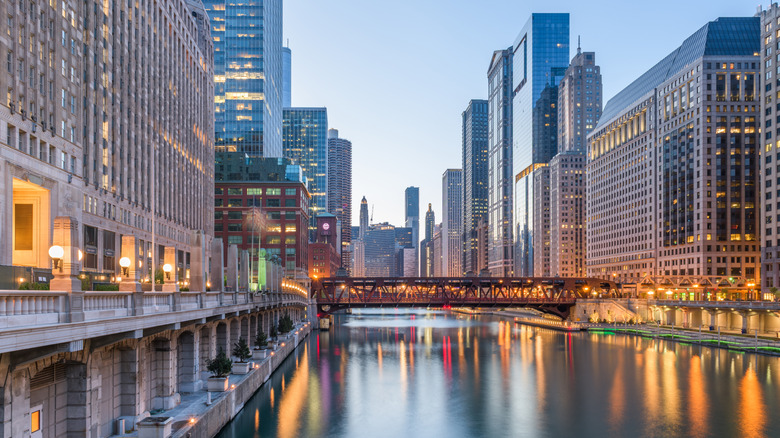
New York City is New York City. Paris and London are the only cities truly in the same ballpark, and it remains, justifiably, at the top of almost every bucket list. It's so popular that it's cool to hate New York. Still, the Big Apple can be a lot. Chicago, on the other hand, offers many of the same urban rewards without the relentless intensity. Sitting on the shores of Lake Michigan, Chicago combines American architectural brilliance with a unique, Midwestern attitude. And it regularly wins visitors over.
From a simple looks standpoint, the city's skyline is among the most impressive in the world, and its cultural institutions rival those of any global capital. Museums like the Art Institute of Chicago compete with NYC's biggest, while more specialized ones, like the Chicago Architecture Center, offer plenty of insight, innovation, and creativity. Neighborhoods like Lincoln Park, West Loop, and Gold Coast provide distinct experiences, each with its own personality and pace, and food is a major draw, extending far beyond deep-dish stereotypes into one of the most exciting dining scenes in the country — although the deep dish is still pretty damn good.
While it's often compared to New York (mainly for the skyscrapers), Chicago feels spacious and navigable in comparison. Beyond the comparisons, it's just a nice shift in scenery. New York is almost always going to be on your list, but Chicago is a nice reminder that there's more to American big-city tourism than the Empire State and Times Square.
Manchester, England
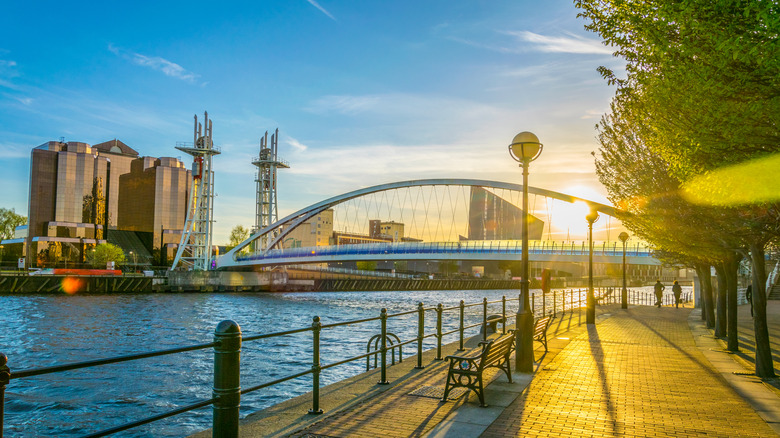
London has a nasty habit of becoming everyone's only experience of the U.K. It's understandable; it's a global powerhouse in food, the arts, history, and more, and has been for centuries. But some of the other cities living in its shadow are criminally neglected. One of England's most underrated cities, Manchester is a prime example of this and should be added to more and more itineraries as it goes through something of a renaissance.
Those in the U.K. know Manchester's influence on the country. Historically, the northern city was defined by industry, but as British influence across the world waned, so did Manchester. The working class culture that remained helped fuel one of the greatest music and arts scenes in the country, gifting bands like Oasis, Joy Division, and the Smiths to the world, and it's also home to two of the biggest football clubs on the planet. Its cultural legacy is enough for most of its visitors, but as a 21st-century city, Manchester is going from strength to strength. Its neighborhoods are packed with a growing number of independent businesses, lively pubs, and a growing food scene that reflects its diverse population, and it's a far more affordable alternative to the capital, too.
England can be a little over-associated with royal landmarks and historic pageantry. Manchester feels less formal and deeply authentic, a place where visitors experience contemporary British life rather than a carefully manicured version of the past.
Methodology
Cities were chosen for this list for a range of reasons, but generally stick to the principle that they are the slightly lesser-visited cities in each country (when compared to more mainstream destinations). Locals may bristle at the suggestion, but all these claims are backed up by tourist statistics. From there, any opinions are backed up by personal experience, multiple blogs and online magazine sources, and local recommendations.