
These Are Pennsylvania's 5 Wealthiest Suburbs, According To Research
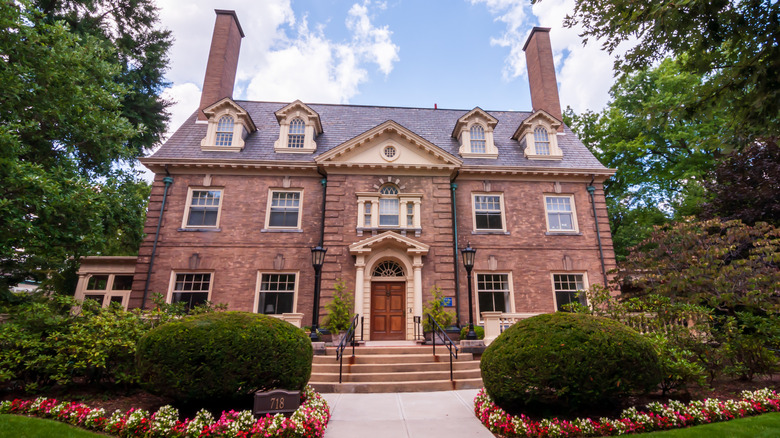
What comes to your mind when you think of wealthy places in America? Maybe you think of California, the state that's home to the most billionaires (186 of them), where you'll find neighborhoods like Menlo Park, the affluent suburb with a fun downtown in the heart of Silicon Valley. Or your brain might go to the District of Columbia for having the highest median household income, or New York City, where you'd need to earn around $185,000 a year to live comfortably. The truth is, America's wealthiest suburbs aren't concentrated in any one state, and Pennsylvania is a sleeper when it comes to rich neighborhoods. While the state has affordable destinations like the artsy former railroad town of Reading, it also has several suburbs where a high net worth is the norm.
Pennsylvania's wealthy suburbs are concentrated in two main areas: around Philadelphia in the state's southeast corner, and around Pittsburgh along its western border. Both cities have a history of wealthy residents. Pittsburgh's East End was the world's richest neighborhood at the turn of the 20th century, when inhabitants included banking mogul Andrew Mellon, ALCOA founder Alfred Hunt, Pennsylvania Railroad president James McCrea, and steel magnates Andrew Carnegie and Henry Clay Frick. Philadelphia, meanwhile, was once home to shipping magnate and banker Stephen Girard, who was the richest man in the United States when he died in 1831. The city is brimming with historic landmarks built by wealthy founders like real estate investor and Patriot Mayor Samuel Powel and Revolutionary War financier Robert Morris.
If you're wondering where the wealthiest Pennsylvanians live today, we've compiled a list of the five neighborhoods with the highest average household incomes and real estate values in the state.
Gladwyne
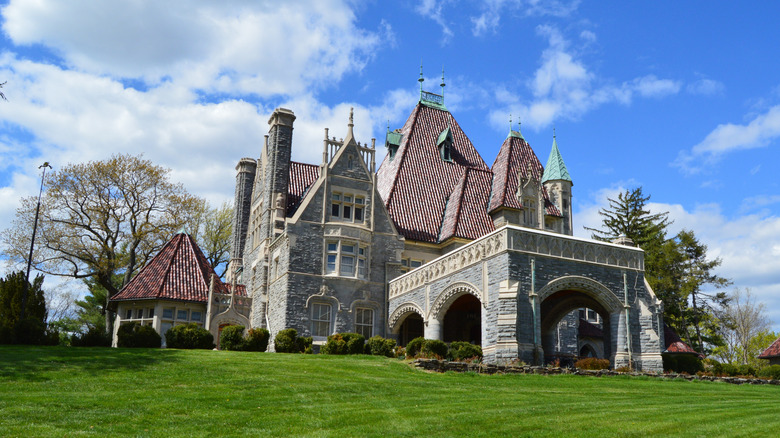
Gladwyne is a quaint Philadelphia suburb with historic charm that consistently ranks among the most expensive cities in Pennsylvania, largely due to the steep cost of real estate. It's part of Lower Merion Township, about 12 miles northwest of downtown Philadelphia, in an area known as the Main Line. This part of Philadelphia was first developed in the late 1800s, after the expansion of railways made it a convenient escape for the city's wealthy. The suburb gained a reputation for stately manors and elegant estates that still define it today. The median home value across Lower Merion Township sits at $788,700, a number that rises significantly when you tighten the focus on Gladwyne. The Zillow Home Value Index for 2025 puts the average price of a home in Gladwyne at $1.52 million.
Some of Pennsylvania's most affluent residents live in Gladwyne, including Arthur Dantchik, cofounder of Susquehanna International Group, who made Forbes' 2025 World's Billionaires List in 2025. That company's other founder, Jeff Yass, lives in nearby Haverford and made headlines in late 2025 for buying millions of dollars' worth of property in historic Gladwyne Village.
In January 2026, Yass announced his revitalization plan, which includes constructing a new Gladwyne Village Shoppes building, a larger multipurpose café and market, and converting the old Gladwyne Market into an affordable, family-friendly restaurant. Most of the 19th-century homes and shops in the Gladwyne Historic District will remain unaffected by these changes, so you'll still be able to visit landmarks like the Independent Order of Odd Fellows cemetery (which dates to 1852) and the Old Guard House Inn, which was built as a tavern in 1790.
Fox Chapel
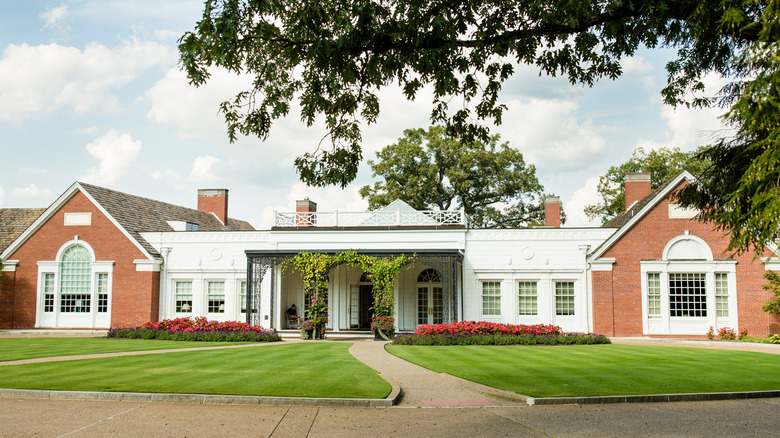
With a median household income of $235,436 and a median home value of $880,100, Fox Chapel is the wealthiest suburb in the Pittsburgh metro area, beating out other affluent areas like the walkable East End neighborhood of Shadyside. The suburb has the highest percentage of households earning over $200,000 in the area and is one of only two communities in Pennsylvania where more than 60% of residents exceed that threshold. In a 2025 study by GOBankingRates, Fox Chapel was ranked the richest small town in Pennsylvania and the third richest in the United States. Homes here are frequently listed for over $1 million and are among the most expensive in the Pittsburgh real estate market, like the 13,700-square-foot, six-bedroom estate that sold for $6.35 million in 2023.
Fox Chapel is located in the hills north of the Allegheny River, about 11 miles northeast of downtown Pittsburgh. It's a fully residential area with no designated commercial hubs or major attractions for visitors. There are two prestigious championship golf courses in the area (Oakmont Country Club and Fox Chapel Golf Club's Seth Raynor-designed course), but both require membership to play. Other outdoor activities in Fox Chapel are more accessible. Families should check out Annie's Field of Dreams playground at McCahill Park, which has multiple playgrounds and a "Lilliput Village" of playhouses.
Hikers can catch the Lockhart Trail from Riding Meadow Park or walk the Trillium Trail, which is especially beautiful when the wildflowers bloom in April and May. There are also a few restaurants tucked between the residential streets, like Brick & Barrel Cross Keys, which serves bourbon flights and cocktails, along with high-end takes on classic comfort food, like gourmet burgers and wood-fired chicken wings confited in duck fat.
Sewickley Heights
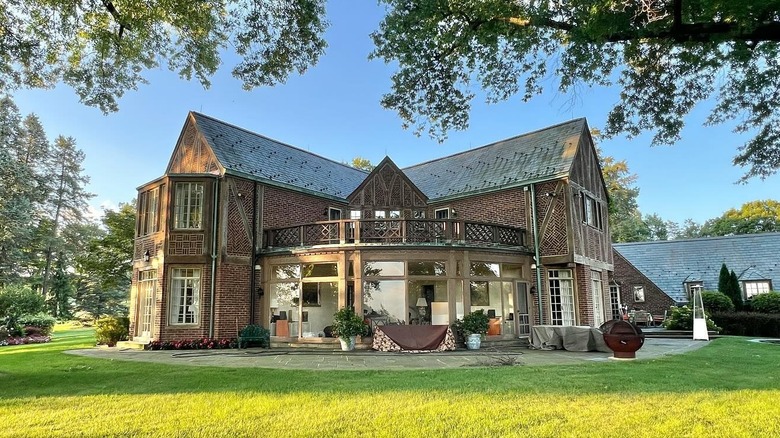
Just in front of Fox Chapel on the list of Pittsburgh's wealthiest neighborhoods is Sewickley Heights. This suburb is about 15 miles northwest of the downtown area along the Ohio River, not far from Ambridge, a historic town founded in 1824 as a Harmony Society commune. The area had surprisingly humble origins, given its current reputation for affluence. It was originally sold as Depreciation Lands to Revolutionary War veterans, and though there were some prominent names among the early buyers, like the first Pennsylvania governor, Thomas McKean, most of the lots started as farms. Its origins as a high-wealth area go back to 1902, when the Allegheny Country Club moved to Sewickley Heights. This drew Pittsburgh's high earners, whose mansions solidified Sewickley Heights' modern identity as an elite enclave.
By the numbers, Sewickley Heights has a similar makeup to Fox Chapel. The area is mostly residential and has a rural feel, with a median household income of $222,884 and a median home value of just over $1 million. While Fox Chapel has some of the priciest home listings in Pittsburgh, the real estate in Sewickley Heights isn't far behind, and it's common to see multi-million-dollar price tags for neighborhood real estate.
The biggest difference is that Sewickley has more to offer visitors. This includes a downtown area along Broad Street and Beaver Street with upscale shops and local boutiques. The Sewickley Farmers Market adds to the shopping options on Saturday mornings from April through November. History buffs can learn about the neighborhood at the Sewickley Heights History Center, or see the largest outdoor memorial to the Tuskegee Airmen at Sewickley Cemetery. There's also ample green space to enjoy, from the native tree walk at Fern Hollow Nature Center to hiking, biking, and equestrian trails at the 1,000-acre Sewickley Heights Borough Park.
Villanova
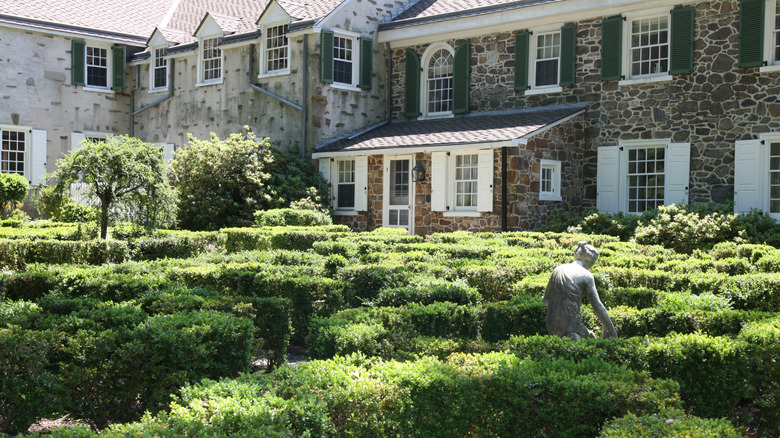
Located about 15 miles from Philadelphia's Center City, Villanova is best known as the home of prestigious Villanova University, the only Augustinian Catholic university in the United States. But it's far from a typical college town. Like Gladwyne, it's in the Main Line area of Philadelphia, just north of the quiet and historic college town of Bryn Mawr. Most places along the Main Line are on the ritzier side, and Villanova is one of the most affluent, with a median household income over $200,000 and homes in the neighborhood regularly listing for $1 million or more.
Villanova has a long history, first settled in the late 17th century, but the town as it exists today grew around the university after it opened in 1843. The east wing of Alumni Hall is the oldest building still standing on campus, built in 1848. There are several other structures from the 19th and early 20th centuries on the university's grounds, like St. Thomas Hall, St. Rita's Hall, and the Victorian Gothic St. Thomas of Villanova Church.
Some properties in the area date back even further, like the Harriton House and Park about 3 miles east of Villanova University, just over the neighborhood's border with Bryn Mawr. Built in 1704, it's one of the oldest structures in the Main Line area, and today operates as a museum focused on renowned former residents, like founding father Charles Thomson. You can see many other historic homes in Villanova, from the remodeled 18th-century farmhouses of the Stoke Pogis community to the Georgian Revival Ardrossan estate, which was designed by local architect Horace Trumbauer in 1911 and is considered the most iconic of the surviving Main Line estates.
Merion Station
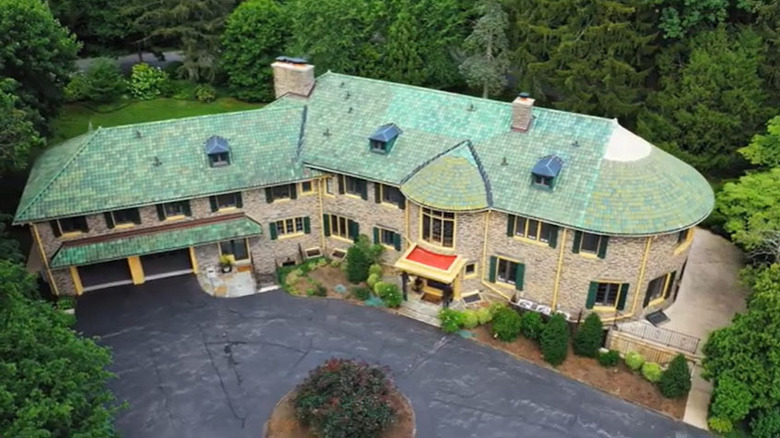
Another community in Philadelphia's Main Line area, Merion Station is one of the first stops along that ritzy railway, located about 8 miles northeast of Center City. First settled in the 1680s, it's home to some of the oldest buildings in Pennsylvania, like the Merion Meeting House, a house of worship for the local Quaker community since its construction in 1695.
Another prominent local landmark is the General Wayne Inn, which was first built in 1709 and served travelers from the mid-18th century until it was converted into a Jewish synagogue in the early 2000s.
Merion Station is known for having some of the largest and most desirable real estate in the Philadelphia area. There are several private homes from the late 19th and early 20th century in the neighborhood, including mansions built in Victorian, Colonial Revival, and Tudor architectural styles. As you might have guessed, those homes don't come cheap. While the median home value here is a bit lower than the earlier entries on this list ($783,400), Merion Station's historic estates are commonly listed for $1-3 million. That's not out of reach for many locals, considering the median household income is just over $180,000. This puts the neighborhood in the 99th percentile for average income across the United States.
Methodology
To compile this list, we looked at a range of "wealthiest neighborhood" compilation lists, including Money Inc's 2025 list of the 30 Richest Neighborhoods in Pennsylvania, Home Stratosphere's list of the 30 Pennsylvania towns with the highest home values in 2025, and Suburbs101's ranking of the 11 Wealthiest Towns in Pennsylvania (2025).
Next, we pared down this list to only include suburbs, which we based on Merriam-Webster's definition as "a smaller community adjacent to or within commuting distance of a city." For the last step, we reviewed data from January 2026 for each suburb: median household income as reported on Best Neighborhood, median home value reported on Niche.com (or Best Places, when Niche didn't have a listing), and cost of living as reported on Best Places. Using this data, we re-ranked our shortlist of locations to identify the five wealthiest overall suburbs.