
What Travelers Need To Know Before Their First Long-Haul Flight

While there are many incredible destinations in the United States, but if you want to see destinations that are (or should be) considered wonders of the world, you will need to embark on a long-haul flight to get there.
Long-haul flights are not the same as regular domestic flights. A long-haul flight typically lasts between six and 12 hours. While there are some domestic flights in the U.S, such as Seattle to Miami, that fall within this duration window, the vast majority of U.S. flights are much shorter. You'll find, however, that most transcontinental flights, such as those between the United States and Europe or Asia, qualify as long-haul flights. Some may even qualify as ultra-long-haul flights, lasting over 12 hours.
You may already have a normal routine when flying on short jaunts between nearby cities. However, a long-haul flight can be a very different experience. You may encounter issues you have not had while flying before, such as mental fatigue, time distortion, and physical discomfort from the longer time spent in an airline seat and in the air. Planning during booking can ease many of these challenges. And your packing and in-flight practices can also help you feel fresher upon arrival at your final destination.
Your seat choice will shape your entire experience
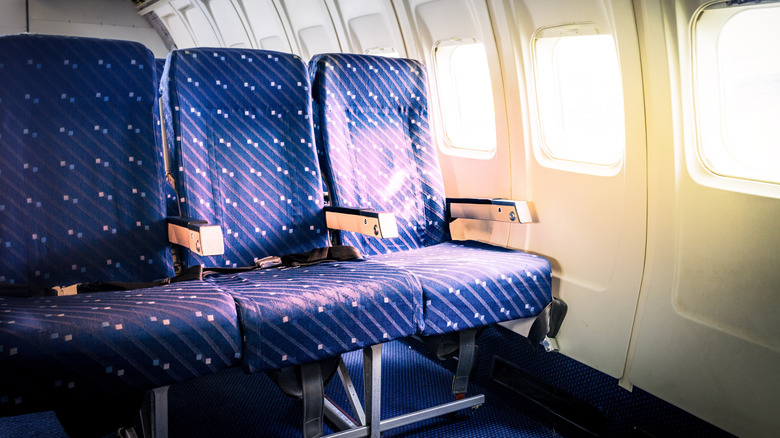
One of the most important things you can do when booking your flight, or at least while checking in, is choosing the right seat for your flight. Most people prefer a window or aisle seat for their flights. Window seats offer a view and the airplane's wall to lean against while sleeping. However, many travelers think the aisle seats are the best choice because they offer unobstructed access to the aisle for easier access to the overhead bin, the lavatory, or taking a walk.
However, these advantages naturally come with disadvantages. In a window seat, you may need to disrupt your fellow passengers if you need to get up for the overhead or lavatory. In the aisle seat, you may be disrupted by those in the center seat or window looking to get out of the row, and you are also more prone to being bumped into by other passengers walking up the aisle or by the flight crew performing service.
These choices are easier if you can take advantage of different zones of the plane. If you can book a premium cabin, the seats there may all have unobstructed aisle access. But even in economy class, there can be sections with more spacious seats or easier access to the lavatories with less risk of disrupting other passengers. Seat location can also affect how quickly you exit the aircraft, which matters when you have a tight connection. One important thing to note is that not all seats in different rows are the same. There may be some rows with obstructed views due to their location over the wings of the airplane, or you might have no window at all.
Not all long-haul aircrafts feel the same
While choosing the right seat on the plane is extremely important, selecting the right aircraft is also key. When looking for flights, most airlines will indicate what type of plane will serve the route you are considering. One route, even on the same airline, doesn't always use the same aircraft. Look at the plane in use for each flight time or connection option, and choose the one that best fits your needs.
Many travelers prefer newer planes to older ones, which may not have the same bells and whistles. Look for a newer plane, such as a Boeing 787 Dreamliner, an Airbus A350, or an Airbus A330, for a more enjoyable flight. These aircraft will usually have more comfortable, wider seats, providing more comfort. The seat pitch, or the space between rows on the plane, can also have a big impact on your personal space. The technology in these newer aircraft can also provide more comfort in areas such as air pressure and humidity, as well as improved noise and lighting control.
Cabin air is drier than most travelers expect
You should be aware that the air on the airplane will be drier than wherever you are flying from. On an airplane, the cabin air has little humidity, which will be a major contrast from the humidity from where you are departing or arriving. Even if you are departing from the tropics with close to 100% humidity, within a few minutes, the air will have recirculated and the moisture removed.
Airplanes refresh cabin air with high-altitude air pulled in through the engines. At 35,000 feet, this air has little water vapor, so it's practically as dry as can be. The air is passed through the plane's air conditioning and HEPA filters to remove pollution, bacteria, and viruses so you can safely breathe it. The average humidity on a plane is only around 10% to 20% max.
Dry air can cause a range of physical symptoms. These include dehydration, dry nasal passages, dry eyes, and a dry throat. Drink plenty of water throughout the flight to combat these effects. It's also wise to avoid drinking too much alcohol, as alcohol can lead to dehydration. Pack hydrating lotion and lip balm to prevent dry skin or chapped lips, but make sure they are approved travel-size containers or they will be confiscated at security.
Jet lag is about light and timing, not just sleep

When flying long-haul, it's likely you'll be traveling to a different time zone, so you can expect to experience some jet lag. Jet lag is especially common on flights that cross more than three time zones. It occurs when your circadian rhythm (which is also called your "body clock"), does not align with the time at your destination. This results in you feeling tired based on your home time zone, rather than the actual time where you are.
You cannot expect to avoid jet lag just by getting a few hours of sleep on the flight. Your body needs time to shift and adapt to the new destination, sometimes up to one day per time zone traveled. This adaptation may mean that jet lag could be worse depending on the direction you fly in, especially if you're going east.
There are some things you can do before you fly to help speed up your adjustment to the new time zone. Gradually adjust your internal clock to the new time zone a few nights before you fly. If traveling to the east, consider going to bed earlier each night. If traveling west, consider going to bed slightly later. This adjustment won't necessarily eliminate jet lag, but it might help you acclimate.
Sleeping on a long-haul flight takes strategy
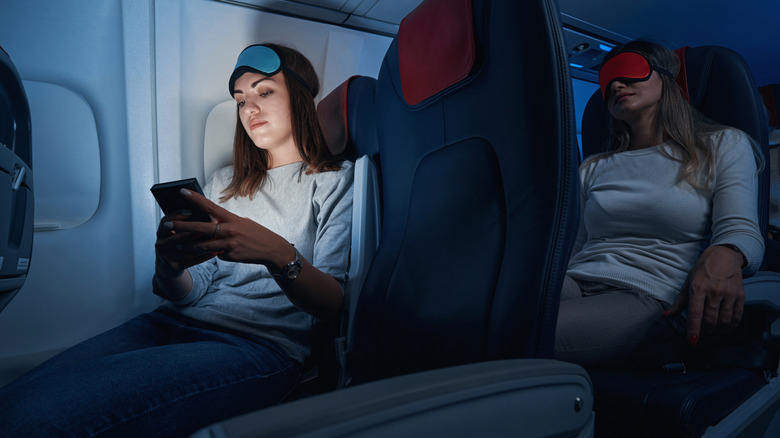
Sleeping on a long-haul flight requires some strategy. Travelers need to align their body with their destination as seamlessly as possible, so it is often desirable to follow the time of day in the destination when planning sleep on the flight. But this may not be as easy as you think, given the cabin lighting, meal service, entertainment distractions, and cabin noise.
Wear comfortable clothes for your flight. You want to be able to fall into a restful slumber, not be consistently woken up by tight or itchy clothing. Consider dressing in layers to account for temperature fluctuations on the plane as well. Sleep accessories can also make a huge difference: Bring a good pair of headphones or earplugs that can help drown out cabin noise that might keep you awake. An eye mask can also make all the difference in being able to sleep, especially if someone has their light on or the window shade open, keeping the cabin from reaching the darkness you need for sleep.
Consider turning off the phone or tablet, too. Blue light can mimic daylight, helping you stay awake. That can disrupt your circadian rhythm, keeping you awake on the plane and leaving you feeling tired during the day, especially when changing time zones.
Airline meal schedules rarely match your destination clock
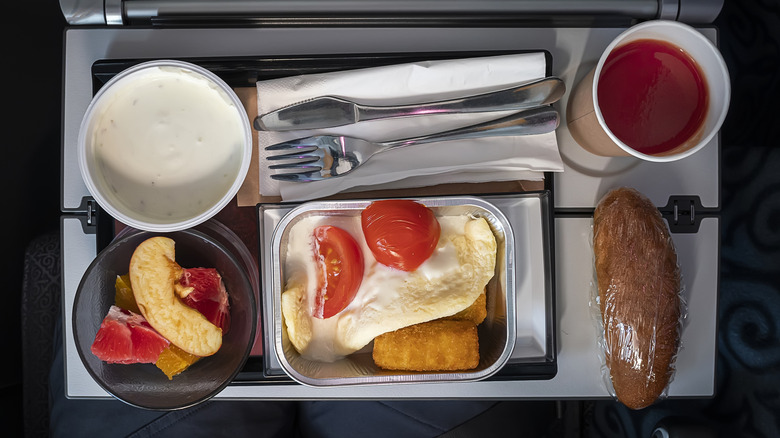
Just as jet lag affects your sleep, traveling across time zones will also affect your stomach. Your internal clock controls your appetite and metabolism in much the same way as it controls your sleep. While at home, you feel hungry at your normal meal times, and it will take time for your internal clock to adjust to the new time zone of your destination.
On your long-haul flight, you will also find that meals are not all timed to the new destination either. The time of your first main meal will likely align with the time of day the flight departs, not the timing of the meal at the destination. Often, a dinner service arrives early on an international flight, around 60 to 90 minutes in. You will also receive a breakfast or light lunch an hour or two before arrival. During the flight, you may receive a small snack, or you can ask the flight attendant for snacks throughout the flight.
You can follow a similar approach with eating as with sleep to help your body acclimate to the time difference. Try eating a few hours earlier or later each day for a few days before you fly, and you should be able to reach a comfortable rhythm in your new time zone earlier.
Moving during the flight becomes more important
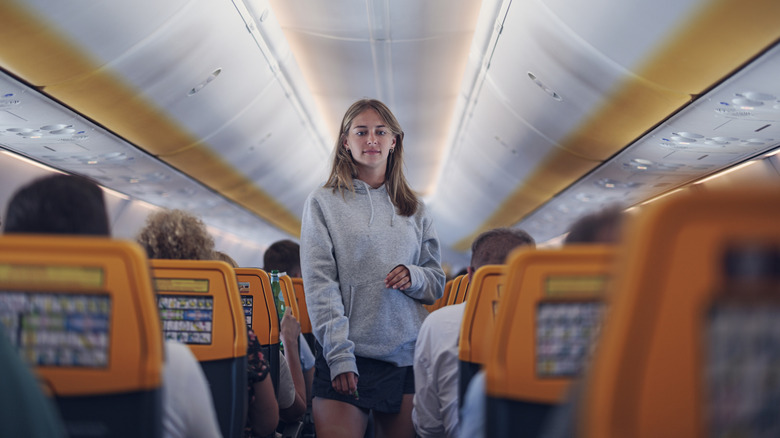
Sometimes, on a long-haul flight, you may be tempted to stay in your seat for the whole duration of the flight. However, restricting movement is not something that you always want to do, especially if the flight is more than a couple of hours. Instead, plan to get up and move around. Not moving for a long-haul flight can affect your health, mood, and energy level. Staying seated for a long-haul flight of over eight hours could increase the risk of blood clots or deep vein thrombosis (DVT). You also may find yourself with muscle stiffness, cramps, or swelling.
Even just a short walk to the lavatory can help you feel better after the flight. Another option is to do some in-seat stretching or exercises. You can do simple exercises like toe raises, ankle circles, or knee bends without having to move throughout the plane, which may be helpful if you find yourself unable to move about due to turbulence.
In-flight entertainment and power outlets are not guaranteed
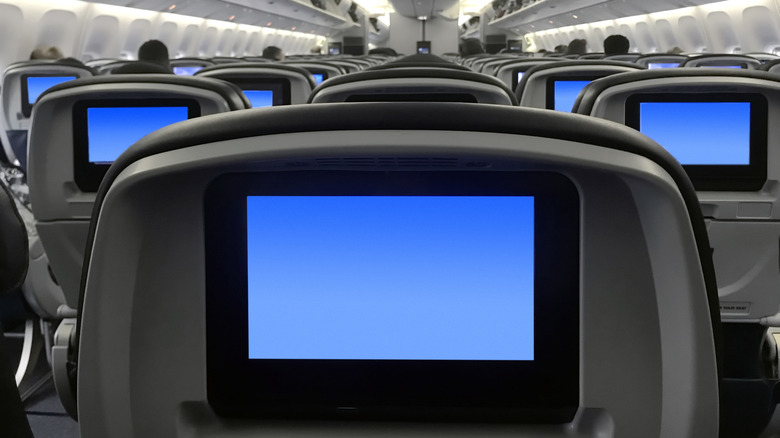
On a long-haul flight, you'll be on the plane for an extended period of time. You want to be comfortable throughout the flight. But you also want to be entertained. Do a bit of research to find out what's available at your seat and what isn't, so you know what to pack. If your options are limited, there are a few essential items to pack to make a long-haul flight more bearable.
While most long-haul flights will offer some in-flight entertainment, this is not always the case. If your plane does not offer a personal in-flight entertainment system, you may not have the option to listen to or watch anything to keep you occupied. Plan to download your desired content to an electronic device you carry with you because reliable WiFi might also not be guaranteed. And finally, make sure you have headphones for your device so you don't bother other passengers.
Having content on your device may not be enough to keep you occupied for the entire flight. If your device runs out of power, you may be unable to continue using it. Unfortunately, your seat may not offer charging ports or plugs, so be sure to bring a charger or a power bank in your carry-on. Or, you can use in-flight entertainment options that do not require power, such as a paper book.
International connections require more time than you expect

While you need to prepare yourself for the long-haul flight portion of your trip, it may not represent the entire journey to your final destination. The flight might stop at one of the world's major international hubs, such as Amsterdam, London, Dubai, or Tokyo. If this is not your ultimate destination, you still need to connect to another flight before you reach the end of your travels.
In some situations, you may need to clear immigration at your connecting airport if you're not flying nonstop. If your destination is in the same customs authority as your connecting airport, even if it is a different country, this may be a surprise that could add significant time to your connection. Within Europe, for destinations in the Schengen Area, you need to clear immigration on arrival at the first airport you reach within the Eurozone.
Also, at many connecting locations, you will need to undergo another security screening before you can re-enter the airside terminal and head to your gate. These security checks may only serve connecting flights, but if you arrive at a busy time, there could still be quite a queue. Make sure to leave enough time to connect, especially in larger hubs.
You may have to collect and recheck your luggage mid-journey
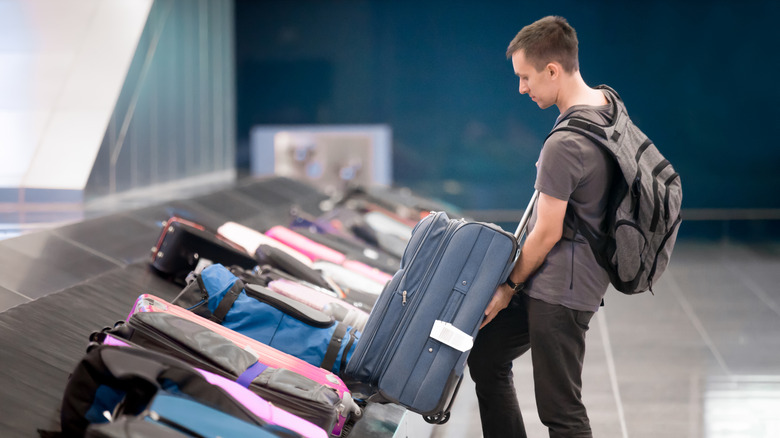
Not only do you need to factor in passport control for a connection, but you may also need to claim and recheck your baggage. When flying into the U.S. from abroad, airports still require you to collect your baggage and recheck it after you clear customs and immigration.
In some cases, such as when transferring from an international flight to a domestic flight at some airports in China, or when moving to a low-cost carrier or smaller regional carrier for your final leg, you may even need to bring your bag to another terminal or check-in counter for the final leg of your journey.
Be sure to check the destination your bag is checked through to when dropping it off at your departure check-in, as if it is not your ultimate destination, you will have to pick it up and recheck it at the point where it is checked through to. If you do not collect it before you go through customs, it may be difficult to retrieve it to bring it to the next flight. Make sure you know the connection rules in advance to reduce travel day stress.
Some airlines offer stopover programs that become a bonus trip
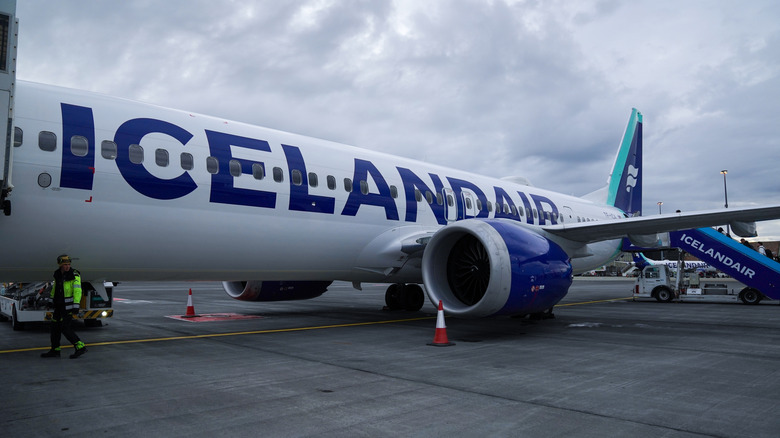
Sometimes, you may have a unique opportunity to throw in a visit to the city of your connection as part of your long-haul itinerary. And this visit may come with little or no additional cost. While not so common on domestic U.S. carriers, this is sometimes possible if you are connecting in Europe, the Middle East, or Asia.
The ability to add an extended layover (a connection of less than 24 hours) or a stopover (a connection of more than 24 hours) is an option on flights through some pretty exciting destinations. Popular stopover locations for some airlines include Iceland, Qatar, and Singapore. Other hubs known for extended layovers or stopovers include Dubai, Lisbon, and Istanbul.
You can look for these options by comparing itinerary prices, including the stopover location in a multi-city itinerary. Or, if you check the airline's website, they may offer special stopover packages, some of which include discounted or free hotel stays. This gives a truly unique opportunity to explore these cities without breaking the bank.
Time zone changes can make arrival disorienting
With everything you need to consider when booking and preparing for your trip, you ultimately want to be able to enjoy yourself upon arrival. If you find yourself exhausted by jet lag, suffering from digestive issues, or stiff and sore from a long time on the plane, you may not be up for doing too much.
It is important not to try to overdo it as soon as you reach your destination. Plan a light first day to help your body and mind start adapting to your new location and time zone. Give yourself a day or two before any important meetings or events so your body has time to acclimate.
To help you adapt sooner, do some light exercise, such as taking a walk outside. Enjoy the fresh air and help the blood flow resume after your journey. Refresh your body with some moisturizer if your skin is dry. Enjoy a light meal at the appropriate time of day to help your internal clock ease into the new time zone. And try to use jet lag to your advantage by adapting your sleep schedule to the local time zone. You're probably going to want to pack in as much as you can, but resist that urge and follow the rhythm of your destination — you will still have plenty of time to do what you'd like to do.