
8 Countries Tourists Don't Bother Visiting A Second Time, According To Surveys
We may receive a commission on purchases made from links.
No matter how much one loves to travel, not every destination becomes a repeat favorite. While some countries inspire visitors to return time and time, others find themselves relegated to the "one-and-done" list. This isn't necessarily a knock on these nations, though. In many cases, they offer excellent experiences and high-quality attractions. However, these countries' size, travel logistics, cost, and other factors mean that most travelers are happy with once-in-a-lifetime trips.
Travel reporting that takes into account survey data and visitor trends shows that specific destinations consistently rank on the low end of the spectrum when it comes to repeat tourism. Whether due to small land area, limited infrastructure, or the sense that travelers have "checked off" all the bucket list attractions in a day or two, these places often leave visitors satisfied after a single memorable trip. In this guide, we'll explore eight countries that tourists don't bother visiting a second time, and why. We'll also suggest the high points for any trip to these destinations for those planning trips that they may never take again.
Monaco
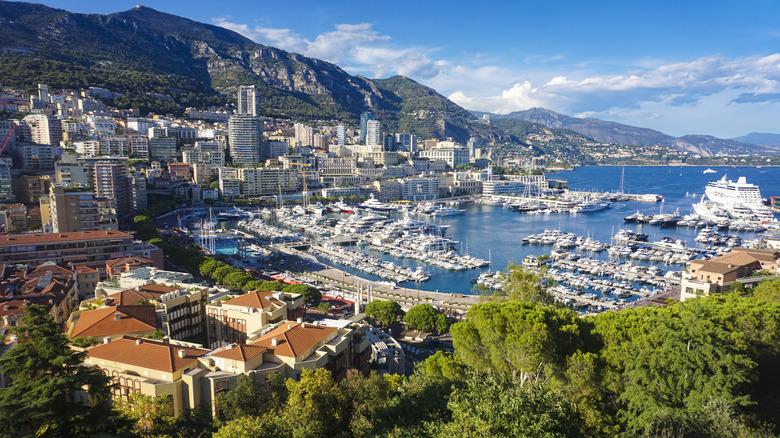
There's no denying that Monaco's glamour is unmatched. The harbor is regularly lined with superyachts, the iconic Monte Carlo Casino beckons gamblers with its glitz, cliffside views of the Mediterranean are awe-inspiring, and the entire nation still echoes with the classic style of Princess Grace. However, this nation's extremely small size plays a major role in why many travelers consider it a "one-and-done" destination. At about the size of New York City's Central Park, Monaco is Europe's second-smallest country, and it's easy to see the majority of its major sites in a day or two. Top experiences in this ritzy principality include touring the Prince's Palace, walking around Hercules Port (which has existed since ancient Greek and Roman times), visiting the world-class Oceanographic Museum, photographing Princess Grace's famed rose garden, and, of course, shopping and dining in Monte Carlo.
Because Monaco is so small, there are no varying regions or cities to explore. Due to this, many travelers find that a single trip is enough once they've seen the highlights. The one exception to this may be Formula One fans planning a dedicated secondary trip around the iconic Monaco Grand Prix. Additionally, budget constraints can be a reason for a single trip here. Some travelers find that Monaco, rather unsurprisingly, is quite expensive, particularly if one is staying for an extended period. To put things in perspective, the average cost of a double-occupancy hotel room here is $966 per night. One past visitor on Reddit even referred to it as a "playground for the super wealthy." Monaco is beautiful, safe, and memorable, just compact and costly. This is why, for many tourists, it's best to visit it as part of a larger trip to the French Riviera, including checking out all of the must-see attractions in Cannes rather than as a standalone destination.
Vatican City
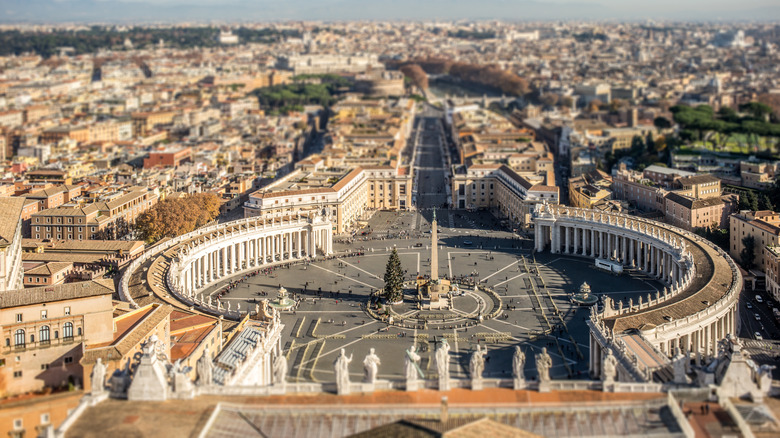
Although Vatican City is undeniably one of Rome's most iconic tourist attractions, it is also the smallest country in the world. This means it generally takes travelers no more than an afternoon to see all the major sites within its walls. The Vatican's global significance is profound, and not just for Catholic worshippers. St. Peter's Basilica, the Vatican Museums, and the Sistine Chapel are among the most important religious and artistic sites anywhere on Earth. While everything here is breathtaking, it's certainly possible to see it once and feel as if that's enough. I have personally traveled to Rome numerous times and, on my first visit, felt compelled to visit the Vatican. Traveler discussions on online forums frequently echo this sentiment. The Vatican is essential for first-timers, but it can feel unnecessary on repeat trips, particularly given its heavy crowds and typically long security lines.
For those who only intend to visit Vatican City one time in their lives, there are some essential highlights to experience. Climbing to the dome of St. Peter's Basilica offers an incredible view of the Eternal City, complete with an audiobook guide. Seeing Michelangelo's legendary ceiling in the Sistine Chapel is another must-do here. Although photographs are not allowed in the chapel itself, the mental image of "The Last Judgement" and the ceiling's other works will be imprinted on visitors' minds forever. After seeing these amazing sites once, many people choose to explore other parts of Rome on subsequent trips. This isn't because the Vatican doesn't offer an incredibly immersive cultural experience — far from it. Instead, its small size and concentrated set of attractions allow globetrotters to enjoy everything else this wonderful city has to offer when they return for future Roman holidays.
Liechtenstein
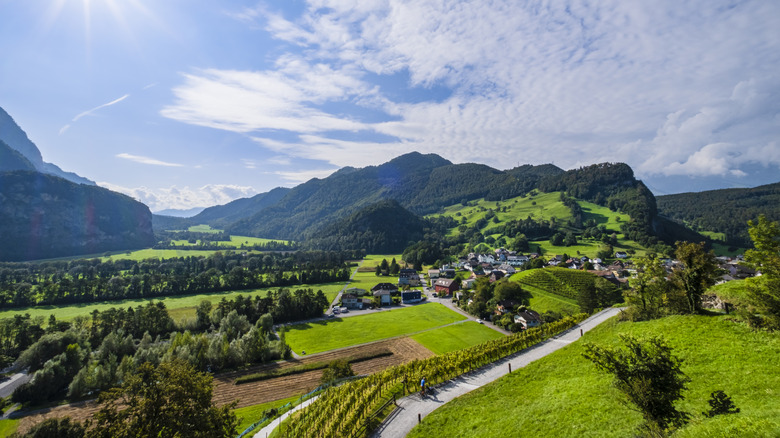
Liechtenstein is one of Europe's smallest and least-populated countries. As the world's sixth-smallest nation, it only welcomes about 55,000 tourists annually. While larger than both Monaco and Vatican City, Liechtenstein doesn't have the name recognition and cultural cache that both of those locales enjoy. This makes it an excellent one-time destination for those who want to experience the Alps without the crowds often found in Switzerland and Austria. Its scenery is nearly indistinguishable from Switzerland, in particular. However, it's worth noting that both of Liechtenstein's Alpine neighbors have significantly more attractions and destinations to check out, primarily due to their larger footprints. Within Liechtenstein's borders, travelers can discover the highlights in a day or two. The principality's capital, Vaduz, has just 5,000 inhabitants, so it's easy to understand why there isn't an overabundance of tourist attractions in this tiny nation. That said, there are still things that make a visit to Liechtenstein worthwhile, especially as part of a larger trip to the region.
Vaduz Castle is a must-see, but tourists can view it only from the outside. It is the private residence of the nation's reigning prince, though Liechtenstein nationals are invited to an annual summer garden party. Once travelers have photographed the castle, other highlights here include the Liechtenstein National Museum, where visitors can explore exhibits related to wildlife and local culture; the Red House, an excellent example of traditional architecture in a picturesque vineyard; and hiking the many mountain trails, which is one of the main draws for outdoor enthusiasts. Survey feedback and reviews from past travelers suggest that, while Liechtenstein is a lovely Alpine nation, there is not much to do overall, so it is best experienced as a day trip during a longer vacation. Cost is another reason people rarely plan repeat visits. Liechtenstein can be pricey, so plan accordingly if you want to check this nation off your list.
Bhutan
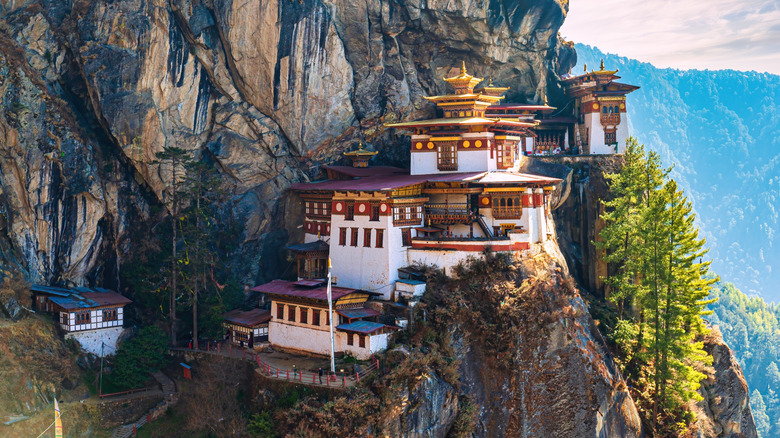
Bhutan offers breathtaking scenery, an immersive spiritual experience, and unique cultural traditions, yet travel survey reporting indicates that it's a destination many tourists visit only once in their lives. This is largely due to the fact that the world's happiest country (yes, really) operates under an extremely strict tourism model that includes a daily sustainable development fee, a mandatory tour guide, and a curated itinerary. Tour operators often take travelers to highlights, including Taktsang Monastery (Tiger's Nest Monastery), counted among the nation's holiest sanctuaries; Drukgyel Dzong, triumphal 17th-century ruins celebrating a Bhutanese victory over the Mongols; and Thimphu, the country's capital, where even new buildings must adhere to strict, traditional construction codes. Throughout Bhutan, the striking Himalayan backdrop adds to the overall experience for travelers. From remote towns like Phuentsholing to the majesty of the government building, Tashichho Dzong, the sites here are truly stunning. In fact, Bhutan is the world's most mountainous country, which appeals to adventure lovers.
However, because international tourism is strictly managed and access to certain sites is restricted, all tours tend to travel to the same places, perhaps just in a different order. Once visitors have had these core experiences, there is often little reason for them to return to Bhutan. The country's challenging mountainous terrain also plays a role in low levels of repeat tourism. While it makes for stunning photographs, the Himalayan topography makes travel rather logistically complex, cementing Bhutan's status as a once-in-a-lifetime destination, not a casual getaway. None of this, though, dampens the impact this country has on those who visit. Visitors often note that they leave Bhutan with an entirely new worldview than they had when they arrived.
Tuvalu
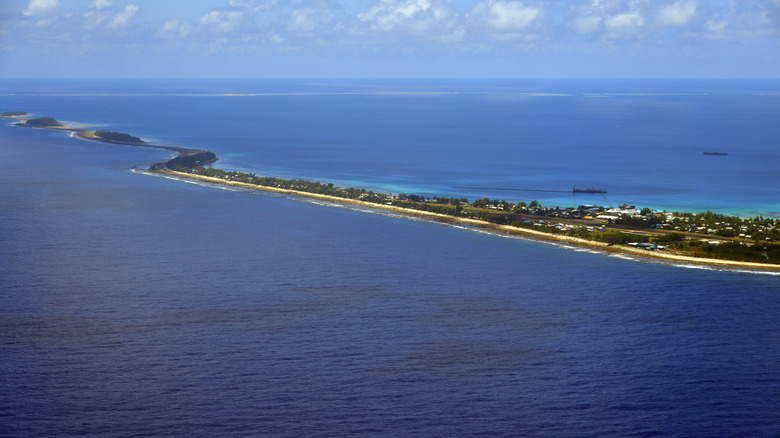
With annual international tourists totaling about 4,000, Tuvalu is among the world's least-visited nations. Among those who do make the trek to this remote Pacific island, repeat visits are almost nonexistent. There are several key reasons for this. For starters, Tuvalu — population 9,362 — has understandably limited infrastructure, with only three flights per week, all out of Fiji, connecting it to the world at large. This limited accessibility alone means that merely getting to this destination is more complex than going nearly anywhere else on Earth. Visitors who decide to brave the journey typically don't see the need to manage the logistics a second time. Additionally, the few available flights are pricey, averaging about $1,000 via Expedia. However, for those who want to experience Tuvalu for themselves, now is the time to go. Due to complications from climate change, the island may sink entirely into the Pacific Ocean within the next few decades.
Those who have spent time in Tuvalu find it beautiful and culturally unique. Residents are friendly and welcoming, and many speak English, which makes it easy for many Western travelers to communicate. Tuvalu has only two hotels and six guesthouse rentals, so accommodations here are quite limited. There are also very few tourist attractions. Most travelers check out the Funafuti Marine Conservation Area, which is home to an incredible tropical wildlife ecosystem. The potential to spot green sea turtles is a major draw. David's Drill, constructed to test a theory of Charles Darwin's in the 19th century, and the Women's Handicraft Center, where female artisans sell local wares, are also highly recommended. The majority of people who manage to make it to Tuvalu find that getting here is a large part of the adventure. Once they've done that, they feel they've accomplished what they set out to do. The island's remoteness is certainly part of its appeal, but it's also what makes repeat tourism so rare.
Greenland
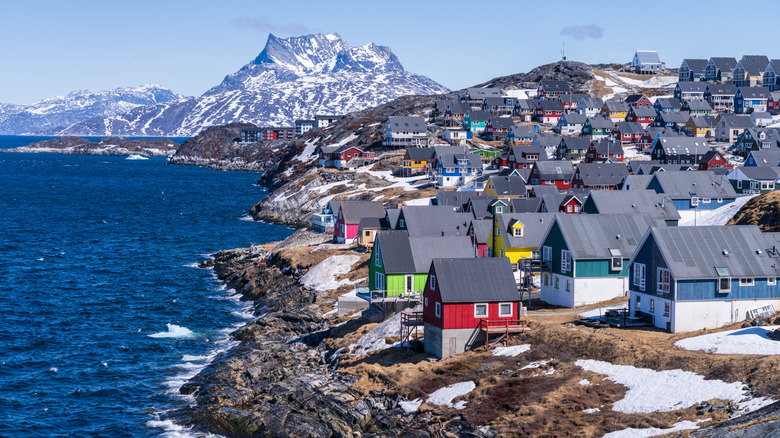
Greenland is vast, barren in an awe-inspiring way, and utterly visually arresting thanks to its fjords and tundras. However, travel surveys confirm that the majority of tourists who come here experience the nation only once. Much like Bhutan, Greenland's geography plays a major role in the fact that there is little repeat tourism. Despite being the largest island in the world, Greenland is quite rugged, with limited road networks. In fact, no two towns here are directly linked by roadways. The local population largely relies on dog sleds and snowmobiles to get from place to place. For tourists, this means that exploring the nation requires careful planning, particularly regarding transit from place to place. Ferries are popular, and tour operators can be extremely useful. However, akin to Bhutan, tours often visit the same major sites, which is another reason people visit Greenland only once.
Many itineraries include wildlife experiences like dog sledding and whale watching, glacier cruises with iceberg views, hiking in Ilulissat Icefjord, and potentially seeing the Northern Lights. Although Greenland is one of the best places on Earth to see the aurora borealis, not everyone is lucky enough to get a glimpse, so this experience is not guaranteed. Additionally, travelers should bear in mind that access to many parts of Greenland is seasonal, and excursions are structured to keep people safe and secure. Thus, trips here tend to focus on a specific set of notable cultural and scenic experiences. Because of this, people generally don't feel compelled to return more than once. Furthermore, because it is quite remote and has only a handful of airports, getting to Greenland can be expensive and complex, especially when compared with other Northern Lights destinations like Norway and Iceland.
Mongolia
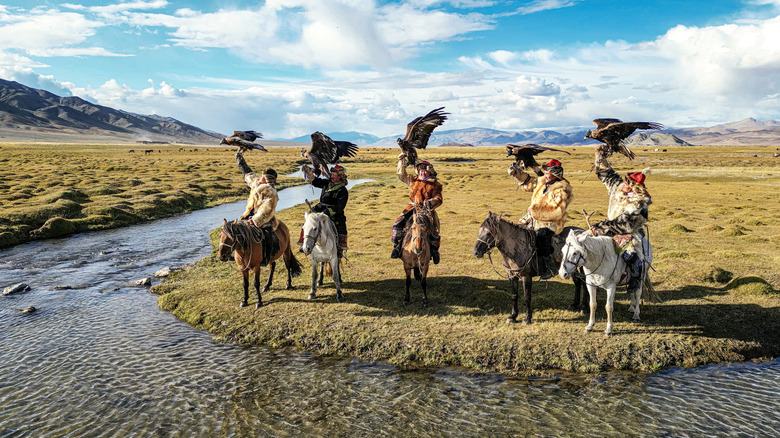
Famed for its nomadic cultures and the untamed wilderness of the Gobi Desert, Mongolia is a bucket-list destination for many globetrotters. However, after people travel here once, they often don't return a second time. Mongolia is among the world's least densely populated nations, which means it has plenty of incredible landscapes to enjoy. On the flip side, though, all that open space means that traveling from site to site can be long and arduous. A lot of travelers find that once they've seen the highlights, they don't necessarily want to traverse this nation's terrain twice. For most of Mongolia's tourists, a major must-do activity is staying in a traditional ger camp. Amazingly, this ancient style of tent still houses about half of all Mongol families. Off-roading through the Gobi is another popular excursion. There are both self-guided and traditionally guided driving tours available, depending on one's preference.
For those interested in city life, the Mongolian capital of Ulaanbaatar may be of interest. With a population of 1.67 million, this is a bustling metropolis in stark contrast to the rural regions that make up most of the country. The city offers a unique combination of modern architecture mixed with traditional Mongolian structures. Popular sites include the Gandantegchinlen Monastery, the culturally rich Bodkhaan Palace Museum, and the Chinggis Khan Statue Complex. All of these locations allow visitors to immerse themselves in Mongolian culture, especially if they plan to visit only once. The pristine wonders and low crowds that make Mongolia underrated also contribute to low repeat tourism rates. Visiting requires time, planning, and effort that make this country a "one-and-done" for many.
Bolivia
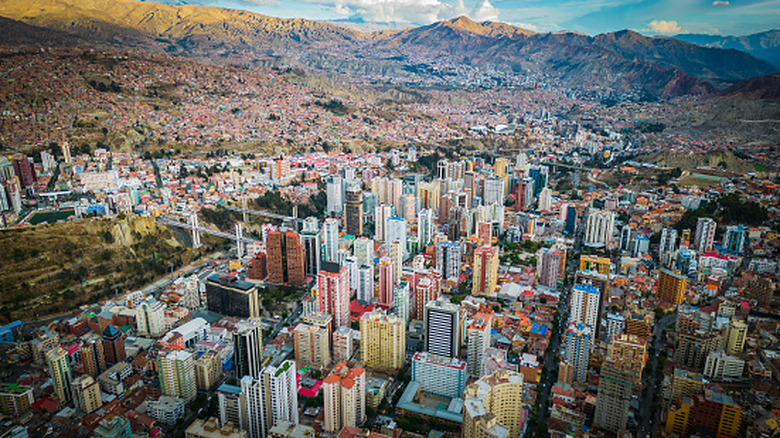
Bolivia is a vibrant nation that offers a wide variety of activities, from city breaks in La Paz and Santa Cruz de la Sierra to tours of active mine sites that harbor dark secrets to hikes and drives that are magnets for serious thrill-seekers. In short, there's really something for everyone here, so it may be a bit surprising that many travelers visit this South American nation only once, per travel survey data. Perhaps the biggest reason for this is the country's elevation. Situated in the Andes Mountains, altitude sickness is a very real problem here. La Paz, for example, sits 12,139 feet above sea level. For perspective, Denver can cause altitude sickness at its 5,280-foot elevation, which sounds mild in comparison. The point here is that even well-prepared travelers may experience physical challenges like tiredness and difficulty breathing when arriving in Bolivia. This can make the idea of a repeat trip rather unappealing.
Additionally, due to transportation difficulties (think overnight bus rides and uncomfortable puddle-jumper flights between sites), many of Bolivia's vacationers prioritize major destinations like the Salar de Uyuni salt flats, Lake Titicaca, and the city of Sucre, which is known for its stunning all-white buildings. It's not uncommon for travelers to opt for guided tours that provide transit to these and other key sites throughout the country. These range from relatively affordable options that start at about $2,100 per traveler for 11 days to pricier experiences that cost about $7,200 for a solo traveler for 16 days. Bolivia is certainly an unforgettable destination, but it is nonetheless a once-in-a-lifetime adventure for many world travelers.
Methodology
To put together this guide, we turned to several travel survey roundups of nations that are difficult to visit more than once for a variety of reasons. To supplement the information in these surveys, we used blogs and traveler reviews from high-authority sites like The Broke Backpacker, Tripadvisor, Reddit, and others. The official websites for specific sites and vacation tour options suggested here also provided important information.