
The Most Common Mistakes You'll Want To Avoid At All Costs While Booking A Cruise
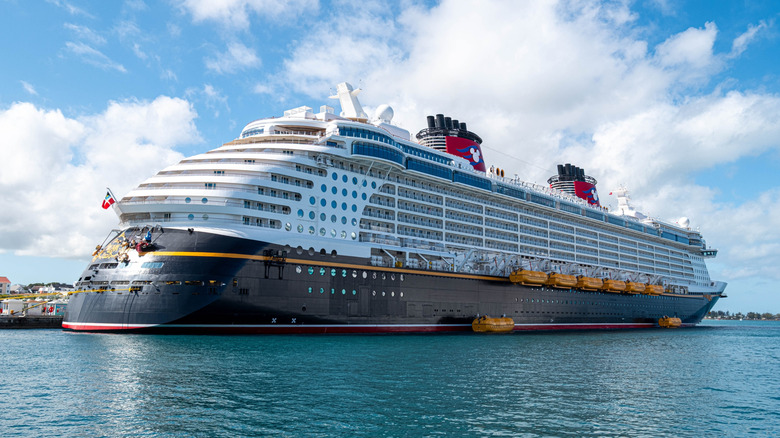
After the COVID-19 pandemic nearly shuttered it for several years, the cruise industry is back with a bang. Dozens of incredible new ships are arriving in 2026 and beyond, and more Americans than ever before are taking cruise vacations. For first-time cruisers, though (and even for those who simply haven't been on a ship in a while), booking a cruise can feel overwhelming. After all, there's a lot to consider, like cabin categories, fare structures, dining options, activities that simply aren't worth the money, shore excursions, and departure logistics. Unlike reserving a simple flight and hotel package, there are dozens of little decisions that come with planning a cruise, all of which can have a major impact on one's overall experience. Even seasoned cruisers occasionally make easily avoidable mistakes that result in undue stress.
Our goal with this guide is to break down the most common mistakes you'll want to avoid while booking a cruise, drawing from my personal experience as a Disney Cruise Line loyalist, plus advice from other cruisers and travel experts. Here, we'll explore everything from why you shouldn't wait too long to book to how the cruise line you choose can majorly impact your overall vacation experience. Cruise pitfalls are more common than many travelers realize, so you shouldn't feel bad if you've fallen victim to one or more of these errors in the past! Whether you're planning your first sailing or your twentieth, understanding exactly how to make the most of the booking process every time.
Waiting too long to book
One of the biggest mistakes cruise travelers make is waiting too long to book their trips. While it might seem smart to wait for potential last-minute deals, this doesn't always happen in the cruise industry. Most cruise lines actually release their lowest fares the day new itineraries drop. Seasoned cruise veterans sometimes literally wait by their phone or laptop for new sailings to go on sale. This is especially true for loyalty club members who may have access to early booking windows. As a Disney Cruise Line Castaway Club member, for example, I make a point of booking cruises I know my family wants the day I am able to, ahead of the general public. This ensures we don't miss out on highly desirable sailings, like the best-rated Caribbean cruises, maiden voyages, and Alaska routes.
Waiting too long to book a cruise can definitely limit your options. The most popular cabins, like those with verandahs, connecting rooms, and fifth-sleepers, tend to sell out quickly, leaving latecomers with options that might not suit their needs as well as they'd hoped. While occasional last-minute bargains exist, booking upcoming cruises about a year in advance on popular lines like Carnival is the best way to have a smooth experience. Many cruise fans on Cruise Critic even note that they've never seen a lower rate than an itinerary's initial fare. If you are hoping to save money, need specific dates, or want a particular ship or stateroom class, booking early is the smart play when planning a cruise.
Booking the cheapest cabin without doing research
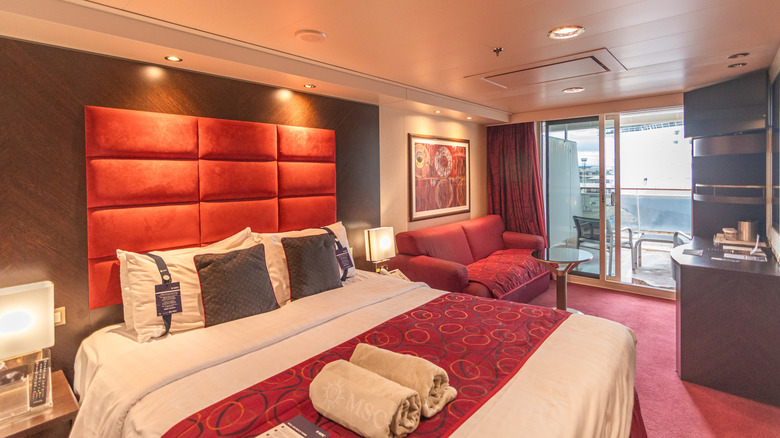
In almost all cases, interior cabins are the most affordable option on a cruise. However, choosing the lowest rate without conducting any research can backfire. While inexpensive cabins can work well for shorter sailings or for travelers who truly plan to just sleep in their spaces, interior staterooms lack natural light since they don't have windows. This can become stuffy and cause "cabin fever," especially on itineraries that last more than a few nights. Furthermore, on certain ships, the cheapest cabins may not have received the same attention as their more expensive counterparts. On the Ambassador Cruislines' MS Ambiance, for example, low-cost staterooms are extremely outdated, with no artwork, no windows, and a generally 1980s appearance.
There's also the question of value to consider. Pricier cabin categories sometimes include perks like onboard credits, access to private lounges, concierge-level service, and earlier boarding (which equates to more time to enjoy the ship!) MSC's Yacht Club cabins, for example, are located on a "ship-within-a-ship." This private, all-inclusive experience is worth it for some cruisers, despite the higher initial price tag. Upgrading even slightly — from an interior to a porthole stateroom, for instance — can make your family's overall cruise experience much more enjoyable. In some cases, you might even save money on your final bill once perks are factored in. Before automatically selecting the cheapest stateroom for your upcoming cruise, it's worth comparing your options carefully to make the best decision.
Ignoring cabin location
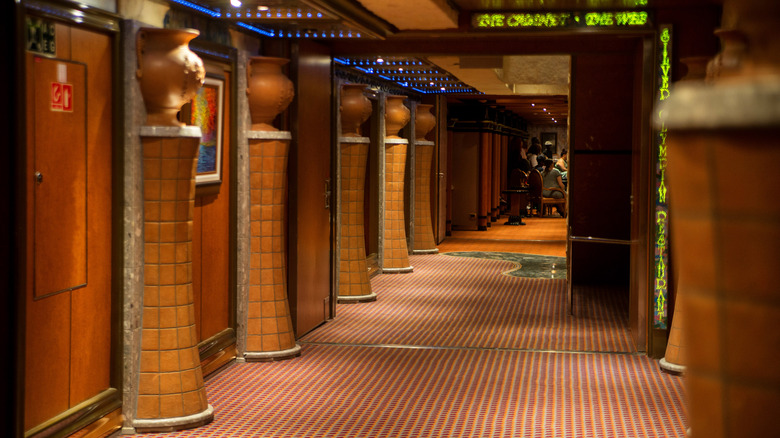
Cabin location is one of the most overlooked parts of the cruise-booking process, but it can have a huge impact on your cruise experience. Rooms located near the engines, under busy pool decks (with lots of stomping and jumping), or close to onboard nightclubs can be quite noisy, even late into the night. Meanwhile, staterooms situated far away from elevators are typically inconvenient after the first few long walks. Certain placements can also negatively affect those with motion sensitivity, especially if the seas become rough. Those prone to seasickness should avoid the bow at all costs; cabins in this area tend to feel like they're moving up-and-down constantly as the ship bobs. The same goes for the aft of the ship. Midship cabins on lower decks usually feel the most stable.
Personal priorities matter, too. Families may want to stay near kids' clubs, teen activities, or pools, while couples on romantic voyages often prefer quiet sections of the ship close to spas and other adults-only areas. As you're selecting your stateroom location on your next cruise, take some time to think about how your travel party will use the space, any noise or motion sensitivities you should account for, and which onboard activities matter most to you. The location of your stateroom on the ship is truly just as important as the cabin class you choose in regard to overall comfort.
Failing to factor in total costs
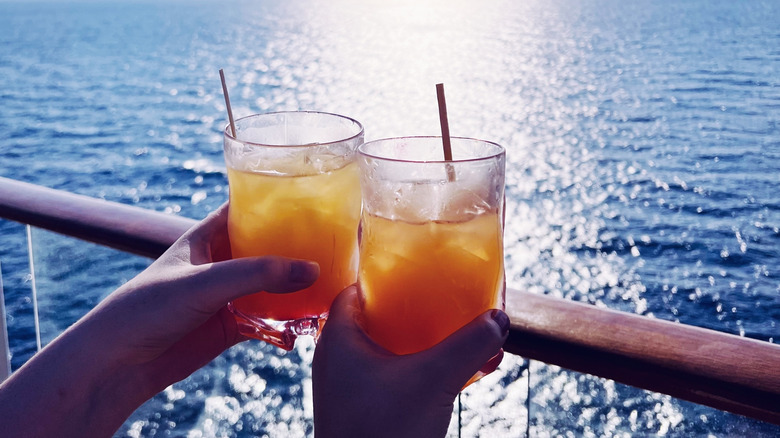
When you go to a cruise line website, those appealing low rates you immediately see advertised are base fares. Many first-time cruisers focus only on this number (which is, of course, meant to be enticing), and underestimate how quickly additional costs can add up. Things like daily gratuities, Wi-Fi packages, specialty dining experiences, shore excursions, spa treatments, alcoholic beverages, and onboard activities all need to be taken into consideration while planning your cruise budget. Bear in mind that what's covered varies tremendously from one cruise line to another. For example, Disney Cruise Line includes soft drinks, soft-serve ice cream, Broadway-style shows, and the brand's famous rotational dining, but does not include alcohol, specialty coffee drinks, or experiences like Olaf's Royal Picnic on select ships ($220 for children 3-12 and $69 for adults).
By contrast, other mainstream lines like Celebrity Cruise Line and Norwegian Cruise Line typically bundle drink packages and Wi-Fi access into certain fare tiers. However, they have their own additional costs. Norwegian, for example, came under fire in 2025 for altering its food and drink policy, charging passengers a new fee for ordering two or more entrees. True luxury lines, like Regent Seven Seas, generally include excursions and beverages in their all-inclusive pricing. Since inclusions vary so much, all cruisers should approximate their true final cost before embarkation. This is one of the smartest moves you can make when booking a cruise. It's also wise to think about your specific preferences and needs. In some cases, for instance, passengers should think twice about buying an alcoholic beverage package because they won't get their money's worth by the end of the cruise.
Booking flights without considering cruise timing

Arriving in the port city on the same day a cruise departs is one of the riskiest moves travelers can make. Even a brief flight delay or baggage claim issues can cause passengers to miss embarkation entirely. Remember, cruise ships will not wait for late arrivals. Smart cruisers arrive in their ports at least one day early to avoid unnecessary stress. As an added bonus, arriving early can actually become part of your vacation! Spending a night in your departure city gives you time to explore and enjoy experiences you wouldn't have otherwise had. If you're going on an Alaskan cruise departing from Vancouver, for example, spending a couple of days in the city can not only ensure you don't miss your ship but also enhance your experience; the city's "historic heart" is an artsy, timeless district brimming with trendy events and shops.
Some cruise lines even make it very easy for travelers to plan proper transit. Disney Cruise Line, for example, provides a variety of ground transportation options, including bus service directly from Walt Disney World Resort hotels to its Port Canaveral terminal for a small, per-person fee. Royal Caribbean's Air2Sea program also helps travelers avoid any potential timing snags. And, nearly all other major mainstream cruise lines, including Carnival, Royal Caribbean, Norwegian, and Celebrity, offer their own airport transfer and transit assistance options. No matter which cruise line you choose, planning ahead and arriving early for any cruise itinerary reduces stress and keeps your plans on track from the start.
Not reviewing passport and entry requirements
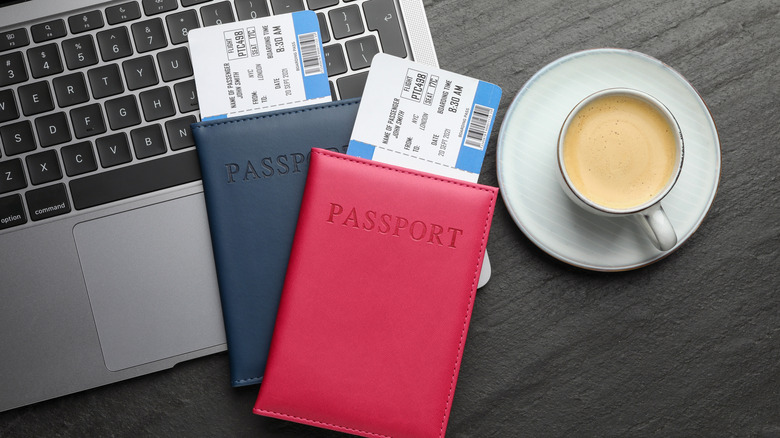
Failing to review passport and entry requirements in advance is a surprisingly common cruising mistake. While some closed-loop itineraries — those where passengers embark and disembark at the same U.S. port — technically allow U.S. citizens to travel with a birth certificate and government-issued ID like a driver's license, it is always smartest to take a passport with you on any cruise. The United States Department of State recommends a passport book, but a passport card may suffice for certain Mexican, Canadian, and Caribbean itineraries. However, bear in mind that a passport book is required to fly internationally. Thus, in the unlikely event that an emergency required you to fly home from a foreign port, you would not be able to leave until your passport book was in hand.
Other entry requirements can vary depending on your itinerary. Cruises that make port in multiple countries may necessitate additional preparation, such as obtaining a visa, getting vaccines, or gathering health documentation. U.S. citizens visiting Australia on their cruises, for instance, need to obtain visas. Meanwhile, certain vaccines are recommended (though not required) before visiting some popular Caribbean islands. Failing to verify these details ahead of time could potentially lead to complications at foreign ports. No matter what type of cruise you're taking, preparing early enough to get a passport book if you don't have one, and to confirm any other important documentation information, can save you major travel trouble once you embark.
Waiting too long to book excursions and experiences
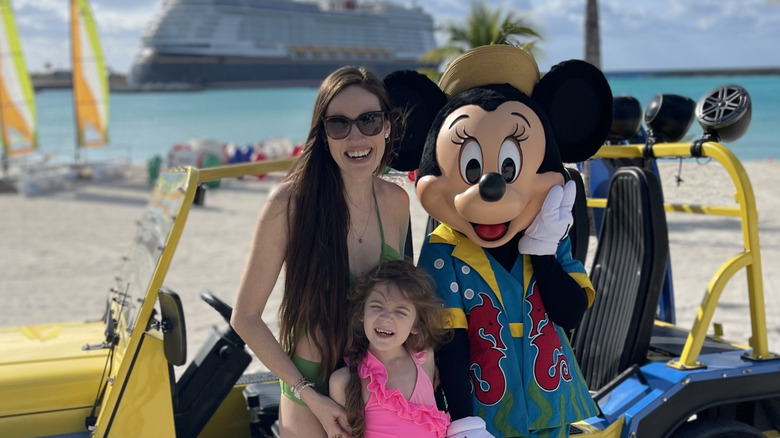
Waiting too long to reserve shore excursions and onboard experiences is a particularly common error among first-time cruisers. Many of the most popular options, like small-group tours, specialty dining, spa appointments, and character experiences, are often completely booked within minutes of availability opening up. This is especially common on family-focused cruise lines like Disney Cruise Line and Royal Caribbean. On Disney sailings, I've seen highly sought-after experiences like the Princess Royal Gathering or Bibbidi Bobbidi Boutique fill within five minutes. The same goes for specialty dining experiences like Disney's Palo or Royal Caribbean's Chops Grille℠ and Giovanni's℠ Italian Kitchen.
Additionally, if you're on the fence about specific shore excursions, it's wise to book them if spots are available. Most of the time, cruise lines allow guests to cancel excursions (and get a refund if they've already paid), but they can't, of course, magically open new availability for sold-out experiences. Planning ahead helps you secure the experiences you want, while also giving you the flexibility to explore alternatives if you want to. It's also worth noting that many cruise lines hold reservations for people to grab once they are onboard. If you notice a long line at guest services when you board, this is likely the reason. Many cruisers also opt to work with travel agents who monitor availability windows and make reservations on their clients' behalf. This can make in-demand experiences feel less stressful.
Not researching your cruise line's style
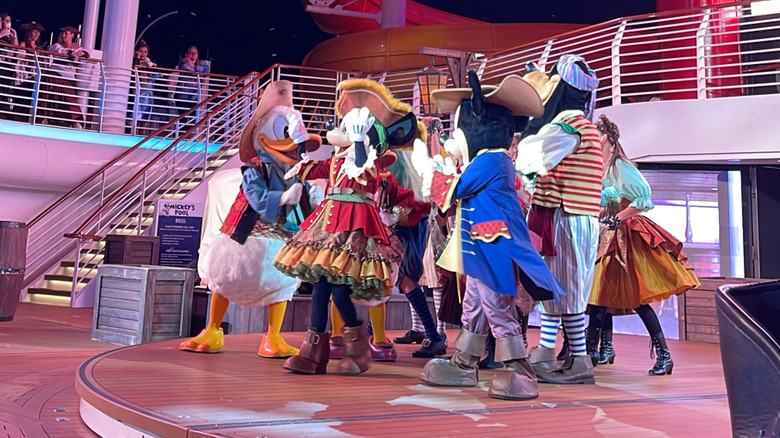
Just like people or pets, every cruise brand has its own distinct personality. Some cruise lines are great for young adults, others for families, and still others for retirees who want to see the world. Picking the wrong one for your travel style can make or break your cruise experience. If you're traveling with thrill-seeking older kids and teens, for example, but still want activities for the rest of the family, Royal Caribbean is a great option. Their huge mega-ships, like Icon of the Seas, offer floating water parks, obstacle courses, and even rock walls. Disney Cruise Line, on the other hand, is known for immersive ship designs, reminiscent of their theme parks, plenty of character experiences for the whole family, plus two private islands in the Bahamas. Carnival Cruise Line, meanwhile, has a "party boat" reputation that is ideal for spring breakers or bachelor and bachelorette parties.
Then, there are brands like Princess and Celebrity that generally cater to travelers who want a more refined, less family-centric experience. These cruise lines are excellent for couples celebrating anniversaries or retirees looking for a quieter atmosphere. For the truly worldly, luxury small ship experiences, such as those offered by Viking, Azamara, and Explora Journeys, are an excellent option. First-time cruisers, in particular, will benefit from researching various cruise lines' styles ahead of booking. Everyone has a different expectation of what a cruise experience will be like, and it's important to choose a brand that will deliver precisely what you're looking for.
Not paying attention to cancellation and change policies
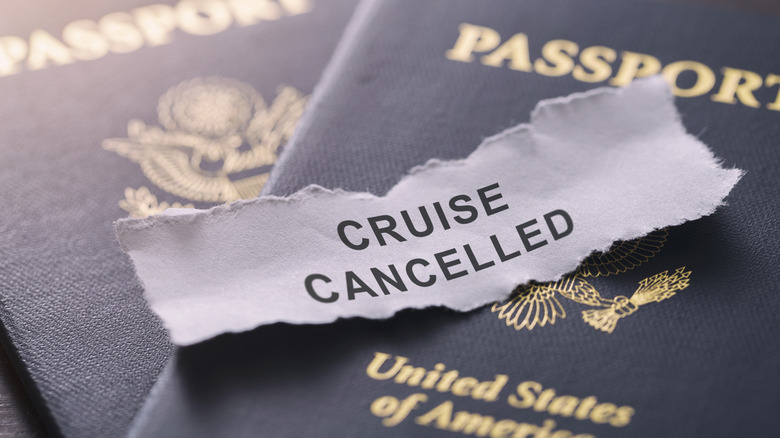
Cruise lines' cancellation and change rules vary significantly across brands. Misunderstanding your cruise line's policies can cost you hundreds of dollars, or even your full fare in the worst cases. Often, cruise lines ask passengers who cancel to pay a heftier fee the closer they get to embarkation. This is called a sliding penalty scale. In general, travelers who cancel six months or more before a sailing will lose only their deposit, those who cancel a month before will lose three-quarters or more of their fare, those who cancel immediately ahead of a cruise will not receive any refund at all, and so forth. No two cruise lines are exactly the same, so it is very important to review your brand's cancellation and change policies.
On Carnival, for example, as long as guests cancel any cruise within 56 days of embarkation, they forfeit only their deposit. Meanwhile, Disney is willing to issue deposit refunds within 90 days on one to five-night cruises and within 120 days on cruises lasting six or more nights. Celebrity also follows different guidelines for different cruise durations. For one to four-night itineraries, only non-refundable costs are not returned within 75 days of departure. For cruises five nights or longer, the same policy applies within 90 days. And, on Royal Caribbean, deposits are never refunded, with a sliding refund scale for any additional fees paid. Additionally, be aware that some cruise lines may offer future cruise credits rather than refunds depending on when a cancellation occurs.
Not investing in travel insurance
Cruises are usually less flexible than land vacations, which can make travel insurance a smart play, especially for travelers who have unpredictable work or home schedules. Since cruises often require full payment well ahead of departure, and most cruise lines have strict cancellation policies, unexpected circumstances like illness or family emergencies can very literally cost you. While you'll want to check your specific policy's coverage, cruise travel insurance typically reimburses policyholders for prepaid, nonrefundable expenses if they cancel for a covered reason.
Some cruise travel insurance options also cover other issues, like trip delays due to ship problems, missed flight connections, and emergency medical care while visiting foreign ports. Every policy is built differently, however, so it's important to do your research before investing in coverage. Also consider your personal risk factors. Someone who is a caregiver for an elderly relative with known health issues is a better candidate for travel insurance than a 20- or 30-something solo traveler who frequently takes trips. While not every traveler needs travel insurance, getting it provides a sense of security for many cruise vacationers.
Methodology
To put together this guide, I relied on advice from cruise lines themselves, including Disney, Royal Caribbean, and Celebrity, my own knowledge of cruising (particularly Disney Cruise Line), and high-authority cruise websites and blogs, such as The Points Guy, Cruise Critic, Eat Sleep Cruise, and Cruise Maven. Traveler discussions on Reddit also helped fill in certain details.