
12 Underrated Destinations In Europe Perfect For Solo Tourists
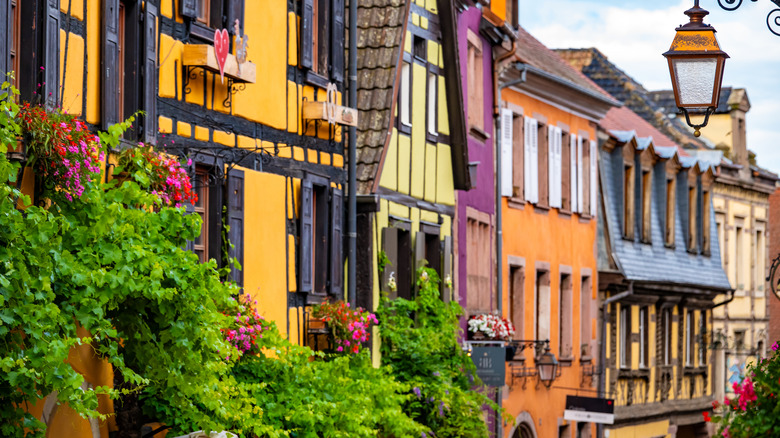
Traveling by yourself is a different experience from traveling with other people. Solo travelers don't need to worry about anyone else's schedule. You can spend those extra minutes lingering over your morning coffee. It becomes much easier to casually duck into a shop hidden on a side street that catches your eye. And that side street itself may have been skipped when with a larger group. These small deviations often become the moments you remember most from your journey.
It's easy to understand why so many travelers start with famous destinations like Rome, Paris, or London. They're iconic, and for good reason. But this fame often comes with large crowds and long waits. In the busier times of the year, these downsides may make it impossible to relax and take in the destination, especially if you're traveling on your own. Many solo travelers eventually discover that smaller cities and lesser-known regions can offer a much more relaxed way to explore. Walkable historic centers, friendly cafés, manageable public transit systems, and the freedom to set your own schedule make it easier to settle in and feel comfortable navigating a place independently.
Across Europe, plenty of these destinations are quietly gaining attention from travelers looking for something a little different. Think canal towns where you can sip coffee along the water as locals bike past centuries-old buildings. Or coastal cities framed by dramatic cliffs and fjords, or colorful hill towns where you can spend hours wandering. These destinations still offer the culture, scenery, and history that draw visitors in the first place, but at a much more relaxed pace that feels far better suited to solo exploration.
1. Haarlem, The Netherlands
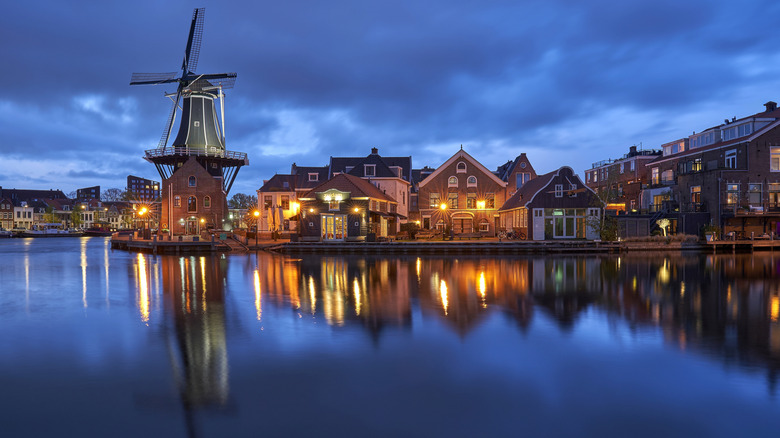
Amsterdam is one of the most iconic cities in Europe, drawing over 7 million tourists each year, on average. But the city is suffering from overtourism due to this popularity. However, just outside Amsterdam, Haarlem offers similar canal-lined charm without so many crowds from cruise ships and overnight visitors.
Haarlem sits just outside Amsterdam, but the atmosphere feels completely different. Haarlem has a reasonably safe and walkable city center, just a short and leisurely stroll from the Art Nouveau train station. You will find a number of museums in the city, showcasing both old masters and more modern art. In fact, the Netherlands' oldest museum, Teylers Museum, is in Haarlem.
While there is plenty to see, do, and explore in Haarlem, you are also just a short train ride away from other popular destinations, such as Rotterdam, Delft, The Hague. Beach areas, such as Zandvoort, are less than 15 minutes away. And if you are looking to see the tulips in the spring, Keukenhof and the Bollenstreek tulip fields are nearby as well.
2. Colmar, France
Many travelers visiting Europe naturally want to include France on their itinerary, but spending time solo in Paris is a bit much for their liking. Just a couple of hours away by train, near the border with Germany, is the Alsace region of France. The Alsace region offers a completely different experience from the hustle and bustle of France's larger cities.
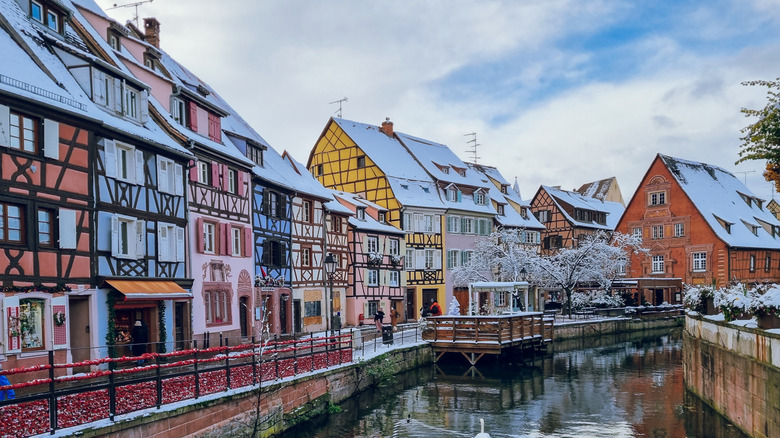
Colmar, a picturesque fairytale town, is not only one of France's prettiest, but it's also the Alsatian wine capital. Because of its proximity to Germany, you will sense this in the city's Franco-German architecture and cuisine. The city streets, especially closer to La Petite Venise (literally "Little Venice") and Fisherman's Quay, are renowned for their colorful, half-timbered houses. Alsatian cuisine is a delightful mix of French and German influences, paying homage to the region's products.
Its walkable, cobblestone streets and access to the Alsace Wine Route make Colmar especially manageable for solo exploration. Naturally, Colmar is well-known for its Christmas markets, so it can be quite crowded in the winter as well as summer, but visiting at other times of the year can be less busy and significantly cheaper. Colmar is also a popular day-trip destination, so early mornings and later in the afternoon can present a completely different experience once the tour groups depart.
3. Braga, Portugal
Portugal is considered one of the safest countries in the world. This distinction makes it especially suitable for solo travelers. Outside the usual tourist spots like Lisbon and Porto, some lesser-known locations are also attracting solo travelers. One of these up-and-coming destinations is Braga, which also happens to be Portugal's oldest city.
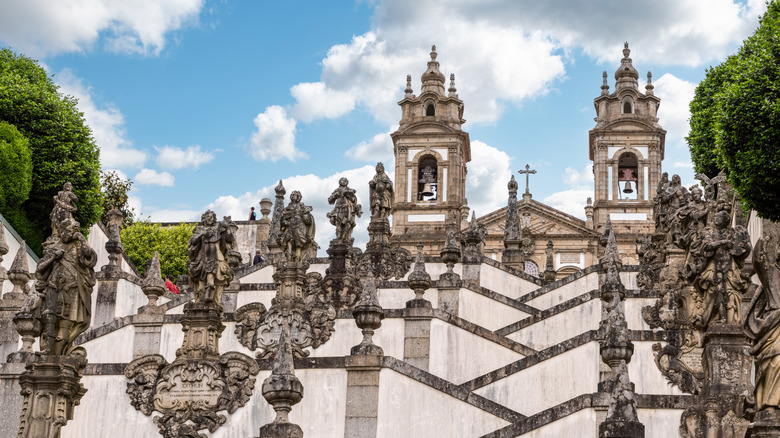
Braga offers baroque architecture and a relaxed, Northern Portuguese rhythm. The city has more than 2,000 years of history, dating back to Roman times and the founding of Portugal. As one of the world's oldest Catholic cities, Braga has been called the religious heart of the country as well. Its history can be seen through the city's various churches and chapels. There are more than 30 churches here, including the Sé de Braga Cathedral and Bom Jesus do Monte, a UNESCO World Heritage site.
Strong rail connections and a compact center make independent travel here feel seamless. Braga's historic center is relatively flat, which makes it easier to get around in than some of the other, hillier cities in Portugal. There is an active, friendly nightlife, making the city an enjoyable place to sit out and enjoy a pleasant dinner or drink, especially in the summer months.
4. Oviedo, Spain
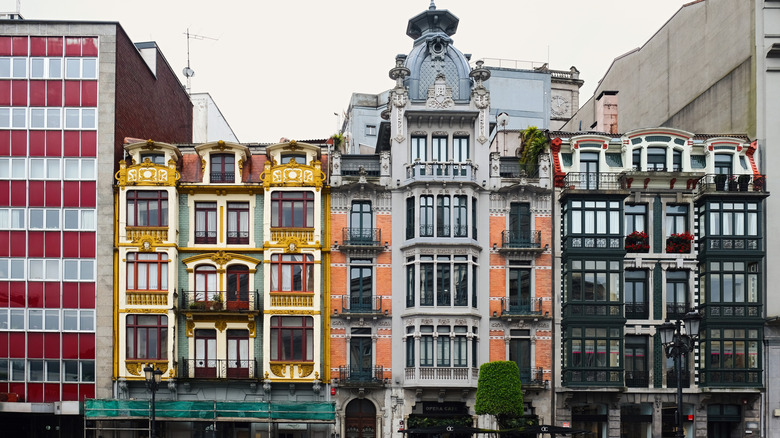
Nestled in the lush northern region of Asturias, Spain, the quiet charm of Oviedo makes the city feel like a less touristy alternative to Barcelona. Instead of massive crowds and packed attractions, visitors to Oviedo will find a walkable historic center filled with elegant plazas, centuries-old churches, and a relaxed rhythm that makes wandering especially enjoyable for solo travelers. You can spend hours exploring on foot, moving easily between historic streets, quiet parks, and lively café terraces without needing a rigid itinerary.
Food is another reason Oviedo stands out. Asturias is known for its hearty cuisine and distinctive cider culture, and the city's traditional sidrerías (cider bars) offer a welcoming atmosphere even if you're dining alone. Watching bartenders dramatically pour cider from above their heads is part of the experience, and it's not uncommon for visitors to strike up conversations with locals while sharing small plates like chorizo cooked in cider or creamy Cabrales cheese.
Beyond the city itself, Oviedo also makes an excellent base for exploring the rest of Asturias. The dramatic cliffs and beaches of the Asturian Coast are within easy reach, as are the rugged mountains of Picos de Europa National Park. This combination of culture, cuisine, and access to nature gives solo travelers the flexibility to mix relaxed city exploration with day trips into some of northern Spain's most striking landscapes.
5. Ålesund, Norway
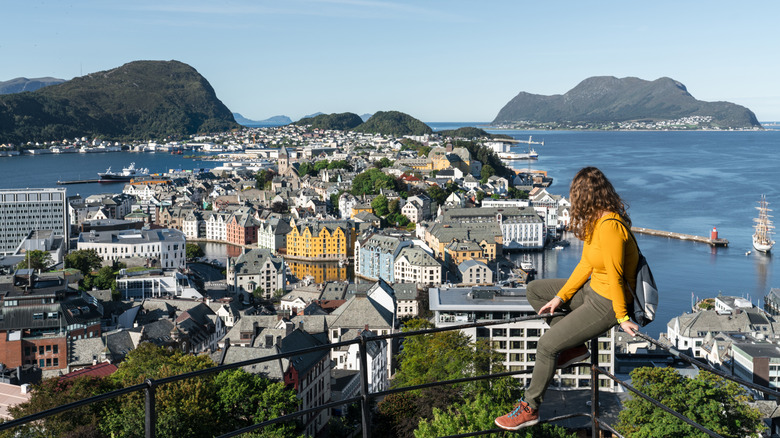
Spread across several small islands on Norway's rugged west coast, Ålesund is one of those destinations that feels almost designed for a "coolcation." The harbor is lined with pastel buildings and ornate towers thanks to the city's distinctive Art Nouveau architecture, rebuilt after a major fire in 1904. Today, those elegant façades and curved streets give Ålesund a character that's noticeably different from many other Norwegian cities.
The city's compact layout makes it easy for visitors to explore without much planning. One of the best introductions is the climb up the 418 steps to the Mount Aksla Viewpoint, where sweeping views reveal the full picture: colorful buildings along the harbor, fishing boats moving through the water, and distant islands stretching toward the horizon. Afterward, it's easy to spend the afternoon drifting between waterfront cafés, small museums, and quiet side streets.
Ålesund also serves as and excellent base for seeing some of Western Norway's most dramatic scenery. Day trips lead to famous fjords like Geirangerfjord, where sheer cliffs and cascading waterfalls create one of the country's most recognizable landscapes. Between its striking architecture and its manageable size, Ålesund offers solo travelers a scenic base that feels both peaceful and unforgettable.
6. Trieste, Italy
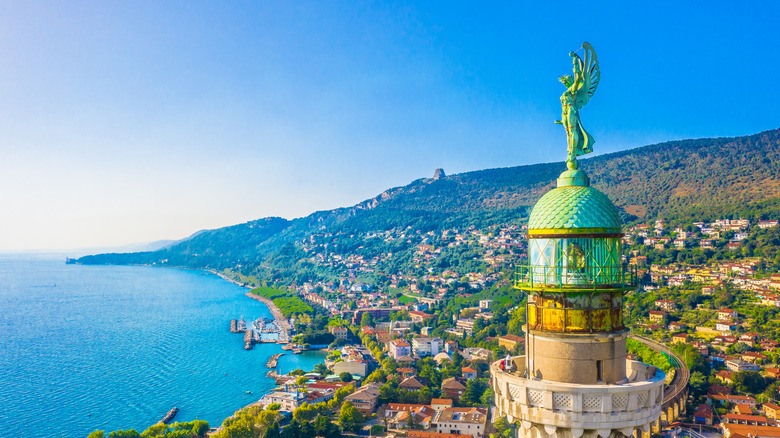
Sitting along the Adriatic Sea near Italy's border with Slovenia, Trieste feels a little different from the country's better-known destinations. For centuries, it was part of the Austro-Hungarian Empire, and that history still shapes the city's architecture, cuisine, and café culture. Grand neoclassical buildings frame the waterfront, especially around the expansive Piazza Unità d'Italia, the largest sea-facing square in Europe.
For solo travelers, Trieste is the kind of place that rewards slow exploration. The historic center is easy to navigate on foot, making it simple to wander between elegant squares and traditional coffee houses. The city has long been associated with writers like James Joyce, who spent years living here. That intellectual history still lingers in the relaxed atmosphere of Trieste's historic cafés. Often called the "coffee capital" of Italy, sitting alone with an espresso feels entirely natural in Trieste.
Just outside the city, the coastline adds another layer to the experience. A short trip leads to the striking Miramare Castle, a 19th-century palace perched above the Adriatic with gardens overlooking the sea. Between its café culture, waterfront setting, and blend of influences, Trieste offers travelers a destination that feels both elegant and refreshingly under the radar.
7. Ljubljana, Slovenia
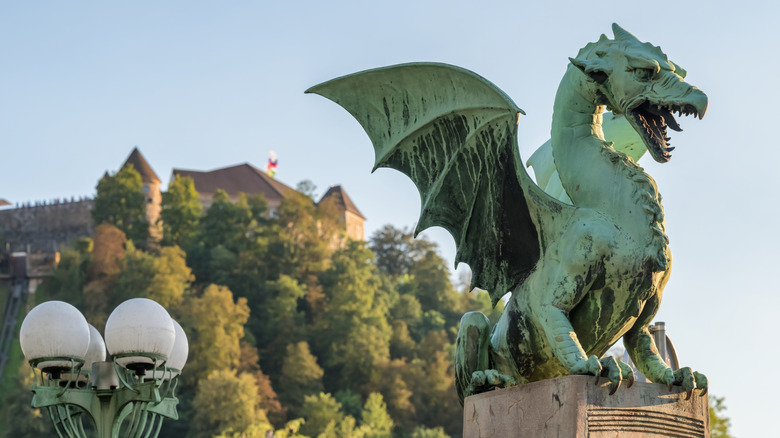
Ljubljana often surprises travelers who expect a typical busy capital city. Instead, the center feels relaxed and welcoming. Pastel buildings line the Ljubljanica River, while small shops and cafés spill out along the pedestrian-only streets. Because much of the historic city center is car-free, the largest car-free zone in the European Union, it's a particularly comfortable place for travelers to wander without worrying about traffic.
The city's distinctive look is largely the work of architect Jože Plečnik, whose designs helped define Ljubljana's riverfront and public spaces. One of his most recognizable projects is the graceful Triple Bridge, which connects the medieval old town with the city's lively main square. It won't be too much of a surprise how easily the city encourages wandering, whether that means strolling along the riverbanks or settling into a café to watch daily life unfold.
Ljubljana also works well as a base for exploring Slovenia beyond the city. Within easy reach are destinations like Lake Bled, where alpine scenery and a small island church create one of the country's most photographed spots. That balance between a relaxed urban atmosphere and quick access to nature makes Ljubljana an appealing stop for travelers exploring on their own.
8. Mostar, Bosnia and Herzegovina
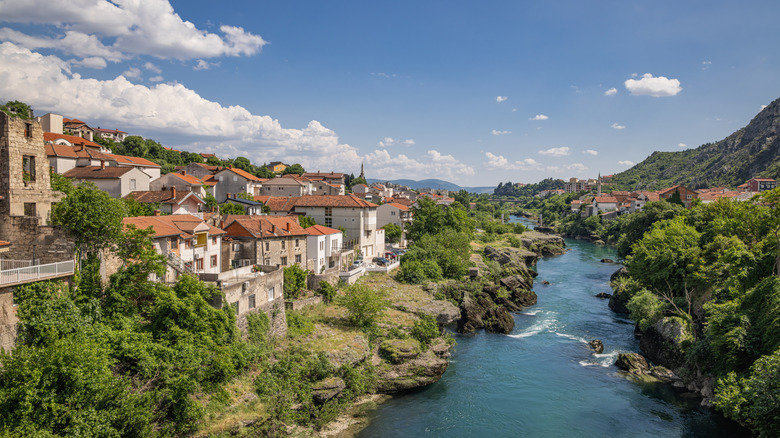
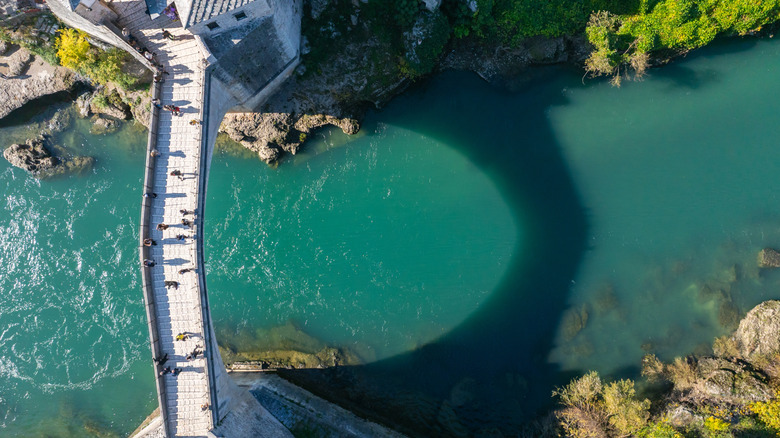
Few places make a first impression quite like Mostar. The city is best known for the elegant stone arch of the Stari Most, a 16th-century Ottoman bridge that frames the cobbled streets in a river canyon setting. The bridge was destroyed in 1993 during the Bosnian war and reconstructed in 2004. Watching locals dive from its heights is still a tradition here, and it's one of those scenes that tends to stop you in your tracks if you see it.
The historic center around the bridge is small enough to explore casually on foot, which works well for travelers who prefer wandering over following a strict itinerary. Cobblestone lanes wind past market stalls and small cafés, while slender mosque minarets rise above the old town. It's easy to spend an afternoon drifting through the bazaar area, stopping for strong Bosnian coffee or a plate of grilled ćevapi, a sausage that is Bosnia and Herzegovina's national dish, while soaking in the atmosphere.
Mostar also makes a great base for exploring the surrounding landscape of Herzegovina. Travelers often visit Blagaj Tekke, a striking monastery built into the base of a towering cliff beside a spring of bright blue water. Between its dramatic scenery and manageable size, Mostar offers a setting where travelers can slow down and experience the city at their own pace.
9. Gjirokastra, Albania
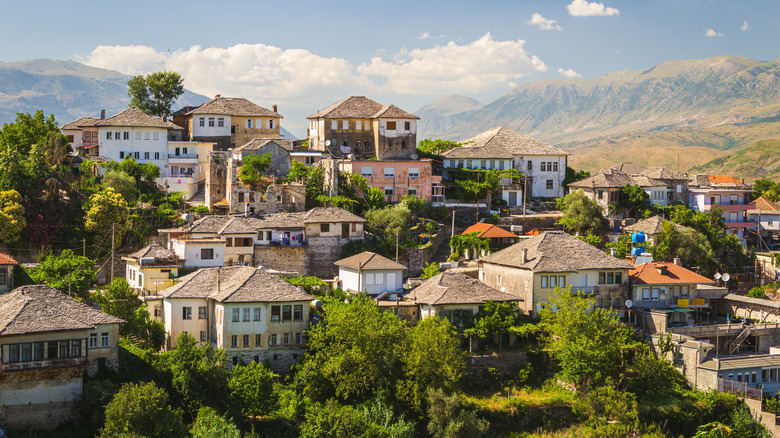
Perched on a steep hillside above a wide valley, Gjirokastra looks almost frozen in time. The old town is known for its distinctive slate-roofed stone houses that climb the slope beneath the massive Gjirokastra Castle, one of the largest castles in the Balkans. Walking through the historic Ottoman town center feels a bit like stepping into a living museum, though cafés and small shops remind you that this is still a very active town.
Gjirokastra has a rhythm that's easy to settle into. The historic bazaar district is perfect for leisurely exploration. Steep cobbled streets lead to viewpoints that open onto the surrounding mountains and valley below. It's the kind of place where you might stop for a simple lunch, wander a little farther than planned, and suddenly realize you've spent half the afternoon just enjoying the scenery.
The town also makes a good stop while exploring Southern Albania. From here, travelers often continue to the beaches of the Albanian Riviera or visit UNESCO World Heritage sites such as Butrint National Park. With its historic atmosphere and slower pace, Gjirokastra offers a memorable contrast to the busier nearby destinations.
10. Victoria, Malta (Gozo)
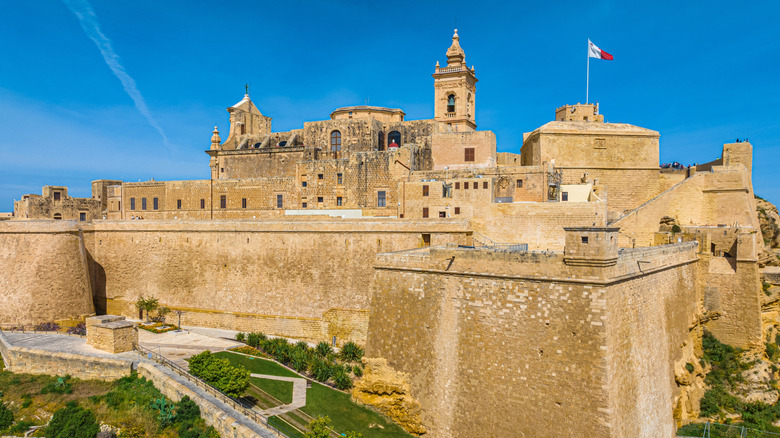
The island of Gozo moves at a noticeably slower pace than Malta's busier resort areas, and its small capital, Victoria, known locally as Ir-Rabat or Citta' ir-Rabat, makes an easy place to experience that rhythm. At the center of town stands the imposing Cittadella, a hilltop fortress whose stone walls overlook much of the island. From the top, you can see the patchwork of ancient ruins, villages, farmland, and coastline that gives Gozo its quiet, rural character.
For solo travelers, the island's manageable size makes a real difference. Distances are short, making it easy to explore beaches and historic sites without long travel times. Buses connect most parts of the island, making it convenient to visit other towns, including the underrated Mediterranean coastal town of Marsalforn.
Another advantage is language. English is widely spoken across Malta, making it simple for travelers to ask for directions, chat with locals, navigate restaurants, and get by on public transportation without much stress. That ease of communication, combined with Gozo's relaxed atmosphere and scenic coastline, makes Victoria a comfortable base for solo visitors looking to explore the island at their own pace.
11. Sibiu, Romania
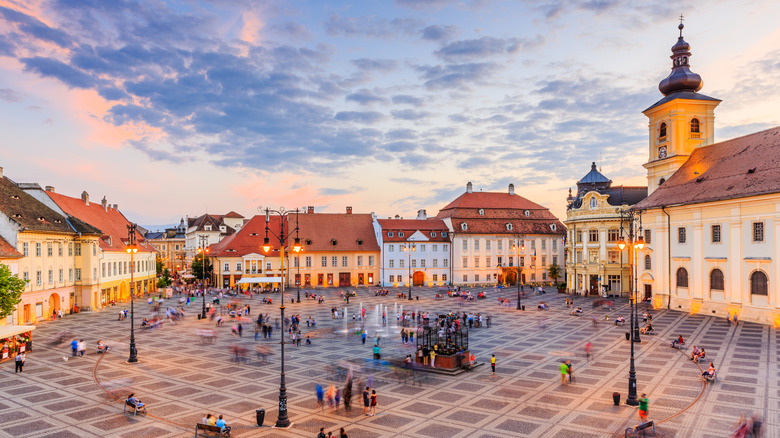
With its pastel-colored buildings and cobblestone squares, Sibiu is one of those places that feels immediately inviting. Colorful façades fill the historic center, lining wide plazas like Piața Mare, where cafés and restaurants spill out onto the square during warmer months. It's a setting where it's easy to settle into a seat outdoors and watch the rhythm of daily life unfold.
Part of Sibiu's charm is how manageable it feels. The old town is compact enough to explore on foot, a quality many solo travelers appreciate. Wander between the Upper Town and Lower Town, which reveals quiet alleyways, historic churches, and the city's distinctive rooftops with their so-called "eyes." The eyes are small attic windows that seem to watch over the streets below.
Beyond the historic center, the surrounding landscape adds another layer to the experience. Sibiu sits near the foothills of the Carpathian Mountains, giving the city a dramatic mountain backdrop that feels surprisingly close. That mix of colorful architecture, relaxed atmosphere, and nearby alpine scenery makes Sibiu a rewarding stop for travelers exploring Transylvania independently.
12. Kutaisi, Georgia
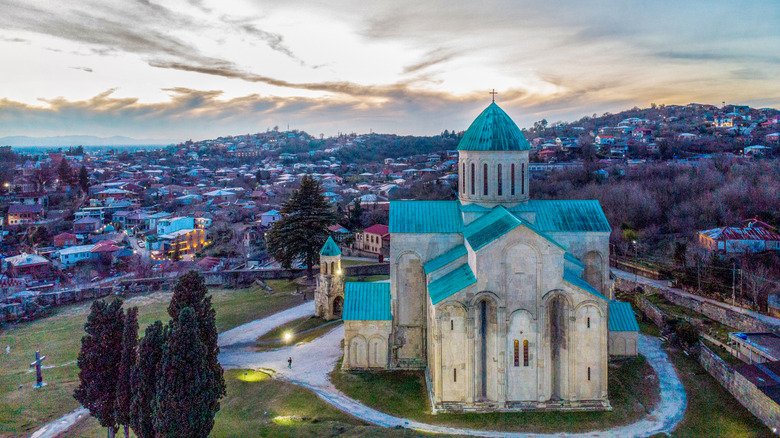
One of the oldest continuously-inhabited cities in the region, Kutaisi has quietly become a gateway to Western Georgia. Budget airlines have expanded service to Kutaisi International Airport, bringing more international travelers to the area, but the city itself still feels relaxed and approachable. The historic center sits along the Rioni River, where leafy parks, medieval architecture, pedestrian bridges, and open-air cafés create a relaxed, everyday atmosphere.
Kutaisi strikes a nice balance between cultural landmarks and easygoing exploration. Hilltop sites like Bagrati Cathedral offer sweeping views across the city, while the central market and small bakeries provide a chance to experience everyday Georgian life. It's the kind of place where wandering through neighborhoods and stopping for khachapuri (which is a delicious Georgian cheese bread) or strong Georgian coffee can easily fill an afternoon.
Kutaisi also makes a good base for exploring the surrounding landscape. Just outside the city, travelers can visit natural sites like Prometheus Cave, known for its dramatic stalactites and and stalagmites. With relatively low travel costs and a growing international presence, Kutaisi offers independent travelers an appealing mix of local culture and easy access to some of Georgia's most memorable scenery. The country's Remotely from Georgia digital nomad visa has also helped attract remote workers in recent years.
13. Methodology
We selected places gaining attention among travelers while remaining relatively under the radar compared to larger, more crowded cities. In many cases, these destinations are seeing increased interest thanks to new or expanded flight routes, growing tourism infrastructure, or rising visibility through travel media and social platforms.
When narrowing down the final selections, we prioritized qualities that tend to make solo travel easier and more enjoyable. Safety, walkability, and a manageable city size were important factors, along with reliable public transportation and the ability to explore comfortably without booking a guided tour or renting a car.
Together, these destinations offer the kind of atmosphere many solo travelers look for: places where it's easy to navigate independently, settle into a local café or neighborhood square, and explore at their own pace while still experiencing the culture and scenery that make travel memorable.