
5 Of Frank Sinatra's Favorite Places To Stay And Visit During His Life
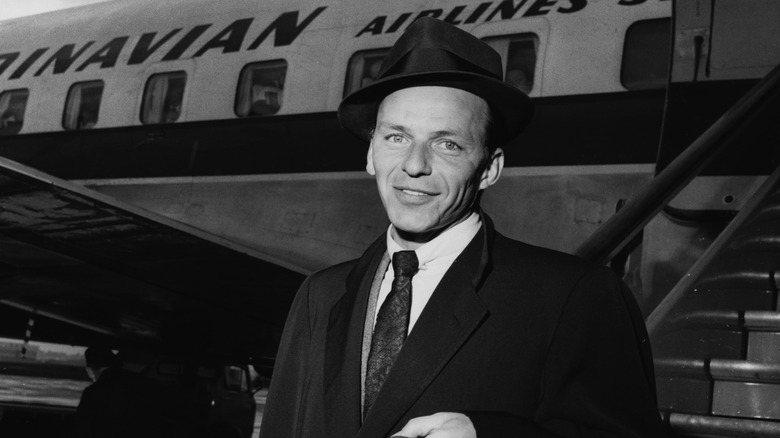
Frank Sinatra famously asked his audience to fly him to the moon, but even without leaving Earth's atmosphere, he traveled far and wide for both work and pleasure. Ol' Blue Eyes — whose storied singing and acting career spanned decades until his death in 1998 — was born in Hoboken, New Jersey, and later claimed both coasts as his own, keeping homes in Los Angeles, Palm Springs, and New York, among others. Though he generally preferred stateside life, his work, celebrity, and philanthropy sent him to far-flung romantic destinations like Monaco, Paris, and Portofino, where he likely stayed at the celebrity-exclusive Hotel Splendido, a romantic mountainside hotel linked to movie stars. Each destination revealed different versions of Sinatra: the New York crooner, the California cocktails-on-the-patio instigator, the Miami socialite. He also maintained a longstanding residency in Las Vegas and got his first big break in Chicago, where he frequented the Windy City's Italian restaurants.
We combed the archives of historical reporting and coverage of Sinatra's life and travels to highlight several of Sinatra's favorite destinations around the U.S. Out of all the places he loved, five favorites: Palm Springs, Chicago, Miami Beach, New York, and Las Vegas stood out. As one of the most popular and well-documented public figures of his time, much of Sinatra's story has been preserved through sources like USA Today, Architectural Digest, and Smithsonian Magazine, alongside biographical materials and content from the venues themselves, which proudly highlight their connection to the legendary crooner. Visit any of Sinatra's favorite old haunts today, and you can still feel his presence. These places not only help tell the story of who Sinatra was, but still deliver destination-worthy food, lodging, and experiences for today's travelers, so that you can "do it his way" on your next vacation.
Palm Springs
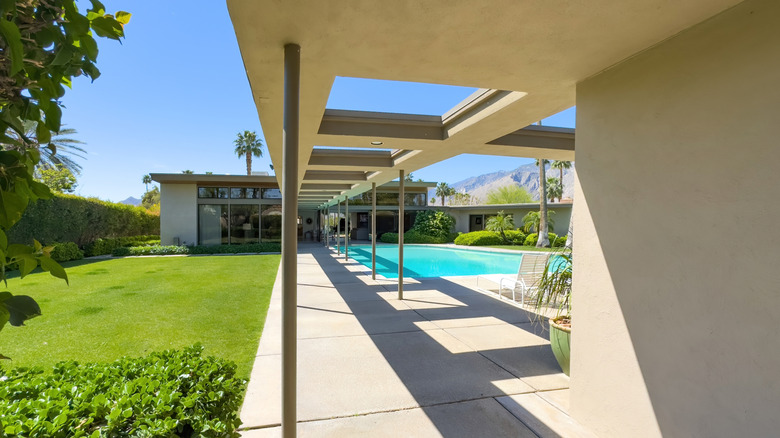
In Palm Springs — a mid-century modern desert escape defined by vintage shops, ranch homes, and pastel palettes — Sinatra's imprint thrives in a culture that still embraces cocktail hours and sun-soaked glamour as he once did. The documentary "Sinatra in Palm Springs" explores both his influence on the city and the desert's influence on him; he's even buried nearby at Desert Memorial Park in Cathedral City. Sinatra's Twin Palms Estate, commissioned as a weekend retreat for his young family, helped define what's become known as Desert Modernism, and saw him through a divorce and his marriage to Ava Gardner, before he sold it in 1957. Today, the landmark is available for private tours and rentals, complete with its iconic piano-shaped pool.
Golf was another part of Sinatra's Palm Springs life. At Indian Canyons Golf Resort (then Canyon Country Club), he founded a charity tournament benefitting Desert Hospital and the Children's Center. Though he was a regular on the course, he wasn't known for taking the game too seriously. For Sinatra, it was more about bringing people together.
To retrace Sinatra's Palm Springs wining and dining, head to Melvyn's for a classic martini-steak-wedge salad combo. This elegantly timeless spot was one of Sinatra's favorites, and even hosted the rehearsal dinner for his fourth wedding. You can also catch dinner and a show at the Purple Room, a supper club where Sinatra and his pals, like Dean Martin, often performed. Bootlegger Tiki is one of Palm Springs' go-to bars, with intimate lighting and tiki cocktails from classic painkillers to alluring signatures like the cobra bite and Blackbeard's booty. In Sinatra's day, it was known as Don the Beachcomber, and it also served food. Sinatra hosted lively dinner parties there with guests like Judy Garland and Elizabeth Taylor.
Chicago
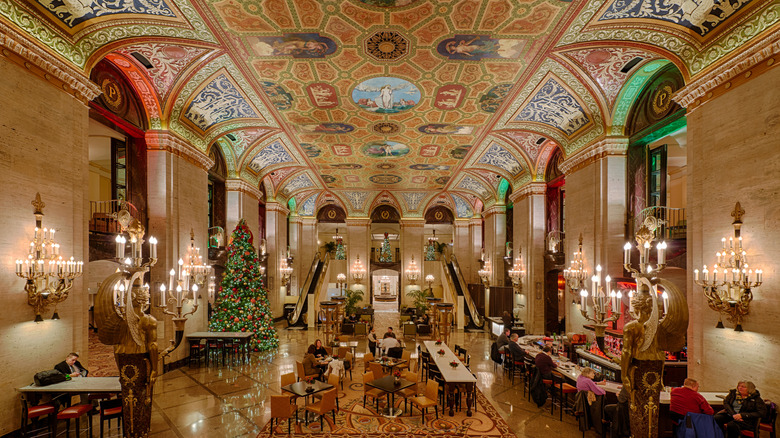
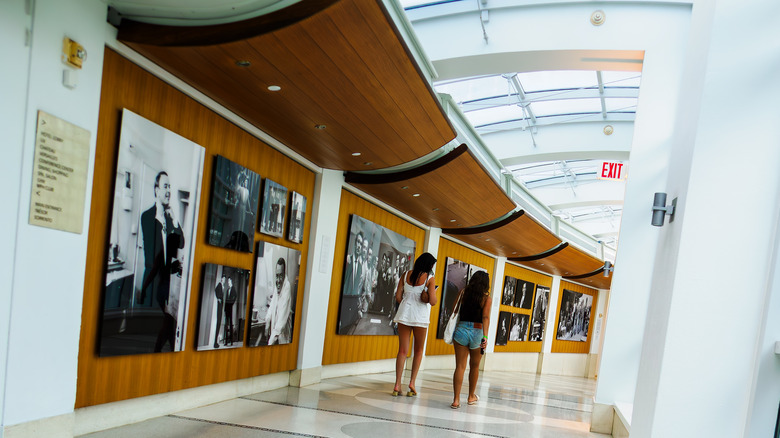
Sinatra spent a great deal of time in Chicago filming, performing, and socializing. Though he faced scrutiny over alleged mob ties in the city, nothing was ever proven. The Windy City is where his career truly took off. In the Empire Dining Room of the historic Palmer House, now a Hilton and one of Chicago's longest-running hotels, Sinatra met Tommy Dorsey and his band, landing what is widely considered his big career break. Sinatra returned often to perform and drink, and today the Palmer House remains a grand, historic property lined with black-and-white portraits of its famous guests.
Opened in 1926 during the Jazz Age, the Gold Coast's Ambassador Hotel — known as the Ambassador East during the Rat Pack era — was reportedly Frank Sinatra's headquarters when he was in Chi-Town. The Chicago Tribune even claimed he and his wife, Nancy, conceived their daughter Nancy there. Its famed Pump Room (the self-proclaimed birthplace of celery stalks in Bloody Marys) also got a shout-out in one of Sinatra's live recordings. The Ambassador set a new standard for boutique elegance, hosting stars from Humphrey Bogart to Bill Murray. Today, it's part of the Chicago Hotel Collection.
Many Chicago institutions claim Sinatra ties, but a few are most closely associated with the Sultan of Swoon. These establishments include Gibson's, the classic steakhouse which features a photo tribute to Sinatra and other celebrity guests, and Old Town's historic Twin Anchors Restaurant & Tavern, where Sinatra had a personal phone jack installed at his favorite table — and where you can still order his favorite ribs. Other favorites include Gene & Georgetti in River North, a Tuscan-style steakhouse where Sinatra spent after-hours, and Mart Anthony's, a third-generation Italian spot where guests can sit in "Sinatra's corner."
Miami
Frank Sinatra had a long, glamorous relationship with Miami Beach during its mid-century heyday. Around the 1950s, he and the Rat Pack became regular fixtures as the city became one of the country's hottest entertainment hubs. In 1965, a LIFE photographer followed Sinatra around for a lively night out on the town. Sinatra performed, filmed, and partied along South Beach, most notably at the Fontainebleau Hotel, where he often headlined its nightclub, La Ronde, and performed next door at Eden Roc. He stayed in the Sorrento Tower so often that a room was reportedly kept for him. One of his most memorable Miami moments came with the 1960 television special, "The Frank Sinatra Timex Show: Welcome Home, Elvis," where he welcomed Elvis Presley home from military service. He also filmed the 1959 comedy "A Hole in the Head" at the Art Deco Cardozo Hotel, along with late-1960s neo-noirs "Tony Rome" and "A Lady in Cement," at Fontainebleau. Both the luxurious Fontainebleau and stylish Eden Roc remain South Beach landmarks.
Sinatra rarely strayed far from the Fontainebleau for meals, even hosting "Cocktails and Breakfast with Frankie" in the hotel restaurant, with indulgent dishes from prime rib to pizza. Today, even if you're not an overnight guest, you can visit Don's Prime in the Fontainebleau, a classic steakhouse serving a sophisticated palette of caviar, wagyu cuts, and Maine lobster — just like Frankie would have liked. Sinatra, a devoted smoker, is said to have preferred the smell of cigars to fresh air, and he likely indulged in Cuban cigars. Travelers can experience that tradition along Calle Ocho, or "Little Havana," one of Florida's most unique neighborhoods, where cigar shops, smoking lounges, cafés, and sandwich counters capture the city's flavor — and Sinatra flair — beyond South Beach.
New York
Ironically, the song "New York, New York," one of Sinatra's most recognizable songs, was originally written for Liza Minnelli in the film "New York, New York." But Sinatra's 1979 rendition at Radio City Music Hall endured as the city's anthem, and no city is more closely linked with Sinatra. Born across the river in Hoboken, he launched his singing career in the city's nightlife and on local radio. After joining Tommy Dorsey, he performed regularly in New York, where he developed his fervent "bobby-soxer" fan base. Later, he appeared at legendary venues like Paramount Theatre, Radio City Music Hall, Carnegie Hall, and Madison Square Garden. Although the Paramount was eventually demolished, Radio City Music Hall, Carnegie Hall, and Madison Square Garden remain iconic concert spaces — essential stops for any Manhattan visitor.
During his third marriage to Mia Farrow in the 1960s, Sinatra lived in a brownstone on 61st Street on the Upper East Side. He sold it in 1969 after their divorce, reportedly because regulations prevented him from adding a garage. Even after leaving, New York remained central to his life: From the late 1970s to the late 1980s, Sinatra reportedly paid $1 million per year to maintain a suite at the Waldorf Astoria, his New York home away from home.
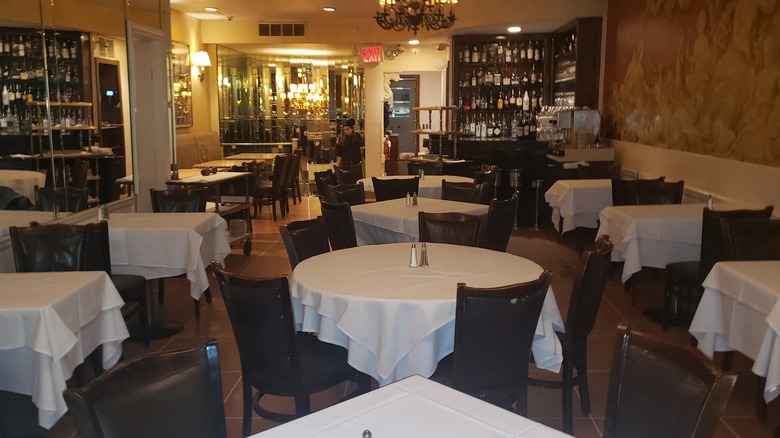
While in Manhattan, Patsy's was one of Sinatra's favorite New York City restaurants, a family-owned Italian spot near Central Park that has been operating since 1944. He also frequented the bar and smoking lounge at the Carnegie Club. The club pays tribute with popular Sinatra-themed performances. Those looking to retrace Sinatra's New York steps should also visit P.J. Clarke's on Third, where Sinatra frequently sat at Table #20.
Las Vegas
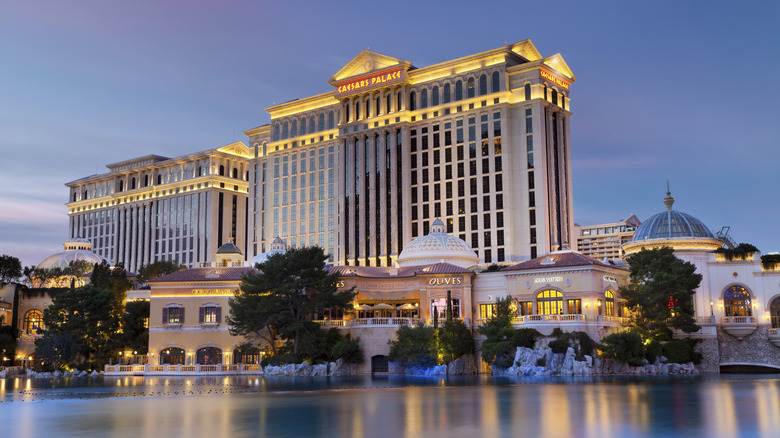
"Las Vegas Nights" marked the start of Sinatra's film career, back when the desert oasis was just a small town. Over the decades, however, he ultimately became synonymous with Sin City, with residencies at the Sands Hotel and Casino, eventually even serving as part-owner. Former Nevada Lieutenant Governor Lorraine Hunt-Bono told Smithsonian Magazine that suit-wearing Sinatra "was the spark that changed Vegas from a dusty Western town into something glamorous." In the 1960s, the Rat Pack filmed the original "Oceans Eleven" up and down The Strip — including at the Flamingo and Caesars Palace, where you can still visit today — staging an acclaimed five-week group residency in the Sands' Copa Room. Celebrities, including Lucille Ball and John F. Kennedy, attended, which is where Sinatra introduced Kennedy to Judith Campbell Exner, with whom the then-senator began an alleged affair.
After Howard Hughes purchased the Sands, the Chairman of the Rat Pack's Board shifted his allegiance to Caesars Palace, where he regularly performed and stayed. He also appeared at The Golden Nugget, still a Fremont Street fixture known today for its massive shark tank pool. Today, visitors can still sit in Sinatra's red-upholstered booth #22 at the Golden Steer Steakhouse, a classic white-tablecloth spot serving everything from oysters and caviar to 45-oz tomahawk steaks, lobster tail, and bananas foster — along with his signature drink: Jack Daniels on ice with a splash of water. An elevated dress code makes it the perfect excuse to channel Sinatra style. Or opt for Sinatra at the Wynn, an Italian-American fine-dining restaurant with a menu of classics. Order the clams possilipo, one of his reported favorites.
Methodology
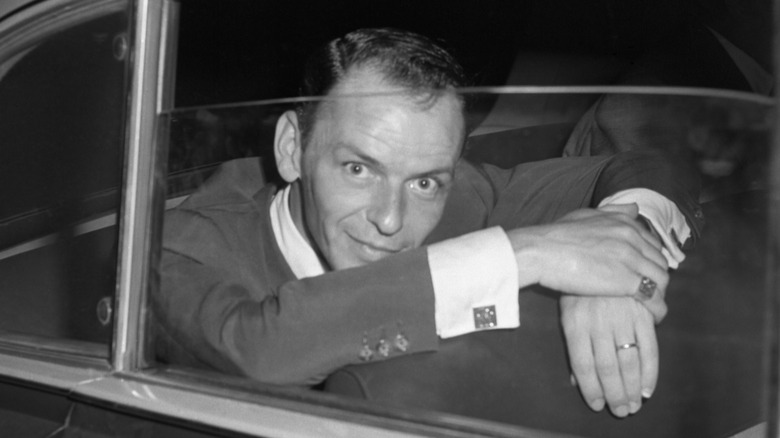
Frank Sinatra was a well-traveled man, but while he did make it to far-flung locales like Monaco, France, Italy, and Cuba, he leaned into his U.S. roots, with homes across the country. As he's one of the most well-documented celebrities of his era (including by the FBI, who kept a massive dossier on his movements and alleged ties to the mafia) it wasn't difficult to find information about his favorite places to stay and visit.
We utilized reporting from publications and archival records ranging from the Smithsonian Magazine, USA Today, Architectural Digest, NPR, and the Chicago Tribune, as well as tourism board and local websites in order to decipher his favorites places. These cities all have tales to tell of their time with Ol' Blue Eyes, and many hotels, restaurants, speakeasies, and stages fondly reflect on their time with the celebrity. In paring down our list to five highlighted cities, we focused on not just his favorites but also places where visitors can retrace Sinatra's steps today. Though some of his favorite haunts have been demolished, there are plenty still thriving where Sinatra's spirit lives on.