
Dublin's 10 Must-See Attractions To Beat Tourist Crowds
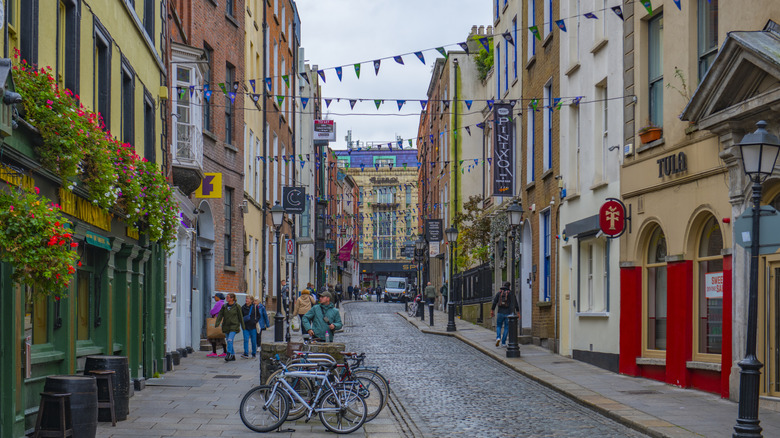
While there are all sorts of amazing places to go and things to do in Ireland, Dublin is a great starting point for first-time visitors. Even if you've been to the Emerald Isle before, though, there are probably plenty of sites you haven't visited in the capital city. The biggest attractions — like the Long Room at Trinity College, the Temple Bar, and the Guinness Storehouse — attract heavy crowds all year long. The Storehouse was even named the top tourist attraction in the world in 2023 (and, yes, in case you're wondering, there's a scientific reason people say Guinness tastes better in Ireland). While these famous sites are absolutely worth seeing, they only tell part of Dublin's fascinating story.
Beyond all of the attractions you've undoubtedly heard of, the Irish capital is filled with other places that lie off the beaten path. In this guide, we'll trek to 10 of Dublin's must-see attractions to beat tourist crowds. From a historic church with a rather macabre history to a gorgeous theatre to a couple of pubs (of course), and a quiet green space away from the hubbub, this is the Dublin that locals know and love. Next time you find yourself in this ancient city, keep this article handy to check out the best destinations that lie off the traditional tourist track.
The Blind Pig Speakeasy
Like all good speakeasies, The Blind Pig Speakeasy is tough to find by nature. To get here, in fact, you'll feel like you're getting a little lost. I've been to this spot, and we wandered down a narrow alley, opened an unmarked door, used a secret hog-shaped door knocker, and, finally, entered a hidden cocktail bar that offers a one-of-a-kind experience. Designed specifically to mimic the American speakeasies of the Prohibition era, the team behind this lesser-known Dublin bar has done an exceptional job. The walls are stone, the decor art deco, and the craft cocktails are absolutely spectacular. The bar is known for its authentic 1930s-style cocktail menu. Patrons can order classics like Sidecars and Sazeracs or unique house specialties, such as the onion-garnished Pearls Before Swine or the Italian-inspired Thick as Thieves.
Guests also love the food menu here, with some Tripadvisor reviewers specifically recommending the octopus and mussels. The bar regularly hosts live jazz and blues music, which adds to its authentic vibe, and the service is consistently top-tier. We found the bar staff was more than willing to discuss their drinks in depth, even making specific off-menu cocktails based on our preferences! Despite its secretive entry and lack of tourists, The Blind Pig is located in a convenient area, though it feels like you're worlds away and miles apart from modern Dublin. One quick pro tip: reservations are smart here. Even though The Blind Pig isn't super popular among tourists, it has a local following as well, and it's very small. Tables tend to go quickly, and walk-up service isn't guaranteed. I booked about two weeks in advance of our visit and had no trouble securing a reservation.
St. Michan's Church
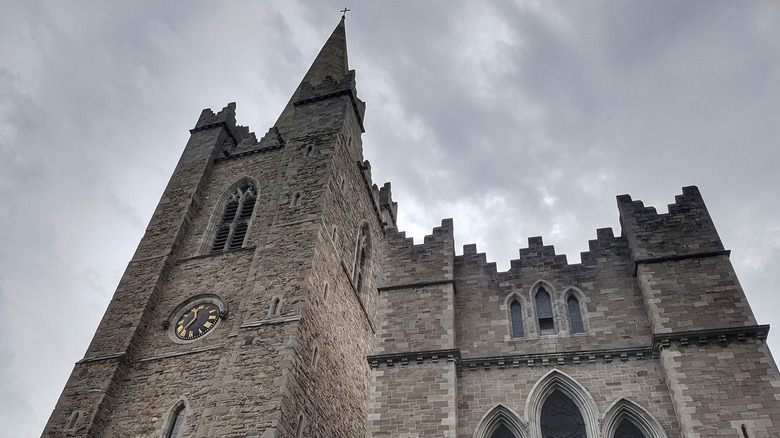
St. Michan's Church offers one of Dublin's most unusual and slightly spooky historic experiences. Nonetheless, it remains a relatively under-the-radar site, often falling off travelers' priority lists compared to more famous religious landmarks like St. Patrick's Cathedral. Located near the popular Phoenix Park and the River Liffey, this church has operated since 1095, though the present building was largely constructed in the 17th century. The interior of the church is lovely, with rich wood paneling and an impressive pipe organ that takes up nearly an entire wall of the sanctuary. However, the main attraction here is not what's inside St. Michan's, but what's underneath. This church has a rather macabre secret just under the surface — visitors can trek down an old stone stairway to find one of the most unique crypts in all of Europe.
The combination of the crypt's depth and its dry, limestone walls has led to amazingly well-preserved mummies, several of which lie in open coffins. And, goodness, do these skeletons have stories to tell. One was buried without a hand (a known punishment for thievery at the time of his death), another has no feet (presumably done posthumously to fit him in his pine box), one is known as "The Crusader" (though he is believed to have actually lived after the Crusades), and still another greets travelers with an outstretched hand. So the story goes, the crypts at St. Michan's even inspired Bram Stoker to write "Dracula," adding another layer of intrigue to an already eerie and mysterious destination. Guided tours that last around half an hour are available, and Tripadvisor reviewers rave about the historical value of this site. However, they also note that those who have mobility issues should be wary of the steps, as they are not accessible to people with disabilities.
Olympia Theatre
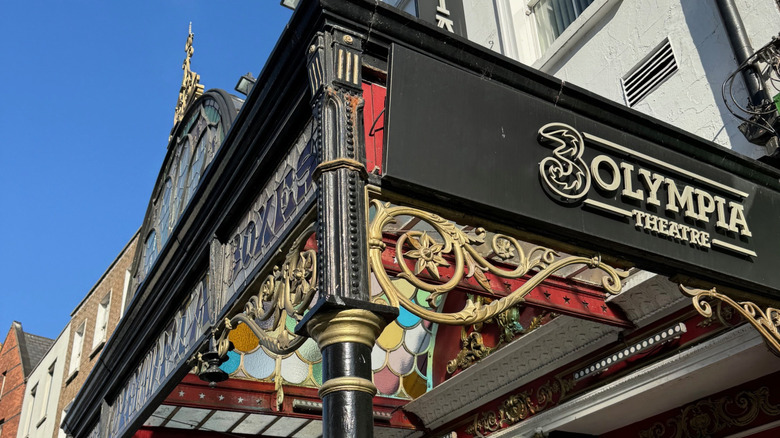
Officially called the 3Olympia Theatre since 2021, this gorgeous venue has a long and storied history. It opened in 1879 as Dan Lowrey's Star of Erin Music Hall and has undergone multiple transformations over the years. Just a decade after opening, the theatre was rebranded as Dan Lowrey's Palace of Varieties. Then, from 1897 until 1923, the Lowrey family had exited the business, and the venue was called the Empire Palace. Finally, in 1923, the Olympia Theatre was officially born. Regardless of its moniker, this music, theatre, and comedy venue has long been at the core of Dublin's cultural life, yet many tourists never make their way here. However, it is well worth a visit! With seating for about 1,200 people, this is not a stadium-style venue. Rather, it offers an intimate performance experience. There's not a bad seat in the house.
The design of the 3Olympia Theatre remains largely unchanged since the 19th century. Guests will walk under a vintage stained-glass canopy into a space that feels like a snapshot of a bygone era. The seats are red velvet and ornate; gilt scrollwork decorates every balcony. It's something of a Victorian fantasy inside. This is where local Dublin families go for entertainment throughout the year, so it's a great place for travelers to experience a slice of everyday fun in this city. It offers a diverse calendar of shows, including things like Peppa Pig Live and Bluey's Big Play for families, Laura Ramoso and the LOL Podcast Tour for comedy lovers, and concerts ranging from The Billy Joel Songbook to Belle and Sebastian to JID. For entertainment fans or history lovers, the 3Olympia Theatre is an excellent stop on any Dublin itinerary.
The Quays Bar
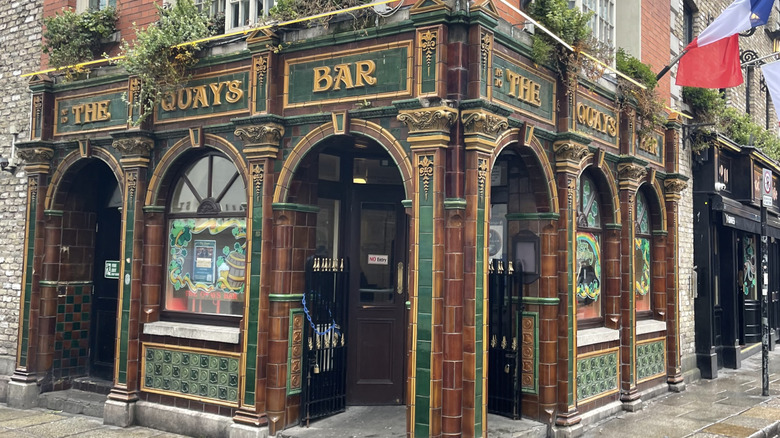
Although there are plenty of fantastic American Irish pubs in cities like Chicago, nothing beats the real deal. Located in the Temple Bar district but much less of a tourist attraction than the Temple Bar Pub itself, The Quays Bar offers the neighborhood's signature lively atmosphere without overwhelming crowds. This spot has a lovely interior, with carved woodwork, stained glass, and a two-story layout, which gives it a quintessentially "Irish pub" feel. I've spent time at The Quays, and I can proudly attest to the fact that the bar staff pours a mean pint of Guinness, and that this is a generally great place to while away an afternoon. This pub believes in the Irish adage "craic agus ceoil," or "fun and music" in English, so it's no surprise that the live music is a highlight here. Bands take the stage at 12:30 p.m. seven days a week, and play pop, rock, and Irish folk tunes until very late at night.
You'll find plenty of Dublin locals here, but travelers love The Quays, too. Many Google reviewers note that they just happened upon this pub while wandering, a testament to its under-the-radar reputation. In addition to its bar, fully stocked with Irish whiskeys and the aforementioned beer, people love the traditional Irish meals while visiting here. Recent guests specifically recommend the Guinness stew, cottage pie, and Bailey's cheesecake. Though it is situated in one of Dublin's most popular neighborhoods, The Quays Bar is noticeably less touristy than many of its fellow Temple Bar pubs. It's the perfect stop for anyone who wants to experience this world-famous district away from the heaviest crowds.
Marsh's Library

Libraries are having a bit of a moment, with even TikTok recommending beautiful libraries to visit in recent years. While Dublin's most famous library is the absolutely stunning Long Room at Trinity College, the crowds can be a bit much for those who are looking for a peaceful, calm experience. Enter Marsh's Library. This was Ireland's first public library and has been in operation since 1707. It is an incredibly preserved historic building that affords visitors the rare chance to literally step back into the Age of Enlightenment. Marsh's Library is largely unaltered from its original form, with the same dark wood shelves, antique reading desks, and rows upon rows of stacks that it has had for over three centuries.
Many of Dublin's most iconic literary and philosophical figures, like Bram Stoker, James Joyce, Jonathan Swift, and Oscar Wilde, frequented Marsh's Library during their lives. Today, travelers and residents alike can explore the same amazing collection of 25,000 theological, scientific, fictional, and historical texts that once helped shape the views of Ireland's most famous writers. One of the coolest features here is the "cages," where librarians used to lock readers when they were using rare books to prevent theft. Since Marsh's Library is significantly less crowded than the Long Room, it's easier for literature lovers to soak in every detail of the space without feeling rushed. Any traveler enamored of books, architecture, or Dublin's intellectual history should add this somewhat hidden gem to their Irish itinerary.
Blessington Street Basin
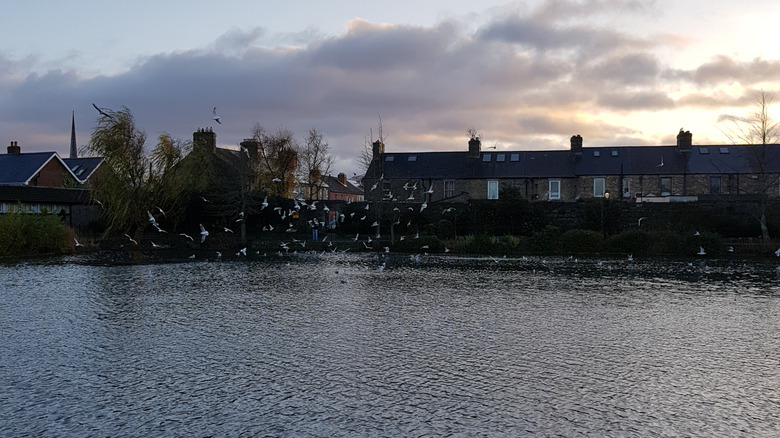
Originally a 19th-century reservoir, the Blessington Street Basin is now one of Dublin's loveliest city parks. The basin itself is a 4-million-gallon lake that makes up the vast majority of the enclosed park. Feeding the swans that nest here is one of the highlights for many visitors. Sometimes described as Dublin's "secret garden" because of how little-known it is, the Blessington Street Basin offers a welcome respite from busier areas of the city. A man-made island sits in the center of the lake, offering a home for various wildlife species. Birdwatchers, in particular, will enjoy spending time in this park.
While this park certainly functions as a nature sanctuary, there's also plenty to do here. There's a playground for children, flower gardens and sculptures, plus the walking path surrounding the basin, which makes for a wonderful stroll away from crowded tourist attractions. Families traveling with small children may want to pack a picnic and spend a couple of hours here to give little ones a break from sightseeing. Because it remains relatively unknown, especially among Dublin's tourist set, the Blessington Street Basin is rarely crowded. This makes it a wonderful place to escape the hubbub of Dublin's busier sections.
Little Museum of Dublin
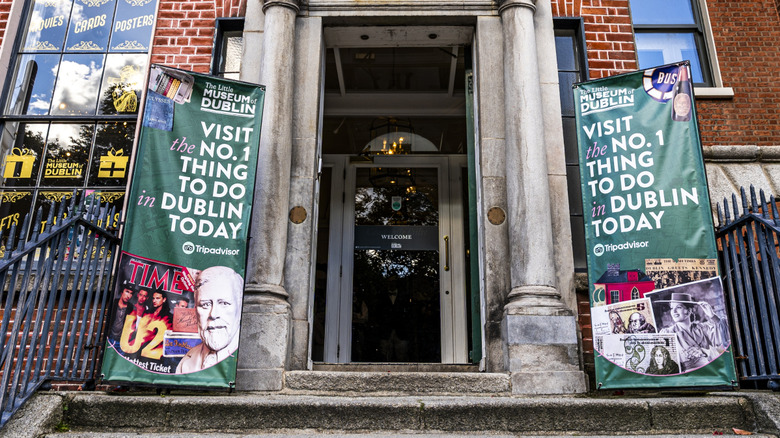
Rick Steves considers Ireland one of the best destinations in the world to visit, and one tiny Dublin gem proves why. The Little Museum of Dublin may be small in size, but it offers an outsized experience, thanks in large part to the people who staff it. Focusing on Dublin's recent history through interactive storytelling and guided tours, this museum is a fun and oft-overlooked stop for tourists. Despite flying under the radar for many travelers, the Little Museum was voted Tripadvisor's 12th best thing to do in all of Europe in 2024. Here, guests get a look at Dublin life throughout the 20th century thanks to exhibits featuring artifacts, photographs, and entertainment memorabilia that bring to life the city's evolution from the Victorian era to the '90s. Character actors even portray famous Dubliners, such as legendary writer James Joyce.
One of the museum's most touted features is its unique 29-minute guided tour. This fast-paced, energetic experience is perfect for travelers who are short on time but want to do something memorable. Reviewers love the tour guides, sharing that they seamlessly combine humor, local details, and historical anecdotes to create a wonderful experience for all attendees. The format also makes it ideal for families with school-aged children, since it's so short and engaging. The Little Museum of Dublin also limits each tour to a maximum of 10 guests, which means it never feels crowded. It is worth noting that children younger than 4 are not permitted.
George's Street Arcade
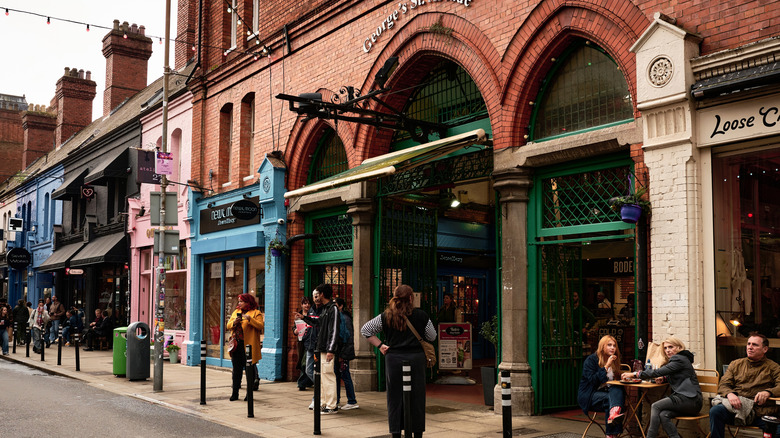
George's Street Arcade is an exceptional example of how old often meets new in Dublin. It has a wide variety of offerings, especially for those who love the modern trend of antiquing and thrifting, but it is actually the oldest market in the city. Conveniently located just around the corner from the 3Olympia Theatre, this covered arcade has been serving Dublin locals since 1876. Originally called South City Markets, it fell victim to the now-notorious 1892 fire that ravaged much of Dublin. The current iteration of the marketplace opened in 1894, though it has undergone various refurbishments over the decades. The most recent restoration occurred in the 1990s. Today, this shopping center often eludes travelers since it is slightly off the main tourist path, but it is well worth a visit for those who want authentic souvenirs.
Shoppers can peruse about 40 stores and stalls that offer everything from vintage clothing at Retro and bohemian gifts at Mystic Ireland Crystals to pre-loved classics at Stokes Books and handcrafted artwork at Unique Crafts & Design. There are also plenty of globally inspired food vendors here, such as Bodega Coffee and a wood-fired slice at Seemo's Pizza. Because George's Street Arcade is relatively small compared to larger European markets, it doesn't require a huge time commitment. Some travelers note that they've walked through in as little as 10 minutes, though it will, of course, take longer for those who stop to browse or chat with shopkeepers. Overall, this historic Dublin shopping center offers the chance to experience everyday city life without a massive tourist crowd.
St. Catherine's Church
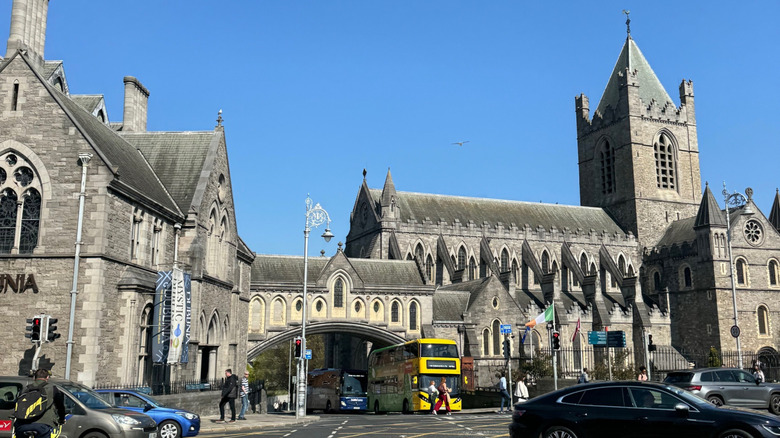
St. Catherine's Church is a strikingly beautiful historic landmark that immediately caught my eye the first time I walked past it. The existing structure dates to 1769, the height of the Georgian architecture craze. Largely influenced by the classical designs of ancient Greek and Roman societies, this style is known for its balanced proportions, elegant columns, and graceful lines. St. Catherine's exterior alone makes it worth stopping for a moment to take photos, but the interior is also quite lovely. Rich wood pews and graceful arches face a pulpit area flanked by a stunning, oversized stained-glass window. This house of worship was shuttered for a time in the 1960s, but reopened as an Anglican church in 1998 and still has an active congregation today.
Though it is much less frequented by tourists than the previously mentioned St. Patrick's Cathedral or even Christ Church Cathedral, St. Catherine's has a great deal of historic importance. A church has existed on this site since 1185, making it an essential destination for those interested in the city's fascinating religious history. In fact, several historic events have occurred here. Following the ultimately unsuccessful Rebellion of 1803, an infamous execution even took place on the church grounds. Because this is an active place of worship with various activities throughout the week, it is wise to consult St. Catherine's official calendar before visiting, particularly if one plans to attend a service.
Rock 'n' Stroll Trail
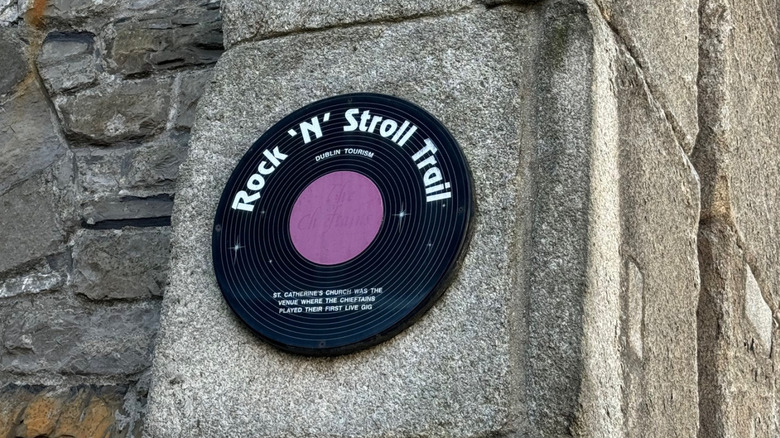
The Rock 'n' Stroll Trail is one of Dublin's most little-known experiences. I personally stumbled upon this self-guided walking route completely by accident when I saw a marker denoting the location of The Chieftains' first performance. This 1960s group went on to work with megastars like Joni Mitchell, The Rolling Stones, and more, introducing a worldwide audience to Irish music. Other highlights of the Rock 'n' Stroll tour include markers on the bar where the legendary band, The Dubliners, was formed, and on the site where the Boomtown Rats' Bob Geldof penned his breakout song, 'Rat Trap.' Tourists will find themselves wandering through neighborhoods connected to some of Ireland's most influential rock and pop artists. These are places that lie off the beaten path, and probably wouldn't otherwise be on travelers' radars.
For music fans, the Rock 'n' Stroll Trail offers an insider's look at how Dublin-based artists shaped Ireland's influence on the music industry. Since it's self-guided, visitors can explore at their preferred pace, stopping at just a few sites or traversing the whole trail. Travelers who want to experience an even more in-depth look at the nation's musical legacy should check out the Irish Rock 'n' Roll Museum Experience, though it definitely draws more tourist crowds. Those who don't want to go inside can still check out the exterior Wall of Fame, which honors artists like U2, Rory Gallagher, and Sinead O'Connor.
Methodology
To compile this guide, I used my own knowledge of Dublin (I've traveled there three times in the past two years alone, and have explored extensively), as well as the official websites for all of the attractions listed here. I also relied heavily on the official Visit Dublin tourism website, and filled in details as needed with recent traveler reviews from Google and Tripadvisor, as well as high-authority travel sites like Atlas Obscura and CN Traveler.