
Just Outside Chicago Is An Up-And-Coming Illinois Suburb With Historic Charm And Artsy Vibes
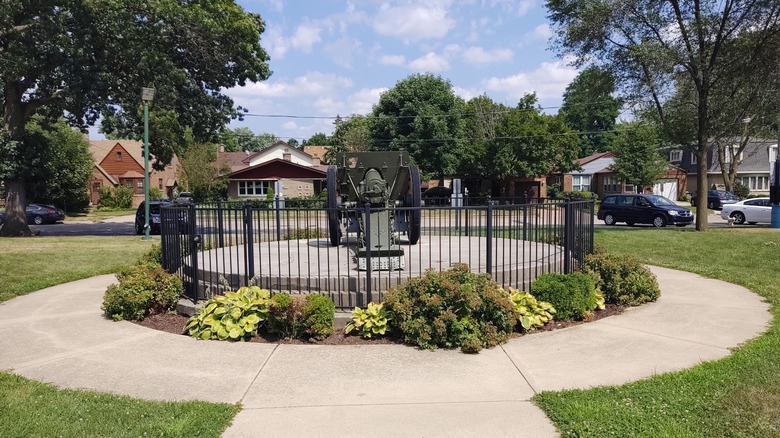
When settlers first explored the prairies south of Chicago, they found a long, forested ridge ringed by haze rising off the nearby marshes, giving it the look of an island surrounded by water. They called the ridge Blue Island, a name that stuck when a town was built on the ridge's southern end. In its early days, Blue Island's status as a major stagecoach stop put it among the most important settlements in the Chicago area.
Today, this town of about 22,000 people is a charming suburb with a tight-knit community known for its rich history and more than 600 preserved historic buildings along its tree-lined streets. This earned it a designation as a Preserve America Community in 2007, one of 11 such communities in Illinois, a list that includes other Chicago suburbs like the walkable village of Oak Park and the historic gem of Lockport.
Blue Island is about 20 miles south of downtown Chicago, and about 12 miles south of Chicago Midway Airport, which is the most convenient way to get there if you live outside of driving distance. It's connected to downtown by the Rock Island Train line but still has a quiet, small-town atmosphere, a combination that makes it popular with families. Yet while it's not the most boisterous of Chicago's suburbs, there is still a lot for visitors to explore here, especially those with an interest in history or the arts.
Explore Blue Island's history
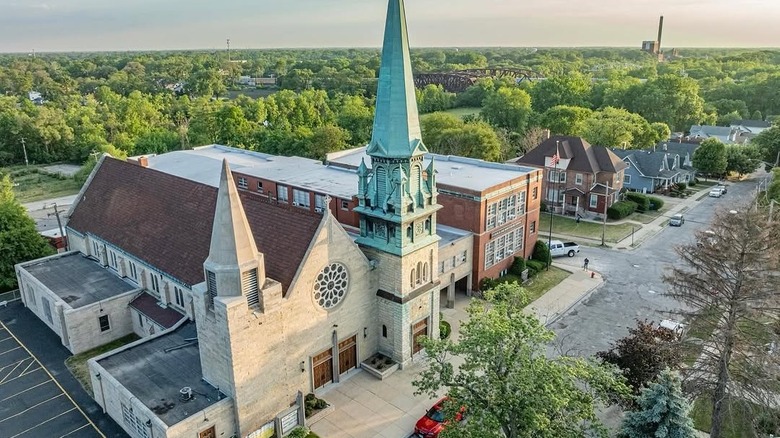
Blue Island is one of Cook County's oldest settlements. It was founded in 1835, around the same time Chicago incorporated as a city, as a stop on the Vincennes Trail. Located along the Calumet Sag Channel and the Rock Island and Chicago rail line, it quickly grew into an industrial hub, known mostly for brick factories. When workers at the nearby Pullman factory went on strike in 1894, Blue Island's brick makers joined them, and federal troops briefly enforced martial law from the Rock Island Depot. That depot is still standing today, and the Pullman complex is preserved as the Pullman National Historic Park, Chicago's first national monument.
You can see other buildings from Blue Island's early years by using the Historic Preservation Commission's Blue Island Landmark Tour. This free self-guided walking tour includes 41 stops dating from the early 19th through early 20th centuries, most of which are concentrated between Highland and Western Avenues, from West 127th Street south to the Calumet-Sag Channel. The oldest landmarks are in the Olde Western Avenue Historic District, the only portion of the old commercial district left intact after a 1896 fire.
This includes the home of first settler Stephen Jones and German pioneer Friedrich Jebens' Hardware store, which opened in 1876 and was the oldest business along Illinois' Dixie Highway until it closed in 2019. Nearby is Hart's Drugstore, which opened in 1858 and is one of Blue Island's oldest commercial structures. While many stops on the tour are private homes, there are also public structures like the First Evangelical Lutheran Church, built in 1863 on the site of an Ottawa burial ground, and the Blue Island Opera House, a brick structure built as a performance space in 1908 that has since been converted into commercial storefronts.
The creative side of Blue Island
South Chicago is brimming with creative energy, from the living urban canvas of Wabash Arts Corridor to the several-mile art zone in the Pilsen neighborhood. You'll find that same vibe in Blue Island, where you can spot several colorful murals as you explore the town. The oldest is the Mexican American Workers Mural at 13337 Olde Western Avenue, which was first painted in 1974 and restored by the community in 2016. A recent campaign by Mayor Fred Bilotto to beautify the city added more public art along the streets. Much of it celebrates the city's history, like the 18-foot-high "If You Build It" mural by local artist Chris Campagna on the Western Avenue flyover bridge, which pays tribute to the Blue Island Market Days from the turn of the 20th century.
One of the best times to celebrate Blue Island's creative scene is Mother's Day weekend, when the Blue Island Arts Alliance has its annual Mai Fest. This one-day arts and crafts festival brings more than 100 artists from across the region to Olde Western Avenue. Along with browsing the booths of paintings, jewelry, ceramics, and other handicrafts, you can listen to live music or try the tasty offerings from artisan food vendors.
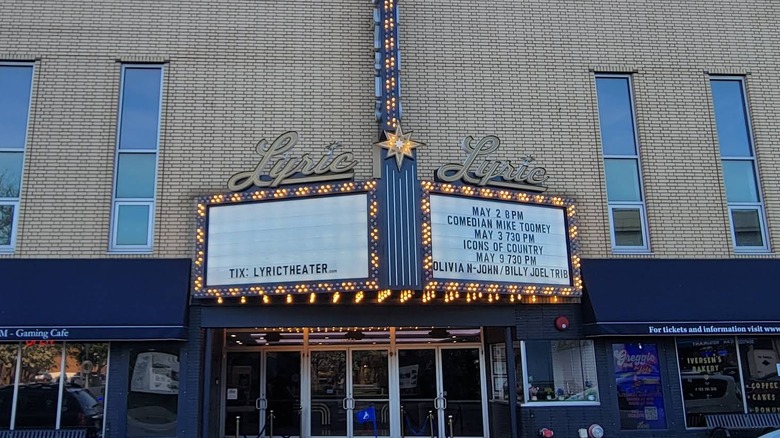
There are also spots to enjoy live performances in Blue Island year-round. The Lyric Theater has been a hub for entertainment since it opened in 1917. Originally a movie theater, today it's primarily a live music venue, though it still shows classic movies every Tuesday night. Many of the bars and restaurants along Western Avenue feature live music as well, like Harry's Long Bar and La Vieja Castilla, a Spanish restaurant that's renowned for its authentic paella and empanadas.