
Unwritten Rules You Should Know Before Visiting The Midwest
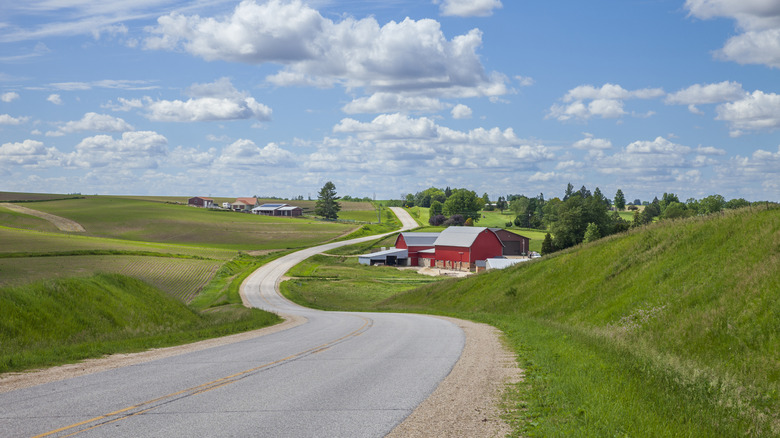
Despite being a huge and varied region in the United States, the Midwest is often stereotyped as little more than "flyover country" — characterized by open fields, small towns, and, well, not much to do. The truth is, that generalization couldn't be more wrong, and you'll find a myriad of Midwest destinations worth visiting more than once. From national lakeshores and expansive wilderness areas to thriving college towns, a trip to the heartland of America is hard to forget.
The U.S. Census Bureau defines the Midwest as 12 states: North and South Dakota, Nebraska, Kansas, Missouri, Iowa, Minnesota, Wisconsin, Illinois, Indiana, Michigan, and Ohio. Like many regions, though, it's fuzzy around the edges and has a lot to do with local industry, agriculture, and physical geography. According to an Emerson College poll, more than half of Wyoming respondents considered themselves to be living in the Midwest, and Colorado wasn't so far behind. Perhaps the Midwest is as much a state of mind as it is a geographic region. And within it, there are certainly sub-regions, such as the Upper Midwest or the Great Plains area. Some places are very urban while others boast some of the sparsest populations in the country — here's looking at you, Dakotas!
Below, explore 14 unwritten rules that illustrate some of the Midwest's most interesting and enduring traits. Protracted farewell rituals, pre-game celebrations, and immense quantities of brandy are just some of the customs that you'll appreciate knowing ahead of time. The author draws on her experience living in and traveling extensively around the region, and we've also consulted blogs, articles, Reddit discussions, and regional tourism sites.
Be prepared for the 'Midwest goodbye'
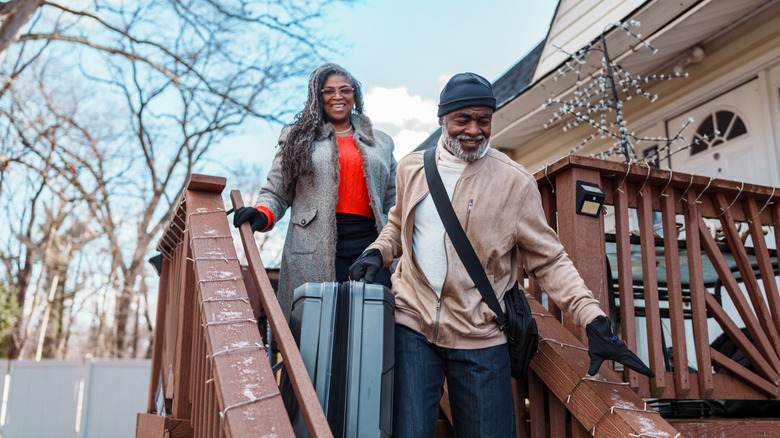
You may have heard of the "Irish goodbye," which describes a habit of leaving a social gathering without really making any sort of formal farewell at all. Well, there's a Midwest version, but it's almost the complete opposite. The "Midwest goodbye" is a protracted, often multi-part tradition that can sometimes go on for several minutes or even longer. It's not something people who grew up in the Midwest think consciously about. There isn't a certain length of time it goes on for or a number of steps you need to follow. But it is something that's adhered to pretty consistently.
It often goes something like this: Someone gestures to head out, and conversation ensues, possibly on a totally new topic. Once that's finished, the folks planning to leave will begin to move toward the door, where likely a little more conversation ensues, and there may be some lingering the door or by the car. Finally, it's time to actually say goodbye! Patience is a virtue here — leaving abruptly, especially from someone's home — will likely be perceived as rude or cold.
Wave while passing other drivers
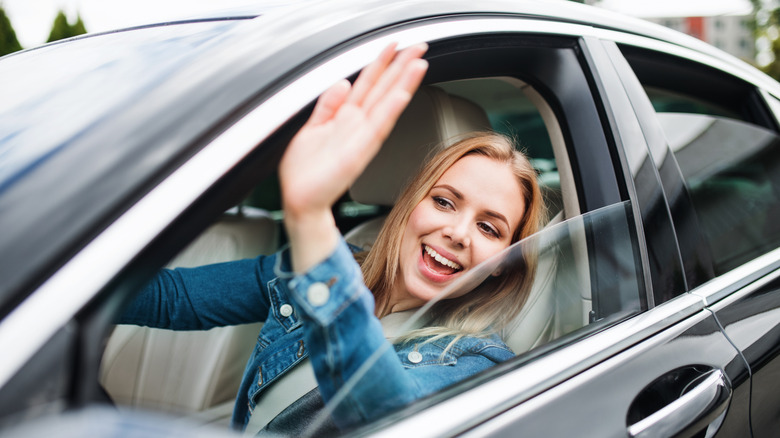
There's a particular gesture used by Midwestern drivers that's sometimes referred to as the "farmer wave." It's often not even a wave, strictly speaking, but more like a finger or two raised from the steering wheel or a quick flash of the hand. In Iowa, the first week in November is even deemed Farmer Wave Week to encourage this kind of camaraderie. But it's certainly not limited to those in the agricultural industry, and it's something you can do while on a road trip along one of the Midwest's wildly scenic drives. If you're on a boat, a similar gesture while passing another is almost always a given. "You cannot pass someone on a boat in Wisconsin without waving," shared one Redditor. "I think it's the law."
If you're driving around on any rural road in the Midwest, you'll likely encounter the wave, and you'll feel awesome returning it. You might even initiate the wave yourself! It's not something that drivers encounter as much in large cities, but no matter where you are, a level of politeness certainly extends to other driving situations. It's always a good idea to acknowledge someone with a wave if they let you into a lane in heavy traffic, for instance, or if you do the same for someone else.
Don't do this type of tailgating
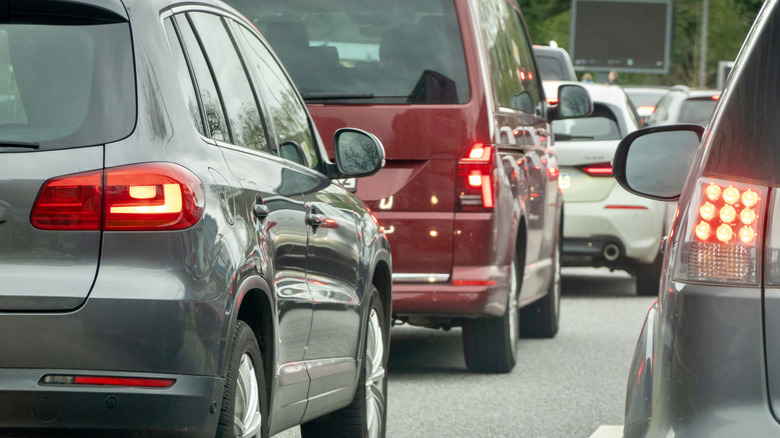
As a teenager, when I was enrolled in driver's education, one particular comment from my instructor really stood out: "Driving is a social activity." Indeed, we use our turn signals for a reason and are constantly vigilant about other drivers and making sure we're giving — and getting — enough space on the road. While it's not specifically a Midwest issue, tailgating, or driving closely behind another vehicle, is something you'll often encounter in the region. Don't be the one who's trailing another vehicle too close.
There are a couple of reasons tailgating is a problem on Midwestern roads, especially on major highways. It typically happens in more high-traffic areas like urban and suburban areas where people are more likely to get frustrated if things are moving slower than they'd like. Then, of course, there are always folks who just like to go fast. At 70 miles per hour or more, being tailgated can be anxiety-inducing and very dangerous. And because people in the Midwest like their big pickup trucks, too, having a giant grill bearing down on you in the rear-view mirror feels even worse. Do your best to maintain space.
Definitely do this other type of tailgating
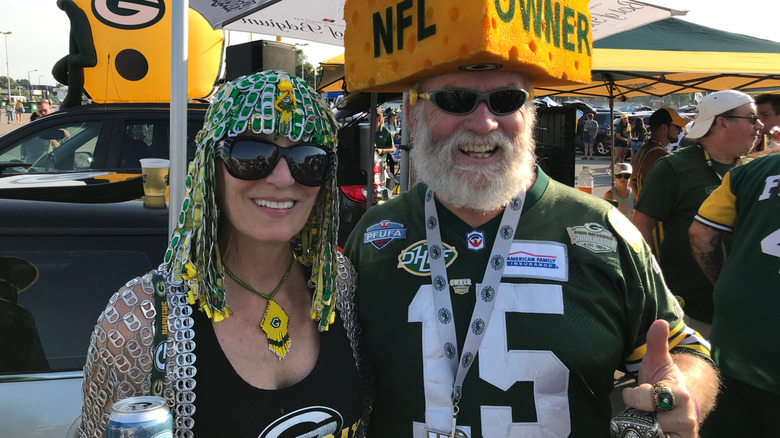
On the other hand, another type of tailgating is absolutely encouraged, and you'll find it on game day. The Midwest is famous for its tailgate party culture. Of course, this phenomenon isn't limited just to this region, but over the decades, it's taken to a whole other level here. It's particularly prevalent in Wisconsin, home to Lambeau Field in Green Bay, which has turned the tradition into a veritable art form. Then there are the pre-game parties at "The Big House" in Ann Arbor, Michigan, which is a huge campus tradition during autumn Saturdays — not to mention other stadiums around the region. Football, in particular, is where it's at (more on that later), but you'll also find opportunities in parking lots outside major league baseball stadiums. The list goes on!
So, how do you make the most of it? Don't be afraid to flash your team's colors (or even an entire costume). Load up the car with some camp chairs, a grill, hot dogs, burgers, brats, and beer — and bring a folding table along to make things easier. You might even want to pack a game or two, like horseshoes or corn hole. If you don't bring your own items or you're not parked in a stadium's main parking lot, just head over an hour or two before the game and wander around. You'll find plenty of opportunities to toss a ball around, say hello to fellow fans, or banter with the opposing side.
Get ready to become a football fan
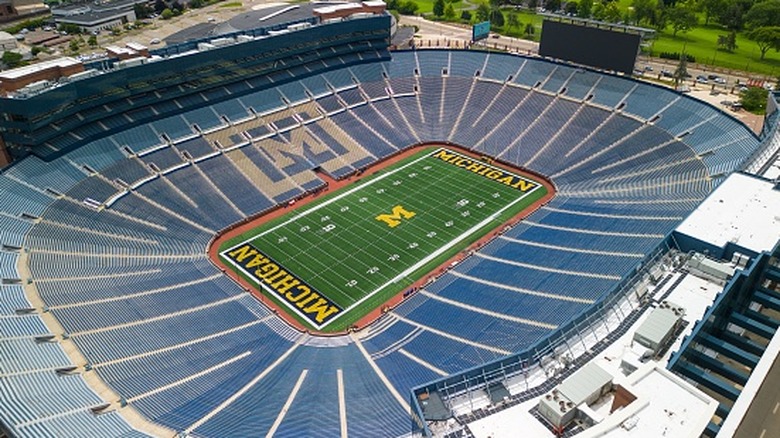
The weekly rota goes something like this: Thursday is a National Football League (NFL) night, Friday is high school football, Saturday is college football, and Sunday is NFL again — pretty much all day. Get the beer in the cooler and head to the garage, or to the nearest sports bar, backyard game day party, or living room with a big screen.
There are so many teams in the Midwest that it's become a huge facet of the culture over the decades. The Big Ten conference, for example, consists of 18 teams, 11 of which are in the Midwest. Of the 32 NFL teams, eight are located in Midwestern states as well. And of course, there are countless high school games that kick off the weekend under the bright lights during the fall. Football is serious business for Midwesterners, not just because they like to kick back with a well-earned brewski for a few hours after a long work week, but because it's something to really get invested in.
Gas station food can be a whole meal
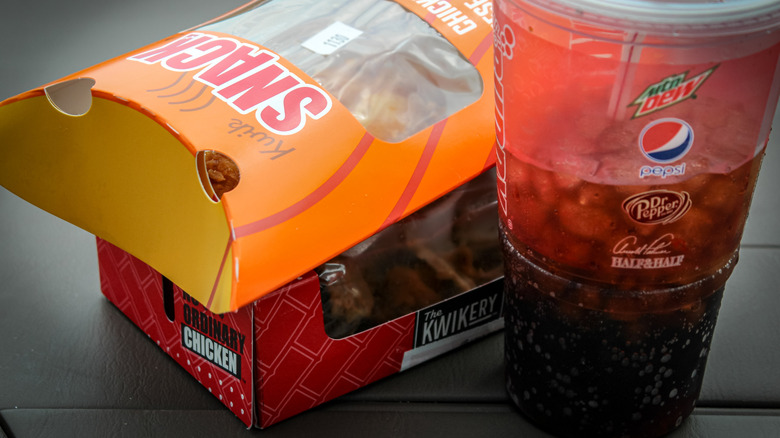
There was a time when gas stations were pretty much just that — a place to pump petrol — but today, they're the new general store. One such chain is Kwik Trip, which is known as Kwik Star in some markets, and it boasts a cult following especially in Minnesota and Wisconsin, where there are hundreds of locations. It's known for its "Glazer" donuts, which the company churns out in their own bakery by the thousands, plus a well-stocked food store that takes basic gas station conveniences to another level. Another regional favorite is Casey's General Store, which follows a similar model and features fan-favorite pizzas.
Even if there are other cafes and fast food restaurants around, places like Kwik Trip and Casey's are genuine competition. Their food offerings go way beyond hot dogs rolling endlessly on a warmer. You'll find fresh fruit, chicken strips, mozzarella sticks, egg sandwiches, cheeseburgers, and much more. You'll also find great deals on essentials like eggs and milk. It's definitely not taboo to make an entire meal out of a stop at the gas station.
In Wisconsin, an old fashioned is not what you think it is
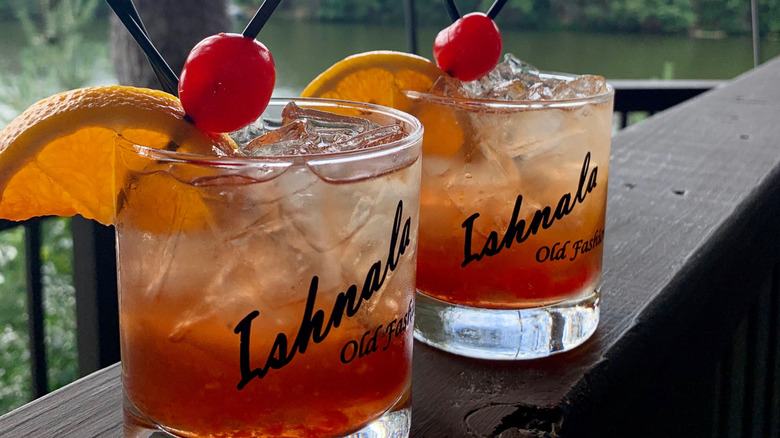
One time, I was seated at a cocktail bar in Boise, Idaho, when the server asked for our IDs at the table. I'm from Wisconsin, and when he saw mine, he locked eyes with me and said, "We don't make that kind of old fashioned!" We both erupted with laughter because I knew exactly what he meant, but my friends — native Idahoans — had no idea. And no, he really wasn't going to make one.
If you order an old fashioned at a bar pretty much anywhere in the U.S., you'll get bourbon, bitters, and a sugar cube. In Wisconsin, the drink typically starts with a slice of orange and a maraschino cherry muddled with a sugar cube. Dash in a few drops of Angostura bitters, add some brandy — or whiskey — and fill to the top of the glass with a citrus soda like Squirt (historically, it was a Milwaukee brand of soda called 50/50) or Starry.
You'll find these saccharine cocktails everywhere, especially in supper clubs and local taverns, and you should know how to order. Order a brandy or whiskey old fashioned "sour" or "sweet" depending on the type of soda you'd like. If you order a large, you'll get a pint glass-size drink. You'll also likely be asked what garnishes you want — maraschino cherries are pretty standard, but people sometimes add mushrooms, onions, and other tidbits. The garnish traditions of the "bloody mary capital of the world" have rubbed off for some.
Not everyone sounds the same
Naturally, in a region as large as the Midwest, there's quite a lot of diversity, even when it comes to accents. Of course, it's not essential to know these to get around, but it's always nice to have a bit of an intro. Sometimes vowels are elongated, like how the characters talk in "Fargo," which is set in North Dakota. People from northern Minnesota, Wisconsin, and Michigan's Upper Peninsula — known fondly as "Yoopers" — sometimes say, "ya der hey!" It doesn't really mean anything, it's just a cute play on the local accent. Just keep in mind that even though some phrases or pronunciation might sound different, it's generally not the best idea to poke fun at people for how they sound.
The Upper Midwest accent — generally Minnesota, Wisconsin, and Michigan, but it depends who you ask — is often associated with the Northwoods and is known as the North Central, according to Chicago Magazine. Most other states, with perhaps the exception of Michigan's Lower Peninsula and northern Illinois, speak with an accent known as Midland, which, in the eastern region, borders on Appalachian. And sandwiched between these is the Inland North accent, which stretches roughly along the Rust Belt, including Chicago, all the way from New York.
Apply 'ope!' to virtually any situation
If you're spending any amount of time in the Midwest, you're bound to hear it: "Ope, you dropped this!" Or, "ope, I'm just gonna scoot past ya real quick!" The word, "ope," is a regionalism that functions as an all-purpose interjection. It's lighthearted and can express surprise, be a way of saying "excuse me," or stand in for, "oops." One theory about its use is that the word evolved from the linguistic influences of Norwegian settlers in the Minnesota and Wisconsin area, eventually spreading throughout the region. "Ope" is used really informally, and it works as a way of getting one's attention really informally without having to utter more than a single syllable.
Do strike up small talk with strangers and lend a hand
If you're standing in line at the checkout, for example, or passing someone on a walk, there's a good chance they'll start chatting with you. "Line's moving pretty slow, eh?" or, "glad that rain cleared up!" People in the Midwest love to pass the time with some chat. Small talk is often associated with Americans in general, making it an unexpected trait Canadians (and others) notice about American tourists. Midwesterners, though, have the custom down pat.
There's a sense of neighborliness and politeness that's often described as "Midwest nice" — more on that below — and it helps people to feel connected to one another, especially in smaller communities. The chat is casual, and you certainly don't need to feel like you have to keep in touch afterward. Sometimes, the topics are very practical, such as about the price of gas or who the local grocery store's brat fry fundraiser is supporting this week. This also extends to lending a helping hand. One Redditor said, "If you get a flat tire, someone is likely to stop and help you. That willingness to chat with strangers makes us feel more comfortable stepping in and helping each other out."
'Midwest nice' still means that getting to know someone takes time
There's a bit of a stereotype about the Midwest that people are so accommodating and kind that there's a special brand of congeniality known as "Midwest nice," which is certainly related to the penchant for small talk. And it's true that many Midwesterners are polite, friendly, and neighborly. But they're also pretty reserved and sometimes can be quite guarded.
This is thought to stem from the area's settlers of northern European origin, namely Germans and Scandinavians — people who "tend to be socially guarded and slow to warm to others but develop deep, lasting friendships once they open up," says Kimberly Haala, Ph.D., in an article for Mayo Clinic. They're also "known for presenting an appearance of niceness and community mindedness," she adds, and this couldn't feel more true of the Midwest. Conversation can be polite but nuanced, and even McSweeney's picked up on it with a wonderful bit of satire from Taylor Kay Phillips, which may help you decode some of the "niceties."
Don't diss the prairie
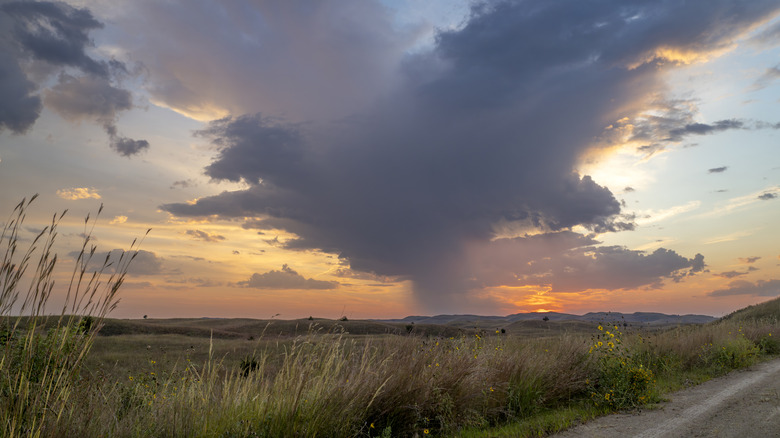
There's a misconception about the western Midwest (ie. the Dakotas, western Minnesota, Iowa, even southern Illinois) that it's flat and there's "nothing there" or it's only "flyover country." But these agricultural regions are brimming with unique ecosystems, friendly small towns, Indigenous culture, and unique histories. And even the prairie, which has a reputation for being flat and featureless, is far from it. Don't believe everything you see on Interstate 80 through Nebraska; there's so much more to this landlocked Midwestern state.
The stunning Sandhills are one place to start. It's one of the best birdwatching destinations in America. And you'll find stunning stays and hikes at tucked-away natural gems like Theodore Roosevelt National Park in North Dakota, situated amid sprawling grasslands, or iconic roadside stops like Wall, South Dakota, which is only a 10-minute drive from the north entrance of Badlands National Park.
Don't be put off by an event in a church basement
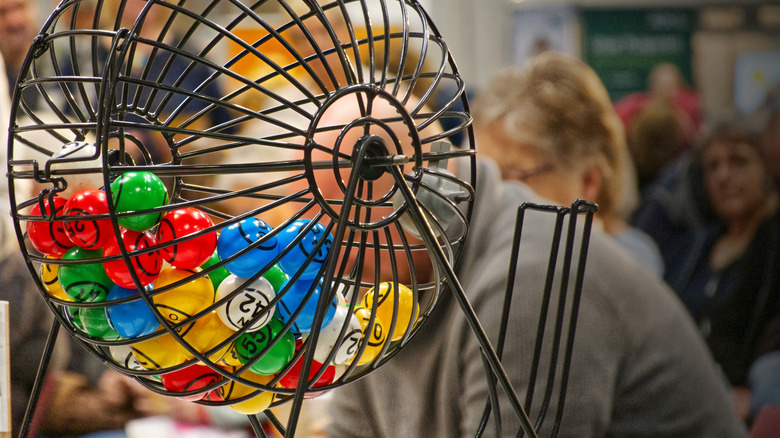
Potlucks are a staple of Midwestern culture. They can be organized for any reason, from Sunday football gatherings to graduation parties and wedding receptions. And while the venue may vary — park pavilions, home garages, and backyards are all contenders — the church basement is a time-honored location. But potlucks certainly aren't the only thing you'll find there. Community fish fries, bingo nights, parties, and community meetings are among the events you'll find in various churches around the region. If you're invited to one — go! You'll experience a true slice of Midwestern life. Just note that if someone says they're bringing puppy chow to the potluck, don't worry. It's a sweet snack of Chex Mix or Crispix combined with peanut butter, chocolate, and powdered sugar — not actual dog food!
Supper clubs are about more than just Friday fish fry
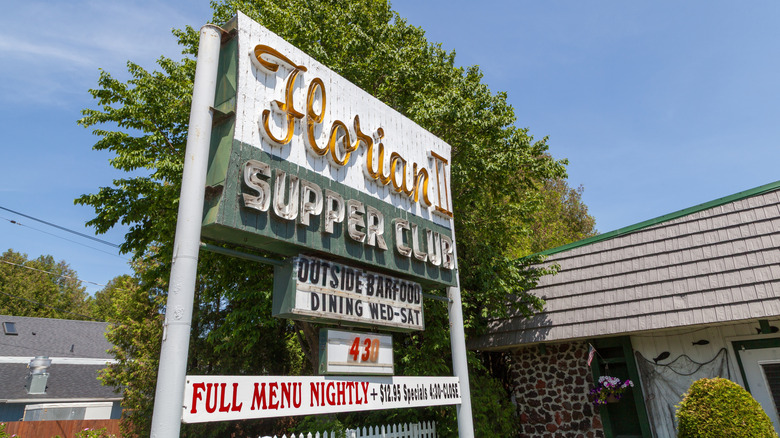
Supper clubs are often associated with Wisconsin, but they're also a truly Midwestern phenomenon, and they can be found around the region. They're often the go-to spots for fish fries on Fridays, especially during the Catholic season of Lent. But the best supper clubs are a whole lot more — they're an entire experience. Supper clubs can be located in town or out on a seemingly remote country corner, and they're an all-evening affair.
Plan to arrive early — 4 or 5 p.m. is not too early — and sidle up to the bar for an old fashioned (now that you know what that is). You may be presented with the menu while you wait, and the wait may be long. The point is to sit at the bar for quite a while, chattering away with your friends and neighbors while you await your table. You may even order your food before heading to the dining room. Once there, you'll typically find a fully stocked salad bar, and then it's time to dig into the prime rib, broasted chicken, or surf 'n' turf. When you're finished, in the spirit of the Midwest Goodbye, head back to the bar for a bit more socializing and a Brandy Alexander before calling it a night.