
12 National Parks Destinations That Are Wildly Popular With Boomers
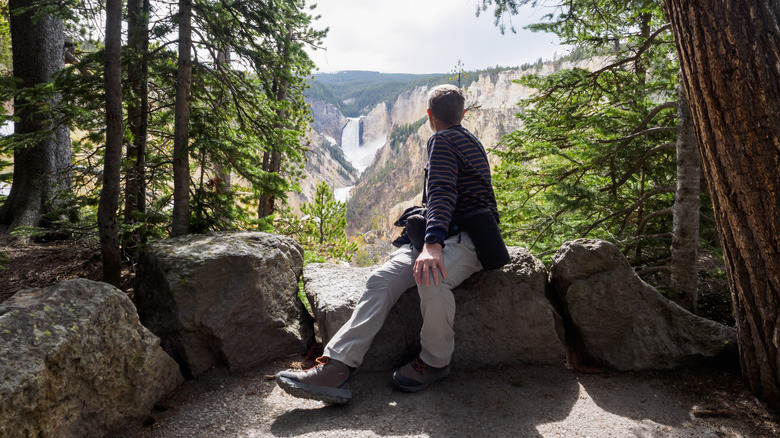
With a whopping 63 national parks around the country, there's a destination for every interest, from expansive forests to dramatic canyons and active volcanic landscapes. For visitors of the baby boomer generation (those born between 1946 and 1964), there are some wildly popular parks where it's easy to unwind, soak up beautiful views from accessible paths, and take advantage of nearby local amenities.
This roundup of 12 parks around the country combines some of the most iconic places in the U.S. with parks that have a particularly good handle on accessibility, especially in their most popular areas. Zion and the Grand Canyon, for example, have options for flat, paved paths and easy, scenic drives that still give visitors a really good impression of the park without having to take on a challenging hiking trail — although there are plenty of those, too. The America the Beautiful Senior Lifetime Pass, which is for visitors aged 62 or older and costs $80, is an incredible value if you plan to experience lots of parks or return again and again.
To compile this list, we began with the author's experience visiting most of these national parks, plus resources published by AARP, blogs written by senior national park tourists, NPS.gov, and regional tourism websites. Where relevant, we've also referred to Reddit discussions and reviews focused on attractions and services that are highly rated for older visitors. Thanks to gorgeous vistas, unique heritage, and memorable stays, these national park destinations are a hit with the boomer generation.
Yellowstone National Park (Wyoming, Montana, and Idaho)
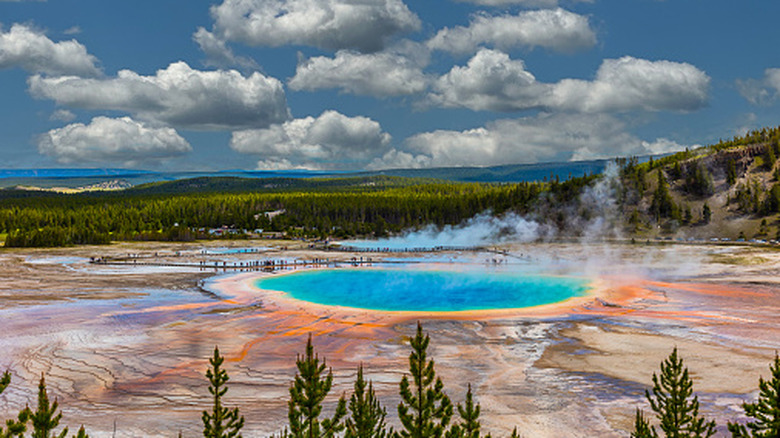
Starting with one of the most famous national parks in the whole country — and the first national park in the world — we land at Yellowstone. The most straightforward way to arrive is by car, and if you have your RV along, there are numerous campgrounds that make the most of spectacular views. Fishing Bridge RV Park is the only one that offers full hookups, but RVs are still permitted at all of the other campgrounds. Alternatively, you'll find historic lodges for a hotel-style stay, with the option for all-inclusive packages that include in-park transportation, tours, meals, and stays in Old Faithful Inn, Lake Yellowstone Hotel, and Mammoth Hot Springs Hotel.
If you prefer something simpler, Yellowstone is a fantastic option for a guided, full-day tour from an outfit like Yellowstone Vacations, which offers bus tours from West Yellowstone between mid-April and the end of October, or a 55+ minibus tour offered by West Yellowstone Tours. The park is also ideal for traversing on foot, with more than 15 miles of boardwalks, plus paved paths, especially around some of the most iconic features like Old Faithful. As you take a wander through the visitor centers, films are captioned, and you can also find large print versions of the park map.
Grand Canyon National Park (Arizona)
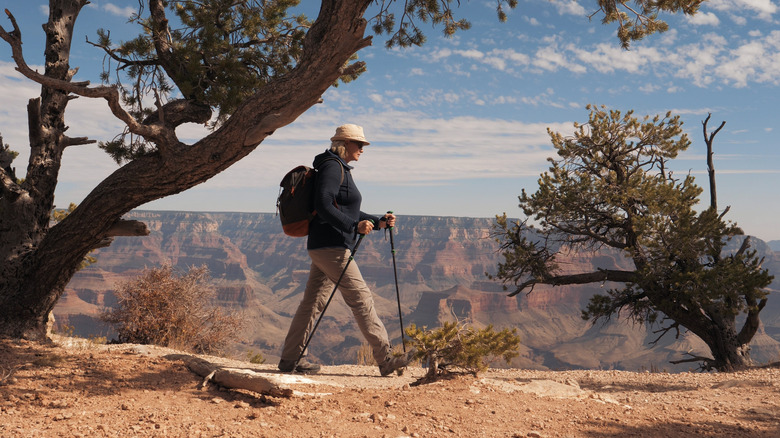
Grand Canyon National Park is popular with baby boomers because not only is it easy to reach on a tour from Las Vegas, but it's also part of several longer Road Scholar itineraries. The company focuses on trips around the world, primarily for travelers over 50 years old. Of course, you can also drive in, and the campgrounds are great too. Trailer Village RV Park has full hookups, but you can also dry camp at the spacious Mather or Desert View Campgrounds. For a timeless, upscale park experience, book a room at the historic El Tovar Hotel, Yavapai Lodge, or Maswik Lodge, among others, which are inside the park and offer ADA accessible rooms, if needed.
The South Rim is accessible on foot, by car, and via a free shuttle service. The Purple Route connects to Tusayan, Arizona's gateway to the Grand Canyon — although lines can get long during busy periods. Or, stay in Williams and take the Grand Canyon Railway into the heart of the park. Some of the most iconic views can be had along a mostly paved path called the Rim Trail, which skirts the edge of the South Rim for more than 13 miles. The shuttles provide service along it, with intervals of 1.8 miles at the most, so it's easy to take on in sections. The route includes numerous vista points, plus direct access to Grand Canyon Village for food, restrooms, and the stunning gift shop inside the Puebloan-inspired Hopi House, featuring Indigenous arts and crafts.
Zion National Park (Utah)
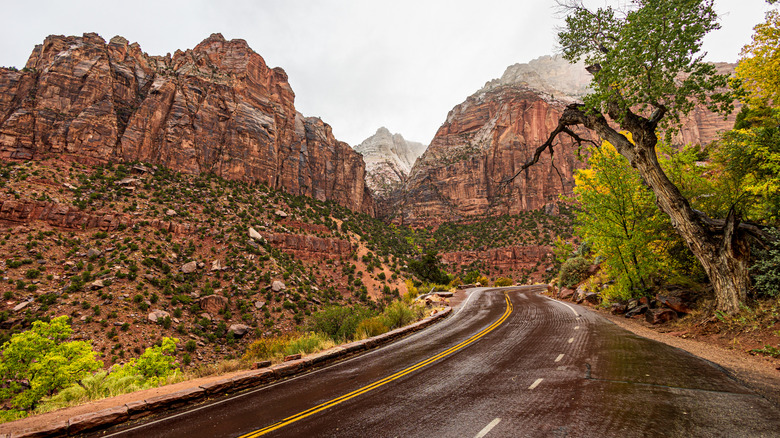
Zion National Park is about a 2.5-hour drive from Las Vegas, making it very easy for a day trip or a guided tour from the city. There are plenty of ways to see the beauty of the park without embarking on physically demanding hikes, such as walking on flat, paved paths or taking in the view from the car at pull-outs along the road. You'll likely pass through Springdale, a scenic, artsy town right next to Zion that offers plenty of charming inns and cottage stays, plus cafes, gift shops, and more. The park's main visitor center is located just inside the main entrance, with exhibits, accessible walkways, a bookstore, a shuttle stop, and picnic areas. Zion Lodge, nestled in the heart of the park, offers hotel-style accommodations and cabins, so it's easy to be in the middle of one of America's most beautiful landscapes and still enjoy creature comforts.
Zion is famously crowded in the summers, with high visitation concentrated between May and October. It may be more comfortable to visit during the spring or fall, and even in mid-winter, temperatures average in the low-to-mid-50s. For cyclists and walkers alike, the flat, paved Pa'rus Trail that connects the visitor center to Canyon Junction is a 1.6-mile route ideal for an easy walk through the canyon with amazing views. There are benches and some shady spots along the way, and dogs are also allowed as long as they're leashed. Riverside Walk is also an accessible, paved trail with plenty of room for mobility aids, if needed.
Acadia National Park (Maine)
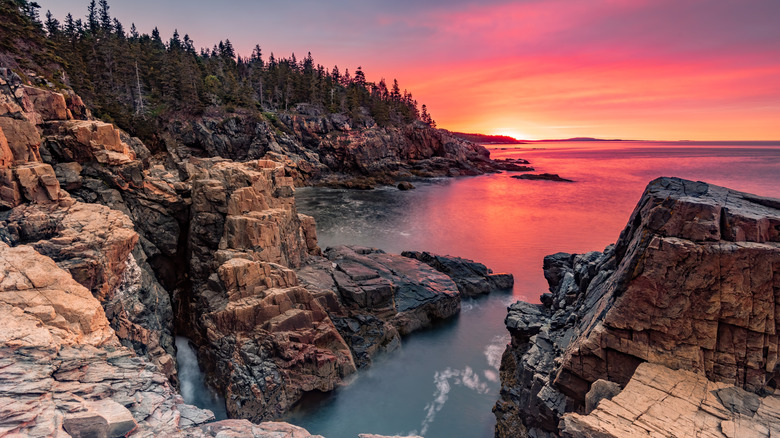
A spectacular destination in the Northeast, Acadia National Park is visited by around four million people every year and is chock full of trails and ways to explore. The park boasts 45 miles of historic carriage roads, in addition to dozens of miles of hiking trails, including plenty of easy-to-moderate ones. "Ship Harbor and Wonderland are short, nice trails," shares a Redditor when suggesting a hike for older adults. "Walking out to Compass Harbor is also a breeze with some good views of the bay... At low tide, walk across the bar to Bar Island." The carriage roads are great — Class 1 (pedal-assist) E-bikes are also permitted on these routes if you like a little boost.
The Island Explorer shuttle is a great way to get around Acadia. All buses are wheelchair-accessible and free with a park entrance pass and connect to nearby towns. In Bar Harbor, visit the Abbe Museum that highlights the arts and culture of Maine's Indigenous Wabanaki people in a historic building. Take a summer boat tour to Little Cranberry Island to visit the Islesford Historical Museum, or explore the myriad paths and boardwalks of the Wild Gardens of Acadia, which features more than 400 native plants. And if you're looking for a relaxing water activity, a handful of ponds and lakes are open for paddling.
Kenai Fjords National Park (Alaska)
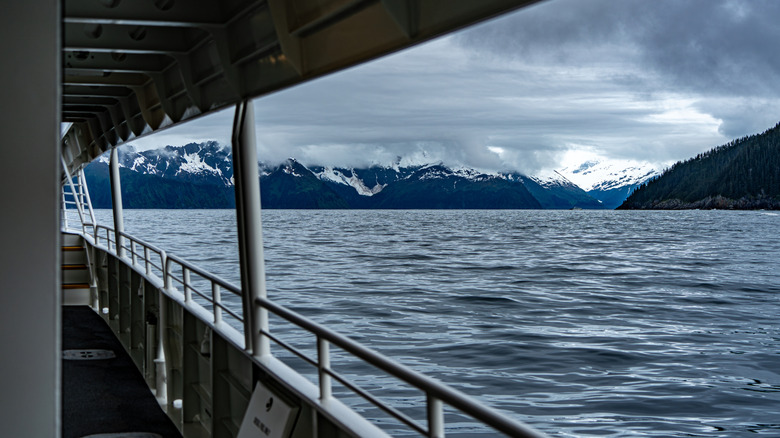
Because much of Kenai Fjords National Park is accessible only by boat, it's a relaxing and scenic way to take in the landscape without lots of physical effort. It's best to visit in the summertime, and most of the effort is in making the trip to this remote Alaskan peninsula, located just west of Seward, which is a 126-mile drive south of Anchorage. This small harbor town is where you'll find the park's main visitor center, which features exhibits and information about getting around. If you're driving, the Exit Glacier area is accessible by road. Take a ranger-led walk or head out on the Glacier View Loop Trail, which is ADA-accessible and provides access to a viewpoint over the ice formation.
Boat cruises are a great way to enjoy the views, and it's the reason Cruise America places Kenai Fjords among the best parks for seniors. The park itself does not operate boat tours, but local companies charter regular guided journeys from Seward. They're ideal for wildlife sightings, with trip lengths ranging from 3.5 to nine hours and lunch and dinner options included depending on the itinerary. As for places to stay, Seward is your best bet as it's home to a handful of comfy, charming inns like the waterfront Harbor 360 Hotel or Resurrection Lodge on the Bay, plus the Seward Adventure Lodge, which is right downtown and reimagines a historic ranger station as a boutique hotel experience.
Everglades National Park (Florida)
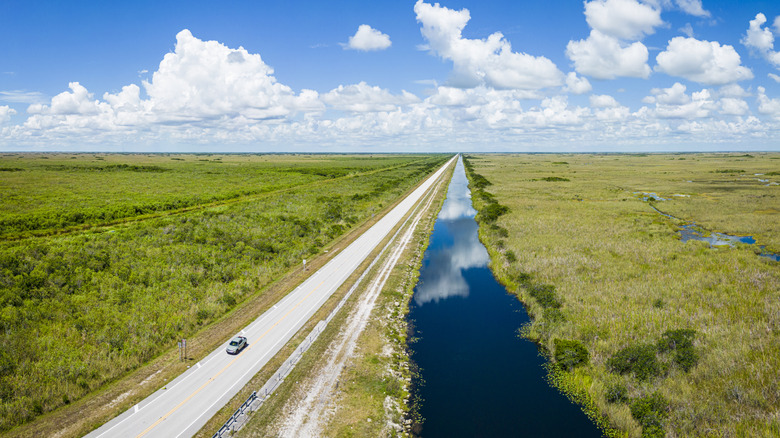
By virtue of its impressive flatness — which is certainly a strength — Everglades National Park is one of the most accessible parks in the nation. It comprises a massive swath of 1.5 million acres at the southern end of mainland Florida with four visitor centers and myriad activities through which to enjoy wetlands, forest, and coastline. Ranger-led programs depart from the visitor centers for easy walks and other experiences, such as a tram tour at Shark Valley or a weekday morning "Birding Bonanza" stroll in the Flamingo area. You can even enjoy iconic airboat rides to more traditional boating tours, or guided jaunts led by the knowledgeable folks of the Everglades National Park Institute.
Florida made our list of the three best states to retire in 2026, thanks to its affordability, highly rated quality of life, and warm climate. Everglades National Park is also a spectacular spot to head in the winter when parks in more northern climes or higher elevations are difficult to reach. If you're itching to wet a line, both freshwater and saltwater fishing are permitted throughout the park, and boating and paddling are also popular pastimes. If you'd rather hoof it, there are numerous short, easy trails throughout.
Yosemite National Park (California)
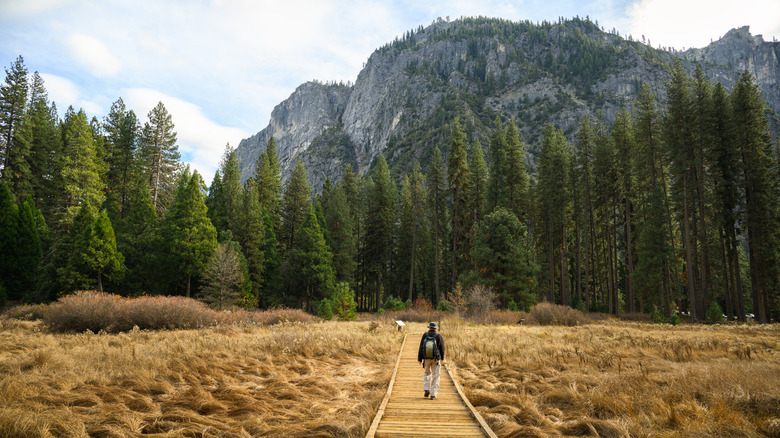
California holds the distinction of being the state with the most national parks, and its crown jewel in the High Sierra is Yosemite National Park. Despite its rarefied location, it's pretty easy to get to by car or with your RV in tow, as it's less than four hours from San Francisco and about three hours from Sacramento. Road Scholar has a 6-day "Best of Yosemite National Park" itinerary that may appeal for an all-inclusive experience, and shorter tours offered by other local outfits are also a great option if you prefer to make your base camp outside the park. Of course, you can easily explore on your own.
"When I went with my grandma, we had a great time walking around the valley. One of the major pluses to the valley is that there are several parking lots all located very close to the waterfalls and stuff you want to see," shares a Redditor, who also highly recommends the shuttles. This free, mobility-friendly system stops at all the major points of interest, including lodges and food spots. Easy, rewarding trails in Yosemite Valley include the 1-mile Cooks Meadow Loop and the 1-mile Lower Yosemite Fall Trail (also a loop). There are many options for comfortable and easy-to-access places to stay, including upscale lodges like The Ahwahnee and Yosemite Valley Lodge.
Badlands National Park (South Dakota)
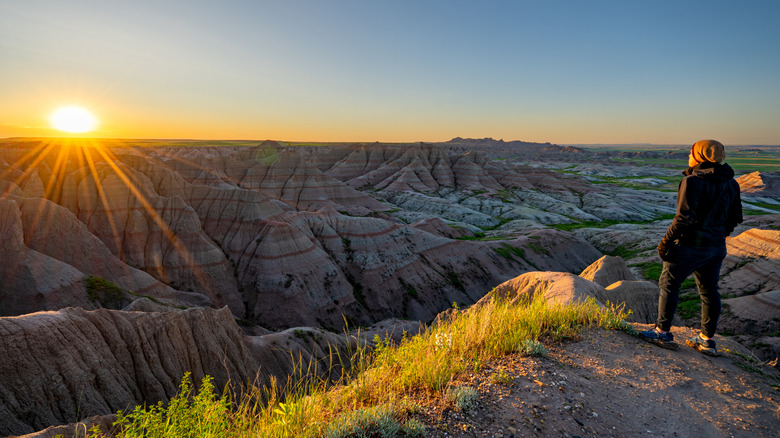
Badland National Park is one of America's best road trip destinations for wildlife-spotting, camping, and otherworldly views. Although a few sites have electrical hookups, camping isn't the only way to stay, as the park's comfy Cedar Pass Lodge features fully furnished cabins, including ADA options. There's also a KOA just south of the park's North Unit boundary, nestled amid trees along the White River if you prefer a bit more shade.
The Badlands Loop Road, a.k.a. Highway 240, is the park's main scenic drive, dotted with viewpoints like Panorama Point and Pinnacles Overlook. So much of the park can be seen from pull-offs along the road that the experience is very rewarding without needing to exert oneself too much. "I recommend that you give yourself at least half a day to explore this area," shares the website Seniors Self-Reliance. "There are plenty of spots to take pictures, hike, and just relax while soaking up the views."
There are also options for easy walks through prairie and badlands formations, such as the .75-mile Door Trail, the first part of which is a boardwalk. Learn more about the popular park at the Ben Reifel Visitor Center, which includes a bookstore, and interact with researchers working in the Fossil Preparation Lab.
Glacier National Park (Montana)
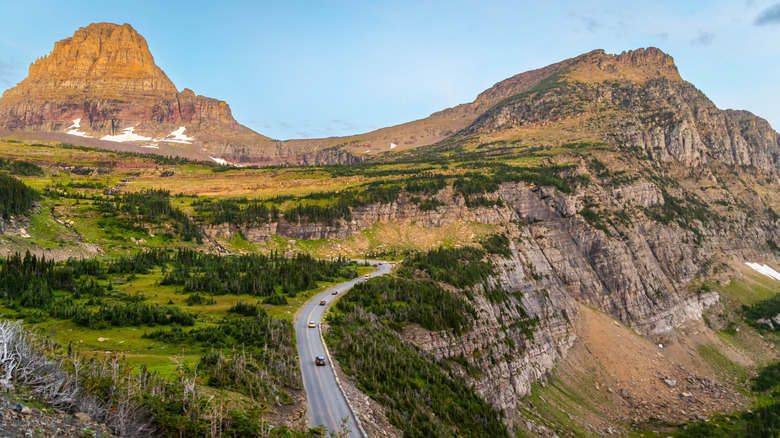
Like many parks on this list, a lot of Glacier National Park is only accessible with a big hike into the wilderness, but so much of it can also be enjoyed from the comfort of a car or short walks from the road. Enter from either the east or west and learn about the park as you go with a downloadable audio tour for Going-to-the-Sun Road. Alternatively, reserve a guided tour in one of the restored 1930s red buses. Experience even more history at the Many Glacier Hotel, completed in 1915, and the Lake McDonald Lodge, built two years earlier. Even if you don't stay, take a look around on a ranger-led hotel tour or grab lunch.
Yet another option is the wheelchair-accessible Logan Pass Shuttle, which requires a ticket — $1 per passenger, as of this writing — and conveys visitors to the park's highest elevation area. There are exhibits both inside and outside of the visitor center, plus a shop and occasional ranger-led programs. The Native America Speaks program is also an opportunity to learn from the Blackfeet Nation and the Confederated Salish and Kootenai Tribe members about local Indigenous culture and history.
"Glacier is still wonderful for those who do not hike at all," shares a visitor in a Tripadvisor discussion. "You can think of it as a leisurely scenic auto tour, with stops for photos, meals, some gift shop shopping and short walks."
Rocky Mountain National Park (Colorado)
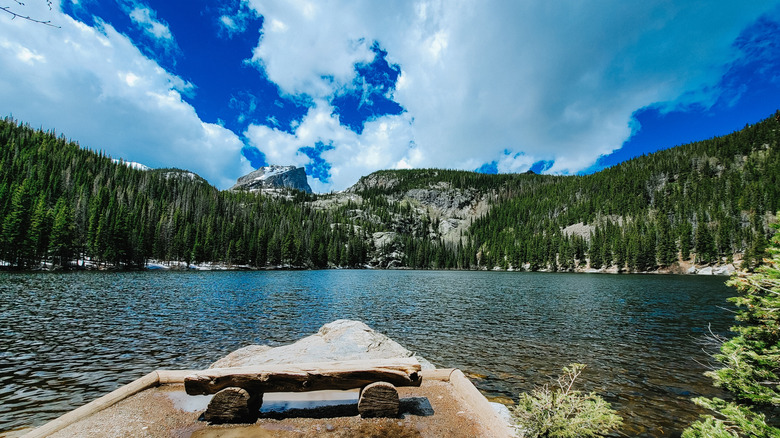
Rocky Mountain National Park is as grand as the name suggests, tucked amid northern Colorado's lofty peaks and encompassing 415 square miles. It takes only about two hours to reach the east side of the park from downtown Denver, but if you're coming in from the west, you can experience a slightly quieter side of things in the Kawuneeche Valley. There are four visitor centers to experience, and the only one that's not open year-round is the Alpine Visitor Center. "With towering mountains and crystal-clear alpine lakes, those who enjoy photography will love this park," shares Amy Tull of TravelingTulls.com, which focuses on travel in retirement and counts Rocky Mountain National Park among the best for seniors.
Ranger-led programs are an excellent way to learn more about the park, and special events crop up all the time, such as how-tos for fly fishing, astronomy talks, and more. Schedules for these outings are posted at the visitor centers. On the west side of the park, step into history at the Holzwarth Historic Site, which includes a 19th-century homestead cabin and an easy walk to the family's century-old former "dude ranch." You can also easily shuttle around the park on ADA accessible buses.
Unlike a lot of parks, Rocky Mountain National Park doesn't have lodging within its boundaries. If you prefer something comfy, your best bet is to book an inn in Estes Park. If you plan to bring your RV, make your reservations early and grab a site at Moraine Park Campground, which features electrical hookups.
Shenandoah National Park (Virginia)
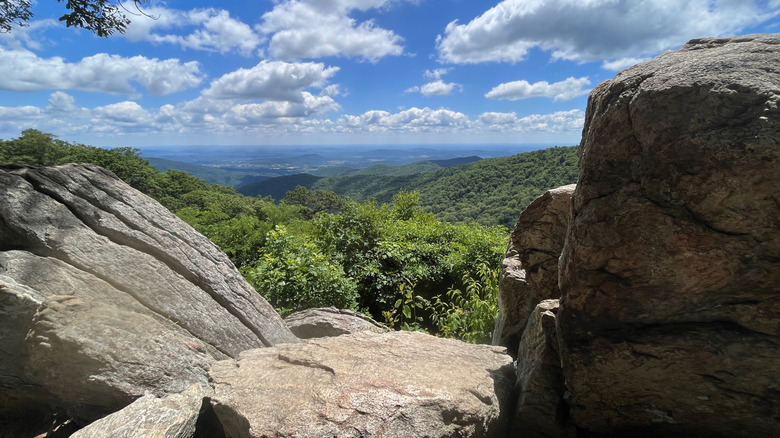
Encompassing more than 200,000 acres of pristine lands along the crest of the Blue Ridge Mountains, Shenandoah National Park is easily one of the most stunning places in the eastern U.S. It's also one of the most accessible national parks and famous for its 105-mile Skyline Drive, which is the main — and only — public artery through the park. Skyline Drive is ideal for leaf-peeping in the fall, and more than 500 miles of trails are accessible from trailheads denoted by mile markers all along the route. Some of these are naturally more strenuous, but there are well over a dozen that are two miles or less and relatively easy. For example, the Fox Hollow Trail, which begins at mile 4.6, passes historic stone walls and a cemetery.
Shenandoah is one of the most dog-friendly national parks in the whole system. Pets are welcome in Big Meadows Lodge, Skyland Resort, and Lewis Mountain Cabins, which also have accessible room options. Get oriented at two visitor centers, attend a ranger-led program, tour President Herbert and first lady Lou Henry Hoover's former summer retreat, and explore the historic Massanutten Lodge.
Great Smoky Mountains National Park (Tennessee and North Carolina)
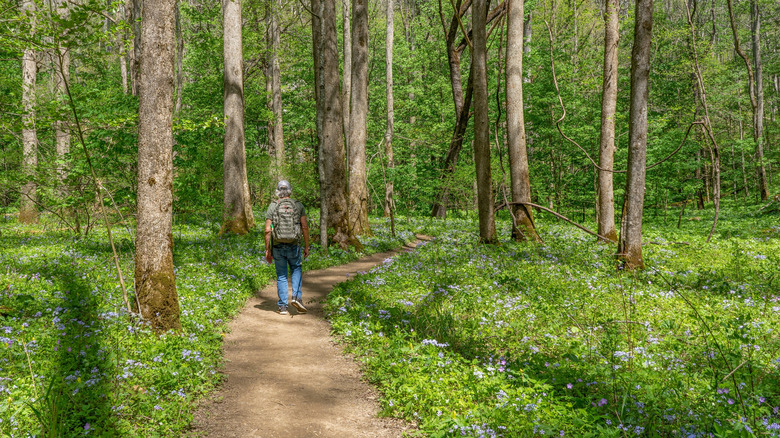
Great Smoky Mountains National Park is the most-visited in the system for good reason. Boomers — and other generations — appreciate its beautiful views from easily accessible scenic drives, lodge stays, and camping. Plus, its location next to the energetic tourist towns of Pigeon Forge and Gatlinburg, Tennessee, makes it a popular access point for entertainment, hotels, and good eats in addition to nature. There are three main entrances to the park: one in Gatlinburg, and the others at Townsend, Tennessee, and Cherokee, North Carolina.
There are nearly 400 miles of roads throughout the park, so driving through this scenic area covering more than 800 square miles is certainly a treat. Near Gatlinburg, the 5.5-mile Roaring Fork Motor Nature Trail is an ideal way to see a beautiful route without a hike, which is especially helpful for those with mobility challenges. A guided tour from an outfit like Smoky Mountain Guides is also a great way to hit all of the major spots with someone else at the helm. See brilliantly changing leaves in the fall, fish for trout in the park's extensive network of streams, or bike along the 11-mile Cades Cove Loop Road, where class 1 and 2 E-bikes are permitted.