
10 Underrated Greek Destinations Perfect For Solo Tourists, According To Travelers
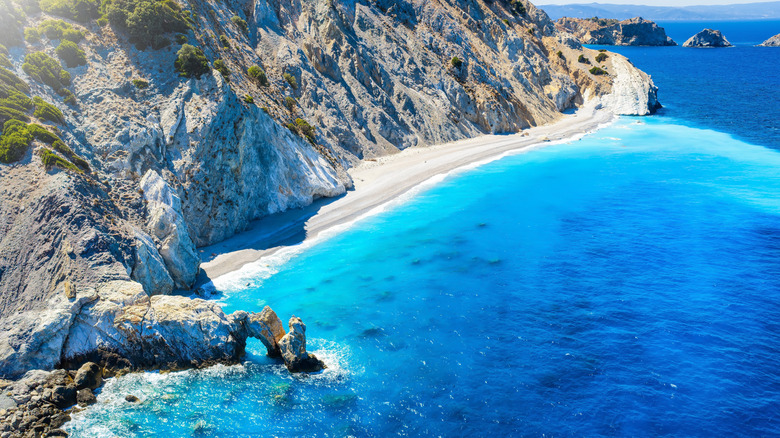
For solo travelers, Greece consistently punches above its weight. Locals here are known to be genuinely warm without being intrusive, ferry networks connect even the most remote islands, and the absence of the hard sell in many of its islands still means independent travelers can move entirely on their own terms. In 2026, Greece ranked third in Europe for solo travel — a distinction that reflects what independent travelers have known for years: this is a country built, sometimes accidentally and sometimes with intention, for people moving at their own pace.
With a low crime rate and infrastructure that quietly gets the job done, the safety credentials are real. The US State Department rates Greece Level 1 — its lowest advisory — while Safeture and Riskline Global Risk Map placed Greece among the lowest-risk destinations in the world for 2025. On the islands specifically, the consensus among travel experts is unambiguous — visit, relax, and worry about very little else.
However, not all Greek islands are created equal for the solo traveler. While Santorini and Mykonos dominate wish lists, many independent travelers find Greece's lesser-known islands more rewarding — slower, more authentic, and unburdened by must-dos and tour-group itineraries. The islands here were chosen for their underratedness, as recognized across travel forums and blogs, and for what they genuinely offer someone exploring alone — walkable towns, reliable transport, friendly locals, safe streets after dark, and sometimes that special freedom of having nowhere specific to be.
Naxos
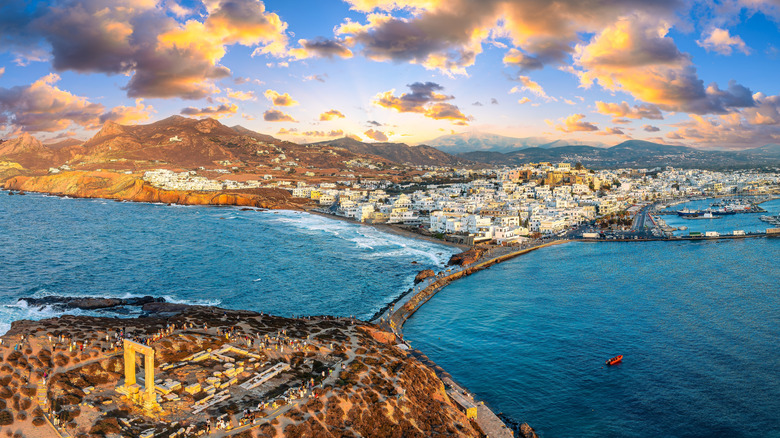
Often overshadowed by its more famous Cycladic neighbors, Santorini and Mykonos, this historic Greek island offsets the vibe with a quiet balance, offering variety without overwhelm. Among Greece's prettiest low-profile islands, Naxos is home to picturesque beaches, quaint villages, beautiful hiking routes, cultural attractions, and archaeological sites to keep visitors occupied for days, set against an atmosphere far removed from the large crowds found elsewhere in the region.
Naxos is easy to get around without a car, which appeals to solo travelers. A reliable public bus network connects Naxos Town, popularly known as Chora Naxos, with the island's most popular beaches and mountain villages, reducing the need to rent a car. Several beaches lie within walking distance as well.
Carrying a history that dates back to the 4th millennium BC, the Chora itself is highly walkable, with a maze of alleyways lined with Cycladic whitewashed houses, stone mansions, hidden courtyards, lively squares, ample cafes, eateries, and ancient taverns to linger in. Among its most famous sights is the Portara, a colossal marble doorway that stands on a tiny islet overlooking the harbor, delivering spectacular sunset views over the Aegean. It's all that remains of an unfinished Temple of Apollo dating to the 6th century BC, and has become an enduring symbol of Naxos. Perched over Chora Naxos, the Kastra is a remarkably preserved Venetian fortress from the 13th century, now a district filled with old churches and countless reminders of its centuries-old past.
With many solo travelers comfortably exploring Chora's streets well into the evening, Naxos is widely regarded as a safe destination. With reliable transportation, walkable towns, and a rich history, it offers an ideal balance of comfort and discovery for those traveling alone.
Lipsi
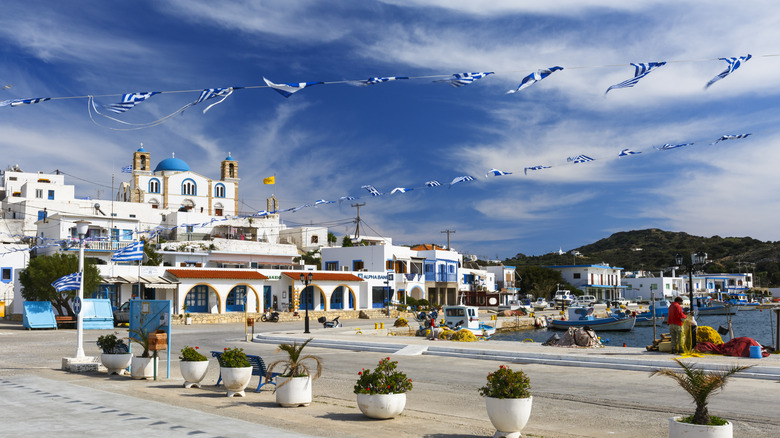
The Dodecanese island of Lipsi is so small and so consciously preserved that even its laws seem designed to protect its peace. A local rule capping hotels at 60 beds has consistently kept large-scale tourism at bay, leaving a coastline with 23 beaches, a population of 700 residents, and a pace of life that solo travelers deem an antidote to over-tourism.
Arriving by a five-hour ferry from Athens, visitors are greeted by gleaming white low houses, lined along the harbor, dotted with colorful fishing boats. Blue church domes occasionally offset whitewashed houses, as one walks past ancient tavernas, soaking in the quieter pace of life. The harbor promenade is the social heart of the island, where the evening volta (stroll) draws half the village out, making it effortless for a solo traveler to feel absorbed into island life among very friendly locals. Despite a modest area of just 17 square kilometers (6.56 square miles), Lipsi is surprisingly self-contained, with a functional supermarket, two pharmacies, an ATM, bakeries, and a delicatessen stocking local wines and cheeses.
A popular boat excursion out of the harbor visits five uninhabited islets nearby, with much sought-after swimming stops. Back on land, a working vineyard holds Friday evening tastings through the summer. With the island's circumference spanning just 8 kilometers (4.97 miles), most spots are walkable, and a seasonal bus route covers the rest. Lipsi is a long-standing favorite among independent travelers for being a sound combination of safety and gorgeous, untouched scenery, a place where someone on their own, in particular, can sink into the daily rhythm with ease.
Kastellorizo
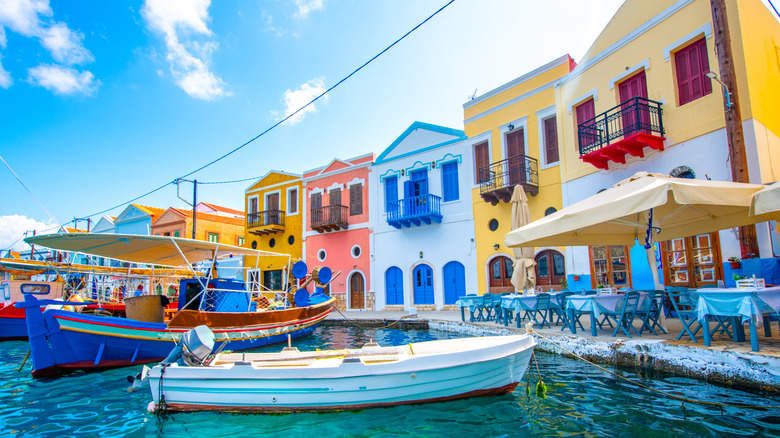
Greece's easternmost inhabited island sits just 2 kilometers from the Turkish coast, remote enough to stay off the mass tourism circuit, yet special enough to feature in top-tier travel reporting. With around 300 permanent residents and a single harbor town, Kastellorizo is tailor-made for travelers who arrive not knowing what to expect but get to leave with stories.
Here too, the harbor, formed around a horseshoe-shaped bay, is the island's core. Restored neoclassical facades in faded yellows and pinks curve around the waterfront, sea turtles are an unhurried presence in the bay, and evenings settle into a rhythm of quayside tavernas and lively chatter. The island covers just 9 square kilometers (3.47 square miles) and has no car traffic, aside from one taxi service. Key sites — a 4th-century Lycian tomb hewn from the cliff, the Knights of St. John castles, an Ottoman mosque now home to a folk museum — are all within easy reach.
The Blue Cave, reached by small boat from the harbor, is the island's defining attraction — a sea grotto whose morning light produces an otherworldly blue that earns its name. Dining along the quay, feasting on local specialties like octopus meatballs, slow-cooked goat dishes, and "salantourmasi" — a dish of onions stuffed with rice — all shaped by both Greek and Anatolian traditions, makes for meals that are equally enjoyable when eaten alone while watching harbor life unfold. With no large-scale nightlife and a community too small for anonymity, Kastellorizo remains inherently safe, and a place where locals aren't reluctant to get chatty with visitors, a feature solo travelers would appreciate.
Symi
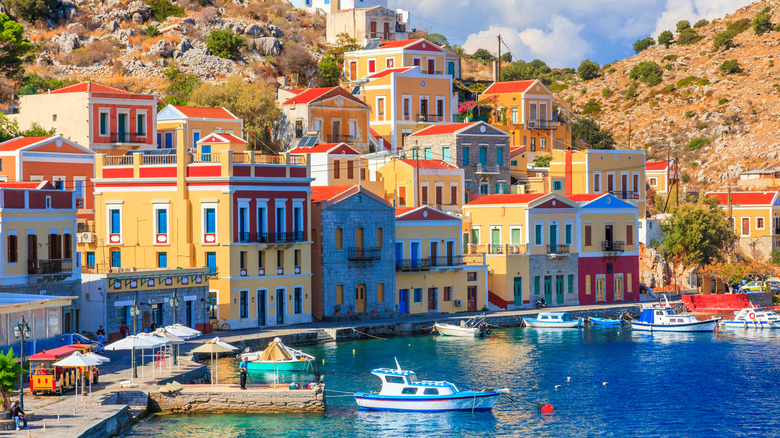
Most visitors to Rhodes make the short ferry crossing to Symi as a day trip, which means mornings and evenings on this island belong almost entirely to those who stayed. For a solo traveler, that pattern is worth understanding. Arriving the night before and leaving the day after puts you in a quieter, more local version of the island that the day-trippers never see.
What greets you here is one of the most arresting harbor views in the Aegean — one of the best harbor towns in Greece, with houses in shades of yellow, ochre, and terracotta stacked up the hillside above a working port, with fishing boats bobbing on the water in the foreground. The port town of Gialos is walkable and well-suited to solo exploration, with waterfront tavernas where solo diners are welcomed warmly, and the tiny, sweet Symi shrimps are a rite of passage. Above Gialos, the 500-step Kali Strata climbs to the old town of Chorio, with beautiful viewpoints along the way. A local bus connects the port, Chorio, and the Panormitis Monastery, while water taxis cover the beaches, most of which are only reachable by sea.
Solo travelers consistently speak of feeling safe and genuinely welcomed on Symi — an island where, if you left your hat behind, locals would make sure you got it back. And, day-trip crowds thin out by late afternoon, leaving the harbor to those who chose to linger.
Koufonisia
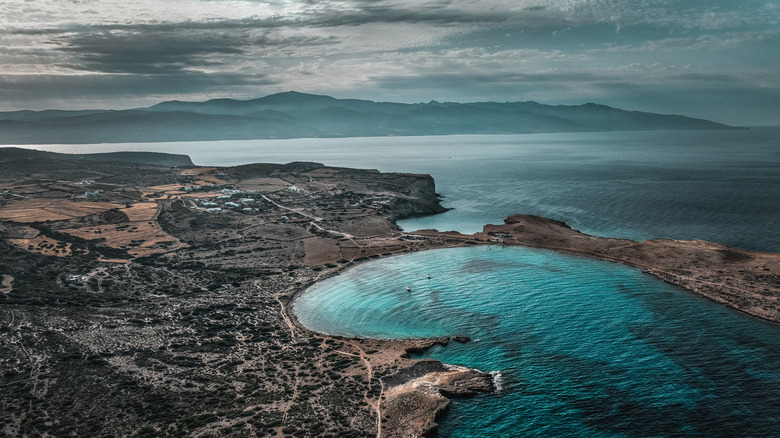
Ask a Greek where they go on vacation, and Koufonisia is a name that comes up often. An island of the "Small Cyclades" group, this one has quietly earned a devoted following while staying largely off the international tourist radar, even as it sits in one of the most visited island groups in the world. No airport, no large resorts, no high-energy nightlife to speak of — just a small, sun-bleached island village spanning two square kilometers (0.77 square miles), a string of beaches, and a pace of life that feels borrowed from another era.
The main island, Pano Koufonisi, is small enough to navigate entirely on foot or by bicycle, and its flat pathways hugging the shoreline, passing one cove after another, make it easy. Small boat services running from the port at regular intervals take visitors between beaches for just a few euros, a setup that suits solo travelers particularly well, sparing one the hassle of car rentals or group tours — just board when ready and disembark wherever looks good. The uninhabited sister island of Kato Koufonisi, reachable by the same boats, adds an extra layer of discovery for those who want to go further.
Back in Chora Koufonisi, tavernas along the waterfront keep things refreshingly simple with the catch of the day, local cheeses and traditional mezze, while a few tucked-away cocktail bars stay open well past midnight. Accommodation leans towards intimate guesthouses and small family-run properties rather than large resorts, keeping both the atmosphere and the prices within reach for independent travelers.
Antiparos
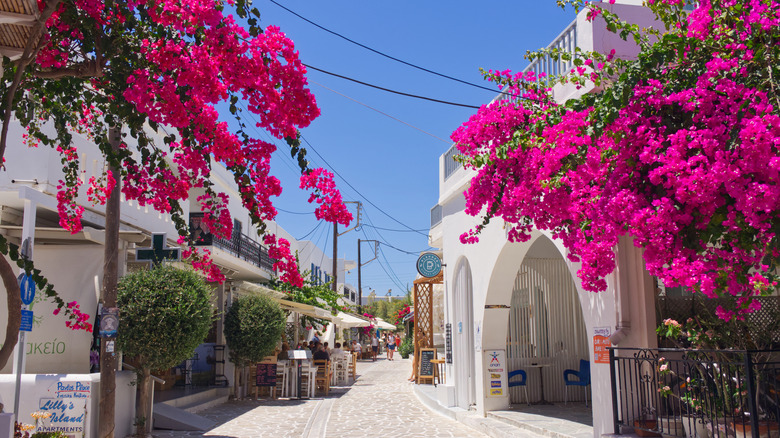
Reachable by a five-minute ferry from Paros, Antiparos sits in the shadow of one of the Cyclades' most popular islands, and benefits enormously from the comparison. While Paros draws the crowds, Antiparos attracts anyone curious enough to make the short crossing, rewarding them with whitewashed alleys, relaxed tavernas, and a calmer atmosphere that feels removed from the tourist trail.
The Chora is built around a Venetian castle district, more a medieval neighborhood than a fortress, and is compact enough to be covered entirely on foot. Solo travelers tend to find their rhythm quickly here. Morning coffee in the square, an afternoon at one of the island's uncrowded beaches, an evening wandering the lanes back in the center, before settling into a harborside table for dinner. The local dining scene skews toward unfussy Greek cooking — fresh fish, a range of Antiparos cheese such as "xinogalo" and "kefalotyri", and unique local wines — the kind of food that travels well to a solo table. With a local disco and a few nightclubs that stay open till wee hours, nightlife isn't totally absent here either.
The island's standout natural attraction is the Antiparos Cave, an 85-meter deep cavern filled with ancient stalactites and stalagmites, drawing visitors who make the short bus, ferry, or taxi ride south from Chora. For those wanting a wilder escape, a boat excursion to the uninhabited island of Despotiko and its ancient sanctuary offers a half-day of solitary exploration. Small, safe, and largely easy to navigate without a car, this Paros' secret sister island strikes the balance that many solo travelers spend an entire trip trying to find — sociable enough to connect, quiet enough to breathe.
Leros
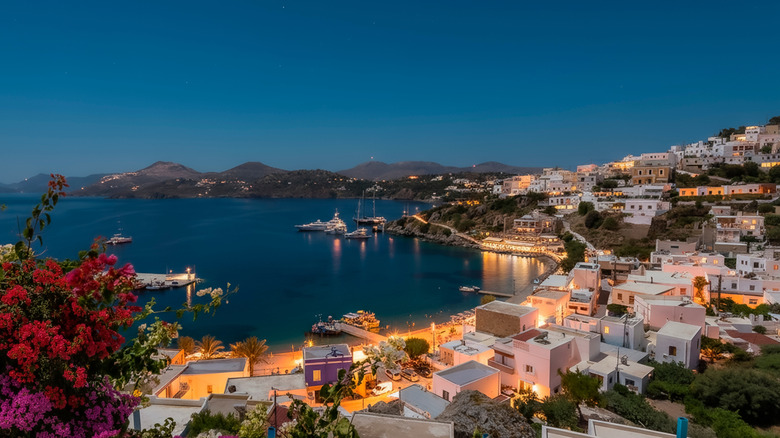
This Dodecanese island sits so close to the Turkish coast that you can see the mainland across the water, a position that has kept it off the standard Greek island-hopping circuit and preserved something closer to actual island life than many places in the region can claim. The island's unusual character begins in Lakki, where Mussolini's Italian naval architects designed an Art Deco port town in the 1930s that stands as the only rationalist urban plan outside Italy itself. It's architecturally divisive, blending Renaissance, Venetian, and Islamic architectural influences, and utterly unlike the whitewashed villages found elsewhere on the island.
In other parts of Leros, a Byzantine castle overlooks the harbor town, restored windmills dot hillsides, and local wooden fishing boats outnumber yachts, shuttling to nearby islands. Solo travelers benefit from the island's modest scale and local character. Public buses and taxis connect the main villages, while cars and scooters are available for rent for further exploration. Among its prime attractions is the exceptional diving scene — Leros is second only to Normandy in the number of WWII shipwrecks in European waters — catering to beginners and experts alike.
Known for its serene Aegean charm, this island is a safe destination, with a low crime rate — unsurprising given its community-driven character. Tourism isn't performative here, and there is no appetite for the hard sell. No beach hustlers, tour touts, or manufactured experiences that burden busier destinations are to be found here. For solo travelers who've grown weary of being pitched at every turn, that restraint is refreshing.
Astypalaia
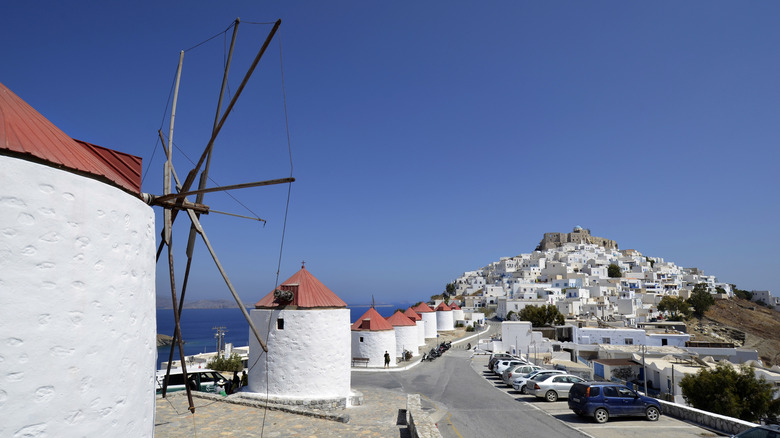
The nickname "Butterfly of the Aegean" fits the silhouette of this small island shaped like wings, positioned just outside the standard Greek travel circuit. This remoteness ensures the island stays small and genuine, filtering out casual tourists while rewarding those who arrive deliberately.
Chora, the main town, centers around a 15th-century Venetian fortress that crowns the hillside, while centuries-old red-topped traditional windmills punctuate a rocky landscape. Wandering the maze of narrow alleys in this 100-meter (0.06 miles) wide island, the logistics are almost effortless, something solo travelers would appreciate. It's the kind of place where you slip into a courtyard by accident and emerge having found a taverna, a cat, and an hour you didn't plan for. The landscape's wild herbs and mastic trees permeate the local cooking, giving even a simple meal a distinctly aromatic character.
The island is entirely manageable without a car, though scooters and rental cars open up the rest. Ancient footpaths connecting the island's villages and farmsteads now double as hiking trails through rocky terrain, wild caves, and exposed, wave-battered shores. The more adventurous can tackle the 20 climbing trails at the Ftera field, while boat excursions from Pera Gialos reach the nearby islets of Koutsomytis and Kounoupes for unforgettable swimming stops.
Come evening, Astypalaia draws a younger crowd with a nightlife lively enough to meet people without tipping into the kind of excess that makes some other Greek islands feel exhausting.
Ithaca
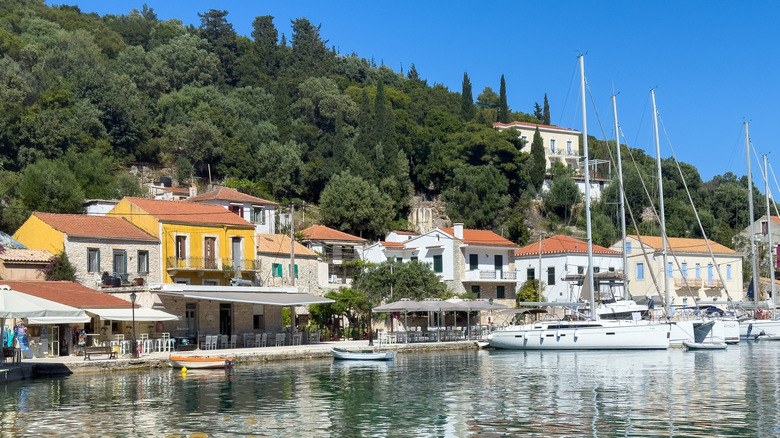
With no airports or bus routes, and connected by ferries only from Athens or neighboring Kefalonia, Ithaca filters out the casual visitor and has preserved its character because of it. Being harder to get to, visitors who come here are those who choose to do so specifically, knowing what they'd find — mythology that lives alongside fishing boats, villages beyond mainstream tourism, and prices that sit roughly half those of Santorini.
Vathy, the main port, is compact and walkable, with a handful of charming tavernas doling out local specialties such as bourdeto, a spiced fish stew, and a white robola wine, at modest prices. The island's northern villages, Kioni and Frikes, feel even more isolated, each a cluster of whitewashed houses overlooking working harbors where fishing boats still matter more than tourism.
This is a landscape shaped by nature and mythology, ideal for history lovers, where a rental car is essential for proper exploration. While the island can be driven end-to-end in 45 minutes, the hidden coves and mountain trails reveal themselves only to those willing to wander. Hiking trails climb toward panoramic viewpoints across the Ionian chain, passing monasteries and olive groves, as cave sites connected to Odysseus's legend wait at the end of the trail. Ithaca is widely regarded as one of Greece's best islands for solo travelers, and with a safety score of 91 out of 100 — one of the highest in the country — that reputation is well earned. The real draw, though, is simpler. A place where solo travelers can move at their own pace, tracing the footsteps of Homer's imagination, without anyone minding that they're on their own.
Hydra
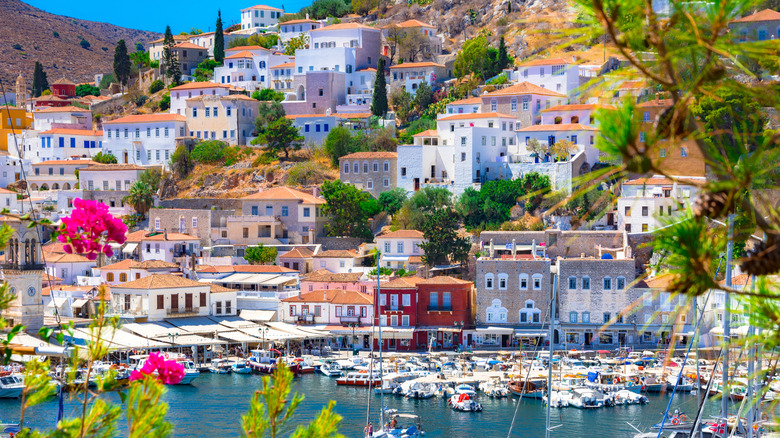
Just 90 minutes from Athens by hydrofoil, Hydra feels far removed from the mainland, cementing its charm. A law in place since the 1950s keeps motorized vehicles off the island entirely — not restricted, not limited, but completely banned — a decision that has shaped everything about how the island moves and feels.
The crescent-shaped harbor makes an immediate impression. The 18th-century sea captain mansions or "archontika" have been preserved under strict national monument status, their facades unchanged for centuries. Donkeys work the stepped lanes delivering supplies, while water taxis navigate the coastline. This island doesn't compete with beaches or archaeological sites. With cafés and little shops opening onto the waterfront, the port gathers people naturally, with a pace entirely powered on foot; unhurried, making it effortlessly fitting for the solo traveler. Hydra's pull lies in its cobbled lanes, busy with residents rather than tour groups, cats threading through monastery courtyards, where every little road eventually leads to the harbor, and nobody seems to be in any rush to leave.
Hydra's creative reputation runs deep. Leonard Cohen lived here through much of the 1960s, drawn by the quiet and the light, and the island has never entirely shed that artistic identity, with galleries and workshops still operating alongside the tavernas. Beyond the harbor, cliff paths connect secluded coves and hilltop monasteries, all reachable on foot or by water taxi. Also, one of the cheapest Greek islands to visit, Hydra offers a solo traveler, above all else, permission to do nothing — to walk without a destination, eat and wander alone, and just exist in a place that has, almost by law, refused to hurry. Small wonder Rick Steves counts it as a destination you can't skip on your trip.