
Unwritten Rules You Should Know Before Visiting Channel Islands National Park
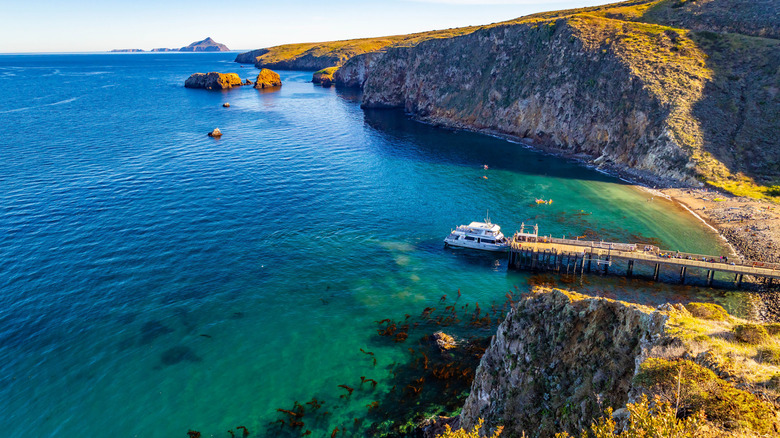
Channel Islands National Park sits off the coast of Southern California and is so unlike any other destination in the country that it's sometimes referred to as "America's Galapagos Islands" thanks to its unique wildlife and ecosystems. The archipelago consists of eight islands overall, including Catalina, one of the best scuba diving destinations in the country. The remote San Nicolas and San Clemente Islands are owned by the U.S. Navy, and five islands comprise the national park: Santa Cruz, Anacapa, Santa Rosa, San Miguel, and Santa Barbara Islands.
Visiting the Channel Islands requires planning and preparation. Depending on the island you head to, the boat ride takes between one and four hours. Santa Cruz Island is a popular destination for a day trip because it's closer to the mainland, but others are just as inviting for longer stays at primitive campgrounds. The Channel Islands have "pack it in, pack it out" written all over them, and as the National Park Service really aims to drive home, there are "no remedies for poor planning once you have arrived." Nevertheless, you'll find great hiking, kayaking, historic sites, and more — there are just some things to prepare for, like weather, exposure, wildlife, and the lack of amenities.
Here are 12 unwritten rules for making the most of your visit to Channel Islands National Park. We've researched NPS.gov, official concessionaires, Reddit discussions, blogs, and other resources to focus on the most important things to keep in mind for a safe and enjoyable trip, whether you spend a day or a week.
Don't skip the visitor centers
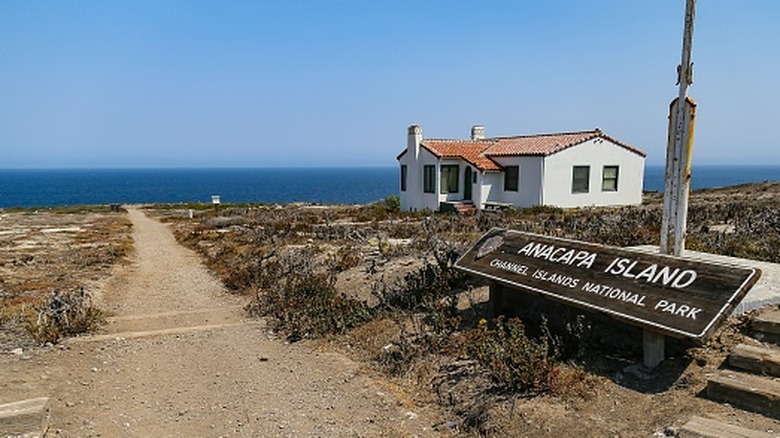
Due to its remoteness, Channel Islands National Park has small, basic visitor centers and ranger stations on all of its islands, but they're not the kind of large-scale, exhibition-focused hubs with gift shops that national park visitors love. The information you'll find at these smaller centers is also specific to their locations, such as the repurposed, historic Scorpion Ranch House on Santa Cruz Island. On Santa Rosa Island, as another example, a small schoolhouse serves as a contact station with information about the area's ranching history. They're definitely worth a stop, but before you even step foot on the boat, you won't want to miss at least one of the park's main visitor centers, which are located on the mainland.
The Robert J. Lagomarsino Visitor Center at Channel Islands National Park is the most comprehensive of the two primary visitor centers. It's located in Ventura, and you'll find an auditorium with a 25-minute documentary about the park, a bookstore, exhibits about the wildlife you may encounter, and more. In Santa Barbara, a spot called the Outdoors Santa Barbara Visitor Center is perched over a picturesque marina and includes information about the Channel Islands along with a Santa Barbara focus. Both are free to visit, open every day of the year except for major holidays, and ideal for gathering intel about getting to the islands, hiking routes, commercial whale watching tours, and more.
Pack extra layers and SPF
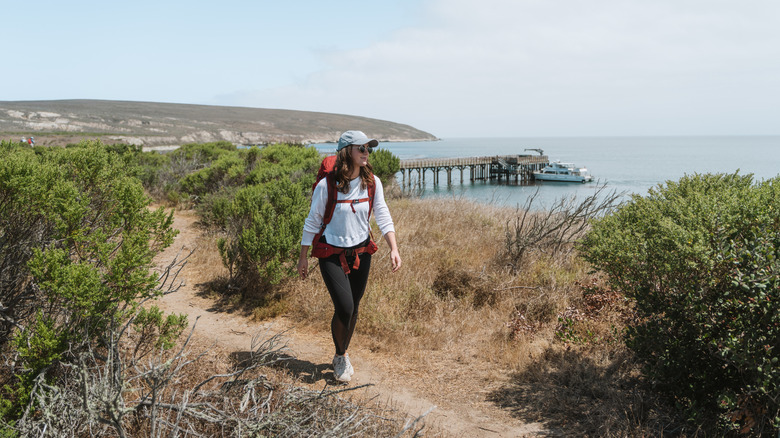
Exposed in the Pacific Ocean with little to no tree cover except in some areas of Santa Rosa and Santa Cruz Islands, visitors to the Channel Islands will experience whatever the weather blows in. Since there's little shade, be sure to slap on the sunscreen and consider wearing long-sleeved shirts and a brimmed hat. During both the summer and winter, the islands have a tendency to see quite a bit of fog — even more than the mainland. The fog brings humidity and can make the air feel cooler. If you're camping, especially during the coolest months of December to March, be sure to also have a packable jacket, hat, and socks for sleeping, just in case.
The wind is something that can take first-time visitors by surprise, not just in terms of speed but also chill. This is especially noticeable when you're on the ferry heading to the islands, but also if you visit those that are more remote. Southern California sometimes experiences a phenomenon called Santa Ana winds, typically between September and December, which can mean powerful gusts combined with dry air. These can create a severe risk of wildfires, adding to the reason the National Park Service completely prohibits fires on the Channel Islands. In May 2026, about a third of Santa Rosa Island burned after being sparked by a boat that had run aground and started on fire — the largest blaze the park has ever seen.
Camp overnight for the full Channel Islands experience

Day trips to the Channel Islands are certainly possible, with easy round-trips available to Anacapa and Santa Cruz Islands that only require a couple of hours in total on the boat. San Miguel Island is only reachable for special day trips offered a couple of times each October. And the trip to Santa Rosa Island takes three hours and can also be done in a day, leaving about 4.5 hours to explore. As of this writing, Santa Rosa Island remains visitable only for day trips until the National Park Service reopens the campground in mid-August 2026 due to the fire. On that note, though, camping is certainly the most immersive way to experience all that the Channel Islands have to offer.
Staying overnight is not only an up-close and personal way of experiencing nature here, surrounded by the Pacific, but it's also a rewarding test of planning and preparedness, and allows you to take much more time to explore. Santa Cruz Island's Scorpion Canyon Campground is the most straightforward to reach in terms of both ferry time and its flat, .5-mile walk from the dock. Each site has a picnic table with a food storage box — birds and the endemic miniature island foxes are attracted to the smells — and there are pit toilets and potable water. The other islands' campgrounds are also small and require at least a quarter-mile walk, in some cases steep, but you may find even more solitude. And if you're an experienced camper and really want to get out there, backcountry camping is an option near Prisoners Harbor on Santa Cruz Island and sometimes on the beach on Santa Rosa Island.
Pack strategically
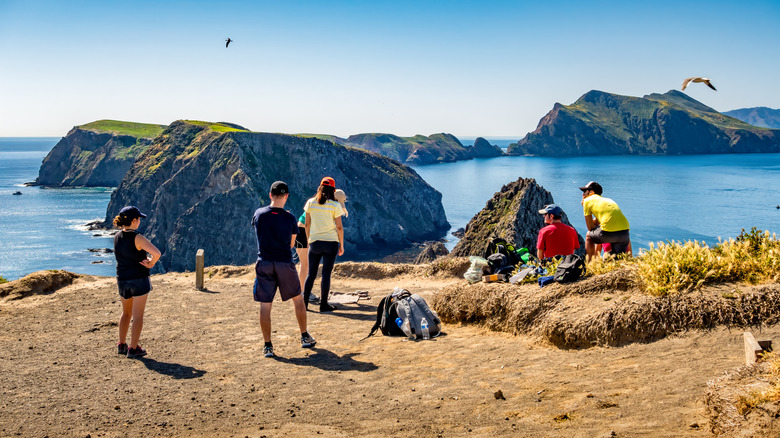
Because the islands have no services, you'll need to bring all of your own food and equipment. This can mean a pretty pared-down, backcountry-style camping approach or, if you have a few people in your party, evenly distributing supplies. In general, pack as lightly as possible so lugging all of your stuff doesn't turn into a huge challenge or become unsafe. Fortunately, this is the kind of problem-solving that backpackers and wilderness campers often love to take on, but even if you're new to it, avoid camping mistakes new adventurers make and be sure to do your research and practice packing before you leave for your trip.
Layers are a top priority to make sure you're comfortable, and you'll want good hiking shoes. It's also important to pack as lightly as possible. The island's concessionaire ferries limit the weight of each bag to 45 pounds, and you'll want to be sure you can carry those bags for at least as long as it takes to get to the campground. And while there's potable water at the campgrounds on Santa Cruz and Santa Rosa Islands, it's recommended that visitors bring a gallon of water per day per person, so you'll have to factor that into what you're able to carry — it can get to be a lot! Where you can, make things as lightweight as possible, such as an ultralight tent and sleeping bag, and eco-friendly plastic utensils and food containers.
Book camping and ferries in advance
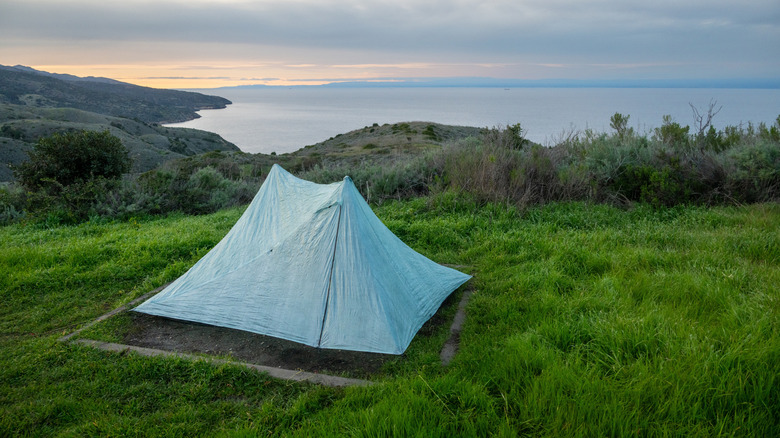
Regular national park visitors will know that the race for good campsites can be truly competitive, especially at perennially popular destinations like Yellowstone, which has the most campsites of all the national parks. The Channel Islands see their fair share of visitors, too, with spring and summer attracting the most travelers and filling up some of the more developed campgrounds. Scorpion Ranch Campground on Santa Cruz Island is the most accessible but still only has 28 sites total, including three group sites. Weekends are particularly busy, but weekdays can also book up during the peak time. No matter when you visit — campgrounds are open year-round — a reservation is always required.
To get to your campsite, though, you'll first need to get to your island of choice. That's where the park's official cruise concessionaire, Island Packers, comes in. Its ferry service offers year-round trips to Santa Cruz and Anacapa Islands, March-to-November trips to Santa Rosa Island, and July-to-November trips to San Miguel Island. It's worth noting that Island Packers does not currently run trips to Santa Barbara Island due to a damaged dock. If you want to access the islands outside of the concessionaire's schedule, you'll need a private boat (no landing permit is required). Especially if you're traveling with a group, make sure to book your seats well in advance to make sure your arrival and departure dates align with your plans.
Don't expect a lot of amenities
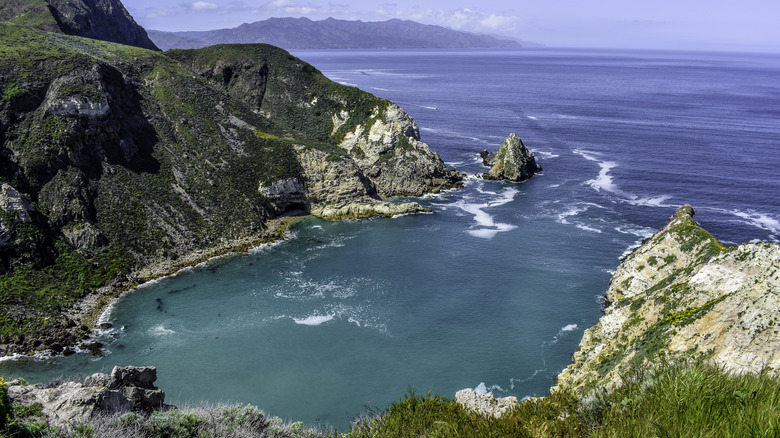
One of the things that makes Channel Islands National Park so spectacular is its remoteness, which you're probably starting to glean is a feature that impacts just about every aspect of one's visit. With the main visitor centers located on the mainland, only a handful of small visitor contact stations on the islands, and one small primitive campground per island — with potable water available in only two campgrounds on two of the islands — that about sums it up! Going to this park with the expectation of really any modern conveniences will surely lead to disappointment, or worse, unpreparedness.
Remember that any trash you produce along the way will have to be packed out, as there's no garbage collection in the park. It's also worth noting that the National Park Service doesn't allow single-use plastic carrier bags here, such as those you get from supermarkets, due to the risk they pose to wildlife if they get caught up in the wind. For those who crave backcountry immersion, though, with the uninterrupted sound of the ocean and seabirds, the Channel Islands' amenities-free experience is typically considered a plus.
Pack Dramamine in case of seasickness
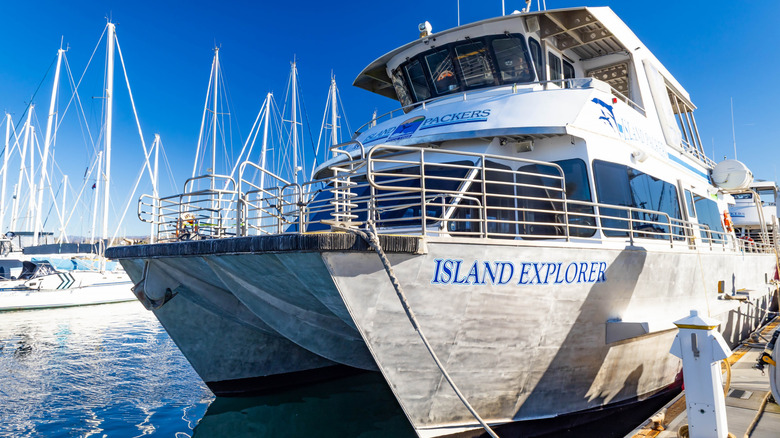
If you've ever been on a vessel in the open ocean or sea, you know it doesn't take much to feel it! Even those of us who don't typically get motion sickness can still get a little queasy out out on the open water. Some Channel Island National Park visitors have noted that depending on the ocean's vicissitudes, big swells can mean pretty rockin' boat rides out to the islands. And while the length of the trip may factor in to how much seasickness could affect you en route, if you're prone to it, it's a good idea to pack the Dramamine or similar anti-nausea medication.
For a drug-free alternative, you may want to try Sea-Band Wristbands, a small, affordable tool for motion sickness. The Island Packers boats provide sickness bags, but if the going gets rough, people tend to move down to the lower back area of the boat where it's marginally calmer and, well, you can hang over the railing if you get a little too green in the face.
Bring your binoculars for dolphin and whale sightings
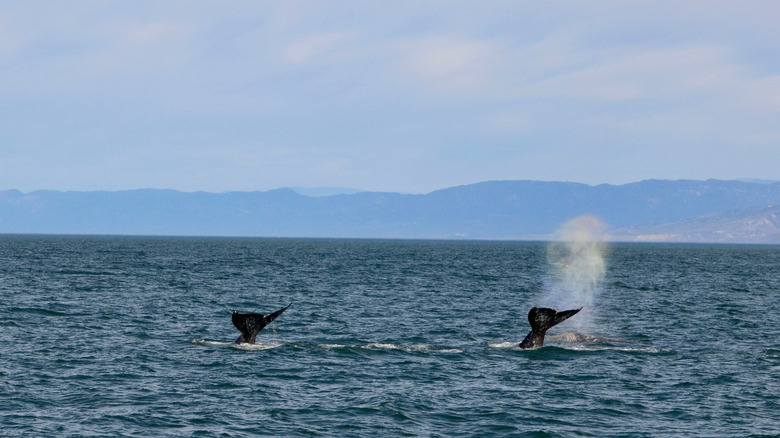
Depending on the season, different types of wildlife will be a major feature of your visit to this remarkable park. The Channel Islands National Marine Sanctuary protects nearly 1,500 square miles of ocean habitats for the myriad types of fish, kelp, mammals, and birds that call the archipelago home. Pack your binoculars, perhaps even a telephoto lens if you're into photography, and keep an eye out for migrating whales breaching the surface and pods of dolphins. Especially between December and March, gray whales that are migrating south to Mexico's Baja peninsula may be seen cruising by the islands, and on rare occasions, you may even see an orca, humpback, or blue whale.
The Channel Islands are also home to sea otters and a variety of sea lions and seals, which you may observe on the rocky coastline or just offshore. On land, you could run across everything from salamanders and lizards to the island deer mouse and the island fox, the latter two of which are native to the archipelago and each has evolved into a totally unique subspecies on different islands. And the birders out there won't be disappointed either. Spot bald eagles, Channel Islands song sparrows, peregrine falcons, ashy storm petrels, cormorants, snowy plovers, and many more.
Get out on the water
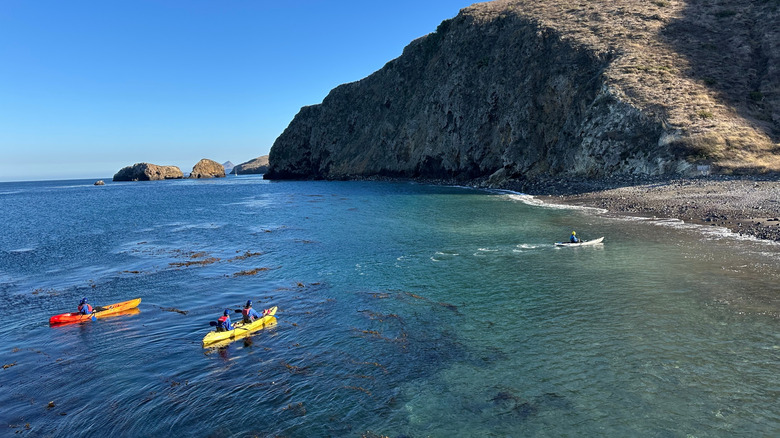
An island's defining feature is being surrounded by water, so it seems logical that a big part of the experience is the water. Don't miss the opportunity to explore Channel Islands National Park around the shoreline. Sea kayaking is a popular pastime, especially via guided jaunts provided by Channel Islands Adventure Company from Santa Cruz Island's Scorpion Anchorage area, which is generally considered the most popular place to put in for a paddle, thanks to its proximity to the ferry dock and camping. While there are no kayak rentals available on the islands, the company will take care of outfitting you with everything you need. Personal kayaks are also welcome, and those with more experience can also head to other islands.
Channel Islands Adventure Company also provides snorkeling tours and equipment rentals so you can get up close and personal with underwater life and some of the dramatic sea caves carved in the islands' cliffs. Both kayaking and diving tours are typically offered during the warmer months of the year, with snorkeling offered only between June and September (gear rental is available all year-round). Just like camping and ferries, if a guided tour is something you have your heart set on, be sure to book in advance, as certain experiences can easily sell out.
Don't count on your cell phone
Islands are practically synonymous with remoteness, and many travelers seek them out specifically to get away from it all. That certainly also applies to the Channel Islands, and "disconnecting" definitely extends to your mobile phone. With the exception of the mainland visitor centers, which are located in heavily populated areas where cell service is a given, the islands themselves are a different story. Service is not a guarantee, and the National Park Service advises visitors not to count on being able to get a signal. You may luck out, but to really experience this distinctive place, putting the technology away during your visit will help you better connect with your surroundings.
If you're concerned about how to reach help in the case of an emergency, you can either directly contact park rangers or the ferry concessionaire if they're close by. Alternatively, consider a personal locator beacon (PLB) which connects via satellite and can transmit signals or messages, depending on the model, in order to alert search and rescue teams. PLBs are a great option, no matter if you're planning to head into the backcountry, hiking on your own, or simply exploring any new place you're unfamiliar with, for an extra layer of security in case the worst happens.
Keep an eye out for poison oak and ticks

Small scorpions, ticks, the "jumping" coastal cholla cactus, yellow jackets, and poison oak all make their home naturally on the islands, and you'll want to keep a keen eye out for any of these as you hike the trails or settle in at the campground. Yellow jackets become particularly intrusive during the late summer and fall when they're drawn more to the snacks and drinks that human visitors bring in, so it's always a good idea to keep your food covered and avoid walking with bare feet, as their nests are often in ground holes. You'll also want to do thorough, regular checks for ticks. Consider wearing light-colored long trousers that are tucked into your socks so that you can more easily see these diminutive arachnids if they do hop on for a ride.
Bugs aren't the only things to look out for. Poison oak is one of the plants with "leaves of three," where it's best practice to "leave it be." Like poison ivy, the plant contains resins that can cause serious skin reactions, so it's best to avoid touching or brushing up against it.
Prepare for the possibility of a longer stay
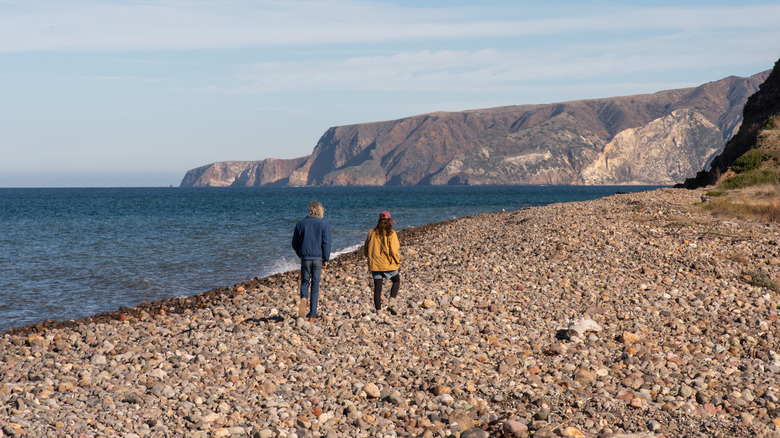
While it's unlikely, the built-in risk of there being only one official transportation method to the islands is that on the off-chance there's a mechanical problem or some inclement weather and the ferry can't run, you may have to stay a little longer until the boat can return to pick you up. Sometimes it's a matter of an hour or two, but if high winds persist, for example, or the boat is not able to dock safely, it could mean camping for an additional night.
Rangers stationed at each island's small visitor center will be able to help with any questions, should you face a delay. Be sure to pack enough food, water, any medications you may need, and other supplies to last you at least an extra day beyond your planned itinerary, just in case. Unexpected schedule changes are never convenient, but if you come prepared, you can appreciate the silver lining of a little extra time in this unique natural place.