
The Top 5 Cities In The US For Healthy Living In 2026

The United States gets its fair share of criticism for being unhealthy. From an abundance of fast, processed food to a lack of walkable communities and uneven access to healthcare, the country has heard it all. However, for all the criticism it gets, many U.S. cities are doing their part to improve residents' health by investing in public parks and green spaces, city infrastructure, and wellness-focused programs and businesses. These cities also happen to be great places for travelers to visit, perhaps as a byproduct of their focus on creating healthier places to live.
To determine our list, we compared a 2026 study from WalletHub with a 2025 study from CoworkingCafe. Although the CoworkingCafe study is older, we included it because it analyzed metrics especially relevant to travelers, including bikeability, walkability, and air quality. Overall, we looked at the top 15 cities ranked by both studies, identified the five that appeared on both lists, and ordered them by their mean ranking. Our list below is presented from fifth to first, so keep reading to discover the top city in the U.S. for healthy living in 2026.
5. Washington, D.C.
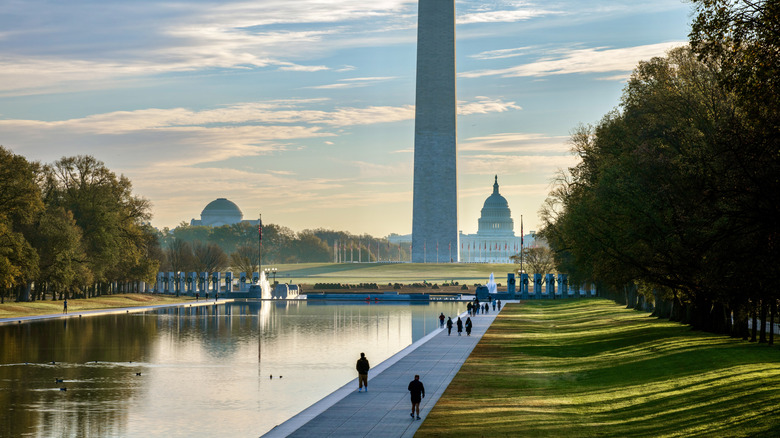
While not technically a state, Washington, D.C. is the nation's capital and is taking strides to make city living a bit healthier. With a mean ranking of 10.5 between the two studies — No. 6 in WalletHub and No. 15 from CoworkingCafe — it comes in fifth on our list. According to CoworkingCafe, Washington ranks No. 1 for parks and No. 5 for walkability. WalletHub places the city fifth overall for fitness, based on factors like adult activity, physical well-being scores, and the number of fitness centers.
Building on those strong rankings, Washington, D.C. was named best in America for parks for the sixth consecutive year in the Trust for Public Land's 2026 ParkScore rankings. The city earned especially high marks for park investment and accessibility. Its walkability score comes from Walk Score, which evaluates proximity to amenities as well as pedestrian friendliness contingent upon population density and street connectivity.
With outstanding parks and walkability, Washington is easy to explore on foot or on two wheels through the Capital Bikeshare program. Some of the green spaces include the U.S. National Arboretum, Rock Creek Park, and Meridian Hill Park, also known to locals as Malcolm X Park. If you enjoy social running, Bouldering Project hosts a weekly run club in Eckington featuring a guided 5k. It can be a great way to see the city while meeting new people. For a slower pace, the Friends of Kenilworth Aquatic Gardens offer yoga, forest bathing, and meditation programs.
4. Minneapolis, Minnesota
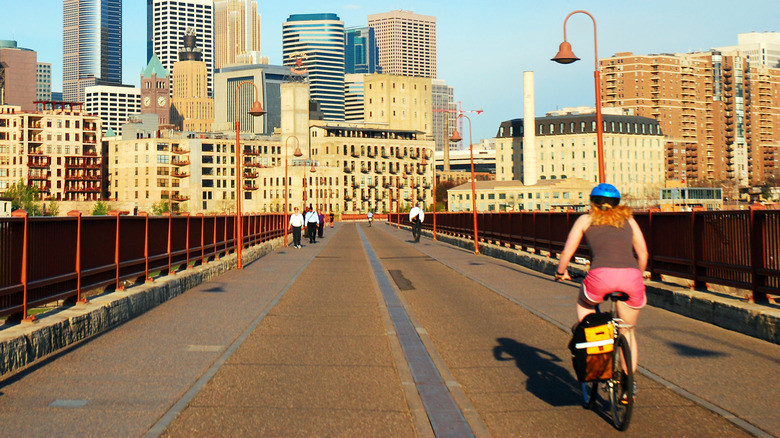
Minneapolis, home to a little over 430,000 people, ranks No. 1 in CoworkingCafe's study for its parks, bike-friendly infrastructure, and healthy food options. With WalletHub placing it at No. 13 overall, this city earns a mean ranking of 7, putting it fourth on our list.
Minneapolis is America's most bikeable city thanks to its extensive cycling infrastructure. Here, bikers can ride over 100 miles of lanes and trails, including protected bikeways (lanes separated from car lanes with physical barriers), conventional bike lanes, and off-street trails. Whether you're walking or cycling, most residents live within walking distance of one of nearly 300 parks, helping the city earn the No. 3 spot in Trust for Public Land's 2026 ParkScore rankings. Healthy food is also easy to find thanks to the city's abundance of food stores. Locals can shop at popular community co-ops like Wedge and Seward, browse bulk refill stores like Tare Market, and visit the century-old sprawling Minneapolis Farmers Market.
If you're visiting Minneapolis, one of the best ways to experience the city and its interwoven nature is to bike along the picturesque Grand Rounds Scenic Byway, a 50-mile interconnected system of parkways. Along this route, you'll find several points of interest, including the riverfront downtown, the Chain of Lakes, the Stone Arch Bridge with views of Saint Anthony Falls, Minnehaha Park, and the wildflower garden at Theodore Wirth Regional Park. Walk, bike, or drive to any of these points and take your time exploring and taking in the views.
3. San Francisco, California
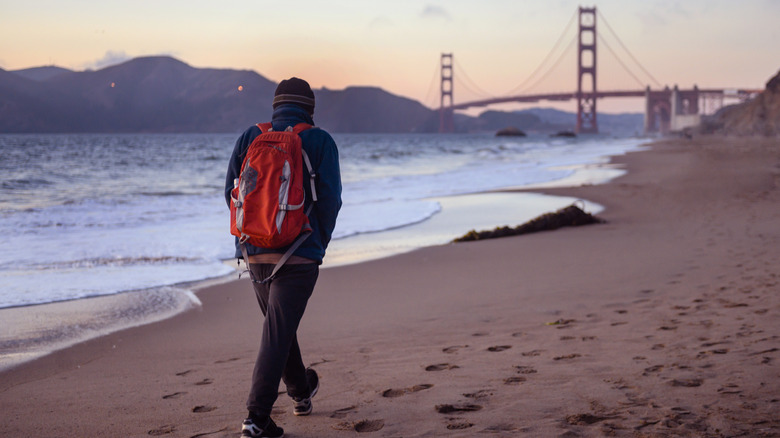
Ranked No.1 by WalletHub and No. 8 by CoworkingCafe for a mean ranking of 4.5, San Francisco takes third place. Located on the coast of Northern California, the city is a heavy hitter in several health-focused categories. CoworkingCafe ranks it No. 1 for walkability and No. 3 for bikeability, while WalletHub places it No.1 for food and green spaces.
Even with San Francisco's famously hilly landscape, residents continue to walk and bike throughout the city. Its compact layout, mixed-use zoning, extensive public transit system, and pedestrian-friendly design make getting around without a car relatively easy. Famous attractions like Coit Tower, Chinatown, and the Ferry Building are all within walking distance, with plenty of other interesting sites to see in between. Cyclists can also take advantage of the Crosstown Trail network, which totals 69 miles and connects all corners of the city.
San Francisco is ideal for travelers looking to explore while staying in shape. Climb the iconic Lyon Street Steps in Pacific Heights for a cardio session with a view, then make your way across the Golden Gate Bridge to Hawk Hill, an under-the-radar scenic overlook that offers incredible views of the city. Baker Beach also offers yoga classes with views of the bridge. And of course, it wouldn't be a trip to San Francisco if you didn't indulge a little in its top-notch food scene with plant-based favorites such as Judhalicious' acai bowls or Wildseed's pizzas, both known for using seasonal ingredients.
2. Seattle, Washington
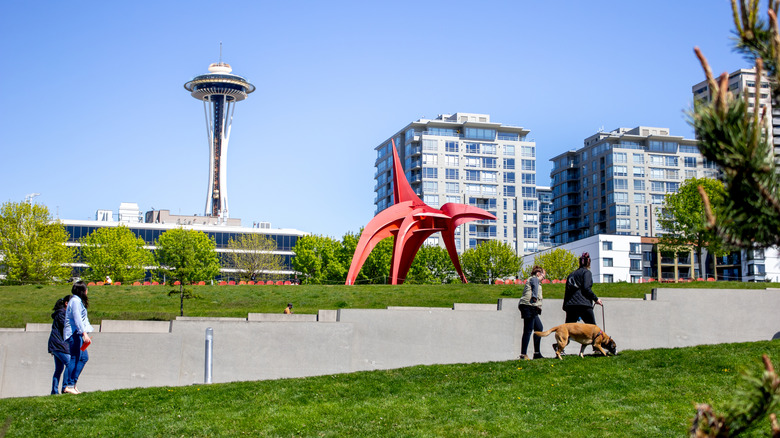
Seattle, located in the Pacific Northwest, ranks second with a mean ranking of 4. CoworkingCafe ranks it fifth for parks and the density of mental health offices, while WalletHub places it third for green spaces and residents' enthusiasm for physical activity.
It's no surprise that Seattle has been named America's most "outdoor-friendly" city. According to the Green Seattle Partnership, the city has almost 500 parks and green spaces that preserve native ecosystems and local history. Nearly all residents live within a 10-minute walk of a park, and the city also invests about $440 per capita in those spaces, placing fourth overall among the nation's leaders in park spending. WalletHub also reports that 87% of adults in Seattle participate in regular physical activity.
When visiting Seattle, some of the best natural areas locals go to unplug and recharge are Discovery Park, Volunteer Park, and the Washington Park Arboretum, all of which are home to diverse plant life and scenic, dog-friendly trails. There are also plenty of multi-use trails throughout the city, including the Burke Gilman Trail and the Elliott Bay Trail. The latter is part of the recently revitalized waterfront and connects from the Seattle Ferry Terminal through Pike Place Market to Elliott Bay Park. The trail passes by carefully curated native plant garden beds, the Olympic Sculpture Park, and pebbled beaches. Nearly every day of the week during the summer months, there are farmers markets throughout the city where residents and visitors alike can purchase delicious locally-made food and seasonal Washington produce, including Rainier cherries and Cosmic Crisp apples.
1. Portland, Oregon
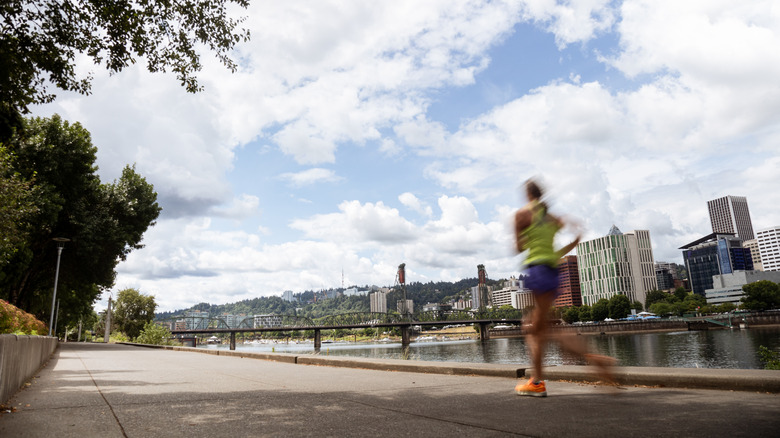
Portland, Oregon, takes the top spot on our list of the healthiest cities in the United States. The City of Roses came in at No. 2 in CoworkingCafe's study for air quality, bike infrastructure, and parks, while WalletHub placed it No. 5 for food and green spaces. This comes out to a mean rank of 3.5, narrowly edging out Seattle.
Portland has set itself apart from other cities by setting the bar for air quality. It has instituted several programs that aim to reduce or eliminate carbon emissions, including a plan to phase out the sale of diesel fuel by 2030. These efforts place the city at No. 2 in air quality in the U.S. It also ranks 2nd for bikeability in CoworkingCafe's study, thanks to its bike-share programs. With more than 300 parks throughout the city, visitors have plenty of opportunities to explore on foot or by bike.
Get your steps in at the 5,200-acre Forest Park, a lush park with some of Oregon's prettiest trails. True to its name, this park is home to towering Douglas firs and moss-covered landscapes. This park has over 80 miles of wooded trails that welcome leashed dogs, and cyclists can enjoy 25 miles of bike-friendly roads and paths. If you prefer an urban walk, explore the car-free Eastbank Esplanade, which winds along a portion of the city's waterfront area. Finally, Portland has some of the best plant-based cuisine on the West Coast, with favorites like Harlow for their Garden Scrambles or Norah, which offers vegan Pan-Asian food with dishes like pad thai and cauliflower curry.