
These Are The Best Deep Sea Fishing Spots In America For Tuna, Snapper, And Serious Adventure
There's a certain peace that comes with a rod, a riverbank, a sunny day, and nowhere to be. Your line drifts lazily on the current, the sun warms your shoulders, the cooler is stocked with cold ones, and time slows down to nothing at all. Maybe the fish don't bite that day. Maybe you only catch a little guy and call it a win anyway. Either way, it's been a good day.
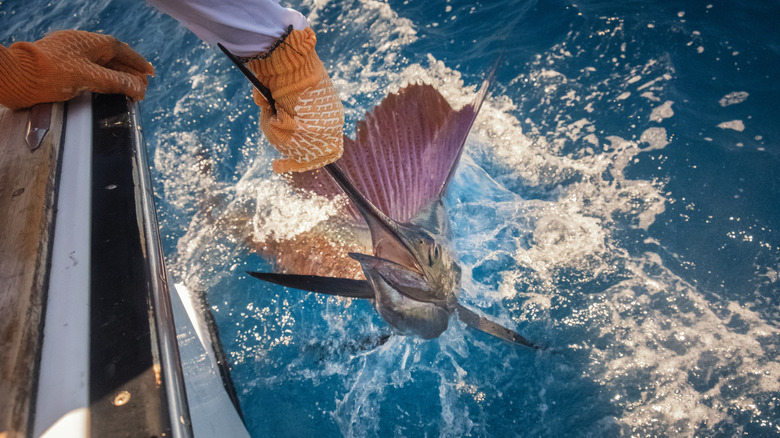
But there is a more dramatic kind of fishing. Deep-sea fishing. For this, you need to go miles offshore into water so deep it turns black beneath the hull. Out there, the fish aren't small. Out there, you'll find the stuff of legends: bluefin tuna built like torpedoes, marlin that leap and thrash, sharks that test every inch of your mettle. This isn't a hobby. It's angler against monster, tackle against instinct — and the outcome is never guaranteed.
The U.S. happens to have some of the best waters for deep-sea fishing. Under the surface are canyons plunging thousands of feet, currents pulling in baitfish and predators, oil rig substructures that have transformed into artificial reefs. Every region around the coast has its own version of the deep, and each hides something enormous.
To find the best of it, we pulled knowledge from fishing publications like Marlin Magazine, Salt Strong, and AnyCreek, as well as outdoor publications such as My Outdoor Base Camp and travel resources, including World Atlas. We evaluated each location on the strength of its offshore fishery, the variety of species, and the quality of available charters. The results are these deep-sea fishing spots to seek out when a quiet afternoon on the riverbank won't cut it.
Florida Keys, Florida
Two massive bodies of water meet at the Florida Keys, and there is no American equivalent for what that Atlantic Ocean-Gulf of Mexico convergence produces. This chain of islands is a place where none other than Paul Newman liked to go fishing. It runs from Key Largo in the north through Islamorada in the middle down to Key West on the southern tip. Key Largo is the gateway. It features Atlantic reefs close to shore with snapper and grouper dwelling on the bottom. At Islamorada, you'll find a place that has earned the nickname "Sportfishing Capital of the World." Here, the Gulf Stream runs less than 10 miles offshore, which means warm, baitfish-rich water pushing right to the reef's edge and putting big game fish within easy reach. At Key West, you'll find the Wall. It drops 2,000 feet in places and sits just 20 miles offshore. This is prime marlin country, but deep-dropping a line past 1,000 feet makes swordfish a realistic target.
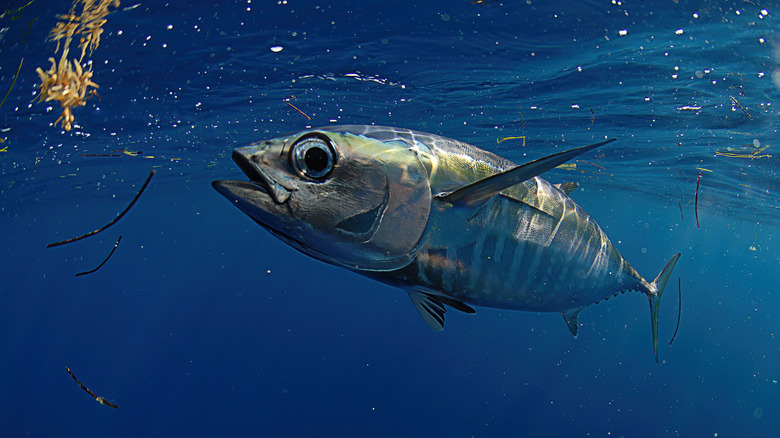
Across the Keys, April and May are prime time for blackfin tuna. They show up in numbers, and put up quite a fight. In summer, it's the turn of blue marlin. These fish can push past 1,000 pounds, while red snapper also have a short season around this time and draw anglers from across the country. Crowd-favorite yellowtail snapper is present year-round, but ask any local, and they'll tell you mutton snapper is the one worth chasing, especially if you plan to eat your catch. From the end of March through October, the Key West Fishing Tournament runs across four categories and is free to enter. Come winter, sailfish are there, pushing panicked baitfish to the surface in a visible chaos of churning silver.
Outer Banks, North Carolina
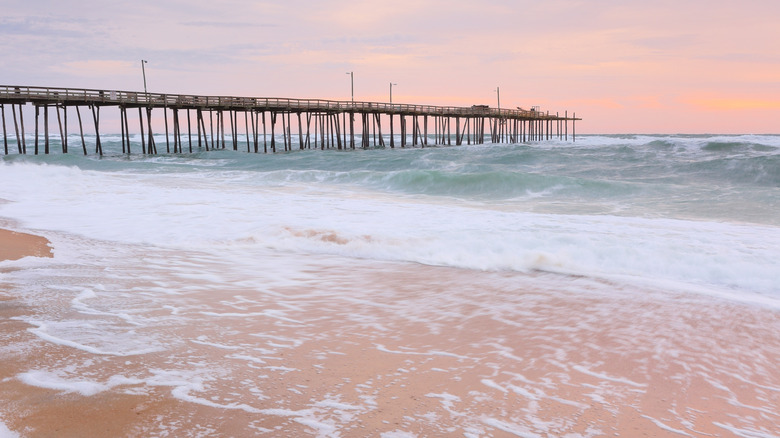
The Outer Banks are barrier islands sitting between the open Atlantic and the calmer waters of Pamlico Sound, and plenty of boats leave from either Hatteras or Oregon Inlet. The former gives fast access to the Gulf Stream while the latter operates one of the largest charter fleets on the Eastern Seaboard. The Outer Banks have been home to generations of skilled boatbuilders, captains, and crews building an offshore fishing influence that reaches far beyond the shores of North Carolina. It's so good here that in January 2026, Marlin Magazine named the Outer Banks its Editor's Choice for Best Offshore Fishing in the continental U.S.
The Gulf Stream is the engine behind that recognition. It carries baitfish, pulling in just about every serious predator in the Atlantic, with billfish as the headline act. The Outer Banks is home to at least four species of them. Blue marlin are the heavyweights — they can top 800 pounds. White marlin might be smaller, but they are ferocious fighters and show up in large numbers. Sailfish are the fastest of the four, while spearfish are lighter and leaner, and are the rarest catch.
But it's not just about billfish. Wahoo show up in late spring and stick around through fall. They are fast, aggressive, and hard-fighting. Yellowfin tuna own the summer, while bluefin arrive in winter. Most of the latter weigh 150 and 600 pounds — but there are 800-pounders on record. If you need a rest day from the drama of deep-sea fishing, even the piers here offer great catches.
San Diego, California
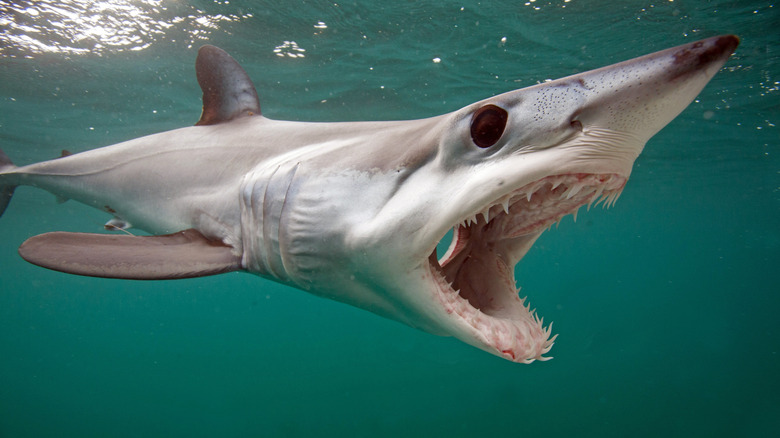
More charter boats are leaving from marinas in San Diego than from any other port in the world. Day trips, overnight runs, multiday expeditions — they all depart daily in numbers. In summer, many anglers are seeking mako sharks. San Diego claims one of only three known shortfin mako shark nurseries in the world, and adult makos usually weigh between 80 and 200 pounds — although some have been known to hit 1,000 pounds. They first arrive in spring and usually stay through to late fall. Mako sharks put up a battle, too, and they'll often clear the surface midfight.
In 2015, a blue marlin topping 600 pounds was pulled from the Pacific here. It's still among the largest of that species ever caught off the coast of California. Together with speedy striped marlin, they ply the waters here from summer through fall. Yellowfin tuna are another popular offshore target. They are present from April through September and typically weigh 20 to 50 pounds. However, bluefin tuna often push past 300 pounds. They're seen a bit less often than yellowfin, but are much bigger and unforgiving on anything less than the heaviest tackle.
All in all, you'll be treated to some of the most diverse offshore fishing on a trip to San Diego from midsummer to fall. But if it's winter deep-sea fishing you seek, a run south to the Coronado Islands, just across the Mexican border, keeps the action alive after the season winds down on the Southern California coast.
Destin, Florida
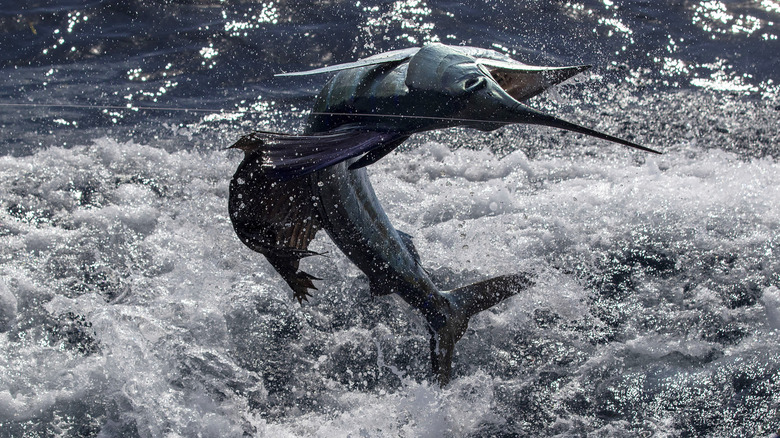
Destin sits in the middle of the Florida Panhandle and has been dubbed "World's Luckiest Fishing Village." This moniker dates to the town's early fishing history in the 1840s, when its waters were found to teem with a wide variety of fish species. It boasts some of the Gulf's most accessible deep water, too, with the famous 100-Fathom Curve dropping 600 feet from the continental shelf just 10 miles from the town's docks. Nearby, the seabed opens up into DeSoto Canyon, a gorge that drops 3,000 feet into the Gulf. It pulls cold, nutrient-rich water to the surface, attracting the type of fish that sends serious anglers booking the next available boat.
In fact, Destin is so good for fishing that it carries two nicknames. The "Billfish Capital of the Gulf" is another moniker that says everything you need to know about the fishing here. Blue marlin are a major summer target. But come late summer and early fall, white marlin move in, with local fishing reports noting strong September action offshore.
But the offshore waters off Destin hold more than just billfish. There are yellowfin and blackfin tuna, dolphinfish, wahoo, and mako sharks that match marlin in bite intensity. Hammerheads and bull sharks are also out there. But when you're not on a fishing adventure, you may want to relax on or explore several of the city's 'most beautiful beaches in the entire world.'
Venice, Louisiana
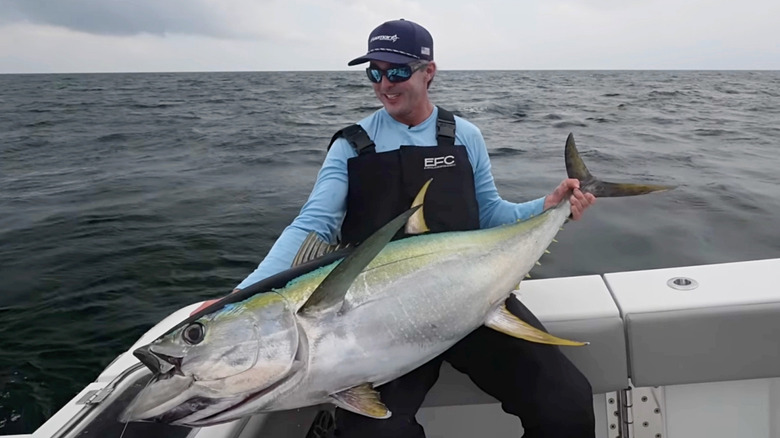
You'd be forgiven for thinking a 100-pound yellowfin tuna on the dock before dinner on any day of the year sounds like a tall story. However, there is one place where this is a genuine possibility: Venice, Louisiana. The town (population: 259) sits 75 miles south of New Orleans and marks the last stretch of drivable highway along the Mississippi before the river gives way to open water. Just offshore, the seabed falls away fast. For every mile you travel from the river mouth, it drops around 100 feet, and there are about 7,000 oil platforms in these waters that have created artificial reefs.
You'll find red snapper in season. Louisiana's recreational red snapper season is state-managed and varies by year, with the 2026 season opening May 1 and running seven days a week until landings approach the state's allocation. Mangrove snapper cluster around platforms closer to shore from late spring through early fall, with most weighing 6 to 10 pounds. Every so often, one threatens the record books. By summer, blue marlin move into range as warm water pushes in from the Gulf. Meanwhile, patches of drifting weed gather on the surface, and trolling along them can turn up mahi-mahi and wahoo.
Those promised yellowfin are particularly big around fall, and you can catch them as they feed on bycatch thrown overboard from trawlers. They also put up a good fight around the rigs. You can expect aching shoulders and arms from battles with fish in the 70- to 90-pound class. Winter doesn't slow things down, either. Wahoo, tuna, and hefty mako sharks are all still in play, and the only thing that can shut a trip down at this point is poor weather.
Montauk, New York
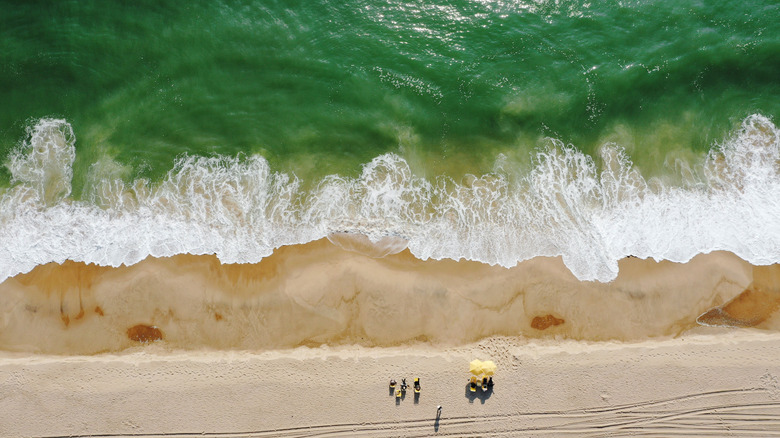
Montauk is a dreamy bohemian hamlet with world-class surf and seafood. It's also home to New York State's largest commercial fishing fleet, and it has the history to complement it. A 528-pound blue shark was caught here in 2001, while Dorothea Cassullo set the IGFA women's 50-pound world record for swordfish in 1959 when she landed a 492-pound, 4-ounce broadbill. The village sits on the eastern tip of Long Island, and its geography ensures deep water is close. Most charters work up to 35 miles from shore, but canyons holding big tuna and marlin sit at least 60 miles out. The two central to the offshore fishing scene are Block Canyon, which locals like to call the "Fishtails," and Hudson Canyon, a submarine canyon so vast it rivals the Grand Canyon in scale.
Known for clean jumps from the water when hooked, mako sharks dominate the lineup in these waters. Blue and thresher sharks follow in numbers, and the shark season runs from June through early October. Within a month of the season's start, the full tuna lineup arrives. Yellowfin, bluefin, and bigeye all gather wherever the canyon depths meet shifting water temperatures. Bluefin in particular have been known to top 1,000 pounds. That's a thousand pounds of fish that will test every ounce of an angler's strength and every inch of tackle on a boat. However, August sees them push northward, although they return in September before the season's end.
Cape Cod, Massachusetts
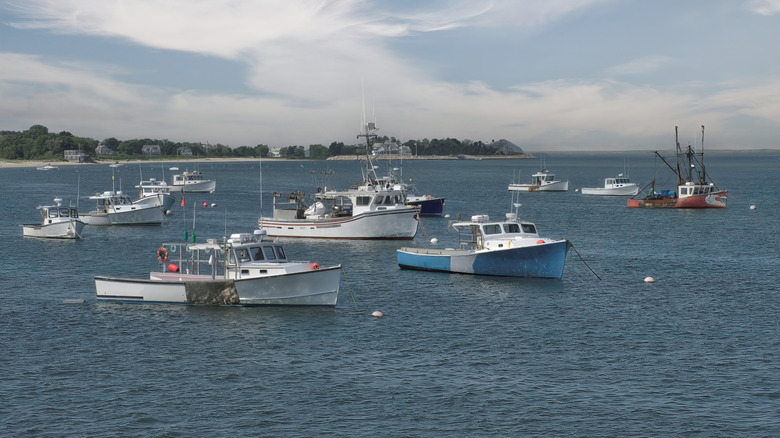
There's a reason Massachusetts goes by the title "Codfish State," a fairly obvious reason, granted. But cod are central to the region's identity. So much so that Cape Cod didn't even bother to wait for a nickname. Unlike many species, these fish do not stick to a calendar. You'll likely get a bite at many times of year when exploring the peninsula's spots for fishing and boating — even after peak season has wound down in November.
But the serious offshore action lies at Stellwagen Bank, part of a protected marine sanctuary just to the north. There, the underwater terrain ranges from 65 to over 600 feet — and holds enough bait to keep the big pelagics coming back season after season. Late spring brings the first wave. For a couple of weeks, bluefin tuna cruise through before they push onward toward Canadian waters. They stop briefly in the shallows and mingle with striped bass at depths of 40 to 70 feet. By summer, they are replaced by younger school-size bluefin. However, larger bluefin return in September and October as they feed heavily before their southward migration.
Cape Cod's deep-sea fishing isn't restricted to bluefin. Sharks are common, with shortfin makos and blue sharks abundant. Porbeagles and threshers are close behind, while marlin also bring the fight. Each September, a smaller, blistering-fast tuna relative, the false albacore, shows up in numbers, while the largest flatfish in the world, the Atlantic halibut, can be found scattered across the seabed from the farthest reaches to closer waters.
Galveston, Texas
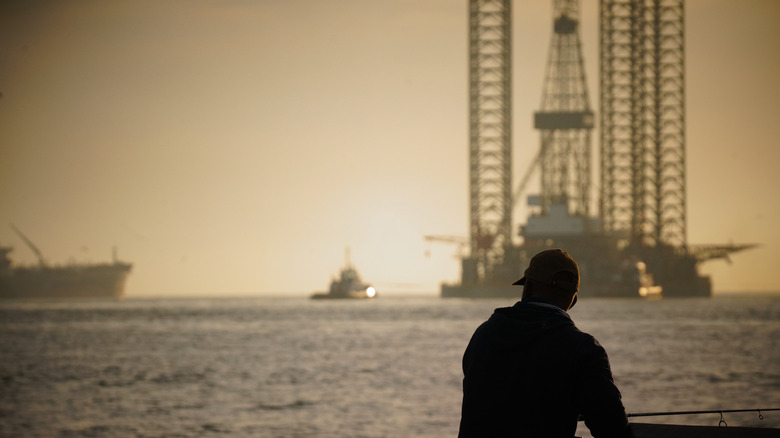
Galveston is an island city on the Gulf Coast of Texas that can boast a lively downtown with art walks, wine, and beaches galore. When it comes to deep-sea fishing, its geography is an advantage. Reefs and rigs sit close to shore and act as fish magnets. Beyond them, the water drops away into the deep blue and becomes the realm of giants. That deeper water is closer than you might think, too. Billfish territory can sit within 40 miles of shore, but you can push trips out to the 100-mile mark year-round. Marlin and sailfish are among the most sought-after — and the marlin aren't small. In 2014, the Texas state record for a blue marlin was set by a 972.7-pound fish caught in the Gulf.
However, it's tuna that dominate catch reports. Yellowfin and blackfin are common, while mahi-mahi also show up often. In fact, these fish are available much of the year, though summer is when you'll find them in peak numbers. Skipjack, bigeye, and bluefin are also present, but they turn up less predictably. Closer to shore, you can find plenty of snapper, while grouper can weigh about 30 pounds — but if you push the boat out farther, you'll improve your odds of hooking one past 100 pounds.
Virginia Beach, Virginia
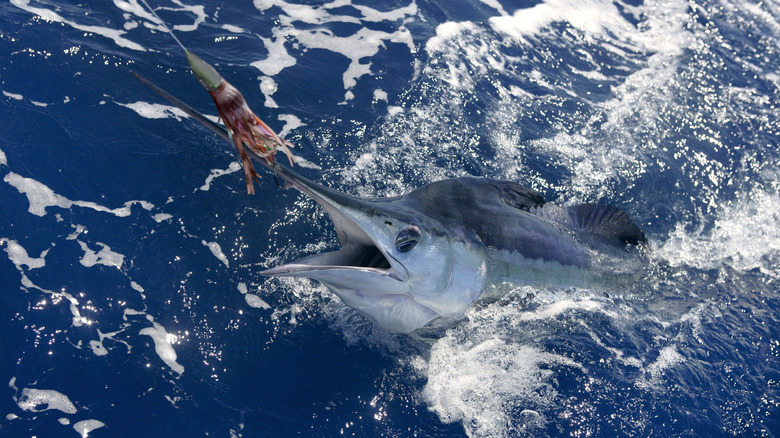
One deep-sea fishing crew plying the waters off Virginia Beach pulled off a feat few anglers ever manage. They hooked sailfish, spearfish, swordfish, and blue and white marlin in a single day. It happened in late August 2016, and in big-game fishing circles, it's what's known as a "Fantasy Slam." Nearly everyone fishing out of Virginia Beach passes through the same gateway: Rudee Inlet, a 110-foot-wide channel that funnels boats out toward offshore canyons and the deeper waters beyond. Virginia Beach sits between Wilmington and Norfolk canyons, but anglers call the area "White Marlin Central" because of the number of white marlin caught here. But these waters regularly produce the other four hooked on that day, alongside plenty of other game fish, like wahoo and mako sharks.
White marlin season at Virginia Beach isn't triggered by a calendar date. It follows the Gulf Stream. Pockets of warm water peel off the current every spring, pushing bait and billfish across the shelf as they go. Once the first one shows up, the season is on, gaining strength through summer before hitting its peak from mid-July into late September. Tuna fishing runs even longer, staying productive from mid-May through October. You'll also find bigeye and yellowfin in large numbers.
Gulf Shores, Alabama
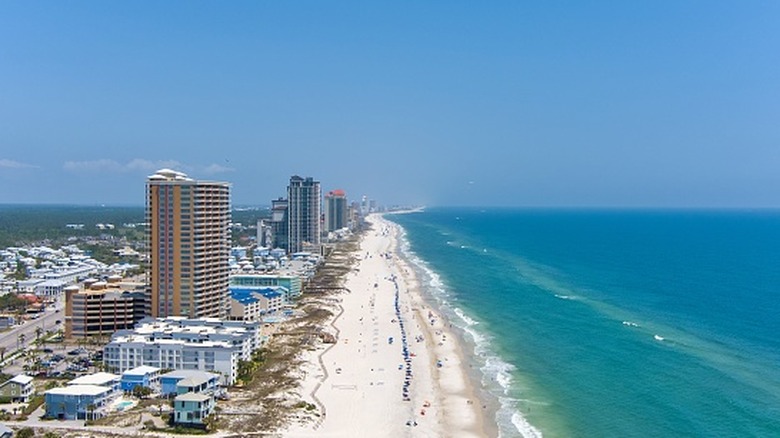
The city of Gulf Shores may be another of those gorgeous, full-of-charm towns in Alabama, but it sits in a state with barely any coastline. However, what happens offshore more than makes up for that. There are thousands of artificial reefs and easy access to oil rigs that turn this short stretch into a deep-sea fishing destination. But it's the variety that's the real story. Local captains say they can reel in 10 or more species in a day, especially once they push their boats into deeper water.
Red snapper is the staple on the Alabama coast, and you barely need to leave the harbor in Gulf Shores to find it. They're common within a couple of miles, and catches of up to 20 pounds are regular — although hooking a 30-pounder is a possibility if you venture farther out. However, the open season shifts year to year, while other species, including amberjack and grouper, also have restrictions.
You'll find tuna about 40 miles out, where the continental shelf drops away sharply. Yellowfin and blackfin bite much of the year, except for the coldest stretch of winter. You might even find sharks here. In fact, you might find them anywhere from shore to the distant rigs. Tiger, blacktip, bull, and hammerhead all show up, with the bigger specimens waiting in deeper waters.
About 60 miles out, you're chasing acrobatic sailfish, wrestling with the power of blue and white marlin and, with some luck, maybe landing the rare prize of a swordfish. The offshore rigs are the place to find these billfish, and June through September is the best time.