
11 Tips From Travel Agents For Planning A Stress-Free Vacation

A vacation plan could look perfect on paper and still go sideways in directions no one saw coming, except, of course, travel agents and advisors. Having waded through clients of myriad temperaments, travel styles and preferences and a wide range of disruptive scenarios, these experts have honed the art of preempting travel setbacks and tailoring trips in ways that can either bypass them entirely, or cushion their impact. However, planning a stress-free vacation doesn't need unlocking a chamber of travel secrets. In fact, most guidelines taper down to more practical decisions travelers tend either to overlook or feel overwhelmed by, when faced with a sea of choices. Think seemingly mundane details such as when is a good time to book, which airport to fly out of, what to pack, to insure or not to insure, and even where to go, in the first place.
To build this list, we went straight to the source — the word from the horse's mouth — sifting through blogs, articles, interviews, and travel forums where travel agents have imparted first-hand insights gleaned from years in the industry. The following advice spans the journey from making the very first decision about where to go, to navigating the many choices that follow.
Narrow down your destination

With the information overload on social media and various other platforms, decision fatigue can set in fast when it comes to choosing a travel destination. While wading through a seemingly endless sea of options, it serves to remember that travel memories aren't made so much of what's packed into an itinerary, as much as the experiences that stay with you the longest. One way to approach this, advise travel agents, is to focus on things that bring real joy during traveling, as opposed to checking off boxes on one's must-do list. Independent travel agent Jennifer Neff says, "When I'm helping someone plan a vacation, one of the first conversations we have is about what they want to remember when they come home." Having too many choices can quickly become counter-productive, she notes. Vacation seekers should narrow them down to places that genuinely align with what one wants from the trip.
Recognizing the reasons behind wanting to travel is vital according to certified travel coach Tracy Smyth. One could be inspired by a friend's travel experience, or a place they saw in a movie that they now feel drawn to, or something one read in a book or saw on social media. But while the sources of inspiration can be manifold, being clear about the reason helps narrow the field. Smyth advises, "Try to connect your reason for travel with feelings." One must also keep the focus on what suits us best as travelers, and not an influencer's glossy guide. Smyth further underlines that there's often an instinct that veers towards making the perfect choice. But remembering that, while it can be a major decision, it's not the very last one, can take the edge off.
Book early

Planning ahead and booking early can make all the difference in one's travel experience. There's not only ample time to get organized, but it can also minimize last-minute stress. Most importantly, early bookings further the chances of snagging a bargain, according to travel agents, as both flight and hotel rates tend to soar with availability shrinking closer to travel dates. Sophie Anderson, travel manager at CruiseAgency.com.au says on Quora, "The biggest tip I could give is to book your tickets early ... (airlines always have specials at different times of the year). The earlier you book, the better the price you will get." Dr. Dave Siefkes, owner of Super Access Travel, narrows it down to specific periods. While a 30 to 45 day window can work well for domestic destinations, for international bookings, he says it's good to aim anywhere between two to five months in advance. In fact, waiting too long to book, is one of the most common mistakes you'll want to avoid while booking overseas flights.
Sarah Key, founder and lead travel advisor of The Keys To Travel, a luxury travel agency, further underlines the benefits of booking ahead. From cashing in on early bird prices in resorts, to a larger number of viable options in airfares, a greater range of hotel rooms to choose from, and finding tour packages that are best suited to one's travel style and needs, the payoffs can be many, according to her. So, if you are eyeing that big, overseas trip in the summer, it's best to start booking in January.
Opt for shoulder season
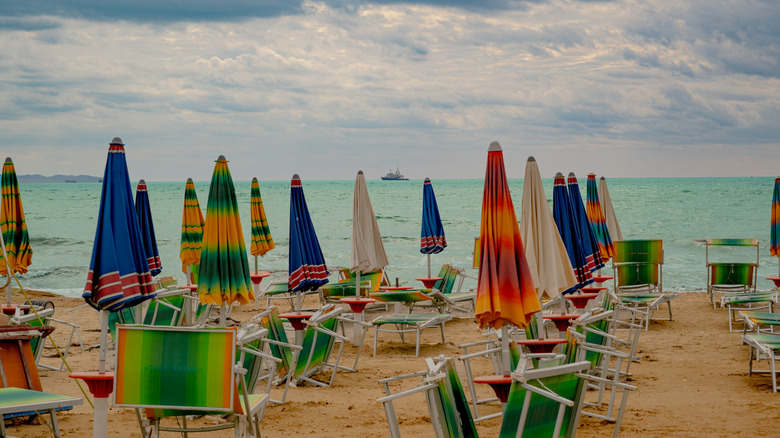
The shoulder season, or the period between the peak and off-season travel, is often championed by travel agents as the best time to travel. Staying just outside of peak periods helps one avoid destinations when they are packed cheek-by-jowl with tourists, while also steering away from peak season prices. For instance, air tickets to Europe during winters, with the exception of the holiday season, can be significantly less than a summer ticket. Similar deals aren't hard to find in accommodations as well — hotel rates can dip, with the added benefit of both large hotels or smaller owner-run properties being less stretched after the peak season rush thins out. Additionally, one can also skip the serpentine queues at the tourist hotspots and connect better with locals, who tend to be more open to tourists when the crowds aren't swelling.
Shoulder season between summer and winter months, or early spring, would also entail traveling in milder weather, with the only requirement for travelers being to pack more versatile clothing options. With lesser overwhelming surroundings, traveling during this period can often mean "a front row seat to a destination's true character", according to Siefkes. However, that sweet spot can vary from place to place. For instance, in Rome, an ideal shoulder season would be between November and March. The same period holds for London and Tokyo as well, while in Amsterdam, the options lie between October and April. In fact, these places also feature among the best destinations for off-season travel, making them worthwhile choices for the in-between seasons.
Compare airports

It's not just enough to compare airfare options. Comparing airports can also go a long way in securing better fares and even easing the travel experience overall. Travel agents advise keeping other nearby airports in the mix, and not straight up choose the nearest and the most major airport. While it's not always a complete guarantee to score better rates, because sometimes flights at smaller airports can end up costing more, but according to some agents, they help cut overall costs too, by offering free or reduced parking rates, and better options in direct flights. A case in point being, for travelers in the New York area, parking at Trenton-Mercer (TTN) costs $10 dollars a day as compared to a hefty $75 dollars at LaGuardia (LGA). Moreover, some exceptions aside, fares at smaller airports tend to be lesser, as these airports typically cater to low-cost airlines, with reduced landing fees and per passenger taxes, making them a better travel alternative to big hubs.
Opting for secondary airports, is in fact, slowly becoming a noticeable pattern among travelers. According to travel portal Cheapoair's travel forecasts for 2026, with major airports increasingly facing air traffic congestion and passengers having to grapple with higher fares, travelers are shifting towards alternate choices. Other factors pushing this trend are reduced wait times, that are around 18 minutes on an average at smaller airports, as compared to 30 minutes at the prime flying hubs. For travelers willing to look beyond obvious airport choices, agents recommend platforms like Kayak and Google flights to compare airport prices and set up alerts for price drops.
Fly early mornings and on weekdays

Travel agents appear to agree that early morning flights can significantly minimize the risks of delays, in addition to often being the cheapest option as well. Typically, in the case of early morning flights chances of delays are reduced as the aircraft is often already at the tarmac from the night before, thus eliminating the need to wait for it to arrive, point out travel agents. For shorter flights, these timings are an even better choice, according to Paul Charles, CEO of The PC Agency. Being the first flight of the day for the airlines in question, early morning flights tend to be more punctual than their later counterparts, notes Charles.
The possibility of things snowballing only increase during the later hours of the day, with more likely delays and other technical issues cropping up. Weather also plays a role, with thunderstorms more common in the afternoon, thereby making daybreak flights a safer bet to beat those weather woes.
The day of the flight can further impact its cost, and identifying the best days to fly is one of the most effective ways to save money. Newsha Tarifard, who runs boutique travel company, TravelWell Adventures, advises booking flights particularly between Monday and Thursday. Travel agents stress that weekday trips can enable savings of close to $100 dollars, when compared to inflated weekend rates. Kayak travel data appears to support this as well, with Monday departures and Wednesday returns emerging as the cheapest combination for domestic trips in the United States. And internationally, a return trip bookended by a Wednesday can fetch a good deal.
Use loyalty credit cards

One should try and opt for an airline branded credit card that can fetch benefits beyond the flight tickets themselves, advise travel agents. Think free checked-in bags, priority boarding, access to premium airport lounges, and free TSA PreCheck and Global Entry, aside from the chance to score miles for a free or discounted flight in the future. The sign-up incentives for new users are particularly alluring in some cards like the Delta American Express, wherein one can accumulate up tens of thousands of airline miles, point out agents.
Luxury travel advisor Sarah Keys, who lists Chase Sapphire Reserve and Venture as her favorites for travel rewards, feels it's a waste of money if one isn't using a travel credit card with plum benefits. Speaking of Chase Sapphire Reserve specifically, which also happens to be among the 10 most popular travel credit cards, a travel agent on Reddit says they've earned Southwest's Companion Pass for six years using points alone through card spending. The Alaska credit cards are yet another top recommendation by agents, that offer free companion flights, and rank among the most sought-after airline card perks.
According to agents, with a little understanding of travel rewards programs and choosing the right credit card for travel, one can slowly move towards maximizing their rewards and score travel benefits that make trips more affordable.
Avoid the cheapest option

Travel agents and advisors like to remind again and again that the cheapest options don't always translate into value. In the case of accommodation, in particular, choosing the lowest price without weighing the tradeoffs such as location, safety, convenience, and comfort can often end up costing more in the end. The quest for the cheapest deal could leave one with a hotel that's far removed from the center of action, or a cruise on a questionable vessel, or even a tour that is rushed and overcrowded.
Nashville-based travel advisor Kat Morga who runs a travel agency called Adventure Smarter, points out that the flip side of the cheapest deals rarely shows its face at the time of booking, but only well into the trip when one is faced with a delayed connection at an unpleasant hour, or the realization that the cheaper hotel is actually nowhere near where one needs it to be, and may ultimately cost more to get to. Even as the goal isn't always to find more expensive options, the trick lies in finding the sweet spot between upgrades that actually enhance the travel experience and those that merely inflate the bill, Morga says. Knowing when to splurge and when to hold back is the key to a well-rounded trip, something that also reflects in the top travel tricks we've learned from Rick Steves.
Don't skip TSA PreCheck and Global Entry
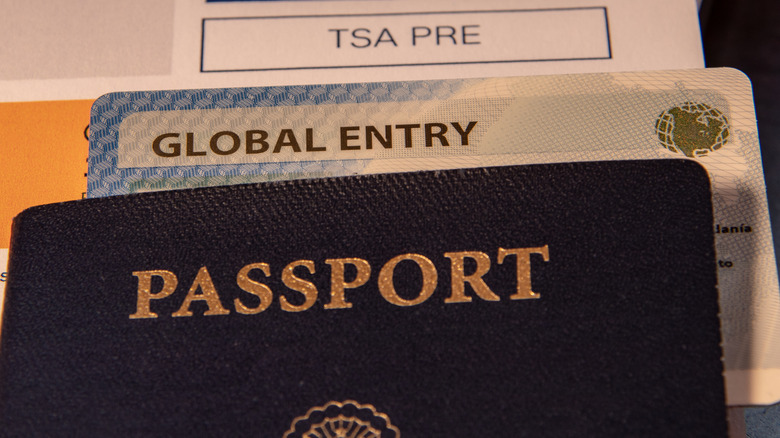
The high of going on a holiday can quickly fizzle out during an arduous wait at airport security or immigration queues. And after a long trip, enduring another queue upon one's return is even less desirable. Travel agents, therefore, strongly recommend signing up for expedited screening programs, to minimize the grind of prolonged waits at airport queues. For Sarah Keys, both TSA PreCheck and Global Entry have proved to be a gamechanger, something that she opts for herself, and unequivocally advises her clients to do so, too, particularly those who regularly pass through busy airports or travel internationally. Keys recommends Global Entry for those who expect to make at least one to two international trips a year, over the next five years, particularly since the $120 dollar-fee covers a five-year membership and also includes TSA PreCheck.
For domestic travel within the United States, TSA PreCheck allows eligible travelers access to exclusive security lanes with faster checking, where they won't need to remove items like shoes and belts, or personal belongings from their carry-ons, making the process smoother and quicker. Global Entry, on the other hand, is aimed at international travelers returning to the U.S. allowing them to pass through a dedicated fast customs lane, instead of joining standard immigration queues. She also points out that some travel credit cards reimburse the application fee for Global Entry, further sweetening the deal for eligible cardholders.
Pack smart, not just light

Whether one loves it or loathes it, packing remains an unavoidable part of travel, something that travel agents and advisors deem indispensable to a smooth holiday. Some of the most useful advice, however, appear to stem from the small things most travelers tend to overlook. Compression socks seem to be one such item, as Laurie Robinson, independent travel advisor, would like to remind. Rather than just packing them, wearing them especially on long-haul flights that stretch over 10 hours, can keep circulation steady, she says.
There are a number of ways to pack a suitcase as efficiently as possible, with agents consistently pointing to packing cubes, for more adequate results. Especially useful in carry-ons, they help maximize space, making multi-country trips, like those within Europe, a breeze without having to check in a bag. As a cautionary travel hygiene, Nathan Varney, a travel consultant, also recommends packing a spare outfit in the carry-on, to help tide over missed or delayed luggage arrivals.
In addition to a host of chargers, power banks, and a durable multi-compartment back-pack, health essentials like electrolytes and Vitamin C tablets make the list too, according to Fatima Yuceler, travel advisor and owner of Global Travel Vibes. Agents also caution against over-packing, and advise to keep an eye on the constantly changing rules of TSA. "It's better to repack, than to watch your favorite items vanish into the bin," Siefkis reminds.
Don't skip travel insurance

Travel agents observe that travelers often tend to underestimate the risks of going into a holiday uninsured. Keys, who consistently designs various kinds of holidays for families and couples alike, vouches for the importance of travel insurance to get through unforeseen, and often unavoidable travel disruptions. Depending on the policy, travel insurance can not only cushion the damages inflicted by a cancelled flight but also cover costs of an unexpected health scare or other personal emergencies that could force a last minute cancellation, and even help with lost luggage, or medical expenses incurred during a trip.
Independent travel advisor Kimberley Evans, who has handled a plethora of travel disruptions in the course of her career, flags more risk categories such as airline tech snags, strikes, airspace lockdowns, and government-related disruptions like TSA funding gaps that can ground flights with little to no warning. When the stakes are high, with not only money but also health on the line, protecting the investment is worth the added cost, says Keys. Evans echoes this. "You just never know. Travel protection is about responsibility, preparedness, and peace of mind."
Always leave some wiggle room

Not many travelers see the merits of having pockets of unplanned time during a holiday, preferring instead to stuff their itineraries to make the most of their trip. Travel agents, however, strongly advise keeping some buffer time with nothing specific planned. Aside from acting as contingency measure in the case of a delayed flight or a closed attraction or an unforeseen off day, these undefined periods can often turn into some of the most memorable parts of a trip. Kendra Wagner who runs luxury travel agency Kendra Wagner Travel, cautions against cramming itineraries, underlining the value of building the trip for the traveler, rather than forcing them to keep up with the plan.
However, even as planning is integral, Neff stresses that it shouldn't be irreversible. Sometimes, leaving room to go with the flow and move things around can make all the difference. That flexibility can widen the possibilities of stumbling upon things by accident, or enjoying an extra hour in a place one didn't expect to linger in, creating some of the most enduring and unexpected travel memories.