
8 Unwritten Rules You Should Know Before Visiting Denver
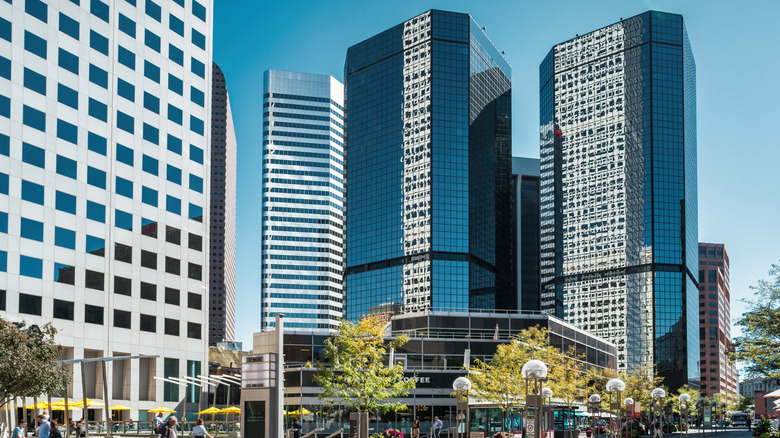
Every destination takes a bit of research, and although Denver might seem like a typical American city, you should still prepare yourself in order to have a great time here. Avoiding altitude sickness, anticipating the weather, getting around, and learning the rules of respecting the great outdoors are all great things to think about when planning your trip — especially since there's a little something for everyone in the "Mile High City."
In addition to the nearby mountains and foothills, the Denver area offers lots of parks with green space and relaxing nature. Plus, this adventure-loving city has been called the "street art capital" of the U.S., so art lovers will also find lots of cool exhibits and installations to explore after enjoying the outdoors. And, of course, foodies will find all sorts of delicious foods to try throughout the city.
Before you enjoy Denver's charms, you'll want to consider a few unwritten rules that may make your trip even better. We've consulted local Denver-based tourism and news sites and local Reddit threads to compile a diverse list of packing tips, safety measures, tricks for getting around, and more. While this is not a comprehensive list of all things to consider before visiting, these rules are a great jumping off point for your Colorado vacation.
Prepare for higher altitudes

It's easy to see why Denver is called the "Mile High City" since it's located at an elevation of 5,280 feet — about one mile above sea level. This type of elevation means that the air is "thinner," meaning it contains less oxygen and humidity. Sure, Denver isn't as high up as towns like Aspen (7,908 feet) or Telluride (8,750 feet), so its comparatively lower altitude may not affect most visitors. However, some may still experience some uncomfortable symptoms, including headaches, nausea, shortness of breath, and lightheadedness. Your energy could also deplete quickly, leaving you feeling fatigued.
One of the most important things you can do to feel better as your body acclimates is to stay hydrated, as the dry air will deplete water from your body quickly. You'll also want to eat smaller meals, and pay attention to the kinds of food you consume. Potassium-rich foods like bananas will help increase electrolytes, while complex carbs and a few other foods can help fight other altitude sickness symptoms. Staying away from alcohol, at least for the first few days, can also be helpful, and you may want to rest more than usual. Your body is already under extra stress as it tries to acclimate, and adding too much activity into the mix may make this more difficult.
If you've rested well and stayed hydrated, acclimatization usually happens within a few days. After that, you should be able to fully enjoy your vacation. If you find yourself feeling confused, experiencing shortness of breath even while resting, or suffering with a headache that doesn't get better, those are signs that your symptoms could be progressing into something worse and you should consult a doctor.
Save money on hotel transfers with the A-Line

When locals rave about a train, you know it can be trusted, and Denver's A-Line has its fair share of fans. One Redditor explained that it was "by far the most reliable way to get to the airport." Another well-traveled local on Reddit agreed, saying, "I have not driven to the airport yet in 2025. And I'm a pilot." Apart from being convenient, if you're visiting Denver on a budget, you'll also appreciate how much you'll save taking the train from the airport to your accommodations.
The A-Line takes a little over a half an hour from the airport to Union Station in the downtown area. At the time of this writing, you'll pay $10 for an all-day pass that you can use from the airport, as well as across the system. For comparison, a cab is around $70, so you'll save significantly. These savings are even higher when you consider that once you get downtown you can use the same pass to transfer if you need to continue on to your hotel or rental.
Lower Downtown is a popular place to base yourself for city adventures. Similarly, if you booked a hotel in the very cool River North Arts District, one of Denver's viral destinations, your journey will also be easy because the A-Line goes to the center of this neighborhood (the 38th and Blake stop). The A-Line and its connecting trains cover many other parts of downtown, so you should check the schedules to see which stop is closest to your hotel. However, keep in mind that if you're planning on going into the mountains or outside downtown Denver, you may want to consider renting a car for certain activities.
Arrive extra early at Denver International Airport
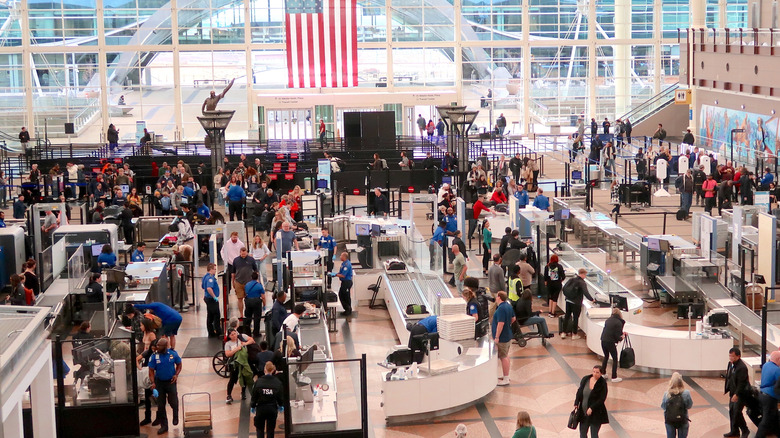
Denver International Airport (DEN) is so big, you could fit all of Boston inside it and still have space left. At 53 square miles, it's the largest airport in the U.S. and the third largest in the world. It's also among the busiest, with over 82 million travelers going through in 2025. This colossal size is one of the main traveler complaints about the airport, and it's why you may need extra time if you're catching an outbound flight.
A report by Kuru Footwear puts the sheer amount of space passengers need to cover in perspective. The company looked at airports with the longest walk to the farthest gate and found that Denver had the second-longest at 1.14 miles. Hopefully, your gate won't be that one! But even if it isn't, you'll still have quite a lot of ground to cover. "I'd say 2 hours is plenty. The only reason id think to allow yourself a good amount of time is just navigating the airport," said one local on Reddit, in response to a traveler who was worried about having enough time to check in and get to their flight.
On the bright side, Denver International Airport is known for having some of the fastest-moving security lines in the U.S., with wait times of only a few minutes (via The Independent) — so you likely won't have to worry too much about that. If you think you may have issues with getting to your flight on time, you may want to consider staying overnight at the Westin Denver International Airport so you can wake up just a few steps from the airport.
Look out for motorcyclists
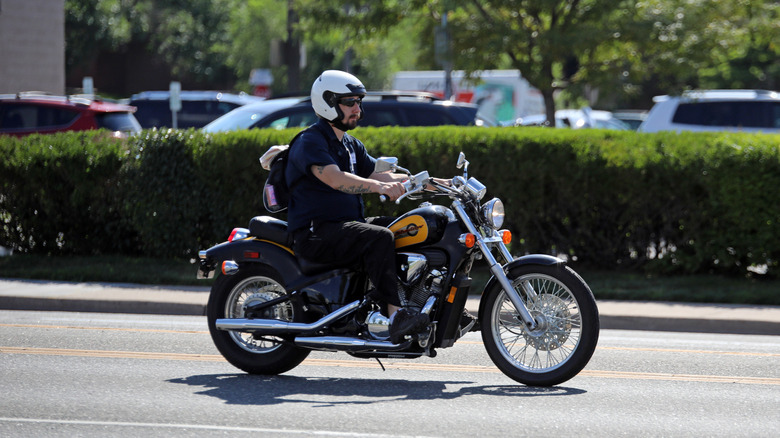
Picture this: You're cruising down the highway on a sunny, cool day. The mountain views roll past you in the distance. It's just you and the open road. Well, for many motorcyclists, this isn't just a fantasy. Denver is considered one of the best areas in the U.S. for motorcycling for it's gorgeous views and biker-friendly culture, including Denver's unbelievable craft beer scene that welcomes bikers (and everyone) in for a drink and camaraderie. Of course, every city has traffic, but visitors should be wary of motorcyclists on the road here, even if they're pedestrians. Of course, the local view of motorcyclists is pretty mixed as well.
One local, Diane Carman, expressed her displeasure in an article in the Colorado Sun. Her main complaint was the increased noise levels the bikers bring with them. She also expressed concerns about larger groups of motorcyclists that can cause difficulty for both drivers and pedestrians. While this is just one person's experience and perspective, the Colorado State Patrol in the past has expressed concern about motorcyclists sometimes driving recklessly. While not blaming them entirely for the high number of motorcycle accidents in the city, a press release issued in 2022 warned bikers to be less reckless on the streets.
If you're visiting, drive extra carefully regardless whether or not you happen to be around motorcyclists. Slow down and ensure you're careful with blind spots since this is one major cause of accidents between bikes and bigger vehicles. Pedestrians should also be extra aware when they're at street intersections. If you do happen upon a group of motorcyclists revving their engines, it's likely just a temporary noise before they drive away.
Don't litter with your cardboard sign if you hike a fourteener
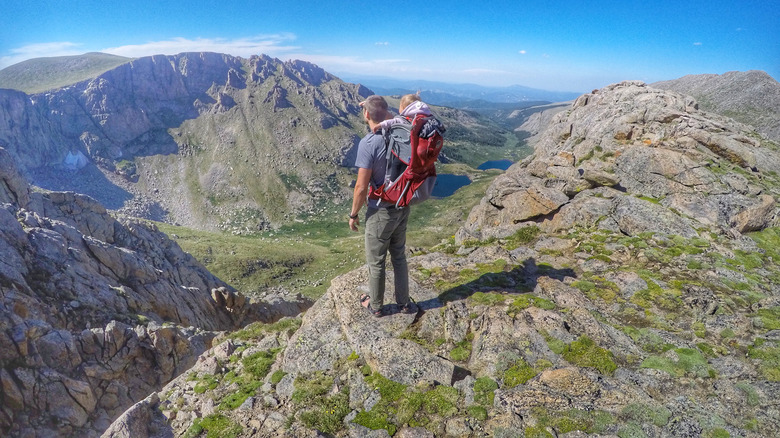
Being so close to the Front Range in the Rocky Mountain foothills, Denver never fails to attract hikers looking to bag themselves a fourteener — that's a term for mountains over 14,000 feet high, in case you didn't know. Just a little over an hour and a half from the city, mountains like Longs Peak and Bierstadt make for excellent excursions into nature. The sky-high mountains have gained social media fame, attracting many outdoor enthusiasts who want to try to scale their slopes. It's no easy feat, and certainly should be reserved only for truly experienced hikers and climbers.
Still, if you manage to climb a fourteener, that achievement rightly deserves celebration. However, keep in mind that climbing to a summit of 14,000 feet (or above) and can take quite a while to reach. Mount Evans (now known as Mount Blue Sky) is a popular summit that's only 60 miles from Denver and reaches a height of 14, 264 feet. Even if you're not particularly experienced, you can drive most of the way up via the Mount Blue Sky Scenic Byway, then take a short hike to the summit. However, there are many different trails (which vary in length and difficulty) to get to the top. One common way many hikers mark their achievement is to snap a selfie holding a cardboard sign that notes the total height and name of the peak.
This would be fine if hikers took the cardboards with them. Instead, they are often left as garbage, defacing the gorgeous views and sometimes becoming projectiles when it gets really windy. If you plan on scaling one of the mountains, follow the "leave no trace" rule and take all your garbage with you when you leave.
Don't expect to get tickets for some Broncos games
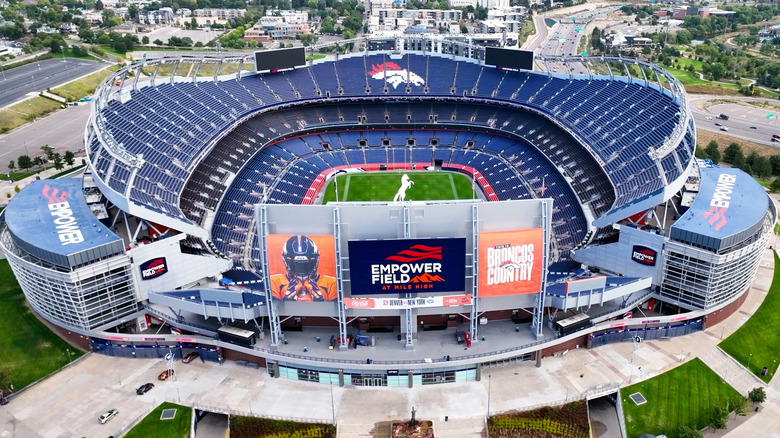
The Denver Broncos are a big deal in the football world. They've won eight American Football Conference championships (AFC) and were the Super Bowl champs in 1998, 1999, and 2016. Famous names like Tim Tebow and Peyton Manning have played for the team, drawing hordes of local and outside fans to Empower Field at Mile High, their home stadium in Denver. But on some occasions, these enthusiasts are blocked from buying game tickets.
The reason for this is simple. Broncos tickets are a hot commodity. In fact, every regular season Broncos game since 1970 has sold out. A major reason is their engaged fan base who buy around 97% of the stadium's available seats as season ticket holders. This leaves a short supply of inventory for everybody else. When that supply is gone, those who can afford it may have to pay double the price to get a ticket from resellers (or more). But sometimes money doesn't help.
At times, the Broncos restrict tickets so only buyers local to Colorado and the rest of the Rocky Mountain region can make a purchase. For instance, during the recent AFC finals between the Broncos and the Patriots in January 2026, Patriots fans (and any non-local Broncos fans) couldn't purchase tickets if they didn't have a billing address in the region. And this has happened in both the 2013-2014 and 2015-2016 seasons as well. If you live outside the Rocky Mountain region and plan on visiting Denver to attend one of these games, you may find it impossible to get tickets — unless you have a local friend!
Don't forget sunscreen
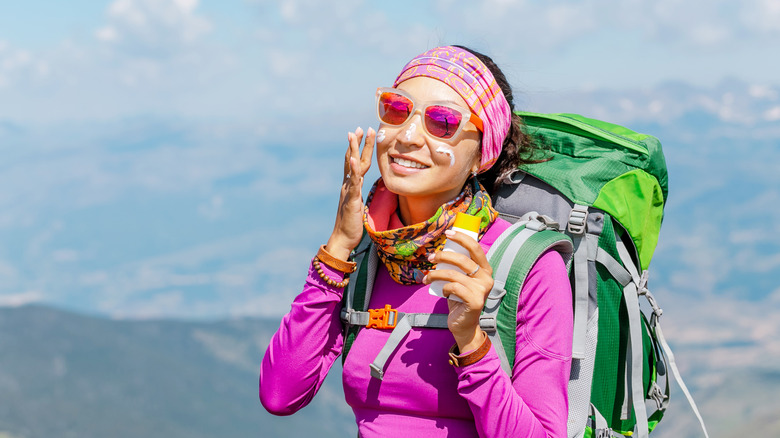
The best thing to do in Denver is to take advantage of the great outdoors. The city itself is packed with river-side trails, pretty botanic gardens, green spaces, and parks. Outside the city limits, the surrounding foothills and mountains offer amazing day trips for outdoorsy types. Of course, being outdoors also means increased sun exposure, so pay extra attention to applying sunscreen. In addition, the city's elevated location and weather patterns combine to make the sun a little extra intense.
The effects of sun exposure increase by 5% with every 1,000 feet of elevation gained. With Denver being above 5,000 feet high, this translates to an approximately 25% increase in the amount of harmful UV rays impacting your skin than they would be at sea level. The number of sunny days the city gets adds to the issue. Being one of the U.S.'s sunniest cities, it gets around 245 sunny days per year, way above the nationwide average (205 days), according to FOX Weather.
This means that sunscreen is non-negotiable, even if you don't think you'll be outside that long. Ensure that you pack water resistant, broad spectrum SPF 30 sunscreen and use it. Thirty minutes before going outside, apply an ounce (around two tablespoons) and reapply every two hours. Remember that cloud cover won't stop harmful rays from coming through, so follow the same routine even on cloudier days. The trick is to consistently apply and reapply on schedule so you remain protected. Also consider adding other measures like a wide-brimmed hat, sunglasses that block UV rays, and clothing with built-in UV protection.
Pack extra layers

On September 7, 2020, Denver was a scorching 93 degrees Fahrenheit after several days in a row above 90 degrees. By the next day, the temperature had gone to a freezing 31 degrees — a dizzying 62 degree drop (via CBS News). One local recounted the experience on Reddit, saying, "I still have a picture saved on my phone of my weather app that says 100 degrees with a winter weather warning."
It may seem surprising that a city known for having pleasant, sunny weather could have such erratic temperature changes. However, when you understand how its location impacts its weather, it starts to make sense. Denver sits in a mid-latitude position, which puts it between the cold air from the Arctic and warmer, tropical air from The Gulf of Mexico. When these meet, all sorts of unique weather patterns emerge. The tall mountains next to the city also affect the climate. They often interrupt wind flows, quickly warming and cooling the air, and changing the weather around them on a whim. Denver's elevation also plays a role in its weather patterns, since the dryer, thinner air heats and cools much faster.
With all this variance, locals know to always have extra layers. "As a long term resident of Denver, I can tell you with full confidence nobody truly knows what to expect when it comes to weather," joked a local on Reddit. "Be prepared with some layers maybe a puffer for snow, but also be prepared for 60 [degrees] and sunny." We recommend going prepared for everything from extreme cold to sunny warm days. Always check local weather apps and pack light sweaters, winter jackets, warm weather clothing, base layers like t-shirts, and appropriate shoes for walking outside.