
Unwritten Rules Every Retired Traveler Should Follow

Retirement travel can be among the most exciting phases in a person's lifetime. With fewer work commitments and time constraints, retirees can indulge in truly satisfying vacations that involve long days of rest, comfortable stays, deep intakes of foreign culture, and novel experiences that feel especially fulfilling at this stage of life. This approach to travel, however, comes with a few unspoken rules that hold this idyllic big picture together.
A seamless vacation begins long before you actually board the flight to your destination. From consulting your healthcare provider to organizing your documents and, perhaps most importantly, getting into a relaxed frame of mind, your all-important list of things to check off before travel should cover both practical and mental preparations. During the vacation, several seemingly minor tips — such as not over-planning the itinerary or asking locals for recommendations — can help you get the most out of your adventure. Here are some unwritten rules every retired traveler should know for smooth, stress-free getaways.
Find meaning in slow travel

There are good reasons why many travelers are ditching busy itineraries in 2026. With the world increasingly finding value in the idea of slow, immersive travel, the traditional approach of checklist-style tourism is losing some of its appeal. It's a mindset shift that can be particularly useful for retirees by nudging them toward an itinerary that prioritizes mindful relaxation over constant sightseeing.
This can be something as simple as lounging at the beach and soaking up the joys of doing nothing, rather than racing from one famous attraction to the next with your eye always on the clock. A packed schedule with no rest days can tire even the most seasoned travelers out, making it all the more important to leave room for downtime. Not to mention, cookie-cutter tour packages can leave little room for meaningful experiences.
Despite the temptation to see everything, give yourself permission to linger over a long, lazy lunch. Wander through a local market or read a book at a cafe. Revisit a favorite spot without feeling like you're missing out on other places. Don't forget, retirement offers something that employed life often can't: time. Make the most of it.
Accommodation should maximize convenience
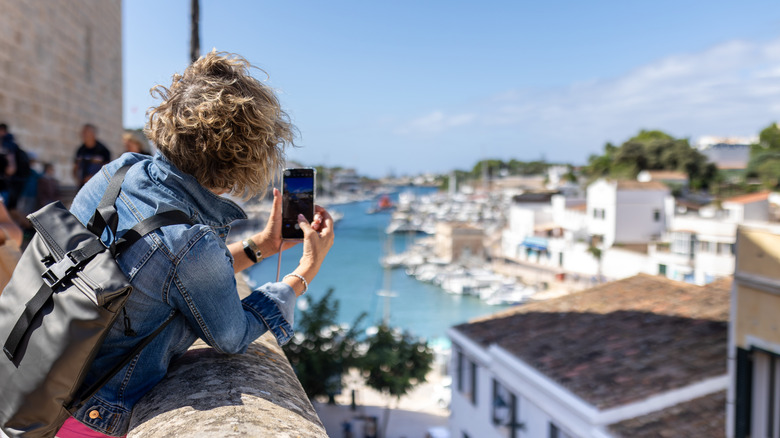
Imagine booking a hotel in a neighborhood so far from all the major sightseeing spots or the city center that getting around every day means long commutes, stressful logistics, and higher costs. Choosing a conveniently located accommodation is particularly important for retiree travelers, as it can make or break your trip; do your homework well.
While filtering stays for your holiday, make sure to pick options in or near well-connected neighborhoods with easy access to the sights and services you need. Such neighborhoods are often well-lit and busy, with restaurants, shops, and markets that will cater to your daily vacation needs. A well-connected, popular neighborhood may also feel safer than an isolated area, particularly if you expect to walk back to your hotel after dark. You may have to shell out a few extra bucks for these central locations, but as a Reddit user shared on a forum discussing senior travel, "Pay the extra five or ten for the better room or the better seat. You deserve a treat now and then."
Wherever you stay, you should also check that the property covers all the comforts for your rest and accessibility. Depending on your needs, these can range from basic hotel features like handrails, elevators, and wheelchair ramps, to personalized dietary options and on-call emergency care providers. Read online reviews for firsthand accounts or call the hotel directly to confirm specific features before booking.
Keep copies of your important documents
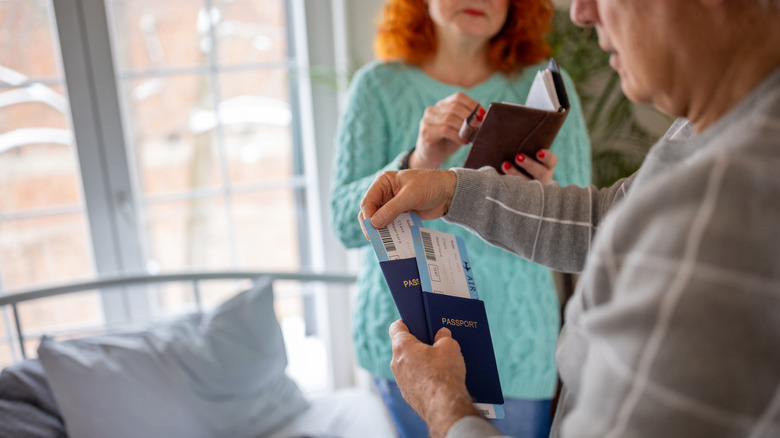
Printouts might seem passé in a world that prizes digital data, but when it comes to travel, physical documents can still be useful backups. For starters, some members of the travel community are simply more comfortable with keeping information on paper rather than navigating it on small phone screens. Paper documents can also feel easier to consult and keep track of than information stored across multiple apps and devices, and print is still sometimes associated with trust in a way that electronic information cannot replicate.
As part of your travel prep, print out copies of your identification, passport, visa, driving license, flight information, trip itinerary, travel insurance documents, and a list of your medical conditions and prescriptions (along with your doctor's details and other emergency contacts). Keep copies of these documents separate from the originals, and give another set to your family or other trusted people back home who know your itinerary and can provide the information to authorities or medical professionals if necessary. As always, it is better to be safe than sorry.
Stay on top of medications, vaccinations, and travel insurance

Making sure you're well-equipped on the medical front is a crucial part of travel prep, retired or not. A good first step is to talk with your doctor during the planning stages about any health considerations related to the length of your trip, your destination, and the activities you have planned. Preparing for a retiree's holiday in Antarctica, for instance, will look wildly different from a luxurious Mediterranean summer getaway.
The Centers for Disease Control and Prevention recommends scheduling this consultation at least four to six weeks before your intended date of travel. This will also leave enough time for you to complete all required pre-travel health screenings or receive any recommended vaccinations your healthcare providers deem appropriate. Also use this period to research and invest in a robust travel insurance policy that provides comprehensive medical coverage while you are away.
Pack enough of your regular medications to last the entire trip, plus a few extra days in case of delays, and keep them in their original labeled containers. One Reddit user also wrote about keeping other basics like "band aids, anti itch cream, a small tube of antibiotic ointment ... benadryl, Imodium, TUMs, pain meds" in their medical kit. Most medicines will pass through airport security easily in your carry-on luggage, but as the Transportation Security Administration notes, some medical devices may be subject to additional screening.
Pack light but make sure to carry essentials
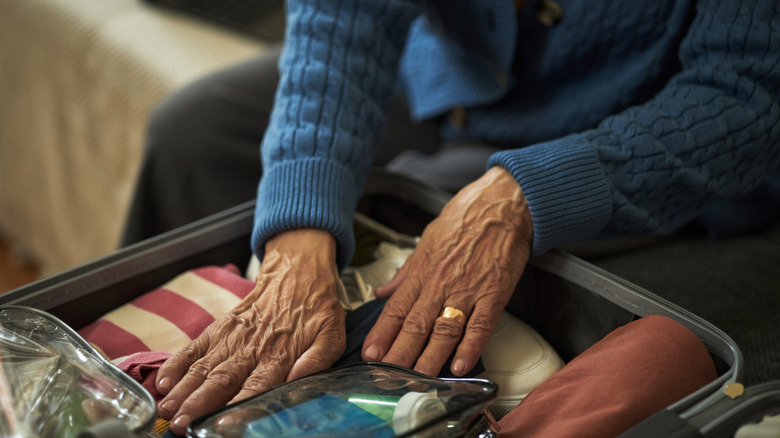
Packing light can make travel considerably easier, particularly when you're dealing with airports, public transportation, or moving between hotels. From the 54321 packing rule to space-saving baggage hacks, there are many ways to reduce luggage to only what is necessary. In many popular destinations, it is relatively easy to replace everyday essentials if you run out or forget something.
Hotels often provide basic hygiene kits, extra towels, and other daily essentials like hair dryers and irons, allowing you to leave certain bulky items at home. While often expensive, many also offer laundry services, and there may well be a laundromat nearby, reducing the need to carry tons of clothes. However, that doesn't mean sacrificing the items that make traveling more comfortable in a bid to keep your luggage light.
Things like compression socks, comfortable footwear, a neck pillow, an eye mask, a travel blanket, and, if needed, a foldable walking stick can make a world of difference for seniors on the move. It's also a good idea to keep some travel-size toiletries, snacks, and any hydration or electrolyte products you regularly use handy for the journey. Don't load up on these excessively, as you'll likely find them at supermarkets once you land.
Stay active everywhere

If you are physically able, look for opportunities to stay active wherever you can. And by everywhere, we mean even in the unlikeliest of places, even during flights. While airports often have ample space for walking around (and, for those who need it, special assistance services), aircraft cabins are cramped spaces where moving around can be a challenge, and many end up sitting in place for hours at a time. But it's important to get up and stretch your legs once in a while, particularly on long-haul flights, when prolonged sitting can increase the risk of stiffness, swelling, and, in some travelers, blood clots such as deep vein thrombosis (DVT).
DVT occurs when a blood clot forms in a vein, usually in the leg, and prolonged immobility can increase the risk. According to Mayo Clinic, people over 60 are more at risk, although people of all ages can experience it. You can help reduce the risk by taking short walks around the cabin every few hours, doing ankle and calf exercises at your seat, and preventing dehydration by drinking water and avoiding alcohol. Compression socks can also help maintain healthy blood circulation. Apply these tips even to other prolonged periods of travel during your trip, such as on road trips, train journeys, or bus rides.
Don't skip the city bus tour
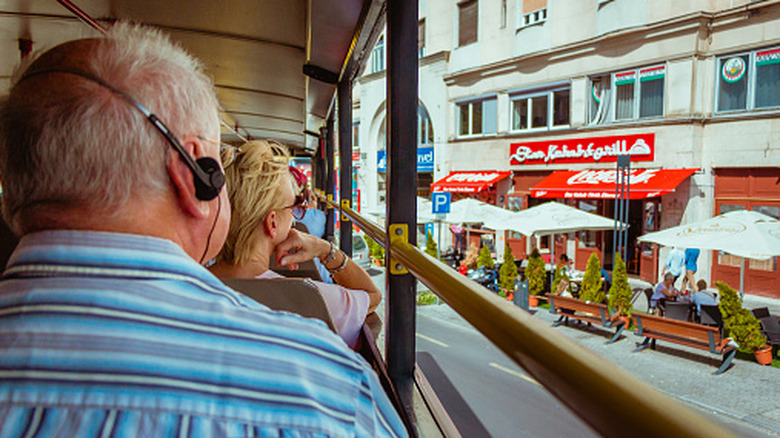
Many travelers today dismiss tour buses as an overly touristy way to discover a new city. But there's a reason those sightseeing staples are still around and thriving. Contrary to their reputation for rigid itineraries and loud crowds, tour buses continue to stack up well against other modes of exploration by maximizing convenience and organization. For retirees, this can be particularly useful, removing the stress of building a travel schedule once they arrive in a new destination.
From sorting out entry tickets for local attractions to mapping out the most tourist-friendly routes around a city, guided tours can take care of logistical details that can otherwise add unnecessary hassle to a senior's sightseeing day. Travel guru Rick Steves is a fan, including them among his tips to help retirees travel to the fullest. A tour bus may cost slightly more than exploring independently, but considering the perks they sometimes provide — hotel pickup, air-conditioned settings, good seating, panoramic views, audio narrations, and expert insights from local guides — they are a convenient option for travelers who want to see more without taking on all the planning themselves.
Download useful apps before leaving

If there's one trusty companion that will stay with you through thick and thin on your travels, it's your mobile phone. Beyond the usual calling, texting, payment, booking, and entertainment it already provides, your phone can also serve as a handy tool to make several aspects of travel easier with the right apps. Downloading offline language packs in Google Translate and offline maps in Google Maps can be particularly useful when you don't have reliable internet access. XE Currency Converter can also provide quick currency conversions to save you the effort of mental calculations. TripIt is another popular app used for organizing travel itineraries in one place. Travelers who aren't as tech-savvy as others and want to avoid the trouble of manually searching for flight details, hotel confirmations, and other important travel bookings will find this app particularly useful.
Medisafe— a medication reminder app — can also be useful for retirees who need to keep track of their medications while away from home. Download these apps before leaving home, so they're at your fingertips whenever you need them, but make sure to keep your phone charged at all times when you step out of your hotel room or are traveling long distances. Having a portable charger handy acts as a good backup. But as mentioned, remember to keep offline copies of essential information, such as your hotel address, emergency contacts, and key travel documents, in case you lose connectivity or your phone runs out of power.
Keep a small notebook for essential information

Keeping a travel journal is a joy that travelers across generations share. And though such a diary generally manifests as a memory lockbox that one can flip through fondly in the future, it also serves a more imminent purpose, especially for senior travelers. A small physical diary can double as a handy guide for jotting down important information that might be easy to forget. This could range from something as simple as directions to your hotel to more navigationally complex ones, like the directions for a hike or metro stops on your route.
While phones and smart notebooks can record essential details, there's nothing like the old-school comfort of having something handwritten on paper to rely on, particularly in areas where connectivity might be an issue. Beyond its practical usage, a diary like this can also serve as a running list of recommendations for food, sightseeing, events, and offbeat trails that you pick up from locals or other travelers along the way. It can also provide a quiet opportunity for reflection and mental decluttering during your travels.
Don't be afraid of a flexible itinerary
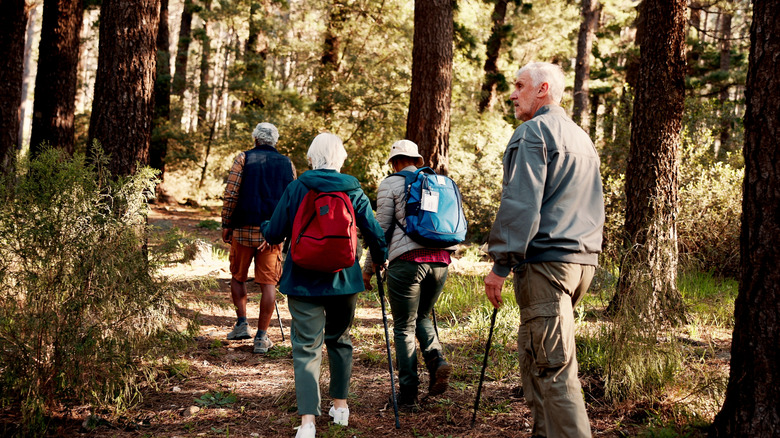
More and more people are waking up to the beauty of leaving a little wiggle room in your itinerary for unplanned adventures that might suddenly pop up around the corner. For retirees, this approach to planning a holiday can be extremely rewarding, as it can reduce the stress of scheduling every vacation day and intentionally makes space for unexpected experiences.
During your travels, you might get talking to locals who could point you towards interesting places you won't find on tourist maps. This could either be a neighborhood restaurant, a sightseeing spot most people overlook, or a community festival you won't find marked on a calendar. Exploring these adventures can become a cherished travel memory. Of course, it is important to be prudent while accepting advice from strangers, but don't let caution get in the way of spontaneous discoveries.
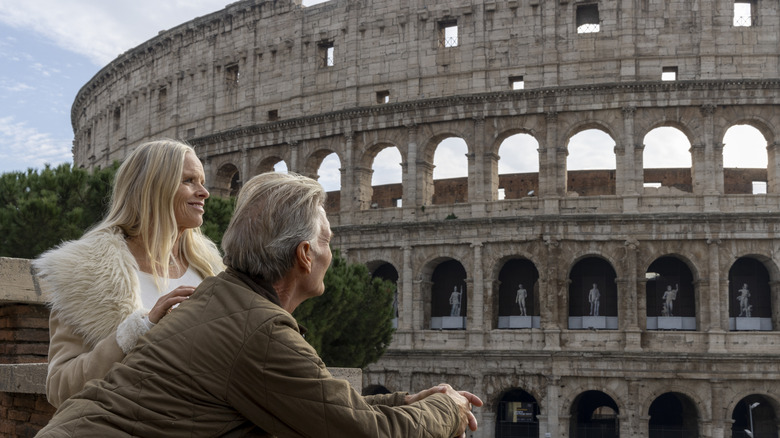
It's also a good idea to avoid being overly rigid with your itinerary and keep your schedule flexible to account for unforeseen circumstances. As one Reddit user said, "If I have six days in Rome, I may pre-book a major site, but everything else is listed without being scheduled. If it rains, it's a museum day. If it's sunny, its now a day trip to nature."
Beware of pickpockets and scammers at major tourist hubs
In major travel destinations, crowded sightseeing areas can attract pickpockets, scammers, and other opportunistic thieves who prey on unsuspecting tourists. Older travelers can face additional risks in these situations, particularly if mobility or other physical limitations make it harder to react quickly or move away from a threatening situation. Reports of older travelers being targeted (or even mugged) in tourist places also include individuals who seem harmless at first, be they seemingly helpful strangers, groups of young people, or other people who may not initially appear suspicious.
Crowded public transportation is another high-risk setting where pickpockets can be active. One of the best hacks to protect yourself from pickpockets is to carry only what you need for the day, including a limited amount of cash. If you expect to spend a lot in the day, consider keeping your cash and cards separate in secure pouches, zipper bags, or crossbody purses, so that losing one wallet or pouch doesn't mean losing all your money.
It's also a good idea to exercise a little caution when interacting with people during your travels, especially in tourist destinations where pickpocketing is common. Being social can be fun, but do it with a little bit of prudence. For example, don't hand your phone to a stranger to take a photo, don't feel obliged to accept help from someone who approaches you unexpectedly, and be especially cautious when someone offers unsolicited help with your belongings, phone, money, or travel arrangements.
Carry travel-sized toiletries

People of all ages can benefit from carrying travel-sized toiletries in their handbags, personal item, or carry-ons. Doing so can be especially helpful for senior travelers, who can often be more susceptible to certain infections than younger adults, or may want to take extra care with personal hygiene while away. Essentials like sanitizers, tiny soap bottles, floss, tissue packs or wet wipes, insect repellent, sunscreen, and moisturizer can easily fit in a handbag without adding much weight to the load you'll carry during your exploring.
This can be particularly useful on long days of travel that may not include access to well-equipped restrooms. And if you need to use the bathroom more frequently because of medications or other personal circumstances, having a personalized hygiene kit at the ready can only be beneficial. It can also add to the general comfort of the rest of your holiday, particularly if you prefer not to rely on whatever generic products are available at your destination.
Keep someone back home informed about your travels
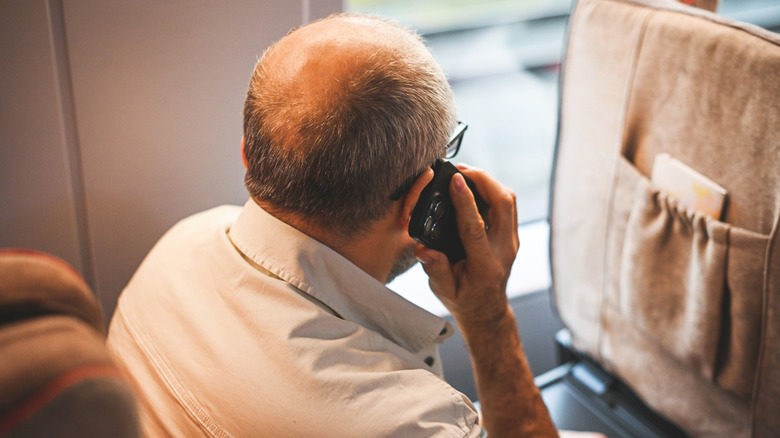
One might think that, as independent adults, retirees aren't obliged to keep people back home apprised of their plans or whereabouts. However, for senior travelers, making sure someone trustworthy knows your plans is less about surveillance and more about security. This confidant could be a member of your family, a neighbor, a caretaker, or a friend, someone you trust to handle things at home when you're away or be willing to help if you need help while traveling.
Leave a copy of your travel plans — along with essential details like flight schedules and hotel names — with your preferred contact before you leave and stay connected with them while you're on the road, either through a call or a simple text message a day. And while you may not need to check in every single day while traveling, it would be a good idea to keep your doctor in the loop about your travels so they can be available if urgent medical advice is needed. In fact, the U.S. Department of State even advises travelers to notify their bank or credit card company about international travel to avoid having their accounts frozen.