
Unwritten Rules American Tourists Should Know Before Visiting New Zealand
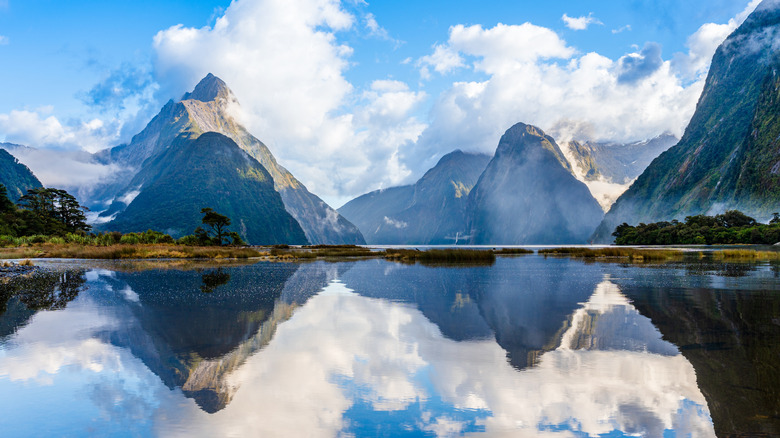
New Zealand is a land of breathtaking landscapes, with stunning peaks interspersed with gently rumbling volcanoes and green fields that stretch to the horizon. Its ragged shores and dramatic shifts between neighboring biomes give both islands an otherworldly, movie-set-like feel.
That a strict code of etiquette exists is hardly surprising. New Zealand's former status as a British colony imbued the place with the predictable quirks of its imperial past: school uniforms are de rigueur, received compliments are downplayed, and sarcasm is rampant. But the days when New Zealand strove to be more British than Britain are long gone. The passage of time has seen the creation of a unique and thoroughly charming identity, one heavily influenced by the country's Pacific location and the melding of Māori culture and Western sensibilities.
So those wishing to visit one of the world's most peaceful nations have more to contend with than the perils of long-haul flights. There are the occasional sightings of local creepy crawlies to deal with, but a Wētā bite is painful rather than dangerous, trust me on this. And there are colloquialisms that, combined with the Kiwi accent, can create a quagmire of confusion for the untrained ear. But of greater significance are the unwritten rules that nobody tells you about before you arrive. As someone who has extensively explored both islands that make up New Zealand, or Aotearoa, Land of the White Cloud in the Māori tongue, I have thoughts. But we've also sifted through more than a few online forum posts, blogs, government websites, and news articles in order to create a list of things we think would be of great service to anyone visiting this incredible place for the first time.
The rules of the road are both strange and wonderful
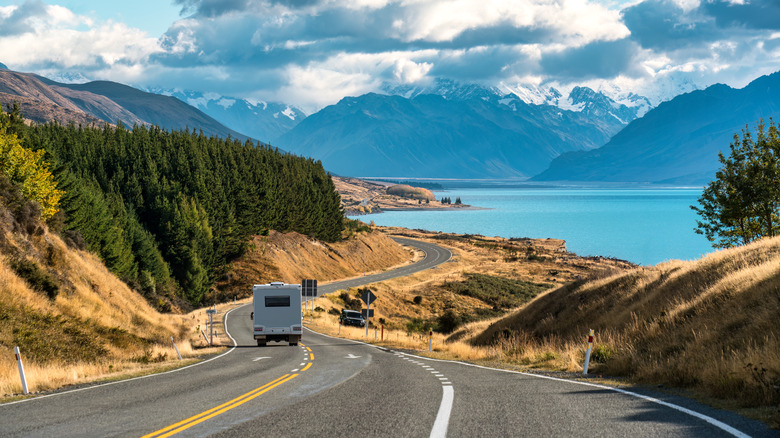
The world is divided into two camps when it comes to driving: those who drive on the right, about 65% of the global population, and those who drive on the left. The tradition of driving on the left dates back to Roman times, when the need to keep your sword arm facing passing travelers was considered a wise thing to do. Still, that New Zealand is a member of the vehicular southpaw club is hardly surprising; former British colonies have long retained turn-of-the-century English idiosyncrasies. And if that was all that was strange about the way they drive in New Zealand, then we could all move on. But there's more.
The first thing you should know is that New Zealand is one of the most sparsely populated places on the planet. As of March 2026, some 84% of New Zealand's 5.3 million people lived in urban areas, mostly concentrated in major hubs such as Auckland, Christchurch and Wellington. For drivers, this has two major knock-on effects. First, rural roads are notoriously empty and not as well serviced as you are probably used to, so running out of gasoline is a very real possibility. Second, there are an awful lot of extraordinarily convoluted roads to contend with; one-lane bridges are a thing, and if two cars attempt to cross them at the same time, somebody is going to have to back up.
There are also toll roads to contend with and a relaxed pace of travel to get used to. It's a small country; the scenery is great and, although rare outside of cities, speed cameras do exist. Meanwhile, overtaking is common regardless of your speed, and Kiwis always seem to wave as they pass one another. Oh, and there are orange cones everywhere. I really have no idea why.
Tipping is optional

Tipping is such a mainstay of American culture that it's sometimes hard to imagine places that simply do not play by the same rules. Still, even in the U.S., tipping fatigue exists, and those wishing to visit a country where gratuities aren't expected need look no further than New Zealand. That's not to say you should never offer a little extra for great service during your visit to one of the most isolated major landmasses in the world; it's just a little more complicated than you might expect.
First, forget the back-of-the-napkin calculations; since service staff do not expect a tip, there's no need to calculate how much you owe based on a percentage of what you spent. Service staff in New Zealand are paid an adult minimum wage of around $14 an hour, as opposed to the American cash wage and tip credit system that varies from state to state. Nor is additional money typically collected through a service charge added to your bill at the end.
Exceptions to the rule exist, of course, but you'll usually find them in the form of a tip jar in cafes or bars. And once again, dropping a few coins in return for excellent service is probably appreciated but far from expected. Indeed, a large or flashy tip might create something of a stir. Kiwis are not great fans of those who show off, more on that later, and across Oceania, tipping culture is often viewed as anything but affirming of workers' rights.
Māori culture is filled with nuance and must be respected

Indigenous people account for around 17.5% of the total population of Aotearoa, and around 5% of the total landmass has been designated for their use. Indigenous people account for around 17.5% of the total population of Aotearoa, and around 5% of the total landmass has been designated for their use. That's not to say they have lost touch with their traditions. Far from it. Māori fought tooth and nail for a level of societal recognition and respect that few Indigenous peoples have received.
No visitor to New Zealand is expected to have an encyclopedic knowledge of Māori culture; Māori have inhabited the islands since the 13th century, and their culture stretches back even further than that. Still, there are always one or two cultural taboos that become part of the wider collective consciousness. Shoe etiquette in Japan springs to mind.
Anyone invited to a Māori home is expected to bring along a gift known as a koha. The exact nature of the gift is not important, but you should aim to spend around NZ$20 on a small token of appreciation. Equally important is the Māori separation of the world into the sacred and the mundane. Sacred things, or tapu, are considered to possess special significance. They should not be touched without permission. The head is considered sacred, as are the pillows it rests on at night. Tables are also granted special status, and while touching them as you gather round for a meal is just fine, sitting on one is an absolute no-no. Again, the fact that you never meant to offend helps, and a simple question asking whether something is tapu or noa, or mundane, may be all it takes.
Hobbiton is a real place, and it's something of a must-see
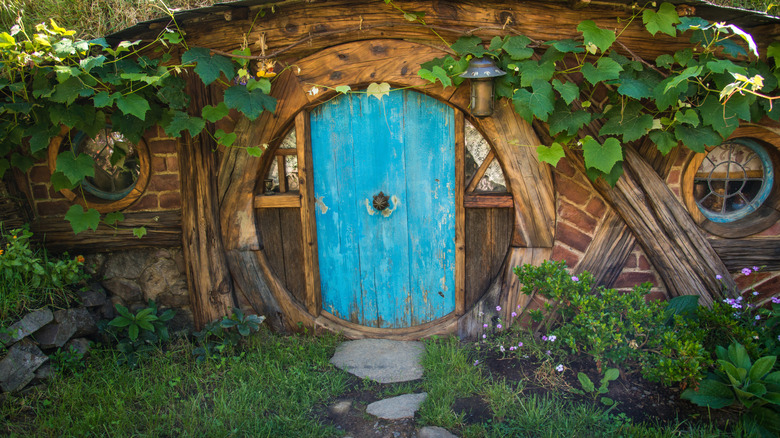
For those less enamored of the world of English writer J. R. R. Tolkien, the word Hobbiton refers to a quiet, somewhat upmarket corner of a mythical land known as the Shire, home to the author's hobbit protagonists. And since it is a mythical location, describing it as a real place requires no small number of caveats, apologies, and much in the way of clearing the throat. So no, the actual Hobbiton as described by Tolkien does not exist in its metaphysical form, but yes, film director Peter Jackson built one anyway. And you can visit it.
And you should. The fantasy-filled corner is something of a storybook escape and a viable day out even for those who are not obsessed with the books, movie adaptations or both. You'll find the movie set tour, and it is a tour, more on that later, about a two-hour drive south of Auckland, near Rotorua. Prices are steep at around $74 per adult and around half that per child. Still, family passes are available, and you get quite a lot of bang for your buck.
The fact that it is a guided experience means that you never really have to battle with crowds, but also that you need to book well in advance. There are 12 acres to explore, including a visit to Bilbo Baggins' home and a stop at the Green Dragon Inn for a refreshing beverage before you're sent on your way back to the real world, presumably with a smile on your face. I've been twice; I'm a nerd, guilty as charged, and yes, I'd go again.
Both Islands have a unique charm of their own, and both are worth exploring
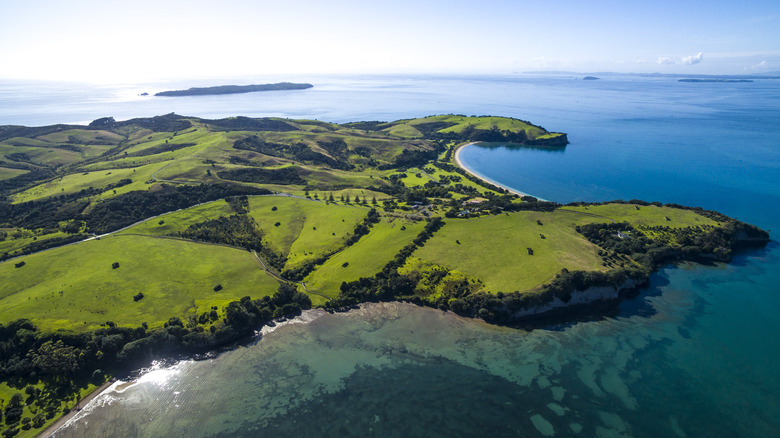
Anyone who has taken the time to read this far is probably interested enough in New Zealand to know that the nation consists of not one but two large islands and hundreds of other smaller islets, outcroppings, reefs, and atolls. There's a TL;DR version that reads as follows: The South Island is great for hikes, gawking at fjords, and road trips. The North Island has some great city life, excellent beaches, and is infused with Māori culture in the best possible way. A more in-depth analysis follows because, hey, you're worth it.
The North Island is by far the more populated of the two main landmasses, with more than 3.5 million people living there. Here you will find Auckland, the largest city in New Zealand, with almost five times the population of the South Island's largest metropolis, Christchurch. It is home to bike-friendly cities and the geothermal delights of Rotorua. Its cities are also blessed with a thriving café culture, and museums such as the Museum of New Zealand Te Papa Tongarewa in Wellington are genuinely world-class. Throw in the subtropical climate, the never-winter reality of the North Island's northern reaches, and you have something of a postcard-perfect vacation.
The South Island, by way of contrast, is a sparsely populated land of alpine landscapes, unique skiing locations, and active, hikeable glaciers. Drives down the unimaginably picturesque West Coast for mountain views, camping experiences, and some of the best stargazing opportunities in the world are worthy of even the most jaded bucket lists. You'll also find the UNESCO Haast World Heritage Area down there, a 2.6-million-hectare region of unspoiled wilderness that is quite possibly the most beautiful place on Earth.
The ecosystem is precious, and there are rules to keep it safe
New Zealand had been isolated from the rest of the world for about 85 million years prior to the arrival of the East Polynesians, who would eventually become known as Māori, in the mid-13th century. They found no other human settlers but were greeted by a plethora of birds, frogs, flora and fauna, much of which could not and still cannot be found anywhere else in the world. European explorers arrived in the early 1700s and brought with them a variety of familiar animals such as sheep, cats, wild pigs, and even possums from neighboring Australia. Still, the ecosystem remained something of a lost world, and even today there are over 80,000 species endemic to the islands. And Kiwis are very protective of them.
The first thing you'll note about entry into New Zealand is that there are strict quarantine procedures in place. Certain items have to be declared before you even land, including outdoor equipment, plants, seeds, and certain food products. Failure to do so can result in fines, and offending items are likely to be destroyed before you are allowed to pass through customs. It's best not to bring them at all, to be honest. A full list of prohibited items can be found here.
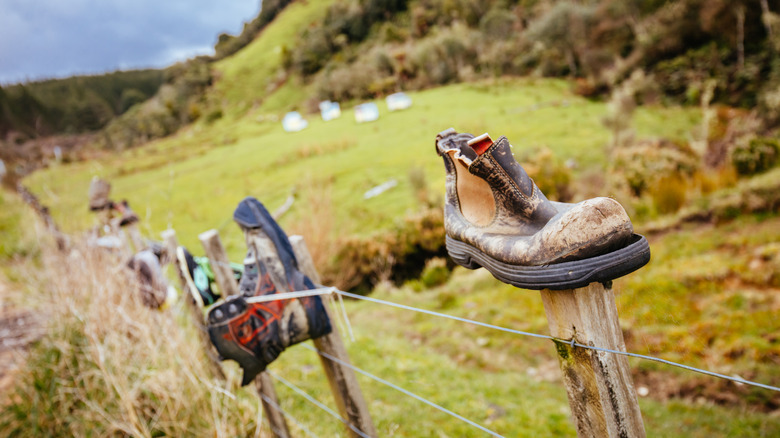
The need to protect the environment, however, does not stop there. Feeding birds is frowned upon, steering clear of native fauna is encouraged and, as for dirty shoes, well, dirty shoes are the enemy. A soil-borne pathogen is known to devastate the native kauri tree population, and disinfecting your shoes after walking through brush is such good practice that shoe and mountain bike washing stations are a common sight in rural areas.
Barbecue culture is rampant, and 'bring a plate' means bring some food

The Australian adage of cooking shrimp on the barbie is something of an etymological myth, since Australians actually use the word prawns far more often than shrimp. Still, what's good for Australia is good for New Zealand, and all that sunshine and close access to the ocean have made having a barbecue something of a way of life for Kiwis. To say it's a ritualized experience would be an exaggeration, but are there rules that you need to follow? Sure.
To begin with, barbecues are not a seasonal treat. With time to spare and a promising-looking weather report in hand, a backyard cookout is an ever-present possibility for many Kiwi families. The more rural the place, the more likely you are to find yourself swimming in the aroma of sizzling sausages. The next thing you need to know is that you should not expect too much of the food; the barbecue is a social event, not an exercise in Bib Gourmand emulation. You'll find a mixture of seafood, cheese-filled sausages and meat on display; it's ordinary fare, and there's nothing wrong with that.
As for the "bring a plate" request, no, it's not a suggestion to carry some porcelain in your purse so nobody has to use paper plates. It's more akin to a potluck party. And, as with a potluck, coordination is preferred to prevent a dozen or so potato salads from weighing down a trestle table with tedious aplomb.
You need to treat the sun with serious respect
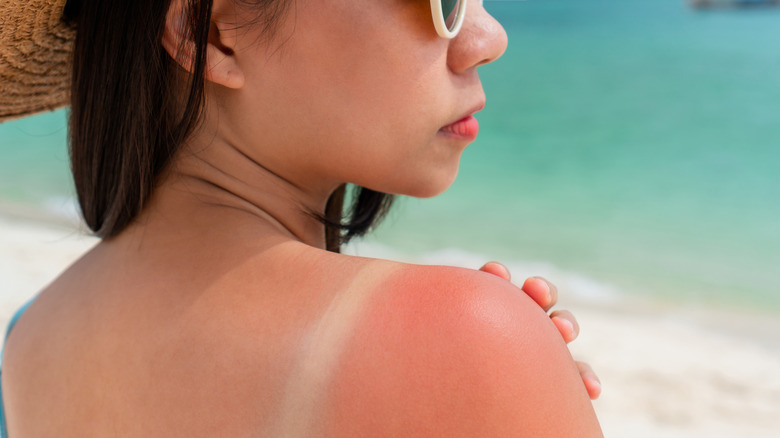
Most of us have some sense of how much sun our bodies can handle. As someone from the United Kingdom, my skin tone is best described as a pale blue, and any venture south of these islands requires a layer of sun cream, best applied with a trowel. The official line from the Centers for Disease Control is that adults should take measures to protect themselves from the sun by using a broad-spectrum sunscreen, even on cloudy days. Skin cancer is the most common form of cancer in the United States, and clouds do not block all UV rays.
Meanwhile, those visiting New Zealand have to be even more careful. Most of New Zealand could be described as being neither particularly hot nor especially cold, but a combination of very, very clean air and relatively low ozone levels helps make its UV levels much higher than in many Northern Hemisphere countries. Such factors have contributed to New Zealand having one of the highest skin cancer rates in the world, with more than 90,000 skin cancers diagnosed every year among a population of just over 5 million. But short-term issues are no less prevalent; it is extraordinarily easy to get burned down there. So even those well used to strong sun should check the UV forecast daily and apply protection liberally.
Being flashy and loud will get you nowhere
Exactly what constitutes being a loud person varies from place to place. There are cultures where displays of wealth, looking at you, UAE, are seen as something of a flex. And then there are those where showing a little humility is more likely to get you the attention you so rightly deserve. New Zealand falls into that latter category.
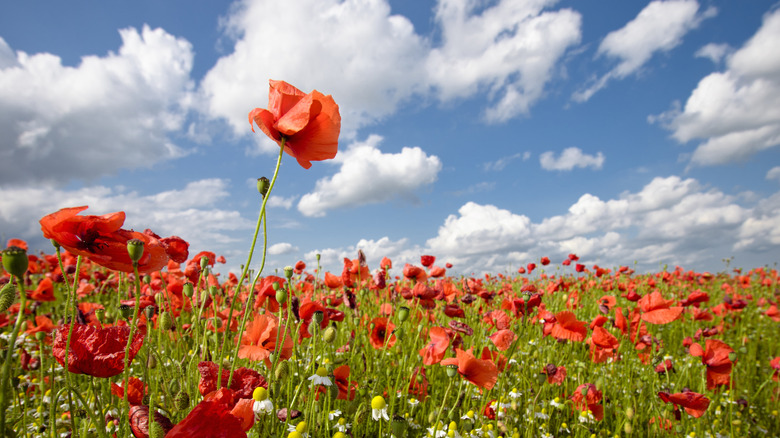
It's not that Kiwis are averse to success or the trappings of success. It's just that they seem to have inherited a very British aversion to coming across as brash or braggadocious. They even have a term for it. The so-called tall poppy syndrome draws on an ancient story involving Roman king Tarquinius Superbus, who, when asked how to deal with the leading men of a rival city, struck the heads from the tallest poppies in a field. Kill the leaders, got it. The modern idea of tall poppy syndrome became particularly associated with Australia and New Zealand in the late 20th century.
For those who do not wish to find themselves on the receiving end of such scorn, a little assimilation goes a long way. Rent a fancy car by all means, just don't humblebrag about how much it's costing you per mile to ride in it. Success can be mentioned, but it's best to do so in a measured way with allusions to the pitfalls and perils of the journey itself and an admission that a certain amount of luck may have been involved. Try not to stand out too much; Kiwis are a friendly bunch and will generally welcome you with open arms as long as, you know, you don't show off too much.