
Relive The '70s With These 10 Wildly Nostalgic American Road Trips
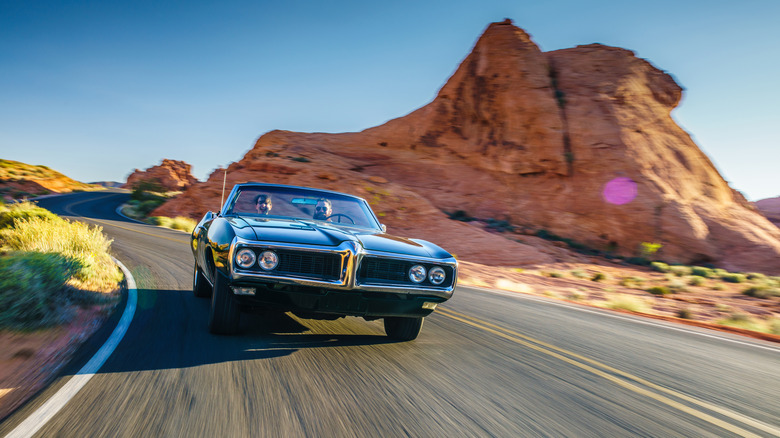
The 1970s were a transformative decade, both historically and culturally. Political disillusionment and the rise of social movements led to pivotal moments in American history. Anti-war protests, Watergate, the Cold War, and a weakening economy defined much of the decade. Musically speaking, the 1970s were when disco and punk exploded, the Beatles broke up, and the nation mourned the loss of Elvis Presley. With financial struggles on the rise and morale plummeting, many families sought an affordable way to escape the daily pressures of life while spending time together.
Surprisingly, 80% of Americans took vacations during the 1970s, up from 60% the decade before. Attendance at historic sites, national parks, and other attractions also surged, and most visitors arrived by car. Interstate highways opened the door to thousands of miles of adventure, making road trips one of the decade's defining pastimes. Travelers fondly remember 1970's-era journeys, complete with packed lunches, unplanned detours, and the ease of last-minute motel bookings. Despite the cost of film, capturing photographic memories was important — waiting for the pictures to come back was part of the fun.
To identify 10 wildly nostalgic road trip routes, we reviewed cultural archives, tourism histories, and contemporary accounts to pinpoint highways that reflect the spirit of that era. If you want to recreate a '70s road trip, consider renting a classic car, an RV, or a van. Swap Google Maps for a paper map. Bring a film or a Polaroid camera to capture some grainy photos. Choose small inns, motor lodges, and motels instead of modern hotel chains. Make time for quirky roadside stops. Several American highways still echo the spirit of those memorable station wagon summers, making them perfect for reliving the retro 1970s road-trip vibe.
Route 66: the mother road of 1970s Americana
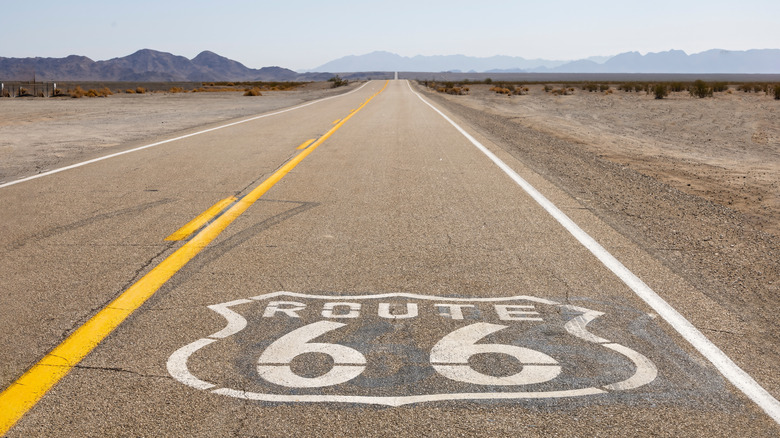
Few drives scream "road trip" louder than Route 66, which stretches nearly two-thirds of the continent through eight states. As new interstates popped up in the decades following World War II, Route 66 became less traveled, and by 1984, it was officially decommissioned. However, nostalgia helped save it. Preserved neon signs, revived diners, and restored motels keep Route 66's quirky roadside traditions alive. Now, it stands as a symbol of freedom and fading Americana after the 1970s. There's no better time to plan a Route 66 road trip with the centennial anniversary celebration happening in 2026.
Reliving this bygone era is easy, no matter what part of the route you plan to explore. Visit one of the most iconic and recognizable Route 66 attractions: Cadillac Ranch in Amarillo, Texas. This 1974 art installation has since been relocated, but it features 10 Cadillacs of varying years buried nose-first in the ground. Dine at the longest operating restaurant along Route 66, the Ariston Cafe in Litchfield, Illinois, and end your day in a retro roadside motor lodge. Unsure where to stay? AAA has a list of some of the most iconic Route 66 stays, including the teepee-shaped Wigwam Motel, neon-clad Blue Swallow Motel, and the storied El Rancho Hotel.
Pacific Coast Highway: surf culture and van life
The 1970s marked a high point in California's surf culture, a decade of salt-bleached hair, longboards, and legends like Miki Dora and Greg Noll riding the waves. Few road trips capture the essence of that era better than a drive along the Pacific Coast Highway. PCH, or Highway One. This legendary stretch of asphalt traverses the state and was previously known by several different names, including Route 60 and Route 101 Alternate. Only in 1964 did it become State Route 1.
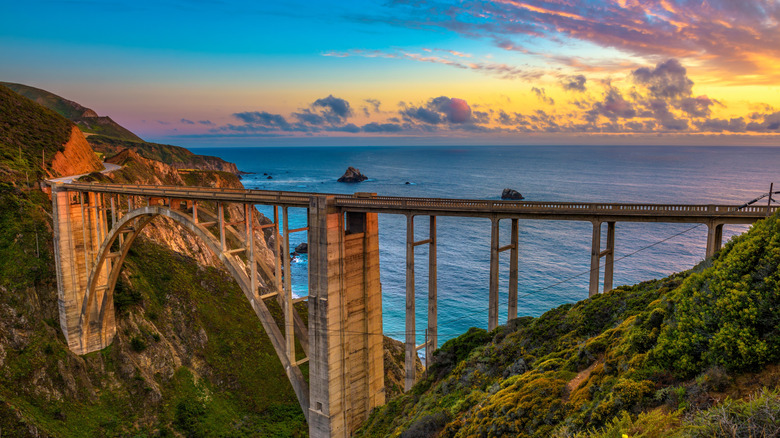
One of the most scenic stretches is the 139 miles from Morro Bay to Monterey, complete with rugged cliffs and scenic pull-offs. In the heart of it all is Bixby Bridge in Big Sur. This incredible viewpoint is not to be missed at sunset, which is why it's also one of the most photographed spots in the United States. Travelers should be aware that wildfires earlier this year impacted portions of the Pacific Palisades section of PCH. However, as of this writing, California's most iconic drive is back open. But while the route remains drivable, some areas may look starkly changed.
Recreate a retro-inspired road trip by renting a vintage-style VW bus or convertible. Pop in a 1970s-era playlist with tracks like "Hotel California" by The Eagles, "Ventura Highway" by America, and "American Pie" by Don McLean. Forego the luxury hotels along the coastline in favor of beach motels or low-key cabins with mid-century architecture. Spend time visiting some of California's historic beaches and towns, including Dogtown in Santa Monica-Venice. During the 1970s, this is where the Z-Boys incorporated surf-inspired aerial tricks into skateboarding, which later became the foundation of Southern California's surf-era skate culture.
Blue Ridge Parkway: a family station wagon classic
Camping, especially in recreational vehicles (RVs), became a symbol of 1970s American travel. Americans hit the road in vans, pop-up trailers, and RVs, particularly those celebrating the hippie movement. Combined with scenic roadways like the Blue Ridge Parkway, you had the makings of an epic road trip. The surge in RVs and camping helped fuel the establishment of campgrounds around highways and popular travel routes. To recreate that 1970s vibe today, rent a small RV, camper van, or vintage-style wagon, pack an analog camera and a picnic basket, and get ready to roll.
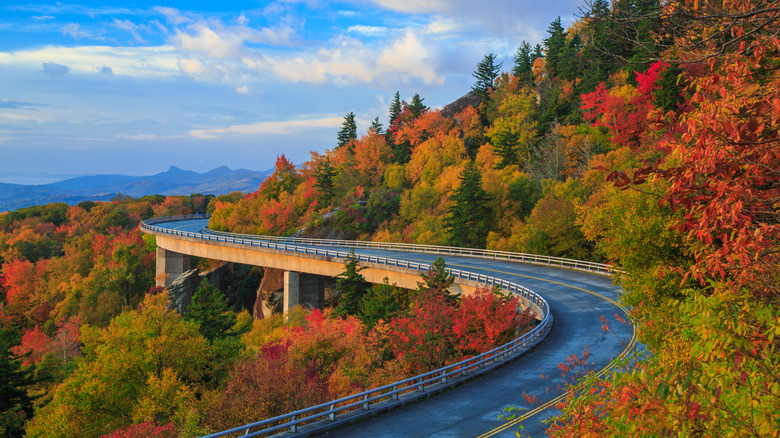
Blue Ridge Parkway stretches 469 miles between Rockfish Gap, Virginia, and Cherokee, North Carolina, connecting Shenandoah National Park to the Great Smoky Mountains Park. Scenic bridges with sweeping overlooks are one of the draws of the Blue Ridge Parkway. The most famous of the 176 bridges is the Linn Cove Viaduct. Coincidentally, work on this famous bridge started in the 1970s.
While you can road trip here any time, only some facilities and campgrounds are open year-round. Late September through early November is the ideal time to visit "America's Favorite Drive," as it's commonly known, when you can catch the exploding fall colors. With plenty of hikes and tree-lined pull-offs, the Blue Ridge Parkway is one of the best road trips to experience the simplicity and nostalgia of a '70s travel adventure.
Overseas Highway: tropical freedom in a convertible
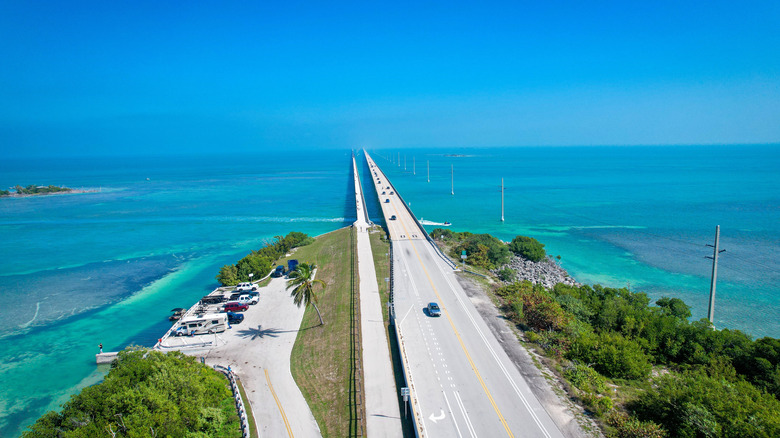
The 1970s were a turning point for the Florida Keys, marking the decade when tourism became its primary industry. Around the same time, Jimmy Buffett moved to Key West, where he found the laid-back island atmosphere that inspired some of his legendary songs. The Overseas Highway also experienced its own growth and expansion during this decade. Today, it stretches 113 miles into the ocean, connecting the tip of Florida's mainland with 44 tropical islands framed by turquoise waters and a warm, subtropical climate.
Step back in time and plan your own 1970s road trip by renting a convertible or Jeep to enjoy open-air driving. Queue up your own curated Margaritaville playlist filled with Jimmy Buffett's favorites. Stay in one of the retro pastel motels in Islamorada or Key Largo. And, stop by legendary restaurants and bars like Alabama Jack's. Alabama Jack's has been a waterfront staple for over 50 years. It was the go-to in the 1970s, when it was the only place to rent a boat, buy a beer, and enjoy Jack's wife's legendary lima bean soup and crab cakes. Be sure to include a sunset photo stop on the Seven Mile Bridge, which links Knight's Key with Little Duck Key. This scenic stretch was originally a railroad bridge, converted to a car bridge in the 1970s. It's the perfect finale for a retro Florida Keys road trip.
Great River Road: America's musical highway
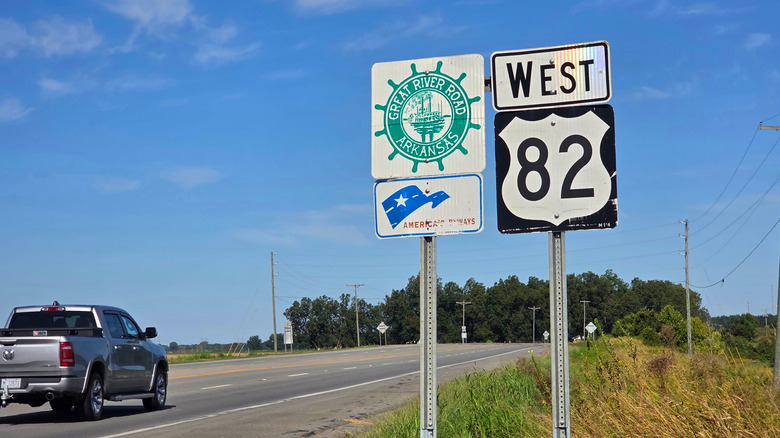
The Great River Road is a journey through the musical heart of the country. A road trip here takes you through some of America's most iconic music destinations, including Memphis and New Orleans. The 3,000-mile road stretches through 10 states. In 2021, the Great River Road was designated an All-American Road by the Federal Highway Administration. This special nomination is reserved only for National Scenic Byways that hold national significance and have unique features. Mirror those '70s vibes by staying in nostalgic motor inns and family-owned motels with mid-century architecture. Stop in off-the-radar towns and enjoy small diners serving classic comfort food dishes.
Highlights of a 1970s music road trip down the Great River Road can go beyond a themed playlist. Stop at music heritage sites, such as the B.B. King Museum in Indianola. Four of his greatest songs were released in this decade, including "The Thrill is Gone." In Memphis, the Black Pride movement was in full swing by 1970, which also coincided with the release of some of the decade's most recognizable songs. Think Marvin Gaye's "What's Going On" and Jean Knight's "Mr. Big Stuff." Learn more about this iconic musical decade by visiting Memphis' Stax Museum of American Soul Music. This museum honors the legacy of American soul music and the Stax Records label.
Route 89: desert landscapes from a '70s western
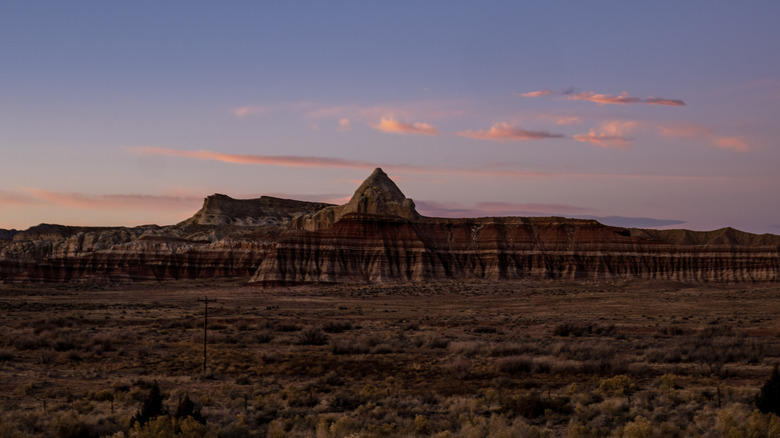
People growing up in the 1970s likely equated the American West with what they saw on television shows and in movie theaters. Small towns with a single gas station and dusty two-lane roads may come to mind. Planning a road trip on the U.S. Route 89 delivers precisely that. Although film production had started to slow in the 1970s, spots along this iconic route, like Kanab, were popular locations. More than 130 TV shows, movies, and documentaries were filmed in this area, including the popular "Gunsmoke" series (1955 to 1975). One of the show's outdoor sets is located 3 miles outside of Kanab. Stop by Little Hollywood Land in Kanab to learn more about the movies and shows filmed here.
Route 89 is officially over 1,300 miles long, encompassing seven national parks, 14 national monuments, and three heritage areas. To get those '70s western vibes, stick to the section that winds through Arizona and northern Utah. You'll drive along some of the most iconic cinematic landscapes, including Navajo sandstone formations and red-rock canyons. Even beyond the area's movie and television connections, Route 89 is a breathtaking road trip with a distinct vintage vibe. Find historic motor lodges, family-run diners, and quaint souvenir shops. Explore nearby national parks, including Zion and Bryce Canyon. Level up a retro road trip by testing your Kodachrome film photo skills with those epic, rugged landscapes, a hallmark of 1970s photography.
Route 1: lobster shacks and lighthouse postcards
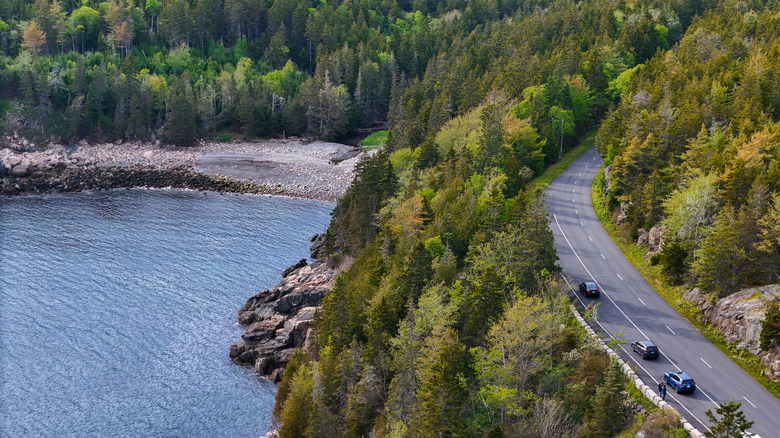
For some East Coast families, summers meant piling in the family car and heading to the quiet harbors of coastal Maine. A road trip along Maine's Route 1 is a scenic journey along the Atlantic Ocean coast, complete with clapboard inns, fishing villages, roadside diners, and beautiful lighthouses. In the '70s, Maine was also undergoing a cultural shift. The state entered a newly established post-industrial era, which sparked renewed interest in Portland's neglected waterfront. Locals and travelers were keen to rediscover historic city districts, while older neighborhoods received makeovers under federal redevelopment and revitalization programs. By the end of the decade, other port areas had undertaken similar projects, bringing new life to the area with artisans and entrepreneurs.
Part of what makes Route 1 feel so nostalgic is that, decades later, much of the area surrounding still looks untouched. You'll still find saltwater taffy shops, seafood shacks, and family-owned motels dating back decades. Of course, there are the picturesque lighthouses. Vintage Maine postcards from the 1970s showcase many of the area's iconic lighthouses you can still visit today. One of Maine's favorite lighthouses is Pemaquid Point Lighthouse in Bristol.
Start your 1970s-inspired road trip in Maine by booking a night at one of the surrounding historic roadside motels that still have clapboard siding and hand-carved vacancy signs. Dine at quaint, no-frills seasonal seafood shacks that seemingly haven't changed in decades, such as Lunts Lobster Pound in Trenton or Red's Eats in Wiscasset. Order classic dishes like lobster rolls and steamed lobster. Be sure to save room for fresh pie at one of the roadside farm stands along Route 1.
U.S. 41: Route 66's southern sister
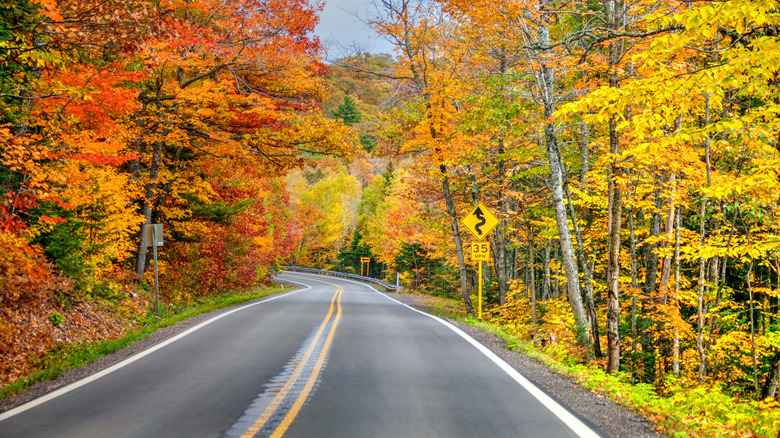
Route 41 has sometimes been called the South's Route 66. The entire highway runs from Chicago to Miami. The Florida section of Route 41, officially known as the Tamiami Trail, connects Tampa and Miami via Naples. This 284-mile stretch of road offers beautiful scenery as you pass through Everglades National Park and the Big Cypress National Preserve. Further north, cities like Atlanta, Nashville, and Chattanooga sit along or near Route 41 and have deep ties to America's musical heritage and Civil Rights history.
The 1970s brought a shift in tourism in America's Deep South. Post-Civil Rights-era tourism was transitioning. Black heritage tourism was growing, and travelers began including these landmarks, neighborhoods, and cultural institutions in their itineraries. Recreate a nostalgic and educational road trip along Route 41 by visiting important museums and sites related to the Civil Rights Movement, and build a playlist that pays homage to some of this decade's greatest Black musical icons.
Dine at soul-food diners, BBQ joints, and roadside cafes that have existed for decades, such as H & H Restaurant in Macon or Payne's Bar-B-Que in Memphis. Explore local antique shops, thrift stores, and record stores for vintage and vinyl souvenirs. Some recommended music stores that opened in the 1970s include Wax 'N Facts in Atlanta and The Great Escape in Nashville.
Oregon Coast Highway 101: fog, forests, and free spirits
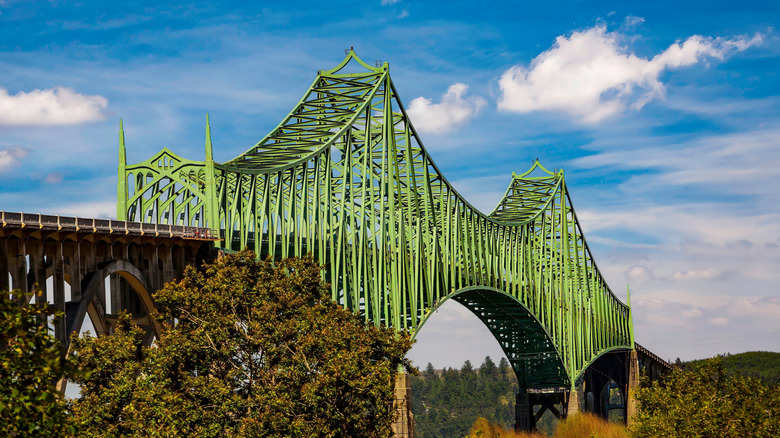
The 1970s were a pivotal time in the United States. Across the country, people came together to protest racial, sexual, and gender discrimination. Oregon was a central hub of that era's counterculture. That energy helped fuel the Back-to-the-Land movement, which promoted sustainable living and simplicity. The first Earth Day, held on April 22, 1970, marked the start of the modern environmental movement. It cemented Oregon's identity as a state where alternative lifestyles and nature converged, an ethos that still lingers today. Some say this desire for simplicity and hippie culture never left Oregon, with Eugene ranked as the No. 1 hippie city in the country.
Highway 101, or U.S. Route 101, runs the length of the Oregon coast, with the northern terminus near Olympia, Washington, and the southern terminus near Los Angeles, California. Visiting Oregon on a road trip makes it easy to recreate that 1970s nostalgia. Even though U.S. Route 101 doesn't run directly through Eugene, you're only a short drive away. Enjoy the simplicity of Highway 101 and Oregon's natural beauty as you traverse the Pacific Coast.
Stay in rustic beach cabins with wood-paneled interiors or at Heceta Lighthouse Bed & Breakfast, one of the last remaining lightkeeper's cottages. Be sure to eat at old-school seafood joints serving fish sandwiches and clam chowder, such as Mo's Seafood & Chowder. Spend hours exploring driftwood-covered beaches, tide pools, and the region's iconic foggy headlands. The Oregon coast remains one of the closest things to stepping back into the 1970s Pacific Northwest.
Route 50: the loneliest road in America
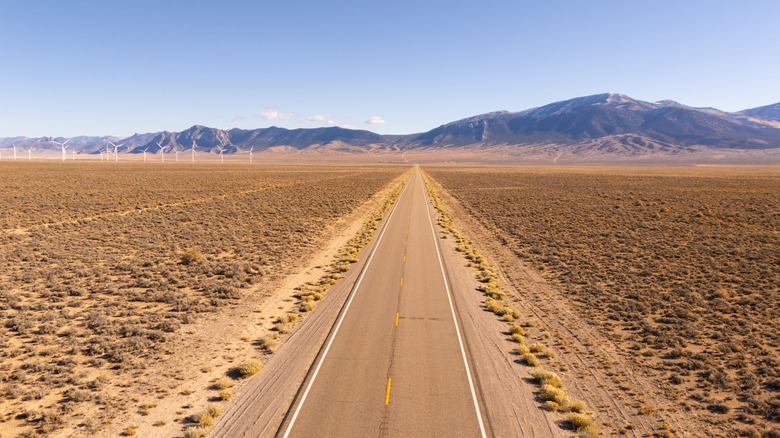
By the 1970s, Nevada road trippers had started to split into two camps: those who desired the neon roadside kitsch of cross-country highways like Route 66 and those who preferred the quieter, more desolate areas of the state's interior. Nowhere embodies that second vision more than Nevada's Route 50, which became known as "America's Loneliest Road." It was the ideal route for travelers seeking an escape. Think empty horizons, ghost towns, and plenty of high-desert solitude.
Much of the landscape on Nevada Route 50 feels unchanged today. Plan a road trip, and you'll still be met with the same old motels, dilapidated neon signs, weathered saloons, and rural diners. Expect long straight sections of the road where there's virtually nothing else but you and the wind. However, there's plenty of adventure to be had.
Queue up that retro 1970s playlist, stop at one of the more than 600 ghost towns leftover from Nevada's mining era, and other sights that stood the test of time. Route 50 is also home to Great Basin National Park, America's most underappreciated national park. Book a night in a vintage motor inn and be sure to save room for a milkshake at Economy Drug & Old Fashioned Fountain in Ely, one of the iconic no-frill spots that anchor these Nevada desert communities.
Methodology
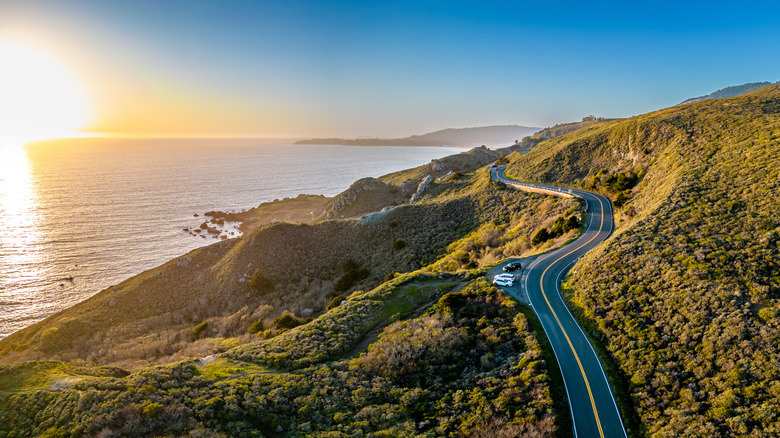
We've combined extensive research with firsthand familiarity of these regions to highlight some of the best road trips in America for reliving that 1970s nostalgia. Each of these road trips has a well-documented history as a classic American road-trip route and a clear connection to the aesthetics and travel trends of that era. We reviewed historical archives, local tourism board websites, governmental resources, National Park Service materials, museums, and respected media outlets. All information was cross-checked against other reliable sources to ensure authenticity and accuracy. These highways are among the most iconic stretches of road in America. Each one reflects a different aspect of American culture. No matter which road trip you choose, you'll discover plenty of retro charm and opportunities to recapture the true spirit of a 1970s road trip adventure.