
These Are The World's Most Underrated Wine Regions
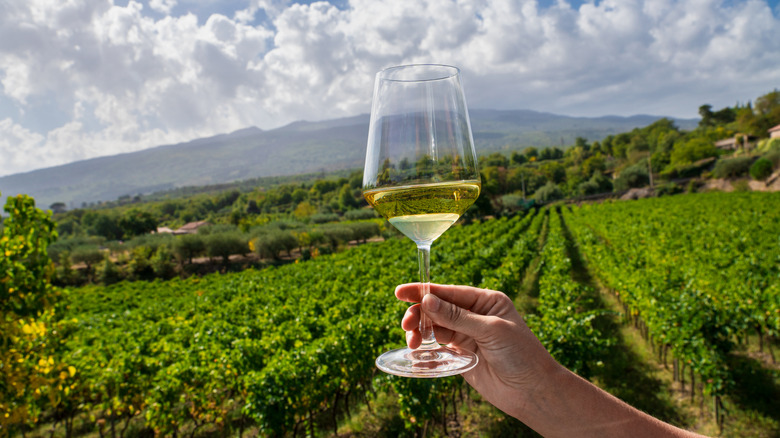
While wine enthusiasts plan their next tasting adventure, they typically think of the best wine regions of the world: Bordeaux, France; Napa Valley, California; or Tuscany, Italy. Of course, these places are home to the best flavors in the world, which is exactly why they're famous. Still, some of the most extraordinary, unique, and underrated wine regions are also not too far from these crowded destinations.
From the lakes of Upstate New York and the world's highest vineyards in Bolivia to ancient winemaking techniques in Georgia and experimental winemaking in Mexico, there are tons of varieties to try around the world from different makers, climates, soil types, and grapes. Here are the world's most underrated wine regions.
Dalmatia, Croatia
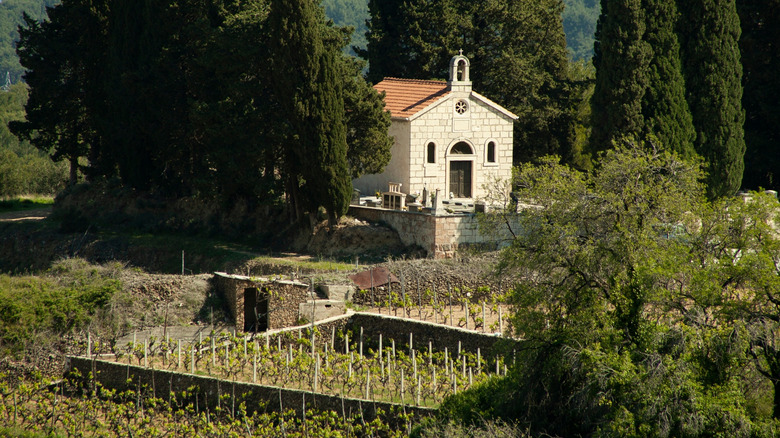
Croatia's Dalmatian coast is the southern part of the country, home to the perfect climate for growing juicy grapes that turn into delicious wine. The country's wine history dates back to when the ancient Greeks settled there, and they even named one of Croatia's islands "Issa," (now called Vis Island) meaning "Land of Wine." Today, the vineyard-covered Stari Grad Plain, located on the island of Hvar, is a UNESCO World Heritage Site.
Croatia is home to several native grape varieties that have been rediscovered over time. In Dalmatia, the natural grape variety is plavac mali, a red grape related to California's zinfandel. This grape is known as the "King of Croatian Red Wines" that produces dark fruity wine with a smoky undertone and bold flavors.
In Hvar, one of the best islands for wine tasting, there are plenty of wineries to visit to taste this unique Croatian wine. Vina Tomić has been producing wines for 150 years and has an ancient Roman-style cellar. Here you can taste six wines with bread and olive oil. Lacman Family Winery specializes in natural wines and sweeping, panoramic views of the island. They have different tasting options, ranging from four to six wines with a four-course meal. Carić Winery, located in Jelsa, a town on Hvar, has a great selection of locally-grown wines, including Plovac Ploski Novello. The process is different in this wine than other plavac mali wines, because the fermentation occurs in closed containers for five days at 22 degrees Celsius.
Finger Lakes, New York
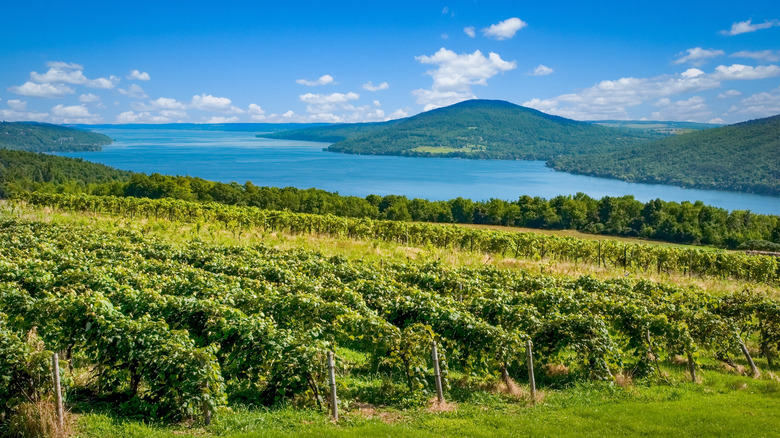
The Finger Lakes– a series of 11 long lakes in Upstate New York, is one of New York's prettiest regions and a lake paradise dotted with award-winning wineries. Its environment, helped by the lakes' temperature-moderating effect, along with its soil composition and humidity, is perfect for growing cool-climate wines. These include riesling, chardonnay, gewurztraminer, and pinot noir. The lake's micro-environment helps the grapes maintain acidity, which helps create delicious flavors.
Finger Lakes Wine Country covers over 100 wineries across several counties. It's an artsy locale with award-winning wines that are perfect for exploring and tasting. You can choose which wineries to visit on your own, hire a private driver, or book a wine tour. There are plenty of tour companies in the area, offering options like full-day or just a few hours-long ventures. The prices also vary widely, depending on what's offered, the group's size, and how long the tour is. Prices could range from under $100 to several hundred dollars per person.
In the area, there are plenty of hotels, bed and breakfasts, camp sites, or Airbnbs to stay in, and several other things to do if you tire of drinking wine. Visitors on Reddit say staying in the towns of Geneva, Watkins Glen, Keuka, or Seneca offer the best options in terms of proximity to the wineries. In addition to wine tastings, you can also shop at local boutiques, go to a spa, go hiking, try a new restaurant, go skiing, or rent a boat and spend a day on one of the lakes.
Kakheti, Georgia
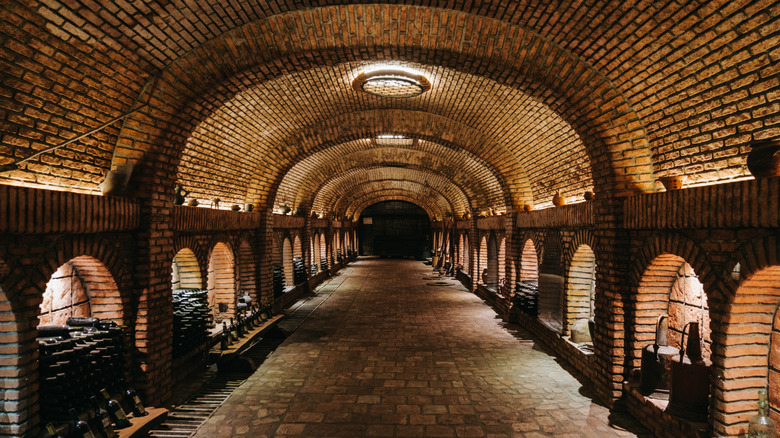
Georgia — the country, not the U.S. state — is one of the oldest wine-producing countries in the world, and many call it the birthplace or the "cradle of wine." In fact, archaeological evidence has been found that dates winemaking back to 8,000 years less than 20 miles from the country's capital city of Tbilisi. Scientists found broken pottery decorated with grapes and evidence of wine residue, according to National Geographic. It's one of Europe's most underrated wine regions that's as scenic as Tuscany without the crowds.
Today, Georgians still use the ancient technique of wine making called qvevri, alongside modern methods. Qvevri involves putting all parts of the grape, including its skins and stems, into clay vessels and burying them. The wine then separates itself and rises to the top. One winemaker in Georgia told Wine Enthusiast, "Even modern filters can't filter the wine as well as a qvevri." That's how the wine gets its signature amber color, which is sometimes referred to as "orange wine," and one of the reasons this wine has UNESCO status.
Georgia has several wine regions, 500 native grape varieties, and 136,000 acres of vineyards. About 80% of the wine is produced in a region called Kakheti, located in the east. There are a ton of wineries in the region, several of which are still family-owned for multiple generations. Many offer tours, events, food, or live music throughout the year, and of course, plenty of tasting.
Tokaj, Hungary
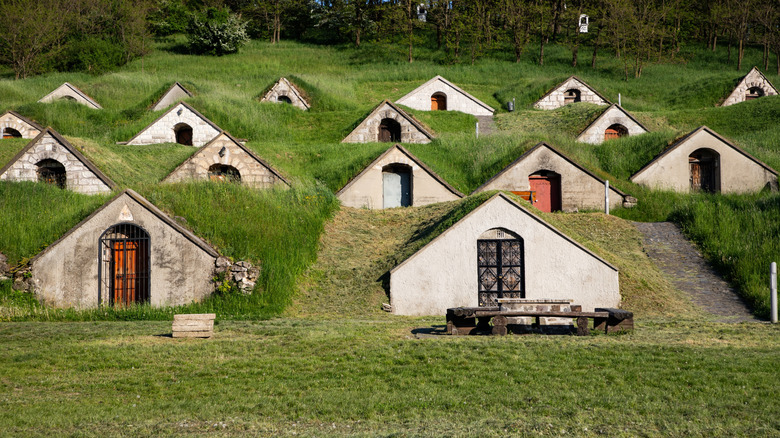
Hungary was once home to the most important wine makers in Europe 100 years ago, but throughout history became relatively unknown. Now, the Eastern European country is making a comeback, and is now home to 22 wine regions. The country is on the same latitude as several French wine regions, meaning it has a comparable climate to produce some excellent grapes, and has incredible, rich soil.
The four main regions are Eger, Tokaj, Villány and Somló. Tokaj, in Northeastern Hungary, known for its sweet wines, is one of the best hidden gem destinations in all of Hungary. It became well-known in Europe as early as the 16th century. This region grows the furmint grape, a variety native to the region. This grape is grown with a fungus called botrytis cinerea, which shrivels the grapes and leaves behind a fruit that adds to the sweet flavor the wine is known for. The fungus also helps contribute flavors such as apricot, orange, and honey tones to the wines. The three main wines produced from this grape and fungus are called szamorodni, aszú, and esszencia.
Tokaj is a wonderful place to visit for wine tastings. Tastings usually cost around 15 to 20 euros ($17 to $24 USD) per person, and in some wineries, you can even see the below-ground wine cellars that are hundreds of years old.
Stellenbosch, South Africa
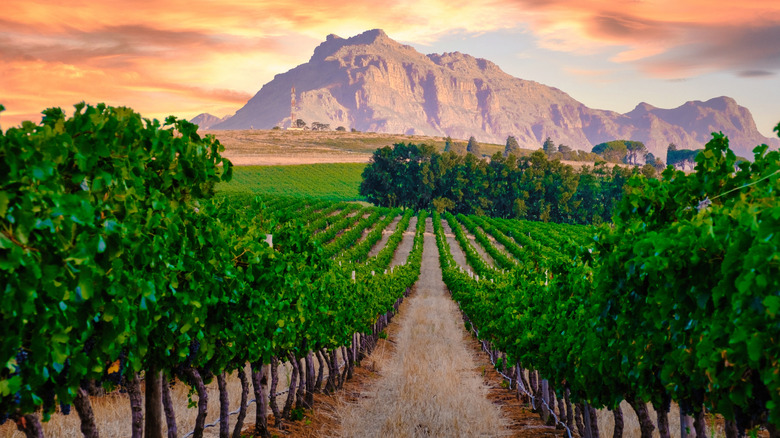
With over 350 years of winemaking history, South Africa is an exceptional place to try some chardonnays or pinotage wines. The country's wines remain relatively underrated on the global stage because of the country's isolation during its decades of Apartheid. International boycotts in protest of Apartheid prevented South African wine from being sold abroad, until the early 1990's when wine started to be exported again. Today, South Africa is known for its chenin blanc and red pinotage grapes.
There are several wine regions around South Africa, with many just outside of Cape Town, that offer world-class sips without huge crowds. Going on a wine tour is a really popular activity for those visiting the city and some wineries can be reached within a 20-minute drive, such as Constantia.
The country's most famous wine region is located about a 40-minute drive outside of Cape Town, called Stellenbosch. It's an incredibly beautiful region where you can taste wines with stunning views of granite mountains and the countryside. It's also the home to the University of Stellenbosch — where the red pinotage grape was developed in 1924, per Wine Enthusiast. It's actually a cross between pinot noir and cinsault. This region is home to 13% of South Africa's 217,000 acres of vineyards. The country's other famous grape, chenin blanc, is drought-resistant, making it resilient in South Africa's climate.
Podravje, Slovenia
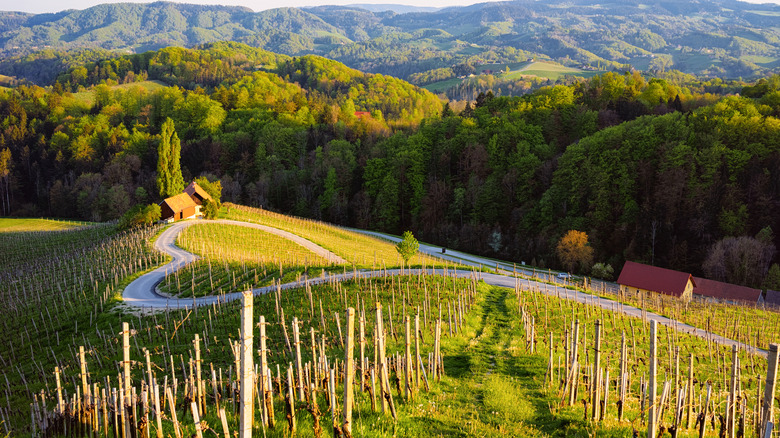
Nestled just north of Croatia and east of Italy, Slovenia produces some incredible white wines across its small country. It remains relatively unknown globally, because 95% of the wine produced is bought within the country. However, this small country packs a punch: Slovenia's annual wine consumption rate is 40 liters per capita, one of the highest in the world.
Slovenia's wine industry consists of 28,000 small vineyards, and there is no mass production in the country. Most of the grapes grow on slopes with manual harvesting, which means there is smaller quantity but better overall quality. The small country has three distinct wine regions with different climates, called Primorska, Podravje, and Posavje. They produce chardonnay, pinot noir, sauvignon blanc, and a variety of orange wines.
The Podravje region is Slovenia's largest, and is divided into two districts which have been producing wine since the ancient Roman times. It's known for its white wines, including riesling, sauvignon, Rhein riesling, chardonnay, furmint, and yellow muscat. It's also home to the country's oldest wine cellar and the world's oldest grape-producing wine. You can visit wineries in the region such as Sanctum, Zlati Grič-Golden Hills, and Pullus either by renting a car, taking public transportation, or joining a wine tour.
Canelones, Uruguay
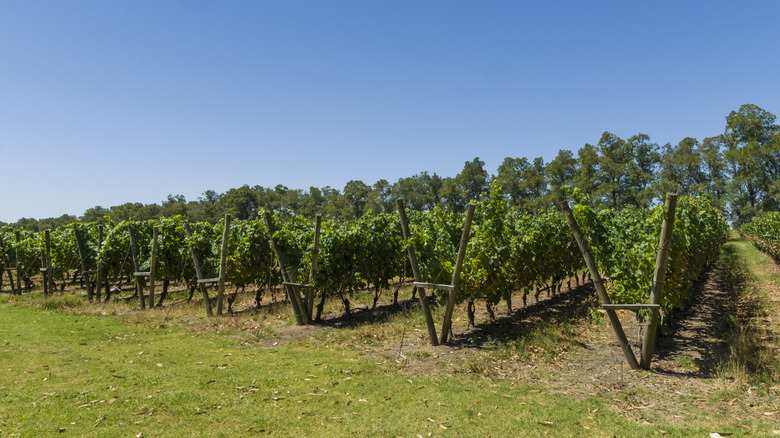
Uruguay is a small country just south of Brazil that has a growing wine culture due to its 99 soil types and diverse climates throughout its various wine regions. Despite Uruguay's small size, the country has more than 200 wineries that are beginning to rival popular Argentinian wines in international wine competitions.
Canelones is home to more than half the country's wineries thanks to it's appealing climate (similar to Bordeaux). Located just outside of the capital city, Montevideo, many wineries are small and often hold the same family legacy for generations. Tannat, the country's national grape, is grown there and accounts for about a third of the country's entire wine production. This red ages wonderfully, with notes of plum, cardamom, and spices and contains high levels of antioxidants. Some studies even suggest it could help reduce the risk of heart disease.
Canelones is an easy place to visit for wine tours and vineyard visits. Its proximity from Montevideo means that some wineries offer shuttles directly from the capital, or you can rent a car or join an organized tour. Visit Spikerman Museum to learn about the region's modern wine history, dating back to the 1800s, and book wine tours at places such as Bodega Familia Deicas, Bodega Castillo Viejo, Artesana, Pizzorno Family Estates, and Bodega Marichal.
Tarija, Bolivia
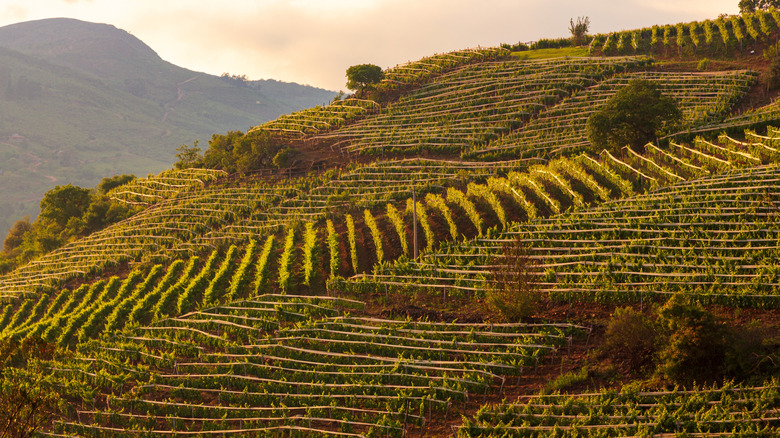
Bolivia has been producing wine for hundreds of years, dating back to the 16th century. Winemakers in its three main regions, Tarija, Cinti Valley, and Samaipata, which range from about 1 to 1.5 miles (1,700 to 2,400 meters) above sea level, particularly specialize in high-altitude wines, where the distinctive environmental conditions of the Andes Mountains contributes to the country's unique wine.
Tarija is the country's most developed wine region, and is known as the "wine capital of Bolivia." It is wildly affordable, breathtaking, and largely undiscovered. It's a short flight from the capital city La Paz, and is in the southern part of the country, bordering Argentina. The region is home to 80% of the country's vineyards, and grows grape varieties such as tannat, singani, cabernet sauvignon, merlot, and others. The region is also home to CENAVIT and the University of Tarija — two institutions that research high-altitude wines.
There are a ton of wineries to visit in this region that offer tastings, lunches with wine pairings, tours and more. Some popular options include Magnus, Kohlberg, Campos de Solana, and Jardin Oculto. These places include touring the old cellars, chef-prepared dishes, and family-owned charm.
Okanagan Valley, Canada
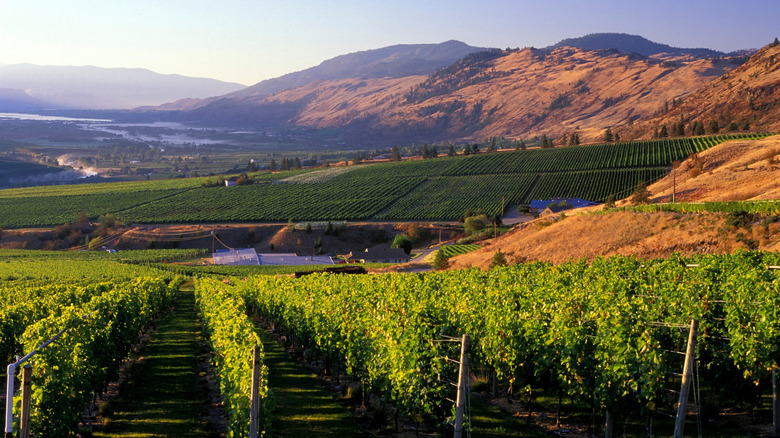
The Okanagan Valley is home to microclimates that produce bold reds and crisp white wines that will impress wine aficionados. Though parts of Canada are more well known for their ice wines, this region offers far more than that. The area of British Columbia, a few hours drive from Vancouver, boasts magnificent wine despite tough conditions. It's known as "Canada's Napa Valley," and is a wildly underrated wine region with stunning nature and outdoor adventure.
Its growing season is short, hot, and dry, but the long summer days that experience daylight beyond even 9 p.m. helps the grapes ripen. Lake Okanagan also helps cool the sweltering summer temperatures from the hot sun, and the valley's changes in elevation — and therefore temperatures — produce a wide variety of wines such as syrah, Bordeaux-style blends, pinot noir, chardonnay, riesling, and pinot gris.
There are plenty of wineries in the region to visit Cedar Creek Estate Winery, 50th Parallel Estate, Little Straw Vineyards Estate, Fitzpatrick Family Vineyards, and many more that offer wine tastings, tours, and a lovely afternoon with beautiful views of the valley. There are also wine tours available, which will take you and your group to several wineries throughout the day, so you don't have to worry about having a designated driver. Four wineries in a tour can range in price so it's important to research before you go.
Transylvania Plateau, Romania
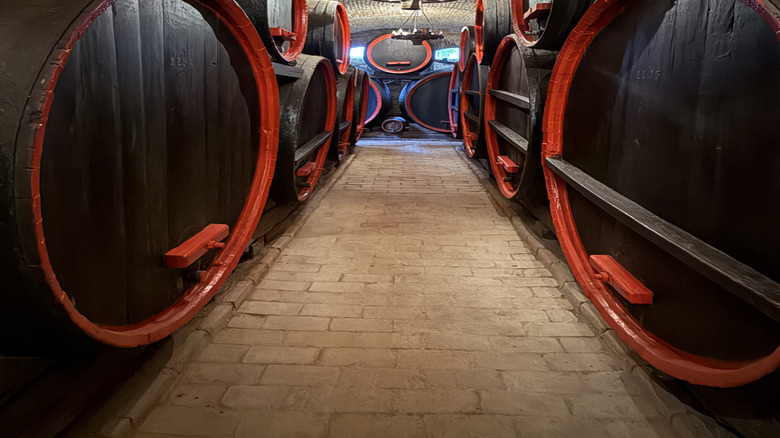
Romania may not come to mind when you think of the most popular wine-producing countries in Europe, but it is actually the sixth largest producer on the continent. Wine production has been taking place in Romania since the ancient Romans but just 5% to 6% of Romanian wine is exported, so the industry is based on domestic consumption. That's why it's remained largely unknown and just recently has started to take a spot on the global stage.
Several different varieties grow throughout the country's eight regions. One popular region, thanks to its cool and temperate climate, is the Transylvania Plateau, which has over 14,800 acres (6,000 hectares) of vineyards. Grape varieties grown here include pinot noir, cabernet sauvignon, fetească regală (the most planted in the country), fetească neagră, sauvignon blanc, welschriesling, chardonnay, and many more. The fetească regală is known as the "Royal Maiden" and is a grape made from crossing two grape varieties and is similar to a chardonnay. It produces wine with a greenish-yellow color and a dry, refreshing taste.
There are many wineries you can visit in Transylvania, including Balla Geza Winery, Liliac Winery, Villa Vinea, Crama Noastra, Crama Nachbil Winery, Fort Silvan, and many more. They have wine tastings where you can taste local grapes as well as international varieties that thrive in the region. In this area, there are also a ton of castles, including the famous "Dracula" castle (Bran Castle), and other local cultural sites.
Fruška Gora, Serbia
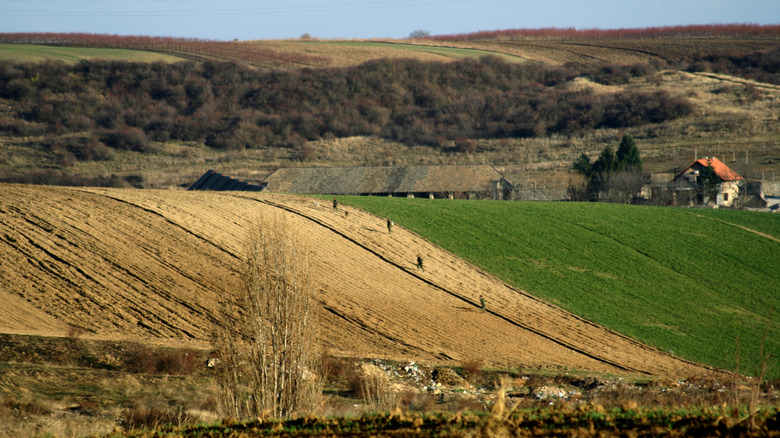
Serbia has a long history of wine making dating back to the Roman Empire, and is home to more than 49,000 acres (over 20,000 hectares) of vineyards, mostly producing white wine. Around 280 CE, Emperor Marcus Aurelius Probus used his soldiers to kickstart Serbia's winemaking tradition. Today, the country is home to 22 wine regions and 77 wine districts.
Its main wine region is called Fruška Gora — a mountain which has great temperature variation and soil to grow the grapes and help them retain their acidity. Just over an hour and a half from Belgrade, it is known as the "Jewel of Serbia" and is even home to bermet, the unique dessert wine that was on the Titanic. Although the climate in Serbia can be cold in the winter, the summers are hotter like other winemaking countries in Europe. The area produces fantastic grapes, including frankovka, kadarka, chardonnay, sauvignon blanc, merlot, cabernet sauvignon, pinot noir, and shiraz.
The region is home to many wineries, including Vinarija Acumincum, Veritas Winery, Patriarski Dobra, Kovacevic Winery, and more. Many wineries also have accommodations (or are close to accommodations) if you'd like to stay there, excellent restaurants, and of course, delicious wines to try.
Baja California, Mexico
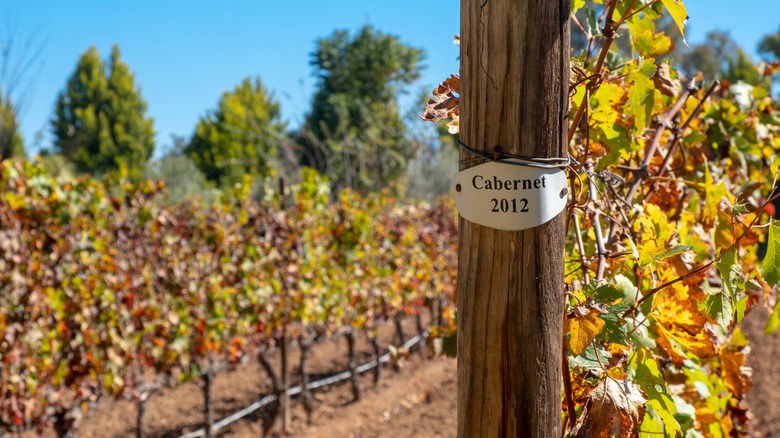
Mexico may not come to mind as a premier wine destination, but the country's industry has been growing steadily and gaining a reputation for fruity, full-bodied wines due to its warm climate. In 2006, there were less than 25 wineries here, but now, there are over 400 across the nation, mostly from small productions. The first vines were planted in Mexico after the Spanish arrived in the 1500s, but the industry fluctuated over the following centuries. The lack of regulation or formal processes in the country also encouraged experimentation for winemakers, resulting in a wide variety of hundreds of types of grapes grown in the country.
Baja California, located in the northwest region of the country, directly south of the United States border, is home to 75% of the nation's wine production. There are several valleys with their own microclimates. The combination of the hot climate, makeup of the soil, and the region's elevation is ideal for many types of wines, including cabernet sauvignon, syrah, grenache, merlot, sauvignon blanc, and chardonnay.
The most popular part of Baja California for wineries is Valle de Guadalupe, about two hours from Tijuana. Some even call it the "Mexican Napa Valley," as it's one of North America's oldest wine regions, and is home to 150 wineries alone. These include wineries such as Lechuza Vineyard, Casa Magoni, Vinos Pijoan, Adobe Guadalupe, Monte Xanic, and many more. You can try classics or experimental wines that the vineyard owners are trying, and many of these also include tours or accommodations in addition to tastings.
Methodology
For this list, we chose countries based on geographical diversity, making sure different parts of the world are represented while also honing in on countries that have a long-standing winemaking tradition but are still not as well-known for wine, avoiding placed like France, Italy, and California. Furthermore, we also put a particular focus on places that had interesting or unique methods of making wine, or other unique aspects of wine culture that made their products special or distinctive from the rest of the world — using wine expert publications like Wine Folly, Wine Enthusiast, and official tourism websites.