
The World's Best Digital Nomad Destinations, According To Someone Who's Worked In 50 Countries
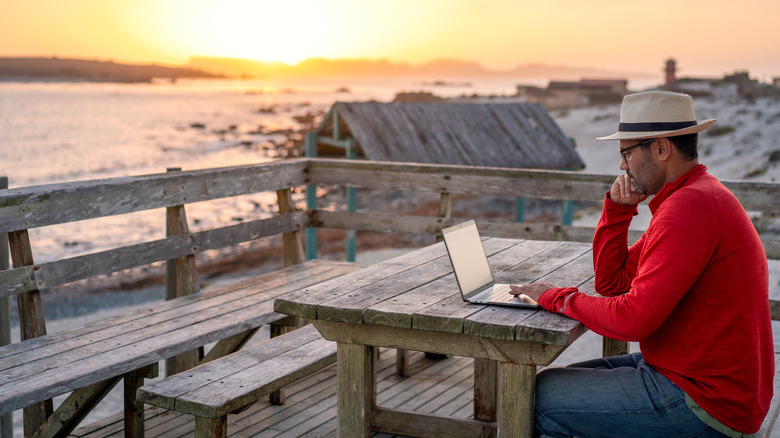
To christen digital nomadism as a growing trend is a gross understatement. Brushing it off as a passing fad is a refusal to accept reality. While it's hard to pin down an exact figure, upper estimates suggest 80 million people could be living free from the constraints of the traditional office setup. That's the equivalent of the entire population of Germany upping sticks and working remotely. And as the world becomes all the more connected and Millennials begin to take on more management positions, it's unlikely to change soon.
I've been among the digital nomad ranks for seven years now, fully embracing the lifestyle by living and working in almost 50 countries with my partner. In that time, we've experienced the highs and lows of the lifestyle, something I've documented in this digital nomad starter guide, and now have a firm grasp of the destinations where remote work thrives.
Some of the world's best digital nomad destinations are now well known for their infrastructure, affordability, and quality of life, while others still fly under the radar for very specific reasons. But every place on this list has checked the boxes for me as a digital nomad, and each deserves serious consideration for your next move. In case you're looking for a purely money-centric list, check out the most affordable digital nomad destinations of 2025.
Kuala Lumpur, Malaysia
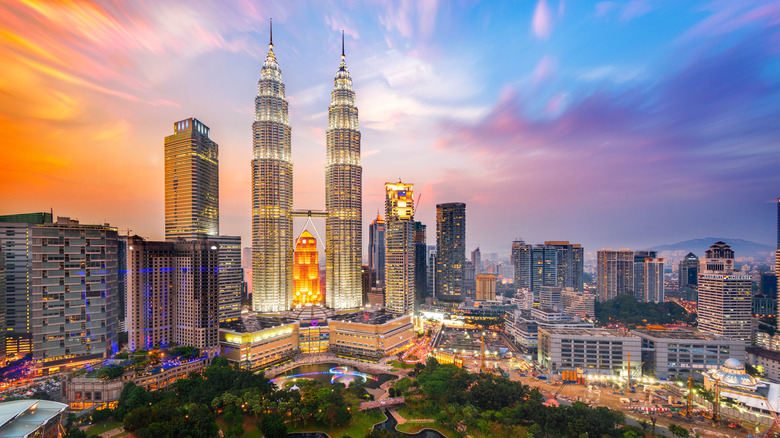
Perpetually in the shadow of its neighbors, Thailand and Vietnam, Malaysia might just be the least appreciated country by Westerners in Southeast Asia. Considering it's where I've now made my home for the next two years, I find it borderline criminal. As a tourist destination, it's breathtaking. Boasting beach-tinged islands to rival any, legendary rainforests, one of the greatest culinary scenes on the planet, and an ultra-modern capital, there's so much to uncover. But as a digital nomad hub, it's almost perfect.
While short-term remote workers from most countries can enjoy three months visa-free, those looking for a longer-term base can apply for the new digital nomad visa. While the application process can be clunky, the requirements themselves are generous and don't require much in the way of taxes for most applicants. And once you're approved, what a place you have to enjoy. There are countless high-end co-working spaces (many associated with the digital nomad program), affordable luxury apartments, ridiculously high internet speeds, and a thriving entrepreneurial scene to help keep you motivated. Of course, if you work on U.S. time zones, you'll need to consider the up to 16-hour time difference.
Every aspect of our life is supported, from work and nutrition, to social and recreational, with the primary downside being limited to the heat. But above and beyond the practical, there's a real sense of progress bubbling in the country, and little to no issues with foreign integration. Many of the distinct barriers digital nomads often feel aren't present here — partly due to the prevalence of English — and it allows newcomers to build spectacularly diverse friendship groups that help them feel part of the country.
Georgia
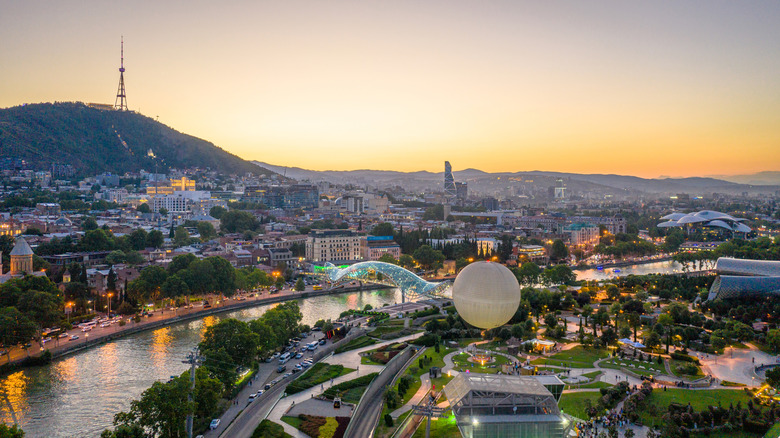
Georgia, despite its tourism industry growing considerably in the past few years, remains a relatively obscure destination for Europeans and Americans. That may be linked to the fact that it's hard to market when a U.S. state with the same name and over double the population exists, or to the country's Soviet past. Whatever the reason, Georgia, and its unique capital, Tbilisi, is a feast for the soul and an outstanding digital nomad base.
I've spent a combined six months in Tbilisi, and while it doesn't match Kuala Lumpur's technological infrastructure, it makes up for it in affordability, lifestyle, and ease of entry. It remains one of Europe's most wildly underrated capitals, and, in a rare example of bureaucratic red-carpetry, digital nomads are allowed up to a year in the country, with no fees, fair tax rules, a simple application, and no known caps on multiple entries. With a decision made in just 10 days, the requirements are as bare-bones as they come: Proof of work earning a minimum of $24,000 a year, health insurance, and a valid passport. Removing the headaches of drawn-out visa processes is a luxury in the digital nomad space — especially for those who want a long-term base.
As for the lifestyle, it's something special. The welcoming population and its culture are a unique blend of East and West, reflected in its cuisine, architecture, and language, while the steadily improving infrastructure makes the workday easier. It's still affordable for both housing and day-to-day spending, and its centralized location globally means vast chunks of Asia and Europe are within striking distance for short trips. Tbilisi was our second choice for our long-term stay over Malaysia, but it was close, and it's somewhere we'll always return to.
Thailand
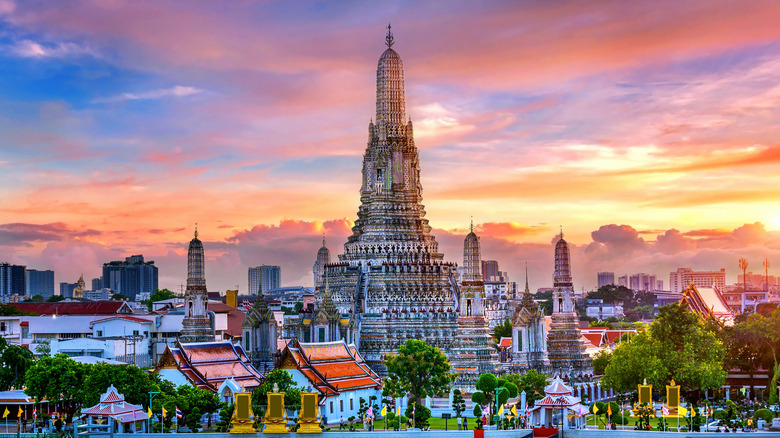
Thailand doesn't need much of an introduction. Its tourist scene, from its early days as a backpacking stronghold to its higher-end development today, is immense. Visitors have been falling in love with its different faces for decades, from the big-city chaos of Bangkok to the easy-going lifestyles of its islands. And with a foreign presence stretching into the hundreds of thousands, its digital infrastructure has been forced to evolve, too.
I spent four months in Bangkok, with short spells in Koh Samui, and was impressed by the quality of life available there. While prices are rising, high-end apartments equipped with super-fast internet and over-the-top amenities, such as rooftop pools, saunas, and in-built coworking spaces, are complemented by a blend of traditional and modern. In Bangkok, street food vendors rub shoulders with high-end cocktail bars and Michelin-starred restaurants, and in the islands, you're as likely to find a high-end beach gym as you are a night market.
With extensions, tourists and short-term digital nomads can get up to 90 days in the country at a time, with many opting to do visa runs every three months. Of course, this isn't ideal, and there's no guarantee you'd be accepted upon your return. For greater security, Thailand now has the DTV (or Destination Thailand Visa), a five-year, multiple-entry visa that allows its holder to stay for 180 days at a time, with the option to extend for another 180 days each year. In effect, you could stay in the country for five years using this visa, assuming you meet the requirements.
Albania
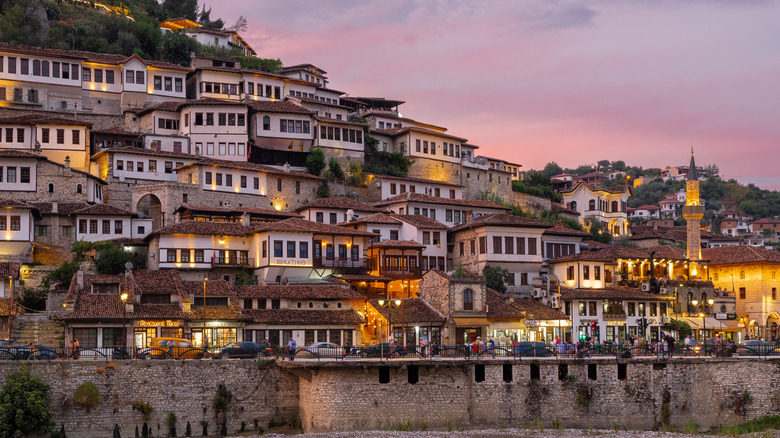
Albania is one of Europe's last truly affordable hidden gems. It's a term I loathe using, as it's far more than a cheap getaway, but for digital nomads, that affordability makes it a remarkable place to stay. Once home to one of the most brutal and secretive totalitarian regimes on the planet, the Balkan state has emerged from its shadowy past to charm everyone who visits.
The country has introduced one of the most generous digital nomad visas on the planet, allowing successful applicants to stay for up to five years. For U.S. citizens, it might not even be worth it — they can already stay for a year visa-free. But why would anyone want to stay in Albania? Well, how long do you have?
The country's perch on the Adriatic Coast means its beaches and seaside towns are impossibly beautiful. The mountains are virtually untouched. Its inner cities, such as the capital, Tirana, and the historic city of Gjirokastër, are fast-growing hubs with amazing restaurants and cultural scenes. Its infrastructure, both digital and physical, is improving constantly. And for those looking for a base to explore Europe without Schengen limitations, it's the perfect, affordable option. What the future holds for Albania is hard to predict, but it's one of my favorite countries on the planet, and I can't see its popularity doing anything but growing.
Belgrade, Serbia
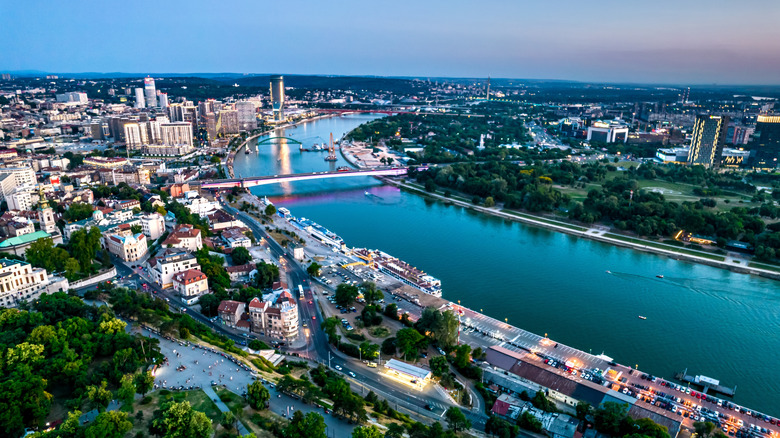
Despite being one of the more prominent powers in the Balkan region, Serbia remains remarkably inconspicuous on the tourist and digital nomad trail. From my own experience, it's another travesty, as its proud culture, fantastic food, and developed infrastructure make Belgrade, the most underrated capital in Europe, an excellent digital nomad base.
However, Belgrade is likely to be passed over because of its lack of blockbuster attractions. While it does have a few stunning draws, like its epic riverside Kalemegdan Fortress and the Yugoslavia Museum, it's the city's atmosphere and lifestyle that make it perfect for remote workers. The capital city has emerged in recent years as a powerful business hub for Southeastern Europe, allowing digital infrastructure to flourish and broader developments across the city to pick up pace. The historic center is the best place to base yourself for the atmosphere, with its outstanding repurposing work helping to create some brilliant bars, restaurants, and social spaces, while business-focused New Belgrade and riverside Zemun offer excellent alternatives.
It's another affordable alternative to Western Europe's major cities, which still offers a similar lifestyle, and it's drawing a lot of attention. The biggest downside to the country is that digital nomads are limited in their stays. It allows the typical 90 days within a 180-period for many countries, but for those hoping to stay longer, it's a little more complicated. It prioritizes business owners who want to be based in Serbia, and has a far more drawn-out process as well as less favorable tax incentives. With that in mind, Serbia is definitely best suited for digital nomads looking for shorter-term stays in an unforgettable city.
Cape Town, South Africa
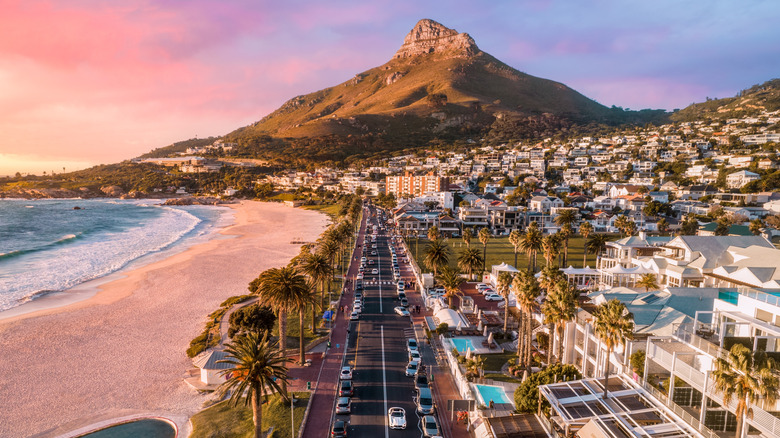
South Africa, and Cape Town in particular, offers a lifestyle few places can match if you're earning U.S. dollars, British Pounds, or euros. The remarkable city, nestled between the ferocious meeting point of the Atlantic and Indian Ocean and the staggering natural barriers of Table Mountain, the Twelve Apostles, and Lion's Head, backs up its spectacle with a rewarding culture that makes leaving incredibly hard.
Before arriving, I was trepidatious. It's important not to hide the facts. Despite Cape Town being one of the most desirable cities in the world, it also ranks among the most dangerous. That crime rate was a concern, and it does play a major role in day-to-day life, but its presence on this list and many others is a testament to just how well the good counters the bad. You learn quickly where and when not to be in certain areas, and I'm happy to say our time there was never punctuated with any issues.
For digital nomads, it's a welcoming playground dressed up as a city. Affordable apartments within walking distance of the city's famous beaches and hiking opportunities, strong, stable internet, world-class food, tremendous cafes and coworking spaces, and a young, driven population make life there something special. While Afrikaans and other languages are used, English is dominant, making integration a breeze. And the South Africans are famously friendly, too. Short-stay visitors can stay up to three months without a visa, while longer-term nomads can stay up to three years thanks to the new remote work visa. You will be a tax resident after 183 days, but with regular foreign income, this can be a far better financial situation than in your home nation.
Buenos Aires, Argentina
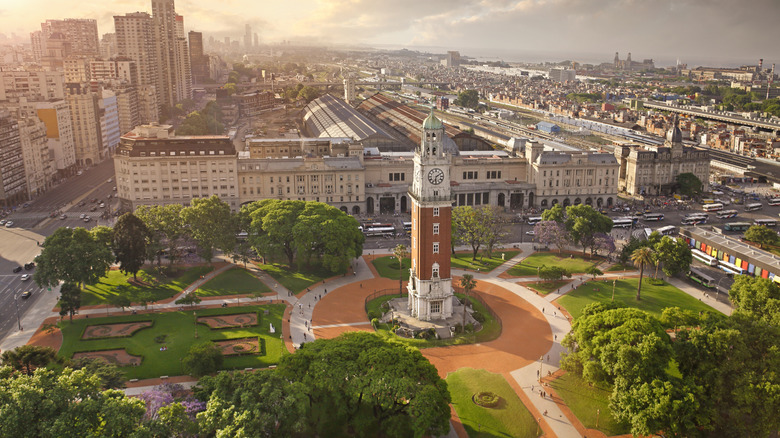
Argentina may be a contentious entry on this list, but it's earned its place for a number of reasons. First, its digital nomad visa, launched in 2022, is extremely generous. Requiring a salary of just $950 a month, successful applicants are granted 180 days with the ability to extend for a further six months. That's a whole year with no tax liability, either.
As for the lifestyle, its capital, Buenos Aires, is a truly unique city, offering what feels like an authentic European style of living at a lower cost than on the continent. Basing yourself in this incredible city, one of my favorites (and backed up by its title as the most desirable city in the world), opens you to the outstanding culinary scene, eclectic nightlife, and the opportunity to explore the likes of Patagonia at your own pace. It also gives you a year to snag hard-to-get tickets to see Boca Juniors or River Plate play, as well.
The internet is strong and always improving, there's an active nomadic community, and the local population is welcoming to foreigners (unless you're supporting the opposite team). Prices are still lower than in Europe, but the country has had inflation issues over the past few years, so keep in mind that the cost of living can fluctuate even over the course of a few weeks. So much so that you'll often find food in grocery stores with multiple pricing labels stuck on top of one another as the rates shift.
Dubai, UAE
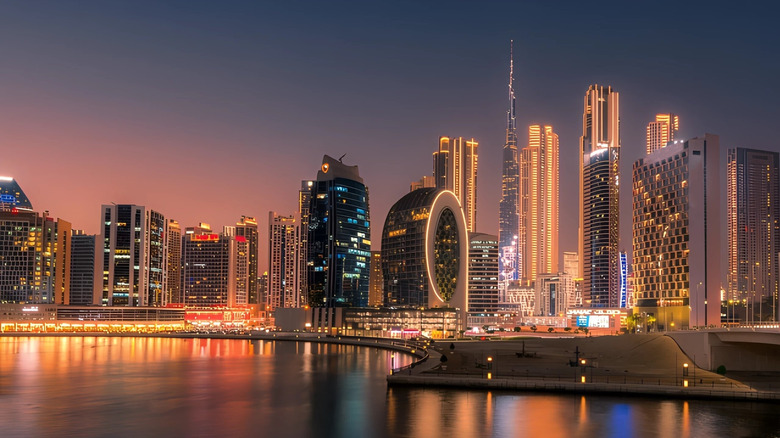
Many travelers will balk at Dubai's presence on this list. This isn't a place to live affordably, but it's important to remember that digital nomads aren't all backpackers scraping the bottom of their wallets for cheap beer. Many are successful business people in their own right, and a city like Dubai is untouchable for them.
Dubai, in its modern guise, has been built from the ground up in the last 60 years. That means the desert city is immaculate. Its gyms, co-working spaces, luxury apartments, mega-malls, and baffling recreational options can rarely be matched. While detractors point to the clinical feeling it can emanate, there's no denying that with the right budget, you can be incredibly healthy, productive, and comfortable in Dubai. It's also one of the safest places on the planet.
I've only spent a month there, but I wanted for nothing, and I've always said that if I needed three months to zone in and work through a big project, Dubai is where I would go. Visitors from many countries, such as the U.S. and the U.K., can stay for 90 days within a 180-day period on arrival. For an extended stay, the UAE's digital nomad visa allows remote workers to stay for a year. You will need a higher income than many of the other options on this list — over $3,500 a month to be specific — but that's pretty much what you'd need to live comfortably in Dubai anyway. Again, it's not going to be cheap, but it's an opportunity to live and work in one of the world's most iconic and modern metropolises.
Prague, Czechia

Western Europe can be tough for digital nomads. It's a hard truth: Many get into the remote work space with dreams of flitting from cafe to cafe in Paris or Barcelona, without realizing it's often more complicated, more expensive, and less welcoming than it could be. Prague, the Czech capital, might be one of the best exceptions to that. Straddling the imaginary line between Eastern and Western Europe, both geographically and culturally, it offers almost everything the big-hitters in France, Germany, Spain, Italy, or the United Kingdom do, but at a far cheaper price point.
Opting to eat locally, use public transport, and veer away from the hectic tourist spots makes a longer-term stay in Prague accessible for most remote workers with a steady income. And once you've stepped out of the central squares (which are still beautiful, just busy — for a reason), the city relaxes. Countless high-end coffee shops make for perfect temporary offices, and the streets are lined with atmospheric wine bars and craft beer holes hidden in centuries-old cellars and back alleys. Some of the older apartments are bursting with character, too.
Czechia is part of the Schengen Zone, so without a specific visa, you'll be limited to the usual 90 days in a 180-day period. The country's digital nomad offering is a little more specific than the others. It centers primarily on IT and marketing professionals, but the verbiage is broad, indicating that more professions than you would assume could fit under either banner. If successful, it offers a rare ability to explore Western and Eastern Europe from the heart of the continent.
Methodology
This list has been built from my personal experience living as a digital nomad for seven years. I've picked these countries based on safety, living costs, infrastructure, ease of work (particularly things like internet speed), community, and overall experience. I'll back up the piece with more specific data sets and opinions from other digital nomads.