
5 Warm Destinations In Europe To Escape Winter Weather
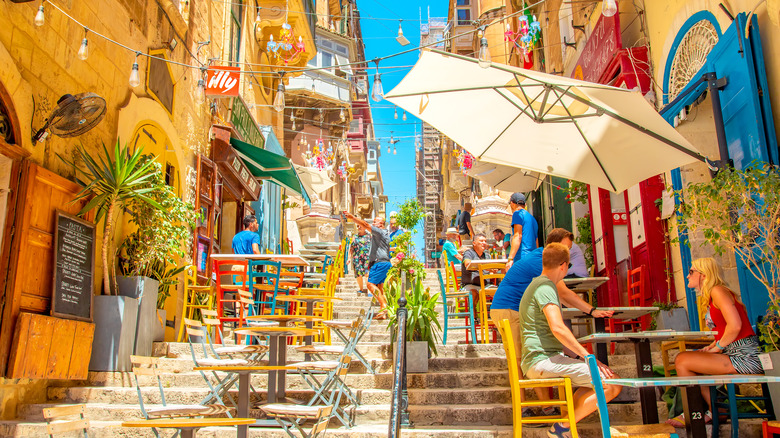
The cozy glow of the holidays has come and gone, leaving us all too aware of the dropping temperatures. Without the distraction of shopping and festive gatherings, your mind may drift toward the warmth of a winter escape. The Caribbean, Hawaii, or any number of affordable Mexico vacation destinations can be tempting. Still, if European vibes are on your mind, you have options. If you'd rather not wait until summer, when crowds arrive and prices soar, there are destinations worth considering — provided you accept that there's nowhere in Europe most people would classify as truly balmy in winter. That said, several spots offer more sunshine than snow, and temperatures that feel tolerable, sometimes even pleasant.
Several European destinations have mild winters with relatively low precipitation and plenty of sunshine on most days. Just keep in mind that "warm" is relative, and since all of Europe experiences winter, hot, beach-ready weather shouldn't be expected. What you'll find instead are surprisingly temperate locales that you may not have considered. We carefully researched southern European destinations to identify five that combine history, culture, amazing cuisine, and gorgeous landscapes — minus peak-season crowds. They can also be affordable in the off-season and easily accessible from North America and within Europe. While no one can promise it won't rain or get a little misty while you're there, these places feel generally comfortable in winter, and you won't have to shovel snow or freeze your backside off.
Madeira, Portugal
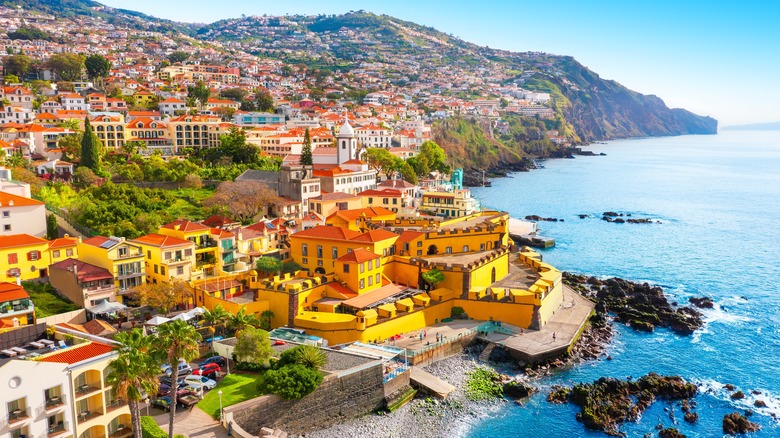
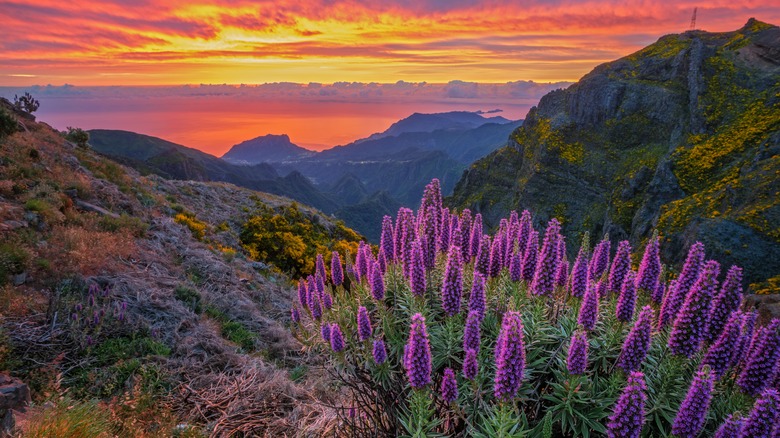
In the middle of the Atlantic Ocean lies a lush volcanic island described as having an eternal spring. Part of the Macaronesia archipelago, Madeira is home to the rare Laurisilva Forest, an ancient, primeval forest that now only survives on Madeira, the Canary Islands, and the Azores. This ecosystem, recognized as a UNESCO World Heritage Site, plays a vital role in the island's ecodiversity. Despite its proximity to Africa, Madeira has a mild subtropical climate, with average winter temperatures in the low to mid-60s Fahrenheit. Shielded by the mountains, the island's southern coast is generally drier and less windy, including the capital city of Funchal, which becomes ablaze with color and costumes during Carnival in February.
Famous for its local wine and as the birthplace of soccer great Cristiano Ronaldo, Madeira has long been a favorite vacation destination for Europeans drawn to its climate and outdoor appeal. The island is especially famous for its levada walks — a system of irrigation canals that double as hiking trails through breathtaking scenery. While Madeira may still feel off the radar for American travelers, getting there is quite straightforward, with regular connections via Lisbon and major European cities. Once on the island, excellent roads and reliable public transit make getting around easy. A network of mountain tunnels allows travelers to move efficiently between regions, often through striking landscapes.
Funchal sits between the mountains and the sea like a natural amphitheater. The city blooms with botanical gardens, most notably the Monte Palace Tropical Garden. Ride a scenic cable car up the hillside to explore the gardens and museum, then roll back down on a wicker toboggan (if you dare). With its colorful murals and artisan boutiques, Rua de Santa Maria is where cafe culture comes alive, serving heaping plates of local specialties, including bolo do caco, a garlicky Madeiran flatbread.
Sicily
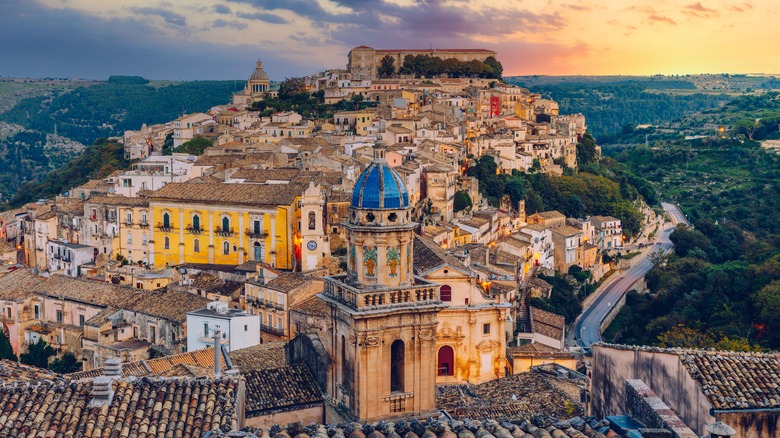
While much of the world's attention will be on Milan this winter for the 2026 Winter Olympics, you'll have to head south for glimmers of sunshine. Famous for its ancient ruins, baroque architecture, majestic mountains, and regional cuisine, Sicily is the largest island in the Mediterranean, separated from mainland Italy by the Strait of Messina. The quickest route is to fly to either Palermo or Catania from Rome, Milan, or other major European hubs. Ferry travel is also an option, including the short crossing from Villa San Giovanni to Messina. With winter temperatures typically ranging from the mid-50s to mid-60s Fahrenheit, Sicily is a wonderful option for a culturally rich holiday — just dress in layers for wind gusts and chilly evenings.
For the best weather, it's best to stick to the eastern and southeastern portions of the island, which benefit from the dry Sirocco winds from Africa. The baroque city of Catania on the eastern coast and the glorious hilltop city of Ragusa further south are not to be missed. The romantic beach city of Taormina, with its medieval Arab Necropolis, Byzantine tombs, and ancient Greek theater, is hugely popular during high season. Winter, however, can be an appealing time to visit, with fewer crowds and many businesses remaining open, including Michelin-starred restaurants.
Founded by the Corinthians, Syracuse was once the Greek capital of the western Mediterranean. Its two archaeological parks (Syracuse and the Rocky Necropolis of Pantalica) are recognized as a single UNESCO World Heritage Site, with ruins dating back to the 13th to 7th centuries BCE. On the northwest coast, the bustling Sicilian capital of Palermo captivates the senses with its markets, Arabo-Norman architecture, the Teatro Massimo, and delectable street food. However, it tends to be more overcast, and travelers on Reddit debate its comfort in winter.
Malta
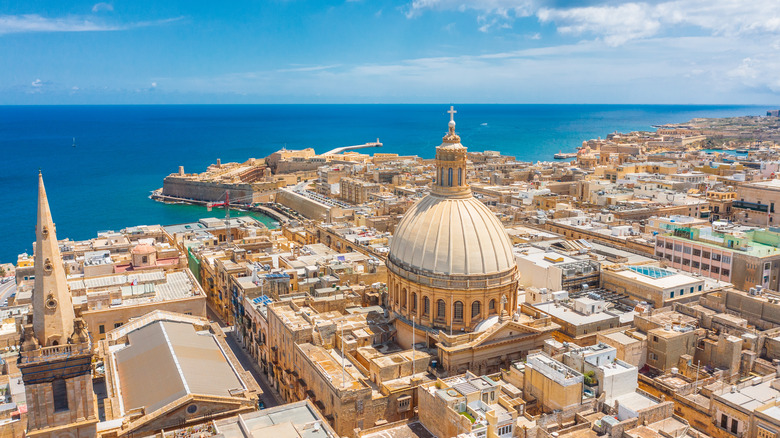
Just 60 miles from the southern coast of Sicily lies the sun-soaked island nation of Malta. The average winter temperatures hover around 60 degrees Fahrenheit, with occasional bursts of rain followed by sunny skies. Its capital city, Valletta, known for thriving nightlife and beautiful architecture, is cited as the warmest spot on the island. Getting to Malta is straightforward, with connections available via many European cities. If you're already in Sicily, there's a ferry from Pozzallo-Marsa to Malta, which takes an hour and 45 minutes.
Home to three UNESCO World Heritage Sites, Malta is overflowing with cultural and historical attractions to keep you busy and help you forget it's even winter. Founded in the 16th century on a scenic peninsula, the fortified city of Valletta is one of Europe's most remarkable capitals, home to over 320 historic monuments. The elaborate inlays of St. John's Co-Cathedral, the Casa Rocca Piccola, known as the "living museum," and the vast Upper Barrakka Gardens are just a few of the attractions to admire. Republic Street and Merchant Street are the city's main promenades, lined with cafes, boutiques, souvenir stalls, the National Museum of Archaeology, and, of course, ample opportunities for people watching.
Not surprisingly, Maltese cuisine is a blend of influences from around the Mediterranean and beyond, reflecting its ancient roots and location as a crossroads of cultures. Culinary must-tries include the flaky pastry filled with ricotta or peas called pastizzi, kapunata, a tomato-based ratatouille, ftira, a tuna-and-vegetable-filled bread, and stuffat tal-fenek, the island's traditional rabbit stew. Nightlife in Valletta centers around lively bars and pubs, rather than nightclubs, mostly clustered along Straight Street. If you want to dance the night away, head to Paceville in St. Julian's for a slew of nightclubs, or nearby Sliema for chic bars with water views.
Crete, Greece
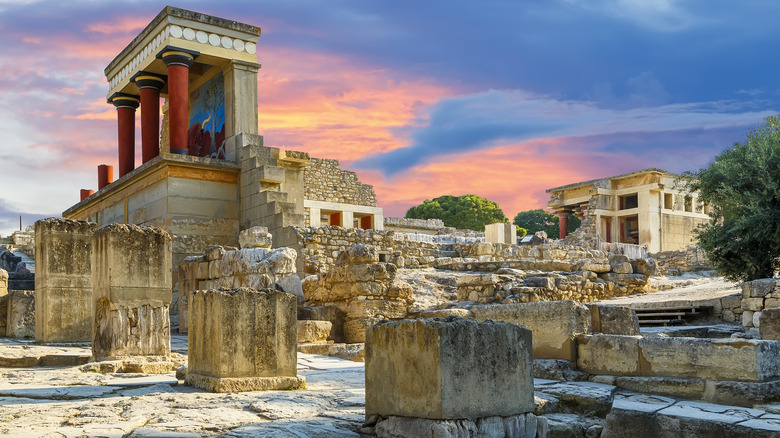
The largest island in Greece, Crete, is known as an idyllic sun-soaked getaway. A combination of rugged mountains, verdant valleys, sandy beaches, ancient ruins, and pastel-colored towns and villages characterizes this Greek fairy tale. Winters in Crete span from pleasingly mild to cool and damp, with the southern part of the island — particularly the southeast — staying warmer due to winds from Africa and protection from the mountains. Temperatures average in the low to mid-60s Fahrenheit, with cooler evenings. While the beaches may look tempting, they're too cold to dip your toes. Instead, explore ancient ruins, admire the Ottoman and Venetian architecture, or connect with locals in cozy tavernas, where you can indulge in Crete's mouthwatering gastronomy.
Flights into Crete are more limited in the winter than in high season, with most routes to Heraklion or Chania connecting through Athens. From there, you can rent a car and drive the approximately 37 miles to the more temperate south. If you fly into Chania, one of Europe's oldest and most atmospheric cities, it's a 122-mile drive to the southeastern part of the island, or 72 miles to the southwest. There are ferries from Athens to Heraklion or Chania, though schedules are less frequent in winter.
Southern Crete is replete with natural wonders and cultural marvels, from the breathtaking pink sands of Elafonissi to the Minoan archeological wonders of Knossos, Phaistos, and Malia, where you can immerse yourself in the splendor of the ancient eastern Mediterranean dating back to the 7th millennium BCE. Farther east, Ierapetra – Crete's fourth-largest city and cited as the most southern in all of Europe — invites slow wandering. Meander through the Venetian fortress of Kales, cafe hop on the seafront promenade, or discover 17th-century churches and gushing waterfalls.
Cyprus
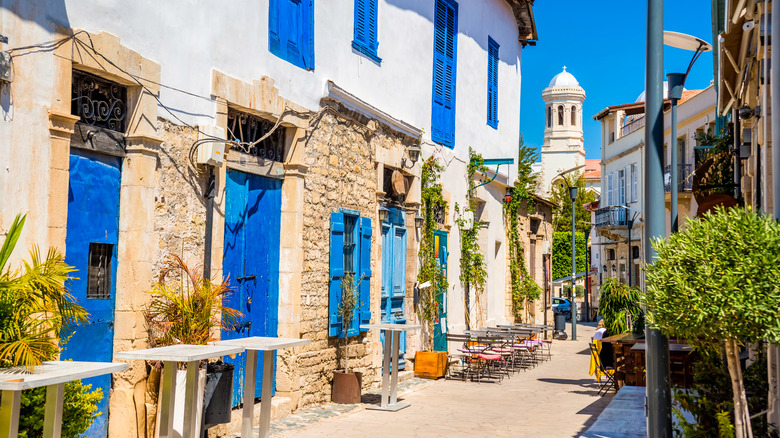
Located off the coast of southern Turkey, Cyprus is perhaps one of Europe's most underrated destinations. While geographically part of Western Asia, Cyprus is a member of the European Union and functions politically and culturally as a European nation. Long a crossroads for Assyrian, Persian, Greek, and Roman civilizations, there's no question that it's one of the world's most historically diverse nations. Cyprus is also recognized for the cleanliness of its waters, consistently earning numerous Blue Flag beach designations. A prized jewel of the Mediterranean for centuries, Cyprus boasts temperate winter weather, particularly along the southern coasts, with average temperatures in the low to mid-60s Fahrenheit. While there are no direct flights from North America, there are direct flights from London and other European cities to Larnaca, Paphos, or via Istanbul to Nicosia.
A center of Hellenic and Mediterranean civilization, Cyprus is home to three UNESCO World Heritage Sites, vibrant cities, laid-back coastal towns, and golden sand and postcard-worthy beaches. For the best weather, consider concentrating on Paphos and Choirokoitia for historical sites, and Limassol, Larnaca, and Ayia Napa for urban life and beach vibes.
One of the oldest sites of ancient Hellenic civilization, Paphos is divided into two regions. The Paphos Archaeological Park and Tombs of the Kings are pleasantly calm in winter — perfect for perambulating among ancient monuments while ruminating about life in the Bronze Age. Beyond the ruins, you'll find nature trails, beach resorts, and a city with taverns and shops. Close to the city of Larnaca, Choirokoitia is a Neolithic settlement with excavations that have shed light on prehistoric life. For coastal energy, Larnaca and Limassol feature waterfront boardwalks, cafes, nightlife, and international visitors and expats. Nicknamed "the Ibiza of Cyprus," Ayia Napa transforms into a languorous seaside town in winter. Visit medieval monasteries, or relax with a Turkish coffee while enjoying dramatic sea views.
Methodology
To choose the five recommended destinations, we consulted travel sites such as TimeOut and GlobeAir, official tourism websites for each destination, Tripadvisor and Reddit reviews, and personal experience. We cross-referenced historical weather data from sources including Weather Underground and The Weather Channel with user feedback to confirm that past visitors generally found winter conditions comfortable for sightseeing. For flight schedules, we checked Expedia and Kayak to ensure that daily flights operated to all destinations. We ultimately chose these destinations not only for their mild climates, but also for their cultural attractions and variety of activities, with no single country appearing more than once on the list. We also selected some lesser-known destinations for North Americans to encourage diversity and discovery.