
The 5 Best Islands In The Caribbean To Visit For Viewing Unique Wildlife
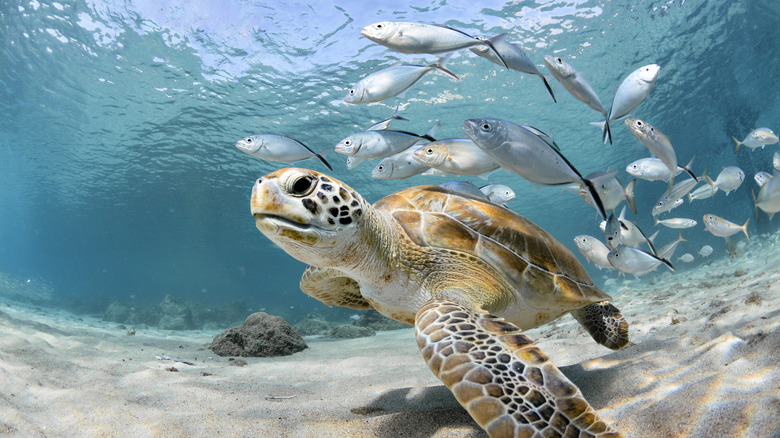
Travelers are drawn to the Caribbean for its balmy breezes, hot sunshine, and turquoise waters. Ranked a top beach destination for 2026, the Caribbean is perfect for intimate getaways, yacht trips, and family vacations. But the region also boasts remarkable ecological diversity in its flora and fauna. Whether you charter a whale-watching boat, take a casual hike, or catch sightings off your eco-resort balcony, the Caribbean is a wildlife-rich paradise with distinctive species thriving in diverse habitats — an experience far more compelling than any zoo. From sperm whales in Dominica and Mona monkeys in Grenada, to singing Coquí frogs in Puerto Rico, giant iguanas in the Bahamas, and feral donkeys in St. John — these are the top five places to explore unique wildlife in the Caribbean.
What qualifies as "unique"? We define it pretty loosely: anything endemic (native to the island), rare, endangered, or simply "cool and unusual" — e.g., can most people see this in the wild near their home? Drawing on reputable sources from all across the internet — from Encyclopedia Britannica to Audubon to National Geographic — and numerous travel blogs from tourists and amateur naturalists, we identified standout fauna and flora across the Caribbean and narrowed down the best 5 for travelers. We also highlighted destinations based on diversity, accessibility from the U.S., eco-friendly accommodations, and safety — only international destinations with a U.S. Department of State travel advisory of Level 1 or 2 ("exercise caution") made the list. Go ahead and start planning your trip to the Caribbean — and use this swimsuit packing trick to make the most of your suitcase space.
Dominica
You'll know you're in Dominica by its terrain: Volcanic peaks rising from the sea, massive waterfalls filling jade-colored pools, volcanically-heated springs, and even a "boiling lake" venting wafts of steam across the rainforest. Nicknamed "The Nature Island," Dominica (pronounced "DomiNEEka") is less touristy than its Lesser Antilles neighbors and one of the most biodiverse in the region. At its heart is the Morne Trois Pitons National Park — a primordial rainforest of Jurassic Park mythos and a UNESCO World Heritage site where wildlife thrives.
Endemic birds like the red-necked parrot and the Sisserou parrot — Dominica's national bird — share the canopy with 100 others, along with the endemic Dominican hairstreak butterfly, while tropical flora abounds, including rare orchids. The mountain chicken, a critically endangered frog, also calls the island home. Hiring a guide is recommended for challenging hikes, like Boiling Lake, Morne Diablotin, and the 115-mile Waitukubuli National Trail, while the Syndicate Trail offers easier birdwatching. November to May is Dominica's "dry" season, best for hiking. Stay at the Papillote Wilderness Retreat amidst tropical gardens near Trafalgar Falls, or 3 Rivers Eco Lodge with access to jungle ziplines.
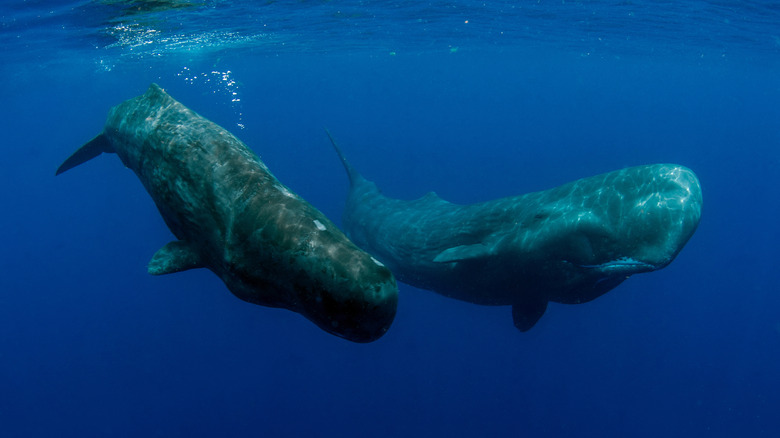
Dominica's also the whale-watching capital of the Caribbean, protecting its waters through the Sperm Whale Reserve. It's one of the few places where sperm whales can be seen year-round, thanks to deep water close to shore. Swimming with whales is possible, too, though highly regulated. You can also snorkel sites like Bubble Beach to spot thermal bubbles rising from the ocean floor. In 2025, new routes and nonstop flights from U.S. hubs made Dominica even easier to reach, and the island holds a Level 1 U.S. travel advisory.
Puerto Rico
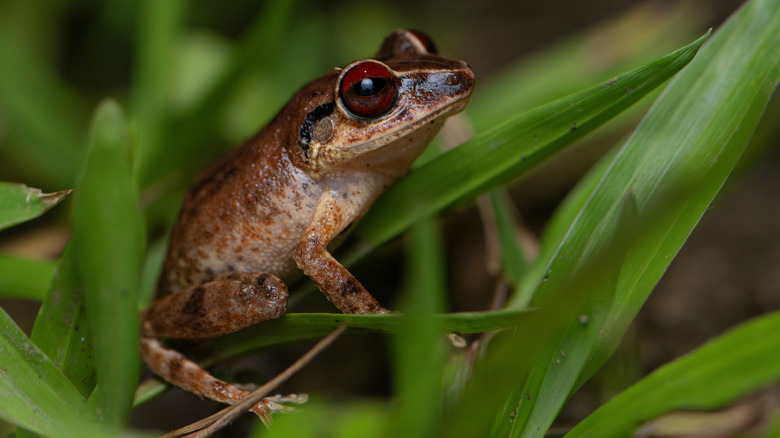
While many travelers rightly hit up Old San Juan's Paseo de la Princesa promenade for food and shopping or head to the beaches for sand and sun, there's plenty of unique wildlife and outdoor adventures to be had in Puerto Rico. El Yunque National Forest is the only tropical rainforest in the U.S., home to the Coquí frog. Although the Coquí exists on other Caribbean islands, Puerto Rico is the only place where they sing. Puerto Rico's also home to about 120 regular nesting bird species, as well as the rare Puerto Rican Amazon parrot, one of the top 10 endangered birds in the world. Puerto Rico's only endemic land mammals are bats, with roughly a dozen species filling ecological niches across the island's forests and caves. Sooty mustached bats and Antillean ghost-faced bats are among those you might see at dusk. The Puerto Rican boa constrictor and the Puerto Rico Emerald hummingbird add to the island's remarkable fauna.
Offshore, Puerto Rico's nearby islands contain some of the brightest bioluminescent bays in the world. Mosquito Bay is lit by dinoflagellates, tiny organisms sometimes called "swirling fire." You can rent a kayak or take a glass-bottom boat tour from one of many Vieques-based operators. Laguna Grande and La Parguera also offer nighttime brilliance, the latter being the only one that allows swimming. You can also spot migrating humpback whales off the coast from January through March.
Puerto Rico is easily accessible from the mainland, with plenty of nonstop flights and no need for a passport. (There's also no travel advisory issued, since it's part of the U.S.)
Grenada
Located at the southern tip of the Lesser Antilles, about 100 miles north of Venezuela, 21-mile-long Grenada is an underrated snorkeling destination and features 45 beaches. Turquoise bays belie pristine reefs teeming with rays, lobster, parrotfish, octopus, and the Molineiere Underwater Sculpture Park. Thanks to the island's tropical climate and volcanic soil, Grenada enjoys a verdant growing season year-round, with lush tropical fruits, flowering plants, and teak and mahogany forests. Known as the Spice Isle, Grenada is rich with cacao, nutmeg trees, and West Indian Bay Leaf trees that waft a cookie-like fragrance along warm sea breezes.
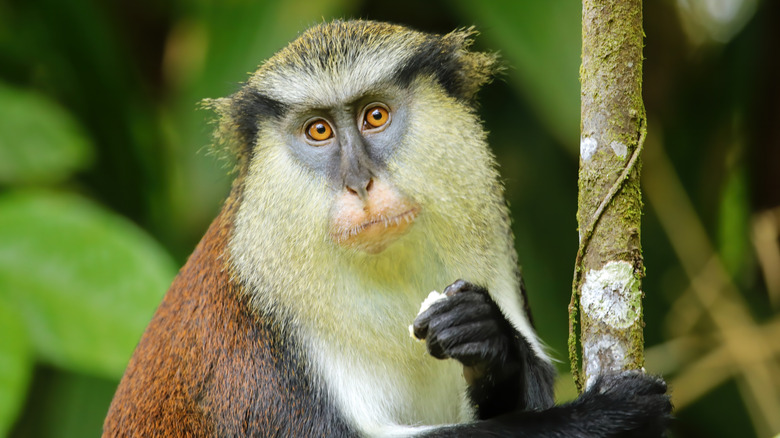
Grenada is the only Caribbean island home to mona monkeys. Reddish-brown with fluffy white beards and white speckles, these expressive primates likely arrived from West Africa aboard slave ships in the mid-18th century. Many live in Grand Étang National Park, Grenada's oldest and largest protected area. Visitors can spot birds and wildlife along the park's many trails of varying difficulties, or take a peaceful picnic up to Grand Étang Lake. Other notable wildlife includes manicou possums, agouti rodents, iguanas, mongooses, crabs, armadillos, and the Grenada frog, a tiny endangered species.
Nearly 200 bird species have been recorded, including the native Grenada dove and Grenada hook-billed kite. Along the northern coast, Levera National Park is a birding hotspot and one of the best places to see nesting sea turtles. Leatherback turtles nest in Grenada from April through June, along with endangered hawksbills. Turtles are protected in Grenada and best observed with conservation guides — or by volunteering with Ocean Spirits, a local turtle conservation group.
American Airlines offers direct flights daily from Miami, while JetBlue operates daily direct flights from JFK and weekly nonstops from Boston. Grenada is a Level 2 travel advisory, and Americans don't need visas.
Bahamas
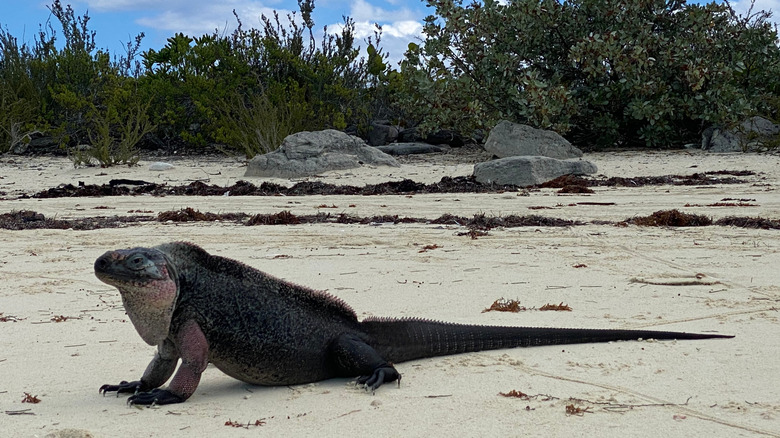
One of the most touristed spots thanks to some of the best beaches in the Caribbean, the Bahamas lies about 60 miles southeast of Florida and comprises more than 700 islands and cays, including popular spots like the Exumas, Abaco, and Bimini. The Exumas are especially known for their turquoise-clear waters and the famous swimming pigs of Big Major Cay, believed to have been brought by sailors as part of the agricultural supply. The 30 or so pigs have become a social media sensation: Many visitors take a special trip to Pig Beach on Staniel Key to visit and even swim with them via boat tours from local operators.
The Bahamas is rich in wildlife and diverse ecosystems, including 32 national parks, protecting landscapes from mangroves to coral reefs to pine forests. The islands are home to roughly 300 bird species, including migratory birds and endemic species like the colorful Bahama woodstar hummingbird and the rare Bahama oriole. Iguanas are also a wildlife feature: most notably massive, endangered rock iguanas — dark, hulking lizards with reddish-orange or yellow spots that inhabit select cays and islands like Sandy Cay, Bitter Guana Cay, and Andros Island. Snorkeling is a major draw to the area, as is swimming with nurse sharks — docile, finned creatures known to inhabit the waters around Compass Key. Flamingos (the Bahamas' national bird), dolphins, the Bahamian hutia, and sea turtles are commonly spotted in the Bahamas, and accommodation options range from eco-resorts to glamping in secluded, low-environmental impact villas, making nature-based stays accessible.
The Bahamas currently has a Level 2 travel advisory, with extra caution recommended when swimming and boating. The islands are easily accessible to the Bahamas' 20 different airports, via daily nonstop flights from the U.S., as well as cruises, ferries, and private boat charters.
St. John, U.S. Virgin Islands
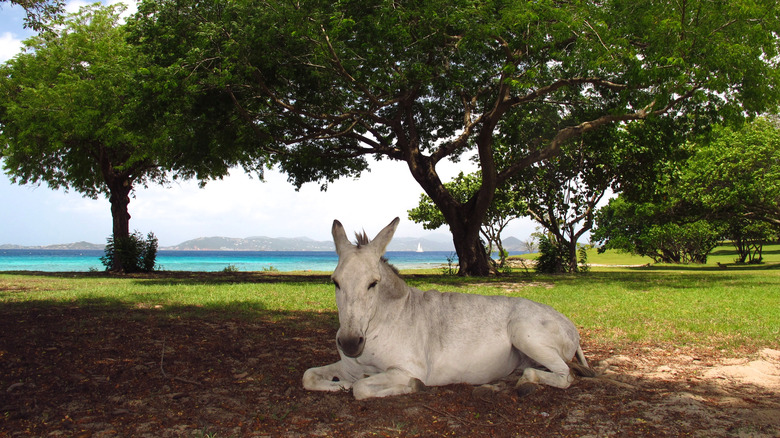
St. John is the smallest of the U.S. Virgin Islands' three main islands, and roughly 60% of it is protected as Virgin Islands National Park. That means there's an abundance of flora and fauna packed into less than 19 square miles. "Just know that around any corner on any road on St. John could be an animal, so please keep your eyes on the road at every moment," wrote the St. John Island Guide, and it's true. From wild donkeys to bananquits — the national bird of the U.S. Virgin Islands — and lush tropical flowers and trees, the island is teeming with unique wildlife.
Wild donkeys are perhaps the most charming creatures you'll see roaming the island. Originally brought over to work on colonial-era plantations, they were set loose when slavery ended. Some islanders continued to use them for transportation, but with the advent of automobiles, the donkeys were no longer needed as pack animals. Today, visitors will spot them wandering idyllically through parks and along beaches — sometimes with a feral goat as a companion. Other wildlife includes white-tailed deer, mongooses, iguanas, and a wide variety of birds – and bats, the only native mammals. Snorkeling and scuba are major attractions on St. John — Salt Bay and Maho Bay are popular, and visitors can download a snorkel app to help locate the best spots for catching glimpses of sea turtles, coral reefs, dolphins, and vibrant tropical fish.
Because St. John is a U.S. territory, there is no travel advisory, and the Virgin Islands are considered relatively safe for travelers. There is no airport on St. John; the island is easily reached from St. Thomas via a short ferry or boat ride, or from St. Croix with a longer commute.
Methodology
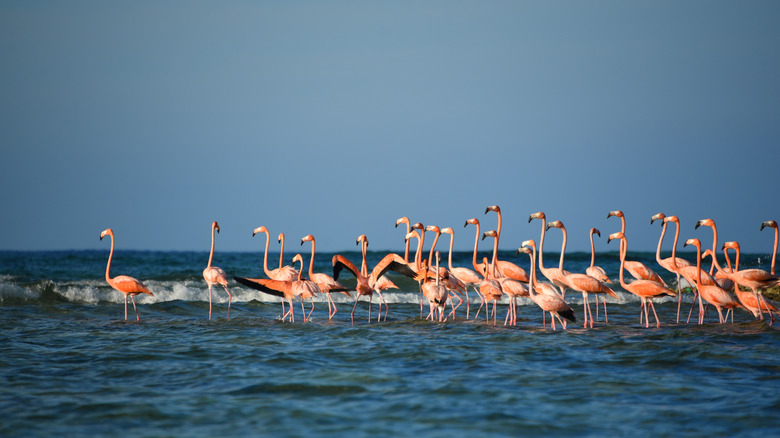
In narrowing down the top 5 Caribbean islands for viewing the most unique wildlife, we had to exclude around 700 others, along with countless small islets and cays that sprawl thousands of miles in the Caribbean Sea and west Atlantic Ocean between South Florida and South America. To do that, we looked at extensive wildlife and travel research from the Caribbean, utilizing sources like Audubon, National Geographic, The New York Times, The Times of London, travel blogs, and Encyclopedia Britannica for basic geographic information. We compiled long and exciting lists of tropical flora and fauna, but our initial list of islands was far greater than five, so we had to narrow it down further.
Our longlist included Trinidad and Tobago, which has the highest bird count in the region, including the unique scarlet ibis, but is currently listed as a Level 3 travel advisory per the U.S. Department of State. We used safety as a litmus to cull our list, ultimately including only islands that have a Level 1 or Level 2 travel advisory. We also prioritized islands with relatively easy flight access from the U.S. mainland (nonstop options a plus!), and islands with eco-resorts or other environmentally-friendly lodging options.
Finally, we defined "unique" as anything endemic, rare, endangered, or simply "cool and unusual." Consider this list a mere starting point for your next Caribbean vacation — and enjoy the wild ride!