
The Most Picturesque State Parks Worthy Of National Status In Texas, According To Reviewers
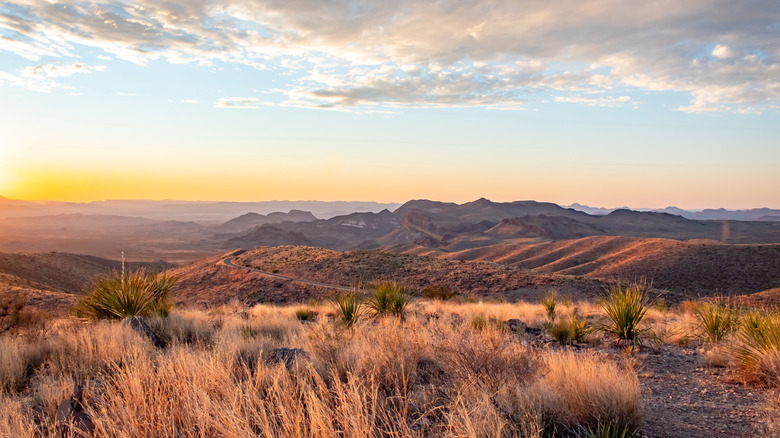
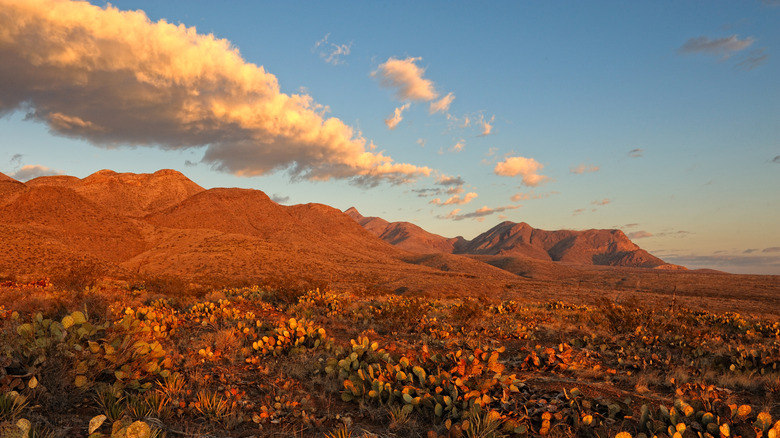
Texas is famous for doing things bigger, and its sprawling landscapes are no exception. As the largest continental state in the nation, it's also one of the most ecologically diverse — Texas ranks second in biodiversity with more than 6,200 unique species of plants, mammals, reptiles, and amphibians, according to World Population Review. From majestic desert mountains in West Texas' Big Bend Country to the wildflower-dotted grasslands of the Texas Hill Country and even the Pineywoods' low-lying wetlands, the Lone Star State is singular in its sheer breadth of distinct ecological regions; 10 of them, to be precise.
It should come as no surprise, then, that Texas is home to a whopping 95 state parks and natural areas. Among them are some destinations that stand shoulder to shoulder with iconic sites such as Big Bend National Park and Guadalupe Mountains National Park. Across travel blogs, hiking forums, and visitor reviews, some Texas state parks come up again and again as places that feel on par with their federally protected counterparts, whether in terms of striking natural scenery, challenging trails, or remote solitude rather than peak-season crowds. From the Panhandle to the Gulf Coast, here are some of the Texas state parks that travelers say deserve national status — plus a few state natural areas that were too good to leave out.
Big Bend Ranch State Park
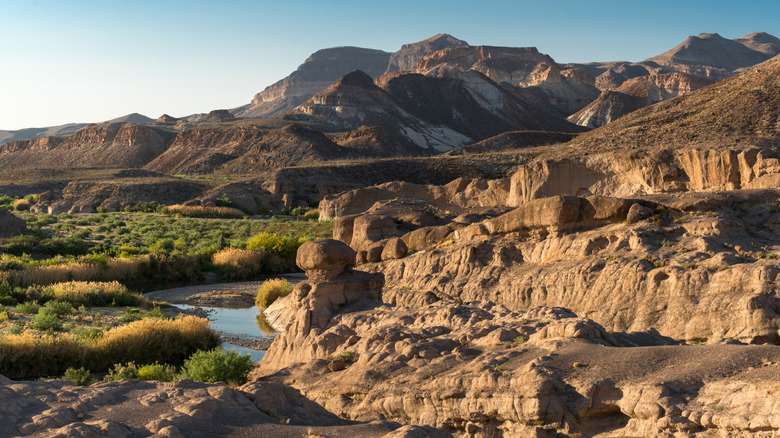
Although Big Bend Ranch State Park is often overshadowed by its nationally-renowned neighbor, Big Bend National Park, those who have visited both parks claim that they offer different but equally worthwhile experiences. For one, Big Bend National Park welcomed over 560,000 visitors in 2024, according to the National Park Service. The state park, on the other hand, is estimated to host roughly 50,000, many of whom just stop in at the park's visitors center and historic sites.
Spanning a massive 300,000 acres, Big Bend Ranch State Park is about as rugged and primitive a park-going experience you can get. Much of the park's interior is only accessible by a four-wheel drive, whereas Big Bend National Park is significantly more developed in terms of trails, lodging, and amenities. To put the comparison succinctly, one Facebook commenter said: "[Big Bend] National Park is for tourists with an adventurous spirit. State Park is for adventurers. There's a difference."
Although Big Bend Ranch State Park is full of natural springs, waterfalls, and mountains, the natural feature that truly makes it a park like no other is El Solitario. A collapsed volcanic dome, the formation comprises a maze of jagged Paleozoic-era rock and Cretaceous limestone that stretches nearly 10 miles across. Even its name — meaning "the lonely one" or "the hermit" — lends it an air of mystery, daring intrepid explorers to venture out and witness it amid the silent landscape. For those craving adventure in the remote reaches of West Texas, Big Bend Ranch State Park more than earns its place next to Big Bend National Park, with the added benefit of serenity and solitude.
Palo Duro Canyon State Park
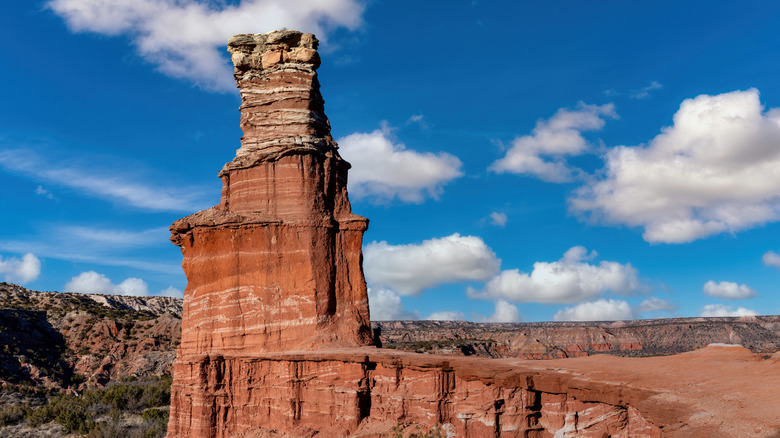
Peering down into the mesquite-dotted basin over the sheer cliffs of layered sepia sediment, it's easy to see why Palo Duro Canyon has earned the nickname "the Grand Canyon of Texas." Known first and foremost as the second-largest canyon system in the United States, Palo Duro cuts dramatically across the Texas Panhandle, revealing colorful geologic layers that extend 800 feet deep.
For years, travel bloggers and reviewers alike have hailed it as one of Texas's best-kept secrets. According to one Redditor, the park even flies under the radar of many Texans: "I've only lived in Fort Worth for a year and a half but haven't met a single person that has gone [to Palo Duro]! Which is crazy! We loved it." Another compares it to the Grand Canyon, saying, "It really is impressive in person, and totally unexpected in the otherwise featureless Panhandle area. It's like a smaller, more accessible Grand Canyon."
Easily the most famous landmark in Palo Duro Canyon State Park is the Lighthouse Rock, a massive, iconic hoodoo formation at the end of a 3-mile trail. According to Texas Parks and Wildlife, the pillar comprises a layer of hardened sandstone atop a base of soft shale, creating the appearance of a lighthouse tower jutting out of the canyon sea. Whether you come for a long weekend of camping or a quick scenic drive, it's awe-inspiring formations like the Lighthouse that make this striking and underrated state park feel like one of Texas' most national-park-worthy landscapes.
Enchanted Rock State Natural Area
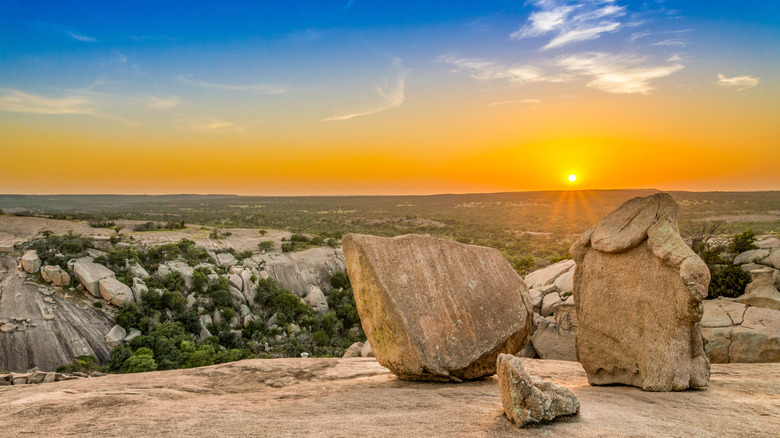
Roughly 100 miles west of Austin lies a Texas natural state area with a pink granite mountain rising above the Texas Hill Country like an inverted crater. From afar, it appears as an oddly smooth, pink dome cresting over the horizon. Up close, the 425-foot batholith takes on an almost alien scale, rising from the otherwise flat countryside. As the sun begins to set, the rock appears to emit a soft, rosy glow, giving the formation its rather mystical name.
Although technically a state natural area, Enchanted Rock offers the same kind of hiking, stargazing, and scenic payoff you'd expect from any national park site. That's not to mention the history — Texas Parks and Wildlife claims that humans have camped in the area for about 12,000 years, and the rock's otherworldly hue gave rise to various legends among the Tonkawa Indians.
If there's another thing Enchanted Rock has in common with many national parks, it's the site's popularity. Many reviewers mention aiming to visit in the off-season or on a weekday to avoid the crowds, with one Redditor stating: "Enchanted Rock is incredible on a weekday when you're out there alone, especially when the weather is cool. But the crowds tend to annoy me. It's a really popular park and there's always at least one boy scout troop out there." Though it's widely agreed upon that the state natural area is well-worth exploring and one of the most unique geological features, Texas State Parks recommends reserving a day pass ahead of visiting.
Lost Maples State Natural Area
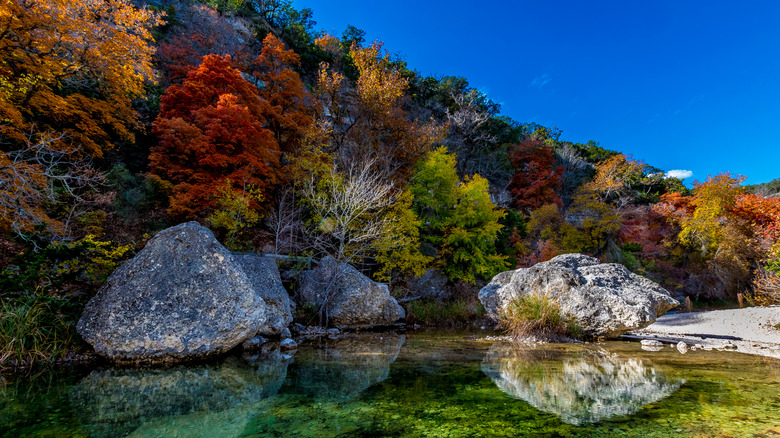
Lost Maples is best known as a premier Texas fall foliage destination, heralded as one of the top five places to see fall foliage through November across the entire country. And while its autumnal appeal is certainly nothing to be understated, defined by vibrant reds and brilliant golds, travelers frequently note that the state natural area's beauty extends well beyond fall. One Tripadvisor reviewer said of their springtime visit to the park: "Not only is the weather great, but you will find beautiful colors of an entirely different sort, in the splendid array of wildflowers and fresh spring greens of the trees. When we were there, the mountain laurels were in full bloom with their wisteria-shaped sprays of purple, grape-scented flowers."
Located in the Edwards Plateau region of Texas, many parts of Lost Maples State Natural Area appear closer to the Appalachian Mountains than the Texas prairies. Crystal-clear streams weave through the rugged limestonevalleys dotted by Uvalde bigtooth maples where endangered Golden-cheeked Warblers nest, per the Texas Parks and Wildlife Department. The park also ranks in the top 10 Texas state parks on AllTrails for its variety of hiking trails that wind through the surrounding hills to grand, rocky overlooks. For its dazzling spring wildflowers and striking fall foliage, this Hill Country escape is one of Texas' most beloved natural treasures.
Caddo Lake State Park
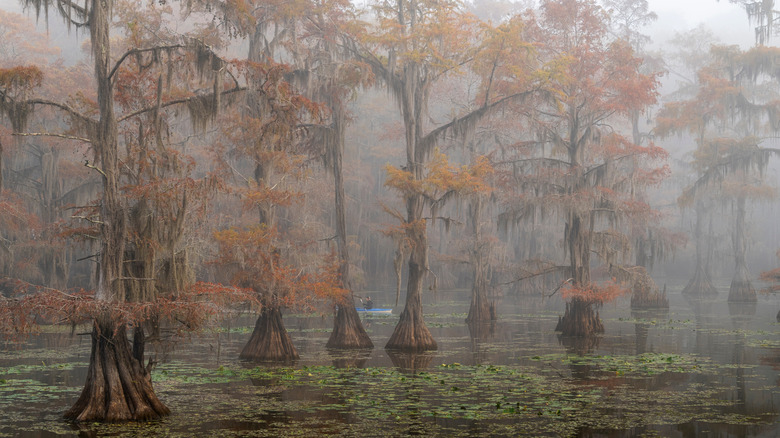
"I honestly didn't expect a swamp to be so beautiful," says one Redditor — a common sentiment among visitors to Caddo Lake. Another on Yelp regales, "It's like walking through some kind of Bayou fairytale." Others still, like one Tripadvisor reviewer, note the park's otherworldly, sometimes unsettling feel: "Never saw anything like these bald Cypress trees with those creepy and mesmerizing Spanish moss!" Scenic, unearthly, strange — however you choose to describe Caddo Lake State Park, its unique Gothic natural beauty and allure are undeniable.
Situated in the heart of the Pineywoods region of East Texas, Caddo Lake is both the largest natural lake in Texas and the largest cypress forest in the world, according to Travel Texas. The massive lake actually stretches across the border of Texas into Louisiana, which explains the distinct bayou feel. Across the 27,000 acres of swamplands, you'll find winding passages between cypress roots and branches draped with curtains of Spanish moss. Best explored by water (and almost entirely navigable by paddle), the early morning mist rising off the water conceals the wildlife lurking both above and below, from herons to alligators. For its sheer size and mystical atmosphere, Caddo Lake State Park deserves to stand alongside the Everglades as a national ecological gem.
Colorado Bend State Park
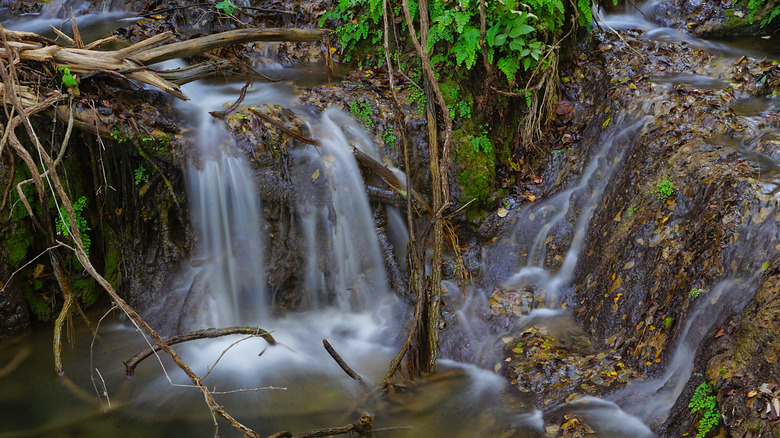
Ask a room full of Texans about their favorite state park, and you'll hear a variety of answers, but you're almost guaranteed to hear a handful mention Colorado Bend State Park. Reviewers across Tripadvisor and Reddit mention the park as a popular (but, crucially, not too popular) day-trip destination from Austin, which lies about 100 miles to the southeast. Positioned along the Colorado River, the park's greatest amenity is the breadth of activities it offers: canyon trails, caving, natural springs, waterfalls, and river paddling. If you're an indecisive traveler, Colorado Bend is a safe choice that's certain to please even the most disagreement-prone families — this is a park that truly offers a bit of everything.
The crown jewel of Colorado Bend is Gorman Falls, a 70-foot waterfall tucked amid dense foliage. Some consider it a living waterfall, as the accumulation of travertine calcium deposits causes the rock surrounding the falls to grow incrementally each year instead of gradually wearing away. With that miraculous fact in mind, it's hardly a wonder that Gorman Falls ranks as the top waterfall in Texas, according to Tripadvisor reviews. Marveling at the moss-covered stones and the gentle rush of water, one traveler on Instagram remarks: "This isn't Hawaii or Jurassic Park, this is Texas."
Pedernales Falls State Park
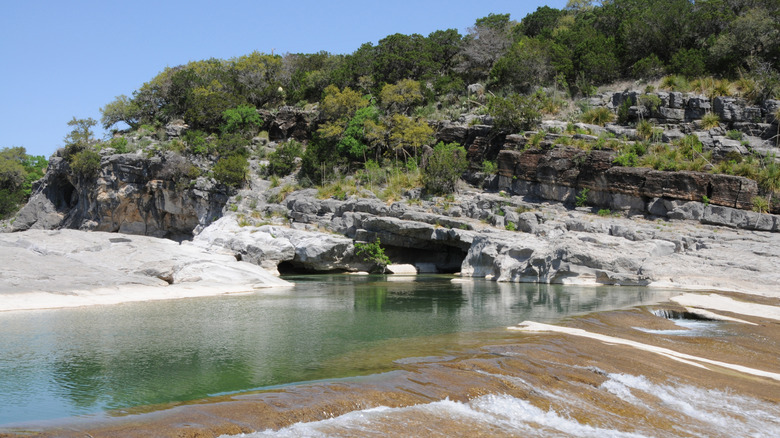
Texas isn't exactly known for its waterfalls, but Colorado Bend isn't alone in providing them in spades. Enter Pedernales Falls State Park, whose falls stand in stark contrast to Gorman Falls; over a distance of roughly 3,000 feet, the Pedernales River gradually drops 50 feet across shallow, staggered limestone steps, with gushing water cascading over the layered slabs. Texas Parks and Wildlife reports that the formation is estimated to be about 300 million years old, a vestige of the Cretaceous-era seas that once covered Texas. Today, it's a Hill Country watering hole where parkgoers can cool off in the summer months.
Though the name might suggest otherwise, there's more to Pedernales Falls than the water; AllTrails records more than 40 miles of multiuse trails, from loops hugging the river to hikes trekking through the canyons of Tobacco Creek or up Wolf Mountain. One travel blogger mentions the park's staggering views of the river carving through the hillside, saying, "There are a lot of 'scenic overlook' trails, especially in the hill country. I enjoy them all, but I really want to call out the western facing overlook here. It was spectacular. Jaw-dropping would be an appropriate term." You'll be hard-pressed to find a more national-park-worthy view in the heart of Central Texas than here.
Garner State Park
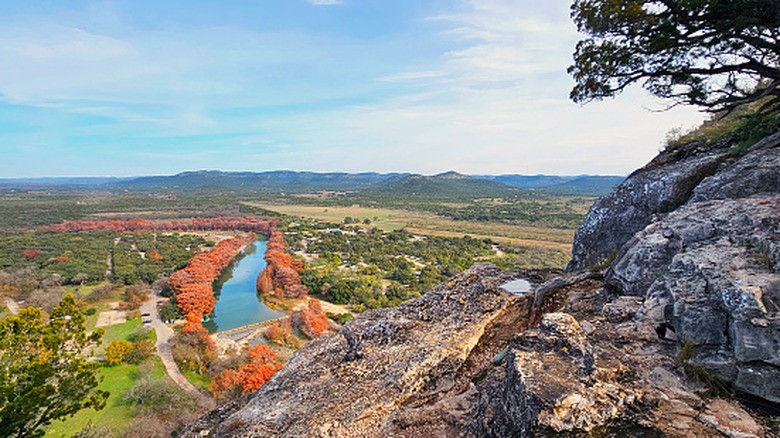
Garner State Park is the second-most-visited state park in Texas, according to 2022 visitation data — and for good reason. Few places capture quintessential Texas Hill Country charm quite like Garner, which is ranked among the best American state parks. Set along a 3-mile stretch of the Frio River, visitors flock to Garner State Park for tubing, swimming, and camping among the postcard-perfect summer scenery. The hike up Old Baldy, in particular, is considered a rite of passage among Texans who frequent the park, of which there are many. On Facebook, parkgoers share memories of generations upon generations of family members making annual summer trips to Garner, revealing a deep-seated cultural legacy associated with the area.
It's worth noting that the park welcomes more than 230,000 visitors each summer, per KXAN Austin, making it one of the least remote parks on this list. But one Redditor argues in favor of the park's popularity: "Garner has a unique feel in that it reminds me more of a summer camp experience than a state park." Others, including travel photographer Aesthetic Journeys Photography, recommend waiting to visit until the off-season for optimal weather and privacy: "The first time we visited, it was late winter/early spring and the weather was perfect for camping. It was also less crowded as the summer months hadn't hit yet." Regardless of when you choose to visit, Garner's timeless appeal has kept travelers returning year after year, making it the kind of beloved natural resource that can hold its own against some national parks.
Caprock Canyons State Park
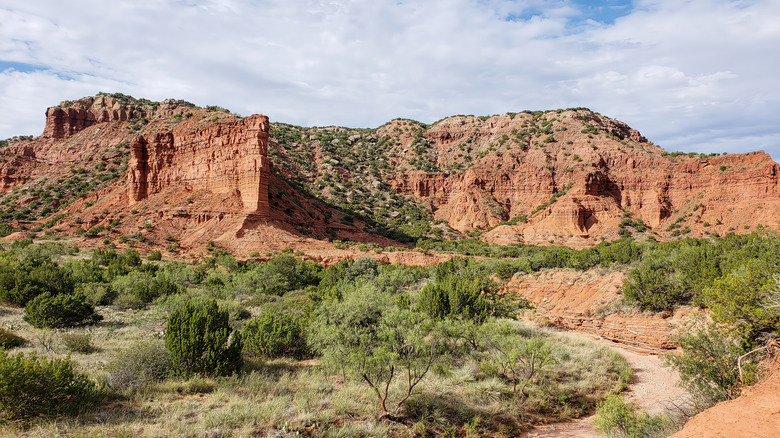
About 90 miles southeast of Palo Duro Canyon State Park, Caprock Canyons often conjures comparisons to the other canyon park in the Texas Panhandle. Although the two are similar in many ways, they are decidedly not the same, as Caprock Canyons State Park offers plenty of reasons to visit on its own. The most obvious is its staggering, rugged majesty: the steep canyon bluffs composed of "red beds," layers of clay-colored shale and sandstone carved away by thousands of years of water erosion by the Little Red River. Texas Parks and Wildlife supports a whopping 90 miles of trails to ensure visitors can see it all.
What truly sets Caprock Canyons apart, though, is the wildlife that teems among its hiking trails. Above the escarpment, herds of wild bison roam the High Plains. Down below, Mexican free-tailed bats dwell in the abandoned Clarity Tunnel. Visitors don't have to be lucky to spot some animals here; scores of travelers report bison wandering into their campsites or greeting parkgoers just outside the visitor center. One Tripadvisor review exclaims, "Where else can you see bison, prairie dogs, and roadrunners within minutes of entering the park?" For avid wildlife watchers, Caprock Canyons State Park is nearly unmatched, falling short of only the natural wonders of Yellowstone.
Balmorhea State Park
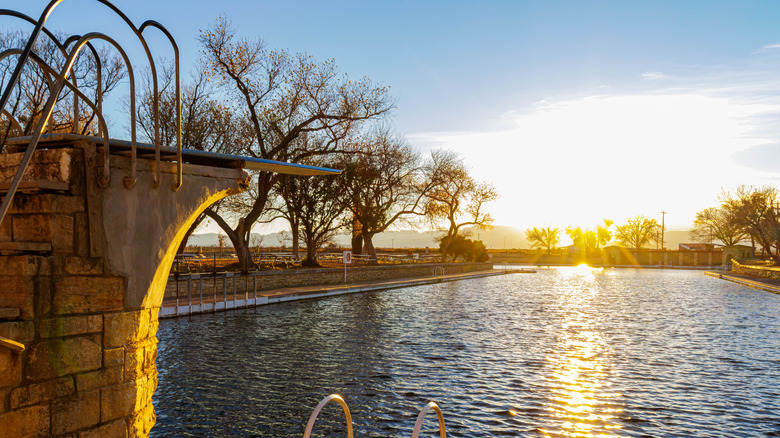
The far reaches of West Texas are known to be scorchingly arid, which is why Balmorhea State Park offers one of the most surprising sights in the state: an oasis of impossibly turquoise waters. Fed by natural springs, the pool is actually the largest spring-fed swimming pool in the world — that's right, not just nationally but internationally. If that's not national park status, then few things are.
Texas Monthly reports that the park was first built by the Civilian Conservation Corps to provide a reprieve from the desert heat in the 1930s, complete with an adobe motel that visitors can still stay in. To this day, the miraculous contrast between the crystal-clear waters and the parched surrounding landscape isn't lost on parkgoers. As one Redditor puts it: "It's an oasis on the surface of Mars, effectively."
Though to some the park may appear to be 'just' a swimming hole, there's more to Balmorhea than meets the eye. Texas Parks and Wildlife has worked to restore the surrounding wetlands, inviting a wealth of endangered birds and fish, such as the Comanche Springs pupfish. Those brave enough to scuba dive into the depths of the springs will find an entire hidden ecosystem dwelling deep below. Given that scuba-diving sites are relatively few and far between in famously hot Texas, Balmorhea State Park is a true gem.
Longhorn Cavern State Park
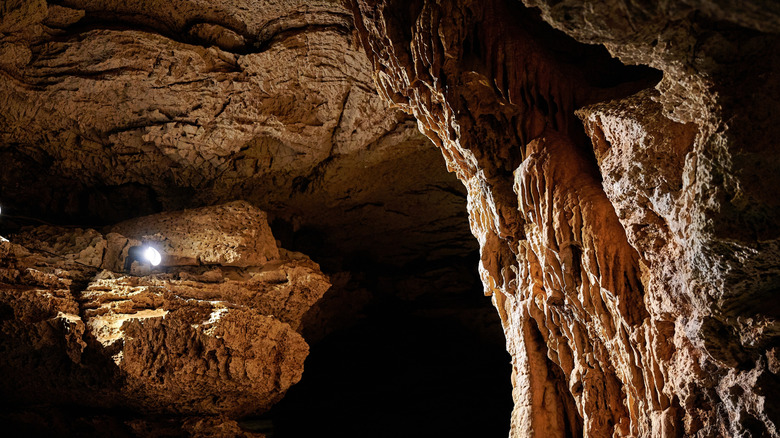
On the surface, this day-use-only state park, a short drive from Austin, might not look like much. But what lies below the unassuming Hill Country landscape is truly spectacular; dramatic limestone formations form winding chambers where sparkling mineral textures have been shaped over millions of years. Its famed Hall of Diamonds is actually made up of calcium carbonate crystals, and below the Earth's crust in the echoing caverns, the dazzling, glittering crystals still make visitors stop and stare.
Unsurprisingly, the park's history is just as fascinating. According to the official Longhorn Cavern website, the first known use of the cave was as a trap for hunters, which is why mastodon bones have been found in the basin. Later, in the early to mid-1900s, the caverns served as both a nightclub and a fallout shelter — talk about multi-use trails.
While some of the parks on this list are geared toward the more adventurous travelers willing to go off the beaten path, Longhorn Cavern proves that sometimes the most accessible experiences are the best ones. Per one Tripadvisor reviewer: "This park strikes a perfect balance: adventurous enough for explorers, educational for families, and serene for those who just want to escape the bustle of everyday life." With its natural history and otherworldly formations, Longhorn Cavern is evidence that some of the state's best scenery isn't on the surface at all.
Methodology
This list was created using a curated blend of traveler reviews and trip reports to identify the Texas state parks whose scenery was consistently praised by visitors. Because of Texas' ecological diversity, the goal was to include parks that represent a range of biomes, from desert mountains to Texas Hill Country rivers and East Texas wetlands.
Parks were selected based on how frequently visitors highlighted their overlook views, hiking trails, or unique natural features. Although a few entries are designated as state natural areas rather than state parks, they were included because they offer similar recreational opportunities — not to mention some extraordinary landscapes that stand among Texas's most stunning.