
11 Rules You Should Know Before Visiting Your First All-Inclusive Resort

All-inclusive resorts charm a specific type of traveler. Type A planners who need to plan a detailed itinerary with notes on local attractions, transportation costs, and options for lunch and dinner may want to stay away. And travelers who crave escapes filled with authentic local immersion may find the lack of those experiences the biggest downside of booking an all-inclusive resort. But if your idea of the perfect vacation is letting go of the hassle of planning for meals, drinks, and entertainment, an all-inclusive vacation may be ideal for you.
With one rate, you get a wide array of delicious food, drinks, entertainment, and maybe some new friends. If you book a top-tier resort like Sugar Beach, with its Caribbean Rainforest Spa and butler service, you'll also have access to soothing spa treatments and a dedicated butler. If it's your first time booking one of the resorts, the Caribbean pioneered the all-inclusive concept, so the region is a top destination for them. From Jamaica's best all-inclusive resorts to the adults-only all-inclusives in the rest of the Caribbean, you'll find lots of contenders to choose from. There are also good all-inclusive resorts scattered around the world. If you're still on the fence, a handy guide on how to choose the best all-inclusive resort for your travel style may help.
In addition to the guide, these rules that first-timers must consider before going to an all-inclusive will come in handy. I spent more than half my life living in Jamaica and traveling around the Caribbean. During that time, I played in my fair share of all-inclusive resorts and picked up some tips along the way. Guided by my personal experience and additional research into the resorts, these rules come with suggestions that should make a first trip to an all-inclusive resort go smoother.
Top-shelf alcohol isn't always included
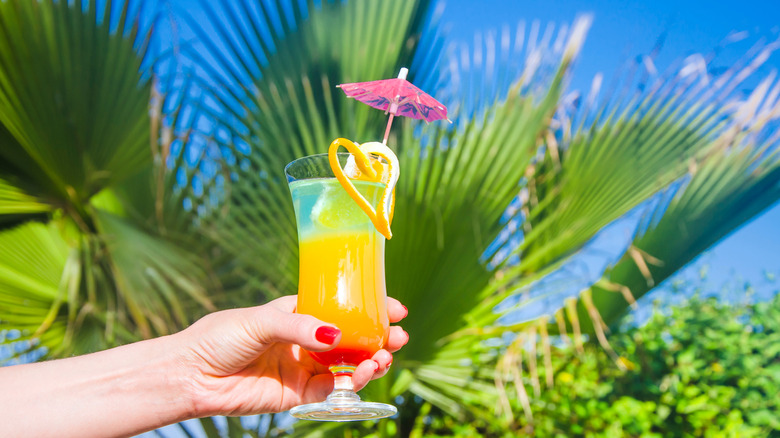
All-inclusive is not a self-explanatory term. If you take it at face value, you could easily believe that yes is the right answer to the question: Do all-inclusives really include everything? However, that is not always the case. Most of the time, motorized water sports, off-site excursions, and airport transfers are not included in your all-inclusive rate. But the exclusion that seems to cause the most pain is premium alcohol. Imagine you've arrived at your resort, excited about all the deliciousness awaiting. But when you order your drinks, you realize that they taste a bit weak, and premium brands like Ciroc and Hennessy are suspiciously missing from the bar — or can only be had if you're willing to pay extra.
The all-inclusive policy on premium drinks can vary widely. Some resorts, such as the Sandals all-inclusive chain and the Moon Palace all-inclusive resort in Jamaica, include premium-quality alcohol. Many, including Bahia Principe and the global chain Club Med, do not. Others offer top-shelf to select guests. Marriott's Royalton All-Inclusive line includes premium drinks, but only for guests in the Diamond Club, its highest tier.
The good news is that the policy on food and alcohol inclusions is usually clearly stated on the resorts' websites, so it's easy to find exclusions. Always check all the inclusions and exclusions before booking if having premium drinks is important to you. If top-shelf alcohol isn't included in your rate, shop around to find options that have it included or adjust your budget to pay extra.
Some resorts require reservations at specialty restaurants

All dining establishments are usually included in the rate you pay at an all-inclusive resort, with very few exceptions. There are the ubiquitous buffets, coffee shops, dessert eateries, and specialty restaurants serving sushi, steaks, Italian, and more. With your rate being all-inclusive, you may expect to have easy access to your restaurants of choice. But this is only true of the more casual eateries and buffets. Many resorts require you to make a reservation at their specialty restaurants. But there is only one problem.
Many all-inclusives do not allow you to make your reservation whenever you like. The popular Divi & Tamarijn All Inclusive in Aruba won't take a reservation until you arrive on the property. And even then, you need to make it two days before the date you want to dine. Similarly, Sandals will not take a reservation until you're at the resort. Sandals, however, doesn't require reservations for most of its specialty restaurants, so the rule won't affect guests as much. Those resorts that put restrictions on when you can reserve make planning more challenging, and if you booked a shorter stay, you may miss dining at your favorite restaurant altogether. To remedy this, book a reservation at your restaurant of choice as soon as you check in.
Dress code rules apply at most all-inclusive resorts

All-inclusive resorts are notorious for having dress codes. I find these rules on attire quite simple to understand at some resorts. Typically, these are the properties that have loose dress code rules during the day but require resort casual or resort evening attire in the evenings. The resorts that are difficult to plan for are the ones that have different dress codes for different areas of the property. These rules can make getting dressed a puzzle — in my experience, it's easy to show up at the right place but in the wrong attire when the rules are so varied.
Take Jewel Resort in Ocho Rios, Jamaica, for example. The gorgeous resort has seven restaurants, including specialty ones and casual eateries. Each of the seven has different opening hours and different dress codes. Aquamarina is an open-air bar and grill that's open during daytime hours and allows bathing suits. But their Coral Cafe, also open during the day, requires resort evening casual, which means women should wear something casual to cover up (excluding sheer bathing suit cover-ups) while men may wear shorts or pants and shirts. The more upscale restaurant, Platinum, requires yet another dress code called resort elegant.
To be prepared, check the resort app you get upon check-in each time you go out to dine. If you navigate to the restaurants tab, you should be able to find what attire is acceptable at the time of day you plan on dining — and save yourself the embarrassment of showing up over- or underdressed.
Some resorts ban tipping

Savvy travelers know that tipping hotel staff can help guarantee more attentive service and a smoother vacation. Others may just want to tip because tipping for exceptional service is second nature. But if you're going to an all-inclusive and plan on tipping, you may want to give serious thought before you do, as many all-inclusives have rules that prohibit tipping.
All-inclusive resorts that ban tipping can fall into two categories. Many, like Hyatt's Dream Rose Hall Resort & Spa and Jewel Grande Montego Bay Resort & Spa in Jamaica, make it clear that tipping and gratuities are already included in your rate, but will allow it at your discretion. In those cases, feel free to tip as openly as you want. The second category will need more finesse. These resorts disallow tipping and take the ban seriously. The idea is that your rate includes all gratuities and tips, so you can relax and enjoy your vacation without having to stop to calculate tips.
Included among these resorts is the Sandals chain. Their policy is so strict that employees who take tips may be disciplined. The exceptions are butlers and spa staff, as spa treatments are not included in your rate. If your resort has strict policies that may affect the staff, don't tip unless you find a covert way to do so.
There are strict rules around how people may visit you at an all-inclusive

All resorts and hotels have rules around how guests may entertain visitors not staying on the property. Typically, registration at the front desk is required. Further, registration of a visitor does not give them the right to spend the night in the room. Once these rules are followed, you can usually entertain guests freely in a typical hotel. All-inclusive resorts have more stringent rules because of their business model.
All-inclusives charge higher per-person rates because most services, meals, drinks, and entertainment are included. When guests invite visitors to spend the day, they have access to these inclusions since they're able to roam around. For this reason, some all-inclusive resorts, including the RIU chain, do not allow guests to invite visitors onto the property. Others have more liberal policies. Club Med is one of the all-inclusive resorts that allows visitors in its properties around the world, provided an additional day fee is paid. Hyatt's Ziva Rose Hall All-Inclusive in Jamaica also offers day passes based on space availability. This fee covers any services and meals the visitor uses and can easily be found online or at guest services.
Some all-inclusive resorts ban or restrict kids
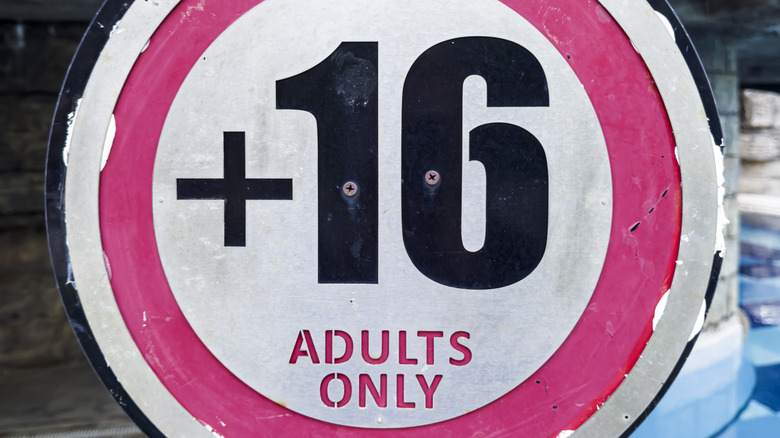
All-inclusive resorts are usually stratified into family-only resorts, adults-only resorts, and mixed resorts. In the Caribbean, the major all-inclusive family resort is Beaches. This is one of your best shots if you want your kids to be able to freely enjoy the property. Sandals is the Caribbean's premier adults-only, all-inclusive chain. Hyatt and Royalton, among others, allow both families and adults. Europe has a similar mix. The Palladium chain is mostly adults only, while Ikos caters to both families and couples at many of its properties in Spain and Greece. In the U.S., Sandpiper All-Inclusive Resort also caters to both couples and families.
Regardless of what continent you book your stay on, these resorts all have one thing in common — kids are either banned or restricted from many areas. Sandals bans kids but welcomes adult members of a family, friends, and singles. Some of their resorts cater only to adult couples. Similarly, guests at Palladium's adults-only resorts in Ibiza have to be 16 and older to be allowed in. Mixed resorts allow kids but restrict them from some areas of the resort. The Sandpiper All-Inclusive Resort has a family-friendly pool, but it also has a pool exclusively for adult use.
Age limits apply To kids activities

Imagine you have a 3-year-old. She's well behaved, and her teachers all rave about how easy she is to be with. You're sure she'll be no trouble for the kids club at the all-inclusive resort you've booked. Although they've clearly stated their policy of only taking kids between the ages of 4 and 12. When you get there with high hopes of dropping your kid off so you can spend a few hours enjoying an adult activity, you get a big surprise. Your kid can participate, but you'll have to stay with her since she's under 4. In my experience, this is a fairly common scenario since clubs at many all-inclusive resorts are strict with age limit rules.
The age limit at Divi and Tamarijn's Sea Turtles Club is 4 to 12, and they specify that children below that age must be accompanied by an adult. Among Moon Palace The Grand Cancun's extensive kids' attractions, the only supervised area is Playtime, and it starts at 4 years old — kids below need an adult to accompany them. RIU Ocho Rios' supervised kids program also starts at 4 years old.
If you're lucky, your resort may use its discretion and accommodate a younger child. But don't take that for granted. Read the age limits for kids' clubs and supervised activities at the resort you plan on booking before committing. If your child is below the age limit, you may be able to find other resorts with programs for all age groups. If you can't, ask your resort to help. Many are happy to provide hourly nannies or make other childcare arrangements if you arrange before check-in.
Your rate may include access to other resorts
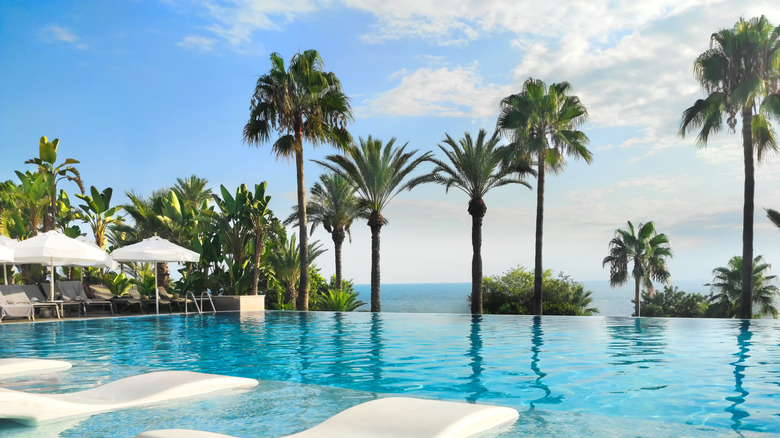
All-inclusives recognize that some guests will spend their entire vacation on the property. This is why the entertainment roster seems never-ending. From risqué all-white parties to beach volleyball, a stay at an all-inclusive resort comes with many opportunities for fun. To ensure their offerings never get stale, many resorts partner with nearby properties in the same chain or other resorts with vastly different amenities and entertainment.
Iberostar Selection Paraiso Lindo in Riviera Maya, Mexico, allows guests who book a stay at their resort to enjoy dining experiences at both the Iberostar Waves Paraíso del Mar and Iberostar Waves Paraíso Beach. Guests may also use facilities at one other resort in the chain. Royalton resorts have a similar policy called "Stay at 1 Play at 2," which allows guests using their adults-only Hideaway resorts to access a nearby family-friendly resort at no extra charge.
Some resorts require wristbands
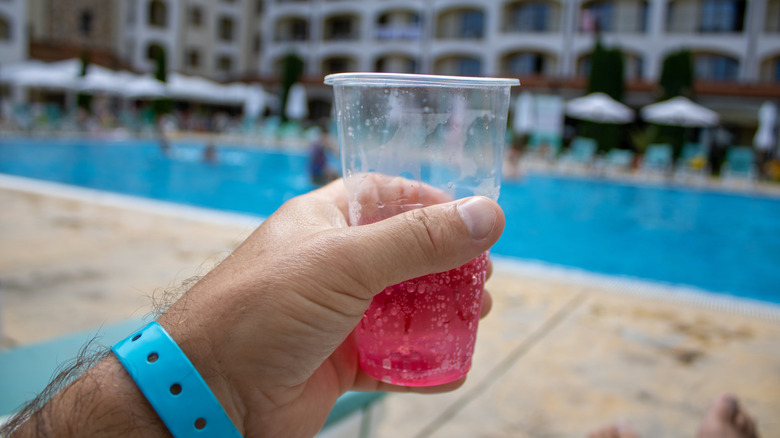
One of my pet peeves is the neon-colored wristbands many all-inclusives require their guests to wear. The brightly colored plastic bracelets look like they belong on a child, yet they are issued to all guests upon check-in. I've also been required to wear them when I get day passes to my family's favorite all-inclusive water park in Jamaica. Pet peeve aside, the wristbands are needed because they help staff identify different categories of guests and different tiers of amenity entitlement.
For instance, one summer, staff at an all-inclusive resort in Jamaica were able to help us round up two of the kids in my extended family who had "disappeared." My family had visited on day passes, so the color of their wristbands stood out from those of booked guests, making it easy to find them in the dessert place where they had gotten "lost." In addition to helping the resort differentiate overnight guests from day-pass visitors, resorts with different tiers use wristbands to identify which guests are entitled to what. They also help the resort recognize guests who have access to special areas and clubs on the property.
While the resorts may require you to wear a wristband while on-site, it's a good idea to take it off once you leave. According to a news report in The Sun, solo female travelers have found themselves targeted by predators who identify where they're staying through the color of their wristbands. Wearing a wristband outside your resort may also signal that you're staying in an expensive property and lead locals to inflate prices so they are more in line with your perceived net worth.
Spa treatments cost extra at most all-inclusives

Whether you're looking forward to unwinding while a pair of magical hands knead your knots and stress away, or looking for a glowy facial, your all-inclusive spa is more than able to deliver. While you fantasize about your spa day, bear in mind that the fees for spa services are not included in your rate at the majority of all-inclusive resorts.
Of all the bigger chains around the Caribbean, none include spa treatments. Zoetry charges for its spa treatments. Hyatt's inclusive brands (Secrets, Breathless, and Dreams) do not list spa treatments as included in their rate. Bahia Principe in Jamaica charges extra. The popular RIU chain also charges extra. And Jewel Resorts' spa treatments are excluded from their all-inclusive rate. Even the higher-end, luxury all-inclusive resorts like Sandals and Royalton exclude the treatments. We recommend taking a look at the spa menu at your preferred resort and budgeting extra for each treatment your heart desires.
New 6-drink rules apply to some Spanish all-inclusives

Most all-inclusives won't limit what you can drink just off the bat. Once you want the alcohol on offer, most resorts will keep the drinks coming unless you give them reason not to — for example, you've been drinking for hours, and it's clear to the bartender that you're about to fall on your face. This is not so in some regions of Spain. The destination's issues with drunken behavior from tourists have pushed some parts of Majorca and Ibiza to limit alcohol consumption. The law specifically requires all-inclusive guests to limit alcoholic drinks to six per day and stipulates these can only be available at lunch and dinner (three at each meal).
The areas affected are Playa de Palma, Magaluf, and El Arenal in Majorca. In Ibiza, all all-inclusive resorts in the western parts of San Antonio are also affected. Other all-inclusives around Spain are not affected, so if the rule affects your enjoyment, book a resort in an excluded area. If you have your heart set on a resort in Ibiza or Majorca, booking a regular or half-board resort is also an option, as those resorts do not fall under the rule.
Methodology

In addition to personal experience staying at all-inclusive resorts in Jamaica, we studied many of the resorts' websites to get additional insight into their various rules and policies. Along with our personal experience and suggestions, we wanted to provide concrete examples of the rules of various resorts in the Caribbean, the U.S., and Europe for visitors considering booking an all-inclusive.