
Paris' 11 Must-See Attractions That Beat The Tourist Crowds
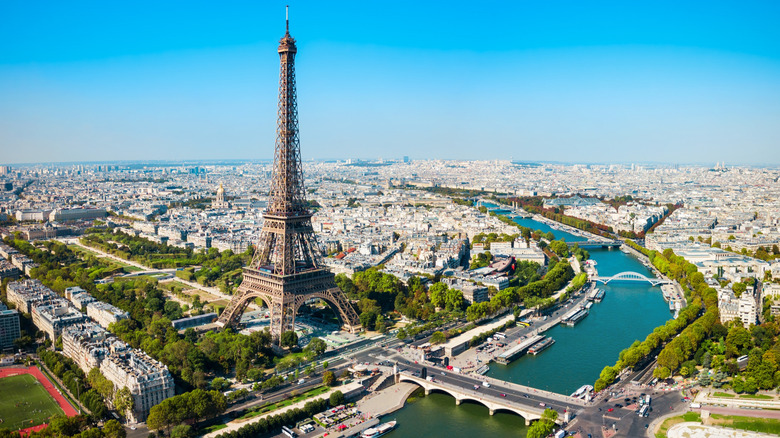
Paris — The City of Light. Paris consistently ranks near the top of lists of the world's most popular cities for tourism, and Euromonitor again ranked Paris as the world's most appealing city in 2025. With famous attractions such as the Eiffel Tower, the Louvre Museum, Notre-Dame Cathedral, and the Arc de Triomphe, it's no wonder why Paris had the highest amount of international travelers in 2025.
However, this popularity comes with a cost. With this popularity, larger crowds gather throughout the year, hoping to catch a glimpse of the same sights on their visit to the city. There are often long lines and crowds, especially during peak travel seasons and school holidays. However, visitors can still enjoy the majestic beauty of Paris without spending their entire day standing in crowds and lines.
Paris is an amazing city, with a large number of museums, churches, and other sights and activities across its 20 arrondissements (districts). Travelers may find that the more central districts are where they spend the majority of their time. Still, a visit to attractions a bit further afield may provide unique cultural experiences, without memories only of the back of the person standing in front of you.
1. Musée Rodin's Sculpture Garden
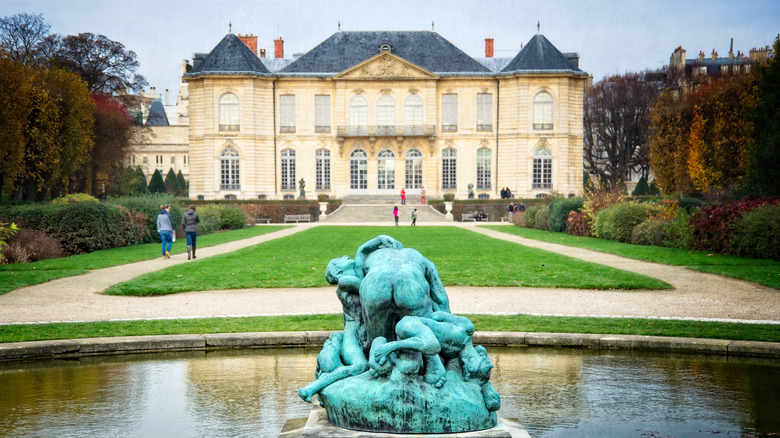
While some of the most iconic pieces of art in Europe, such as the Mona Lisa and the Venus de Milo, are at the Louvre, this is also where visitors will find the longest lines. Another very well-known piece of art in Paris, with much fewer crowds, is located at the Musée Rodin. In the Musée Rodin's sculpture garden, visitors will find "The Thinker," the famous sculpture by French sculptor Auguste Rodin. "The Thinker" is inspired by the character from Rodin's "La Porte de l'Enfer" (The Gates of Hell), which also sits in the sculpture garden at the museum's gates.
A visit to the sculpture garden of the Musée Rodin allows visitors to stroll year-round through an array of trees and flowers that change with the seasons, including roses, hydrangeas, viburnum, forsythia, and lime trees. Despite its location in the Invalides district (7th) and its proximity to the Eiffel Tower, visitors to the sculpture garden will find a relaxing environment to enjoy nature and the sculptures.
The Musée Rodin is closed on Mondays, which can make Tuesdays pretty busy. Consider visiting on Wednesday, Thursday, or Friday. It is not advisable to arrive too close to closing time, as you may not have time to enjoy the gardens' calming atmosphere.
2. Parc des Buttes-Chaumont
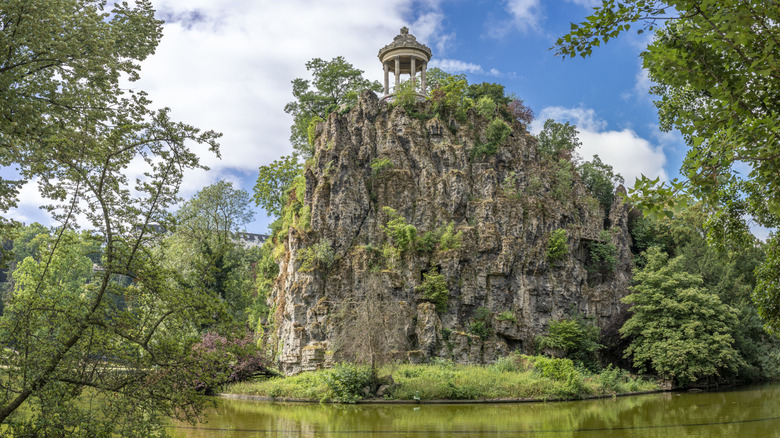
Located in the 19th arrondissement, the 61-acre (25-hectare) Parc des Buttes-Chaumont is one of Paris's most unique parks. This area overlooks the city and is one of the largest green spaces in Paris. It showcases stunning views and features like a suspension bridge, a hidden waterfall cave, cliffs, an artificial lake, and a hilltop temple, called the Temple de la Sibylle.
Parc des Buttes-Chaumont has a storied history. The site has held the gallows for the city's executions, and was also, at one point, a quarry where limestone was mined to help build the majestic buildings around Paris.
Because the park is a little off the beaten path from central Paris, you find more of a locals' vibe here, with children playing and regular Parisians enjoying a day in the sun. Unlike other parks in the center of the city, such as the Jardin du Luxembourg, you won't find as many crowds of tourists throughout the day, and you can enjoy a bit of what it is like to live and relax in Paris.
3. Canal Saint-Martin
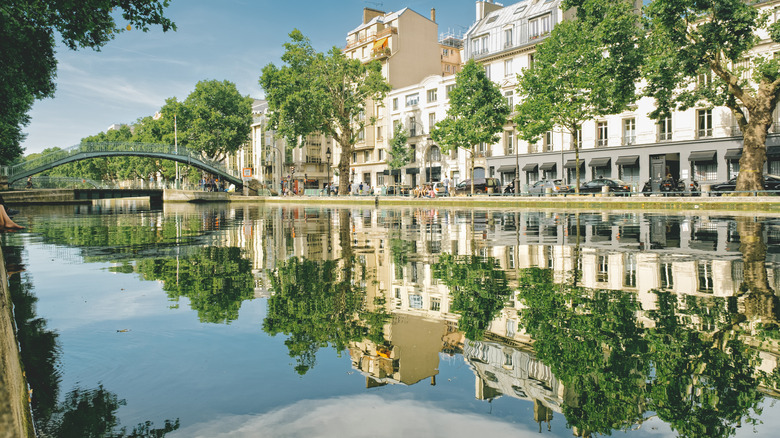
Not every memorable waterside walk in Paris takes place along the Seine. While the riverbanks near Notre-Dame and the Eiffel Tower are some of the most famous places to take a stroll, they can also be some of the most crowded. For a quieter experience that still feels unmistakably Parisian, consider heading to Canal Saint-Martin in the 10th arrondissement instead.
Originally built by Napoleon in the early 19th century, the canal stretches through one of the city's liveliest neighborhoods. Iron footbridges cross over the canal along its length. Instead of the souvenir stands and large tour groups seen along the Seine, you're more likely to find Parisians meeting with friends and walking their dogs. People may be enjoying a picnic from a local charcuterie, or sitting along the water's edge with a coffee and croissant. The area has a relaxed, everyday atmosphere that makes it easy to slow down and experience a Parisian vibe.
To avoid the biggest crowds, plan to visit in the morning. Or, opt for a weekday afternoon when the canal is at its most peaceful. Early evening can also be a great time to go, when locals gather and socialize along the canal. If you're looking for a less-crowded and cheaper spot to view Paris' beauty, Canal Saint-Martin is a must-see.
4. The Covered Passages of Paris
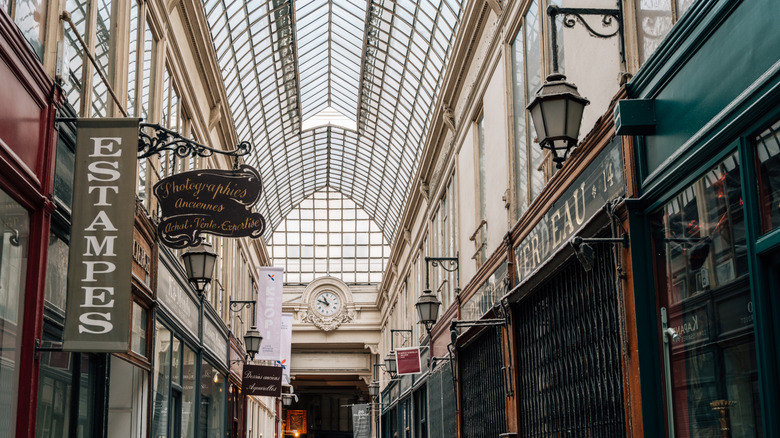
A walk down the Champs-Élysées sounds appealing until the sidewalks fill with crowds, traffic noise, and long lines outside the most popular stores. If you're looking for a quieter way to explore Paris on foot, the city's historic covered passages offer a hidden alternative that many visitors pass without realizing they're there.
The best time to explore these glass-roofed arcades is in the morning, when the passages are mostly empty and calm, and shops are just starting to open for the day. Mostly dating back to the 19th century, these elegant corridors were once the center of Parisian shopping life. These walkways often have mosaic floors and ornate ceilings. Vintage storefronts and small cafés line the passages. Places like Galerie Vivienne and Passage des Panoramas feel more like stepping into another era than visiting a modern shopping district. One of the best and most recognizable "Emily in Paris" filming locations is Passage de Choiseul in the 2nd arrondissement.
More than 20 of these covered passages still exist in Paris today. Because the passages often sit just off busy boulevards, they're easy to miss. However, that helps keep the atmosphere relaxed, even during peak travel season. Instead of large tour groups and traffic noise, you'll find a slower pace that makes it easy to linger, browse, and see a side of Paris that feels surprisingly unchanged.
5. Musée Carnavalet
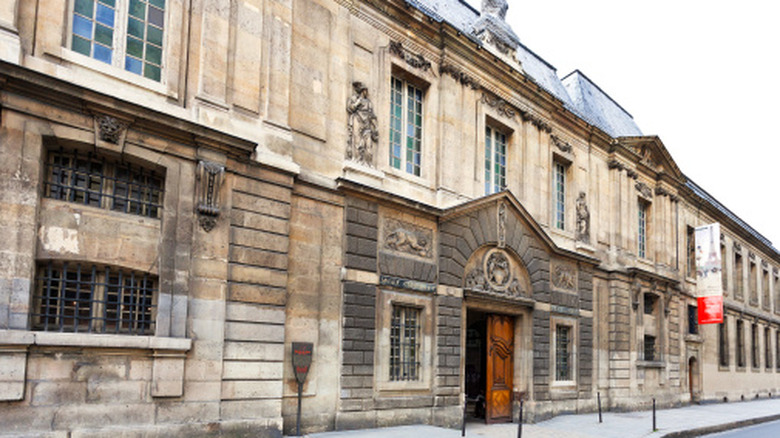
Travelers who want to understand the story of Paris often head straight to the Louvre, but its enormous size and constant crowds can make it difficult to focus on the exhibits. For a more relaxed, surprisingly thorough look at how Paris developed over the centuries, Musée Carnavalet offers a quieter alternative in the heart of the Marais.
This museum is dedicated to sharing information on how Paris became what it is today. Exhibits span the city's history, from the Roman era through the French Revolution and beyond. The building itself is also part of Paris' history. The building dates back to 1548 and was home to writer Madame de Sévigné from 1677 to 1694. The museum itself opened in 1880 and has been extended multiple times. Visitors will find preserved rooms, period furniture, paintings, and artifacts that illustrate how Parisians lived in different eras. Because it focuses specifically on the city rather than world-famous masterpieces, it tends to attract far fewer visitors than some of Paris' larger museums. Plus, self-guided admission to the permanent collection is totally free, and guided visits or access to temporary exhibits only cost a few euros.
Late morning or early afternoon on a weekday is usually the best time to visit. Afterward, you can step outside into the surrounding Marais neighborhood, which makes an easy place to continue exploring without the heavy crowds found near many of Paris's biggest landmarks.
6. Parc Monceau
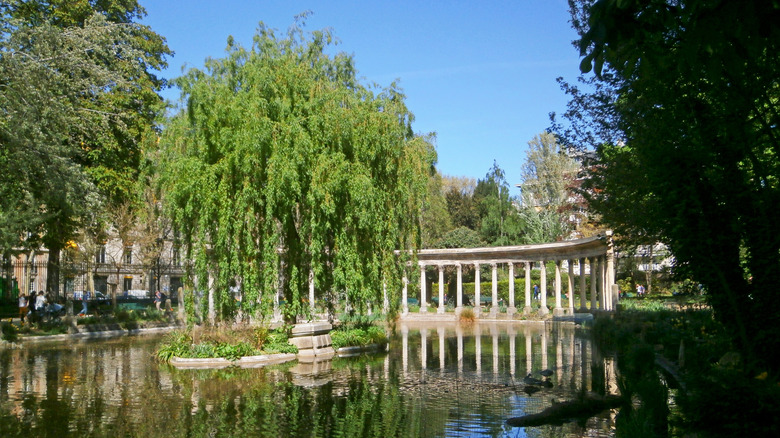
Finding a green space to relax in Paris isn't difficult, but finding one that feels calm in the middle of the day can be a challenge. Many visitors will head for the Tuileries Garden or the lawns near the Eiffel Tower. While you will find beautiful scenery, the crowds can make it hard to take it all in. Instead, consider visiting Parc Monceau. It offers a different kind of park experience, one that feels more like a neighborhood escape than a major attraction.
Historic mansions and quiet residential streets surround the park in the elegant 8th arrondissement, which helps keep the atmosphere noticeably more local. Parc Monceau is known for its mix of formal landscaping and elegant details. Visitors will find classical statues, a historic colonnade, unique trees, and winding paths that let them wander through the park at their own pace. It's the kind of spot where you're more likely to see Parisians reading on a bench or walking their dogs than tour groups rushing between sights.
Morning is usually the best time to visit if you want to experience the park while it is most peaceful. If you go in the afternoon, it rarely feels as busy as the city's better-known gardens. Parc Monceau's location close to the Champs-Élysées makes it an easy stop on your Paris itinerary.
7. Montmarte Cemetery
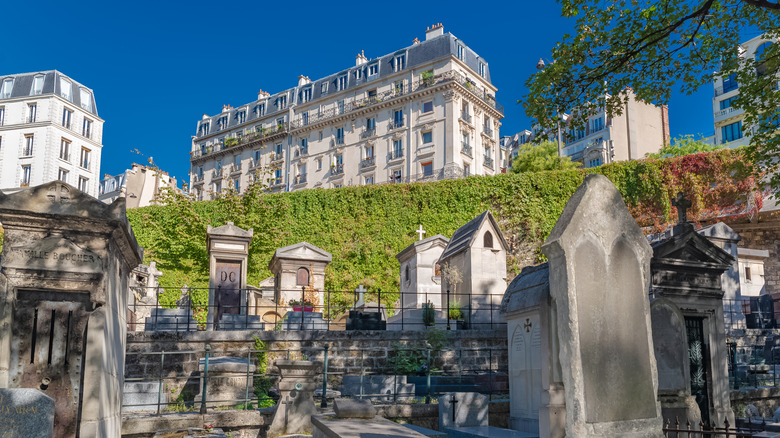
Travelers wanting to visit famous graves in Paris typically head to Père Lachaise, which is the city's largest and most visited cemetery. It's known for the graves of notable figures, such as Jim Morrison and Oscar Wilde. Unsurprisingly, these graves draw quite a crowd throughout the day, and the cemetery can feel crowded and difficult to explore at a relaxed pace. If you're looking for a quieter experience with just as much atmosphere, Montmartre Cemetery provides an appealing alternative.
Tucked beneath the slopes of Montmartre, this smaller cemetery has the similar tree-lined paths, elaborate tombs, and artistic monuments that make Père Lachaise so fascinating. The bonus is that it has fewer visitors. You can find the graves of many well-known painters, writers, filmmakers, and musicians here, such as Edgar Degas, François Truffaut, and Alexandre Dumas (fils), who was the son of author Alexandre Dumas (who is now buried in the Panthéon). However, the setting feels more peaceful than Père Lachaise, making it easier to take in the details of the sculptures and architecture. The unusual location, partly below street level and crossed by an old bridge, adds to the sense that you've stumbled onto a hidden corner of the city.
Morning is the best time to visit if you want the quietest experience, when the narrow walkways are nearly empty, and the surrounding neighborhood is just starting the day. Even later on, Montmartre Cemetery rarely feels as busy as its more famous counterpart.
8. Petite Ceinture Walkways
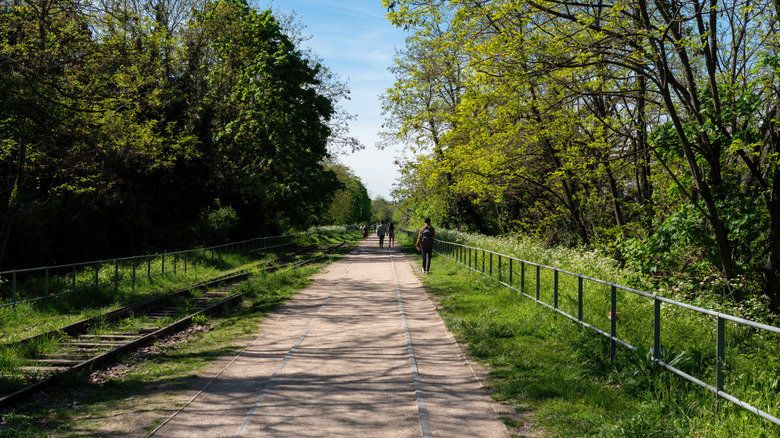
Many first-time visitors to Paris opt to stay close to the historic center, so they can visit the many famous sights found nearby. While places like the Louvre Museum and Notre-Dame Cathedral are on most people's Paris itineraries, they don't necessarily show how the atmosphere changes once you leave the main districts. One way to experience a completely different perspective of Paris is by walking along parts of the Petite Ceinture.
The Petite Ceinture was a 20-mile-long double-track railway line that once circled Paris in the 19th century, before gradually being overtaken by other railways and the metro. Several sections of the railway have been reopened as walking paths, allowing visitors to follow old tracks through tunnels, over stone bridges, and past walls covered in street art. Many of the old railway stations have also been converted into cafés, bars, restaurants, and event venues.
The atmosphere along the walk feels more like exploring a hidden, secret local park than visiting a major city attraction. The biodiverse area includes over 70 animal species and more than 200 plant species. Because the railway once circled the city, open portions span different arrondissements. You can access Petite Ceinture in the 12th through the 20th arrondissements.
9. Promenade Plantée (Coulée Verte René-Dumont)
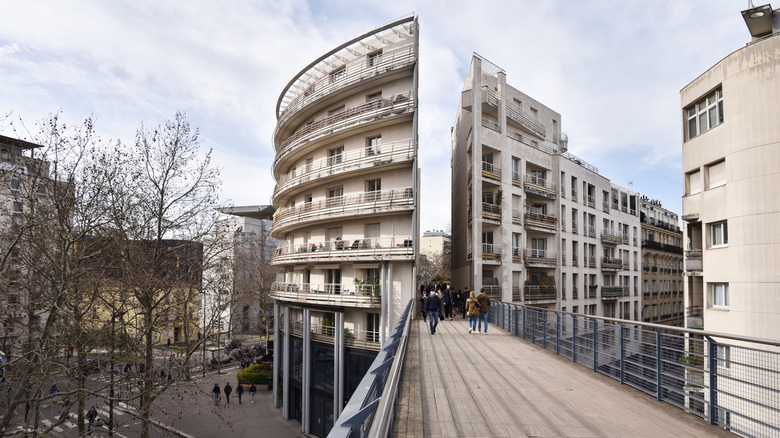
Most visitors experience Paris at street level, moving from one landmark to the next through the city's busy boulevards and crowded plazas. However, the Promenade Plantée — a skinny, underrated Paris park surrounded by unique shops — offers a completely different way to see the city. It follows an elevated path that runs above the streets through gardens, old railway structures, and quiet residential neighborhoods. It's an attraction that feels less like sightseeing and more like discovering a part of Paris many travelers never realize exists.
The walkway is built on a former 19th-century rail line and stretches for several miles along the Coulée Verte René-Dumont. The start is near the Bastille area and the walkway continues east through the 12th arrondissement to the Bois de Vincennes. The route of the Promenade Plantée also passes over the Viaduc des Arts. These beautiful brick arches have become small art studios and craft shops. The scenery changes often, making the journey feel more interesting than just crossing the city on foot.
Because there isn't a single iconic central monument that draws in tourists, the Promenade Plantée doesn't have the same large crowds as Paris's most famous sights. Travelers who prefer to explore a city on foot and want to experience something different find it's a very rewarding way to see a more peaceful side of the city.
10. Crypte Archéologique de l'İle de la Cité
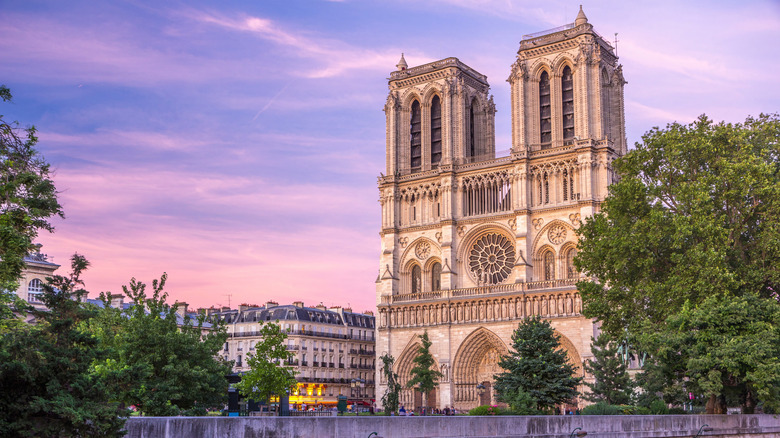
Paris offers a few different ways to explore what lies beneath the city. One of Paris' most eerie tourist attractions is the catacombs, but recent renovation plans have closed the attraction likely until Spring 2026, but no official date is announced yet at the time of this article's writing. Still, even when it is open, there are typically long lines and the need for advance tickets — that's not going to change. Those who want to be able to catch a glimpse of the city's ancient past without being caught up in the tourist crowds can find a quieter alternative at the Crypte Archéologique de l'Île de la Cité.
Located just out of sight in the square, directly in front of Notre-Dame, the crypt showcases archaeological remains dating back more than 2,000 years, including foundations of the ancient Roman city of Lutetia. The site is reminiscent of a small underground museum. Walkways leading along sections of the old city walls and artifacts showcase how Paris has grown over the centuries since its founding. Because most visitors stay above ground around Notre-Dame, the space below the square often feels calm and far removed from the crowds up above.
Travelers interested in history but can't wait for the catacombs to reopen can visit the crypt instead. It offers an easy way to see another layer of Paris while staying right in the center of the city.
11. Église Saint-Sulpice
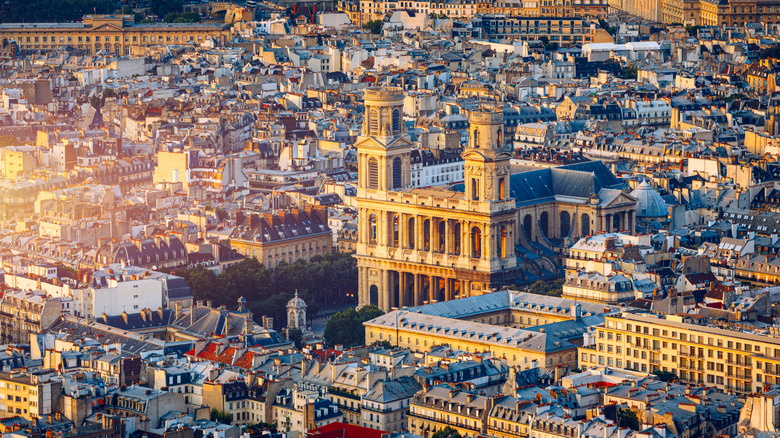
Now that Notre-Dame is open to visitors again after its devastating fire in 2019, it has quickly returned to the top of many Paris itineraries. This means that, once again, you will find heavy crowds on the Île de la Cité throughout the day. Travelers who want to step inside an impressive historic church without waiting in long lines can head instead to Église Saint-Sulpice, which offers its own grandeur in a much calmer setting.
Located in the nearby Saint-Germain-des-Prés neighborhood, Saint-Sulpice is one of the largest churches in Paris. It is known for its massive interior, dramatic organ, and richly decorated chapels. Visitors can also see the famous gnomon, an astronomical instrument built into the church in the 18th century. Visitors will also find three murals by the painter Eugène Delacroix. His later murals, including these, are said to represent the last great effort of painted murals in traditional Baroque ceilings. Dan Brown fans will already recognize the Church of Saint-Sulpice as it's mentioned multiple times in his best-selling novel, "The Da Vinci Code."
Despite its size and history, Saint-Sulpice rarely feels overcrowded, even during busy travel seasons. It's an ideal to stop to include if you're visiting the nearby Luxembourg Gardens or other sites in the 6th arrondissement and nearby Latin Quarter (5th arrondissement). Be sure to stop for photos at the massive Saint-Suplice Fountain before entering the church, which is sometimes called the Fountain of the Sacred Orators.
12. Methodology
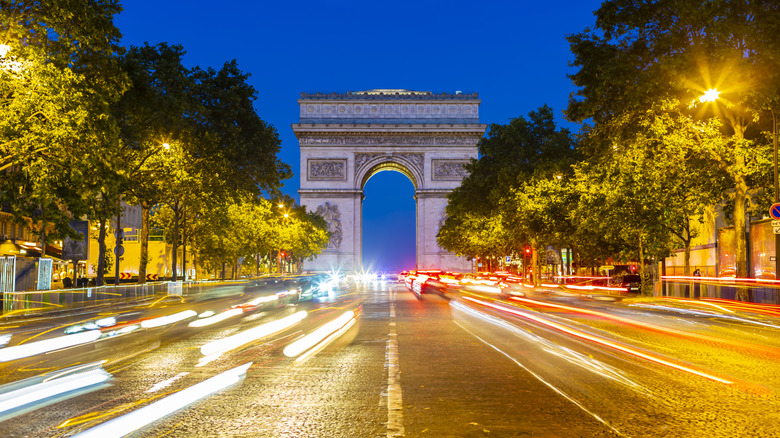
Paris is one of the most-visited cities in the world with many world-class attractions, museums, and sights. Most first-time visitors are going to want to see all the iconic sites, such as the Eiffel Tower and Arc de Triomphe. We looked at other Paris attractions and landmarks that offer strong historical, cultural, or scenic appeal while attracting fewer visitors than the most famous spots.
We selected locations based on firsthand travel experience, travel guides, tourism resources, and local recommendations that consistently describe these spots as worthwhile alternatives to heavily visited tourist sites. We gave preference to places that still provide a meaningful Parisian experience, but may be located outside the busiest tourist zones or are often overlooked by first-time visitors.