
11 Wildly Underrated Towns In Arizona
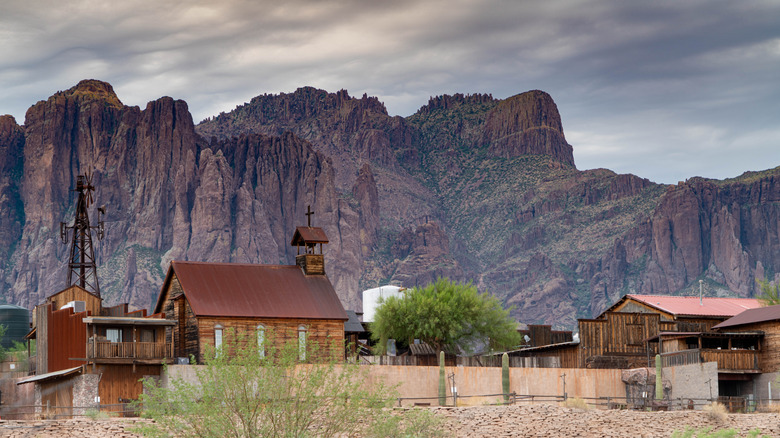
What comes to mind when you think of Arizona? The untamed deserts peppered with cacti, the dramatic canyons that stretch for miles, and the striking red rock formations beloved by photographers all attract adventurers from across the world. Yet punctuating these iconic landscapes is a series of remarkable towns that often get overlooked in the mass tourist dash to the Grand Canyon or the bright lights of Phoenix.
Many of these lesser-known settlements in Arizona are steeped in history, shaped over the centuries by mining and a Wild West culture that still runs deep. These are the places where the ghosts of yesterday linger, sharing their stories with anyone who will listen, and where legends of lost gold continue to feed the imaginations of travelers even today. Throw in some wine trails, vibrant art communities, and a splash of colorful Mexican heritage, and you have all the ingredients you need for an Arizona trip with a difference.
Away from the state's more famous sights, these wildly underrated towns in Arizona are waiting to reveal their secrets to all who venture off the beaten tourist trail. They offer an escape from the norm, a healthy dose of nostalgia, and a bunch of memorable adventures that show there's far more to Arizona than you might realize.
Let's take a look at some of these overlooked yet fascinating towns in Arizona.
1. Ajo: A Sonoran Desert town with colonial architecture
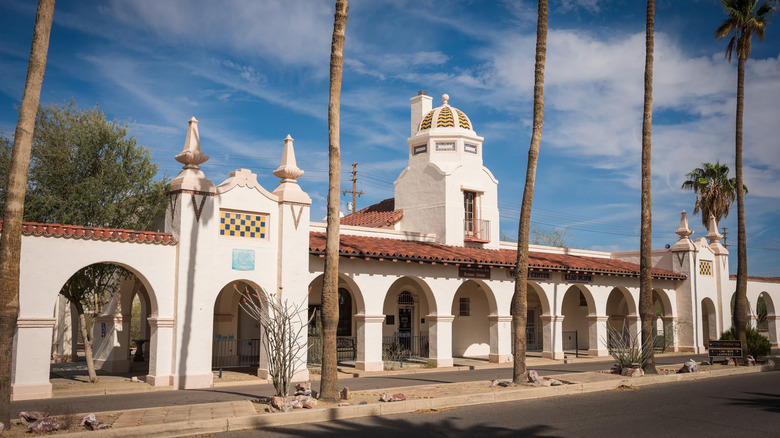
The Colonial Revival architecture and picturesque adobe buildings in Ajo's historic downtown neighborhood set this remote Sonoran Desert settlement apart. Once a copper mining hub, today the relaxed yet often overlooked town of Ajo expertly blends mining heritage with desert tradition. The star attraction is the New Cornelia Open Pit Mining Lookout, which gives superb views of the 1.5-mile-wide pit.
Back in town and flanked by striking Spanish Colonial Revival architecture, the historic Ajo Plaza is a charming place to soak up the atmosphere, grab a coffee, and check out the local art. While you're here, pop into the Historic Train Depot Visitor Center to discover more about Ajo's railroad heritage. On the edge of the settlement, artifacts at the Ajo Historical Museum give a deeper insight into the town's mining and ranching roots, as well as the Native American tribes who lived on the surrounding land.
No trip to this charming community in the heart of the Sonoran Desert is complete without visiting Organ Pipe Cactus National Monument, just outside of town. This is the only place in the U.S. where you can see these epic organ pipe cacti in the wild, their prickly stems reaching high into the blue sky. Lace up your boots and explore the rugged hiking trails — come in early summer to see the cacti in bloom in this remarkable living desert.
2. Cottonwood: A scenic stop on the Verde Valley Wine Trail
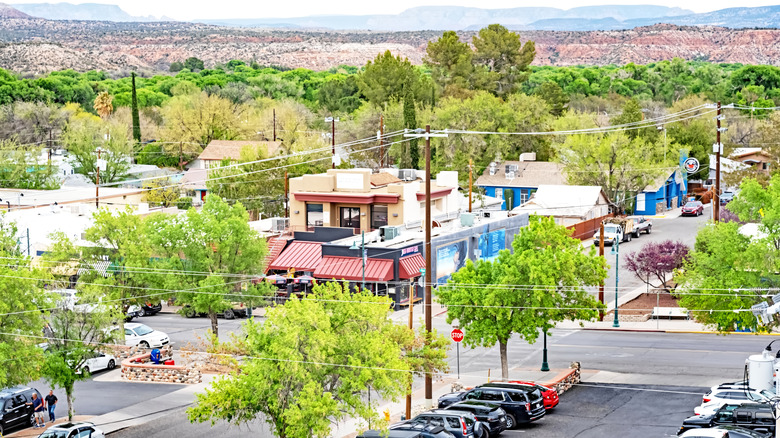
The pretty yet underrated town of Cottonwood is hidden in the heart of Arizona's wine country and is home to many stops on the Verde Valley Wine Trail. You can visit vineyards and wineries around Cottonwood to learn about the grape-to-glass process and, of course, sample the best local vintages on specialist wine tours. Prefer to stick closer to town? There are several atmospheric tasting rooms in the historic center where you can sip handcrafted wine and savor the unique flavors of the high desert.
Many people just pass through Cottonwood on their wine quest, but the settlement has plenty more to offer. The charming Old Town is a thriving hub of galleries, independent boutiques, and cozy restaurants, with artisan workshops and live music events keeping the place buzzing year-round. Don't miss the Wednesday farmers market in Old Town Square for fresh produce and a friendly local vibe.
Just out of town, Dead Horse Ranch State Park offers 20 miles of scenic hiking trails that meander alongside cottonwood trees that grow along the Verde River. It's the perfect place to walk off that wine indulgence, spot wildlife like otters and gray foxes, or take to the saddle for a horseback ride along the riverbanks and through the forests. It's a great spot for birdwatching too, and if you're here in April, the Verde Valley Birding and Nature Festival offers guided tours and hikes during the height of the spring migration.
3. Tombstone: A wild town of gunslingers and rose trees
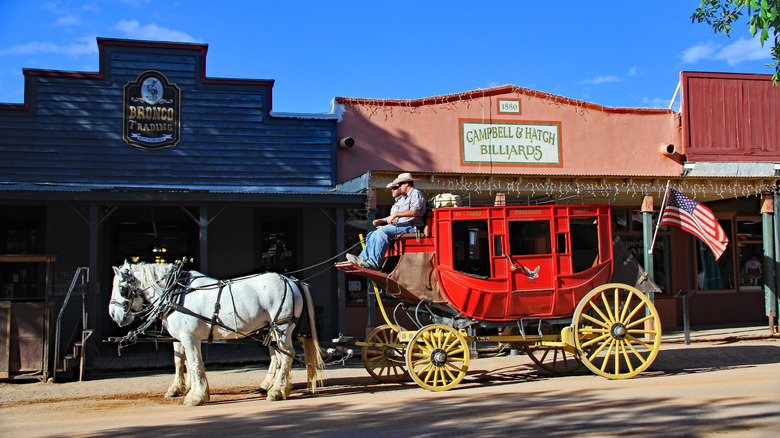
Known for the infamous 30-second gunfight at the O.K. Corral in 1881, this former frontier town near Tucson, Arizona, is the ultimate Wild West destination. Rustic saloons and wooden boardwalks line the main street, and you can stand right on the spot where the Earp brothers and Doc Holliday battled outlaws on that fateful day. Reenactments of the shootout take place daily, and visitors can enjoy stagecoach rides for a taste of life in the Old American West.
Nicknamed the Town Too Tough to Die, Tombstone is a must for all wannabe cowboys. You can watch live Western-themed shows in Wyatt Earp's Oriental Saloon, see weapons belonging to famous lawmen in the Gunfighter Hall of Fame, and visit the final resting place of notorious outlaws in Boothill Graveyard.
Thanks to its Wild West fame, Tombstone certainly isn't unknown. Yet it feels underrated as a town, and when visitors look beyond the gunslinger history and live theatricals, they'll discover gems that offer greater insight into this fascinating settlement. At the Rose Tree Museum, which is home to one of Tombstone's original families, you can admire the world's largest rose tree. Meanwhile, at the well-preserved Bird Cage Theater, you'll be transported to the 1880s, where the original décor has been witness to many a bawdy night out. Silver mine tours, a newspaper museum, and paranormal walking tours add extra intrigue.
4. Bisbee: A historic mining town known for its stargazing
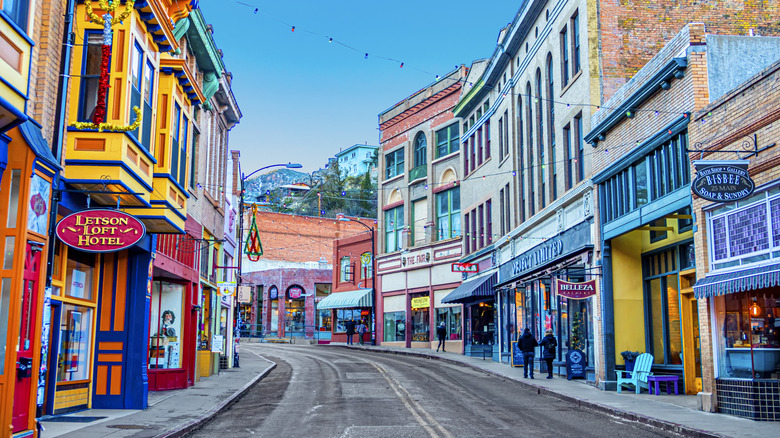
The charming town of Bisbee enjoys a stunning setting in the foothills of the Mule Mountains. This high-desert town boasts quirky shops and walkable streets, making it the ideal base for exploring southeastern Arizona. Despite being off the beaten tourist trail, not far from the Mexico border, Bisbee's historic neighborhoods have plenty to offer the curious traveler, with the old-world vibe quickly drawing you in.
As with many of Arizona's smaller towns, Bisbee's roots are in mining, with copper, silver, and gold all playing a part. You can visit the Bisbee Mining & Historical Museum for an interactive tour to learn more about the town that was built on copper. Then jump on board a train at the Copper Queen Mine and head deep underground to see where it all began. For more mining memorabilia, the Muheim Heritage House up on the hill overlooking Bisbee is a must for history lovers. This preserved home was built in the 1900s by a local miner named William Muheim and gives a glimpse into what family life was like here back in the day.
Beyond the mines, Bisbee is a thriving cultural hub with vibrant outdoor wall art displays, galleries, artisan studios, and craft markets to discover. After a busy day of sightseeing and shopping, save some energy for one of Bisbee's most spectacular displays, which takes place after dark. Bisbee is a dark sky community, which means stargazing here is sublime, thanks to the lack of light pollution.
5. Jerome: A vibrant art hub in a former ghost town
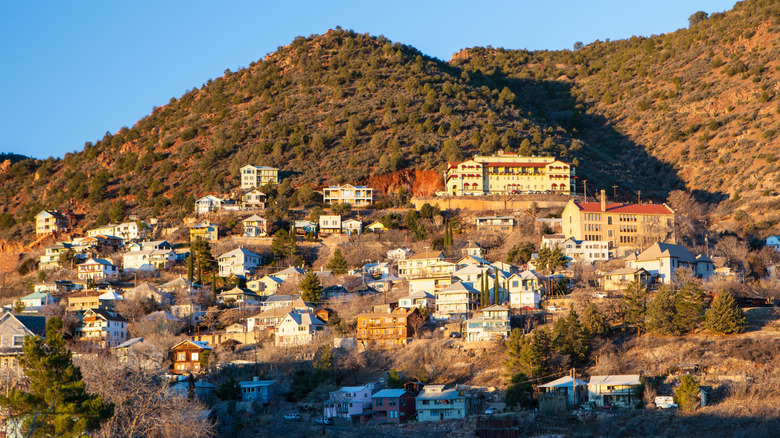
Founded in 1876, Jerome was another of Arizona's booming copper mine towns, growing from a small tented camp to a bustling settlement with more than 15,000 inhabitants by the 1920s. Yet this historic Wild West town was largely abandoned after the copper mine closed in 1953, and Jerome became known as a ghost town before a community of artists, musicians, and writers breathed new life into the streets.
This underrated Arizona spot was once called the Wickedest Town in the West thanks to its lawless past when gambling, gunfights, and corruption were rife. Fortunately, Jerome has cleaned up its act since those notorious 20th-century times, and today this atmospheric town in the Verde Valley is a thriving artistic hub. Visitors can explore art galleries in old brothels, dine in former opium dens, and enjoy a cold beer in historic saloons. The past is never far away in Jerome, and it's fun to embrace it.
While you're in town, swing by the Douglas Mansion on the hill above Little Daisy Mine, where exhibits tell the story of Jerome and its mining heritage. Or check out the quirky Jerome Sliding Jail, which has been gradually slipping down the mountainside after mine blasting shook it from its original position. Want something more hands-on? Try gold panning at the Gold King Mine & Ghost Town, go ghost hunting at the Jerome Grand Hotel, or do a wine tasting tour in the nearby Verde Valley vineyards.
6. Wickenburg: A modern town with a western heritage
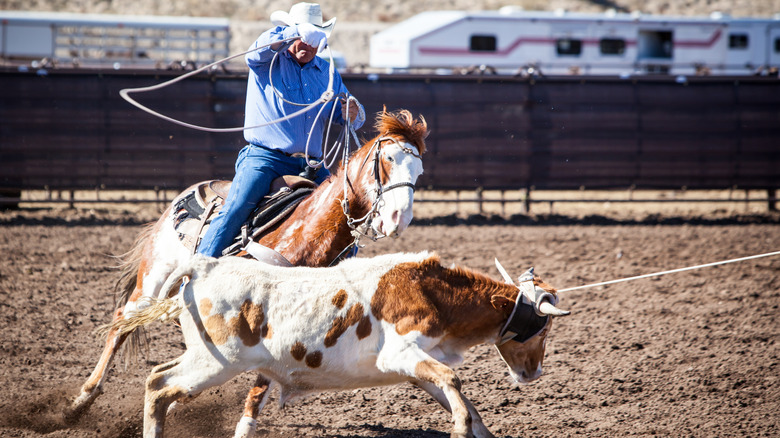
Wickenburg's roots are firmly planted in gold mining history, but it's the cowboy life that holds center stage here today. This underrated Wild West desert town near Phoenix is home to many equestrian events, from professional rodeo and roping to barrel racing and bareback riding. Indeed, Wickenburg is the team roping capital of the world and a place any cowboys will want to include on their Arizona itinerary. If all that adrenaline isn't for you, head to one of the ranches around town and enjoy a scenic trail ride through the Sonoran Desert. You'll get a taste of life on a working cattle ranch with an overnight stay, and on some estates, you can take part in cattle drives and penning activities if you want to get hands-on.
Out of the saddle, the Desert Caballeros Western Museum brings the Old American West to life with Western-themed artwork and exhibits on early frontier life in Wickenburg. The performing arts scene is thriving here too, with regular shows and concerts held at Wickenburg's state-of-the-art Del E. Webb Center.
Meanwhile, guided tours of Vulture City Ghost Town tell the story of Wickenburg's gold mining origins — keep an eye out for spooky sightings — as the historic ruins are said to be haunted. The site also offers prospecting workshops, teaching modern-day visitors how to follow in the footsteps of Henry Wickenburg, who discovered the original gold vein out here in the desert.
7. Williams: A charming old town with wild adventures
Known as the gateway to the Grand Canyon, the small town of Williams near Flagstaff deserves more than just a passing glance. There's a charming air of nostalgia in the historic center, and countless outdoor adventures waiting on the doorstep. If you can't wait to visit the Grand Canyon, jump on the Grand Canyon Railway for a scenic ride to the South Rim, but make sure you return to Williams afterward to explore more of this quaint Arizona town.
Williams sits on Route 66, so a visit to the Route 66 Museum is a must for all road trip enthusiasts. This vintage filling station is a treasure trove of original Route 66 memorabilia, and there's a gift shop for themed souvenirs too. Of course, no visit to an Arizona town is complete without a nod to the Wild West era, and Williams delivers in spectacular style. The Wild West Junction is the place to go if you want a taste of cowboy life, with frontier-themed food, bedrooms, and entertainment.
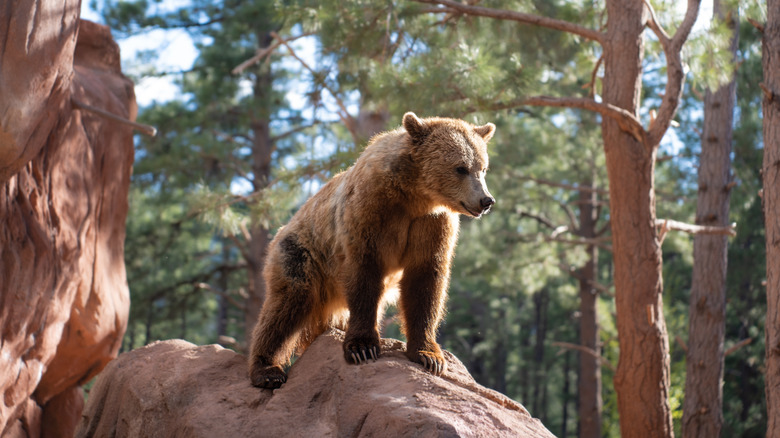
Discover the wild side of Williams at Bearizona Wildlife Park, a drive-through wildlife park on the edge of town with free-roaming bears, bison, wolves, and deer. The town also makes a great base for exploring the pine forests and high-country trails in northern Arizona, with everything from horseback riding to ATV tours leading you into adventure.
8. Greer: A laid-back mountain retreat surrounded by nature
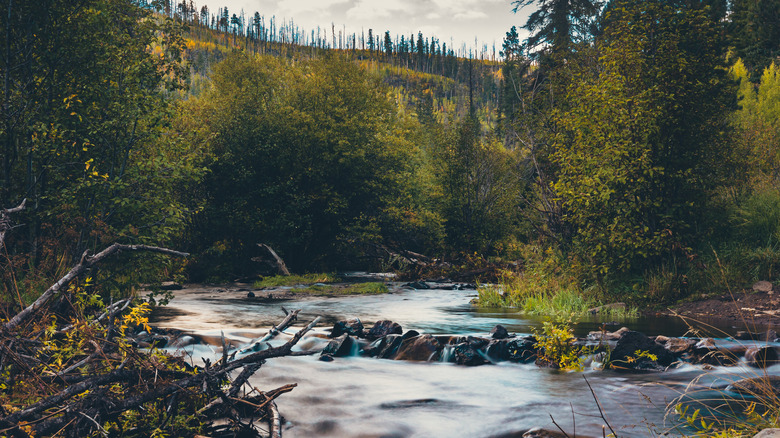
The little mountain town of Greer in eastern Arizona is heaven for nature lovers, with hiking trails through the pine forests, cute wooden cabins, and plenty of wildlife to be spotted along the Little Colorado River. At more than 8,000 feet of elevation, it feels a long way from Arizona's more famous desert towns, and with just a single access road, it's more peaceful as a result. Located in the White Mountains area, Greer is a laid-back place where time slows down, letting you tune in to nature and enjoy getting away from the bustle of city life.
Hiking, mountain biking, and horseback riding are popular pastimes here, with loop trails of varying lengths taking you through meadows and forests, or meandering alongside serene lakes. There's trout fishing too, allowing visitors to enjoy the peace of nature at their own pace. Ramp up the adrenaline with a spin on the Alpine Coaster, which will have you whizzing down the mountainside in style. Or for something more sedate, the scenic lift ride at Sunrise Park Resort gives spectacular views for very little effort.
Greer is also the perfect jumping-off point for adventures along the Mogollon Rim, which separates the high Colorado Plateau from the arid Sonoran Desert. The cooler temperatures in these thick pine forests and limestone canyons provide respite from Arizona's summer heat, and the sweeping views from the trails are breathtaking.
9. Apache Junction: A legendary town with hidden gold
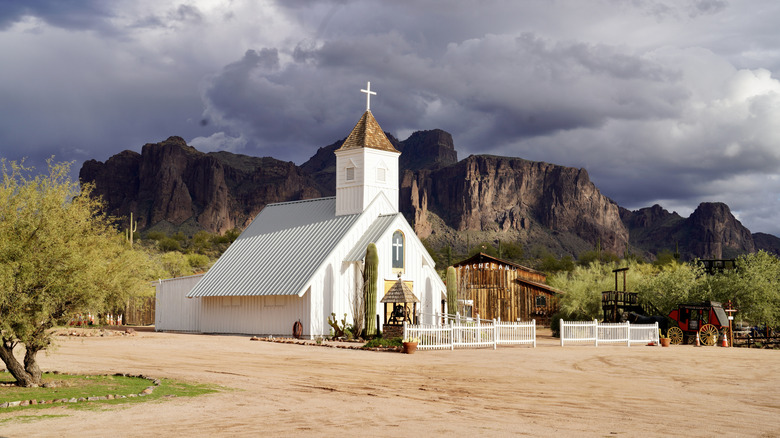
Since the 1800s, the wilderness town of Apache Junction has resonated with intriguing tales of lost gold. Legend has it that a prospector known as the Dutchman discovered a local gold mine and allegedly hid his newfound wealth deep in the nearby Superstition Mountains. The secret location went with him to his grave, and since then, many people have tried and failed to find the lost gold. The legend continues to lure hopeful visitors to Apache Junction, so who knows, maybe you'll be the one to discover the treasure?
Often overshadowed by the bright lights of neighboring Phoenix, this underrated desert town has a lot to offer, whether you're hunting for the long-lost gold or just here to see the sights. The Superstition Mountain Museum is a great place to start, with exhibits on local history, mining, and Western movie memorabilia. Once you have the town's backstory, head over to Goldfield Ghost Town for a tour of the Mammoth Gold Mine and the chance to pan for gold and precious gems in the outdoor sluice.
Apache Junction is also known for its outdoor pursuits, with hiking and mountain biking nearby in the Lost Dutchman State Park — keep an eye out for that gold when you hit the trails. Coyotes, roadrunners, and mule deer are often spotted here, so make sure your camera is handy.
10. Winslow: Where Native American culture meets Route 66
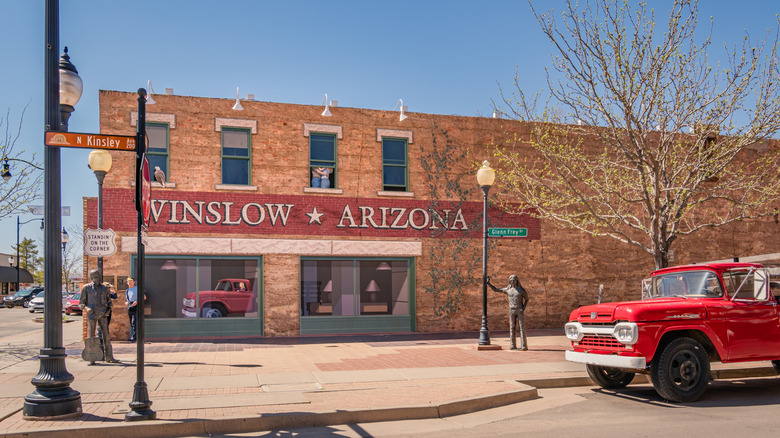
Once an important stop on the historic Santa Fe Railroad, Winslow sits on Route 66 and has plenty of attractions to convince passing visitors to linger a day or two. It's a laid-back place, and even the Eagles gave this overlooked Arizona town a nod in their hit "Take It Easy" with the famous lyric "Standin' on the corner of Winslow, Arizona." A sign and statue in Standin' on the Corner Park invite you to do just that, making this a popular spot for photos.
Yet Winslow has more to offer than music-themed selfies. With tribal lands nearby, there's a lot of Native American culture to discover here, including Hopi and Navajo artifacts in the Old Trails Museum and the ancient pueblos in Homolovi State Park. Over at the Hopi Cultural Center, you can learn about Hopi traditions and shop for unique handicrafts created by Hopi artists. Meanwhile, if you're into art, the Anasazi petroglyphs at the nearby Rock Art Ranch are some of the clearest in the Southwest.
To delve into Winslow's railroad history, visit La Posada, a preserved trackside hotel and living museum dating to 1930. Here, you can sleep in history, admire art collections, and walk in the famous footsteps of guests like Albert Einstein, President Franklin Roosevelt, and Amelia Earhart. Winslow is a Route 66 gem with wild Southwestern charm that combines a legacy of railroads, tribal culture, and cross-country nostalgia to persuade visitors that it deserves much more than just a passing glance.
11. Nogales: A taste of Mexico without leaving the U.S.
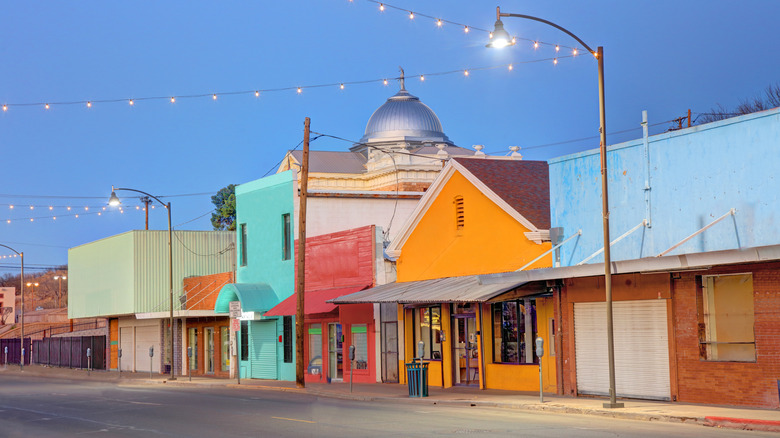
Nogales is an often-overlooked border town rich in cultural heritage and a great place to experience a slice of Mexico without leaving Arizona. The art-lined streets and authentic Mexican cuisine set Nogales apart from other towns in the state, with the welcoming locals keen to share their traditions and hospitality. There's a slightly gritty feel to the place, with Border Patrol vehicles and barbed wire reminding you that the Mexican border runs through the center of town, yet this edge adds to the unique character of Nogales.
As you wander through the bustling settlement, Mexican music from shops and cafés spills out into the streets, providing a catchy soundtrack to your visit. Spicy aromas from street food stalls fill the air, with freshly cooked tacos, burritos, and enchiladas fueling you up for your sightseeing adventures. Pop into art galleries and independent stores between bites, and admire the colorful murals adorning the walls of downtown buildings.
Major landmarks in Nogales include the Pimeria Alta Historical Society Museum and the Santa Cruz County Courthouse. Exhibits at the former reveal the story of Nogales and the interlinking American and Mexican cultures that give this town its unique spirit. Meanwhile, the latter is no longer used as a courthouse and is now home to the Cowbells and Rangers Museum, offering displays on local heritage and building tours.
Methodology
We used the Arizona tourism board website and official town websites for research, as well as personal travel blogs and visitor reviews on Tripadvisor. We chose towns that didn't consistently appear on listicles of the "Best Arizona towns" to ensure these destinations are truly underrated. Towns have been ranked in order of their appeal, using factors such as the variety of attractions, heritage, and scenery to determine their place on the list.