
The 10 Best Places To Retire In Arizona Based On What You're Looking For
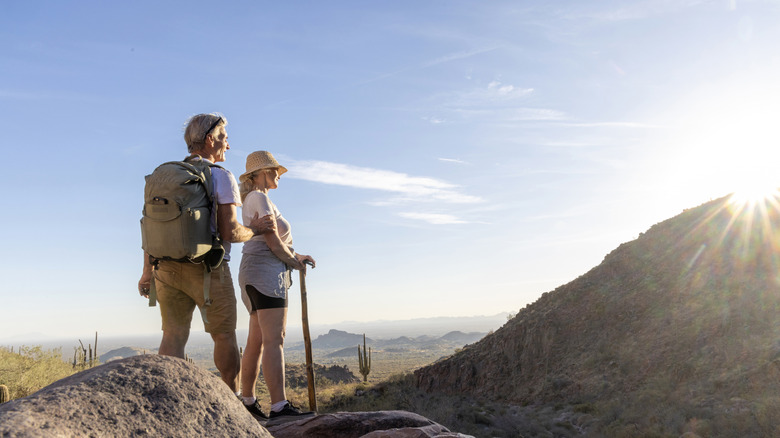
Arizona, with its sunny weather, is the retirement location of choice for many people. Those looking to spend the latter years basking in the sun will find plenty in Arizona's low-lying desert cities. But since retirees aren't a monolith, those looking for retirement destinations with snowy winters will also find mountainous towns with mild weather year-round and snow-capped mountains in winter.
Outdoors adventurers will find what they're looking for in Arizona's mountains, deserts, and lakes. Those looking to spend their golden years surrounded by luxury will find upscale towns. And with the state holding one of only two U.S. cities designated by UNESCO as Creative Cities of Gastronomy, foodies will get the kind of retirement they always dreamed of. With so many unique towns, retirees of every persuasion are bound to discover the ideal place for their retirement. They'll also find that with a flat rate of 2.5%, Arizona has the lowest state income tax in the U.S. and also doesn't tax social security benefits.
With everything it has going for it, it's no wonder WalletHub's study on the best states to retire to in 2026 ranked Arizona 18th out of the 50 states studied. We searched the best online resources to come up with towns and cities offering completely different types of retirements that various personality types will appreciate. The only thing left to do is get a house and settle down.
Surprise: For a sports-filled retirement

It doesn't matter if your idea of a good day is a game of tennis or watching the pros spring train for the upcoming baseball season. Surprise, in Arizona's Sonoran Desert, has plenty of fun for both kinds of retirement. Sports enthusiasts will especially be interested in Surprise Stadium, voted America's best spring training facility by USA Today in 2026. Each year, the popular sporting destination hosts the Texas Rangers and Kansas Royals for spring training in February and March. The desert city is known for being hot most of the year, but in those months, temperatures average 60 degrees Fahrenheit, the perfect weather for hot dogs and outdoor bleachers.
Year-round, the stadium also hosts the Arizona Fall League, the Arizona Complex League, Extended Spring Training in April and May, and others. Between games, retirees who love playing sports will find nine golf courses and the Surprise Tennis & Racquet Complex, where learning or playing either sport will be easy. Additionally, Surprise Tennis Club offers clubs and friendly competitions that will make meeting team members easy, seeing that 21% of the town's population is 65 and over. For something more novel, Axescape offers axe-throwing year-round.
Seeing that summer can see highs of 104 degrees Fahrenheit, if you ever get hot hopping between sports, the Surprise Aquatic Center has pools and other water features for cooling down. If Surprise sounds like the town for you, a home will cost $423,000 on average. Healthcare options include health centers with geriatric primary care, emergency and inpatient care at Abrazo Surprise Hospital, and additional emergency care at Arizona General Hospital.
Tucson: For culinary hotspots and a lively downtown

Retirees with a sweet spot for good food will find much to love in Tucson. The desert city may not get the culinary recognition of New Orleans or the New England region, but as the U.S.'s first UNESCO-designated Creative City of Gastronomy, Tucson is a verified foodie destination, even if the rest of the nation hasn't caught up yet. Upon designation, UNESCO praised Tucson for having the longest farming heritage of any U.S. city, and a cuisine based on desert ingredients and traditional preparation methods reflective of the cultures that have called the area home.
Farming began in the Tucson area 4,200 years ago. Since then, many people from all over the world have settled there and made their mark on the region's cuisine. Foodies who want to sample the cuisine will have many options. Ursa serves a tasting menu centered on heritage desert crops, including unique ingredients like cactus fruit and wolfberry. Ocotillo Cafe at the Desert Museum serves items like Sonoran Donuts, made from the same mesquite Tucson's hunter-gatherers used years ago, and a burger made with blue corn commonly used by Navajo peoples in their ancient recipes. For everyday breads, Barrio Breads, owned by a James Beard-winning chef, uses heritage grains in its recipes. For other cuisines, food connoisseurs will want to head downtown, where the restaurant scene includes French, Spanish, Indian, Mexican, and more — sometimes served with live music!
If Tucson sounds like the city for you, a house will cost around $321,000, and with 17% of the population being 65 and over, making friends should be easy. Among its many healthcare providers, U.S. News & World Report ranked Banner-University Medical Center Tucson as the second-best hospital in Arizona, so you'll also have access to top-notch healthcare.
Sierra Vista: For affordability and unmatched birdwatching
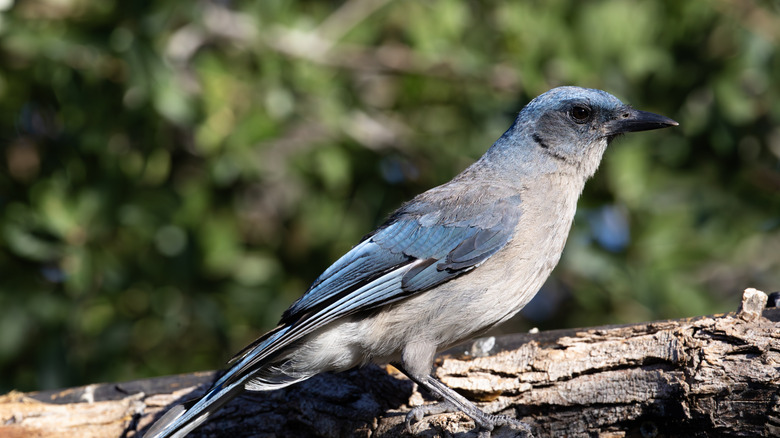
With the average cost of a home at $299,000, retirees looking for affordable housing for their golden years will find it in Sierra Vista. The savings on housing alone is substantial as the national average hovers around $366,000, while Arizona's average is $423,000. These savings extend to the attractions around town. From birdwatching to stargazing, retirees can easily plan an outdoor activity for each day of the week for peanuts, or for free.
Known as the "Hummingbird Capital of the U.S." for the 15 species of hummingbirds that pass through in summer, the town is especially attractive for bird enthusiasts. The best place to see them is in Ramsey Canyon Preserve, where the creatures live in summer. With entry being only $5 (a special rate for residents of Cochise County, where Sierra Vista is located), you can plan visits to see the hummingbirds as often as your heart desires, with deer and reptile sightings a distinct possibility. Those who don't want to spend a dime will find hundreds of bird species in the San Pedro Riparian National Conservation Area, as 250 species migrate through the area, and 100 bird species use it as a breeding ground.
Other free activities include hiking the town's section of the Arizona Scenic Trail and stargazing the area's breathtaking dark skies. Residents can even borrow a telescope and an astrology guide from the local library at no cost. With 22% of residents above 65, finding friends to enjoy the fun activities with, should come easy. The town has a hospital, an oncology center, and a network of community health centers and private care doctors.
Scottsdale: For an upscale retirement and world-class golfing

Retire to Scottsdale, a town known for posh vacations, and you may just find yourself on permanent vacation mode during your golden years. From having four of Arizona's best resorts (according to Travel + Leisure's 2025 World's Best Awards) to being home to the Southwest's largest retail destination for luxury shops and restaurants, the town's upscale attractions draw visitors from near and far. During retirement, you could easily spend a few weekends per year enjoying a spa or staycation escape. If gambling is more your style, weekends spent gambling can also be arranged, as Scottsdale is home to Arizona's largest casino resort.
With many upscale neighborhoods — where the average house price hovers around $858,000 – you may very well find every amenity you need at home, and use it as your "resort" while you explore the town. Head to Fashion Square for shopping names like Balenciaga, Ferragamo, Cartier, Chanel, and more. After shopping, lunch or dinner can be from Michelin-starred chefs if you dine at Belmont Kitchen & Cocktail or Maple & Ash.
Scottsdale is Arizona's golfing capital with about 50 golf courses, so you'll have your choice of courses to play a few rounds on. You'll also find wine-tastings, museums, an aquarium, and more fine experiences to sweeten retirement. With 28% of Scottsdale's population being 65 or older, there'll be lots of company to enjoy the good life with. For healthcare, the city is home to numerous hospitals, including the popular Mayo Clinic (ranked the number one hospital in Arizona by U.S News & World Report), so healthcare will be the best you can get in the area.
Green Valley: For a custom-made retirement
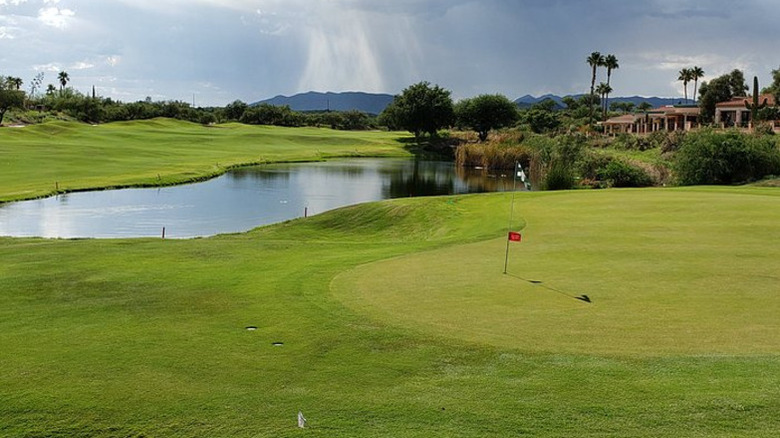
Green Valley may be unincorporated, but with all its exciting happenings, it could make an officially designated town jealous. The retirement community was especially planned to provide a wide variety of recreational activities for retirees. To sweeten the deal, those with a dream retirement home in mind will find 130 neighborhoods featuring everything from single-family homes with plenty of outdoor living space to attached villas with mountain views. With so many options for activities and housing, Green Valley makes it easy to curate a retirement that feels custom-made.
Golfing enthusiasts will find 11 golf courses, including upscale, resort-style ones. Other sports, like pickleball, tennis, badminton, and more, are also offered. If you plan on taking up a new hobby in your later years, the community offers all sorts of lessons to help. Painting, dance, auto-repair, and jewelry making are just a few to consider. There's also fitness sessions and aquatics for keeping active. And from concerts to pool parties, the community's schedule of events has happenings for every personality.
On average, a house in Green Valley will cost $282,000. Unsurprisingly, 80% of Green Valley's population is over 65, so those looking for community will find it. And as you would expect, options for primary care abound. However, for inpatient and emergency care, the nearest hospitals are 30 minutes away in Tucson.
Yuma: For sunny days and historical adventures
Yuma may be known for being the world's sunniest city with small town vibes, but retirees will also find strong currents of history flowing through its veins. The city holds the Guinness World Record for sunniest city in the world, thanks to around 13 hours of sun per day in summer and 11 hours per day in winter. Lovers of balmy weather will especially enjoy the city in spring and fall when the weather, while warm, is milder than summer when temperatures can reach triple digits. These are the months when history buffs will want to explore Yuma's historical delights.
Yuma's location at the Colorado River's easiest crossing point led to the town's famous Yuma Crossing, which has been featured widely in American history. When the U.S. Army needed a way to get to California during the Mexican-American War in 1846, Yuma Crossing was crucial. And the fortune-seekers heading to California during the 1849 Gold Rush also found it instrumental. Today, history-loving retirees who visit the Yuma Crossing National Heritage Area will find exhibits, historical artifacts, and tours telling its story.
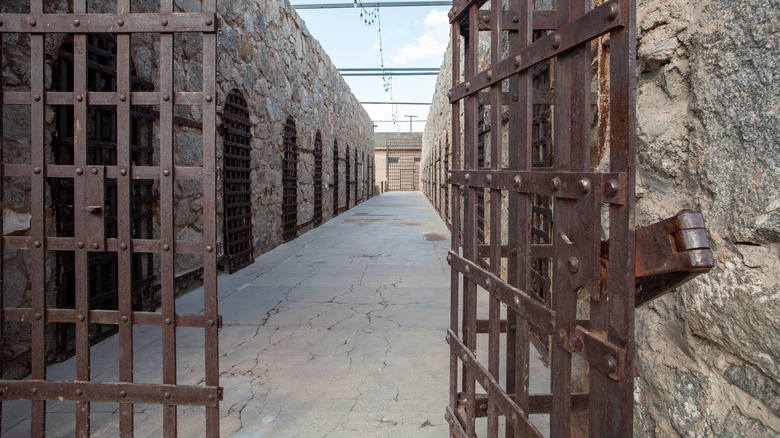
You'll also want to explore Yuma Territorial Prison State Historic Prison, an eerie abandoned prison with a chilling atmosphere. The section dedicated to telling the stories of the prisoners — including the infamous bandit, Pearl Hart — is particularly interesting. Another must is nearby Castle Dome, a ghost town that was once Arizona's longest working mining district. But you never have to go far for history; a simple walk around town will unveil dozens of historic buildings on the National Registry of Historic Places. If you do retire in Yuma, houses cost $302,000 on average, and two full-service hospitals, Yuma Regional Medical Center and Exceptional Community Hospital, call the city home.
Flagstaff: For skiing and big-city amenities in a small town setting
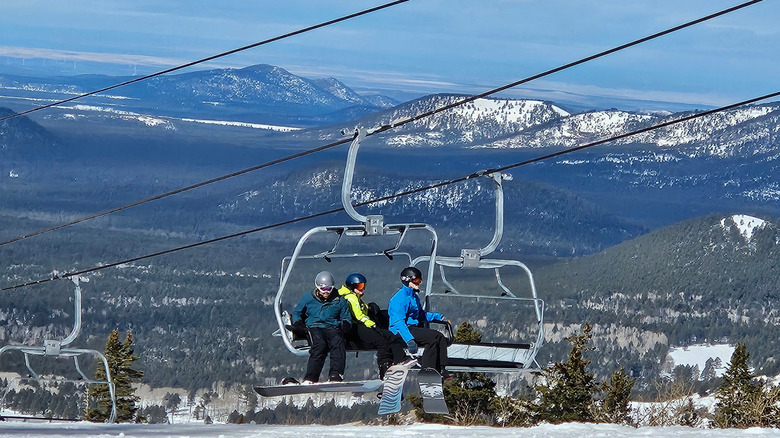
From its restaurant scene to its shopping destinations, Flagstaff offers big-city amenities while maintaining a small-mountain-town feel that will make retirement comfortable for those accustomed to a big city. Perched at an elevation of 7,000 feet, the town is home to fine-dining restaurants, numerous spas, museums, breweries, and at least three malls.
Dining out can be as simple as pizza, but as you would expect from any respectable big city, international cuisines like Indian, Mexican, Japanese, and Thai are all well-represented. Choosing where to spend a spa day may get confusing with dozens of spas and salons specializing in everything from massage to anti-wrinkle injections and facials. In the latter category, Fresh Approach Aesthetics and Wellness gets top marks for a caring approach. When it comes to shopping, the Flagstaff Mall has more than 50 shops and a food court for when it's too cold or hot outside. Another option is Old Town Shops, which has a smaller collection and open-air goodness for nicer days.
Flagstaff also has a decent selection of museums. It's home to the iconic Lowell Observatory, where Pluto was discovered in the 1930s, a space museum, and history museums. When winter comes around, both experienced and novice skiers will find plenty of trails at the nearby Arizona Snowbowl resort. Those looking for lessons will also find a skiing school and on-site eateries for fueling up after all the hard work. A home in Flagstaff costs $651,000 on average, and hospital care is available at Flagstaff Medical Center, with additional options for primary care.
Kingman: For nostalgia and the great outdoors
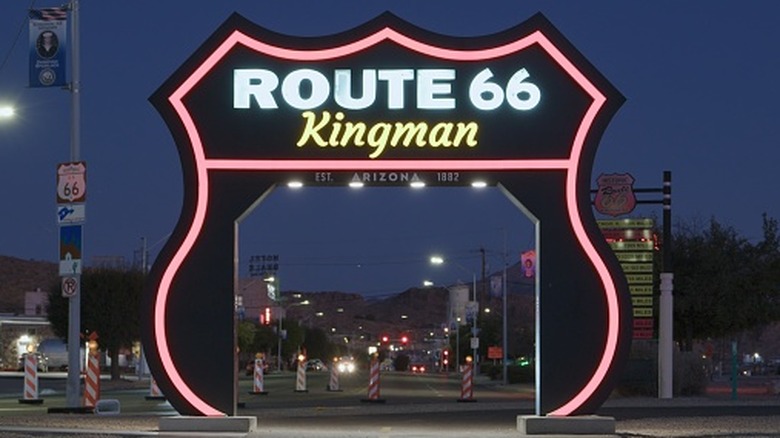
With 25% of its population above 65 years old, a retirement to Kingman comes with a sizable group of peers to enjoy the town and its nearby attractions with. These enjoyments can include lakeside escapes to Lake Mead, under an hour away, or trips to Grand Canyon West, a little over an hour away. Those who want to stay close to home will find scenic relaxation on Kingman State Lake, where fishing and boating can be arranged, or on hikes through the town's Hualapai Mountains.
History buffs will also find plenty to enjoy. Those who remember the iconic Route 66 from its heyday between the 1930s and 1950s will find miles of nostalgia at their fingertips. The section of Route 66 that goes through Kingman is lined with historic motels, neon-topped diners, and other sights that are sure to bring back memories for some. If you love a good road trip, you may even want to hop on the highway for a nostalgic jaunt, as Route 66 has become a top choice for retirement road trips.
Kingman also has a museum dedicated to the famous road and the Kingman Railroad Museum, built on a storied site from 1907. This nostalgia and history come with a price tag of $274,000, the town's average home price. For healthcare, Kingman Regional Medical Center and Kingman Regional Hospital provide medical attention close by.
Show Low: For snow-capped mountains and small town festivals
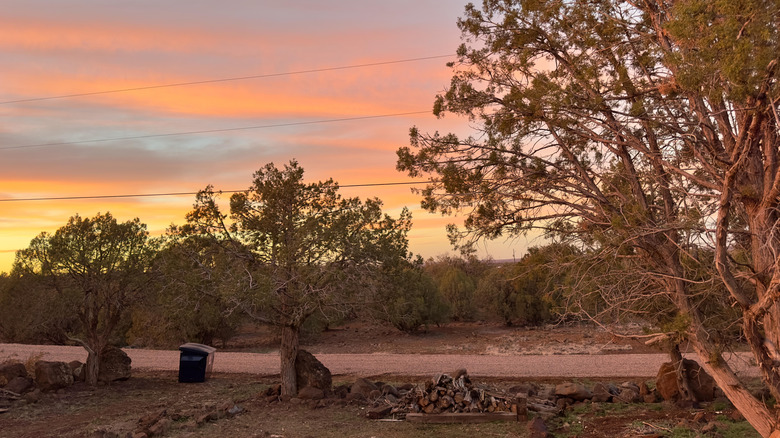
With homey celebrations and powdery mountains surrounding its streets in colder months, Show Low is the perfect retirement destination for those seeking the warmth of small-town community and snowy views during winter. Retirees considering the town will find a special care for the 28% of residents 65 and over. The town invites residents over 55 to gather together at special activities like Geri- Fit, a fitness class specifically designed for the age group and offered weekly in some months. The rest of the year brings more opportunities to socialize.
In May, Rockin the Rimmusic festival brings live music and food trucks to the town for three days. June sees western antics at the Show Low Rodeo. The Show Low Days festival is also held in this month. July is when you'll want to dress up in your best costume for the multi-day Medieval Mayhem Renaissance Faire. And in October, movie lovers will want to head to the town's Film Festival. In December, the Show Low Christmas Light Parade casts a sparkly glow over the town's popular main street.
As the holidays usher in the snow, Show Low's mountains transform into powdery peaks, perfect for skiers who will find trails under an hour away at Sunrise Park Resort. If you end up moving to Show Low, a house will cost $437,000, on average. A variety of doctors, outpatient centers, and hospitals provide healthcare.
Sun City: For built-in community
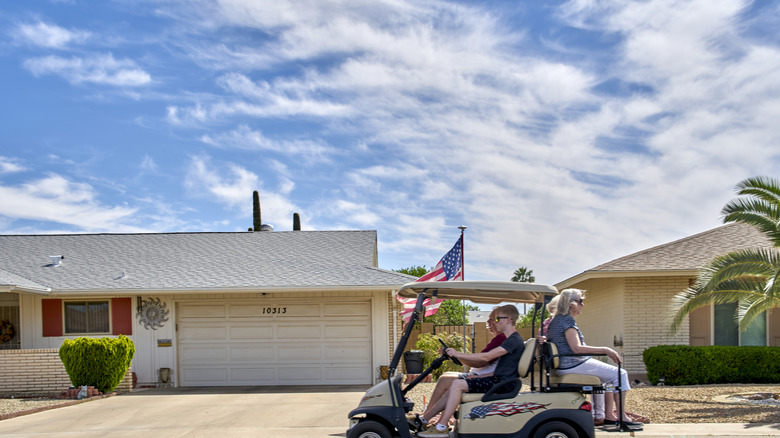
When Sun City opened in 1960, it was the world's first active-adult retirement community, and its goal was to give retirees an affordable place where they could enjoy activity and community close to home. The concept was an instant success with more than 100,000 people showing up on opening day. Today, retirees can enjoy that same built-in community. Over 75% of the 37,486 residents are over 65 years old, and within the community, golf courses, pools, fitness classes, and live entertainment make socializing easy. But Sun City doesn't leave it up to you to find friends.
The development hosts dozens of social clubs, parties, and festivals where even the most introverted resident will find friends. Artsy retirees will find the Artistic Stained Glass Club, Artistic Weavers and Fiber Artists club, a ceramics club, and more. Sports enthusiasts will find clubs dedicated to basketball, bocce, and bowling. There are also fun clubs like dancing, photography, and many, many more to choose from. If a retirement surrounded by plenty of friends sounds right for you, a home will run you around $302,000, on average.
Methodology
We sifted through retirement town recommendations in various groups and boards to kick-start this list. Using tourism websites, hospital websites, and censusreporter.com for demographics, we narrowed the towns down to the ones that would interest a variety of personalities and needs, while offering good healthcare and opportunities to socialize with other retirees. Home prices and other statistics were current at the time of publication.