
The 9 Oldest Museums In America Worth Visiting
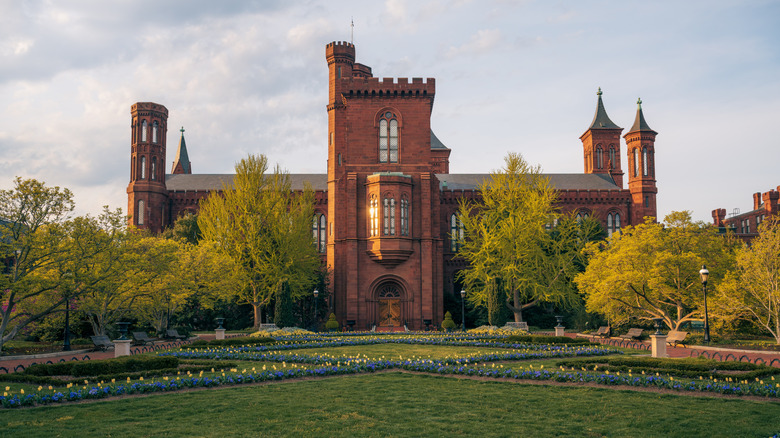
As nations go, the United States is fairly new. Having only gained independence in 1776, the great experiment that is our country was an infant when many other nations had already been around for thousands of years. While she was growing from infancy, a slew of museums were growing alongside her. Some would perish in their early days, either by fire or being sold. Others would grow up to become the main repositories of their state's rich histories. One famous museum, based in Washington D.C., expanded into such a large network of cost-free satellites that it inspired the city to call itself "The Capital of Free Museums."
Many of these early museums documented America's history so that new generations could easily look back at the past. Visitors will find interesting objects like hundreds-of-years-old furniture the early pilgrims brought over on the Mayflower ship and 18th-century military weapons. Other museums focused on subjects that would foster creativity and well-being, even as citizens faced the challenges of shaping a new country after the Declaration of Independence. Charcoal drawings and other works from early American artists are among the interesting exhibits in this second category of museums.
We checked trustworthy sources to determine the oldest museums around the nation. Then we checked how visitors view them in the present day to ensure only those with the highest ratings and the most interesting displays made this list. A few of these museums combine national exhibits with global ones, so visitors interested in the art and history of other places will easily find a destination for their next adventure.
Charleston Museum, South Carolina (1773)
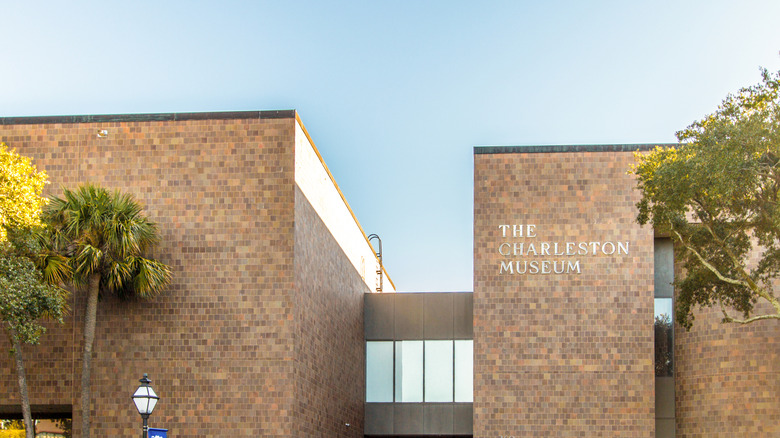
How can a museum be older than the nation of its location? America's oldest museum, The Charleston Museum in Charleston, South Carolina, has the answer. Members of the Charlestown Library Society established the museum in 1773, three years before the colonies would officially form the United States. The society had a simple goal of compiling an educational collection of the state's natural history — a fitting mission, seeing that later generations would want to learn about this past. Perhaps the surest sign the museum is still fulfilling its original mission is its 2025 Travelers' Choice Award from Tripadvisor and 4.6-star Google rating.
Today, visitors will find permanent exhibits on the most significant eras of American history, along with interesting collections on topics like period dress. The Revolutionary Era is well-documented in the "Becoming Americans: Charleston in the Revolution" exhibit, which showcases stories of the war's military engagements in Charleston. History buffs can also explore the civil war in the "City Under Siege: Charleston in the Civil War" exhibit. Other interesting areas include The Bunting Natural History Gallery, with its fossils and animal mounts from the Low Country region where Charleston is located, and the collection of fashion and accessories from the 18th century to modern times.
With Charleston being one of the best U.S. destinations to visit in 2026, plenty of attractions await after a visit at the museum. Ghost tours are popular diversions, along with tours of the city's gorgeous neighborhoods and historic streets. Thanks to its many flowering trees, Charleston is also one of the best cities for a stress-free spring escape, so the season is a particularly good time to plan a visit to see the historic museum.
Albany Institute of History and Art, New York (1791)
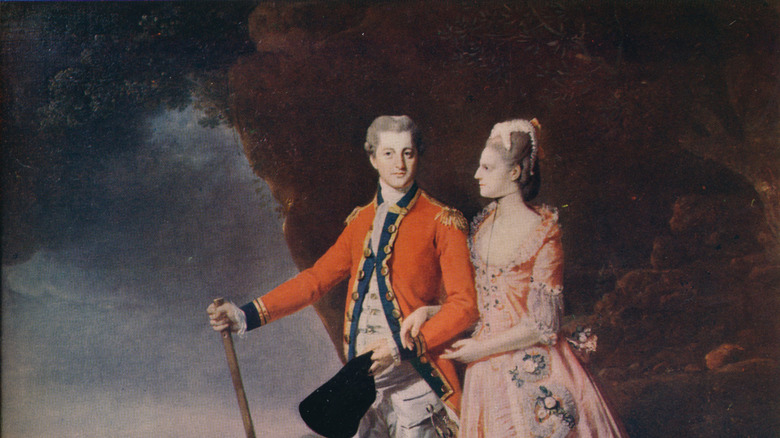
First-time visitors often find themselves shocked upon entering the Albany Institute of History and Art. The source of surprise, visitors say, is the lack of marketing or promotion that belies the high quality of the exhibits inside. Those who venture into the museum find themselves amidst world-class exhibits that visitors gave 4.6 stars on Google. Although it opened in 1791, with a mission of showcasing the art and history of New York's Hudson Valley region, some of its collections date back to the 17th century or focus on Egyptian history. This makes a visit perfect for history lovers and art enthusiasts alike.
Art and history fans will enjoy the collection of Hudson River School paintings, considered one of the largest in the world. The Hudson River School goes down in history for being America's first national art movement, and it focused on landscapes and the nation's changing appearance over the years. Since some of the movement's artists traveled abroad, some paintings show landscapes from other nations too. Art enthusiasts will want to continue on to the museum's collections of other paintings, drawings, ceramics, and more. For history buffs, the most interesting areas will be the nicely curated antiquities in the Ancient Egypt exhibit and the large collection of fascinating black and white photographs of places of significance to New York's history. The eclectic collection of shoes in the Textiles, Costume, and Accessories collection and the rare books collection are other must-sees.
With Albany set to become a regional powerhouse, the museum is a worthy destination for residents and local travelers. After a visit to the museum, tour New York's palatial state capitol building a block away, or the historic Ten Broeck Mansion, also nearby.
Peabody Essex Museum, Massachusetts (1799)
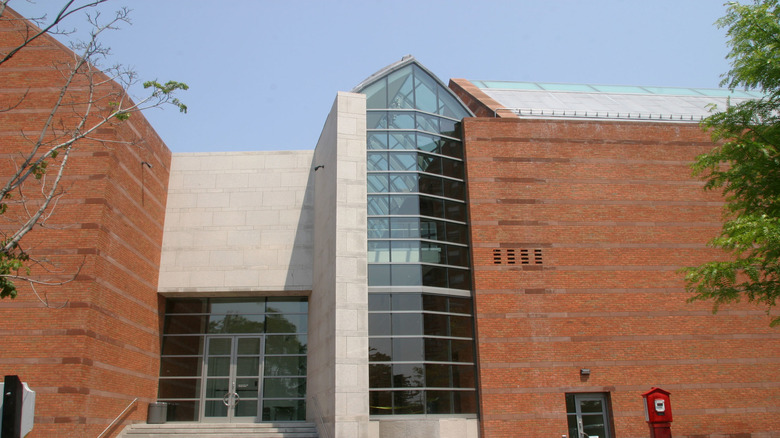
In 1799, a company of seamen came up with a plan to curate the most fascinating items they had collected on their voyages into a museum. That venture was called the East India Marine Society, and its halls opened in Salem, Massachusetts with an eclectic assortment of objects from India, Africa, and other places. In the 1860s, it embarked on a new mission to focus on the art, history, and architecture of the local region and transferred its international and natural history collections to the Peabody Academy of Science. By 1992, both organizations merged and became today's Peabody Essex Museum — a destination that combines the international collections from the original sea captains and officers in 1799 with the newer regional acquisitions.
Today, visitors enjoy the museum so much, it has 4.7 stars on Google with more than 4,000 reviews. On Tripadvisor, the museum got the Travelers' Choice Award in 2025. Stylish visitors will enjoy the exhibitions in the Fashion and Design Gallery. True to its meld of the regional and international, the collection features fashionable creations from Yolanda's, a Massachusetts evening wear brand, as well as flamboyant pieces from the larger-than-life Iris Apfel. Known for becoming an international fashion icon in her 90s, Apfel's inclusion is perhaps a commentary on how far fashion has advanced in the 21st century.
While collections from around the world can be found in the art galleries, art enthusiasts looking for something novel will want to head to the Anila Quayyum Agha exhibit. Turkish and Persian paintings, fabrics, and architecture form designs in a light show that uses shadows and light to project the creative patterns. True to its origins, the museum also has an exhibit dedicated to maritime art. After a visit, the Salem Witch Trials Memorial and the Salem Witch Museum are a few minutes away.
New York Historical, New York (1804)
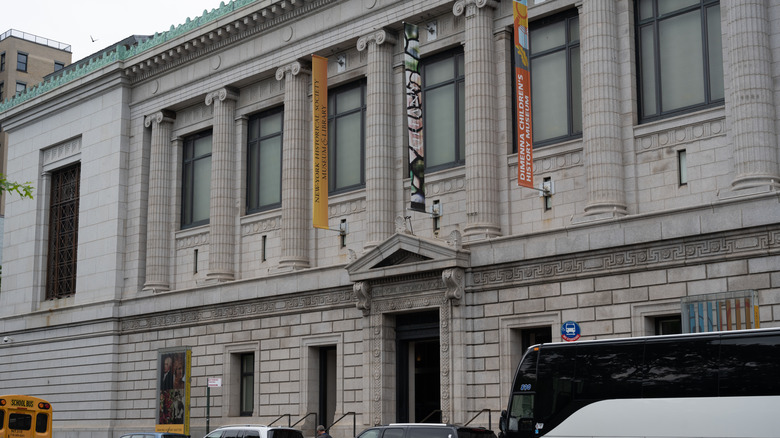
With its name, it's easy to assume that New York Historical was founded as a repository of New York history. But when it began in 1804, New York City's first museum was actually established to document American history as a whole. Having fought in the war for independence, the museum's 11 founders were passionate about preserving the story of the new nation. Back then, the modes of preservation were books and documents. Today much has changed. The museum has 4.5 stars on Google and a 2025 Tripadvisor Travelers' Choice Award, thanks to exhibits that include displays on New York City and collections of Tiffany lamps and birds .
Visitors looking to delve into New York City history will find exhibits that shine the spotlight on the truly diverse melting pot that is the Big Apple. At the time of writing, on show was "New York, New York: The Elie and Sarah Hirschfeld Collection," which focuses on New York City, from the art movements influenced by the city to the underground speakeasies and gritty streets.
After exploring local exhibits, history buffs will be delighted to find that the founders' original aim of preserving the stories of America has not been forgotten. Not to be missed is the "Meet the Presidents and the Oval Office" exhibit, a detailed recreation of the Oval Office with mementos and recordings from various presidents since 1909. For fun, a collection of 100 Tiffany lamps all lit up, one of the largest in the world, keeps things interesting. After a visit, museum lovers may want to head to one of NYC's many underrated but memorable museums.
Pennsylvania Academy of Fine Arts, Pennsylvania (1805)
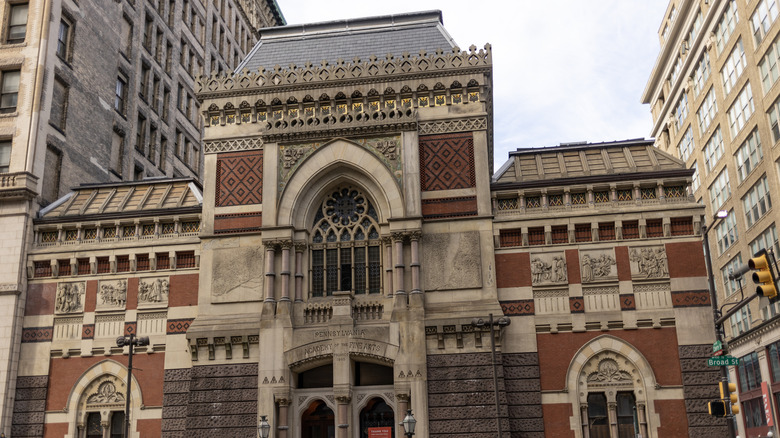
At a time when most of America's newly formed museums were focused on the historic events that had led to the nation's founding, the Pennsylvania Academy of Fine Arts was on a mission to promote and teach the fine arts. In 1805, painters, sculptors, and other artists were among the museum's founders, and their sole focus was cultivating the arts in the new nation. An academy was therefore necessary. As the institution grew, the alumni's work — along with other masterpieces — would form the foundation of its extensive American art collections. Today, the exhibits in America's first art museum are still popular with visitors, who give it 4.6 stars on Google and 4.7 stars on Tripadvisor.
As you would expect from a museum that dates back to the formative years of American art, the collections include the work of the U.S.'s defining artists. Charcoals from the 1700s, attributed to Benjamin West, widely regarded as the father of American painting, will be of interest to both art historians and those interested in general history. More modern pieces from genres like pop art, made famous by Andy Warhol in the 1960s, also form part of the collections.
The historic museum pushes the boundaries with contemporary exhibits that explore complicated topics related to things like the human soul and what it means to be a part of reality. After a visit, the other sites in America's most historic square mile are only a short trip away.
Pilgrim Hall Museum, Massachusetts (1824)
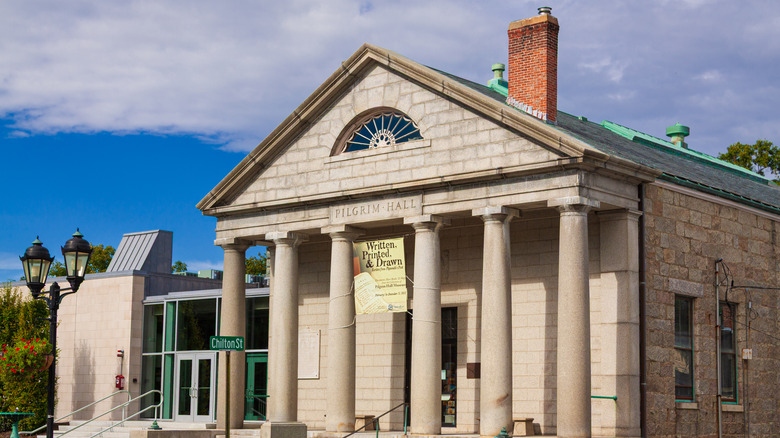
The year 1824, when the Pilgrim Hall Museum first opened, has no relationship to the museum's main subject matter. For that, you would have to go back to 1620, when the pilgrims arrived in Plymouth, Massachusetts on the Mayflower. On the pilgrim's 200th anniversary in 1820, a society of their descendants began a journey to open a museum dedicated to telling the stories of the hardships and successes the pilgrims faced in their new country. In 1824, the museum opened its doors for the first time and in 2018, exhibits on the indigenous Wampanoag people were added. The museum is still going strong in the 21st century, with visitors giving its amazing collections 4.5 stars on Tripadvisor and 4.3 stars on Google.
Students of American history with an interest in the lives of the hardy pilgrims will find a comprehensive study on the topic in the museum. Start with the world's largest collection from passengers on the Mayflower, titled "Mayflower Possessions." Items from the pilgrims who sailed to the Americas on the ship include a cup, chair, and writing cabinet, with the fascinating stories of their owners included. When the pilgrims arrived in Plymouth, they found the Wampanoag people living on the land. The "Art and Conservation" collection exhibits paintings of both peoples over time, while the "Indigenous Collections" curates indigenous artifacts.
After a visit, more Mayflower history awaits a 10-minute walk away in The Mayflower II, a full-scale replica of the 17th-century ship with tours led by costumed guides. The attraction includes a 17th-century pilgrim village populated with costumed residents and a recreation of Patuxet (the original Wampanoag settlement) with Native interpreters.
New York State Museum, New York (1836)

The New York State Museum was not always called by its current name. When it opened in Albany, New York, in 1836, it was called the New York State Geological and Natural History Survey. New York's governor at the time, William Marcy, intended a museum that would "exhibit under one roof (New York's) animal, mineral and vegetable wealth" (via New York State Museum). Today this is complemented by exhibitions on art, Native American culture, the World Trade Center tragedy, and more. With such an interesting range, it's no wonder the museum is a popular destination with 4.7 stars on Google.
New York State Museum's original mission isn't lost, making it the perfect destination for more scientific minds. Many of the museum's collections are curated by pioneers in fields ranging from botany to paleontology. From the skull of a giant beaver to a complete mastodon skeleton, the paleontology exhibit's many fossil specimens from New York State will awe fossil hunters. The 2 million specimens in the prehistoric archaeological collection include interesting artifacts from New York's prehistoric peoples and items from the indigenous Iroquois peoples of New York's Mohawk Valley.
Somehow, the museum perfectly transitions from the scientific to the cultural. "Barbie: A Cultural Icon Exhibition" celebrates all things girly with vintage dolls, fashion, and deep dives into how the iconic brand influenced American culture. "Fashion and Faith: Hats of the Great Migration" displays 24 hats worn by African American migrants who moved to Albany from the South in search of a better life. The exhibit explores the stories surrounding the hats, their place in religion, and the dreams they represented to the women who owned them.
Wadsworth Atheneum Museum of Art, Connecticut (1844)
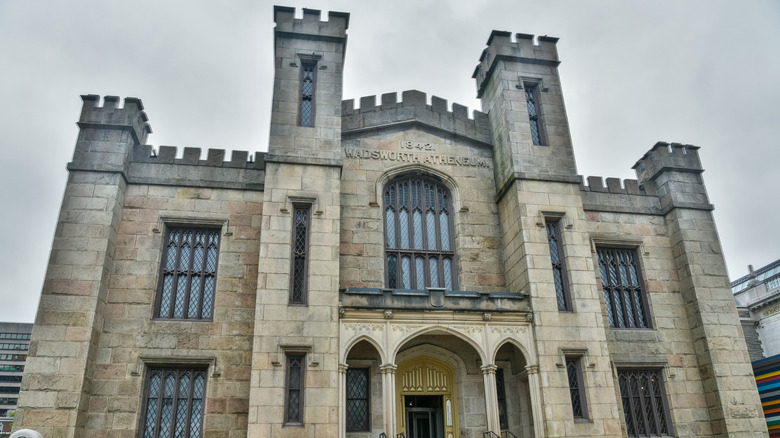
The Wadsworth Atheneum Museum of Art's global focus on art is nothing new. When its founder, Daniel Wadsworth, opened its doors in 1844, his aim was to make fine art part of the national experience. With this early focus, the museum is a repository of the grand European and American masters of the arts, and the initial collection of 79 paintings and three sculptures has expanded to more than 50,000 pieces. All this helped the museum get Tripadvisor's Travelers' Choice Award in 2025 and 4.7 stars on Google.
Lovers of the classics will find Monets and Renoirs, with Salvador Dali's surrealist pieces also on exhibit. America's famous Hudson River School paintings are well-represented with the museum holding one of the largest collections of the landscape paintings. Wadsworth's collection also includes paintings by Thomas Cole, credited with starting the Hudson River School movement. Other collections focus on decorative arts, contemporary art, and textiles.
With its diverse collection of celebrated artists, genuine enthusiasts may want to spend the whole day basking in the art at the Wadsworth. Those who want to see the rest of Hartford will find historical gems in the Connecticut Museum of Culture and History, less than 10 minutes away by car. The stunning gardens and landscaped flowers in the Elizabeth Park Conservancy are also within a short drive.
The Smithsonian Institution, Washington D.C. (1846)
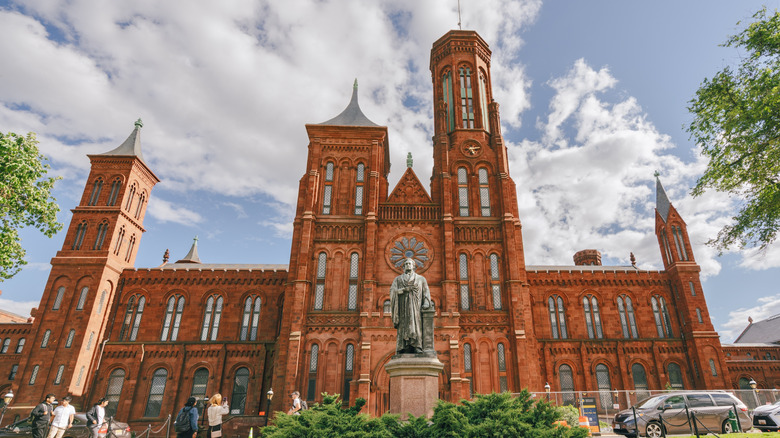
Today, the Smithsonian Institution is a behemoth family of 17 museums in the Washington D.C area, and two in New York City. The massive institution grew from a generous gift from a British scientist called James Smithson, and would go on to become the world's largest museum. This shouldn't be surprising, considering the size of the gift Smithson left the U.S. government — with instructions to establish "at Washington, under the name of the Smithsonian Institution, an establishment for the increase and diffusion of knowledge" (per Smithsonian Institution). The bequest amounted to $500,000 when the U.S. government got it in 1838. Today it would be equivalent to over $18 million, a tidy sum worthy of the grand complex of museums it eventually became.
In D.C., the government's interpretation of Smithson's instructions yielded 17 free museums dedicated to American history, African American history, Asian art, air and space, American art, and more. With all the areas covered, visits can take any form. For the undecided, the most visited museum in the Smithsonian Institution's family is the National Museum of Natural History, so that's a good place to start. Inside, exhibits on human origins, ocean life, mammals, Ancient Egyptians, and more than you could possibly see in a day make for a most interesting visit.
Those with plans to see more of the Smithsonian Institution's museums will find the National Museum of American History right next to the Museum of Natural History. As The Smithsonian Institution is one of America's best free museums for a family day trip, families will especially enjoy exploring its many options.
Methodology
We searched through online sources to find the oldest museums still standing in America. Once we found the oldest, we needed to narrow the list to the ones visitors today would find worth visiting. To do this, we combed through each museum's Google and Tripadvisor ratings and reviews. Each museum's official website and list of collections was also checked. The final list includes the oldest museums with the highest ratings and awards from Google and Tripadvisor.