
10 Culture Shocks That Surprise Americans When Grocery Shopping Abroad
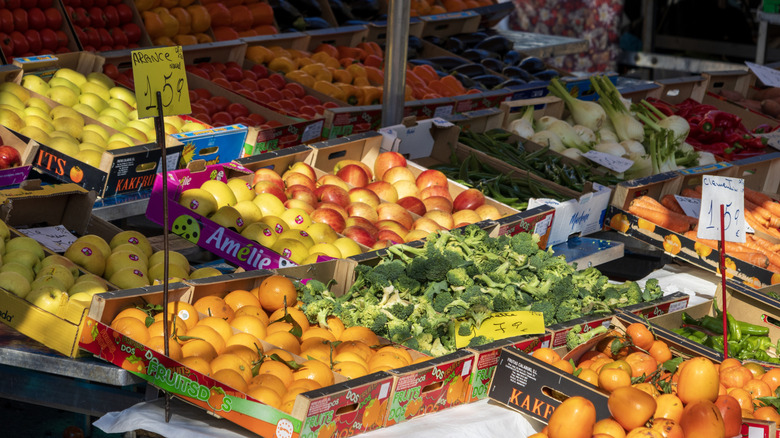
Many travelers understand they are likely to experience some culture shock when traveling to a foreign country, whether it's trying to order food in another language, navigating public transportation, or encountering unfamiliar traditions and customs. Not everyone thinks about visiting a grocery store on their holiday. However, grocery store tourism is on the rise — especially in Europe, where "supermarket safaris" are a 2026 trend.
To some, grocery shopping may feel less-than-adventurous, but other frequent travelers say visiting a grocery store is a must on vacation. The experience of shopping abroad offers a glimpse into daily life for locals, but it can also come with a few surprises. Seemingly mundane things such as the typical size of a refrigerator, which products dominate store aisles, or even how often people shop can give you a greater sense of a country's culture. Psychology even suggests that people who like to grocery shop while traveling are the type of people who find excitement in unpredictability and are highly curious.
For this article, I'm primarily drawing on my own experiences living in Asia, Europe, and Latin America, as well as from visits to grocery stores in dozens of other destinations. I'm also sharing observations made by other travelers who experienced culture shock while abroad. From individual pieces of fruit that cost the equivalent of a Michelin-starred meal to islands where products can disappear from shelves for weeks at a time, these are some of the grocery store surprises that American travelers may encounter while abroad.
1. Grocery stores abroad can be smaller and more local
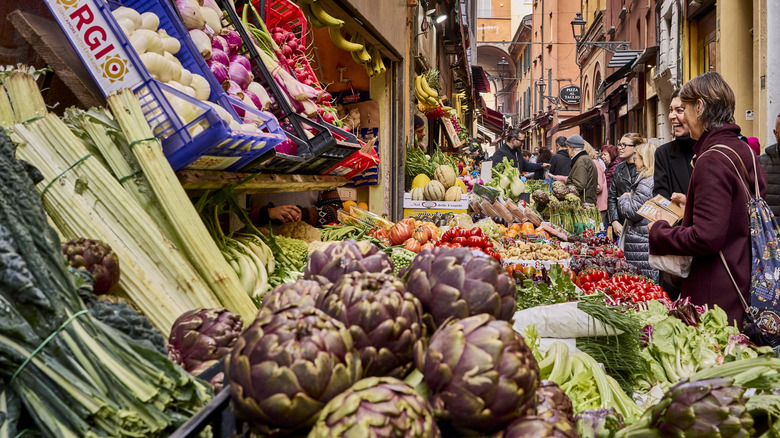
One of the first surprises I noticed abroad was not so much what was inside a grocery store, but how many of them there are. In the United States, it's pretty common to drive to large mega-supermarkets located inside shopping centers or along major roads. You can still find those in some places abroad, especially in large cities. However, markets are more likely to be smaller than you're used to. What shocked me was the sheer number of options. For example, whenever we stay in Bologna — one of the most underrated food cities in Italy — we visit separate shops for pasta, meats, cheese, and produce. Meanwhile, in the Netherlands, I can walk downstairs from my apartment and reach three different grocery chains within 2 to 3 minutes. In Japan, I had multiple grocery stores, markets, convenience stores, and drugstores within a two-block radius of my apartment.
For American travelers, this can be both shocking and convenient. Need milk for your coffee? Forgot an ingredient for dinner? In some countries, a grocery store may be just a short walk away. That reflects broader differences in how communities are designed. Higher population density, smaller living spaces, and robust public transportation often reduce the need for large parking lots and warehouse-sized stores that are common in much of the United States. People often walk, bike, or stop by their neighborhood market on their way home from work.
Online grocery ordering is also much less common in Europe compared to the United States. Research shows that only 1 in 5 people typically order groceries online in Europe, whereas online grocery sales are reaching record highs in the U.S., as of 2026.
2. Going grocery shopping every day may be the norm
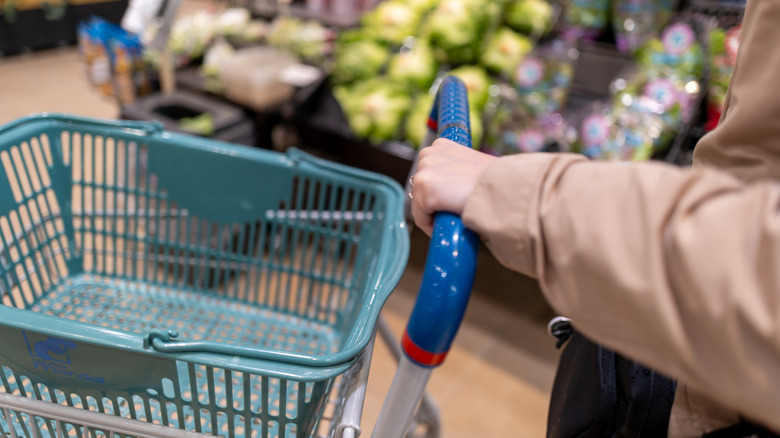
After moving to the Netherlands, I quickly realized why many people stop at the grocery store several times a week instead of making a single massive shopping trip. Refrigerators are quite small compared to what many people are used to in the United States. Storage space feels more like a beverage fridge than a typical American kitchen setup. Kitchens in general tend to be smaller. There isn't room to stockpile a week's worth of non-refrigerated foods, let alone large quantities of cold items.
There were some similarities living in Belize and Mexico along the Yucatan peninsula, although for different reasons. A warm and humid tropical climate and fewer preservatives mean food spoils faster than you might expect. Buy bread on Monday? It could start showing mold by Wednesday or Thursday if not in the fridge. Buying only what you need to use in the near future becomes routine.
That mindset made the transition to grocery shopping in Japan easier. Ever buy Japanese shokupan, or milk bread? Often, it comes in packages of four to six thick slices. We'd stop in the market for breakfast staples every other day or so. For many travelers, this can be a real adjustment. In other countries, grocery shopping may be a part of the daily routine. That's not to say there isn't a culture of buying in bulk in some destinations. You just might not notice it as much in the central tourist areas.
3. The produce section is completely different
Many American travelers don't realize how unusual produce departments in America are until they start grocery shopping abroad. Supermarkets in the United States often devote enormous amounts of space to fruits and vegetables, with towering displays and a seemingly endless selection available year-round (and often off-season). Whether it's strawberries in January or asparagus in November, shoppers generally expect to find the same products regardless of the time of year. Consumer demand for products year-round means you might find more imported products at American stores than you see outside of the U.S.
In other countries, the produce section can look very different. The selection may be smaller, more seasonal, or focused on what grows locally rather than offering every possible option. Try to get a fall fruit, like persimmon, during the summer in Japan. It isn't likely possible. Countries like Japan pride themselves on celebrating seasonal ingredients.
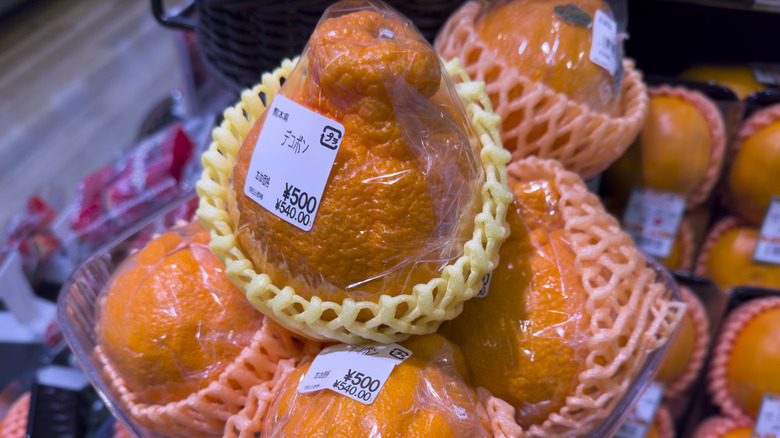
Another shocking aspect of some Asian grocery store produce sections is the individually packaged fruit. You might also pay much more for a single piece of fruit than you'd expect back home. In some luxury stores, you'll find special packaged fruit that can sell for extremely high prices. Some prized fruits in Japan can bring in millions of yen at auction. These items are typically purchased for special occasions or gifts. A single Yubari King melon from Hokkaido might cost up to $300 in the market.
4. Entire aisles devoted to one local culinary staple
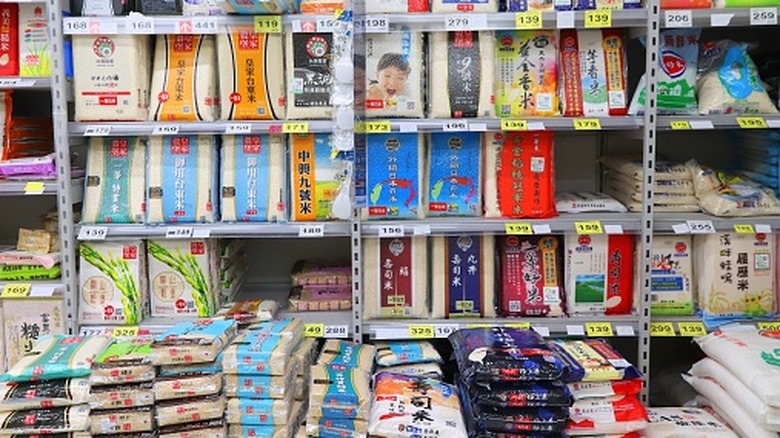
One of the easiest ways to spot important ingredients is to see which products consume large sections in the grocery store. In the United States, many international ingredients are often confined to a small aisle labeled something like "world foods" or tucked into a specialty section. Abroad, these same products dominate aisles. What might be a niche ingredient for American shoppers can be an everyday necessity for local households, and grocery stores dedicate shelf space accordingly.
The first time I went to our local grocery store in Taiwan, I was very shocked by two aisles: rice and tea. These were two entire aisles, each containing more varieties and brands than I ever managed to count. In Japan, it was the shoyu, or soy sauce aisle, that wowed me. Japanese shoyu is such an important ingredient, and each type has a different purpose. Until my first trip to a grocery store in Asia, I was unaware there was light and dark soy sauce. Now, I understand there are multiple types and an ever-growing selection of condiments that use soy sauce as a base.
If you're visiting a grocery store in Europe, you're also likely to find entire aisles (or even multiple aisles) devoted to a particular staple. If you visit Gouda, a historic city in South Holland known for its cheese, you'll understand why grocery stores in the Netherlands have a massive selection of Dutch cheese. Even the best cheeses are readily available in chain grocery stores, including award-winning options like Beemster Royaal Grand Cru. This cheese was named best cheese in the world earlier this year at the World Championship Cheese Contest in Wisconsin.
5. Purchasing groceries inside department stores
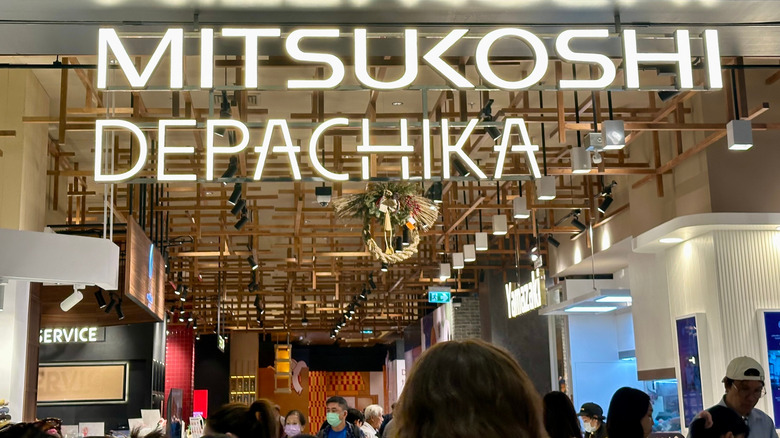
Many American travelers are accustomed to finding grocery stores in standalone buildings, shopping centers, or large suburban plazas. In parts of Asia, however, food shopping is often integrated directly into department stores and mixed-use developments. Visitors exploring major shopping districts in cities like Tokyo may be surprised to discover these basement food halls, called depachikas, beneath clothing stores, restaurants, and luxury retailers.
Basement food halls in Asia are one of my favorite places to visit. You can purchase fancy items from specialty retailers, especially cakes, pastries, high-end teas, and more. Multiple counters and brands sell prepared foods and edible gifts. If you visit in the early evening, you might luck out and catch them when they discount prepared foods, such as sushi or bento boxes they want to sell that day.
Some of these basement food halls have entire grocery stores, too. In Taiwan, we did a lot of our shopping in the basement-level grocery chains of the department store. Many of these are near local train stations and transit hubs, making it convenient for commuters. People can do all their shopping after work, pick up groceries at the same time, and catch the next train or bus home.
6. Some stores may have reduced hours or are closed on Sundays
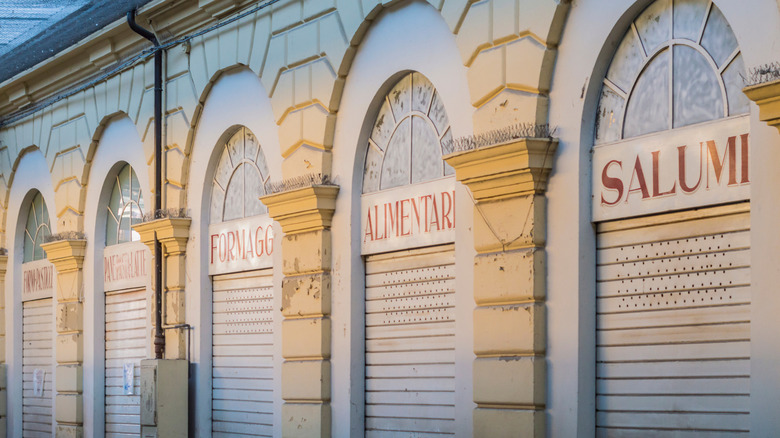
One of the easiest mistakes travelers can make is assuming grocery stores keep the same hours they're accustomed to at home. In many parts of the United States, it's possible to find a supermarket open late at night, or even 24 hours a day. In other countries, grocery shopping often requires more planning. Stores may close earlier, operate on reduced schedules for certain days of the week, or remain closed entirely on Sundays and public holidays.
When we first moved to the Netherlands, the one grocery store in our small town closed early in the evening and was not open on Sundays. If we needed something, we'd rely on whatever the local gas station had available. The markets where I live now have Sunday hours every week, a major increase from a few years ago when it was one or two Sundays a month. Holidays are still mixed. Even now, only half of the country's supermarkets are open on Christmas. In Germany, most grocery stores remain closed on Sundays due to long-standing shop-closing laws. Parts of France and other European countries can have similarly limited hours, especially in non-tourist areas. Arriving on a Sunday afternoon to find everything closed can be an unpleasant surprise if you're staying in a vacation rental with plans to cook.
For travelers, the lesson is simple: Don't wait until the last minute to buy groceries. If you're visiting a smaller town, island, or rural destination, it's worth checking store hours in advance, especially around weekends and holidays. Don't assume everything is open late into the evening and every day of the week. If you're staying in a vacation rental, ask the host what the local stores are like ahead of time so you aren't caught off guard.
7. Refrigeration and food regulations can differ
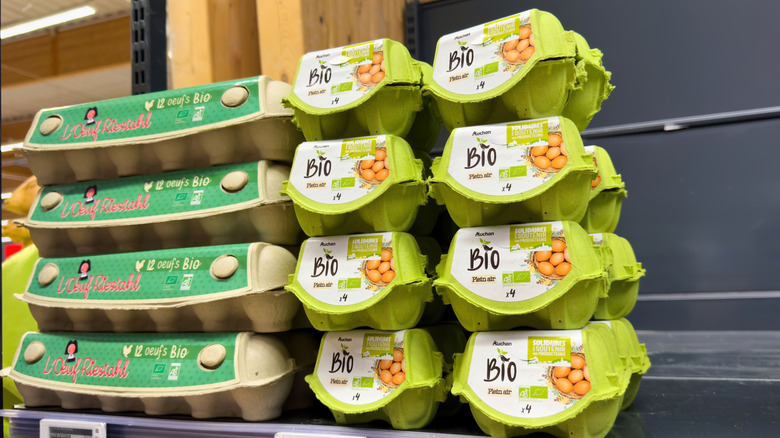
Few grocery store experiences surprise American travelers more than finding eggs sitting on unrefrigerated shelves or boxes of milk stored at room temperature. The first time visitors encounter this, they often assume something must be wrong. In reality, these products are often handled differently long before they reach the grocery store. In many countries, eggs are not washed the same way they are in the United States, allowing them to retain a natural protective coating. Shelf-stable milk, meanwhile, undergoes a different pasteurization process that allows it to be stored without refrigeration until opened.
The differences don't stop there. Various countries have their own regulations governing preservatives, food coloring, additives, and ingredients. That can result in breads with shorter shelf lives, snacks with different flavors, or beverages that look noticeably different from their American counterparts. Even international brands sometimes alter recipes to meet local regulations or consumer preferences.
One of the most notable examples of that involves orange Fanta soda. In the United States, Fanta is bright orange, whereas it's more yellowish-orange in parts of Europe. It has to do with the lack of artificial dyes in European versions. For example, the United Kingdom relies on vegetable extracts to achieve Fanta's color. The taste is also quite different. Part of the reason is that there are lower sugar levels in European orange Fanta. If you try a candy or chocolate you normally get back in the United States, it might taste different, too. However, it all comes down to regulations and local preferences rather than lower safety standards.
8. Local products can be more affordable abroad
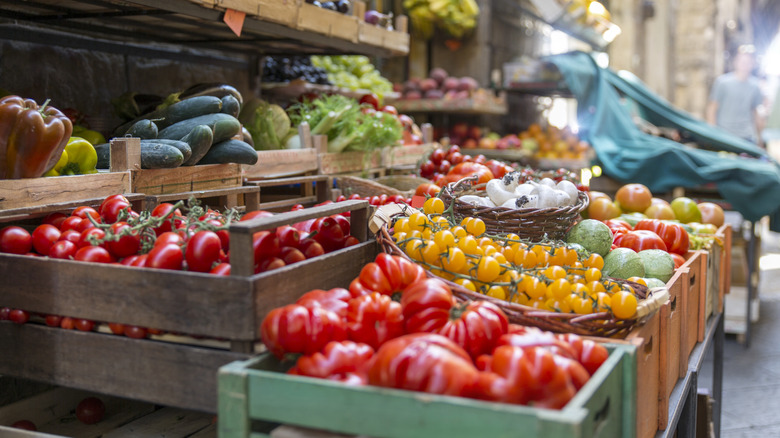
Travelers often assume grocery shopping abroad will be either dramatically cheaper or significantly more expensive than at home. In reality, it often depends on what you're buying. One of the quickest ways to save money is to pay attention to local brands. Products grown, raised, or made nearby are often priced very competitively, while imported items can carry a noticeable markup. This issue is especially true when traveling to an island destination. Stick to local items and forgo American-branded imports. When I lived in Belize years ago, American chips or crackers were typically two to three times more expensive, because it's not cheap to import them.
Some people have sticker shock when they see the prices of items in a European grocery store. However, there's often a hidden price difference to consider in a European market, especially at dedicated market halls or weekly farmers' markets. Some items will be priced by the kilo. That doesn't mean your chicken breasts or chunk of cheese is $20. Instead, you have to look at the grams you're getting to see the actual price.
In some cases, groceries might be significantly cheaper than what travelers are used to back home. It really depends on where you live, where you're traveling, and the exchange rate at the time you're traveling. Our average weekly grocery bill in the Netherlands is 50% less than what I used to average in California. With the dollar still outpacing the yen, my grocery bill in Japan came to less than my typical spend in Europe.
9. Convenience stores can rival full grocery stores
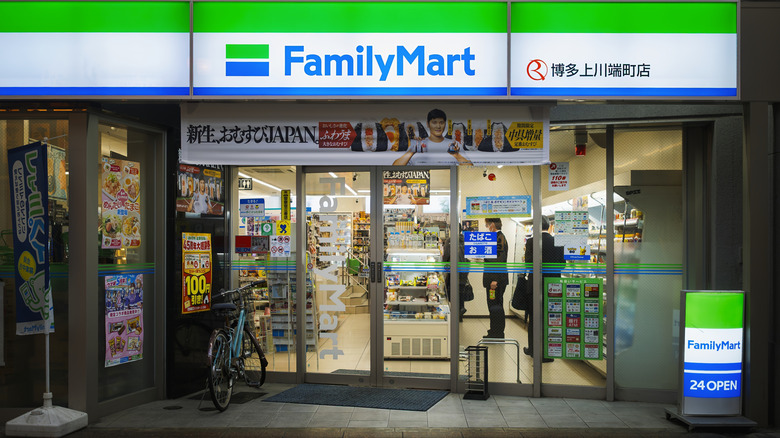
In the United States, people associate convenience stores and gas stations with quick snacks and fountain drinks. In some countries, however, these stores play a much larger role in everyday life. Travelers who skip them in favor of traditional grocery stores may miss one of the coolest ways to experience local food culture. These convenience stores often function as miniature neighborhood markets stocked with fresh meals, groceries, and local specialties.
Japan offers one of the most famous examples. Chains such as FamilyMart, Lawson, and 7-Eleven have developed a reputation among travelers for selling surprisingly good prepared foods. Visitors can find fresh desserts and breads, noodle dishes, sushi, fried chicken, and seasonal specialties. In Japan, we would often stop every night for the next day's breakfast ingredients, a sweet seasonal treat, and whatever supplies we needed for the apartment — dish soap, detergent, and the local ward-approved trash bags. If you're considering booking an apartment for your vacation and plan to cook a lot, understanding how to handle garbage collection is one of the most important rules you can learn before visiting Japan.
Planning a road trip in Europe? Pay attention to markets at rest stops and service stations along the highway. While massive outlets may not be available everywhere, they're pretty common in Italy. Italian gas station food is incredible, and the markets have high-quality local products you can take back to your rental or hotel. If you're passing one in France, it's not uncommon to see people stopping to buy deli meats, cheeses, and a fresh baguette to eat or take with them to their next stop. These shops are a fun way to learn about the local specialties of that area, especially if you're only passing between cities.
10. Empty shelves and missing products may be normal
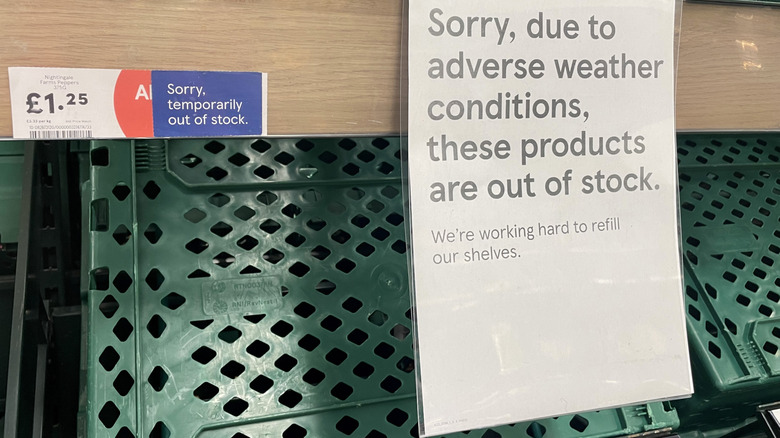
It's easy to get used to your grocery store carrying the same products week after week, with only occasional shortages. In some destinations, particularly islands and remote regions, that expectation doesn't always match reality. Supply chains can be more vulnerable to weather, transportation disruptions, seasonal demand, and shipping schedules, leading to gaps on shelves that local shoppers are used to but visitors often find surprising. It doesn't need to be a hurricane to noticeably disrupt things.
Living on a small island in Belize required patience when it came to grocery shopping. If a shipment was delayed, you might not find certain things for weeks. In 2018, a massive lime shortage around a peak tourist holiday period had local bars and restaurants extremely worried. There wasn't a single lime in any grocery store or market on the island. Tourists going grocery shopping for their vacation rental were shocked to find they couldn't buy limes for their drinks.
For travelers, these shortages are usually less an inconvenience and more a reminder that not every destination operates under the same logistics network as a major American city. Grocery stores in remote locations often reflect the realities of geography. Learning to be flexible with ingredients, brands, and meal plans can be part of the travel experience, especially when visiting islands and smaller communities.