
10 Tips From Colorado Locals On How To Lessen Altitude Sickness In The State's High-Elevation Cities
We may receive a commission on purchases made from links.
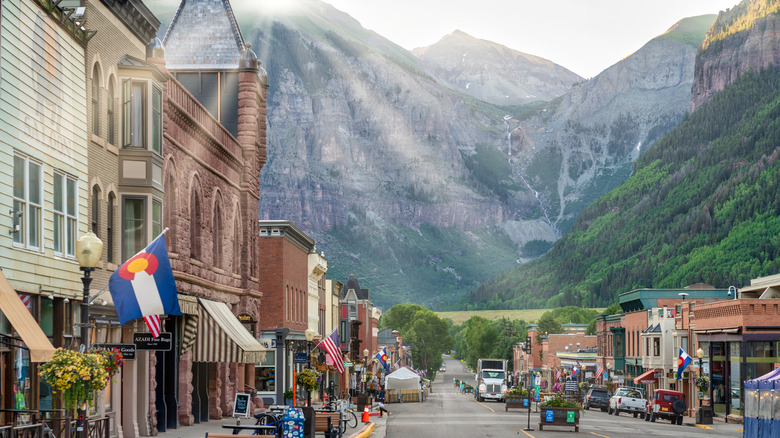
It's entirely possible that you're visiting Colorado for its renowned craft beer scene or incredible mountain vistas. The state also holds a disproportionate number of the stop ski resorts in the U.S., pulling in 10.5 million skiers to its powdery peaks in the 2025 to 2026 season. In the warmer months, many of these resort towns transform into sun-filled destinations like Telluride, a year-round destination with iconic Rocky Mountain views. Whether you're visiting for skiing or outdoorsy fall and summer adventures, you can expect higher elevations and everything that comes with that.
For example, the town of Telluride sits at an elevation of around 8,750 feet and the popular town of Breckenridge sits at 9,600 feet. Of course, if you plan on going to the nearby ski resorts, you might even find yourself upwards of 12,000 feet in both of these towns (if you take the highest ski lifts). Whether you're at the top of the peaks or just strolling around town, many of the state's popular attractions fall into the "high" or "very high altitude" designations. The categorizations simply mean that oxygen and humidity levels are lower and can cause altitude sickness at these heights (generally 8,000 feet or more above sea level). While symptoms include nausea, fatigue, and dizziness, they should disappear after a few days when acclimatization occurs or lessen with proper care.
If you're worried about altitude sickness, we sought out the best local advice on how to reduce symptoms. Although we've consulted medical sources to add context, these tips come straight from Coloradans who've seen it all, and were dishing out advice on Reddit. It's worth pointing out that while these suggestions are local-approved, they are not meant to replace medical advice. Always check with a doctor if you have fears about altitude sickness.
Start at a lower elevation to slowly acclimate
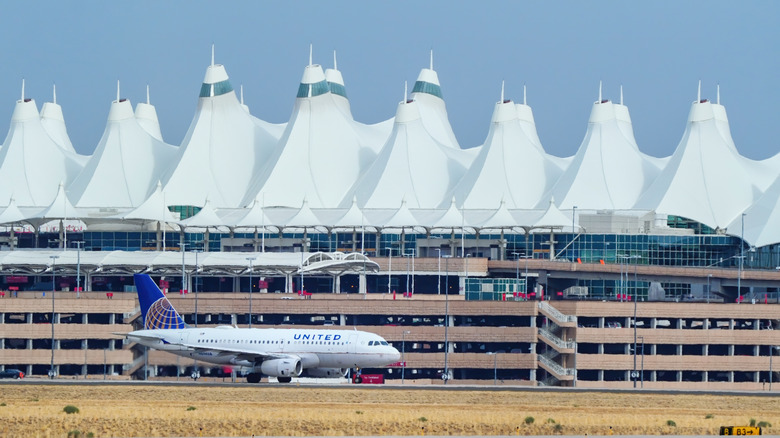
Colorado is home to North America' s highest town and the highest city in America, but you actually don't need to worry about high altitudes everywhere in the state. That's a good thing, because one Redditor's sage advice is to actually give yourself a little more time to acclimate instead of zooming up a mountain as soon as you get there. "Take a trip down to lower elevation, below 8,000 feet and stay there as long as you can," they said. "When my sister visited there I recommended her family stay in Denver overnight to start getting acclimated."
It's true that you can prevent some symptoms of altitude sickness if you stop at a lower elevation, then slowly ascend so your body acclimates to the lower oxygen levels. According to the U.S. Centers for Disease Control and Prevention (CDC), many people take three to five days to get used to higher altitudes. The CDC recommends two to three days at an elevation between 8,000 and 9,000 feet as a protective measure. Once you leave those altitudes, it's also advised that you don't ascend more than 1,650 feet per day.
Consider starting your trip with a few days in Denver before continuing on to higher destinations, keeping in mind how much elevation you're gaining per day as you go — especially if your final destination is in an area that's over 9,000 feet. The city is often recommended as a stopover for visitors to places like Aspen (which sits at just under 8,000 feet above sea level). At a little over 5,000 feet (hence the nickname, "Mile High City"), Denver is also home to adventure loving residents and amazing street art, so it will also be worth the stop.
Some locals promote canned oxygen
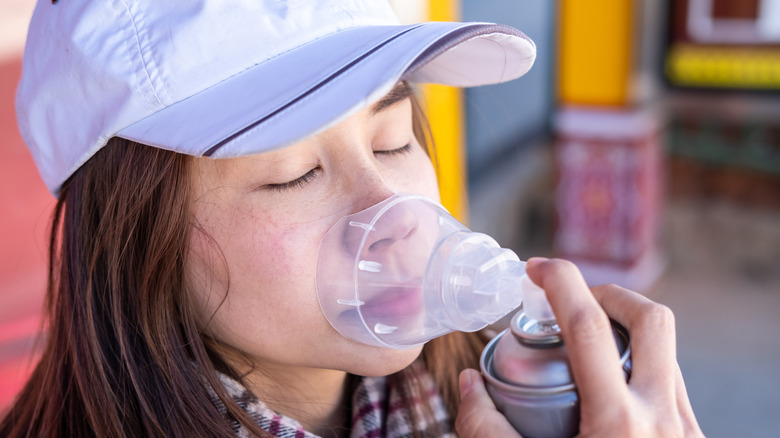
Low oxygen levels are the main cause of altitude sickness, so some Coloradans recommend keeping canned air with you or using oxygen tanks. "I live at 9,000' elevation in Colorado ... try those cans of air but if you think you need it there are oxygen delivery services that will bring a tank to your hotel room, " was one local's advice on Reddit. But some weren't as convinced. "Oxygen in a can is pretty much a placebo," said another local on Reddit.
This advice was highly debatable, so we looked for further evidence. In an article on University of Colorado Anschutz, Dr. Lindsay Forbes said: "It generally takes two or three minutes ... before they see a change in the patient's levels, so just one or two breaths from a can I would not anticipate would oxygenate enough of the blood." In the same article, Dr. Ben Honigman called canned oxygen: "A placebo effect." WebMD lists canned oxygen as a short-term treatment before you can move to a lower elevation. And according to the CDC, "Small, handheld cans of compressed oxygen can provide brief relief but contain too little oxygen ... for sustained improvement."
So, basically canned oxygen might offer some quick relief but may not be best for more serious or persistent breathing issues. If you experience symptoms and your doctor gives you the green light, try the oxygen (in a can or otherwise) to see if it helps. It may work, if anecdotal evidence from this Redditor is to be believed: "Worked at a hotel in Denver, we also sold those oxygen cans. Security would carry them around for people who thought they needed medical attention but the oxygen would often fix it ... they do work!"
Bring Sea-bands to help with nausea

An upset stomach has a way of ruining your day, especially in an active, outdoorsy place like Colorado. Unfortunately, when your oxygen falls, your body has to prioritize its most important functions. As you would expect, it focuses on breathing and circulation, and de-emphasizes others, like digestion. Nausea, vomiting, loss of appetite, and bloating are common complaints, and these can be quite uncomfortable, judging by this local's explanation of his neighbor's experience on Reddit: "She was so sick. I felt awful for her. But she just couldn't get it under control. Constant headache, upset stomach."
If you think you may suffer from an upset stomach on your trip, another local Redditor said, "You can buy seabands and wear them to prevent the nausea! I use them all the time." If you take cruises often, you've probably heard of the popular nausea and motion sickness treatment. If you haven't, in a nutshell, Sea-bands are all-natural, drug-free bracelets that relieve nausea through acupressure. They work by targeting the pressure points on the wrist that can help alleviate nausea. According to the brand, they can be worn preventatively or even after symptoms occur.
If you're worried about nausea, you could put one on each wrist before you get to Colorado to prevent the symptoms. The acupressure bracelets gets 4.2 stars from over 30,000 reviewers on Amazon, so it has a pretty good reputation. And being drug free, it should come without side effects.
Stay hydrated
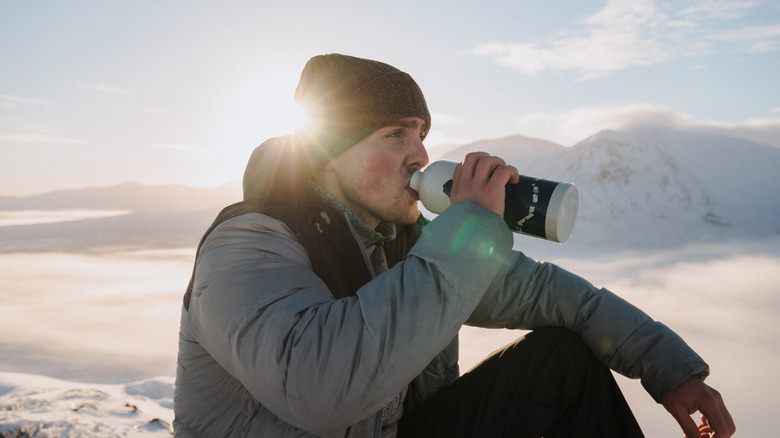
Hydration is the answer to many ailments, so it's no surprise locals on Reddit consistently recommend it to visitors dealing with altitude sickness, with one commenting, "Water, Water, water! Drink water like a fish." Another Redditor explained, "I've lived in CO all my life ... As you gain altitude you'll likely feel out of breath and may be dizzy. Stay hydrated the entire trip." It may sound like a simple solution, but when you consider that many aspects of altitude sickness are linked to dehydration, you can appreciate how important it is — and why locals insist on it.
You may experience increased urination as your body tries to rebalance unstable pH levels brought about by the altitude, and this can lead to a loss of water. The drier air in the higher elevations also contributes to dehydration. And if you weren't able to slowly acclimatize, you may experience a serious form of altitude sickness called acute mountain sickness (AMS), which also depletes your body's hydration levels.
With all these components causing your body to lose moisture, dehydration is highly likely. And with it comes many of the other symptoms of altitude sickness. Headaches, weakness, fatigue, and confusion all be exacerbated by a lack of water in the body. You may be able to stave off, or lessen these additional ailments if you start hydrating before you even get to Colorado as well as while you're on your trip. Also consider adding electrolytes to your water to give your body an added boost. They can help your body retain more of liquids, and might help provide the additional energy needed to deal with the low-oxygen atmosphere.
Hydrate your skin too
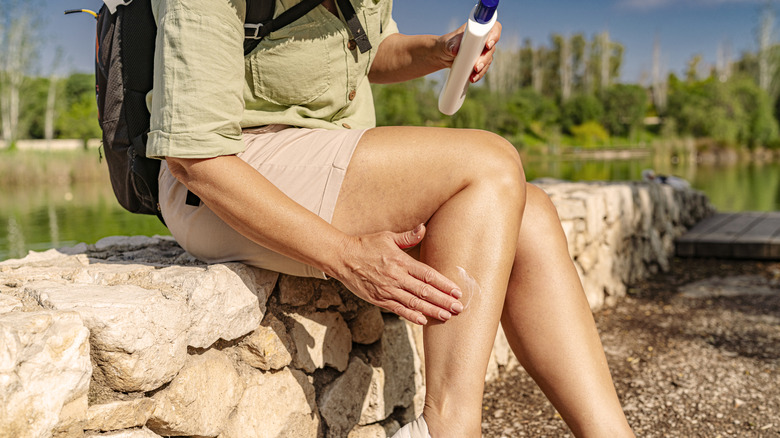
Many people give lots of attention to how dry air affects them on the inside. And with the headaches and dehydration that the lower oxygen levels can bring on, this is understandable. However, the thin, dry air can do a number on the skin as well, causing issues like chapped lips or itchy, dry skin that can feel tight and sensitive. This is something that Coloradans know first-hand. "The air is extremely dry and the lower pressure means it evaporates more readily. Definitely pick up some lotion and chapstick after you land," said one local on Reddit.
A high quality moisturizer for your body will protect your skin barrier and return any lost hydration. Look out for ingredients like hyaluronic acid, a property that can hold 1,000 times its weight in water, and is known to leave the skin plump and moisturized. Similarly, look for glycerin, which also pulls moisture from the atmosphere into the skin, and ceramides to help repair the skin barrier.
You'll also want to consider the heightened chance of sunburns. While not related to hydration, the condition happens often in high elevations like Colorado so it's worth considering. The thinner air offers little protection against the sun's harmful ultra-violet radiation, and can cause you to burn easier than usual. Pack a good sunscreen that is at least SPF 30 (or more) and reapply it every two hours, especially if you plan on doing one of Colorado's longer hiking trails or being outside for any extended period of time.
Go easy on alcohol (and hot tubs) for a few days
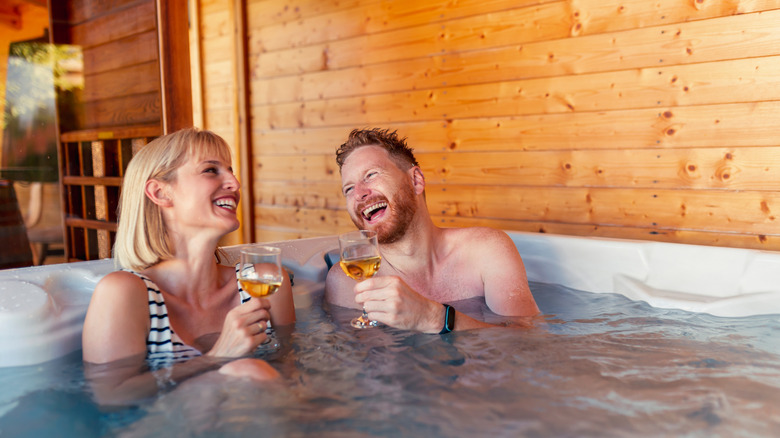
If your version of vacation mode involves a drink and a soak, you may not like this tip from a local Redditor: "Skip the booze for the first couple days, and be careful if you use a hot tub the first few days as well (you can get extra woozy and pass out). If you're feeling really sick, get immediate medical attention." This can make a big difference in the severity of dehydration you might experience, especially when you consider it's only necessary for the first couple of days.
The reason for the tip is quite simple: Adding alcohol or hot tubs into the mix when you're at higher altitudes is almost like adding fuel to a fire. Whether it's a beer or a cocktail, alcohol dehydrates the body through its lowering effect on vasopressin, a hormone that tells your body to save water. When this hormone isn't working well, your body releases water through your urine more frequently, thus causing dehydration. And the heat from a hot tub also causes the body to perspire heavily, letting out much needed hydration as well.
With these increased dangers, its understandable why locals ask you to stay away from alcohol and hot tubs for the first few days. You'll give your body a chance to adapt to the new altitude without the added strain of increased dehydration. And you can always go back to the fun after you've acclimated.
Use a humidifier

While on your trip, don't be surprised if your throat, eyes, and skin start to feel dry and itchy as you climb higher into the mountains. The drier, cooler air at higher elevations doesn't hold on to moisture as well as it can at sea level. In addition to the skin and throat issues, the low humidity may also cause headaches and dehydration — though other factors can contribute to these ailments.
To combat these symptoms, one local on Reddit suggested using a humidifier. "There's probably a small portable humidifier in your hotel closet. Take it out and use it every night. We have zero humidity here and your body will appreciate it," they said. Humidifiers can quickly replace lost moisture, which may help your symptoms. If your rental or hotel doesn't have one, and the repercussions of dry air are uncomfortable enough, you can easily find one at a local home goods store. If you don't want to purchase one yourself, placing bowls of water around your accommodations can replace lost moisture as the water evaporates. Drinking lots of water and taking short, warm baths also helps.
Eat smaller meals at more frequent intervals

Gassiness may not be the most uncomfortable symptom of altitude sickness, but it has potential to be the most embarrassing. It's common enough that one Coloradan mentioned it when giving advice on lessening the effects of higher altitudes on a Reddit thread, saying, "Eat small, frequent meals because yes, gas is very much a thing at high altitude." Gassiness occurs because as you get higher into the mountains, barometric pressure decreases and that, in turn, can cause an expansion of the gas in the body. In fact, this kind of gassiness is officially called High Altitude Flatus Expulsion.
You can take steps to lessen the symptom so that you don't find yourself in an awkward or uncomfortable situation. In addition to eating smaller meals more often, eating slowly and staying away from foods that increase gas can also help. Cabbage, Brussels sprouts, some cereals, beans, and dairy are some of the culprits to be aware of, as well as chewing gum and drinking carbonated drinks. Incidentally, bananas, high-iron proteins, and a few other foods like ginger and complex carbohydrates can help you fight altitude sickness, so consider stocking up on them too. If gas gets severe after you've taken these steps, try over-the-counter gas medicines for relief.
Bring medicine for headaches

A headaches is one of the most common symptoms of altitude sickness. If you're prone to headaches, one local on Reddit said, "You will get dehydrated rapidly at high altitude, especially if you're breathing heavily, and that will cause you serious problems. Be prepared for headaches, too. Have some Tylenol or ibuprofen ready." Altitude headaches usually occur after you reach an elevation of 8,500 feet or more, and they're often linked to the low oxygen in the air (as well as ascending too quickly). They can worsen if you bend, cough, or get too physical, and cause pain on both sides of the head.
As the local Redditor suggested, using acetaminophen (Tylenol) or ibuprofen to help alleviate the pain is common, but you should consult with a doctor before going to Colorado for any advice and medicines that could be helpful. Make sure you're only taking medications that you know are safe for you (even if they are just over-the-counter). Aspirin is also commonly suggested for altitude headaches, but it is important to double check with a doctor before taking it since aspirin can also thin the blood. If you commonly get bad headaches or are sensitive to altitude sickness, WebMD suggests corticosteroids or other prescription medicines in more serious cases (again, only after consulting with a doctor). The good news is, altitude headaches usually disappear after acclimatization, so if you do need medicine, you may not have to take it every day during your trip (if that's a concern for you).
Go to the doctor if isymptoms get really bad

Having to book a doctor's appointment before or during a vacation can be a buzz kill, but it may save you a lot of pain. For instance, underlying heart and lung conditions can get exacerbated as oxygen falls in the body. The drier air and inadequate oxygen can also lead to trouble breathing, especially if you have asthma. In fact, even without these underlying issues, it's not unheard of for some visitors to be more seriously affected for one reason or the other. "I cannot stress going to the doctor hard enough. I've had someone legit pass out in my arms and I caught her. No shame in getting medical help," one local warned on Reddit. After all, who wants to be sick on vacation anyway?
There's also the possibility of altitude sickness progressing to something worse in severe cases. Although rare, severe altitude sickness can cause fluid to accumulate in your brain or lungs, which can be fatal and require medical intervention. If you find yourself losing coordination or having trouble breathing on your trip, these are some signs your symptoms may be entering dangerous territory. Only a medical professional can tell you if you're suffering from something more extreme, so pay attention to your body and err on the side of caution if you feel you need additional help while on your trip. You may need to make extra time for the appointment, but it could be well worth it.