
10 Tips From Rick Steves To Help Solo Tourists Travel To The Fullest
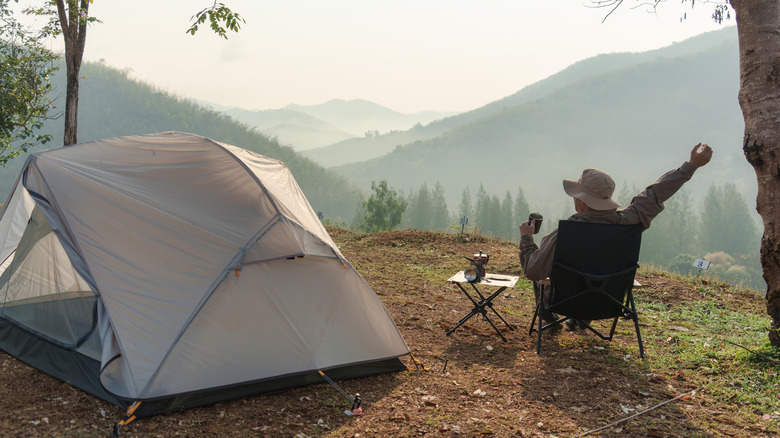
The moment you reach a mountain summit that you climbed all by yourself is indescribable. But what helps along the way is no one else's pace to match and no one else's turnaround time to consider. When you're on your own, you can set a rhythm that's entirely yours — and there's no need to apologize if you want a few more minutes at the viewpoint. When you travel alone, you also get satisfaction from navigating chaotic markets yourself. Then there's that quiet pride when you catch three trains across two countries in a single day. Solo travel hands you a string of challenges, and when they become achievements, they belong to you and no one else.
Traveling alone means every choice is yours. Every detour, every risk, every meal choice. But everyone needs advice on how to do it properly, and who better to issue that advice than someone who has been there, seen that, and done it across dozens of countries? There aren't many people in a better position to offer advice on solo travel than Rick Steves. He has spent decades giving out travel tips, and that time has taught him what separates a successful solo trip from a failed attempt. Best of all, he parts with his advice in a way that turns solo travel from something daunting into something quite doable.
But while Rick Steves' advice is the backbone of this article, we've also looked to other reputable sources. A couple of decades' worth of personal solo travel by the author has also helped to develop things a bit more. But without straying too far from Steves' core recommendations, here are 10 tips that will almost certainly help solo tourists travel to the fullest.
Project confidence
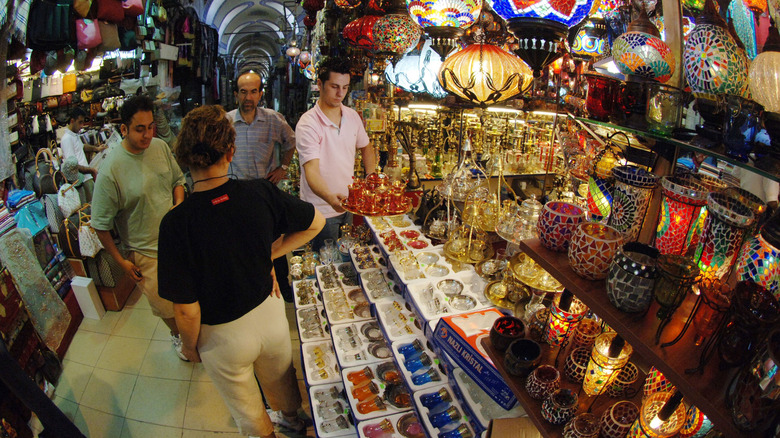
One of the best tips Rick Steves gives to solo travelers is simple but powerful. He says you need to "walk purposefully with your head up; look like you know where you're going, even when you don't." In short, project confidence. A big part of pulling that off is learning to enjoy your own company, and that's because when you're at ease with yourself, it shows. Dr. Charlotte Russell adds to this on The Travel Psychologist, where she says, "a balanced sense of confidence is often viewed as an attractive trait and can put others at ease."
Solo travel will repeatedly put you in unfamiliar situations, which can give your mental health a boost. Each time you successfully get through one of those situations, your comfort zone will widen. This, in turn, builds the kind of confidence that sticks long after your trip has ended. Preparation certainly helps make this possible in practice. Rick Steves suggests discreetly carrying a map and guidebook, but you can step it up a little here with Google Maps on your phone and the Google voice whispering directions in your ear. That way you're looking less like a tourist and navigating like a local. Google Translate can replace the phrasebook, unless the charm of that battered old linguistic lifeline is something you cherish.
But you might want to build that confidence gradually. Going straight from Nebraska to downtown Delhi on your first solo trip is more likely to knock your confidence than build it. To avoid being overwhelmed, start somewhere that stretches you just a little rather than jumping in at the deep end.
Use your accommodation to meet people

"If you stay in hostels, you'll have a built-in family," is what Rick Steves says. Once seen as the exclusive domain of youth, hostels now welcome travelers of all ages — and the communal setup on offer means even if you arrive as a stranger, you will leave with a ready-made social circle. There are many ways to make the most of your stay in a hostel. The kitchen alone is an excellent meeting spot. Of course, you can just cook there, but after sharing your food and secret recipes, you'll make instant companions.
Ordinary moments like sharing a table over morning coffee lead to natural conversations. In the dormitory, small talk naturally unfolds, but not everyone likes sharing a sleeping space. If this is you, you'll be happy to know that many hostels offer excellent private rooms. This enables you to have your own space without giving up the social aspect of hostel life. These private rooms cost more than a dorm bed, but they are usually cheaper or at least equal in price to a budget hotel.
If you're just not a hostel person, guesthouses, B&Bs, and homestays are quieter alternatives. Hosts tend to genuinely engage with their guests, and when a handful of travelers sit down at the breakfast table together, conversation usually ensues. For something entirely different, Servas and Couchsurfing both connect travelers with locals looking to host. Servas requires references, an interview, and an annual fee to join, making it the more vetted of the two. Couchsurfing also offers local hosts, but its user numbers have thinned out since it became a paid service in 2020.
Connect with fellow travelers
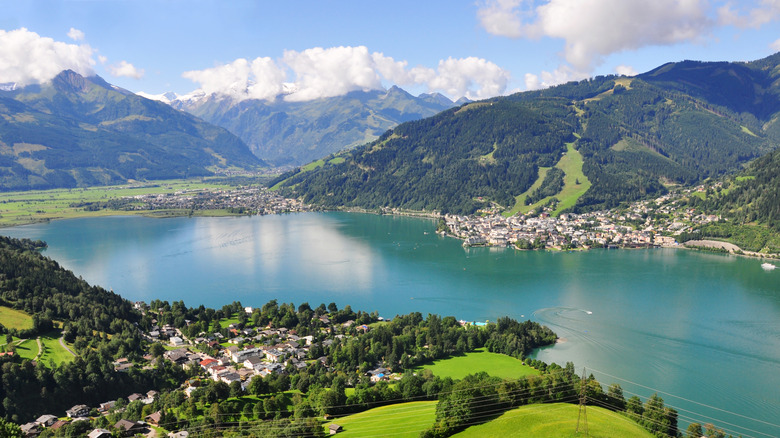
Where you sleep is just the start of endless opportunities to connect with other travelers. In fact, solo travel constantly connects you with others. The only real requirement from you is to be open to it. Before you've even left home, Rick Steves recommends you "use your social media connections to find out if anyone you know has friends or family in the destinations that you'll be visiting, then drop them a note about your upcoming trip." If that doesn't yield results, sites like Meetup or travel and expat groups on Facebook are also worth exploring before you land. They'll connect you with events and like-minded people at many destinations.
But once you're out there, the social side of solo travel tends to take care of itself, anyway. Forbes travel contributor Wendy Altschuler describes solo travel as being "a social phenomenon." She points out that "you only have to be alone-alone if you choose to be." This is partly down to the fact that traveling alone actually makes you more approachable than a couple or a group — and the opportunities are everywhere.
Food and walking tours, cooking classes, bus and train journeys, and even those communal restaurant tables that are becoming increasingly popular all put you alongside people worth talking to. If you're a little shy, there are simpler ways to strike up a conversation. For example, when you see someone struggling to compose a photo of themself, Steves says, "Cameras are good icebreakers, even in our selfie era — offer to take someone's picture with their device."
Connect with locals
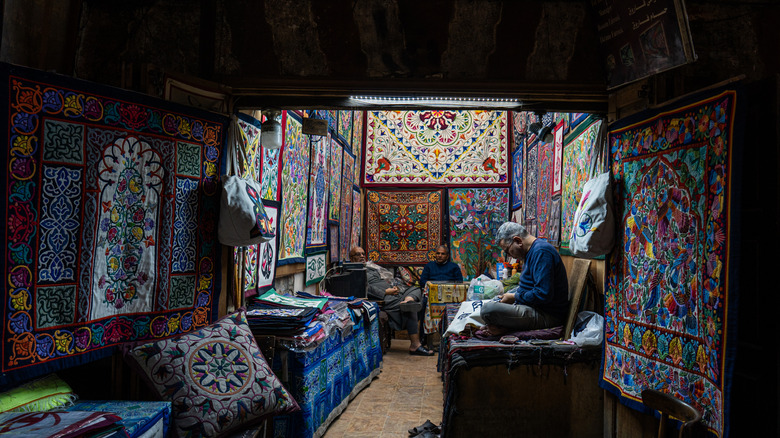
"It is one thing to see a destination. It is quite another to understand it from a local's perspective," says Janice Waugh on the solo travel specialist website Solo Traveler. Connecting with locals helps you scratch the surface of a place in a way that no tourist site ever can. Rick Steves is also a great believer in this, and he's sure it's much simpler than you might think. He points out that "if you play peek-a-boo with a baby or fold an origami bird for a kid, you'll make friends with the parents as well as the child." Other simple methods include returning to the same café or restaurant every day. The staff will soon recognize you, and what began as a daily transaction soon becomes something warmer.
Greeter programs are something worth knowing about. This is where locals volunteer their free time to show travelers around their city for an hour or two. The International Greeter Association lists programs worldwide, and they are completely free of charge. EatWith is another interesting platform for meeting locals. It connects you with hosts who open up their homes and cook for groups of travelers. Things like cooking classes and food tours are also on offer. Other organizations worth exploring are Workaway and Worldpackers, which put you alongside locals and fellow travelers who want to volunteer and work toward something worthwhile.
Make dining an experience
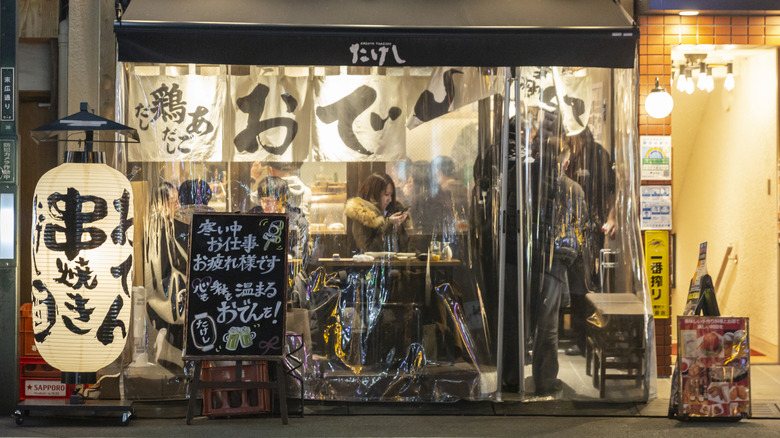
Solo travelers will be happy to know that dining alone barely raises an eyebrow in most places. Rick Steves is particularly reassuring about his favorite continent. He says, "dining solo is as common in Europe as it is in the U.S., and you'll rarely stand out as you sit down alone." If eating by yourself is something you're not used to, he recommends getting accustomed to it before you leave. Steves suggests finding a restaurant near home and eating there by yourself a few times to get used to the feeling. You'll likely be more comfortable with your phone to keep you occupied or a book to read at first. But restaurant critic Michael Harden, writing for Gourmet Traveller, says, "the more you do it, the less crutches you need."
Dining out in the evening with new friends is a huge part of solo travel, too. In fact, many dishes around the world are designed to be shared, from fondue in Switzerland to hotpot across Asia. If you haven't yet met your new travel buddies, Steves suggests seeking out "places so crowded and popular that all the tables are shared, or ask other single travelers if they'd like to join you." Western-style bars are a strong option, too, especially if you are craving creature comforts from home. Whether you're in Milan or Madagascar, an Irish bar or a familiar Western spot is rarely far away. They are less formal than a restaurant table and easier to fall into conversations with other customers. On the other hand, should you be perfectly comfortable dining alone, why not take things up a level and seek out more unique places to eat while on vacation?
Embrace the evenings
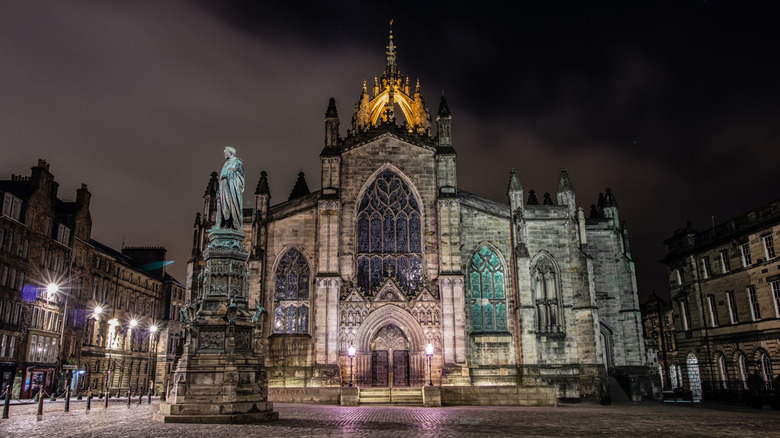
Rick Steves is always encouraging solo travelers to go out after dark. He says you need to "experience the magic of cities at night, at least in places like Europe, where city centers are largely safe and welcoming." The key word here is largely. Before heading out, you should already know which parts of the city you are in are safe at night. Solo female travelers should pay particular attention and do some research before arriving. But once you know where you're going, a solo traveler with a free evening and nobody else to keep happy is in a strong position. You'll have the freedom to do exactly what you want, and that is simply one of the greatest advantages of traveling alone.
Getting out at night lets you see a different side of a city compared to what the daytime hides. Evening tours like a river cruise along the Seine or a ghost walk in Edinburgh or other spooky U.K. destinations put you alongside other travelers. Evening concerts and traditional dance performances are also perfectly natural things to attend alone. In fact, single tickets can often be easier to buy if the show is selling out fast. Night markets and local festivals are also worth tracking down. Desk staff will usually know where to find them, or a quick search online can reveal plenty more.
Janice Waugh at Solo Traveler underscores the point that where you stay is important and can lead to evening-time success. She says, "Great evenings often materialize based on your accommodation. Choose a social environment, and you likely won't be bored." However, for those who'd rather stay indoors, Rick Steves has the answer: "Get a room with a balcony overlooking a square. You'll have a front-row seat to the best show in town."
Read novels set in the country you're visiting

Rick Steves doesn't expand much on this one, but his message is clear: "Read novels set in the country you're visiting." Solo travelers are particularly well placed to make the most of this. Nobody to negotiate with on a daily basis means more time for bookworms to read by the pool. Johnny Prince, co-founder and CEO of Timbuktu, which was voted the world's No. 1 tour operator by Travel + Leisure in 2024, told Reader's Digest: "We have undoubtedly seen a shift away from passive sightseeing toward more meaningful, narrative-led travel. People are looking for context to their trips, and books provide one of the most powerful entry points into understanding a destination."
There are destinations to visit for fans of every book genre, and getting stuck into one undoubtedly adds something no guidebook ever can. The streets, the buildings, the atmosphere — they all take on new meaning when you're actually there. You'll be looking out for tucked-away churches, quiet side streets, and architectural details you would have otherwise missed. Reader's Digest recommends keeping your reading and your exploring separate. Go out first, then come back to the book, or read in the evening and let it shape the next day. That following day could well turn into a treasure hunt densely packed with discovery. Any lingering loneliness will barely get a look in.
Travel at your own pace
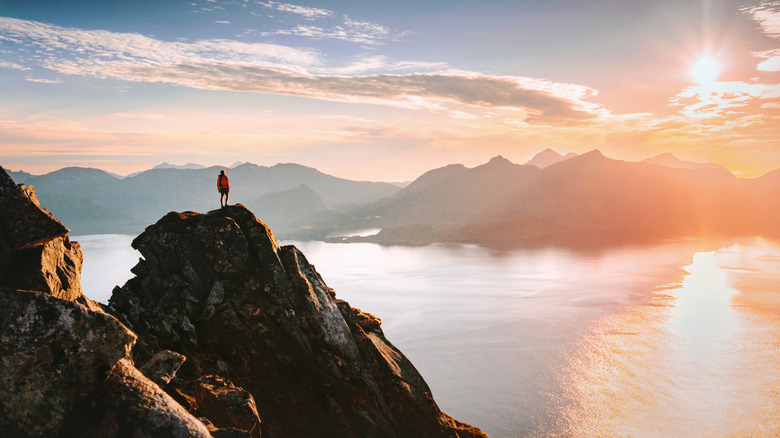
Nobody to worry about and no one to wait on, or as Rick Steves says, "You go where you want, when you want, and you can get the heck out of that stuffy museum when all the Monets start to blur together." When traveling with others, you can get caught up in group dynamics. You worry about getting along or fret over whether someone really meant it when they said they were enjoying themselves. This can lead to you missing out on what's happening around you. Traveling alone simply cuts out the noise and keeps you tuned in.
There's no compromise on where to sit down for a meal, when to stop for a coffee, or exactly when it's time to treat yourself. It also leaves space for spontaneity because a solo traveler can change direction on a whim in a way that's almost impossible when traveling with others. And it's those unplanned moments that often turn out to be the best ones. Julie Weed at the New York Times goes as far as saying that this freedom "can feel as intoxicating as a tropical breeze." She's not wrong. Without anyone else to focus on, you'll notice more, you'll think clearly, and you'll almost certainly end up learning as much about yourself as you do the places you visit.
Stay safe
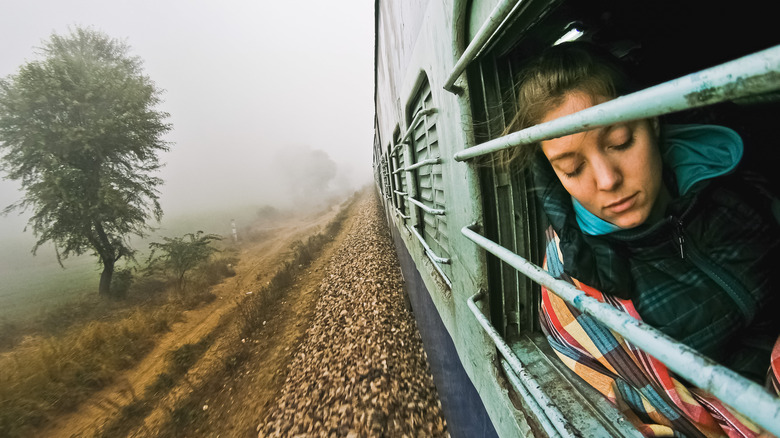
Solo travel asks a little more from you in terms of staying safe. Some destinations require serious research before you go — parts of the world certainly carry risks beyond basic street awareness. However, some preparation and a little common sense will have you covered in the majority of places. Rick Steves says you need to "trust your gut. If a situation or locale doesn't feel right, leave. It is better to be safe than sorry." But he also says you shouldn't hesitate to ask for help if you need it because "you'll often discover that the locals are looking out for you."
If you've turned a wrong corner and find yourself in a sketchy part of town, pop in an earbud and let your map app guide you out. If you don't want to get your phone out on the street, find a store or a café and figure out your next move. Ordering a taxi from where you are could prove to be the smart move, so make sure your phone is loaded with local taxi apps. If you decide to hail one down, read these safety tips you need to know first.
For women specifically, safety depends heavily on your destination. Many places in Europe and most of Asia are generally welcoming, although basic awareness always applies. Places like India or Egypt may invite extra research and caution. If someone asks, "There's no need to tell anyone that you're traveling alone or disclose your relationship status. Lie unhesitatingly," is what Rick Steves advises. If it's a travel day, he also believes arriving at your destination in daylight is a no-brainer. You might want to avoid a late-night departure, too.
Pack light
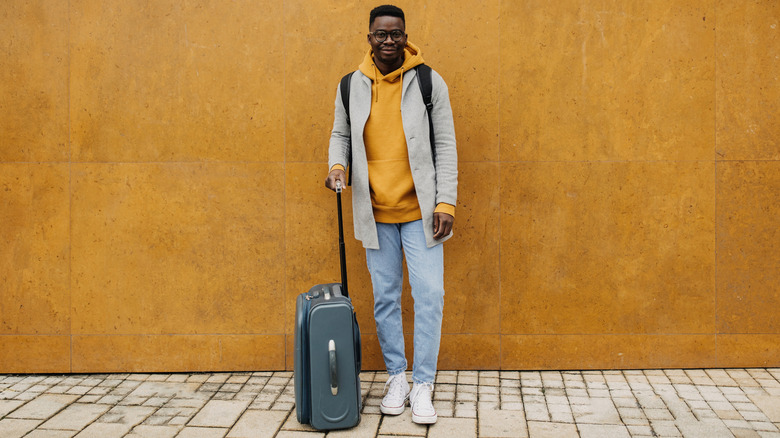
Rick Steves swears by packing light to the point that he insists on traveling with one piece of carry-on luggage and nothing more. He sets his own weight limit at 20 pounds, and it doesn't change, no matter if he's on a three-week trip or a full season away. He says, "With only one bag, you're mobile and in control." Doing it this way not only keeps the weight down, but it also means your bag is in your possession at all times. It can't go missing during transit, and there's nothing an airline can damage. However, it is worth checking with your airline first; weight limits for carry-on luggage are not universal.
You might not find this approach realistic, but even if you do take checked-in luggage with you, it's still easy to pack light. Fewer items, worn more often, with laundry done along the way is another practical method to keep the weight down. Pack roughly a week's worth of clothes and rely on laundromats or your accommodation to wash them. Forbes contributor Geoffrey Morrison offers a simple gut check to find out if you have overpacked your bag. He says, "If you can't lift it easily, you've packed too much."
That said, you could be traveling across different climates, say, from Mexico up to Alaska or jumping from the heat of Australia to the cooler temperatures of New Zealand. Even traveling the entirety of the U.K. in summer means leaving the heat of London behind for the cool, rainy climes of Scotland. Packing for the first destination's climate, then buying what you need along the way, means you don't have to carry everything with you through that initial destination.