
11 Biggest Things That Surprise American Tourists When Visiting Italy
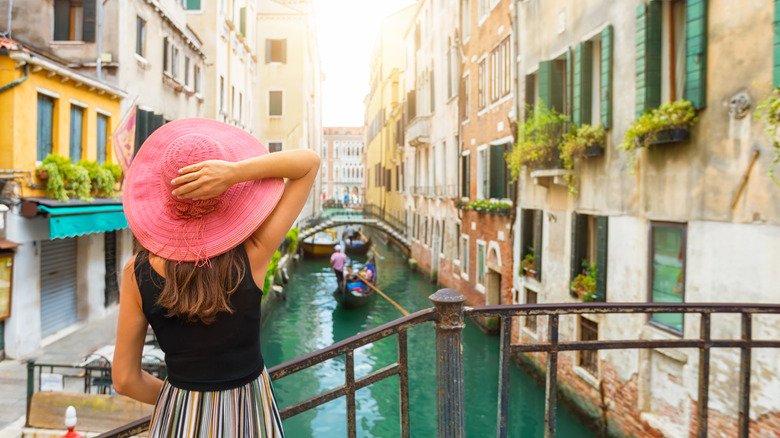
Most Americans have envisioned their dream trip to Italy a million times in their mind. Out of all the amazing places to visit in Europe, Fortune ranked Italy as the third most popular EU destination for U.S. travelers (behind the U.K. and France) in 2024 and the country has remained consistently popular for millions of Americans in the last few years. However, once travelers actually step foot in the country, it can oftentimes be a very different experience than what they've built up in their heads.
Despite Americans being somewhat familiar with Italian life from movies and TV, these two cultures contrast in a lot of interesting ways, including little things like the way food is served, or bigger stuff such as finding it difficult to come across fluent English speakers outside of big cities. That said, the Islands team wanted to fully illuminate which of these unexpected things tend to be most jarring for U.S. travelers.
First, we read through blogs and accounts from travel experts online, as well as mega-threads on Reddit such as r/AskAnAmerican, wherein people discussed cultural and lifestyle differences they unexpectedly encountered in Italy. Once we rounded up a solid list of key distinctions, we dug deeper online to learn more about real travelers' detailed experiences with these potentially shocking contrasts. Additionally, the writer pulled on her own experience as an American traveler who has visited Italy before. If you're looking for a heads up about the stuff that might surprise you on your trip to Italy, you've made it to the right place.
1. Public transportation is a little more normalized
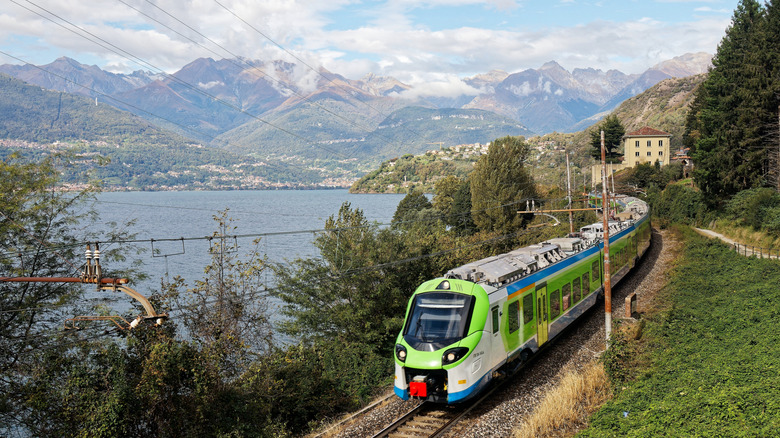
Think about how long and strenuous it would be to rely on public transportation during a multi-state trip around the U.S. Taking a train from New York to Florida, for instance, takes nearly 20 hours. This pushes most people to book a pricey flight instead in order to save time while traveling around the U.S. However, it's actually way more achievable to skip flying and get around Italy on public transportation when you're on vacation.
While it would take eons to get around America by train (or even by car), you can feasibly go between Italy's major cities from top to bottom by using the country's excellent public transportation system — even on a trip with limited time. Beyond the fact that public transportation there is pretty affordable and efficient, Italy is similar in size (running north-south) to the state of California on the whole. Geographically, this makes it much more manageable to get around than if you were traveling through multiple U.S. states.
I myself took the train from Milan all the way to Naples and the entire journey took less than five hours. This can surprise a lot of Americans who think they may need to book flights to get everywhere or only visit one city exclusively during their time in the country. Most people recommend using TrenItalia to book your tickets, and this is exactly what I did on my trip. One individual in r/ItalyTravel explained how the system works, writing, "Book through their official apps, not through third party resellers. These trains usually get more expensive the closer to your travel date you book. Local trains are fixed price and tickets can also be bought through the Trenitalia app until a few minutes before departure."
2. There are rules when it comes to ordering coffee
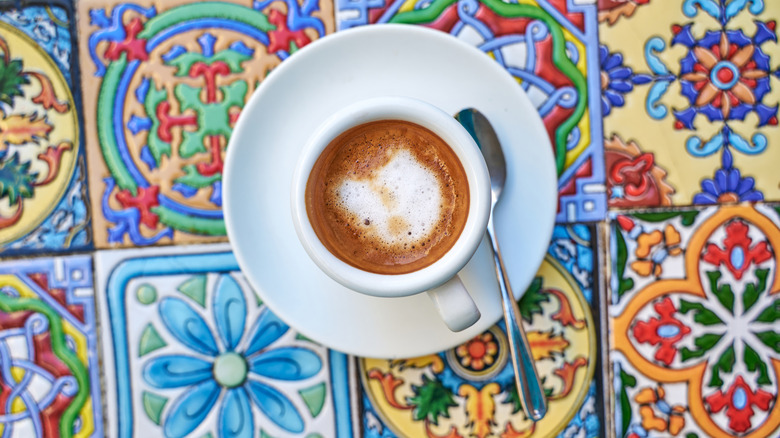
After awakening on your very first morning in Italy, the thing you're likely craving most is a rich cup of coffee. But the Italian coffee experience is going to be a bit different than what you're used to in the United States. There are actually quite a few unspoken rules at Italian coffee bars that American tourists tend to break immediately.
The first one that catches folks off guard is that you're only supposed to order a cappuccino at certain times of day. While you can order this particular drink as long as the café doors are open in the U.S., these are really only a thing in Italy in the morning before 11 a.m. This is because the Italians believe that drinking milk later in the day (once you've already eaten a bunch of food) has a negative impact on your digestion.
Another aspect of the coffee culture that surprises Americans when they're ordering at a café is that it's much more difficult to find iced coffee in Italy. Going up to a barista to request an iced latte or similar will probably get you a befuddled look in return — unless the place caters to a lot of tourists. With that being said, one person provided an awesome hack in r/ItalyExpat for anyone who can't live without a cold coffee on their trip, explaining, "Ask for a 'shakerato' ... when you go into a bar its basically iced coffee. Or if you like almond milk try a 'leccese'."
3. Pizza doesn't usually come cut into slices

As a New Yorker, I am very familiar with the experience of getting a delicious pizza pie, and yet I was still slightly surprised when I looked down at the table during my first meal in Italy. It looked absolutely incredible, but it was completely unsliced and simply came with a pair of scissors on the side for me to do my own shearing. The truth is, a pre-cut pizza is actually a bit of a rarity in Italy and they'll usually just provide scissors or a regular fork and knife for you to finish off the task.
The lack of slicing wasn't the only thing that surprised me about Italian pizza either. I've visited many of the most delicious pizza places in New York and these Italian pies were quite different from the American ones I'd eaten all my life. One individual broke down the major differences well in r/NoStupidQuestions, saying, "Italian tends to be lighter, thinner, and uses fresh ingredients like crushed tomatoes and buffalo mozz. American style is usually heavier, doughier, has a cooked sauce, and uses way more cheese and toppings." According to Contento Italiano, these ultra-fresh toppings are one of the main reasons why you don't get your pizza sliced in Italy, because otherwise they'd just be dripping all over the place.
4. Aperitivo is taken seriously

Some of the "shocks" for Americans in Italy can actually be very pleasant, such as discovering the beloved tradition of the aperitivo. This is a super fun tradition in Italy where you can order a drink — usually a light cocktail like an Aperol spritz or a glass of wine — during a specific window of time in the early evening (after lunch but before dinner). The best part? Drinks come with a bunch of yummy finger foods on the side. One person described this beautifully in r/Europe by saying, "In Italy, food and drink is celebrated and appreciated not just as something that helps you survive but something that connects us socially. This is why I love aperitivo. It is a simple ritual of getting together and opening up."
As the Redditor illuminated, this is partly just a lovely way people socialize here, but it also serves as a practical choice to aid in digestion and make sure there's not too big of a gap between lunch and dinner. In addition to getting in touch with the local culture, aperitivo can be an easy hack to stay on budget while vacationing because you typically get to eat and drink for around €10 (essentially the cost of your drink, in most cases). If you're looking to take advantage of the beauty of aperitivo, you can find it offered at lots of Italian restaurants from 7 p.m. to 9 p.m. As an American, this is the type of surprise you can't miss out on in Italy. And if you don't drink, it's also perfectly acceptable to order something without alcohol like chinotto.
5. Dinner time is later

Many people don't realize it, but our bodies become quietly attuned to certain routines over the course of our lifetime. If that routine has largely taken place in the United States, then you'll probably be thrown a curveball when it comes to dinner time in Italy. According to Flowing Data, the average American gets hungry for dinner around approximately 6:19 p.m. every day, but Italians don't start getting rumblings of hunger until much later.
Generally, Italians don't start getting ready to eat dinner until 8 or 8:30 p.m. — sometimes even later. This can be a twist for visitors from the U.S. when they're checking restaurant opening times and making reservations. However, this discrepancy in dining time can also be a benefit for travelers who want to skip out on the dinner chaos that happens from 8 p.m. onward. As one person in r/ItalyTravel said, "If you want to avoid the crowd 19:00 is a perfect time for dinner." So, this particular cultural difference between Italians and Americans may end up being a blessing in disguise. Just make sure the restaurant's service hours align with your preferred meal times because some establishments might close between lunch and dinner.
6. Air conditioning and dryers are not always available
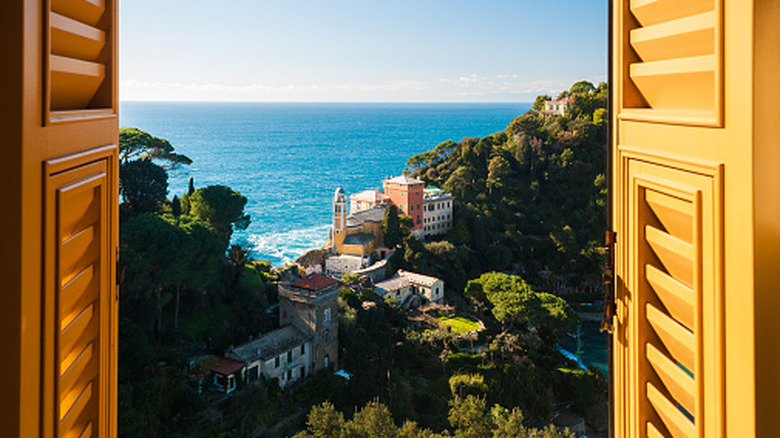
The United States Census Bureau recently found that about 90% of U.S. homes have air conditioning, however, they are nowhere near as common in Italy. While they're definitely becoming much more normalized these days, the European philosophy around air conditioning is that it's more of a big indulgence. One person put it well in r/NoStupidQuestions, writing, "Electricity is often much more expensive than it is in America, and the air con units are also very pricey (although they're coming down every year)." Be prepared to open a window if you need a breeze.
According to the National Research Council's Institute for BioEconomy (via Reuters), Italy just experienced the hottest summers in over 75 years in 2026 with an average temperature of around 75.7 degrees Fahrenheit. Still, you still won't find nearly as many air conditioners in your hotel rooms or restaurants to ease that burden. Although, more Italian residences are getting these handy appliances and EuroNews says that Italy actually does use the most AC out of any other country in the European Union country.
Another gadget that many Americans assume will be available to them in Italy (but most likely won't be) is a clothes dryer. Italians avoid investing in one because they're also very expensive. One local explained how they manage without a dryer in r/ItalyTravel, stating, "Clothes lines both inside the house and outside when the weather is nice. I use dry cleaners or laundromats for large items that need a dryer." If you are blessed with a dryer in your accommodation, keep in mind that it might be smaller and take longer to get your clothes fully dry.
7. The cultural experience can vary from city to city
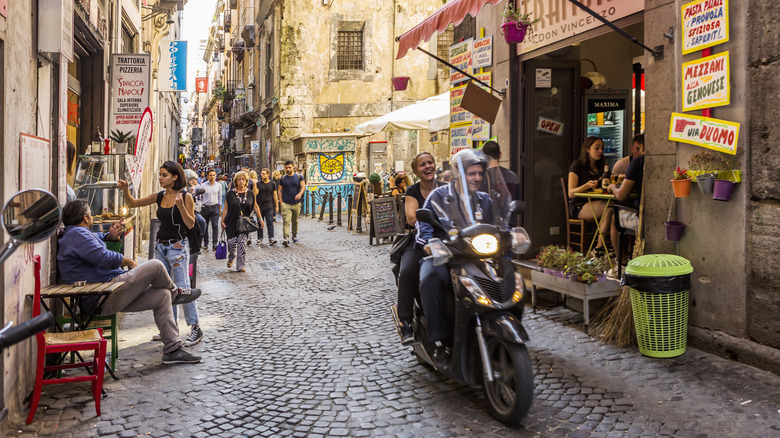
Since it's such a popular place for Americans to visit, tourists can have a lot of subconscious, preconceived notions about Italy before they arrive in the country. It's understandable to fantasize about what the country might be like, but try not to picture it too definitively — the truth is that it's actually extremely diverse. There are hundreds of cities across Italy and all of them are quite unique from one another. In r/Europetravel, someone described a small subset of the assorted destination options available in Italy, explaining, "Bologna is known for amazing food. Milan isn't the prettiest city (more of a NYC vibe) but it's sophisticated, has great shopping, and everything works like the metro system. Turin is underrated. I could go on but you get the picture."
There are places in Italy where you can escape into the mountains or visit world-class museums in bustling cities — you just need to know what you're getting yourself into. There are all types of amazing attractions that you can't skip in Florence, but they're nothing like the experience or sites you'll get if you visit Naples or the Amalfi Coast. This can be a huge shocker for visitors if they haven't done their research and arrive thinking they're getting something else. For instance, many people have complained about the grittiness of Naples, but adjusting your expectations and visiting for the right reasons can help you enjoy this vibrant city all the more. You can't expect the same experiences from different regions — so choose one that's right for you.
8. Public restrooms are very different (and cost money)
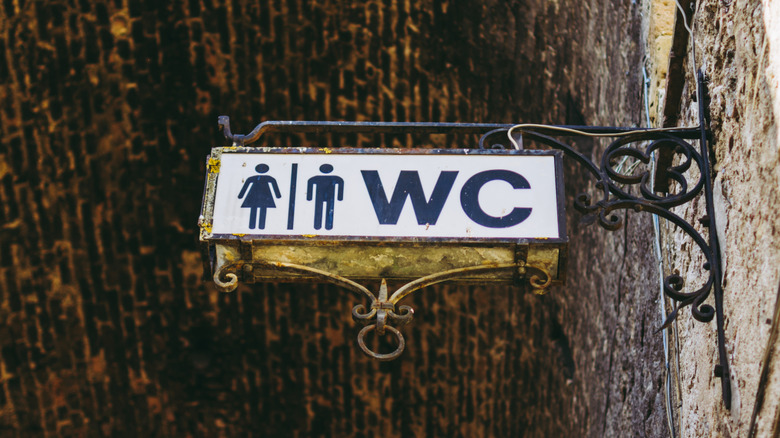
It's bound to happen at some point: You're enjoying yourself wandering around the beautiful streets of Italy and that's when you realize all of a sudden that you have to use the bathroom. Many places in America offer restrooms to the public in a pinch, but these may be a bit more difficult to find in Italy. In addition, there's a good chance that they may charge a small cash fee of about €1 or less to use the facilities when you do find a public bathroom, which is pretty much unheard of in the United States.
Another thing that can be a bit surprising for Americans using the toilet on their Italy trip is that the bathroom standards can be a little different. As one person explained in r/ItalyTravel, "Just be prepared for a complete lack of toilet seats unless you're in a nice restaurant or tourist site. Italians apparently just hover everywhere. Not great for the elderly or people with bad knees." However, there are savvy ways to make things easier. For instance, someone on another post in r/ItalyTravel recommended taking advantage of the bathrooms at tourist attractions like museums and historic sites because they can be more well-maintained than random public restrooms. Pro tip: Carry some light tissues with you just in case the bathroom isn't well stocked.
9. Religion is very important in Italy
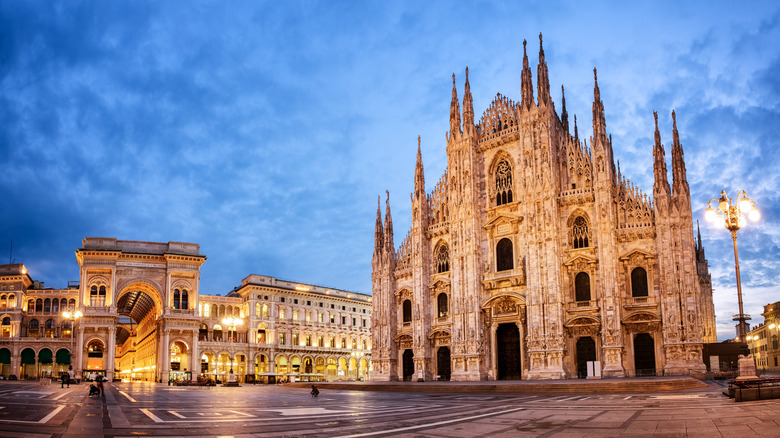
There are actually quite a few unwritten rules to know before visiting Italy and a good chunk of them revolve around how you should behave when you're visiting the country's churches. It's easy to feel the massive religious presence throughout Italy, even as a visitor. While there are religious hubs around the United States, it isn't as overarching as the vibe in Italy. After all, many of the largest Italian tourist attractions are religious sites like the Duomo di Milano and St. Peter's Basilica. Frankly, you can find some of the best art in the country within its churches.
While it's highly recommended for visitors to check out these places on a trip to Italy, it's important to act respectfully as well. One individual put the expectation bluntly in r/ItalyTravel, saying, "Out of respect to the culture in which we are visitors, all knees and shoulders should be covered in all churches. It baffles me that this seems to be such a difficult concept." Having this type of dress code for tourist sites might seem a little strange for Americans (especially in the summer), but it's best to just follow it since you're a guest in the country.
Another way that the religious undertones may surprise visitors is that there are several holidays throughout the year that aren't really a thing in the United States. Some of these include the Feast of Saint Agatha and the Assumption of Mary. Make sure to check a calendar of religious holidays in Italy before your vacation to ensure you're not stumbling into the experience unprepared. If your trip does align with a major holiday or festival, it can be an interesting cultural treat as well.
10. It can be incredibly crowded, especially in high season
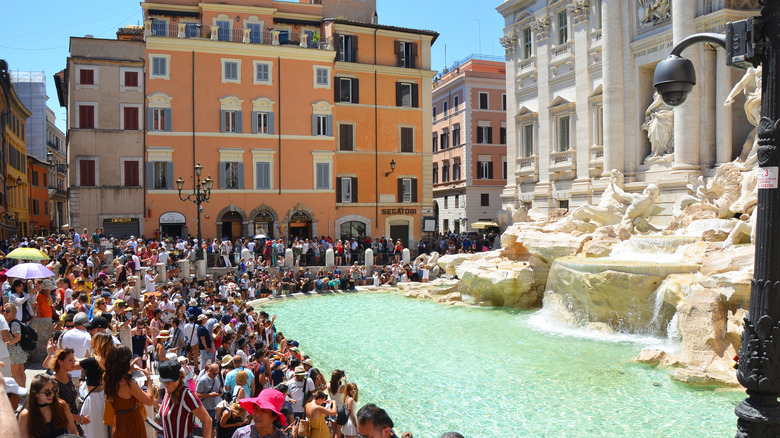
Did you know that, according to the Alliance of Mediterranean News Agencies (AMAN), around 185 million people from around the globe visited Italy just in 2025? That's an enormous influx of people on top of the 58 million Italian residents who already live there. With all these bodies trying to roam around the same limited space, Italy can feel extremely crowded and many visitors are pretty amazed by how packed it can be.
This is particularly true during Italy's high summer season from roughly May through July. Even if you know how popular Italy is, it can still be a bit shocking to see the wild peak season craze with your own eyes. Luckily, there are certain work-arounds that can help you handle or avoid the crowds with a little bit of smart planning. One individual made a really well-rounded suggestion in r/ItalyTravel, saying to "either pick places tourists do not flock to if you can't stomach crowds, plan your days for very EARLY or LATE sightseeing to minimize being around the crowds, or go in the 'off season' (which doesn't really exist anymore, but winter months will still have LESS crowds than the spring, Summer, and early fall)." You can also minimize crowds by choosing less-frequented cities, but just know that these come with their own sets of challenges as well.
11. English is less common than in other EU countries

Quite a few destinations in Europe are fairly simple for Americans to navigate because a good portion of the population speaks English, but the language is nowhere near as popular in Italy. As of 2024, around 28% of the Italian population speaks English fluently. Even though that sounds like a fair amount of the people living there, this percentage is mostly concentrated in larger cities and it will still probably be tough to hold extensive conversations with people.
One person said it plainly in r/Italian, writing, "In Milan you're more likely to find English speaking people, especially younger ones, but it still won't be super common and it probably depends on what level you want to connect at." Compared to other places in the EU, the limited English can be pretty stunning to American visitors and it's a smart idea to brush up on a few key Italian phrases that you might need to use as a visitor. Even just having a few simple things like "thank you" ("grazie") and "excuse me" ("mi scusi") under your belt can make you feel more at home in Italy.