
Unwritten Rules American Tourists Break When Visiting Venice
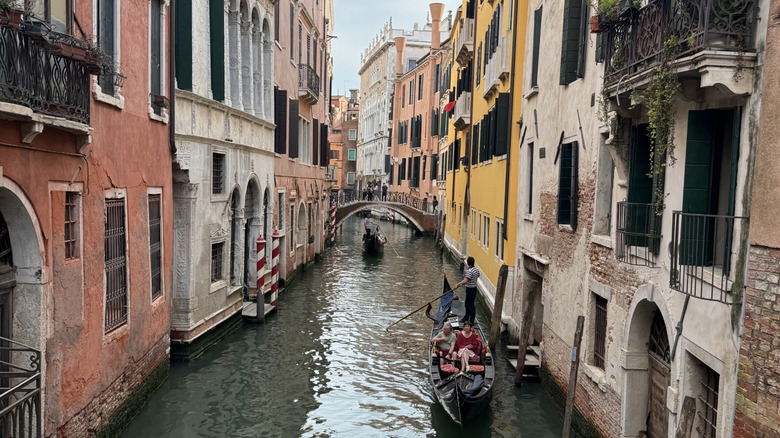
In 2024 alone, Venice, Italy welcomed nearly 6 million tourists who came to enjoy its legendary canals and vibrant culture. However, it's historic city center (excluding mainland Venice and its lagoon islands) also a place where about 49,000 everyday people live, work, and go about their daily lives. Since the 5th century, Venice has been cultivating a rich history, and many of its traditions date back to long before mass tourism existed. Even today, there are parts of Venice that fly under the radar. We've even rounded up some of Rick Steves' most underrated and intriguing sites in the past.
It's important to be respectful of Venetian culture when visiting this legendary city with canals for streets. Here, we'll look at nine unwritten rules American tourists break when visiting Venice, and explain how avoiding these missteps can lead to a more authentic experience. It is a widely held belief that Venice is among the world's most magical destinations, and the best way to experience it to the fullest is to assimilate with the Venetian way of life as best you can during your stay.
To compile this guide, we turned to guidance from various tour agencies like VV Tours and Colosseum and Vatican Tours, firsthand accounts from people on Reddit, Facebook, and Tripadvisor, and blogs like Kinda Boring Travels. Smithsonian Magazine provided select details. I also relied on personal knowledge from my own experiences visiting Venice in both 2024 and 2025.
They stop in the middle of narrow calli and sotoporteghi
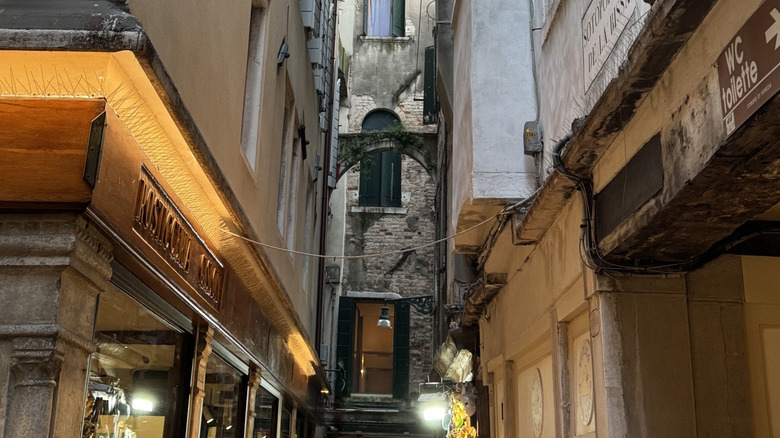
Venice famously lacks traditional sidewalks. Instead, pedestrians walk on narrow calli, or walkways, and covered passages known as sotoporteghi. Anyone in the city who is not traveling by boat must use this network of pathways to get from point A to point B. For those who reside in Venice, calli are an important part of daily life. If the canals are what highways are in traditional cities, calli are simultaneously commuter routes and neighborhood streets. You wouldn't simply stop in the middle of the street in an American city, so you shouldn't stop in the middle of a calle (the singular version of calli) either.
Visitors sometimes forget that calli allow locals to run errands, get to and from work, pick up their children from school, and accomplish other everyday tasks. They are not just there to provide atmosphere. Thus, if you pause in the middle of a calle (the singular word for calli) to take pictures, check your map app, or wait for the rest of your group to catch up, you could be creating a bottleneck for local residents who have things to do. In a city with conventional sidewalks, people could simply walk around you, but many of Venice's calli are too narrow to comfortably pass others.
The narrowest passage in the city is Calle Varisco, which is only just over 19 inches wide! If you get lost and need to momentarily stop on a calle, scoot as close to the wall as you can. Ideally, you should finish walking through the calle first, then halt to collect yourself in the next campo, or public square, you come to. American tourists should also walk in single file lines to allow for optimum calli traffic flow.
They don't board vaporetti properly
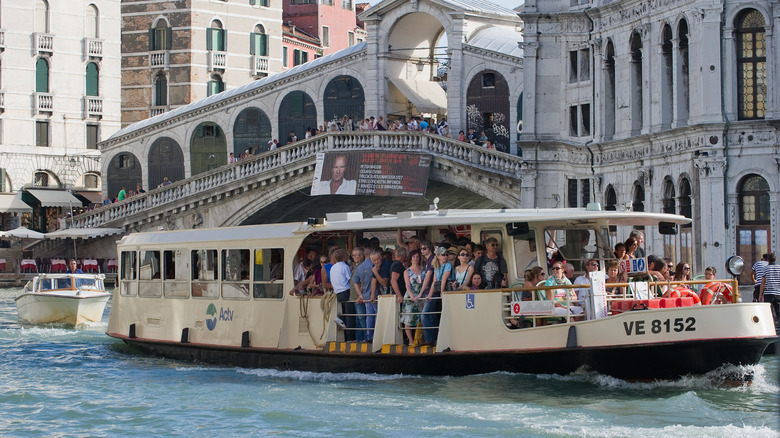
Venice's vaporetti offer gorgeous views of the Grand Canal, but it's important to remember that they are not sightseeing cruises. Rather, these water buses, which just happen to be the among the cheapest ways to get around Venice, serve as the foundation of the city's public transit system. People who need to travel too far to walk to work, school, or another engagement board a vaporetto instead. Passengers should, therefore, follow the same basic etiquette that they would adhere to on any train, subway, or city bus on land.
Since we're dealing with watercraft here, some etiquette might not be entirely familiar to American tourists. First, as James at Kinda Boring Travels notes, the "people disembarking will leave first then the mate will signal for boarders to come forward onto the Vaporetto." Do not rush the boarding gate, as you could cause people to stumble or fall since the water taxi will be bobbing and swaying! Then, once you're onboard, it is kind to move as far forward as possible so other passengers won't run into you while they are boarding.
Suitcases and other luggage should be stowed in labeled storage areas on vaporetti. Never place your items in an empty seat that someone may need. Additionally, as you would on any public bus, be aware of those who may need accommodations. People traveling in wheelchairs are able to purchase a 75-minute vaporetti transit ticket, so be aware if you need to move to create space. If you prefer a more private experience, there are situations in which it's better to book a water taxi rather than board a vaporetto. For example, for traveling to and from the airport if you have a lot of luggage.
They use bridge rails and monuments as picnic tables
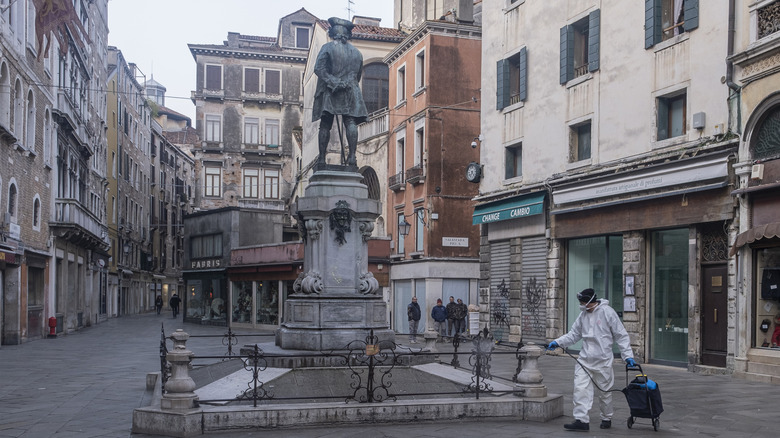
After purchasing a slice of pizza, a sandwich, or another takeaway meal in Venice, your immediate inclination may be to sit on the nearest set of historic stone steps to dine or to use a close-by bridge rail as a table. While this is not at all out of place in American cities like New York or Chicago, it is deeply frowned upon in Venice. Here, historic structures are not considered appropriate places to eat a quick bite.
Many bridges, steps, monuments, canal banks, and acqua alta walkways are considered part of the city's critical infrastructure. The city takes eating in the "wrong" place so seriously, in fact, that the Venice City Council Municipal Police can and will impose a fine of €100 to €200 (about $112 to $224) for sitting on the ground or any protected infrastructure while consuming a meal. Fines can be even steeper defending on the offense. In a 2019 situation, a German couple was barred from visiting Venice and charged €950 ($1,064) for brewing coffee on the iconic Rialto Bridge (via BBC News).
In addition to the potential legal ramifications, Venetians often find this behavior distasteful because people stopping to eat can block traffic flow through congested areas. Due to its design, which is can seem like an M.C. Escher drawing once you're navigating it, open space is at a premium in Venice. People spreading out their meals like they're having a public picnic is simply not polite to others who are simply trying to go about their days.
They misunderstand bacari etiquette
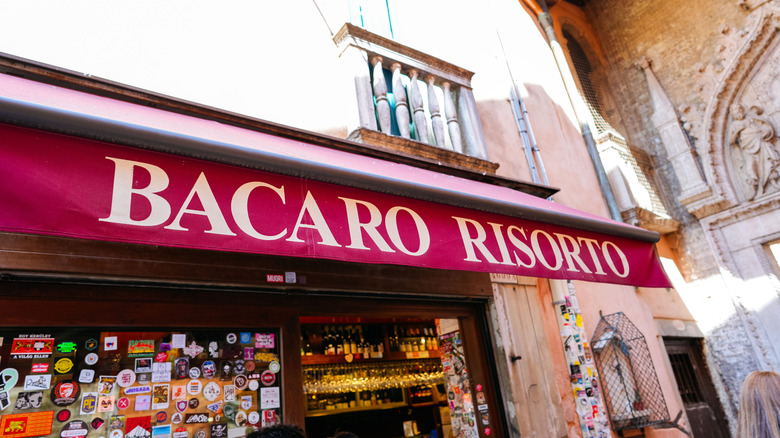
According to historical record, the first Venetian bacaro opened in 1869, and these small wine bars have been ingrained in local culture ever since. Barcari traditionally serve beverages like wine and spritzes alongside cicchetti — an array of small plates that may include meatballs, octopus, boiled eggs, cheeses, and various breads. Going to a bacaro is a priority for many American tourists in Venice. However, it's important to understand that there is certain etiquette to eating in Italy, especially at these establishments that don't operate like conventional restaurants.
Although every bacaro is different, most of them have little or no actual seating. Customers typically order their cicchetti and drink selections at the counter, then consume them relatively quickly. One of the biggest mistakes Americans make is staying at the same bacaro all evening, but this isn't like settling into your local sports bar on a Sunday afternoon for nine hours of NFL football! Instead, do as the Venetians do and hop from one bacaro to another if you plan to stay out for awhile.
Bacari bar hopping is not only the perfect date night idea for a romantic trip to Venice, but it's also a great way to experience local culture without spending an arm and a leg. Venetians often stop by one of these spots after work for a bit or to catch up with friends on a weekend evening. You don't even have to stay long to feel like you're soaking up authentic Venetian life. Arcicchetti Bakaro is a great option if you're looking for a non-commercialized bacaro experience. One Google reviewer gushed that the "boss of this place is a gem! We loved the warmth and friendliness."
They presume all glass souvenirs are Murano
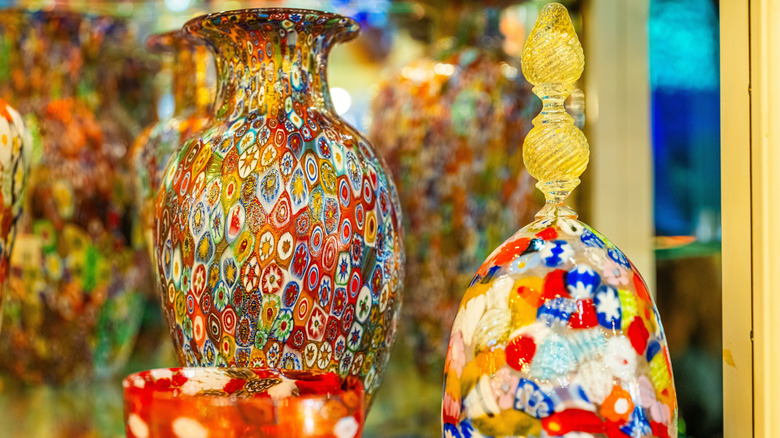
Murano glass is one of Venice's most legendary exports, as well as part of the cultural fabric of the city. As you can imagine, this means it's easy to find colorful glass jewelry, vases, chandeliers, and bric-a-brac on almost every souvenir store's shelves. However, tourists should not automatically assume that all of these items are genuine Murano glass. On Reddit, a glassmaker from Murano said that over three-quarters of the glass sold in Venice in 2018 was illegitimate, noting that potential buyers should "Avoid all places where they make free demonstrations, aggressive sales as big discount (if cash also), avoid also all objects under €10."
If you are out shopping and find a piece you like, there are a few things you can look for to feel confident in the origin of any Venetian glassware. For example, pieces that carry the official Vetro Artistico Murano trademark are backed as authentic by the municipal government. Items that have been certified feature either a blue or red sticker. Looking for the manufacturer's name stamped or etched on the item is another way to feel confident in your glassware purchase. Well-known, trustworthy brands include Venini, Barovier & Toso, and NasonMoretti.
Bear in mind, though, that not every item will be marked. If you have reservations about making a purchase, ask the shopkeeper if a certificate of authenticity is available. Another option, of course, is to take a day trip to Murano where you can tour a glassblowing factory and make your purchase straight from the source. The Wave Murano Glass tour has 5 stars on over 1,500 reviews on its website, which makes it a great option. Murano is a a gorgeous destination for glass enthusiasts and history lovers alike.
They treat residential areas like a theme park
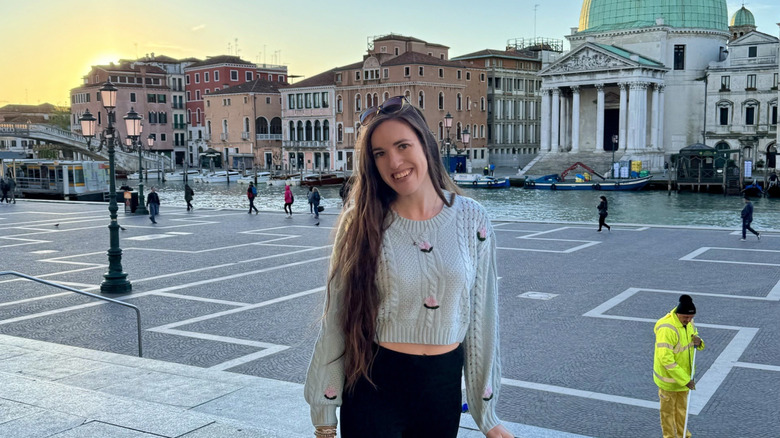
Of all the places I've been in the world, Venice is the first that literally took my breath away when I stepped out Venezia Santa Lucia train station. The view immediately makes you feel like you've walked into a movie version of your life, and that feeling continues nearly everywhere you look throughout the city. Unfortunately, this means that some American tourists have a tendency to inadvertently treat residential areas like they are in a themed immersive experience. One Redditor even wrote that the city "feels like a theme park more than an actual destination."
Undoubtedly, this feeling is partially due to the fact that Venice serves as the blueprint for several popular tourist destinations, including The Venetian Resort, a popular casino hotel on the Las Vegas Strip, and Tokyo DisneySea, which features Venetian gondola rides. In actual Venice, though, the laundry hanging on a balcony, the picturesque flower shop in a hidden neighborhood, and the beautiful doors leading to an upstairs apartment are all just part of someone's daily life. On Facebook, Venice Travel Tips urged travelers to remember that Venice is home to tens of thousands of people, not "a theme park built for tourists."
There is absolutely nothing wrong with admiring this hauntingly beautiful city. However, use good sense when it comes to taking pictures and pausing to "ooh and aah" over the architecture. For instance, you should never block entrances to buildings, invade private property, or take photos inside of someone's windows.
They don't respect the pace of Venetian life
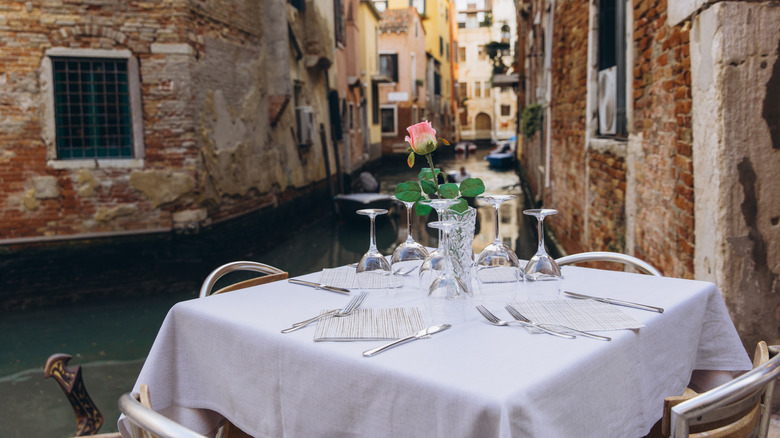
As a general rule, Americans are accustomed to instant gratification amid very busy lives. Venetians, and Venice itself, however, do not reward this type of lifestyle. Instead, everything here tends to happen slowly and with purpose. Just navigating the city requires intention, since there's rarely a fast and easy way to get anywhere. Additionally, shops and restaurants don't always keep their posted hours, so you could find yourself pivoting plans due to a shopkeeper's whims on any given day.
In a Reddit discussion, one person shared that they encountered multiple locations closed 45 minutes to an hour earlier than scheduled. Another Redditor commented that there is "no point having a restaurant or shop open for another 45 mins if there's nobody there." Although it may be frustrating for Americans who are used to strict business hours, expecting Venetians to alter their fluid pace of life to accommodate sightseeing is not the best way to deal with this situation. Rather, try to embrace the idea of a flexible schedule. Venice invites wandering, so its worth taking advantage.
In my personal experience, some of the best moments in Venice happen off-the-beaten path. We've wandered through random calli, found out-of-the-way piazzas, eaten amazing food, chatted with locals, and allowed ourselves to get lost in the magic that only Venice can offer. For Americans, in particular, respecting the pace of life here is an important part of immersing oneself in a truly authentic Venetian experience.
They don't explore past San Marco and the Rialto Bridge
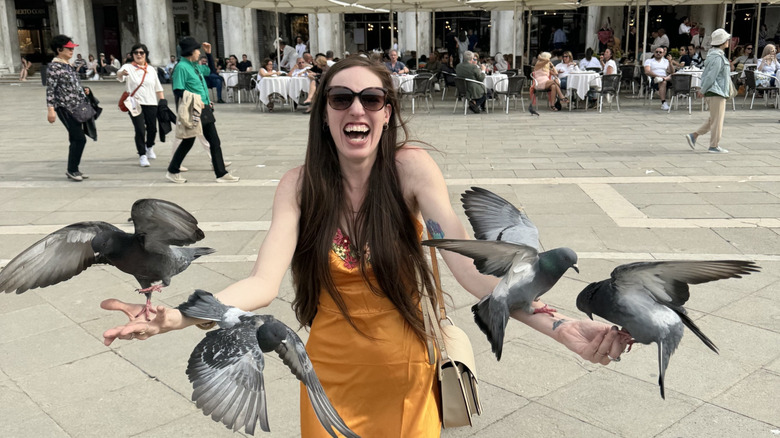
St. Mark's Square and the Rialto Bridge are two of Venice's most popular sites, and they're absolutely both worth a visit. Caffè Florian, Italy's oldest known coffee shop, is always a must-visit for me in St. Mark's. However, American tourists who make as much of a beeline as they can between these two landmarks tend to miss out on everything else that Venice has to offer. As one past tourist wrote on Trip.com, one of the things they "love most is the stillness of Venice once you step away from the main tourist spots."
The city is comprised of six neighborhoods, or sestieri, each of which has a unique identity. Dorsoduro, for example, is home to the academic and arts crowds, making it an ideal stop for American students or professors visiting the city. San Polo, meanwhile, is the best place to go if you want to see everyday Venice at its most natural. This is where many Venetian families live and work. And, in Castello, you'll watch tourist shops fade to local stores and gardens as you move away from the main hub.
Outside of crowded tourist areas, Venice takes on an almost otherworldly feel, especially after dark. I personally love to sit on the balconies of out-of-the-way Airbnbs to watch the canals below at all hours of the night. Sometimes I'll even catch a late-night gondolier waving at me from the "street." While I prefer to explore on my own, there are options for those who feel more comfortable seeing new places with an expert in tow. A guided walking tour led by a local might be a perfect option if you want to see the "real Venice" without having to navigate by yourself.
They block bridges to take pictures
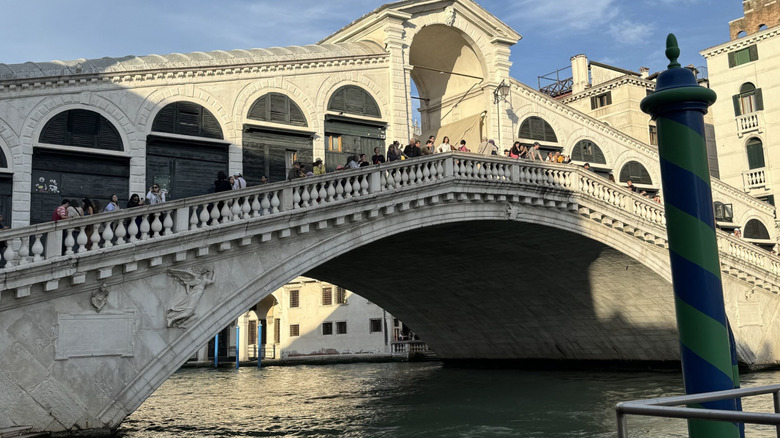
Venice's bridges offer undeniably incredible views, but stopping on them to take photos can lead to an issue similar to one we addressed earlier in this guide. Much like pausing in the middle of a busy calle can cause gridlock, so too can loitering on a bridge. Venice has around 400 bridges that function as essential pedestrian routes, since the city has no traditional sidewalk system.
Even a small group of people standing at the entrance of a bridge to review photos or set up a tripod can unintentionally block foot traffic. Americans who are tempted to take up extra space to savor the view from a Venetian bridge should take certain precautions to make sure they aren't inconveniencing others. As one Facebook user wrote, the most polite thing to do when you want to take a bridge photo is to "find one that is less busy and get your iconic pic. It's all beautiful!"
If, however, you find yourself desperate to stop on a busier bridge like Rialto, make sure you move to the side and wait for an opening if others are also taking pictures. If you plan to capture a lot of images, you might also want to wander Venice early in the morning or late at night when most people are still in bed. In short, when it comes to bridges and other pathways, it's important to be respectful of locals' daily commutes, move when you are in the way, and do your best to find out the way photo spots.