
The Best Beginner Marathon Courses Across America That Are Flat, Easy, And Destination-Worthy, According To Research
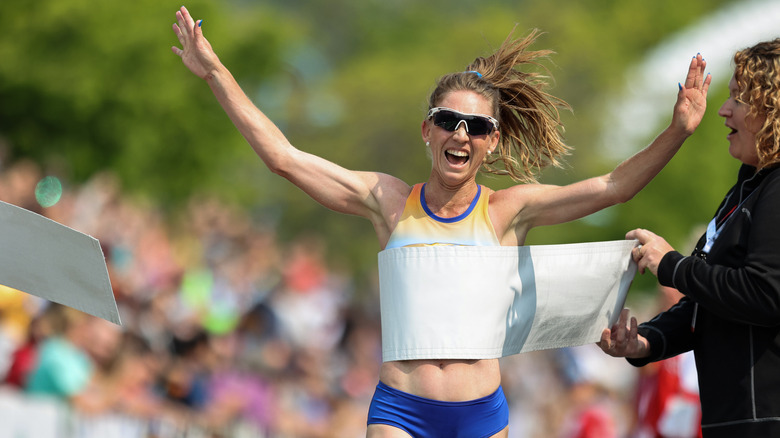
More than 2,500 years ago, as legend has it, a soldier named Pheidippides ran approximately 25 miles from Marathon, Greece, to Athens. He announced victory against the Persian army — and subsequently died of exhaustion. That's the supposed origin of the marathon, a long-distance sport first integrated into the Olympics in the late 19th century. Fast-forward to today, and runners continue to compete in thousands of marathon races every single year.
For competitive athletes, ranking in the World Marathon Majors is top-of-mind. Others opt into the sport for more personal reasons; in fact, marathons have quite a few proven psychological benefits. Some people, however, simply use the sport as an excuse to visit new destinations, such as these five island marathons known for their picturesque views. There are hundreds of courses in the U.S. alone, some more difficult than others.
Although the length of a marathon today — 26.2 miles — is more or less set in stone, other factors such as elevation, altitude, and temperature can determine whether a marathon is beginner-friendly or only for the pros. We scoured Reddit, dissected interviews from the country's top runners, and cross-referenced articles from the likes of the Marathon Handbook and Runner's World to bring you the country's 11 best courses for beginners — especially those in destination-worthy cities.
Grandma's Marathon in Duluth, Minnesota
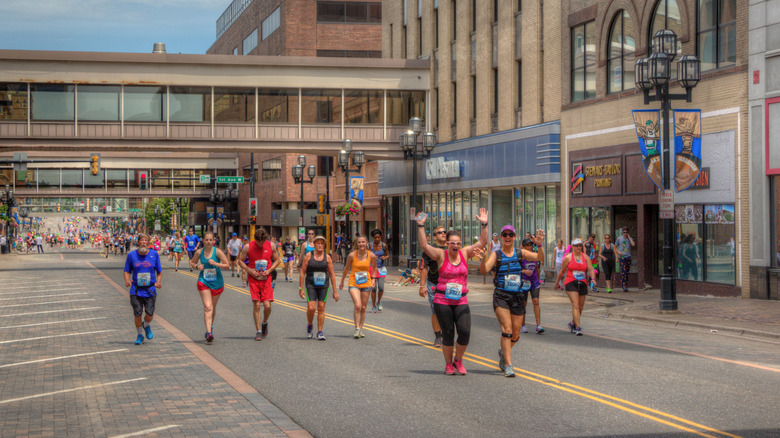
Grandma's Marathon in Duluth, Minnesota, is open to all, no qualifiers necessary. Due to its relatively flat terrain and gentle downhill miles, it's widely considered to be among the country's fastest and most beginner-friendly courses. Plus, the route takes runners along the banks of Lake Superior, so you get a nice breeze off the water. Registration typically opens in October and the race is in June. For the last few decades, it's marked the unofficial start of summer in northern Minnesota.
While you're in town for race weekend, check out all that Duluth has to offer. The small city — home to less than 90,000 people — has its own airport serviced by three commercial airlines. That makes it a relatively easy trip if you're an out-of-towner. Celebrate a race well done at Va Bene, an upscale Italian restaurant with views of the lake, or visit Pickwick Restaurant & Pub, a Duluth staple since the early 20th century. Other attractions in the area include the William A. Irvin Museum, a former steel ship open for tours, the Great Lakes Aquarium, and the North Shore Scenic Railroad. There are plenty of hotels in the area, but if you struggle to find a room or you're looking for a more cost-effective overnight stay, there are also multiple campgrounds in the area.
TCS New York City Marathon in New York, New York
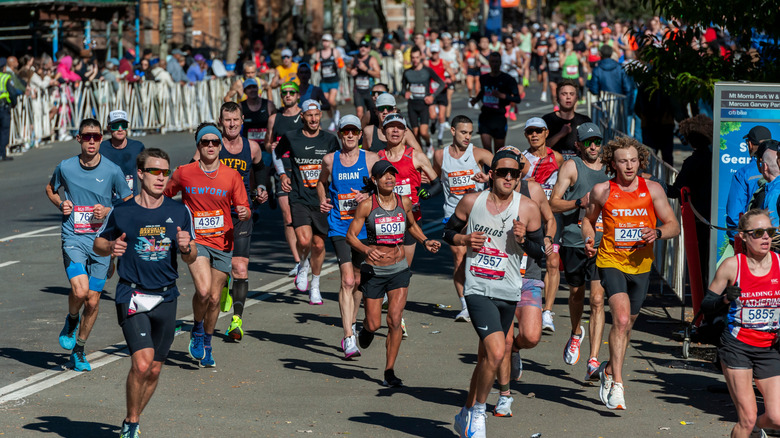
It should come as no surprise that New York City, home to over 8.4 million people, attracts plenty of visitors for its marathon. Held annually in early November, the race has attracted upwards of 55,000 participants in past years, making it the largest marathon in the world. Runners loop through NYC's five boroughs and past some of the city's most iconic landmarks. There are a few notoriously difficult sections of the course — the Queensboro Bridge, in particular, is dreaded for its steady incline — but there are also plenty of downhills and flat stretches in Brooklyn. The final stretch takes place in Central Park, where you can spot over a quarter of America's bird species next to hot dog and shawarma carts.
Although most locals dread the road closures, traffic, and honking horns brought on by race day, runners typically have positive things to say about the crowds. "Unbelievable crowds that cheer you up during the entire race, unforgettable experience," writes one participant via Race Raves. "You have no time to think about how tired you are, the crowd just keeps you running." In other words, there are constant sources of motivation along the way, key if you're a first-timer. To celebrate afterward, check out these five affordable Michelin-starred restaurants in New York City, treat yourself to a Broadway show, or take your pick between budget-friendly and luxury hotels alike.
Vermont City Marathon in Burlington, Vermont
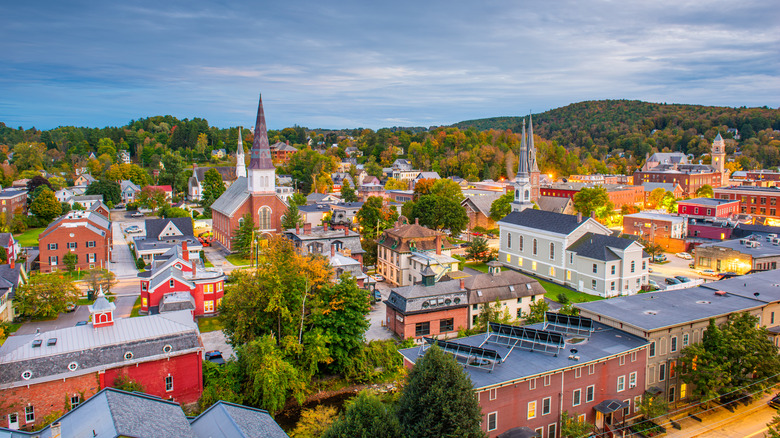
Vermont's largest city, an artsy community surrounded by mountains, is also home to one of the most beginner-friendly marathons in the country. The M&T Bank Vermont City Marathon & Relay is famous for being a fast, flat course with record-breaking finish times (sub two-and-a-half, three, and four hours). Runners are expected to maintain a 14:52-minute-per-mile pace at minimum, so make sure you invest a bit of time into training. Race day is in May, when Vermont temperatures are typically in the mid 60s or lower 70s degrees Fahrenheit. Plus, there's typically a breeze off of Lake Champlain — which allegedly has its very own monster lurking in its depths — to keep you cool. In reviews of the race, views along the course come up time and time again: "Scenery along Lake Champlain was unbelievable," says one former competitor per Race Raves. Another comments that "Burlington is a beautiful town to have a marathon."
Hotels in this picturesque New England city can sometimes cost you several hundred dollars a night, so book well in advance to avoid paying an arm and a leg. The city has its own international airport, as well as an Amtrak station that offers service from New York City. Compared to remote destinations such as Honolulu, it's not too difficult to get to. Burlington is a city that prides itself on its cheese making, breweries, and farm-to-table restaurant scene, so you have a lot of quality options to choose from around dinnertime.
Bank of America Chicago Marathon in Chicago, Illinois
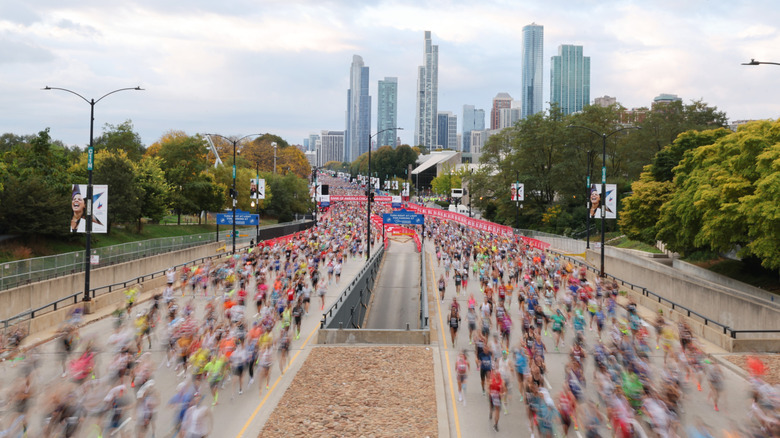
You can count on the Chicago Marathon every year in October, when temperatures cool in the Windy City and breezes float off Lake Michigan. The route starts and ends in Grant Park and it's relatively flat throughout, especially compared to other races. To keep runners going, there are Biofreeze pain relief zones, cheer zones, and both hydration and first aid stations along the route through many Chicago neighborhoods, including the iconic Lincoln Park, Greektown, and Chinatown.
Considering Chicago is one of the largest cities in the country, it's no surprise it also has one of the largest marathons. Each race typically features over 50,000 runners, and there are hundreds of thousands more spectators, which can make it easier to stay motivated. "The crowd support, the city, the weather — it was an amazing first experience with a major [race]," writes one runner on Race Raves.
If you're headed into town from far away, it's best to fly into Chicago O'Hare International Airport, one of the busiest airports in the country with over 200 nonstop options. There's also an Amtrak station in the city, where the Empire Builder train, one of Amtrak's greatest gems, connects Chicago to the Pacific Northwest. There is no shortage of award-winning restaurants in the Windy City, some of which even have Michelin stars, and you can also find plenty of museums to fill up the rest of race weekend.
Walt Disney World Marathon in Orlando, Florida
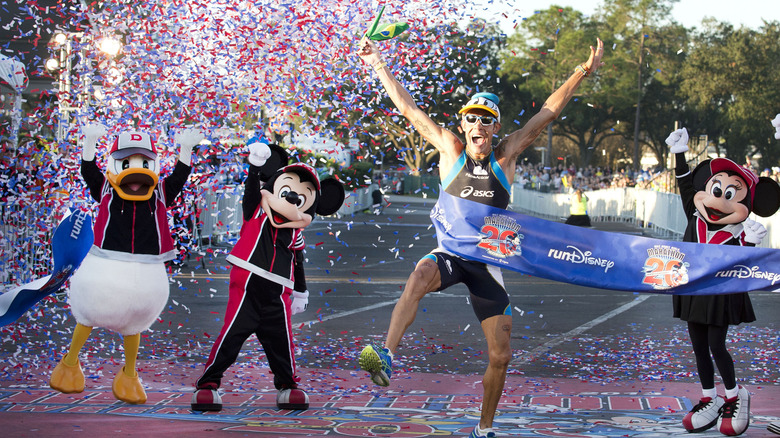
In the dead of winter, when a good portion of the country is dealing with slush, sleet, and snow, Walt Disney World Resort is often still warm — in the low 70s degrees Fahrenheit, if you're lucky. Rather than heading to the parks for the rides alone, some families visit specifically for the marathon weekend in January. The course takes runners (sometimes more than 30,000 of them) through Disney's most popular landmarks, including Magic Kingdom, EPCOT, Hollywood Studios, and Animal Kingdom (although a large portion is also along some significantly less magical roads). Various characters line the course, and you can expect refreshments throughout. Although the course is flat and relatively easy, according to past participants, you should be prepared for its notoriously early start time (4:30 a.m. to be precise) before you officially register. For longtime Disney fans, however, there's no better event.
If you're new to marathoning, check out the runDisney training program, which outlines a 29-week prep schedule to get your body ready for longer distances. Or, if you're a seasoned runner hoping to really "Go the Distance," sign up for the Goofy Challenge or Dopey Challenge, which are composed of several races equalling a whopping 39.3 and 48.6 miles, respectively. If you need somewhere to stay, there are quite a few Disney hotels to choose from near the starting line, from which there is complimentary transportation for race-goers.
Flying Pig Marathon in Cincinnati, Ohio
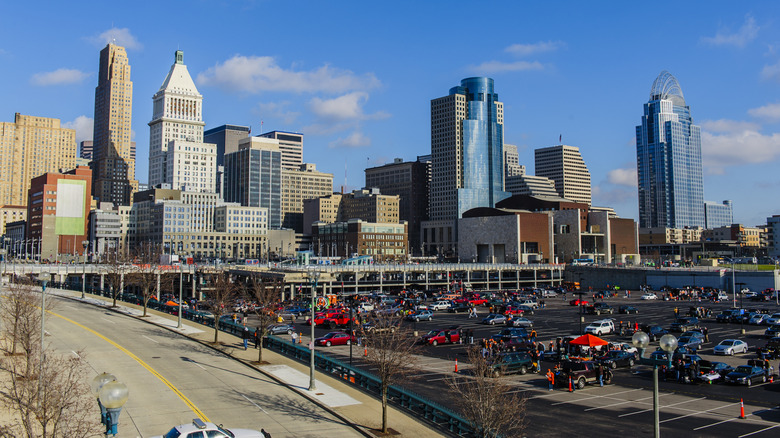
The Flying Pig Marathon, named in reference to Cincinnati's meatpacking days, got its start back in 1999 and is typically held in early May, when the weather is relatively balmy in the Queen City. Although one of Cincinnati's other nicknames is the City of Seven Hills, its marathon course is relatively flat. Runners can even look forward to a gentle decline during the latter half. That being said, if you're planning to register for the Flying Pig, you still need to train for hills; the beginning third of the course can get a little steep. Additionally, all participants need to maintain a 16-minute mile in order to finish. By comparison, men aged between 18 and 34 years old are expected to keep a pace under seven minutes to compete in the Boston Marathon in 2026, making this a much easier feat. All in all, Flying Pig is ideal for first-timers or runners looking to qualify for more competitive races.
The marathon course takes runners through Eden Park, but you also want to take time to explore the 186-acre space when it's not race day. It's known for its gardens and hilltop views overlooking the Ohio River and Kentucky beyond. While you're in town — or even while you're racing — keep an eye out for colorful murals. Cincinnati is known to have some of the most spectacular street art in America. It's also an emerging food city; definitely check out Findlay Market, Ohio's oldest public market, while you're in town and, of course, Graeter's Ice Cream.
Little Rock Marathon in Little Rock, Arkansas
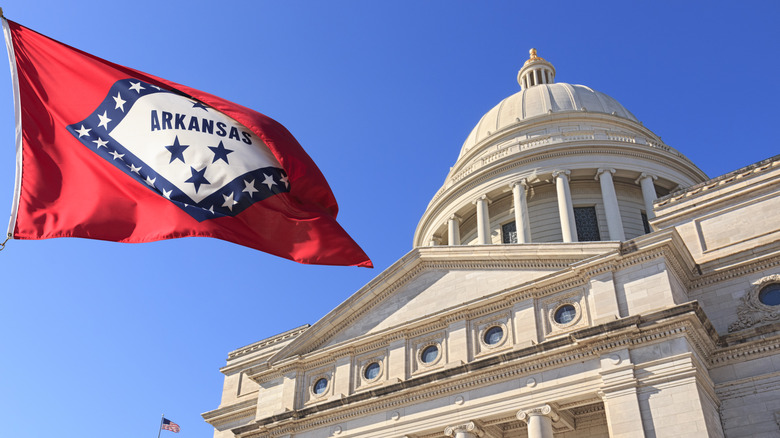
The Little Rock Marathon bills itself as "a race for every pace" for a few reasons. For starters, unlike many of the events on this list, you only have to be 16, not 18, to register. The course is mostly flat, and — perhaps most notably — both running and walking are permitted along the way. First-timers might also want to participate in the race's free training program. Don't worry, you don't have to live in Little Rock to participate. Webinars and tip sessions are all online.
Additionally, there's a different theme every year at the Little Rock Marathon. In the past, these themes have included Peace, Love & Little Rock, Alice in Runderland, and A Race Odyssey. Themes are announced a few months before the race, which is scheduled every year in late February or early March, and proceeds go to the city's growing park departments.
There's a domestic airport nestled in Little Rock and plenty to explore beyond the race course. The city's artsy riverfront neighborhood blends historic charm with bold murals, local brews, and live theater, and there are plenty of places to rent fishing gear and head out on the water in search of trout. There are also plenty of hotel options at a range of price points, as well as short-term rentals.
Honolulu Marathon in Honolulu, Hawaii
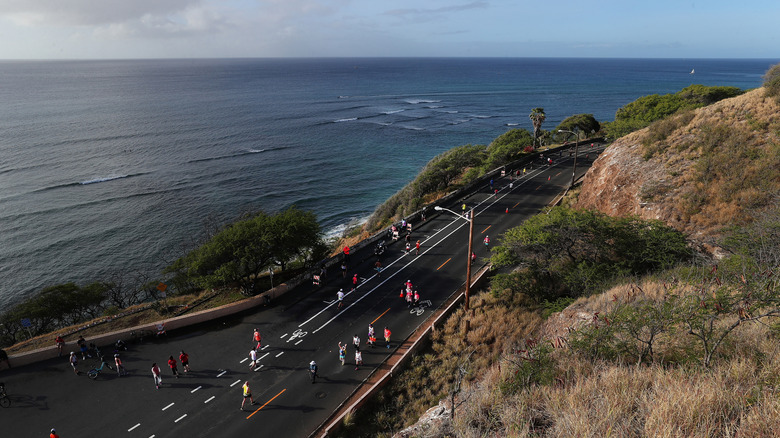
This one is all about the destination. Honolulu's marathon course takes you alongside the edge of O'ahu, which means sweeping views of the Pacific Ocean for over 35,000 runners every year in December. With the exception of a few short stretches between miles 6 and 10, and just after mile 24, the course is mostly flat, making it ideal for beginners. Former racers cite the drum band at the end of the course, as well as the scenery, as setting the race apart from the rest. There's no qualifying time, although you can use Honolulu as a Boston Qualifier.
The island of O'ahu is a tourist hub in itself, even without the help of the annual race in Hawaii's capital city, so it's no surprise that Honolulu has the fourth-largest marathon in the country. After you cross the finish line or finish cheering for the runners, grab a meal up the hill. "The finish is right by Hau Tree Lanai, which is really good," writes one former competitor on Reddit, adding that "if you walk up Kapahulu [Ave.], there are a ton of incredible restaurants right there, including the classic Side Street Inn." In general, Honolulu is known for its fresh fish and colorful dishes. Keep in mind, however, that things can get expensive. Hotels can often set you back several hundred dollars a night, and — considering O'ahu's position in the middle of the ocean — flights are no drop in the bucket (especially during marathon season).
Newport Marathon in Newport, Oregon
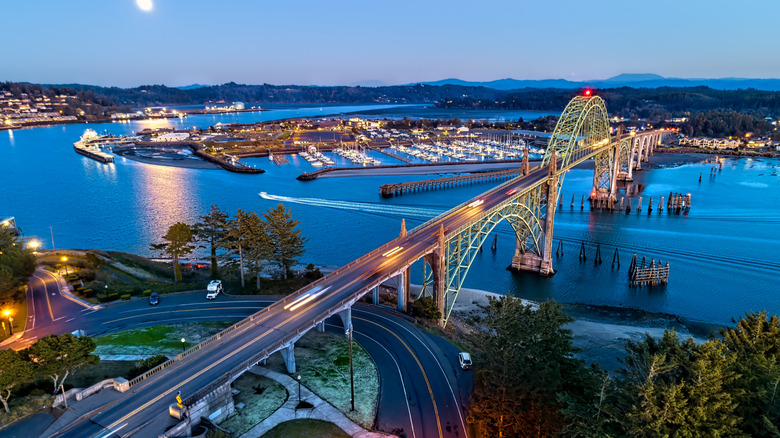
In late May or early June, Newport, Oregon, holds the Newport Marathon (not to be confused with the Newport, Rhode Island, Marathon in April). Its route starts beside the Pacific Ocean and takes runners along the banks of Yaquina Bay, which means views of sailboats, commercial fishing vessels, and harborfront inns. It's usually pretty cool on race day, between 50 and 60 degrees Fahrenheit, and the area near the finish line is filled with cheering volunteers and clam chowder stations to keep you motivated.
While you're in Newport for race weekend, stop by the Oregon Coast Aquarium to see dozens of species of fish and its outdoor aviary, or stop by the small city zoo. There are state parks with campgrounds, fishing, and beach access, and most restaurants here serve seafood, both deep-fried and fresh. If you're traveling from far away, you can find the most nonstop options in and out of Portland International Airport, just over 140 miles away. Rent a car to complete the rest of the trip and enjoy the Pacific Northwest scenery as you drive. There are also smaller airports in Eugene, around 80 miles away, and Salem, also about 80 miles away.
Philadelphia Marathon in Philadelphia, Pennsylvania
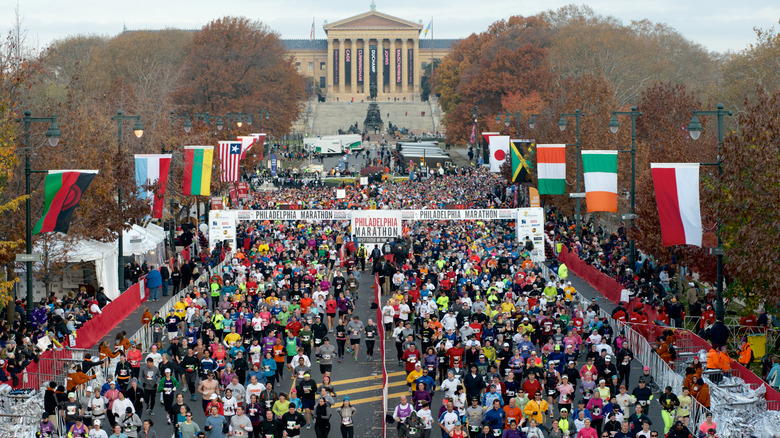
In 1976, Rocky ran up the steps of the Philadelphia Museum of Art (one of 14 things you can't skip on a vacation to Philadelphia) in what is now one of the most iconic movie scenes of all time. To this day, it's still one of Philly's most famous landmarks. Every November, you, too, can have a moment of personal achievement on the so-called "Rocky steps." The marathon route, which takes runners alongside the Schuylkill River, past the Liberty Bell, and through cheering crowds in neighborhoods such as University City, ends at the aforementioned art museum (make sure to go inside, too).
According to former participants, the course is relatively easy. "There are some hills, but only one significant one," one former participant told Strength Running for its Philadelphia Marathon Course Guide, adding that "what's great is that, if you haven't gone out too fast, the gradual downhill back into the city is really helpful in the last miles of the race." In other words, it's ideal if you're still relatively new to marathoning. While you're in the City of Brotherly Love, check out the fine dining around Rittenhouse Square or book tickets for a Revolutionary War historical walking tour during a time you're not running, training, or recovering.
California International Marathon in Sacramento, California
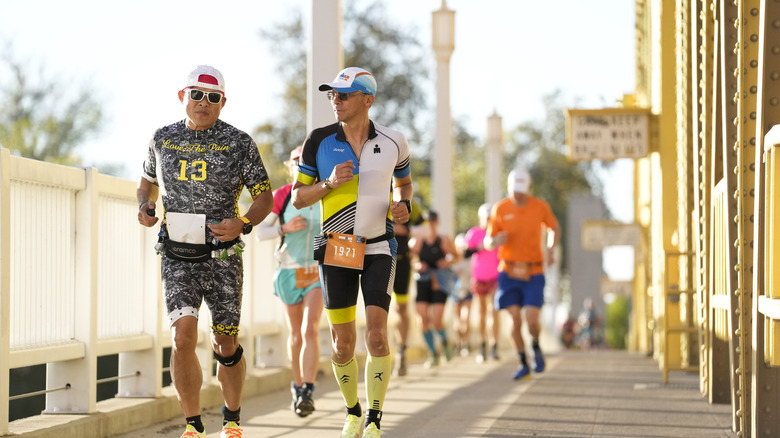
According to the race's official website, the California International Marathon in Sacramento is primarily fast and flat, with the exception of a few scenic hills. Former racers agree, with one writing on Yelp that "there are rolling hills starting after mile 1. The last 'big' one up a bridge is at mile 20, and then it's a flat 5 miles through downtown." The course starts next to Folsom Lake, travels downhill, past Jensen Botanical Garden, and toward Sacramento's city center. All in all, it's an ideal race for beginners — especially if you're looking for a supportive network of fellow runners, many of whom enroll in CIM's official first-timer program.
Non-racers and racers alike can enjoy all that the California capital has to offer, from its railroad museum to the glamorous Leland Stanford Mansion and the historic waterfront district, where you can find a range of restaurants (the city is the so-called Caviar Capital of America and a luxurious culinary vacation destination). Most visitors fly into the Sacramento International Airport. There are a range of hotels at different price tags here, with the more historic luxury options — such as The Citizen Hotel, Autograph Collection or the Kimpton Sawyer Hotel — obviously racking up higher bills (especially around marathon time).
Methodology

In order to compile a thorough list of beginner-friendly marathons, we started with the runners themselves, looking to websites such as Race Raves, Reddit, and Yelp for first-hand course reviews. We cross-referenced anecdotes with official elevation maps, temperature charts, and historic finish times. In general, we found that many runners find large crowds motivating (see NYC, Chicago, and Philly), as well as the landscape (Honolulu and Newport). Proper refreshment along the course is also key.
In order to gauge whether a location was destination-worthy, we asked this: What, beyond its annual marathon, does this city have to offer? We read about local restaurant scenes, finding that even the smallest cities, such as Duluth, have a lot to offer. Larger cities such as Chicago and New York were no-brainers, considering they're already tried-and-true tourist hubs. We also looked at museums, hotel options, airports, and the surrounding natural scenery. If you're looking for an excuse to travel — and a trip that leaves you feeling extra-fit in the process — consider planning your next trip around a marathon.