
5 Big Changes To Be Aware Of Before Booking Your Hawaii Vacation In 2026
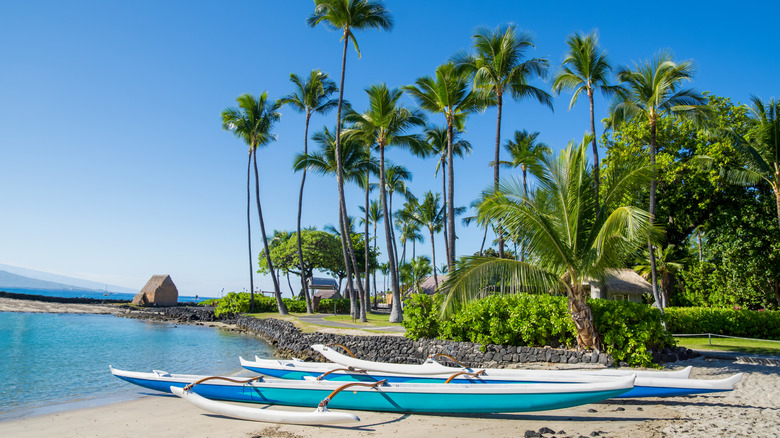
Hawaii has long been one of the most popular vacation destinations in the U.S., attracting over 9 million visitors in 2024. These visitors come from around America and across the world, with many countries, such as Australia, seeing the archipelago state as the premier vacation spot in the U.S. Who can blame them when Hawaii boasts places like Waianae, a coastal gem offering pristine ocean views, dolphin watching, and snorkeling?
But tourism is changing quickly in Hawaii. The state has already done a lot of work to cut down on tourist numbers while increasing their spending. Declining tourism and increased spending means saving more for your next Hawaii vacation, but it's not the only change you need to consider before you spend your hard-earned money on flights and accommodation.
Expert Hawaii travel bloggers and local Hawaiian news outlets have been covering these changes closely in recent articles. Some changes are less impactful than others, so instead of inundating you with every little thing you might need to know, here are the five biggest changes affecting Hawaii vacations in 2026. These shifts in booking, costs, and local systems and rules are pretty significant compared to what travelers have experienced up until now. They don't necessarily rule out Hawaii as a destination, but they may make you rethink how you want to plan your next trip.
Hawaii's 'green fee' will make accommodation more expensive
As of January 1, 2026, anyone visiting Hawaii will have to pay more for hotels and vacation rentals. A bill was recently passed to increase room tax for these properties by 0.75% (from 9.25% to 10%). Known as the "green fee," this increase in tax is intended to fund Hawaii's efforts to reduce the effects of climate change. The money will go towards restoring beaches and native forest and making the state's infrastructure better suited to extreme weather conditions.
Passengers on cruise ships may not be able to avoid the additional tax either. If it passes through the senate, this part of the bill will bring in an 11% room tax for all cruise passengers. Although this will increase the cost of a Hawaii vacation, it's a small price to pay for helping protect this state from more climate disasters. The wildfires in Maui were particularly devastating, resulting in over 100 deaths and the destruction of thousands of buildings. Although Lahaina, Hawaii's former capital that was destroyed by wildfires, is now thriving, preventing deaths in the future remains a top priority for the state.
Higher taxes may also result in more devoted travelers visiting Hawaii, mainly those who care about preserving the environment they're visiting instead of those who use and abuse it. "The more you cultivate good environmental policy, and the more you invest in perfecting our lived space, the more likely it is [Hawaii's] going to have actually lifelong, committed travelers," Hawaii Governor Josh Green was quoted saying by AP News. Hawaii seems to be following a worldwide trend here. Other countries have had taxes for tourists for many years already, including Greece, the Maldives, New Zealand, and Spain.
Certain state parks will cost more to enter
Continuing with the trend of spending more while in Hawaii, parking fees are being added to more state parks on the islands. After adding parking fees to four more state parks in November 2025, Hawaii now has 14 state parks where you need to pay at most $10 per vehicle and $5 per person (sometimes you only pay per vehicle). These fees are only for tourists; the state parks remain free for residents.
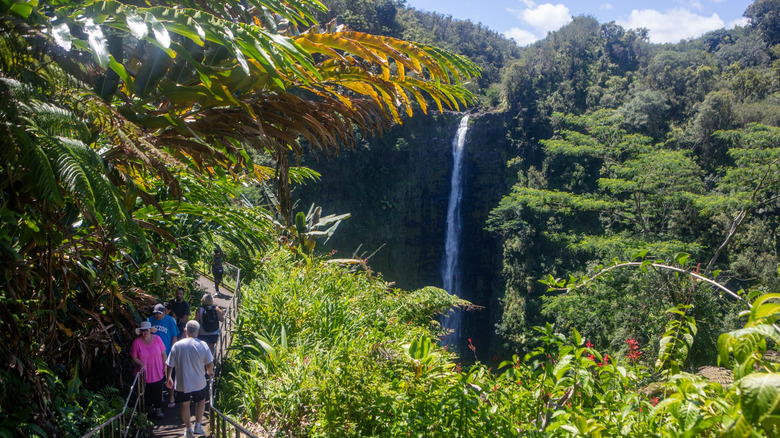
For a family of four with school-aged children or older, this means paying $30 every time they want to see one of Hawaii's natural attractions. Maui is one such destination implementing this $10 parking fee at three of its Kamaole Beach parks, some of the best places in the world to catch the elusive green flash at sunset. Other state parks with the parking and visitor fees include Waianapanapa, Iao Valley, Makena, Akaka Falls, and Hāpuna Beach (that last one is a breathtaking Hawaiian beach that's consistently ranked in the world's top 10).
Since the fee system for non-residents was implemented in 2019, state parks have been increasingly added under its umbrella. This includes must-see attractions that have generated millions of dollars for the state. This significant revenue success makes it likely that more state parks will be added in the future. Hawaii insists the money is important for reducing crowds, preserving ecosystems, and maintaining the parks. However, the increased costs and inconsistent fee structures leave some travelers feeling confused, limited, and a bit exhausted — three things you probably don't want while on vacation.
Your favorite vacation rental may no longer exist
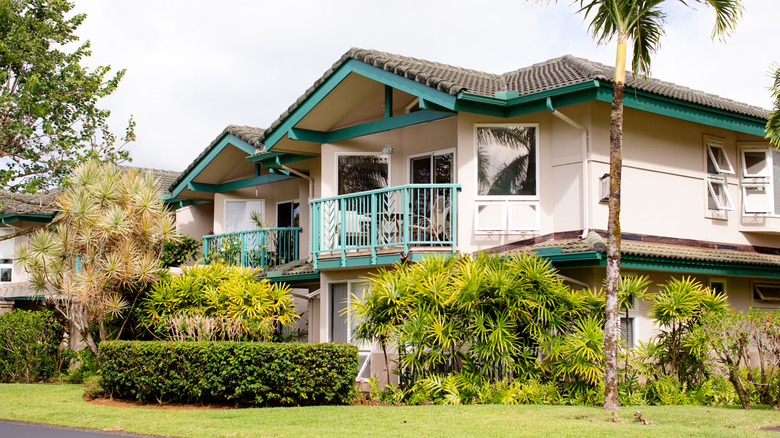
Along with increasing room taxes for vacation rentals, Hawaii is also cracking down on which properties on certain islands are actually legally allowed to be used as accommodation by holidaymakers. Many of Hawaii's most popular destinations, including Maui, Big Island, and Honolulu, are now enforcing stricter regulations on short-term rentals and fining or banning any that don't comply. Maui alone plans on banning thousands of vacation rentals in the hopes that these properties will become homes for residents.
Each island seems to have its own approach to this crackdown, and some keep sending out mixed signals on whether they're shutting down rentals or saving them. This is causing confusion among travelers and doubts about whether accommodation they've already booked for 2026 will even still be running. On Big Island, vacation rental owners are being fined up to $10,000 a day for not complying with registration laws that are yet to be finalized. Honolulu, meanwhile, is trying to help vacationers find legal rentals instead of removing the illegal options.
While certain short-term rental owners are definitely doing the wrong thing – disobeying rules and ignoring fines and demands to stop — others may simply be the unlucky losers of new apartment zone classifications. These rules will likely take years to be finalized and enforced, so little may change in 2026. However, if you're concerned about the risks of booking a vacation rental, you might be better off in a hotel or resort.
Your hard-earned HawaiianMiles points might offer less value
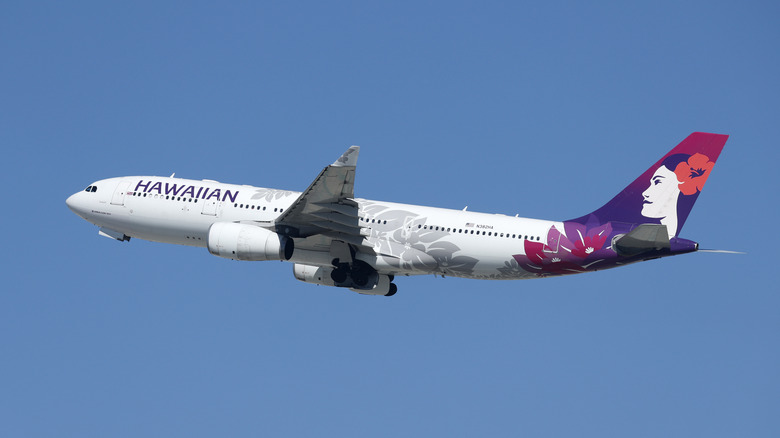
If you were a HawaiianMiles member, you probably already know about the shift from this beloved frequent flyer rewards club to the uncertainty of Atmos Rewards with Alaska and Hawaiian Airlines. This shift took place in October 2025, and it remains to be seen whether it will provide more value for members who have already achieved a high status and sizable bank of points with HawaiianMiles. Certain features of Atmos have people questioning whether they're going to earn as many points and get as much value from redeeming them with this new program.
While your HawaiianMiles transfer to Atmos with the same face value (one-to-one), you may have to spend around 1,000 more points when redeeming them for interisland flights. This essentially makes them less valuable. You may also find it harder to amass more points on flights to and from Hawaii, due to Atmos removing the 500-mile minimum earning for short-haul flights that made HawaiianMiles so attractive.
You have a few options here. You can choose to stick it out with Atmos Rewards and remain loyal to these airlines while accepting the pros and cons of the new program's changes. If you decided to jump ship and be more mercurial when booking flights, you wouldn't be the only one. Many travelers are reportedly forgoing airline loyalty to simply find the best prices for flights. There are plenty of options out there, including United Airlines, one of the five best airlines that fly to Hawaii.
Winter may now be the worst time to visit
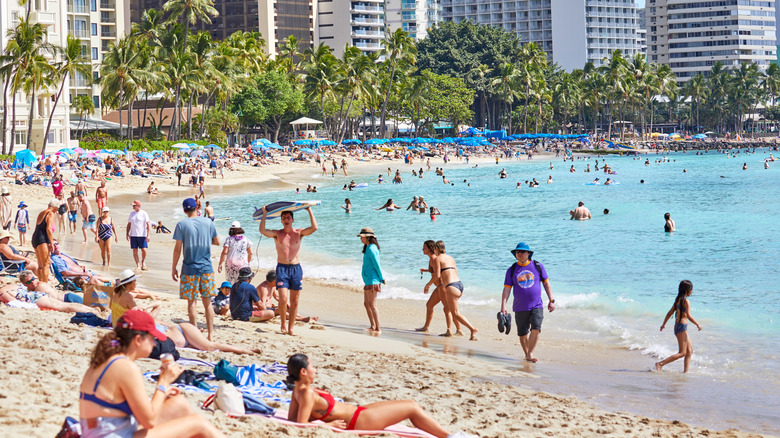
While it may make sense to escape winter's cold and dreary weather with a trip to Hawaii, these peak-season months are becoming increasingly overcrowded and expensive. Due to the aforementioned changes to room taxes and illegal holiday rentals, finding accommodation during this time could be difficult. And whatever you do manage to get will probably be overpriced compared to other months of the year.
Non-peak months might be more worthy of your attention. Timing your trip for spring or fall could help you avoid sharing Hawaii's beaches, state parks, and restaurants with crowds of other tourists. Airfares and hotels also tend to be cheaper during the shoulder seasons. For some islands, such as Honolulu, airfares can drop as much as 15% compared to summer, as Melanie Fish, head of Expedia Group Brands public relations, told Travel + Leisure.
If you really want to go away somewhere during winter, you could look elsewhere in the U.S. Amelia Island in Florida is a sunny December escape that becomes a Christmas wonderland. You could also lean into the wintry weather by heading somewhere snowy, such as a journey on the Pocono Winter Wonderland Express, Pennsylvania's round-trip train ride through the Pocono Mountains that has festive snow globe vibes.