
5 Ways Climate Change Is Altering How People Travel In 2026
We may receive a commission on purchases made from links.
From the shrinking Amazon rainforest to melting Arctic glaciers, few climate change impacts are more visible than the slow destruction of iconic destinations. However, experts say subtler and lesser-known environmental factors will also significantly affect how people travel in 2026. Flyers have already experienced increased in-flight turbulence linked to rising global air temperatures. Those same higher temperatures are also colliding with other weather patterns, intensifying natural disasters and fueling unprecedented catastrophes, from stronger hurricanes and mass coral reef bleaching to dangerous dust storms known as haboobs.
Alarm over the pace at which climate change is reshaping the planet has ignited widespread debate about how travelers should respond. Should we throw up our hands and enjoy what remains while we can? Book last-chance farewell tours of all the receding coastlines before they vanish? The responsibility for confronting large-scale climate shifts doesn't fall solely on consumers, but many travelers have adjusted their habits by seeking out sustainable trips with gentler ecological impacts. In turn, travel companies and tourism boards have begun reshaping their offerings. Given these conditions, the 2026 outlook is full of experience- and sustainability-based tourism trends.
To understand these trends, we utilized data from platforms such as Booking.com, as well as reputable travel publications and global climate reports. In many regions, tourism seasons have shifted due to climate change (e.g., shorter ski seasons), forcing travelers to adapt. Additionally, experts predict consumers will increasingly gravitate toward "hushed hobbies" with lower environmental impact, along with conservation-based tourism centered on sustainability. Some governments are also introducing climate-conscious taxes to offset visitors' carbon footprints. Finally, travelers are showing a growing preference for functional souvenirs over traditional trinkets, a choice that can reduce waste and support local economies.
Travelers are pursuing 'hushed hobbies' on vacation
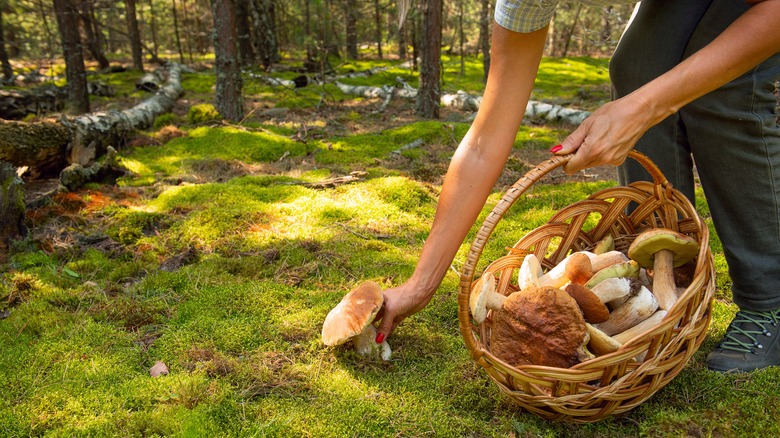
In October 2025, Booking.com released its annual travel predictions based on global consumer polling and platform data. After surveying over 29,000 users across 33 countries, the company identified "hushed hobbies" as a standout trend. The idea is that travelers crave reprieve from the relentless pace of everyday life and want their free time to be the opposite: slow, quiet, sensory, and deeply connected to the natural world. Hushed hobbies include birdwatching, foraging (whether for mushrooms in the woods or shells on the beach), moth or butterfly watching, fishing, and meditative nature strolls.
According to Booking.com, 43% of travelers are drawn to trips with these gentle, nature-centered pursuits. The platform highlighted Sal in Cape Verde as a destination tailored to hushed hobbies such as birdwatching along dramatic coastlines and swimming inside an extinct volcano. Within the U.S., there's also Wildflower Farms in New York. At this hidden luxe getaway with Hudson Valley Views and farm-to-table fare, visitors can forage, craft wildflower wreaths, take sensory walks, and hand-roll pasta.
Expedia, which published its own travel predictions for 2026, also forecasts the rise of slow travel. This trend goes hand in hand with hushed hobbies, with the platform noting that unplugging, reconnecting with nature, and "farm charm" appeal to 84% of travelers, according to its data. The tourism industry is already responding with what the BBC has called "hushpitality." This involves planning trips, often to remote destinations, where solitude and calm are the default and digital detoxing is built in. For travelers, it's about access. Lodging near birding hotspots or foraging landscapes and on-site guides, equipment rentals, or curated routes can turn a casual interest into a fully immersive experience.
Conservation-focused tourism is increasing

Alongside the rise of hushed hobbies and more mindful forms of travel, conservation-based tourism is emerging as a meaningful way for travelers to turn trips into intentional, thoughtful adventures. The niche is poised for growth in 2026 as both sightseers and industry leaders continue to prioritize responsible, nature- and culture-focused experiences that directly support ecosystems and local communities. For many countries — especially small island states and coastal destinations — tourism remains a key source of income. Yet, these same regions are among the most vulnerable to climate impacts. As such hazards intensify, economies feel the strain, particularly when extreme weather disrupts travel plans or damages natural attractions that visitors come to see. With climate anxiety on the rise, people are changing the way they think about travel and accelerating efforts to align tourism with climate resilience and conservation goals.
In response, destinations are developing wildlife-protection, habitat-restoration, and community-led ecotourism initiatives alongside environmentally-friendly hotels and strict entry requirements. Accommodations and tour operators are integrating regenerative practices, encouraging longer, lower-impact stays, and offering hands-on conservation activities. Organizations like Responsible Travel, EarthWatch, and Projects Abroad partner with nonprofits and scientists to support conservation efforts, including volunteering at orangutan sanctuaries and studying the effects of climate change in Acadia National Park. Meanwhile, a company called Ecoventura has launched low-impact, small-group yacht trips to places like the Galápagos for those desiring "sustainable luxury." Itineraries are designed to support local conservation projects and educate travelers about the fragile ecosystems of the islands.
Eco-certified lodges, community-managed properties, and locally led tours help support local economies and encourage environmental stewardship. As destinations confront climate risks, promoting conservation-based tourism is not just a sustainability strategy but a necessity for protecting the natural and cultural assets on which these economies depend.
Climate-conscious taxes and fees are also on the rise

Governments and businesses are increasingly introducing taxes and fees framed as climate-conscious measures tied to carbon footprints, yet also aimed at boosting tourism-related revenue. Travelers can expect to encounter more of these charges in 2026. Hawaii, for example, passed what is widely described as the first climate-related tourism tax in the U.S. The state's "green Fee" raises the transient accommodation tax (TAT) by 0.75% (to 11% total) on vacation rentals, hotel stays, and even cruise ship cabins, beginning January 1, 2026.
The measure is projected to generate about $100 million annually for climate resilience and mitigation projects, the protection of fragile ecosystems, and disaster preparedness. Per Travel and Tour World, similar measures in Indonesia and Ecuador signal the growing priority governments are placing on ecosystem restoration, disaster prevention, and sustainable infrastructure. In 2025, Greece replaced its overnight accommodations tax with a climate crisis resilience fee, which can increase during peak season and is used to strengthen coastal defenses and support renewable-energy infrastructure, especially in tourist areas.
Many countries already charge taxes explicitly aimed at boosting conservation and sustainable infrastructure. Bali imposes a roughly $10 tourist tax intended to fund environmental cleanup initiatives and combat overtourism, while some Mexican states have levied environmental impact taxes to help conservation projects. New Zealand's $21 International Visitor Conservation and Tourism Levy costs most international visitors $100 each and funds conservation and infrastructure projects, such as the Ngā Haerenga Great Rides cycling trails. The Maldives applies per-night, per-visitor green taxes similar to Hawaii's, directing revenue toward "environmental and sustainable tourism initiatives," according to Ecotourism World. Some countries have also adopted jet-fuel surcharges or passenger-based aviation taxes to curb carbon impacts. These measures point toward what's likely to become an even broader push to internalize climate costs, increasingly in the travel sector.
Sightseers are opting for 'shelf-ie' souvenirs

Another trend in sustainable tourism is the rise of the "shelf-ie souvenir," according to Booking.com. Unlike mass-produced imports like keychains, magnets, and T-shirts, these items focus on local or regional products. Examples range from edible treats like locally pressed olive oil in Greece or roasted coffee beans in Costa Rica to artisan objects like hand-painted ceramics or functional items made from upcycled materials. The idea is that these souvenirs can be used and enjoyed, creating minimal waste while supporting local communities. Every time you reach for the can of paprika you bought in Budapest or grind the coffee beans you bought in Costa Rica, you're reliving your travel experience.
Booking.com found that over 65% of travelers would buy "design-led kitchenware or edible keepsakes," while 25% said edible souvenirs help them relive a destination (via Forbes). These purchases also keep money within the community and help preserve local craft traditions, aligning with the Global Sustainable Tourism Council's definition of sustainable travel. While this isn't a new concept, Booking.com predicts increased emphasis on such souvenirs and on people planning trips specifically around the goods a destination offers.
Travelers on Reddit shared personal examples of sustainable shelf-ie souvenirs. One knitter wrote, "I pick a pattern that reflects the location and try to pick up local yarn while visiting. Every time I wear my Icelandic sweater, I picture the mill and countryside where I picked up the yarn." Another shared that they particularly love things they can use. "My favourite is a beautiful tablecloth from Mexico and a mortar and pestle I bought in Thailand the first time I traveled with my boyfriend," the Reddit user penned. "I can say he was not impressed I bought such a heavy souvenir but 20+ years later I still have it and use it regularly."
Travel seasons are shifting
One major climate change-driven shift could be the disruption of traditional travel seasons and the timing of activity-specific tourism. Travel and Tour World predicts 2026 travel will be more data-driven, a claim Business Research Insights substantiates, pointing to increased demand for analytics in the tourism space. "Investment in weather forecasting saves lives," the Environmental and Energy Study Institute (EESI) explains, noting that climate data and continued advances in weather prediction tech are critical.
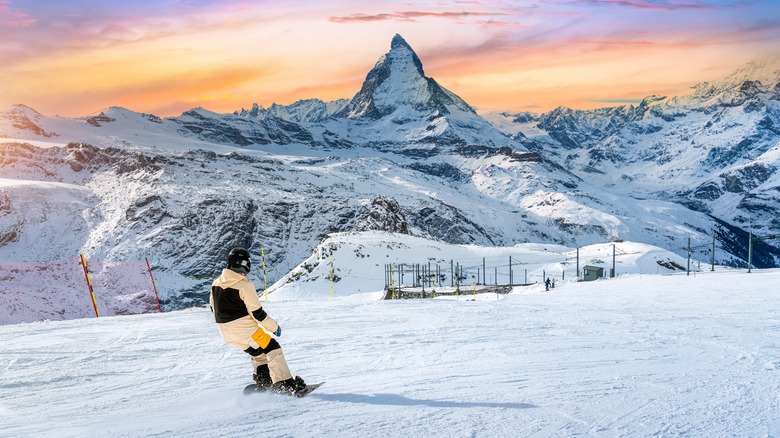
Rising global temperatures are rapidly affecting winter sports, decreasing natural snow coverage and extending warm stretches, delaying the start of ski seasons and shortening them overall. Resorts reliant on artificial snow are finding that temperatures aren't consistently cold enough for snowmaking, threatening the viability of lower-elevation resorts. As snow becomes less reliable, costs will increase. In places that simply don't have access, their overall season will shrink even further, and you may notice more resorts investing in off-season activities to help boost revenue.
Summer-centric beach and coastal tourism is also facing disruption. Heatwaves and intensified weather events degrade outdoor courts and fields, cause heat-related illness, intensify summer storms (hurricanes), and damage coral and marine ecosystems, displacing reef divers and snorkelers seeking such destinations. The increased extremity in weather and unpredictable seasonal patterns are already shaping how people plan trips. This includes booking "coolcations" (trips to "cooler destinations," per CNBC) during the summer and avoiding hurricane-prone areas, patterns likely to continue. Traditional summertime spots will likely see decreased tourism at traditional times, and vice versa. Tour operators are also moving toward building more flexible itineraries to accommodate sudden changes in local conditions. Warmer springs and autumns are also extending shoulder seasons, resulting in larger crowds for more sustained periods of time, creating a greater negative impact on destinations and prompting travelers to get creative about when and where they travel.
Methodology
To identify the top five travel trends linked to climate change, we analyzed data from booking and travel platforms like Booking.com and Expedia, alongside reporting and analysis from publications such as Travel and Tour World, Forbes, the BBC, and organizations like the U.N. Our goal was to understand how climate change is reshaping travel, and how destination managers, including tourism boards, tour operators, hotels, and local businesses are responding. Trends range from purchasing locally crafted, functional souvenirs (known as shelf-ie goods) to conservation-minded trips, nature-focused hushed hobbies, climate taxes, tourism fees, and itinerary adjustments for shifting seasons. The Booking.com poll also highlighted road trips as a 2026 travel trend — which tend to have smaller carbon footprints than flights, particularly car-pool road trips — along with rising interest in off-grid experiences, all reflecting travelers' growing focus on sustainability and digital detox.
At the same time, challenges remain. In 2025, artificial intelligence entered the travel space with Google's "Flight Deals" AI feature and Kayak's "AI Mode" tool. While these can be incredibly convenient, the energy demands of AI data centers can worsen environmental impacts and aren't considered very eco-friendly. Additionally, algorithm-driven recommendations can encourage overtourism (already a major problem in destinations from Mexico City to Mallorca) and have been linked to an increase in travel scams via deceptive websites and fraudulent emails.
Overall, travel trends for 2026 underscore how climate change is already reshaping destinations around the globe, and signal how travelers and tour operators might balance the joy of travel with the need to reduce climate footprints. For the thoughtful traveler, even small choices can help shape the future of sustainable tourism.