
5 Most Impactful Changes To Tourism Fees That Take Effect In 2026
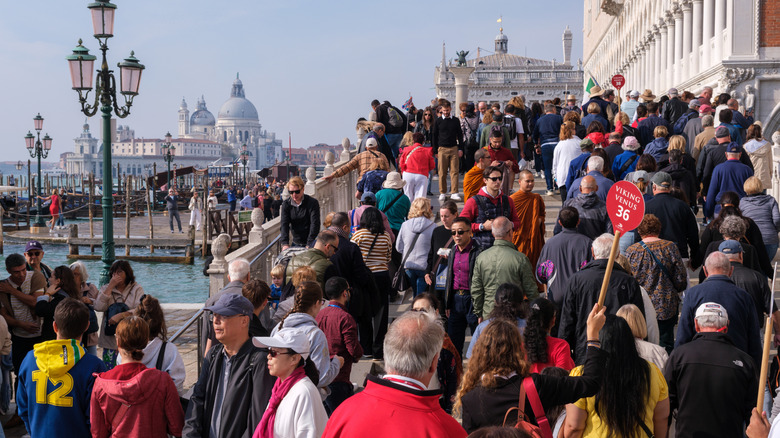
Travel, as both a verb and a noun, has become a shorthand for an economic boon, but it's also associated with a host of ills, both perceived and real. The travel industry's economic impact is undeniable, accounting for 10 percent of the total global GDP, though its negative impacts have been equally pronounced, with overtourism considered a big problem at some of the world's most popular destinations, leaving locals fed up. It seems 2026 may be the year the pendulum swings in the other direction as governments at the national and local levels push measures designed to slow or counter the negative impacts of travel, mainly through tourism fees. The following changes taking effect in 2026 promise to have the greatest impact on travelers' wallets, as well as the destinations that implement them.
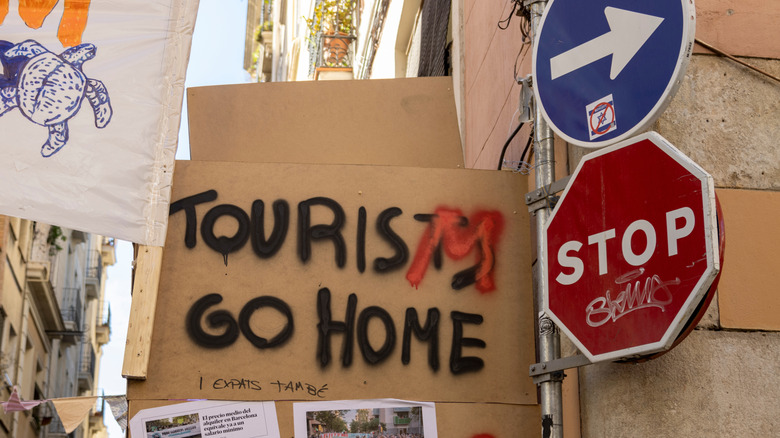
The fees are often presented as a dual-purpose tool, meant to tame demand for a location while raising funds to counteract the negative effects of masses crowding into certain areas, pushing local infrastructure to its limits, and warping the real estate market away from housing locals. Academic research questions the effectiveness of such measures, though governments have limited means through which to combat this "Disneyfication," a shorthand term for destinations that have surrendered to the travel industry to the detriment of locals. It's reached a point where growing popularity offers diminishing returns, with many countries quickly joining the list of destinations to avoid.
Governments are looking at the results and wondering if they can push the toothpaste back into the tube, avoiding a fate suffered by destinations that have been ruined by overtourism. They, at the very least, want to combat the tell-tale signs of overtourism you should look for before booking a trip — even though tourism fees are one of them.
Tourism taxes spreading

Amsterdam recently introduced the highest tourist tax in history, and other European nations and municipalities have been following suit. U.S. travelers headed to Europe in 2026 will be met with a host of new levies and fees as the governments across the continent try to control — and generate revenue from — the hordes of tourists flooding their regions. The new charges will hit more popular destinations, phasing in on different schedules throughout the year.
Norway will let cities charge a 3% "visitor's contribution," targeting overnighters and cruise ship passengers. Ditto Kyoto, Japan, which will introduce a tiered tax on accommodations in March 2026. Depending on their hotel room price, visitors will pay up to $26 per person, per night, to stay in the popular Japanese destination. Scotland's capital, Edinburgh, will tax overnight stays starting July 24, 2026, adding 5% to the cost of accommodations after UK mayors were given the power to introduce the levy near the end of 2025; the charge will apply to the first five nights of a stay. The Scottish capital doesn't immediately come to mind when someone mentions overtourism in Europe (it saw 5.41 million overnight stays in 2024), particularly if you compare the city to London, which saw 89 million overnight stays that same year. And yet, as of writing, the British capital was merely mulling the tax.
Locals, however, are split on the levees. "I think there is a risk that it does affect the competitiveness of Edinburgh as a destination," Anna Morris, who oversees a short-term rental in Edinburgh, told the BBC. "Everyone is watching what they spend now, and [the tax] is quite high when you think about it so there is a risk there."
New entrance fees for destinations not named Venice

Venice's tourism tax model — a flat, roughly $6 (€5) per-visitor surcharge — is being adopted by other destinations. Zaans Schans, a fairytale village with old-school architecture just outside of Amsterdam, will now charge visitors a $35 fee to simply enter. The small town of 410 people is trying to stanch its flow of tourists, which reached 2.6 million people in 2024. Much like a real-life Disneyland, the fee will give visitors access to various sites within the town, including museums and two mills, as well as a 10% discount at a local eatery.
This type of move goes beyond just local governments. Tenerife, a sun-kissed getaway that's part of the Canary Islands, will charge tourists an "eco tax" of up to $30, targeting travelers headed to Teide National Park. Introduced in mid-January 2026, the fees vary depending on the trail guests plan to follow and the time of their visit. Spain's problems with overtourism are well-documented, and the Canary Islands suffer from the same issues. Protests in 2024 brought 57,000 locals onto the streets to decry the negative side effects of living in a tourism-dependent economy, and the tax is designed to allay some of those tensions. "It's like a recolonization, we're being moved out slowly and silently," one local wrote on Reddit. "Tourism's depleting all the natural areas, there's no respect and no control. Our biodiversity is in extreme danger. There. Are. Too. Many. Tourists."
It's not just European destinations charging at the door; Thailand also plans to roll out an entry fee for arriving visitors. The Thai government's levies start in February 2026, charging foreigners arriving by any means $10 at border checkpoints. The money will cover insurance costs and infrastructure improvements.
New or rising price tags at every turn
Venice made waves in 2024 when it introduced a fee for day trippers stopping by the famous floating city. The program targeted "eat and flee" tourists, who locals say take more than they contribute little to the overall economy. The answer, for 2026, is an adjusted Venice Access Fee that incentivizes planning your visit ahead of time. Whereas the access fee initially charged a flat $6 (€5) fee, 2026's variant will double the price for those who book within three days of their visit. The city will also expand the number of dates requiring a fee from its initial 29 days to 60.
Rome is also hopping onto this trend. Ranked as one of the most "overtouristed" places in Europe, the Italian capital will introduce a roughly $2.50 levy (€2) for visitors who want to get near Rome's Trevi Fountain, with the funds going towards the city's coffers. "Two euros isn't very much," said Mayor Roberto Gualtieri. "It will lead to less chaotic tourist flows."
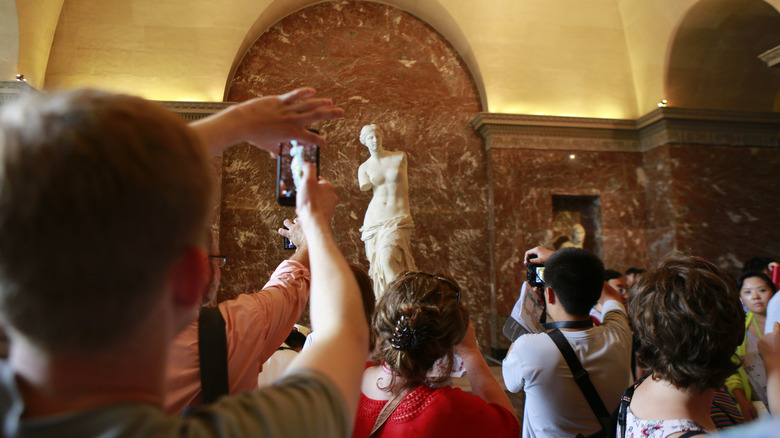
Meanwhile, other famed tourist magnets are also raising their prices. The Louvre, the world's busiest museum, has raised its entrance fee for non-EU citizens to around $40 (€32) from $26 (€22), a 45% increase. The museum recently experienced an unexpected strike by workers who decried the institution's overcrowding. Other French destinations, such as the Palace of Versailles, are also following suit and introducing a tiered pricing system. But it's not a European-only trend; across the pond, the US's national parks are introducing a $100 surcharge for foreign visitors.
Eco-minded transportation taxes come to the fore
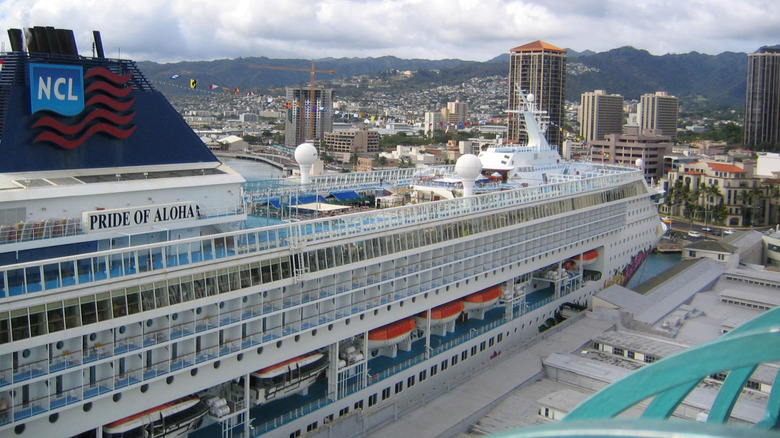
The U.S.'s youngest state has become a cautionary tale for the diminishing returns of a tourism-dependent economy. Hawaii's capital, Honolulu, now holds the dual distinction of being one of the world's safest destinations and also one of the world's most disappointing. The Aloha State will implement in 2026 a tourism fee passed the year before, designed to generate funds to combat the state's climate crisis, partly caused by the more than 10 million visitors who visit every year. The so-called "Green Fee" will mostly impact cruise ship travelers, who face an 11% tax for reaching Hawaii's shores. "We need resources to protect our beaches, create fire breaks, fix parks and bathrooms and keep our islands safe and beautiful," the state's Governor Josh Green wrote on X.
Hawaii's not the only destination in the middle of an ocean fighting back. Iceland, though it may be one of the happiest countries in the world, is apparently pretty upset about all the cars zooming about, including tourist-filled rentals. In 2026, the government implemented the Iceland Kilometer Road Tax, which charges drivers according to the amount they use the road. The tax applies to everyone, so tourists will feel it at the car rental counter.
Not that travelers mind covering the theoretical environmental cost of their visit. Booking.com's most recent Sustainable Travel Report found 84% of those surveyed considered sustainable travel important, with 93% of respondents claiming they're trying to make their journeys more eco-friendly and have, in some way, already tried. The changes to becoming more green are seen in smaller actions; turning off air conditioners and heating while stepping out has become a habit for two-thirds of respondents, for example, while five years earlier, more than half of those surveyed didn't bother.
Fees at ports, both sea, air
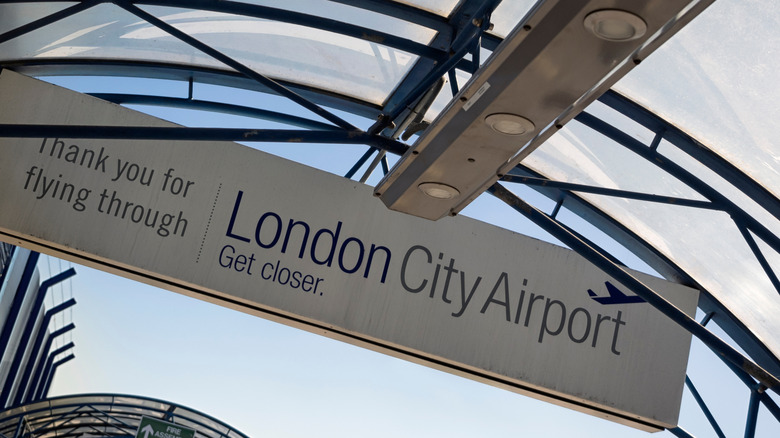
Governments are mulling how to extract tax revenue from travelers in another way: meeting them at disembarkation. Airports across the UK are introducing or raising drop-off fees. London City Airport, for example, introduced a drop-off fee that starts around $11.00 (£8) for the first five minutes, with each additional minute costing around $1.40 (£1), capping each stop at 10 minutes. Meanwhile, Japan has a tax for those heading elsewhere. The departure tax has visitors pay around $6.50 as they exit the country, with the resulting funds earmarked for improving and expanding tourism infrastructure.
Hawaii's "Green Fee" focusing on cruise ships is just the start, though a Manhattan appeals court put a temporary halt on the tax to hear a case brought by the industry and White House, which argues state tax laws don't apply to cruisers. Meanwhile, other popular ports are mulling per-person charges for all cruise ships that dock and disembark their passengers. French senators approved a roughly $18 (€15) fee at all French ports, echoing Hawaii's ecological arguments. The levy faces another vote in the government's assembly.
Locals generally seem to have a welcoming attitude towards the excises. "Used to live in a town which also saw a lot of cruise ships coming by," wrote one Reddit user. "The issue was that they took all their meals on the ship, so for the town's economy, it was mainly some tour guides and souvenir shops. Not much, considering you saw many large groups walking the city on a daily basis."
Methdology
Tourism and fees across the globe have changed radically in the post-pandemic era. The biggest challenge in putting together this list was deciding what to leave out. A general online search of the travel and tourism fee landscape created a list of dozens of excises. Islands.com's coverage over the last year also provided a substantial backbone to the list.
The first step in determining this list was to remove already-existing taxes that remained unchanged in 2026. The remaining levies, around a dozen, were then sequenced via percent changes, with newly introduced fees given the most weight. Increases to existing fees were given the least weight. Governments' own sites were consulted — if they had an English version. Then, other international news and general interest publications such as the New York Times, Reuters, Euronews, and more were examined to get a better sense of impact and context. Prices in U.S. dollars are approximated due to constantly changing exchange rates and economic shifts.