
10 Bucket-List Destinations For Hikers Across The World
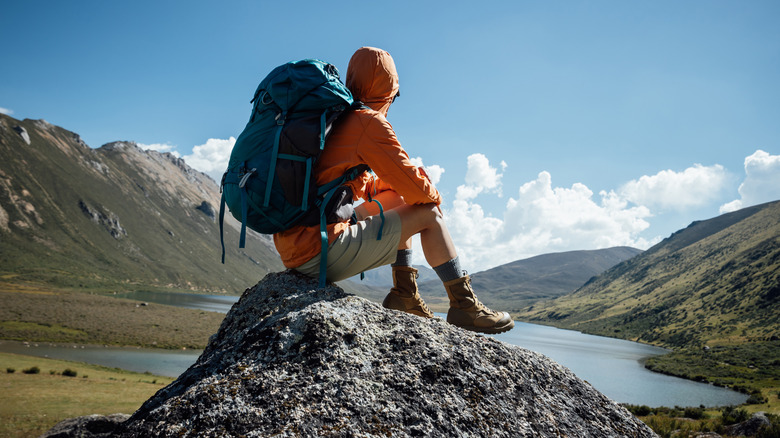
For many, the best travel moments happen when you're miles from anywhere, surrounded by stunning landscapes that make you feel incredibly small and grateful. There's simply something addictive about hiking, especially when you're lucky enough to be on one of the world's most renowned trails. That brutal ascent that led to sweeping views of snow-capped peaks or the mysterious detour that revealed a hidden valley no guidebook saw fit to mention are moments you can never take for granted.
However, thin air at altitude, intense sun-exposed ridges, and knee-destroying descents can all make you wish you had never started. But the rewards are high. Completing a challenging trail can deliver an unmatched sense of achievement, while multi-day treks through remote wilderness offer the type of solitude that may well reset your entire perspective on life. This list gathers together some of the best hiking spots across the globe — destinations that should all be on bucket lists everywhere.
Inca Trail, Peru
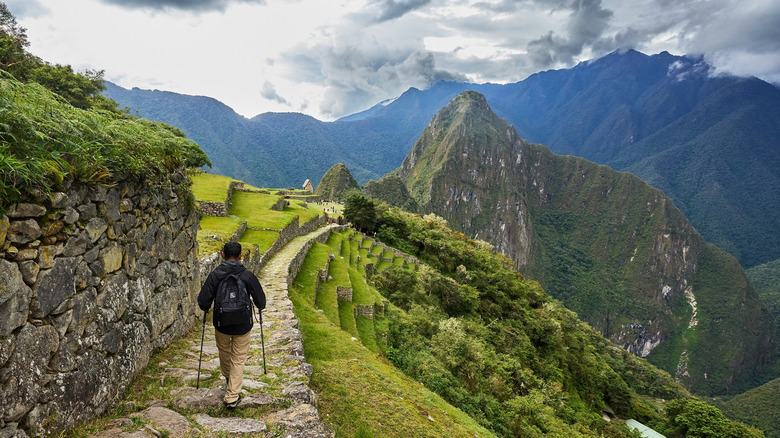
The Inca Trail in Peru is much more than just a hike to Machu Picchu. It's a four-day journey over 27 miles, winding through cloud forests, along steep-sided gorges, past crumbling stone settlements, and up and down high passes. The trail is, in fact, a royal highway that dates back to the mid-15th century, when the Inca ruler Pachacutec looked to connect Cuzco with the UNESCO-listed mountain ridge sanctuary. It starts at 8,530 feet on day one and becomes increasingly challenging by day two, ascending to 13,829 feet at Dead Woman's Pass before descending ancient staircases that will test the knees. Things start to get a little easier again by day three, where you'll pass ancient ceremonial structures and maybe even spot llamas among the ruins. By day four, you're back on easy street. It's just a two-hour hike to get to Sun Gate before making the descent down to magical Machu Picchu.
The best time to do this trek is in the dry season between May and September. May and June bring smaller crowds and lingering greenery from the spring precipitation, while July and August have the clearest days. However, the nights are colder, and the trail is packed, even though the government limits daily visitor permits to 500. You should book in advance for dry-season hikes (six months is advisable), and a guide is mandatory. Tour operators will also provide porters to carry your tents, food, and camping gear. They'll also give you advice on altitude sickness, which is common above 8,200 feet regardless of your fitness level. Spending a few days beforehand in Cusco at 11,200 feet will help the body adjust.
Tour du Mont Blanc, France, Italy, and Switzerland
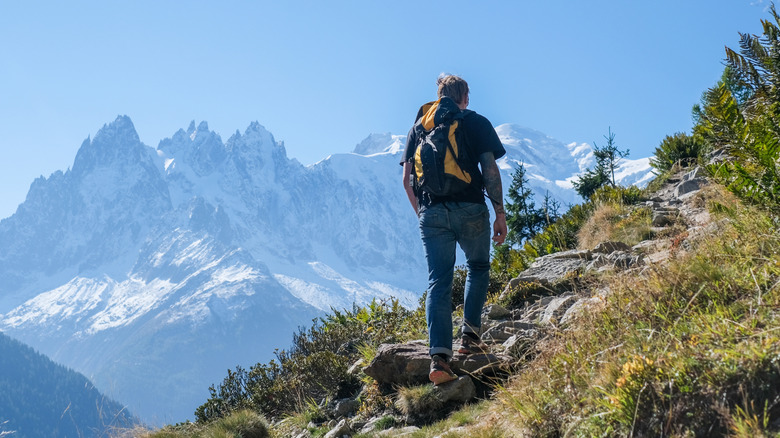
There are few multi-day treks in Europe that offer the cultural variety of the Tour du Mont Blanc. It's a breathtaking 103-mile loop that even made Rick Steves fall in love with hiking. The route crosses France to Italy and into Switzerland, all the while encircling the highest peak in Western Europe. It climbs through 11 mountain passes, alpine meadows, and forests that open onto stunning glacier views, and along the way, you can fuel your endeavors with croissants, cheese, and wine in France, polenta and pasta in Italy, and rösti and the occasional fondue treat in Switzerland.
The circuit starts and ends in the legendary resort town of Chamonix in France and typically takes 10 days to complete, although there is no rush if you want to take extended breaks. That extra rest may be required, as days can be demanding with 15 to 20 miles of hiking and relentless elevation gains with little to no flat for relief. However, it's a well-marked trail, and you can take advantage of luggage transfer services that can be found in towns and villages that allow you to hike with just a daypack.
You'll experience the best weather from June through September. June might still see some snow on the passes. But with the majority of the 200,000 annual visitors hitting the trail in the peak months of July and August and nights dipping to chilly temperatures in September, a little bit of snow at altitude might be preferable. Book accommodation early if you choose peak-season months, with options ranging from affordable hostel dormitories to high-end luxury hotels.
Mount Kilimanjaro, Tanzania
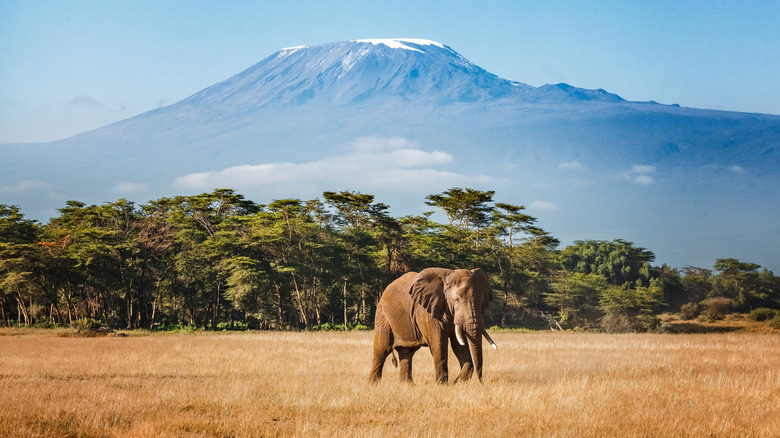
The world's tallest freestanding mountain and the highest peak in Africa, Mount Kilimanjaro, stands at 19,340 feet. Unlike technical climbs that require ropes and specialized training, you only need a good level of fitness and a healthy dose of determination for this peak. However, there is a catch. Only about 60% of climbers make it to the summit, with altitude sickness the primary culprit. The weather may also contribute, so hiking in the dry spells of December to March or June to October is best.
For many, passing through the mountain's five distinct ecological zones is the primary appeal. The journey begins in cultivation areas before entering lush, moss-covered cloud forests where you might meet the occasional solemn-looking colobus monkey. Higher up, you'll climb through heath and moorland before the landscape gives way to barren alpine desert. In the final zone, you'll push through arctic terrain of glaciers and frigid temperatures, while the summit slog starts at midnight. It's the most challenging part of the hike, but the resilient make it in time for the sun spilling over the horizon.
There are seven official routes, which range in duration from five to nine days. If you want the best chance of making it to the top, make sure to leave acclimatization time, which means choosing a route with a seven-day minimum — one of many tips you should read before climbing Kilimanjaro. A licensed guide is mandatory, and climbers typically hire up to six crew members. And while costs range from $2,000 to $5,000 per person, cheaper options exist. However, these cut-price tours likely skimp on certain ethical practices, including safety and porter treatment.
Everest Base Camp, Nepal
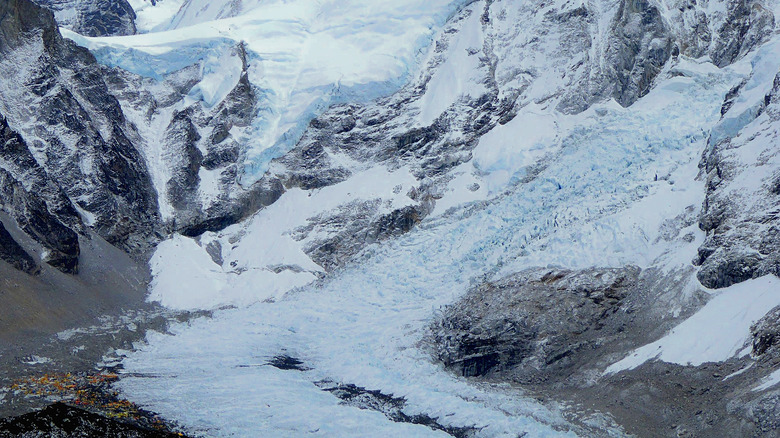
Standing small at the foot of the world's tallest mountain after undertaking the two-week journey it takes to get to Everest Base Camp (EBC) is quite possibly the most humbling outdoor experience on Earth. The round trip covers roughly 80 miles through Sagarmatha National Park, beginning with a flight into Lukla and one of the world's scariest airport runways. You'll then pass through fascinating Sherpa villages, visit serene monasteries, and cross thrilling suspension bridges over rivers and gorges. The early days of the trek follow the Dudh Kosi River before reaching Namche Bazaar. Beyond, there are excellent side hikes to places like Gokyo Lakes and Kala Patthar just before EBC, where you can look down at the camp and the Khumbu Glacier before craning your neck up at Mount Everest.
The best time to hike is from October to November, though the trails are at their most crowded during these months. March through May offers an excellent shoulder-season alternative, but whatever the season, you need to be aware of certain things before undertaking this hike. Altitude remains a risk; thin air can test even the most experienced hiker. It's essential to go slowly. In fact, if you have the time, take as long as you want. Lodging involves rustic teahouses where you'll get hearty meals and warmth in communal dining areas, and while there is talk of Nepal requiring foreign trekkers to hire guides, it's still a bit of a gray area. If you book before you fly, your tour will include one, which comes with many advantages. However, if you're an independent adventurer seeking a little solitude, seek on-the-ground advice in the country or on social media groups before committing.
W Trek, Patagonia, Chile
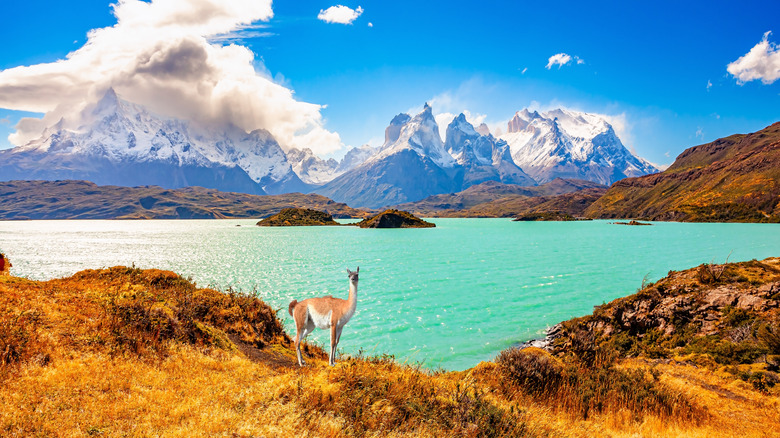
Named for its W-shape that zigzags its way through Torres del Paine National Park in Patagonia, Chile, the up-to-50-mile W Trek is part of the larger O Circuit. The trail's centerpiece is the Torres, three jagged granite towers rising from a gleaming glacier that give the park its name. The W trek winds along Lake Pehoé, a turquoise mirror that cinematically reflects the Patagonian sunsets and snow-capped peaks, and ends at the almost 100-foot ice wall known as Grey Glacier. November through February bring the warmest weather and crowds, but March, April, September, and October are quieter, and offer the best chance to view the wildly overlooked Southern Lights (though temperatures are cooler and nights colder). Wind can also be a problem. Gusts in Patagonia can exceed 120 mph, but as they whip across the glacial lakes and howl through the valleys, it adds to the wild, untamed feel of the landscape.
The trek takes four to five days to complete, and there are challenging sections. However, altitude isn't a concern, with the maximum elevation under 3,000 feet. Most hikers start in the east and make their way west, beginning with a grueling hands-and-knees scramble to Mirador Las Torres, where you'll see the towers standing sentinel overlooking the creamy, emerald Lago Torres below. You'll then follow Nordenskjöld Lake beneath the Cuernos peaks rising above like shattered stone flames before pushing through subpolar forest to Mirador Británico, a natural amphitheater surrounded by granite walls. On the final day, you reach Grey Glacier, a high river of electric blue ice snaking its way between cliffs. You'll see kayakers paddling among freshly broken-off icebergs, condors soaring high above, and delightful guanacos, a llama-like camelid, grazing by the shore.
Cinque Terre, Italy
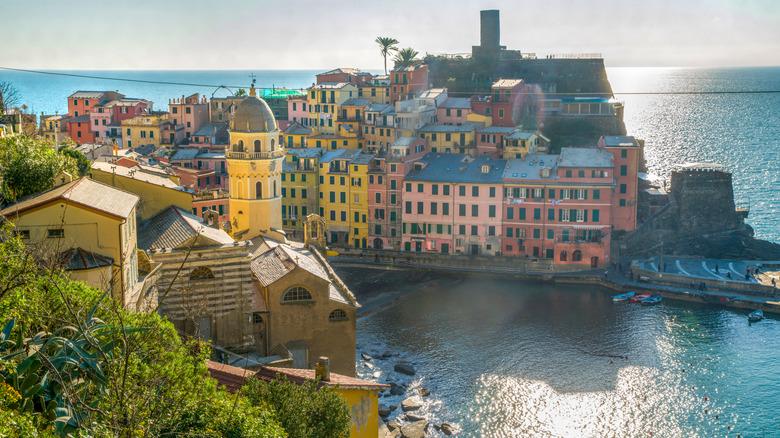
There are five brightly colored fishing villages clinging to the cliffsides along Italy's Ligurian Coast. They are connected by a 7.5‑mile coastal trail winding its way through terraced vineyards and olive groves. Cinque Terre translates to "Five Lands" and draws in an astonishing 4 million visitors each year, vastly outnumbering the 4,000 or so residents. Those peak numbers arrive in summer, and when you throw in the stifling heat and lack of shade, you may not want to hike at this time. The weather in May is still warm, and the trails are lit up with wildflowers, while September offers similar conditions.
Sentiero Azzurro, or the Blue Path, is the main route. With its hundreds of stairs and steep climbs, the hiking ranges from moderate to difficult, but you'll be mesmerized by the dramatic sea views from the narrow cliffside paths. Riomaggiore is the Southern Jewel of the Cinque Terre, incredibly hilly with a tiny harbor and excellent restaurants, while Manarola is the quintessential Cinque Terre photo opp with its colorful houses cascading down to its small harbor.
You'll catch spectacular sunsets here, whereas Corniglia is one of the quieter villages. It's perched high up, hundreds of steps above its train station, and is famous for its busy square and postcard-worthy lookout points. Vernazza has a small sand beach and a ruined castle, while Monterosso al Mare is the largest settlement, where you'll find a nice, sandy beach as well as a historic center and plenty of shops and cafes.
Camino Francés, Spain
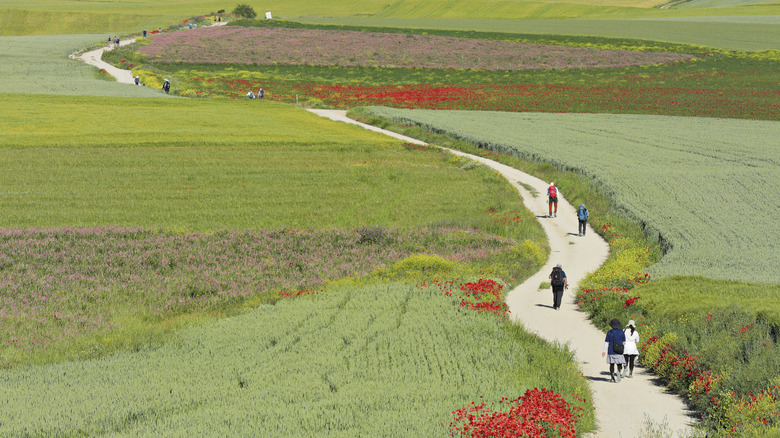
This trail is a centuries-old Catholic pilgrimage to Santiago de Compostela, where the remains of St. James the Greater, one of Jesus' 12 apostles, are said to rest. It has been traversed by royalty, military, and devotees as far back as the ninth century, and today, you can hike through that history. The trail is 500 miles long and takes about a month to complete. It starts in the French Pyrenees, and along the way, you'll be treated to medieval towns, exceptional food and wine, and plenty of connections with fellow travelers.
The route includes a demanding 4,100-foot "baptism of fire," as it crosses the Pyrenees, before it drops into rolling plains and lush hillsides. In Pamplona, you can rest up in the bars and restaurants at the historic Castle Square, while in Irache, there's an extraordinary fountain flowing with complimentary wine to all who pass. Logroño sits in the heart of La Rioja wine country, where it can be tempting to overindulge in the local vintages, but the tapas are among the tastiest you'll find on the trail.
The stunning cathedral at León is where stained-glass windows flood the interior with a spectrum of colored light. However, reaching the cathedral at Santiago de Compostela is the crowning achievement after weeks of walking. April through June and September to October offer the best weather conditions, when you can avoid the intense summer heat and winter snowstorms.
Laugavegur Trail, Iceland
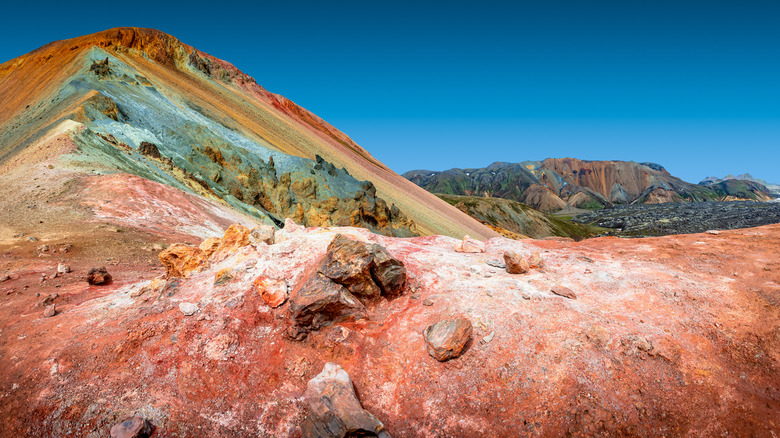
Brennisteinsalda is a volcano in Iceland that erupts in contrast and color. Yellow and orange sulfur, bright green moss, black and blue basalt, and rich red iron compounds make up the otherworldly landscape here. This is what hikers get to experience on the first day of the Laugavegur Trail, a 34-mile trek through the heart of Iceland's volcanic interior that is recognized as one of the best hikes in Europe. It unfolds over four days, where you'll cross deep black obsidian fields and dark volcanic sands, all the while navigating strange lava formations, rising steam through cracks in the earth, rivers cutting through valleys, and dark lakes mirroring imposing volcanic peaks.
Landmannalaugar in the Southern Highlands is the starting point. From there you'll climb to the trail's highest elevation at Hrafntinnusker, sitting at 3,600 feet, some 800 feet above Brennisteinsalda. You'll ramble through valleys, wade through icy waters, and cross the surreal expanses of volcanic desert. The trail ends in Þórsmörk (pronounced THORSH-murk), where birch forest and wildflowers grow between the dramatic sights of three immense glaciers.
The trek is moderate in difficulty, but you'll need a decent level of fitness, and the weather changes as dramatically as the landscapes. One moment you're down to your T-shirt; the next, you're freezing as the fog rolls in and snow starts to swirl. Bring attire for all four seasons, and note that you can only do this trek from late June through mid-September. July is the peak month, with the summer sun offering constant daylight, but the trail is quieter from August onwards.
Nā Pali Coast, Hawaii, United States
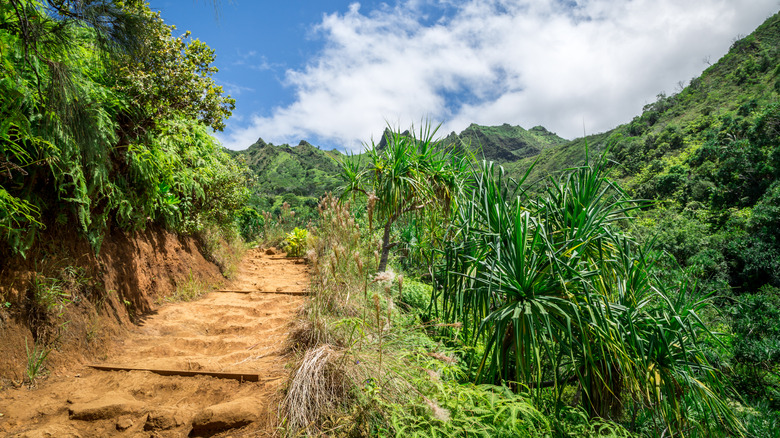
Along the northwestern coastline of Kauai is the Kalalau Trail, an 11-mile-long wilderness hike through some of the most dramatic scenery in the world. However, it's not for the faint-hearted, and there are serious dangers that should not be ignored. There's little development here; just valleys carved between ridges, red soil cliffs, waterfalls slicing through mountainside vegetation, and white sand beaches tucked into cliff curves with the endless Pacific Ocean stretching out to the horizon.
The trail starts at Ke'e Beach and climbs high before descending to Hanakapi'ai Beach. Beware of the rip tides and currents here — the water is among Hawai'i's most dangerous. Do not underestimate Hanakapi'ai Stream either. You'll need to cross it to get to the beach, but if there has been a storm, it can be dangerous, so wait until the water level drops. If you really need a refreshing dip, there's a side trail to the 300-foot Hanakapi'ai Falls, although it is an 8-mile round-trip.
Beyond the beach, you'll take on a narrow clifftop trail with an 800-foot drop into the churning sea. It's a test of nerve more than technical skill. Crawler's Ledge, several miles further along, lives up to its name, too. However, the volcanic rock is sturdy underfoot; just don't get distracted by the incredible views that frame it. The trail ends at Kalalau Beach, where terraces of stacked stone preserve the history of taro farming on the island. You'll need to camp here overnight (get your permit beforehand) and return before dawn the next day to avoid the beating sun. Note that Kalalau Beach is another place with hazardous ocean currents.
Lycian Way, Turkey
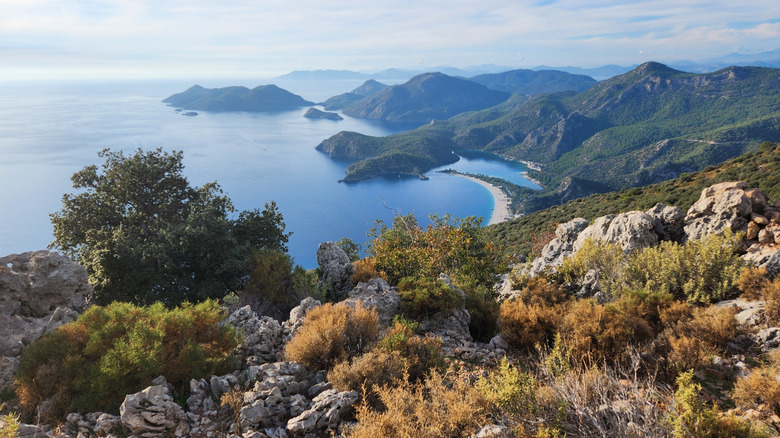
On Turkey's southern Mediterranean coast is the Lycian Way, a 335-mile riviera of ancient cities and golden sands. It stretches from Fethiye to the resort city of Antalya, and the route traverses Roman roads and mule trails and can take as long as 45 days to complete, though most people tackle it in three-to-seven-day sections. The terrain can vary wildly. One minute you're strolling along an easy, flat road; the next you're navigating tight, rocky sections or tackling steep scree slopes. The constant climbing can put a strain on the knees, and a decent level of fitness is needed.
One of the best day hikes is from Fethiye to Butterfly Valley, where you pass through a desert canyon filled with flurries of colorful butterflies dancing through the air. There's also a boat-access beach where you can camp and admire tumbling waterfalls. Then there's Patara Beach, backed by huge dunes and limestone cliffs, stretching along the coast for 11 miles. There are plenty of isolated sections where you can enjoy some escape and discover turtle nesting zones and the ancient ruins of Patara, which was once the capital of Lycia.
There are more Lycian ruins in Kekova. This is where you'll find the unique ancient underwater city of Dolichiste, partially submerged beneath clear blue water. A few days hiking east and you'll discover Olympos, which ranks among the most spectacular ruins on the route, while to the south, you'll find the Gelidonya Lighthouse with complementary views sweeping across the Med. For the best conditions with cooler weather and lighter traffic, hike between April and June or September and November. July and August mean the paths are more crowded, and the heat is cranked to extremes.
Methodology
We took to hiking authorities like Outside Magazine, EarthTrekkers, and AllTrails, as well as travel publications such as Lonely Planet, to find the most revered hiking destinations across the globe. We aimed to have diversity in our list, including geographic spread and different trek types. We considered volcanic hikes and trails that offered a broader range of experiences while also including classic alpine landscapes. Difficulty was also a consideration; we tried to balance challenging and moderate routes, although there aren't many easy trails on our list, as they tend not to lead to the most striking destinations.