
Common Clothing Mistakes To Avoid When Visiting Iceland
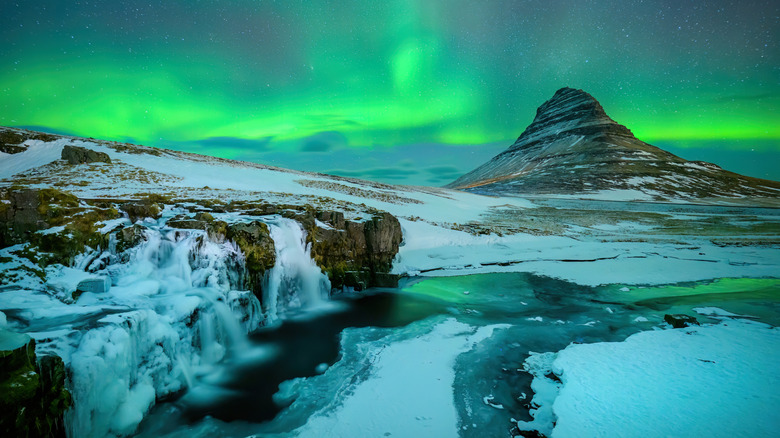
Iceland's dramatic landscapes, beautiful waterfalls, and space-like terrain attract travelers from all over the world, even in the middle of winter. The country has a reputation for pretty unpredictable weather that can catch even the most experienced travelers off guard. Conditions can shift dramatically, which means the weather can go from sunny skies to whiteout blizzard conditions within hours. Because of this volatility, packing the wrong clothing is one of the most common mistakes travelers make when planning their dream trip to Iceland.
Knowing what to wear — and what not to wear — can make your Iceland vacation far more enjoyable, whether you're chasing waterfalls along the South Coast, driving the Ring Road, planning a self-driving tour around the whole island, or heading to one of the other destinations you shouldn't miss on your vacation to Iceland. Layered clothing, waterproof outerwear, and proper footwear can keep you prepared even in the worst of conditions. Avoiding the most common clothing mistakes will help you stay warm, dry, and ready for whatever Iceland's famously changing weather brings.
Wearing cotton as a base layer

Cotton might seem like a logical choice for an underlayer when traveling. However, cotton is not recommended for Iceland's cold and damp climate, especially if you're spending a lot of time outdoors. That's because cotton absorbs moisture and dries slowly, which can leave you chilled and wet after walking in the rain along the Laugavegur Trail — which is one of the best hikes in Europe – or through waterfall mist. Even light rain or sweat might be uncomfortable in cooler temperatures.
Instead, opt for wool or other synthetic fibers as a base layer. These will wick moisture away from your body and help them dry faster. A good thermal underlayer is especially important if you are exploring Iceland in the winter. Staying warm and dry can make a huge difference when you're on a full-day tour or long hike.
Icelandic Mountain Guides strongly discourages wearing cotton, going so far as to say it's "a dangerous fabric to wear when trekking in the extremes of Iceland." When cotton is wet, it becomes significantly heavier, loses most of its thermal properties, and keeps you wet. When your body temperature drops, the risk of hypothermia increases.
Packing a fashion coat instead of a waterproof shell
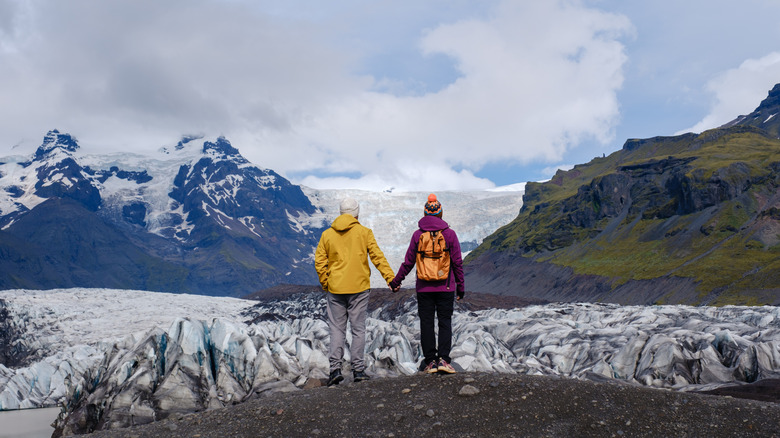
Iceland is a destination where function should overtake fashion. With unpredictable weather, you want something that will keep you warm and insulated. Getting wet is a real possibility, even when it's not raining. Visit a waterfall, even in the summer — which is the best time to visit Iceland — and you are likely to get soaked. While a stylish coat looks great for social media, it may offer very little protection against Iceland's climate.
Some visitors are surprised at how quickly conditions can change once they leave the city and are in open areas with little shelter. Even on days that start off nice, rain or strong wind gusts can make being outdoors super uncomfortable. If you're planning a road trip (according to travel expert Rick Steves, "Europe's best road trip" can be found in Iceland and will bring you to seafront villages, glaciers, and fjords), your choice in outerwear matters.
For winter months, choose a waterproof insulated jacket that is rated for sub-zero temperatures to help you keep warm. Even during the summer, you should pack a waterproof shell. You want a jacket that blocks wind and rain while allowing you to wear layers underneath. Proper rain protection is especially important along the South Coast with multiple waterfalls and iconic coastal stops. If you opt for non-waterproof outer layers, you might find yourself starting off the next day cold and wet.
Skipping layers because the temperature doesn't look that cold
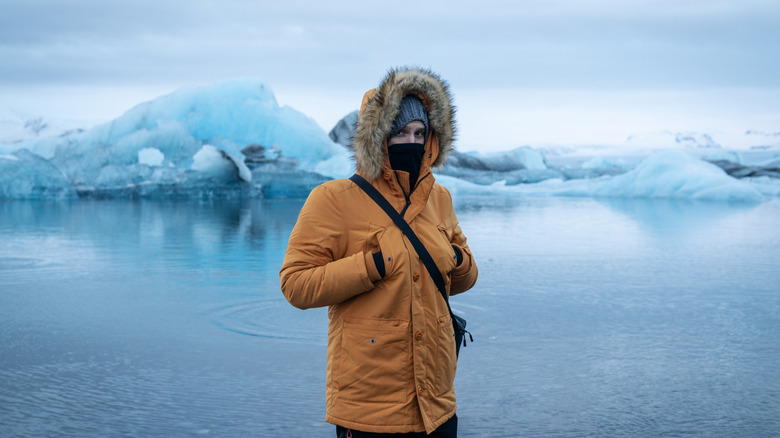
Being comfortable in Iceland is all about layers, especially if you're on a road trip. In the winter, opt for a thermal inner layer to help keep you warm. When you check the forecast for the day and see relatively mild temperatures, it won't necessarily be an accurate representation of how the wind and cold feel. Even when the temperature is above freezing, strong wind gusts can make being outside for long periods uncomfortable. How it feels walking around in Reykjavík will be different than how it feels at Diamond Beach or Glacier Lagoon.
Instead of relying on a single coat for the entire trip, some experienced travelers prefer to wear several lighter pieces that can be added or removed as needed. That makes it easier to stay comfortable throughout the day without feeling like you need to change clothes every time the weather shifts. If you're exploring Iceland by car, there's no reason you can't bring another coat that you leave in the car for when you need it.
Wearing jeans on outdoor adventures
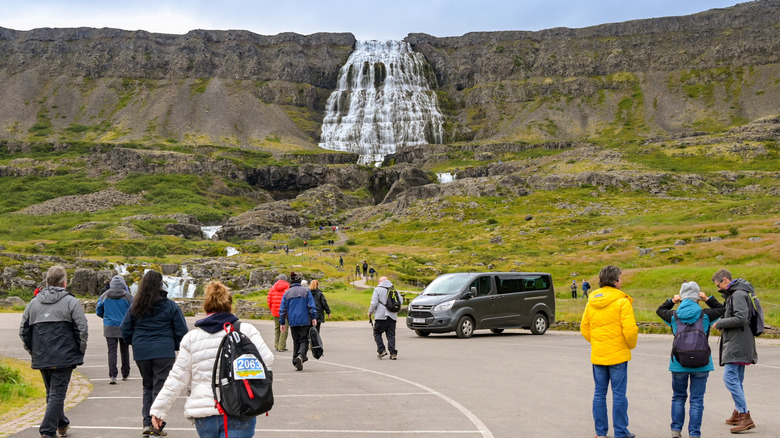
You'll see people wearing jeans in Iceland, but it's frowned upon, especially if you're going hiking or it's wintertime. Have you ever worn jeans when it's raining? They are cold and take forever to dry. You don't want to be exploring or in the car all day where you are wet, cold, and miserable.
Being damp and cold is especially uncomfortable at a waterfall in Iceland. Far-reaching mist, muddy terrain, and sudden showers are quite common. Even on a day that starts off beautiful, conditions vary enough that jeans can feel stiff and cold. Tour companies, like Arctic Adventures, recommend skipping the jeans. Not only do they keep moisture in and dry slowly, but they can also restrict movement. They recommend leaving the jeans for when you're dining out in the evening. A better alternative is material that dries quickly and is comfortable for hiking. Look for dry hiking pants or synthetic travel pants.
Bringing only sneakers instead of waterproof boots
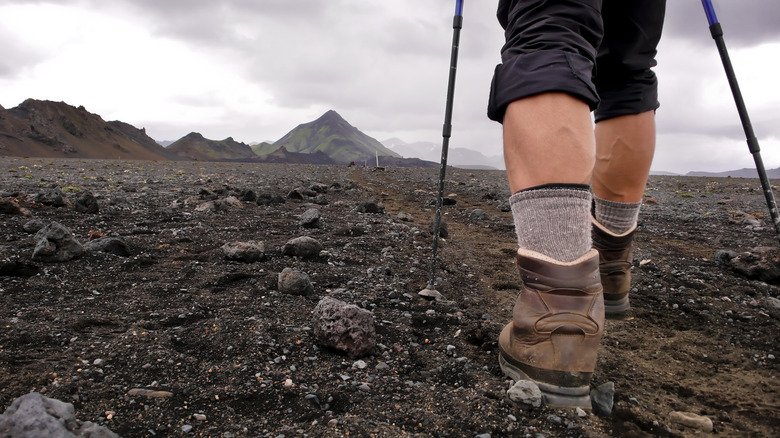
Regular sneakers are great for wandering around town or going out to dinner, but you'll want to consider bringing waterproof boots for daytime exploring in Iceland. Travelers hoping to visit waterfalls, beaches, and hiking trails are likely going to encounter muddy paths, wet rocks, or uneven ground. Shoes that work well for everyday travel can quickly become uncomfortable once you get into Iceland's more rugged areas.
Waterproof hiking boots are recommended because they offer better traction and can help keep your feet dry in damp conditions. Even a short walk to a viewpoint from a paved parking lot can involve loose dirt, slippery surfaces, and gravel. If you're at a waterfall, the spray can wind up soaking your shoes. When your feet are wet, the rest of the day can be rather uncomfortable.
Waterproof shoes are especially important on road trips. You are probably going to be getting in and out of the car frequently at different viewpoints. Sturdy, waterproof boots make it much easier to explore without worrying about traction and wet feet at every stop. If you're concerned about your boots starting to stink or getting bacteria after constant wear, these DIY hacks can keep your hiking boots smelling fresh.
Forgetting a hat and gloves even in summer

Don't make the mistake of assuming that visiting Iceland in summer means you can leave all your cold-weather accessories at home. While summer temperatures are milder than in winter, Iceland's winds are more dangerous than many tourists realize and can make it feel much colder than expected. If you're planning a road trip along the South Coast, you'll likely be visiting some iconic landscapes, including glaciers, beaches, and cliffs. Even on sunny days, the strong wind gusts can make you uncomfortable.
The risk of windburn is high even in the summer. People tend to spend long periods of time at viewpoints and waterfalls, where they may not be moving around as much. Without a hat or gloves, your hands and ears can become sensitive to cold much faster than the rest of the body, even in June or July. Boat tours, whale-watching trips, and evening excursions can feel especially chilly once winds suddenly pick up.
Lightweight gloves and a warm hat or beanie take up very little space in a suitcase, but they can make a big difference in your overall comfort. Because temperatures in Iceland can shift quickly, having these accessories available year-round is worth it.
Wearing bright or delicate clothing near waterfalls
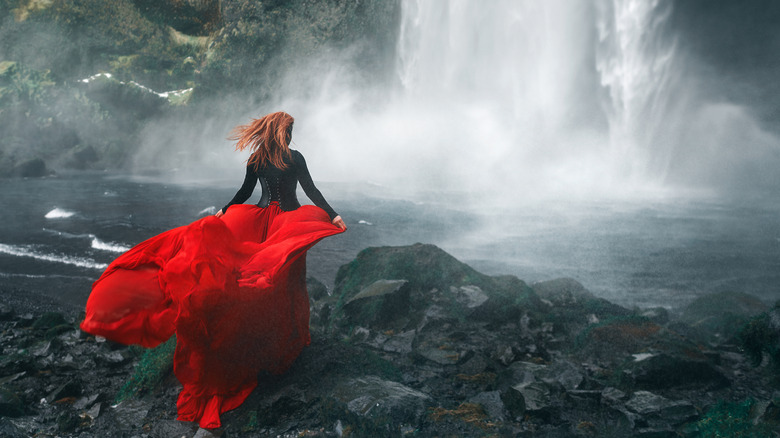
Iceland's waterfalls are among the most famous attractions in the country. Many visitors plan their wardrobe and daily outfit choices based on photos they plan to take at places like Skógafoss and Seljalandsfoss. What many people may not realize is how much mist these waterfalls produce, even on non-windy days. Standing close to the falls can leave you drenched. If it's a windy day, the winds will carry the spray even further away.
The unpredictable conditions aren't well-suited for light-colored fabrics, sheer clothing, delicate materials, or clothing that should not get wet. This is especially true at Seljalandsfoss, one of the world's most ethereal waterfalls. You can walk behind this stunning waterfall, and if you do, you're very likely to become soaked by its unavoidable spray. The paths leading behind the falls can also be very muddy and slippery. Wearing long, drapey clothing can present a safety risk and is likely to get ruined.
If you want photos in a dress or long skirt, put it on over your clothes for the photo, or bring a change of clothes. Keep your waterproof jacket or dry bag nearby, which can make your time at the waterfalls more enjoyable.
Packing bulky sweaters instead of layered pieces
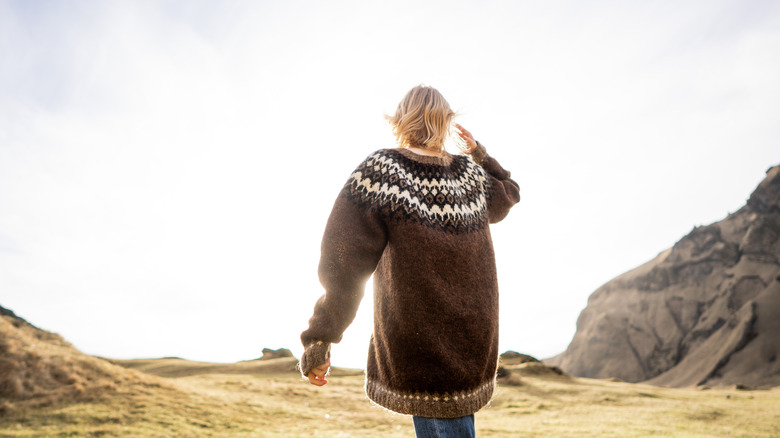
Bulky sweaters may seem like the logical choice for cold-weather destinations like Iceland. However, relying on one heavy layer can become uncomfortable rather quickly. With changing weather throughout the day, you're likely to be moving between cold outdoor stops and warm indoor spaces multiple times. That bulky sweater can be really hot in restaurants or in the car, but it lacks any thermal properties to keep you warm outside.
In Iceland, wearing several lighter pieces usually works better than relying on one heavy sweater. Consider a thermal base layer with a warmer mid-layer and a weatherproof outer jacket, because it's easier to adjust as the temperature shifts. Wool is recommended, which can even work in the summer months because wool can manage moisture and temperature.
Many visitors also notice that locals tend to dress in layers rather than heavy coats, even in cooler weather. Consider a traditional Icelandic wool sweater, called lopapeysa, if you want a fashionable and practical souvenir. Just make sure you're buying an authentic, hand-knitted lopapeysa, as there are some mass-produced ones available in some shops.
Forgetting sunglasses
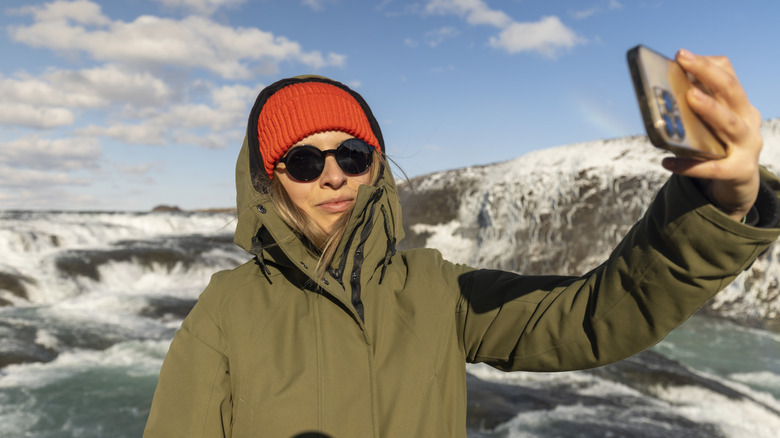
Sunglasses are one of those items that are easy to overlook, especially when planning a winter trip to Iceland. Cloudy skies and shorter days are often the norm. However, when the sun is visible, the light can be surprisingly strong. That is especially true in open landscapes with little shade. Reflections from snow, glaciers, water, and even light-colored volcanic sand can make bright conditions uncomfortable without eye protection.
Reflecting sunlight is even more of a problem in the winter, when the sun stays low in the sky, and glare can be intense during daylight hours. Driving can also be more difficult without sunglasses, since long stretches of road often have no trees or buildings to block the light. Even in summer, the combination of clear air and long daylight hours can make sunny days feel brighter than expected.
Packing only warm-weather clothes in summer
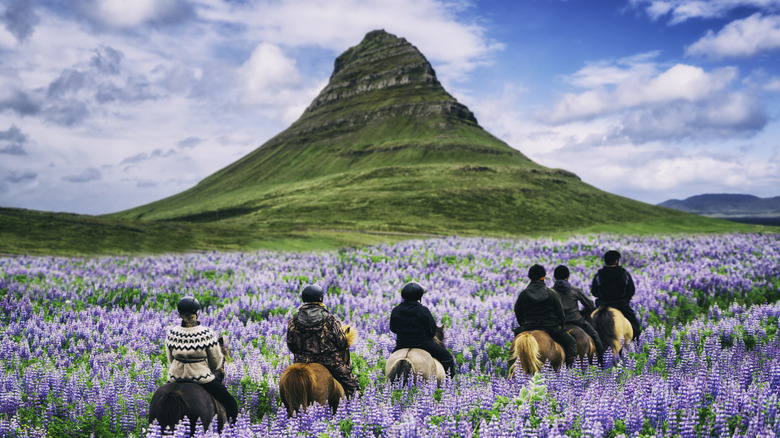
A common misconception is that traveling to Iceland in the summer means dressing like you would in a warm-weather destination. Temperatures during the Icelandic summer average between 50 and 55 degrees Fahrenheit, but can fluctuate depending on where you are on the island. While the summer months between June and August are typically the most comfortable of the year, conditions can be colder than some people expect. Wind, rain, and sudden temperature drops are common. Evening time can feel surprisingly cool, even after a warm and sunny day. If you're traveling to Iceland's highland areas, it may be a few degrees cooler.
People who pack only a summer wardrobe of shorts, T-shirts, and light layers may need to do some shopping after arriving in Iceland. The same logic applies in warmer months: pack layers. You'll still want at least one warmer mid-layer, such as a wool sweater, and a waterproof outer layer.
Don't assume it's going to be hot in Iceland. Instead, pack for cool and changing conditions. Having a few warmer pieces makes it easier to stay comfortable without the need to change your whole outfit every time the weather shifts.
Wearing flip-flops or sandals around geothermal areas
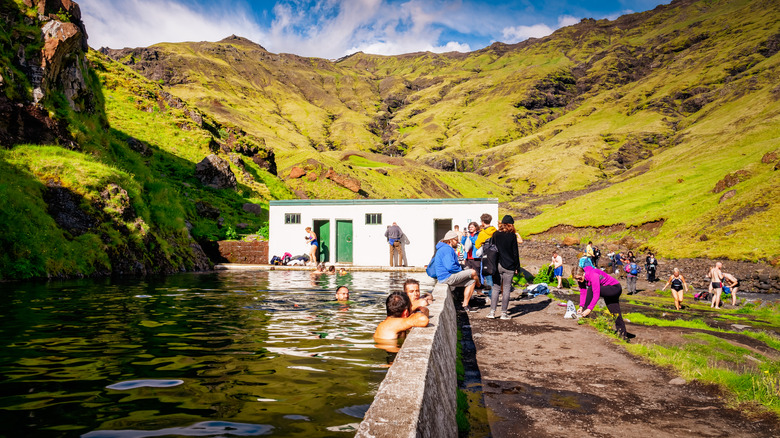
Hot springs and geothermal pools are a big draw for travelers visiting Iceland. It is easy to assume sandals or flip-flops are the best footwear to bring. While these may be useful at one of Iceland's best geothermal spas, like Sky Lagoon, they are not ideal for many natural geothermal areas. These are areas where the ground can be rocky, muddy, or slippery. Sturdier footwear is important when walking between the parking areas, changing rooms, and pools.
At popular paid sites like the Blue Lagoon, guests can wear sandals or water shoes, but at other locations, layouts may differ. Some geothermal baths require walking across gravel paths or wet surfaces, and your shoes will be left in lockers or shared storage areas. Because of this, some people may prefer not to bring expensive or delicate footwear.
Sturdy, comfortable shoes are usually the safest option when visiting natural geothermal sites, especially if you plan to explore the area surrounding the vents and pools. Bringing simple flip-flops as a backup can still be useful, but they should not be the only footwear you pack.
Wearing regular socks instead of wool hiking socks
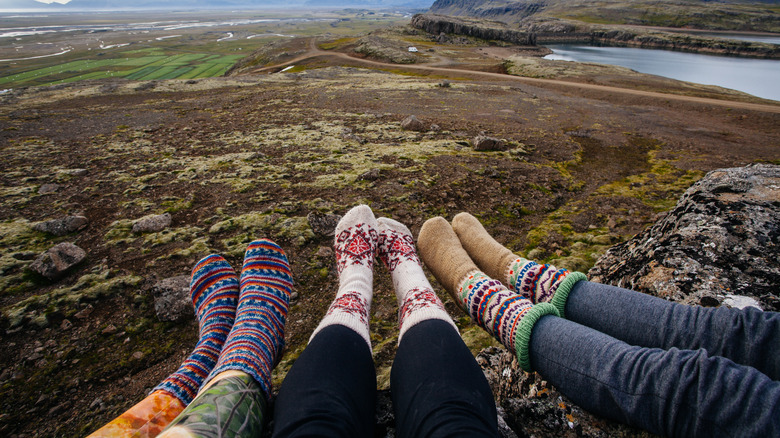
Travelers often focus on planning outerwear and footwear when packing for Iceland, but socks can make just as much of a difference in being comfortable. Standard cotton socks tend to absorb moisture and dry slowly, leaving your feet feeling cold after walking through rain, mist, or wet grass. Since many sightseeing stops in Iceland involve uneven terrain or damp conditions, it's important to keep your feet dry.
Wool or synthetic hiking socks are the way to go for Iceland travel because they help regulate temperature and wick moisture away from the skin. Even when they get slightly damp, they tend to stay warmer than cotton and dry more quickly. Non-cotton socks can make a noticeable difference on long sightseeing days that include waterfalls, coastal viewpoints, or short hikes. One of Rick Steves' best winter packing tips is to pack Merino wool socks to help keep your toes warm.
Good socks also help prevent blisters that you might get with hiking boots. It's important to be as comfortable as possible, especially if you're doing a lot of group excursions and lengthy hikes.
Bringing only one pair of shoes
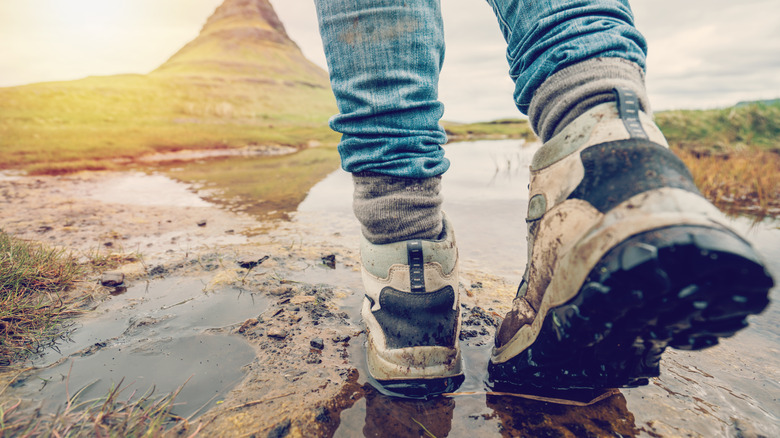
Bringing more than one pair of shoes is important, no matter your intended destination in Iceland. Things happen, and your shoes can get wet or damaged. Between rain, muddy trails, waterfall spray, and rough terrain, your shoes can become soaked quickly. If you only have one pair, your next day might start off cold and soggy.
If you bring at least one other pair of comfortable shoes, you can rotate while one pair dries overnight. Many travelers opt for waterproof hiking boots for outdoor excursions and a lighter pair of sneakers or casual shoes for city walks or dining out. That also gives you another option if your feet hurt after a long day of exploration.
Another thing to keep in mind is to always break in new shoes before your trip. New shoes, especially hiking boots, need time to mold to your feet. The amount of time it takes to break in your boots depends on the type, so don't wait until a couple of days before to purchase new hiking boots.
Not bringing crampons or ice grips in winter
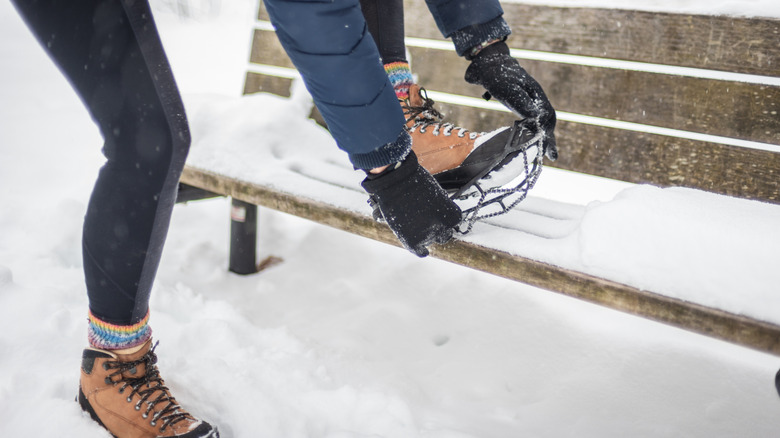
If you're visiting Iceland during the winter, you may experience icy conditions on sidewalks, trails, and some viewpoints. Snow, freezing temperatures, and frequent thaw-and-freeze cycles can transform paths into slick sheets of ice, especially near waterfalls. Parking lots are also prime spots where a thin layer of ice may form. Even a short walk from your car to a viewpoint can feel risky if your shoes don't have proper traction.
Travelers planning a road trip around Iceland during the winter should consider bringing lightweight crampons or ice grips. These attach to the bottom of your shoes and can make walking in icy conditions less risky. Many locals and tour guides use them during the coldest months.
Without that extra grip, it is easy to lose your footing on icy ground. That can turn a fun experience into an uncomfortable or even dangerous situation. While some tours may offer crampons, you'll want to have your own for winter travel in Iceland.