
Forget Redwood National Park — Experience These 9 Lesser-Known Forest Getaways Instead
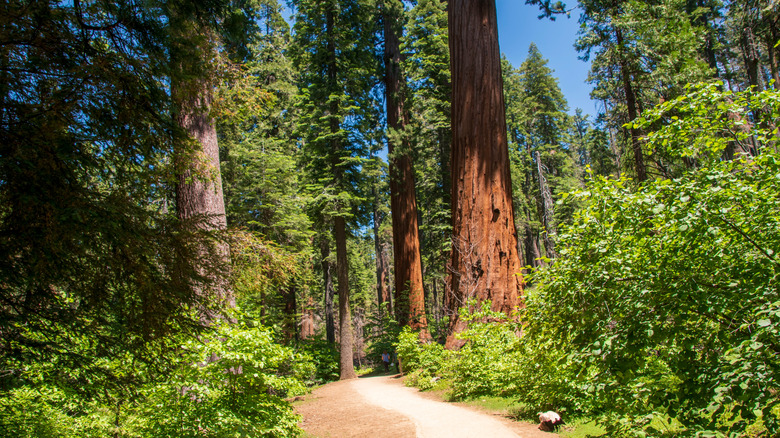
There's a reason human beings are drawn to magical forest landscapes like California's Redwood National Park. Spending time in the forest can boost immunity, improve blood pressure, and alleviate anxiety. You don't have to be an avid hiker to get the benefits, as just visiting the forest and spending time there, a practice the Japanese call "forest bathing," provides a healing dose.
And while redwood forests may be some of the most iconic, you don't have to flock to California's famous Redwood National Park to become a card-carrying tree-hugger. Here we've selected under-the-radar gems across the country, all of which, like Redwood National Park, leave visitors awestruck by the forest itself. Everyone should see the redwoods at least once in a lifetime, but seek out these lesser-known forests for a crowd-free, soul-satisfying getaway. Sample a few, and you may end up wanting to collect 'em all.
Calaveras Big Trees State Park, California
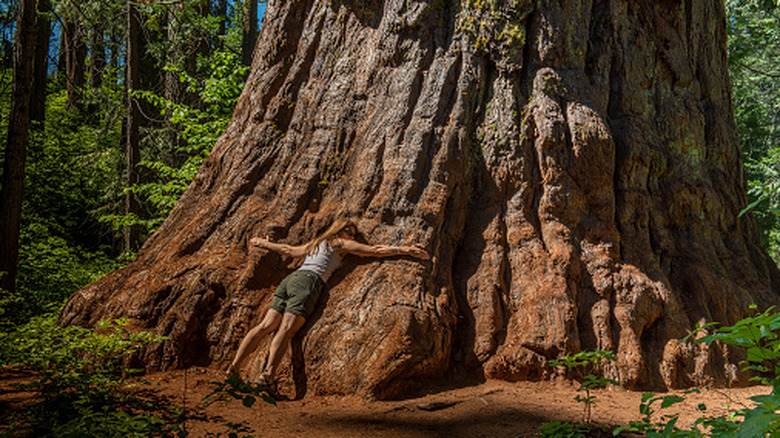
Often overlooked in favor of California's showier destinations like Redwood National Park and Sequoia National Park, California's underrated Calaveras Big Trees State Park in the Sierra Nevadas is just 150 miles from San Francisco, making it an easy weekend getaway destination. Here you can forget Redwood for two groves of giant sequoia to marvel at, with well-signed hiking trails through each. The North Grove Trail is an easy 1.7-mile loop, while the South Grove trail, at 5.1 miles, gives you the full-immersion experience. The 120-site campground lets you sleep in a cathedral-like setting beneath 1,000-year-old trees.
Quinault Rain Forest, Washington
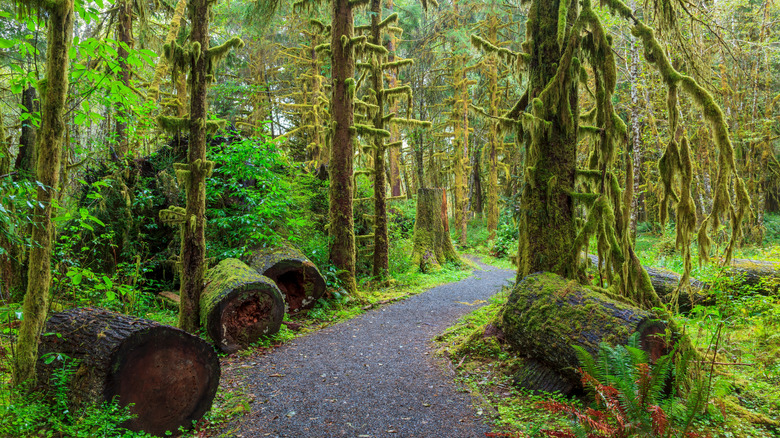
Straddling Olympic National Park and the Olympic National Forest 150 miles from Seattle, the Quinault Rain Forest harbors strikingly green forest scenery, with the world's largest Sitka spruce and Douglas fir trees. Its trails are far less crowded than the Olympic Peninsula's ethereal and lush Hoh Rainforest 75 miles north. Sample everything from long backpacking trips to short, easy forest hikes, including the Maple Glade Nature Trail, a lush kaleidoscope of emerald mosses. There are beautiful campgrounds here, but since the forest sees a whopping 12 feet of rain every year, you might prefer to overnight at the historic and elegant Lake Quinault Lodge.
Cape Perpetua, Oregon
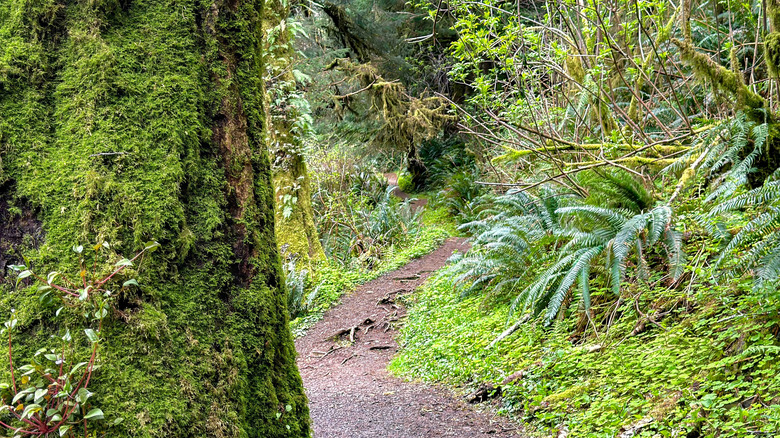
Many visitors to the Oregon Coast come to Cape Perpetua, Oregon's little-visited answer to California's Big Sur for the dramatic coastal bluffs, sea stacks, and tide pools. But don't skip the inland territory where old-growth Sitka Spruce groves provide one of the heavily-logged region's only remaining ancient forests. Tucked inside the Siuslaw National Forest, just 150 miles from Portland, Cape Perpetua has a beautiful forested campground, or you can day hike here and stay in the scenic village of Yachats 3 miles away.
Bristlecone Pine Forest, California
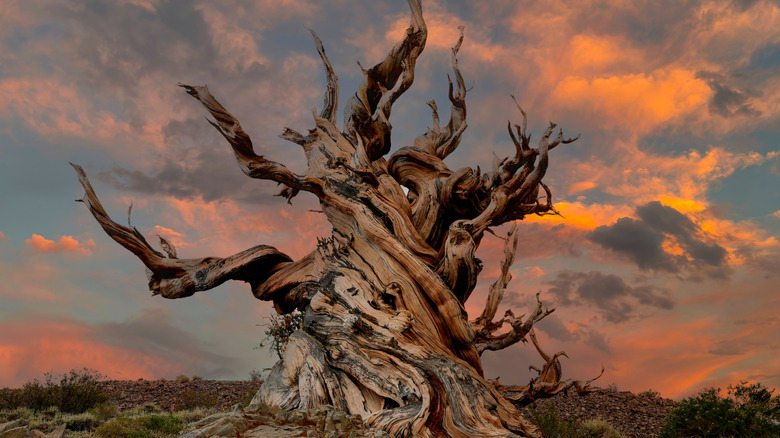
The world's oldest living tree is a bristlecone pine named Methuselah that's nearing its 5,000th birthday. It lives at around 10,000 feet inside the high, remote Bristlecone Pine Forest an hour outside the trendy high-desert adventure city of Bishop, California. You'll need a sharp eye to spot the elder statesman along the 4.5-mile Methuselah Trail, but you'll see more of its long-lived relatives. Stay in Bishop, or camp at tiny, first-come, first-served Grandview Campground, just down the hill at 8,600 feet, with breathtaking night skies. More bristlecone pines can be found in Nevada's remote and thriving, underappreciated Great Basin National Park.
Joyce Kilmer Memorial Forest, North Carolina
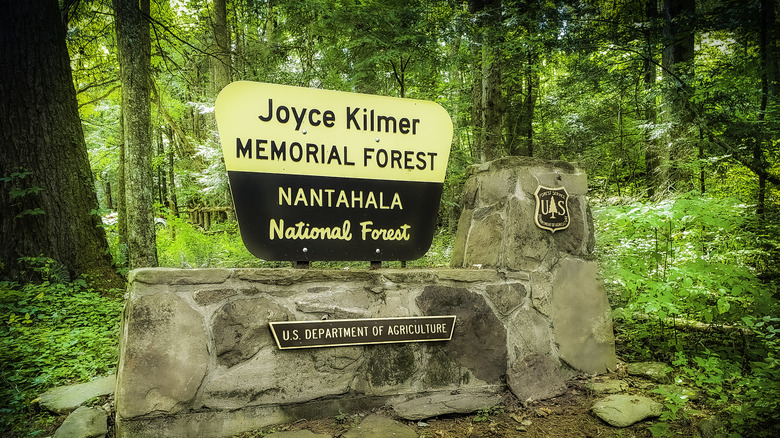
Old-growth forest is a rarity on the East Coast of the United States. Yet the 3,000-acre tract of the unsung Joyce Kilmer Memorial Forest, known for scenic hiking and fewer crowds, inside North Carolina's Nantahala National Forest 100 miles west of Asheville, is the rare exception. The 2-mile Joyce Kilmer Lower Loop Trail lets you traipse through ferns and wildflowers under a shady canopy of 300-year-old sycamore and poplars. Dispersed camping is another West Coast staple that's hard to find in the east. But you can find spots here, along Joyce Kilmer Road, for an old-growth, old-school camping getaway.
Congaree National Park, South Carolina
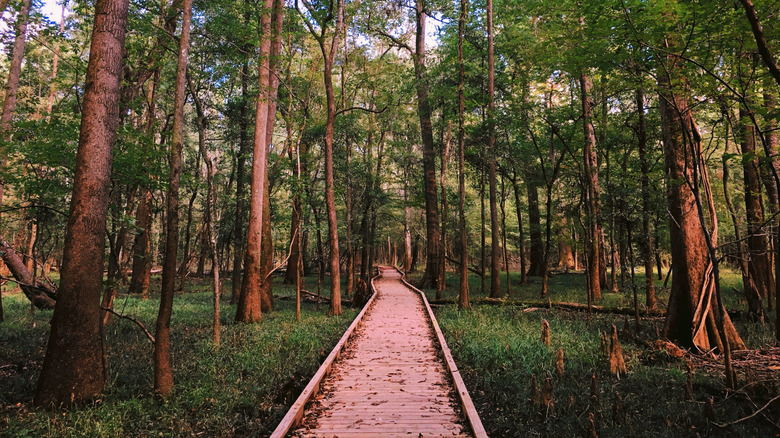
The National Parks Service describes South Carolina's Congaree National Park as "the largest intact expanse of old growth bottomland hardwood forest remaining in the southeastern United States." A moody forest of dense, swampy vegetation, visitors gain access to this landscape via picturesque boardwalks over often-flooded, swampy forest floor. Paddlers have even better access, with 15 miles of water trail along the Congaree River, for day trips or overnights. Both of the park's campgrounds are walk-in only, so tent and hammock campers get a rare RV-free wilderness experience in the woods.
Ocala National Forest, Florida
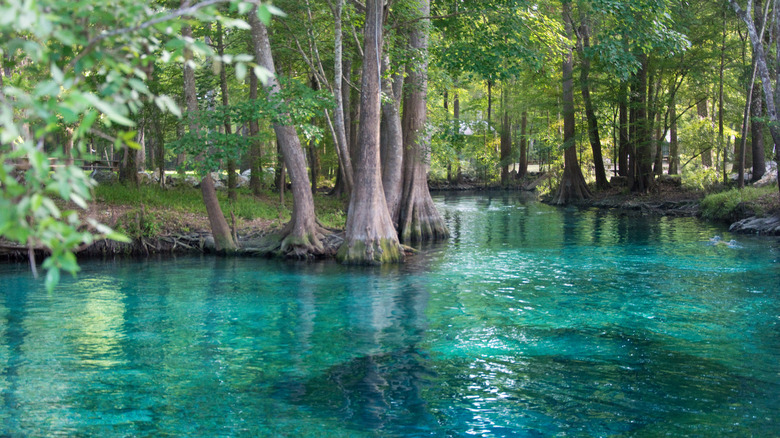
Known as the world's largest sand pine scrub forest, Ocala National Forest may be the farthest thing imaginable from California Redwoods. But its breathtaking variety of scenic beauty, with lush emerald vegetation arching over white sand dunes and blue, spring-fed waters, might have you forgetting Redwood. You're missing out if you don't explore this one via paddlecraft, but you can also dive, snorkel, hike, and camp here. Just 73 miles from Orlando, it's a perfect, restorative getaway for after your theme park vacation, and the Juniper Springs and Salt Springs campgrounds have full hook-ups for your RV.
Shoshone National Forest, Wyoming
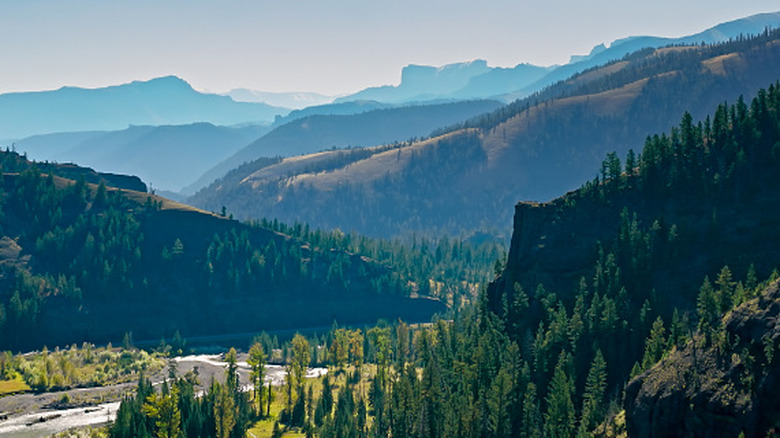
While you're skipping the redwoods, you might as well skip Yellowstone, too. America's oldest national forest, Shoshone National Forest in Wyoming's Wind River Country, has the same forested landscape features as its better-known counterpart right next door, minus the geothermal showstoppers. By comparison, Shoshone is virtually undiscovered, so you'll have solitude galore. And since Shoshone is a National Forest, not a National Park, free, dispersed camping is allowed. One more thing you can get here that you can't get under the redwoods' canopy are the sweeping vistas of forested hillsides stretching as far as the eye can see.
Pemigewasset Wilderness, New Hampshire
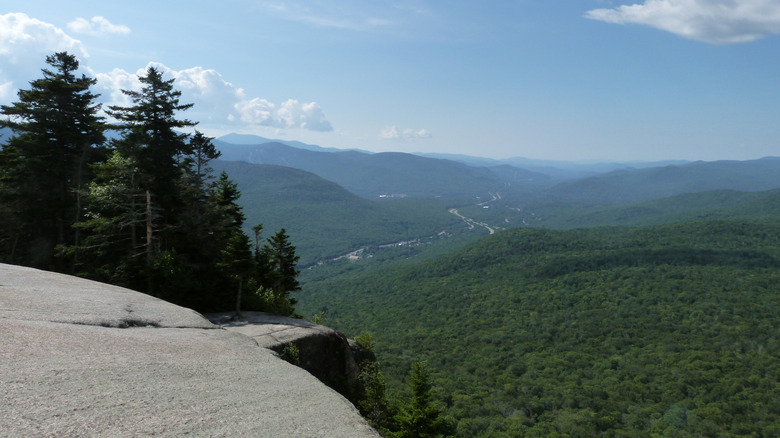
There are no roads inside of New Hampshire's largest wilderness area. To experience its forested beauty, you'll have to take a hike. But the rewards for tackling the difficult trails into the 45,000-acre Pemigewasset Wilderness in the White Mountains are outstanding, including viewpoints where you can see nothing but forest for miles. Known affectionately as "the Pemi" by local outdoorspeople, the most popular backpacking trip here is one of the toughest hikes in America, a 31-mile loop. It traverses peaks and mixed hardwood and evergreen forest, with shared huts where you can reserve a space overnight.